This study investigates the thermodynamic stability of primary and delayed ettringite across a wide compositional and thermal domain, with the aim of establishing compositional boundaries and reaction paths relevant to delayed ettringite formation (DEF) in cementitious systems. Thermodynamic modeling is used to examine the coexistence of ettringite with other aluminate phases in CaO-Al2O3-SiO2 systems at varying temperatures and fixed minor-oxide contents. The results reveal that ettringite is stable at 20 degrees C across most compositions, except in systems with a low sulfate-to-aluminate (S/Al) ratio. At higher temperatures, ettringite becomes unstable and is replaced by phases such as monosulfoaluminate (S-AFm), katoite (C(3)AH(6)), aluminum hydroxide, and CASH-type products. The temperature at which ettringite destabilizes ranges from 65 degrees C to 78 degrees C when SO3/Al2O3 is above 0.45, depending on the CaO/SiO2 ratio. In systems with low CaO and low SO3/Al2O3, ettringite can destabilize at even lower temperatures, around 55 degrees C. The study identifies two main pathways for DEF: (1) the reaction between S-AFm and dissolved sulfate in systems with high CaO and SiO2 (Zones 1-4, where CaO/SiO2 > 2.75 and SO3/Al2O3 > 0.45), and (2) the reaction of dissolved sulfate with calcium and aluminum sources in high-Al2O3 systems (SO3/Al2O3 < 0.45) with lower CaO/SiO2 ratios (Zone 4: CaO/SiO2 < 2.25). Additionally, no coexistence was found between ettringite (S-AFt) and katoite (C(3)AH(6)) at high temperatures, as they stabilize in different aluminum concentration ranges. This lack of coexistence may inhibit DEF when large amounts of C(3)AH(6) form.
In a geological disposal facility, the geochemical evolution of a component in the near field (waste form, backfills, structural components and the host rock) is, amongst other factors, influenced by the geochemical properties of the other factors. One approach to assess the evolution of a so-called disposal cell is by coupled reactive transport modeling. Under the assumptions made in the model, this approach allows to evaluate the long-term interactions of the different components of the disposal cell, providing valuable insights into dominating processes across different time-scales, and critical parameters. The present study considers a specific disposal cell configuration with a bituminized waste form, a cementitious engineered barrier system and a clayey host rock. After resaturation of the disposal facility, the hygroscopic salts present in bituminized waste will drive the uptake of water by the waste form. NaNO3 and CaSO4 salts in the waste form will dissolve and diffuse into the cementitious materials. Eventually, these salts may reach the host rock, thereby altering properties such as for example the occupancy on the cation exchange complex. At the same time, there is the alkaline plume effect on the host rock, and the leaching of cement materials. The objectives of this study are (i) to implement a two-dimensional coupled reactive transport model at the disposal cell scale (engineered barriers and near host rock), (ii) to evaluate the geochemical evolution in the cementitious materials and the host rock as a consequence of leaching of soluble salts from the bituminized waste over a time-scale of a few thousands of years, and (iii) to identify the most critical parameters and processes. The results show that NaNO3 will alter the cement by transforming AFm phases into mononitroaluminate, while CaSO4 will first convert to ettringite and later also gypsum. Specifically, the latter will influence porosity and tortuosity of the cement materials. For the assumptions made in the model and considered time scales, the host rock geochemistry is only limitedly perturbed by these salts. In fact, geochemical changes in the host rock close to the interface with the engineered barrier system are mainly caused by cement leaching.
This study experimentally investigates the influence of sand-to-cement ratios on the delayed ettringite formation (DEF) in low-alkali Portland cement paste and mortar. An experimental matrix and conditions in terms of material properties and thermal cycling to accelerate DEF have been defined. The research assesses the length variations and pore structure evolution of cement paste and various mortar compositions. Qualitative pore analysis reveals that delayed ettringite could initially form in large pores [0.25–1.0 µm], such as the interfacial transition zone (ITZ) surrounding aggregates. Furthermore, the higher the amount of paste matrix, the larger the expansion. Nevertheless, the volume of ITZ, determined by mortar composition, significantly affects the expansion rate. Hardened cement paste is characterized by a large volume of pores below 250 nm and low precipitation rate of delayed ettringite. However, a higher rate was observed in mortar samples with fine aggregates (0.1–0.5 mm) with typical pore sizes larger than 250 nm that represent the regions around ITZs. The findings from this study emphasize the importance of ITZ content in influencing the DEF expansion evolution and magnitude.
Data Science (Digitalization and Artificial Intelligence) became more than an important facilitator in various domains in fundamental and applied sciences as well as industry and is disrupting the way of research already to a large extent. Originally, data sciences were viewed to be well-suited, especially, for data-intensive applications such as image processing, pattern recognition, etc. In the recent past, particularly, data-driven and physics-inspired machine learning methods have been developed to an extent that they accelerate numerical simulations and became directly applied in the nuclear waste management cycle. In addition to process-based approaches for creating surrogate models, other disciplines such as virtual reality methods and high-performance computing are leveraging the potential of data sciences more and more. The present challenge is utilizing of the best experimental and monitoring data as well as model concepts and tools to integrate multi-chemical-physical, coupled processes, multi-scale and probabilistic simulations in Digital Twins (DT) able to mirror or predict the performance of its corresponding existing or future physical implementations including workflows. The call for the Topical Collection was initiated from different actors, including research entities, technical support organizations and nuclear waste management organizations of the European projects EURAD (European Joint Programme on Radioactive Waste Management) and PREDIS (Pre-disposal Management of Radioactive Waste). The Topical Collection attracted a large number of manuscripts, more than eighty of which were published. These articles reveal a strong academic focus on using machine learning to map and assess soil and groundwater resources, hydrology and land use, landslides, and climate protection. They also highlight the core theme of nuclear waste management.
Nuclear liquid waste poses significant environmental risks and requires effective immobilization for safe disposal. Traditional cementitious matrices exhibit poor compatibility with hydrophobic organic wastes like lubricating oils, leading to low waste loading and reduced mechanical integrity. Alkali-activated materials have shown promise but remain underexplored despite their potential for scalability and sustainability. This study investigates the performance of alkali-activated slag (AAS) as a novel hosting matrix for immobilizing two lubricating oils (Nevastane EP100 and Shellspirax S2 80W90) at 20-25 vol.% loading, using Tween 80 surfactant and varying water-to-binder (w/b) ratios (0.35-0.55). Waste-forms were characterized for reaction kinetics via isothermal calorimetry, mechanical strength, density, accessible water porosity, water permeability, and leachability in 6 M NH4NO3 solution to simulate aggressive nitrate-rich environments and predict long-term behavior under groundwater exposure. Key findings reveal that oils delay early reaction but yield comparable cumulative heat release, indicating temporary hindrance. Mechanical strengths decreased (up to 60%) yet met Belgian waste acceptance criteria (>8 MPa compressive, >2 MPa flexural strength). Hydrophobic oils reduced apparent density and water-accessible porosity, while increasing permeability (similar to 17 times higher than reference AAS). Leaching depths (similar to 8-12 mm after 28 days of exposure) and elemental release (e.g., <3.3% of Ca, <8.7% of Na) were similar to pristine AAS, with minimal framework damage. Notably, Nevastane oil dispersed as irregular droplets with better retention, whereas Shellspirax formed segregated zones, leading to higher leaching. Post-leaching, permeability moderately increased due to microcracks and C-A-S-H alterations. This work highlights AAS's novelty as a robust, byproduct-based alternative for nuclear oil waste encapsulation, offering superior miscibility over cement. These insights broaden hosting options, emphasizing optimal formulations for enhanced waste retention and long-term stability, paving the way for sustainable nuclear waste management.
In pursuit of sustainable material design, novel blended cements with high levels of supplementary cementitious materials (SCMs) are being increasingly used. Although the hydration of these blended cements has been extensively studied in the literature, prediction of their hydration kinetics and phase assemblage remain poorly understood, especially in ternary and quaternary blended systems. This study proposes to determine the hydration kinetics and phase assemblages based on the isothermal calorimetry test, the theoretical framework proposed by modified Parrot–Killoh, and thermodynamic simulation. The isothermal calorimetry measurements were performed on various Portland cements blended with BFS (40
This study systematically examines the degradation of cement paste under accelerated leaching conditions using a combined multi-scale experimental and numerical simulation approach, aiming to connect nanoscale structural alterations to macroscale performance decline. Cement paste sheets were leached in 5 M NH4Cl solution (pH approximate to 4.5) for 7 d, 14 d, 28 d, and 56 d. The findings indicate a hierarchy of leaching resistance of cement hydration products: hydrotalcite > C-(A)-S-H > hydrogarnet > ettringite > portlandite, whereas clinker phases (C3S, C2S) are easier to decalcify than C-(A)-S-H. Comprehensive analyses elucidate the mechanisms of Al migration from C-(A)-S-H into Al-Si gel, emphasising the preferential transformation of Al-containing segments and the stabilization of Al primarily in tetrahedral coordination (Al-4). Analysis of pore structure shows that initial leaching mainly enlarges large pores (200-1000 nm) due to the dissolution of portlandite, while subsequent stages primarily increase gel pores (similar to 10 nm) as a consequence of C-(A)-S-H decalcification. Molecular simulations further illustrate that the deterioration of mechanical properties at the nanoscale is primarily influenced by the decrease in packing density rather than the reduction in the Ca/Si ratio. Furthermore, the increase in pore connectivity markedly increases permeability during leaching. This research offers integrated multi-scale insights that enhance the fundamental comprehension of cement paste durability under leaching conditions.
This study analyzes the interaction between delayed ettringite formation (DEF), expansion, and pore size distribution in mortars with varying sand-to-binder (s/b) ratios using an accelerated DEF setup. Measurements of length change, ettringite content, and pore structure show that DEF behavior depends strongly on s/b ratio and microstructural characteristics. Ettringite preferentially precipitates within larger pores (250-1000 nm) in sand-rich mortars, while in paste and low-sand mortars precipitation also extends into smaller pores (70-250 nm). Increasing sand content reduces interparticle spacing, promoting ettringite precipitation. A clear correlation is established between expansion and effective ettringite volume: paste reaches the 0.1% expansion threshold at similar to 2% ettringite, whereas mortars require similar to 3% due to greater pore volume available to accommodate precipitation. An increase in sub-70 nm pores suggests chemical-mechanical processes such as C-S-H decalcification, crystallization pressure, and water redistribution. Overall, DEF-induced expansion is governed by both ettringite volume and its preferential precipitation sites within the specific pore size domains, highlighting the critical role of pore structure in governing DEF-related deterioration.
Within the framework of the European Joint Programme on Radioactive Waste Management, the work package ACED–Assessment of chemical evolution of intermediate level (ILW) and high level (HLW) waste at disposal cell scale–used combined experimental and modelling methods in a multi-scale approach with process integration to improve the long-term modelling and assessment of the chemical evolution at the disposal cell scale. Part I provides the relevance of the assessment of the chemical evolution for safety, performance, and optimization. It further describes the main characteristics of disposal cells for ILW and vitrified HLW waste in European disposal programmes. From that, a number of interfaces between different types of material are identified that are highly relevant for many national disposal programs: glass-steel, steel-concrete, steel-clay, steel-crystalline, concrete-clay, and concrete-crystalline. Based on literature review, the main processes and consequences occurring at these interfaces are described. The key element is the narrative of the evolution at the disposal cell scale based on process understanding. In part II, tools to obtain process understanding–experiments, analogues, modelling–are discussed in detail.
The disposal of long-lived intermediate- and high-level radioactive waste is a major environmental concern. Deep geological disposal is widely regarded as the safest long-term solution. In Belgium, Boom Clay (BC) has been selected as the reference host formation due to its low permeability, self-sealing properties, and strong capacity to retain radionuclides. One specific waste type, Eurobitum--an intermediate-level bituminized waste--is stored in steel canisters within the repository. Over time, groundwater is expected to infiltrate the system and come into contact with these canisters. The bituminized waste swells upon water contact, releasing large amounts of (Na, Ca)NO3 and generating a saline plume that diffuses into the BC. This plume, rich in sodium ions (Na+), can significantly impact the clay's physicochemical and hydro-mechanical behaviour. In this study, undrained triaxial tests under isotropic consolidation were conducted on intact BC samples pre-equilibrated with (Na, Ca)NO3 solutions of varying concentrations. Solutions corresponded to sodium occupancies of 60% (1.0 mol/L) and 90% (2.0 mol/L), along with a reference Boom Clay synthetic water solution (0.015 mol/L NaHCO3). Results showed an increase in shear strength and friction angle with sodium concentration, attributed to clay particle aggregation, shrinkage, and diffuse double layer contraction induced by salinity.
Accurate prediction of risky metal transport in soil is essential for developing effective remediation strategies. This study presents a novel modeling approach that integrates batch and dynamic column experiments with reactive transport modeling in HYDRUS-1D to evaluate the behavior of Zn and Pb in soil amended with biochar (BCH), amorphous manganese oxide (AMO), and their mixture (BCH + AMO). Sorption parameters were initially derived from batch equilibrium experiments and fitted using the commonly applied Freundlich and Langmuir isotherms. Dynamic soil column experiments conducted under saturated flow conditions revealed marked differences in amendment performance, with the BCH + AMO mixture demonstrating the highest retention and stability for both metals. Breakthrough curves were modeled using the Thomas model, which confirmed the presence of competitive sorption and pH-dependent precipitation, particularly for Pb. Initial attempts to apply batch-derived parameters in HYDRUS-1D resulted in an overestimation of sorption (by approximately 45%), necessitating inverse optimization. To address this issue, a conversion formula based on nonlinear regression and machine learning was developed. This enabled the translation of batch-derived Freundlich parameters (Kf and n) into values suitable for dynamic modeling (nreal). As an innovative and added value, the resulting integrated modeling framework reduces reliance on resource-intensive column testing while maintaining accuracy in simulating contaminant transport in saturated soils. Validated in flood-prone soil, this approach shows promise for application in systems such as constructed wetlands and other environments with stable pH and redox conditions. These findings help bridge the gap between static batch data and dynamic field scenarios, providing a robust tool for rapid assessment and prediction of the metal sorption efficiency of soil amendments under real-world conditions.
The European Union’s Horizon 2020 project EURAD (European Joint Progamme on Radioactive Waste Management) aim is to implement a joint Strategic Programme of research and knowledge management activities at the European level, bringing together and complementing EU Member State programmes in order to ensure cutting-edge knowledge creation and preservation in view of delivering safe, sustainable and publicly acceptable solutions for the management of radioactive waste across Europe now and in the future. The broader scope of the work package ACED (Assessment of the chemical evolution in intermediate and high level radioactive waste disposal cells) in EURAD is the assessment of the chemical evolution at the disposal cell scale involving interacting components/materials and thermal, hydraulic and/or chemical gradients. Four generic disposal cells that are representative for the most important aspects of disposal designs in several national disposal programs throughout Europe, formed the basis for the research activities in this work package.Conceptual, mathematical and numerical models were developed and implemented to describe the geochemical evolution in the combined engineered barrier system and the immediately surrounding host formation (clay or granite) from a more detailed scale up to a spatial scale of a few meters and time scales up to 100 000 y. ACED demonstrated the applicability of advanced coupled reactive transport models to provide an integrated view on coupled geochemical processes in the multi-barrier system of a deep geological repository. Insight in the geochemical evolution was obtained from more detailed numerical models at the scale of the waste package (neglecting influences from the host rock) up to models with the detailed geometry and the different materials in the disposal scale (depending on the system including nuclear glass, organic waste, metallic waste, steel, cementitious materials, bentonite, and host rock). Beside models that integrated as detailed as possible the available information, approaches were tested to decrease the model complexity while preserving the key findings of the more complex models; a process also known as model abstraction. Simplifications were made with respect to dimensionality, chemical complexity and numerical accuracy as well by implementing surrogate models based on machine learning tools to replace the parts of the models requiring the most computational time.ACED made a significant step forward in process-based modelling of geochemical interactions in the near field of a geological repository where the engineered barrier system interacts with the host rock. The models and insights obtained for the generic disposal cells can form a basis for more specific research studies in national disposal programs.Acknowledgement: The research leading to these results was funded by the EURAD work package (European Joint Programme on Radioactive Waste Management of the European Union, EC grant agreement nº 847593)
Thanks to the recent progress in numerical methods and computer technology, the application fields of artificial intelligence (AI) and machine learning methods (ML) are growing at a very fast pace. The field of geochemistry for nuclear waste management has recently started using ML for the acceleration of numerical simulations of reactive transport processes, for the improvement of multiscale and multiphysics couplings efficiency, and for uncertainty quantification and sensitivity analysis. Several case studies indicate that the use of ML based approaches brings an overall acceleration of geochemical and reactive transport simulations between one and four orders of magnitude. This paper presents a benchmarking exercise that aims at providing a set of reference data and models for developing and applying ML techniques for geochemical and reactive transport simulations. Several well-known geochemical speciation codes are used to generate systematically a consistent set of high-quality chemical equilibrium data, to be used as input for the training of several ML methods. Two benchmarks are formulated, each with multiple levels of gradually increasing degree of complexity. The first benchmark focuses on cement chemistry, while the second one considers uranium sorption on a clay mineral. The performance of different ML techniques is then evaluated in terms of their numerical efficiency and accuracy. A speedup of several orders of magnitude is observed. The benefits and the limitations of different ML based techniques are then analysed and highlighted.
Long time frames are to be considered in the safety and performance assessment of deep geological disposal of intermediate and high level radioactive waste. Geochemical conditions will change in the waste, conditioning matrix, waste package, engineered barriers and the host rock–all components present at the disposal cell scale. This aspect of geological disposal was the focus of the work package ACED (Assessment of chemical evolution of intermediate level (ILW) and high level (HLW) waste at disposal cell scale) in the EURAD project (the European Joint Programme on Radioactive Waste Management). The first part of this review provided a narrative of the geochemical evolution of the disposal cell. In this second part, an overview is given about methods and approaches that can be used to gain further insights into the processes driving the geochemical evolution, more in particular (i) laboratory and in-situ experiments, (ii) archaeological and natural analogues, and (iii) modelling tools. The review concludes with a short discussion on the consequences on material properties, waste forms and radionuclide mobility.
A deep geological repository is considered an appropriate option for disposal of radioactive waste containing long-lived radionuclides. Engineered barriers’ degradation and radionuclide transport strongly depend on the conditions in the repository. This work presents the assessment of the geochemical evolution in a radioactive long-lived intermediate-level waste disposal cell constructed in granite. The considered cell consists of cemented waste packages, cementitious backfill and several meters of host rock. Three abstracted reactive transport models of different complexity were developed: a 1D model and a 2D model considering transport by advection and diffusion and a 2D model with diffusive transfer only. The changes in the pH, the pore water composition and the materials’ mineralogical composition were observed. The modelling results indicate an increase in the pH in the disposal cell due to leaching of alkalis, which is followed by the dissolution of portlandite and the precipitation of calcite at the granite-vault backfill boundary. The obtained changes in the pH indicate that the geochemical alterations in the disposal cell proceed very slowly. Such a slow degradation could be the result of the formation of the higher pH zone upstream from the disposal tunnel. The advection–diffusion models in 1D and 2D geometries produced similar results. However, the 2D model also identified spatial peculiarities in the changes of the geochemical environment. Comparison of the pure diffusive case results with the advection–diffusion cases demonstrated that both processes are relevant in the analysed disposal cell.
This study investigated the leaching resistance of alkali activated slag mortars (AAS) under immersion in a 6 M NH4NO3 solution for a duration of up to 28 days, taking into consideration the effect of water-to-binder (w/b) ratio. SEM-EDS analysis revealed decalcification, desodiumization, and dealumination in AASs during leaching, leading to changes in the microstructure and micro-mechanical properties of the materials. A combination of N2-adsorption and MIP analysis demonstrated that there was a coarsening of the structure and an increase in porosity along the depth of degradation in the leached AAS. The predominant pore framework in the leached materials was found to be capillary pores. Furthermore, the elastic modulus and micro-hardness of AAS decreased after 28 days of leaching, as evidenced by micro-indentation. The water permeability of AASs exhibited an exponential rise with the increase in porosity, both before and after leaching, as a consequence of the changes in microstructure. Notably, the w/b ratio significantly influenced the leaching rate, microstructure, and water permeability of the AAS.
This study aims to comprehensively investigate the evolution of microstructure, mechanical strength, and their correlation in alkali-activated slag (AAS) mortars, designed for application in the immobilization of liquid radioactive waste, under accelerated carbonation conditions (1% CO2, 20 degrees C and 60% RH). To gain insights into the underlying microstructural changes, CO2 uptake and decalcification of C-A-S-H were analyzed using TGA/ DSC and EDS. The pore structure of AASs was systematically assessed across nano- to macro-scales, employing N2-adsorption, MIP, and SEM segmentation. Generally, carbonation led to a decrease in total porosity, primarily attributed to the reduction in meso-macropore volume. However, the pore size distribution of AAS exhibited a complex alteration over varying carbonation durations. Carbonation significantly reduced flexural strength, whereas its effect on compressive strength was comparatively milder. Notably, an evident linear correlation emerged between porosity and compressive strength in both reference and carbonated AASs.
AbstractThe HYDRUS codes have become standard tools for addressing many soil, agricultural, environmental, and hydrological problems requiring the evaluation of various subsurface physical, chemical, and biological processes. There are now many thousands of HYDRUS users worldwide, with thousands of applications of the HYDRUS models appearing in the peer‐reviewed literature. In this manuscript, we provide an overview of the capabilities of the most recent Version 5 of HYDRUS, focusing primarily on features implemented since 2016. We briefly describe the standard HYDRUS model and its standard and nonstandard specialized add‐on modules that significantly expand the capabilities of the software packages. The standard add‐on modules include HPx, UNSATCHEM, Wetland, Furrow, PFAS, COSMIC, DPU, SLOPE Cube, and Particle Tracking. Recent developments of the HYDRUS Package for MODFLOW are also described, along with additional capabilities incorporated into the graphical user interface supporting HYDRUS. Also discussed are new or improved options to simulate the fate and transport of environmental isotopes, multi‐cropping systems, compensated root water uptake, and hydraulic redistribution within the rootzone, which will be implemented in upcoming add‐on modules. Another objective is to review selected applications of the HYDRUS models, such as evaluations of various irrigation, low‐impact development (LID), and managed aquifer recharge (MAR) schemes.
The chemically induced degradation of alkali-activated materials exposed to the surrounding environment is a critical concern for durability. In this study, the leaching of alkali activated slag mortars (AASs) subjected to a 6M NH4NO3 solution was investigated by integrating techniques including ICP-OES, XRD/QXRD, TGA/DSC, ATR-FTIR, and Si-29 MAS-NMR. The results revealed that the main leachable elements from the AASs and their leaching rates decreased in the following order: Na, K, Ca, and Mg. In contrast, Si and Al, the key elements in the C-A-S-H gel, displayed a remarkable resistance to leaching. Upon NH4NO3 attack, the primary phase (C-A-S-H) becomes more siliceous and has a greater mean chain length through decalcification and dealumination. The second phase, Mg, Al-layered double hydroxide (Mg, Al-LDH, or hydrotalcite), incorporated nitrate from the surrounding solution, sulfate from precursor dissolution, and Ca from gel decalcification to form nitrate/sulfate-bearing Ca, Al-LDH phases. Remarkably, the water-to-binder ratio exerted a nuanced influence, dictating the pace of element leaching, while exhibiting a relatively modest impact on the stability of the solid phases after 28 days of exposure. This work proposes a leaching mechanism for understanding the leaching process occurring in AASs based on an in-depth experimental exploration of mineralogical alterations.
<p>In this presentation, we will review version 5 of HYDRUS, which resulted from merging earlier versions of HYDRUS-1D (4.x) and HYDRUS (2D/3D) (3.x), implementing the new integrated form of coupling PHREEQC with HYDRUS (HPx), and including new modules such as Furrow, PFAS, Particle Tracking, Dynamic Plant Uptake, Cosmic, Stable Isotopes, C-Ride, etc. The new HYDRUS GUI dramatically improves graphical capabilities and extends its compatibility to new Windows-based (e.g., 64) bit) operating systems. The new modules and capabilities include: a) the Particle Tracking module (to calculate soil water&#8217;s transit times and their frequency distributions), b) the Cosmic module (to calculate cosmic-ray neutron fluxes and to use them to inversely estimate large-scale soil hydraulic properties), c) the Dynamic Plant Uptake (DPU) module (to calculate the translocation and transformation of chemicals in the soil-plant continuum), d) the PFAS module (to consider sorption on the air-water interface and the effects of concentration on viscosity and surface tension, and correspondingly on conductivities and pressure heads), e) the Isotope module (to consider the fate and transport of soil water isotopes with evaporation fractionation, f) the C-Ride module (to consider colloid and colloid-facilitated solute transport), and many other new options and graphical (e.g., two-dimensional <em>z</em>-<em>t</em> graphs of main variables) capabilities. Several nonstandard HYDRUS modules (e.g., accounting for overland flow, freezing/thawing, and alternative root water uptake models) will also be discussed. &#160;</p>
 Dirk Mallants合作论文数Belgian Nuclear Research Centre (SCK•CEN), Institute for Environment, Health, and Safety, Boeretang 200, B-2400 Mol, Belgium57
 Janez Perko合作论文数Laboratory for Multiphase Processes, Nova Gorica Polytechnic40
 Quoc Tri Phung合作论文数SCK CEN36
 Jirka Šimunek合作论文数Department of Environmental Sciences, University of California, Riverside35
 Eric Laloy合作论文数Belgian Nucl Res Ctr SCK CEN, Inst Environm Hlth & Safety28
 Geert De Schutter合作论文数Magnel Laboratory for Concrete Research, Department of Structural Engineering, Faculty of Engineering, Ghent University27
 Jan Feyen合作论文数Institute for Land and Water Management, University of Leuven27
 Martinus Th. Van Genuchten合作论文数Department of Nuclear Engineering, Federal University of Rio de Janeiro27
 G. (Guang) Ye合作论文数Section of Materials and Environment, Department of Materials, Mechanics, Management & Design, Faculty of Civil Engineering and Geosciences, Delft University of Technology;Microlab, Faculty of Civil Engineering and Geosciences, Delft University of Technology;CMMB Group24
 Norbert Maes合作论文数22
 Bertrand Leterme合作论文数21S. C. Seetharam合作论文数19
 Jan Vanderborght合作论文数Institut fur Bio-und Geowissenschaften, Forschungszentrum Julich GmbH;Department of Earth and Environmental Sciences, KU Leuven;Faculty of Bioscience Engineering, KU Leuven16
 Yakov Pachepsky合作论文数Environmental Microbial & Food Safety Laboratory, Beltsville Agricultural Research Center, United States Department of Agriculture14
 Ravi A. Patel合作论文数Institute for Environment Health and Safety, Ghent University13
 Andrey Guber合作论文数Environmental Microbial Safety Laboratory, USDA-ARS11
 Harry Vereecken合作论文数Institut fur Bio- und Geowissenschaften, Forschungszentrum Julich11
 Rogiers Bart合作论文数9
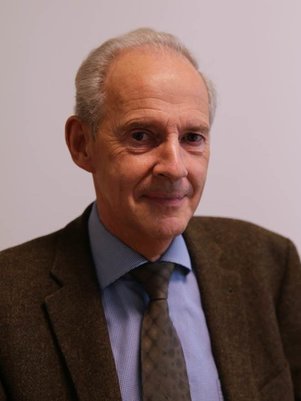 Klaas Van Breugel合作论文数Department of Materials, Mechanics, Management & Design (3Md), Faculty of Civil Engineering and Geosciences, TU Delft9
 Ozlem Cizer合作论文数Department of Civil Engineering, K.U. Leuven9r e cady合作论文数8Ulrich Mayer合作论文数Geological Engineering, Faculty of Applied Science, The University of British Columbia8
 Francis Claret合作论文数BRGM8A. Dauzeres合作论文数8sanheng liu合作论文数7evelien martens合作论文数7
 Binayak Mohanty合作论文数Department of Biological & Agricultural Engineering, Texas A&M University;College of Agriculture and Life Sciences, Texas A&M University7
 Yiannis Pontikes合作论文数Department of Metallurgy and Materials Engineering, Katholieke Universiteit Leuven, Kasteelpark Arenberg 44, B-3001, Heverlee (Leuven), Belgium7
 Niklas Linde合作论文数Institute of Earth Sciences, Faculty of Geosciences and Environment, University of Lausanne7
 Jan Elsen合作论文数Department of Earth and Environmental Sciences, Katholieke Universiteit Leuven7Lander Frederickx合作论文数6
 Olaf Kolditz合作论文数Department Environmental Informatics, Helmholtz Centre for Environmental Research;Technische Universität Dresden6
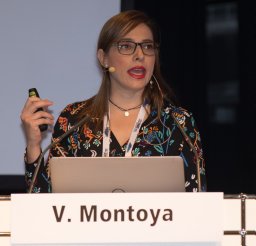 Vanessa Montoya合作论文数Unitat de Química Inorgànica, Universitat Autònoma de Barcelona6A. Timmerman合作论文数5
 Thi Nhan Nguyen合作论文数Belgian Nucl Res Ctr SCK CEN, Inst Environm Hlth & Safety5
 Anna Varzina合作论文数Dept Civil Engn, Katholieke Univ Leuven5Lian Wang合作论文数5
 Engelhardt Irina合作论文数Forschungszentrum Jülich, Institute of Bio- and Geosciences, 52425 Jülich, Germany.5Rafael Angulo-Jaramillo合作论文数5
 Javier Samper合作论文数Canales y Puertos;Univ . Coruña;Canales y Puertos, Univ . Coruña5
 Teamrat A. Ghezzehei合作论文数Earth Sciences Division;Lawrence Berkeley National Laboratory;Earth Sciences Division, Lawrence Berkeley National Laboratory5Jirka Šimůnek合作论文数5Miroslav Šejna合作论文数5P. De Cannière合作论文数SCK•CEN5
 Antoine Di Ciacca合作论文数4
 Joan Govaerts合作论文数4
 Michael H. Young合作论文数Bureau of Economic Geology, Jackson School of Geosciences, University of Texas at Austin4
 Mehdi Rahmati合作论文数Dept Soil Sci & Engn, Univ Maragheh4
 Jasper Vrug合作论文数Department of Civil and Environmental Engineering, Samueli School of Engineering, University of California4




