Background/Objectives: Stress is a pervasive modern challenge that contributes to serious health problems and affects a significant proportion of the population. This study examines whether an Individual Health Management (IHM) programme incorporating elements of traditional Chinese medicine is effective in reducing stress. Methods: Participants experiencing stress were enrolled in a monocentric randomised controlled trial. The intervention group received the IHM programme and was monitored for 12 months. After six months, a primary comparison was conducted with a waitlist control group, who then also received the intervention. Additional crossover analyses were employed. The main outcome measure was the change in subjective stress (as measured by the Perceived Stress Questionnaire, PSQ) from baseline after six months. Secondary outcomes included further parameters related to stress and mental load. Results: The intervention group achieved normal stress levels, with a 41% reduction, while the control group experienced a 9% reduction. The adjusted mean difference in PSQ scores between the two groups was -21.02 (95% CI: -27.34, -14.70), accounting for baseline values and gender. This is the ANCOVA result for the ITT population at the 6-month follow-up. Secondary outcomes also improved significantly. Conclusions: The IHM has multiple moderate to strong effects on mental health, resulting in clinically normal distress scores that can persist for up to one year.
Objectives: To optimally select chronic pain patients for different treatments, as it is of interest to identify patient characteristics that might moderate treatment effect. Our aim was to evaluate the impact of possible moderators on the effect of acupuncture treatment using a large data set. Methods: We used data from an individual patient data meta-analysis of high-quality randomized trials of acupuncture for chronic headache and migraine, osteoarthritis, and back, neck, and shoulder pain. Using meta-analytic trial-level and patient-level regression analyses, we explored the impact of 5 documented patient characteristics (patients' age at baseline, sex, pain duration, baseline pain severity and baseline psychological distress) on the effect of acupuncture. Results: A total of 39 trials met the inclusion criteria: 25 use sham-acupuncture controls (n = 7097) and 25 non-acupuncture controls (n = 16,041). Of the 5 patient characteristics analyzed, only baseline pain severity was found to potentially moderate the treatment effect of acupuncture, with patients reporting more severe pain at baseline experiencing more benefit from acupuncture compared to either sham-control or non-acupuncture control. Baseline psychological distress showed small treatment moderating effects, and results for sex were inconsistent. There was no strong evidence that age or duration of pain influenced the response to acupuncture. Discussion: Of 5 patient characteristics tested, we found only baseline severity of pain to potentially moderate the effect of acupuncture treatment. For clinical practice, the evidence from this analysis does not justify stratifying chronic pain patients into subgroups that should or should not receive acupuncture on the basis of these 5 characteristics. Future acupuncture trials should assess other potentially important effect moderators.
The Traditional Chinese Medicine (TCM) Hospital in Bad Kötzting, Germany, is treating chronically ill patients, covering a broad range of indications. The aim of this study was to prove the efficacy of a multimodal intervention combining mainstream medicine with TCM treatments on the severity of psychopathological symptoms. Out of 966 patients with chronic psychosomatic disease treated 2017 at the TCM Hospital, we selected 759 patients according to specific criteria and analyzed the outcomes after multimodal intervention. The patients completed a validated questionnaire (International Statistical Classification of Diseases (ICD) Symptom-Rating-(ISR)) at admission, discharge, and follow-up. The most frequent ICD-10 diagnoses were “diseases of the musculoskeletal system and connective tissue” (28.5%), “mental and behavioral disorders” (23.7%), and “diseases of the nervous system” (13.8%). Regarding ISR symptom load, “depressive syndrome” and “anxiety syndrome” were the leading burdens showing remissions of about 40%–60% with moderate (0.588) to strong (1.115) effect sizes (Cohen’s d) after treatment. ISR total scores at discharge and follow-up were remarkably lower after intervention (0.64 and 0.75, respectively) compared to 1.02 at admission with moderate to strong effect sizes (0.512–0.815). These findings indicate a clinically relevant relief from mental symptom load after intervention with lasting clinical effects for at least six months.
The efficacy of the plant-derived polyphenol curcumin, in various aspects of health and wellbeing, are a matter of public interest. An internet search of the term "Curcumin" displays about 12 million hits. Among the multitudinous information presented on partly doubtful websites, there are reports attracting the reader with promises ranging from eternal youth to cures for incurable diseases. Unfortunately, many of these reports are not based on scientific evidence, but they feed the desideratum of the reader for a "miracle cure". This circumstance makes it very difficult for researchers, whose work is scientifically sound and evidence is based on the therapeutic benefits (or side effects) of curcumin, to demarcate their results from sensational reports that circulate in the web and in other media. This is only one of many obstacles making it difficult to pave curcumin's way into clinical application; others are its nonpatentability and low economic usability. A further impediment comes from scientists who never worked with curcumin or any other natural plant-derived compound in their own labs. They have never tested these compounds in any scientific assay, neither in vitro nor in vivo; however, they claim, in a sometimes polemic manner, that everything that has so far been published on curcumin's molecular effects is based on artefacts. The here presented Special Issue comprises a collection of five scientifically sound articles and nine reviews reporting on the therapeutic benefits and the molecular mechanisms of curcumin or of chemically modified curcumin in various diseases ranging from malignant tumors to chronic diseases, microbial infection, and even neurodegenerative diseases. The excellent results of the scientific projects that underlie the five original papers give reason to hope that curcumin will be part of novel treatment strategies in the near future-either as monotherapy or in combination with other drugs or therapeutic applications.
This case report indicates a complication of a footbath with herbs, self-applied by a patient at home. A 60 year old female patient presented herself at the TCM (Traditional Chinese Medicine) hospital, Bad Kötzting, Germany with the main symptoms of persistent coughing fits and disturbing smells especially during meals. At admission, she was administered a high dose Chinese herbal therapy complementary to her already prescribed pharmaceuticals. During her sojourn in the hospital she started suffering from numbness in both feet, preferred on the dorsum, and up to and including the toes, accompanied with a sensation of cold. Therefore TCM herbal footbaths containing 5g Psoraleae fructus semen (Buguzhi) were administered, twice a day, for 2 weeks, during the hospital stay without any complications. One week after discharge from the hospital she went on with her footbaths, prescribed for outpatient treatment. Buguzhi is suspected to cause phototoxic reactions under sunlight. Unfortunately, the patient applied the prescription-based footbath under a parasol in her garden. This seems to be the reason, why the patient developed an erythema bullosa grade three. She was treated with antibiotics for 10 days and ointment bandages until remission. To avoid similar adverse events in future, patients have to be informed to not expose their skin to solar irradiation during or after footbaths containing Buguzhi. Alternatively it has to be considered to omit Buguzhi for the use of footbaths applied as outpatient treatment.
Unfavorable lifestyle factors influence the risk of stress disorders. For risk reduction, lifestyle modifications, such as regular physical activity, balanced nutrition and competence in stress management, are a means of choice. The clinical study examines the efficacy of an intensive lifestyle intervention, named Individual Health Management (IHM), − with regard to a reduction of perceived stress. The study is supported by the major regional health insurance, which conducts, in cooperation with the Traditional Chinese Medicine (TCM) hospital, Bad Kötzting, a local model project offering insurants the IHM program as prevention measure against stress and related aftermath.
Within the last 25 years, a strong worldwide movement driving the integration of safe and effective traditional practices and self-care techniques into mainstream health care has developed. The reason for this relates to a strong dissatisfaction with conventional medicine and its one-sided focus on high-tech interventions and pharmaceutical drugs for the management of established diseases. A more comprehensive approach to individual needs regarding health shall be provided through diagnostic and therapeutic methods by a nonconventional ‘Complementary and Alternative Medicine (CAM)’. This term has been used by the National Institutes of Health (NIH), USA, for a long time. Thereby, the wording ‘Complementary Medicine’ was embossed internationally – also in German-speaking countries – and established as a concept using non-mainstream methods in combination with, not in place of, conventional medicine [1]. In contrast, the term ‘Alternative Medicine’ has become more or less uncommon in the nomenclature of this concept. The labeling ‘Naturopathy’ – as a German ‘feature’ based primarily on the Kneipp model – has never stopped being used in Germany, due to its long history. Anyhow, the German health care system and public also adopted the term ‘Complementary Medicine’. In Switzerland, it has even become part of the constitutional law. The understanding of the concept goes along with the NIH definition and refers to all additional non-mainstream practices outside naturopathy. Since 1994, charismatic persons like Andrew Weil (University of Arizona) pushed the term ‘Integrative Medicine’ in the USA and beyond [2–4]. Weil’s vision focusses on the idea that everyone is responsible for their own health: ‘It is up to you to learn how to maintain it and to protect your body’s potential for self-healing as you go through life. No doctors, no treatments, no system can do this for you or force you to do it on your own’ [3]. Thus, health promotion and preventive medicine have become fundamental features of ‘Integrative Medicine’. Its concept encompasses all aspects of lifestyle, seeks to optimize the individual’s innate healing capacity in case of illness, and emphasizes the patient’s participation in maximizing personal health resources and protecting factors [2, 4]. This salutogenic approach is complementary to the concept of conventional medicine with its pathogenesis-oriented practice and theory. Using complementary approaches to foster health and wellness in terms of empowering people to keep themselves healthy and to address self-healing resources corresponds exactly to this salutogenic draft of ‘ComplePublished online: April 17, 2018
Traditional Chinese medicine (TCM) products, as herbal treatment options for minor illnesses or functional ailments, have a long history in China and other Asian countries (1-6), and are used as complementary medicine even for more serious diseases in other countries including Germany (7).
Background: There is a global trend to a stronger active involvement of persons in the maintenance and restoring of health. The Competence Centre for Complementary Medicine and Naturopathy (CoCoNat) of the Technical University of Munich (TUM) has developed a lifestyle concept to enable each individual to manage his or her health - Individual Health Management (IHM) - and a web-based health portal named Virtual Tool for Education, Reporting, Information and Outcomes (VITERIO (R)), which addresses these needs for practice and research. Objectives: The objectives of this study were to establish a core set of questionnaires for a self-assessment program on certain risk indications and comprehensive protection factors of health and to develop and enhance 1) tools for individual feedback, longitudinal self-monitoring, self-assessment, and (self-)care-planning; 2) training packages; 3) open notes and records for provider and patient; and 4) tools for monitoring groups and single participants in various indicators for individual coaching and scientific evaluation. Methods: The CoCoNat of TUM, Faculty for Applied Health Science of Technische Hochschule Deggendorf, VITERIO (R) company, IHM campus network, and Erich Rothenfusser Foundation, Munich, provide a consortium responsible for content, research strategy, technical production and implication, postgraduate education for IHM coaches, implementation of IHM in various settings, and funding resources. Results: A data set of indicators for health screening and self-monitoring of findings, symptoms, health behavior, and attitudes are integrated into a web-based health portal named VITERIO (R). The article introduces some implemented graphical solutions of developed tools and gives examples for daily use. Conclusion: Behavioral change and adaptation in attitudes and personal values are difficult issues of health education and lifestyle medicine. To address this problem best, the implementation of a patient-centric, performance measures-based program including open records and a blended learning concept were elaborated. The combination of an individual web-based health portal with personal coaching allows the implementation of IHM in everyday practice.
In the last two decades, targeted therapies have enhanced tumor patient care and treatment success, however, metastatic growth still cannot be stopped efficiently and, therefore, mortality rates remain high. Prevention strategies against formation of metastases are the most promising approach we have, however, due to lack of clinical validation studies, they have not yet entered routine clinical care. In order to smooth the way for efficient prevention, further preclinical and large clinical studies are required. In this context, the underlying molecular mechanisms and factors that lead to metastatic growth have to be explored, and potential preventive agents have to be tested. Thereby, special attention has to be paid to natural bioactive compounds which do not exert major adverse effects, like the plant-derived polyphenol Curcumin, which is known to be a powerful antitumor agent. So far, most of the preclinical studies with Curcumin have focused on its effect on inhibiting tumor cell proliferation and invasion, although, it is known that it also inhibits metastatic spread in vivo. This review discusses the preventive potential of this natural compound not only against tumor onset, but also against formation of metastases.
OBJECTIVE:Overweight and obesity are globally increasing risk factors for diseases in the context of metabolic syndrome. A randomized controlled trial was conducted to investigate whether there are any existing differences between two lifestyle intervention strategies with respect to weight reduction after 1 year.SUBJECTS AND METHODS:A total of 166 subjects with a body mass index of 28-35 kg/m2 were enrolled in this trial at seven study centers; 109 were randomly allocated to the intervention group (comprehensive lifestyle modification program: web-based Individual Health Management [IHM]) with 3-month reduction phase plus 9-month maintenance phase, and 57 were allocated to the control group (written information with advice for healthy food habits: usual care [UC]). Body weight, waist circumference, blood pressure, laboratory findings, and bioimpedance analysis used to determine body composition were measured at baseline and after 3, 6, 9, and 12 months. The primary outcome parameter was body weight at month 12 compared to baseline.RESULTS:With respect to baseline status there were no statistically significant differences between the groups. Based on the intent-to-treat population, body weight showed a mean decrease of 8.7 kg (SD 6.1) in the intervention group (IHM) and 4.2 kg (SD 5) in the control group (UC) at month 12. This statistically significant difference (P<0.001) was confirmed by various sensitivity analyses. Body mass index, waist circumference, high-density lipid cholesterol, body fat, and the ratio of fat and body cell mass improved to a significantly higher degree in the IHM group.CONCLUSION:IHM proved to be superior to UC in weight reduction after 1 year. With a mean loss of about 10% of the baseline weight, a clinically high relevant risk reduction for cardio-metabolic diseases is achievable.
 Wolfgang Weidenhammer合作论文数136
 Bauer, Rudolf合作论文数Institut für Pharmazeutische Wissenschaften, University of Graz132
 Hildebert Wagner合作论文数Ludwig-Maximilians-Universitat Munchen122
 Anton Staudinger合作论文数115K. Linde合作论文数97
 Peigen Xiao (肖培根)合作论文数Institute of Medicinal Plant Development, Chinese Academy of Medical Sciences74Andrea Streng合作论文数55Reinhard Saller合作论文数Department of Internal Medicine F, University Hospital Zurich46
 Klaus Linde合作论文数Centre for Complementary Medicine Research, Technical University of Munich;Institute of General Practice and Health Services Research, Technical University of Munich43
 Benno Brinkhaus合作论文数Charite University Hospital Berlin, Berlin, Germany43
 Claudia Witt合作论文数Institut für Komplementäre und Integrative Medizin, Universitätsspital Zürich34
 Edzard Ernst合作论文数University of Exeter31
 Andreas Michalsen合作论文数Institute of Social Medicine, Epidemiology and Health Economics, Charité – Universitätsmedizin Berlin29A Staudinger合作论文数25
 Hermann Wagner合作论文数School of Medicine, Technical University of Munich25S Püls合作论文数21
 Talee Barghouti合作论文数21Falkenbach A合作论文数20Stefan N. Willich合作论文数20
 Harald Walach合作论文数Viadrina European University Frankfurt (Oder)20Gustav J. Dobos合作论文数Integrative Medicine, University of Duisburg-Essen19Jürgen Reichling合作论文数18Kl Resch合作论文数17
 Christoph Gutenbrunner合作论文数Department of Rehabilitation Medicine, Hannover Medical School17Stefan Wagenpfeil合作论文数17Stefan Hager合作论文数17Andrea Hoppe合作论文数17S Hager合作论文数16A. Hoppe合作论文数16E. Blumenthal-Hausmann合作论文数14K. Kraft合作论文数14
 Peter Heusser合作论文数Herdecke;Department fur Humanmedizin, Fakultat fur Gesundheit, Universitat Witten14
 Dominik Irnich合作论文数Interdisciplinary Pain Centre, Department of Anesthesiology, University of Munich;Klinik für Anaesthesiologie, Ludwig Maximilian University of Munich14Erich Mur合作论文数13Bühring M合作论文数13
 Stange Rainer合作论文数Department for Natural Medicine, Charité-Universitaetsmedizin Berlin-Campus Benjamin Franklin13
 Frauke Musial合作论文数Department of Community Medicine, UiT The Arctic University of Norway13
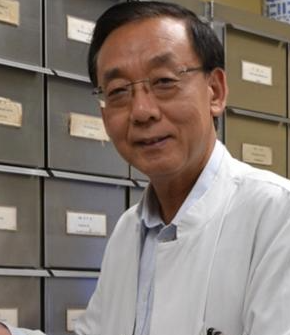 Jingzhang Dai合作论文数Beijing University of Chinese Medicine;TCM Hospital13
 Erich Wuhr合作论文数13Kuzeff R M合作论文数12
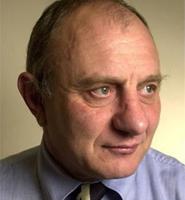 George Lewith合作论文数Department of Primary Care, University of Southampton12Gj Dobos合作论文数12R. P. Mecheva合作论文数12S Reitmayr合作论文数12P.H. Canter合作论文数11
 Axel Eustachi合作论文数11E.M. Schneider合作论文数11JZ Liao合作论文数11




