Background: Among sexual minorities (SMs), experiencing discrimination has been associated with greater substance use at the day-level. However, variations in sample characteristics and measures of day-level discrimination limit the generalizability of findings. Furthermore, it is unknown how positive experiences due to minority identity (“Minority Strengths”) may impact the association between experiencing discrimination and same day drinking. Methods: The present study extends prior research on discrimination and drinking using detailed discrimination measures, Minority Strengths measures, and a gender diverse sample. Participants (N = 61) were majority White (n = 45, 73.8 %) adult (mean age 26.8 years) self-identified SMs (e.g., 44.3 % identified as “gay”) who engaged in alcohol use within the past month. Participants completed up to 31 days of daily diary surveys about their experiences and drinking. Recruitment took place in the northeastern U.S. from May to December 2021. Results: Multilevel model analysis indicated that experiencing discrimination was associated with increased same day drinking among Black, Indigenous, people of color (BIPOC) participants but not among White participants. A significant gender by discrimination interaction indicated that cisgender men drank more the same day they experienced discrimination compared to cisgender women and transgender/non-binary participants. Minority Strengths had no impact on these relationships. Conclusions: Results highlight that the experience of discrimination and its association with drinking may be influenced by a host of contextual factors that are attached to racial and gender identities. Future research should examine how discrimination in different contexts (e.g., regions) and based on specific identities may be associated with alcohol use.
Integrating gender-affirming care with biomedical HIV prevention could help address the disproportionate HIV risk experienced by transgender and nonbinary (trans) adults. This discrete choice experiment assesses and identifies the most important programming factors influencing the decisions of trans adults to use injectable long-acting HIV pre-exposure prophylaxes (LA-PrEP). From March to April 2023 n = 366 trans adults in Washington state chose between four different choice profiles that presented hypothetical programs (each comprised of 5 attributes with 4 levels). We analyzed ranked choice responses using a mixed rank-ordered logit model for main effects. Respondents preferred to receive LA-PrEP from a gender-affirming care provider and a co-prescription for both oral and injectable hormones. Trans adults strongly favored 12-month protection and injection in the upper arm. No strong preferences emerged surrounding the type of health facility offering the gender-affirming LA-PrEP program. Our findings show that integrating and leveraging gender-affirming health systems, inclusive of medical services such as hormone therapy, with HIV biomedical products like LA-PrEP is strongly preferred and influential to trans adults' decision to use LA-PrEP. Leveraging choice-based design experiments provides informative results for optimizing gender-affirming LA-PrEP programming tailored to trans adults.
Diagnosing and treating patients with acute or early HIV-1 infection (AEHI) is an important strategy to prevent HIV-1 transmission. We used qualitative methods to understand factors that facilitate adjustment to AEHI diagnosis, prompt linkage to care and initiation of antiretroviral treatment (ART). Twenty-three AEHI patients (12 women, 11 men) included 18 participants identified at health facilities, and 5 participants identified in a sex worker cohort. Of these, 17 participants (9 women, 8 men) participated in qualitative interviews about their AEHI status 2 weeks after diagnosis. Thirteen participants (7 women, 6 men) returned for a second interview 12 weeks after diagnosis. Interviews explored participants' experiences at the time of and following their diagnosis, and examined perceptions about ART initiation and behavior change recommendations, including disclosure and partner notification. A grounded theory framework was used for analysis, eliciting three important needs that should be addressed for AEHI patients: 1) the need to better understand AEHI and accept one's status; 2) the need to develop healthy strategies and adjust to the reality of AEHI status; and 3) the need to protect self and others through ART initiation, adherence, safer sex, and disclosure. A preliminary conceptual framework to guide further intervention and research with AEHI populations is proposed.
Antiretroviral therapies have proved life‐saving in HIV infection, dramatically reducing morbidity and mortality. With longer survival, morbidities and mortalities in HIV infection are increasingly similar to the morbidities and mortalities associated with ageing. In treated HIV infection, the risk of these morbidities and mortalities is linked to immune activation, inflammation and coagulation indices. And in persons with treated HIV infection, failure to restore circulating CD4 T cell numbers is associated with a greater risk of morbidities and mortalities as well as to heightened levels of inflammation and coagulation. The drivers of immune activation, inflammation and coagulation in treated HIV infection are incompletely defined and could be related to sustained low levels of viral replication in tissues, to translocation of microbial products across a damaged gut mucosa, to replication of co‐pathogens such as cytomegalovirus, to increased levels of inflammatory lipids, or to homeostatic responses to lymphocytopenia that may drive expansion of CD8 T cell numbers. We present here models that link inflammation and coagulation to morbid outcomes as well as to the pathogenesis of CD4 T cell restoration failure and CD8 T cell expansion.
 Christopher William Kahler合作论文数Department of Behavioral and Social Sciences,School of Public Health, Brown University;Center for Alcohol and Addiction Studies,School of Public Health, Brown University11
 Suzanne M. Colby合作论文数Department of Behavioral and Social Sciences,School of Public Health, Brown University/Center for Alcohol and Addiction Studies,School of Public Health, Brown University6
 Kristen Underhill合作论文数6
 Nadine R Mastroleo合作论文数Biobehavioral Health and Prevention Center, Penn State University6
 Nancy P Barnett合作论文数Department of Behavioral and Social Sciences,School of Public Health, Brown University5
 Paul Montgomery合作论文数Department of Social Policy, Sociology and Criminology, School of Social Policy, College of Social Sciences, University of Birmingham4
 Peter Michael Monti合作论文数Department of Behavioral and Social Sciences,School of Public Health, Brown University/Center for Alcohol and Addiction Studies,School of Public Health, Brown University4A. Surace合作论文数3P Monti合作论文数3
 Nickolas Zaller合作论文数Dept Hlth Behav & Hlth Educ, Univ Arkansas Med Sci3
 Omar Galárraga合作论文数Department of Health Services, Policy and Practice, Brown University3E. H. Mereish合作论文数2
 Danielle Giovenco合作论文数International Health Institute, Brown University School of Public Health2
 Kristi Gamarel合作论文数Department of Health Behavior and Health Education, School of Public Health, University of Michigan-Ann Arbor2
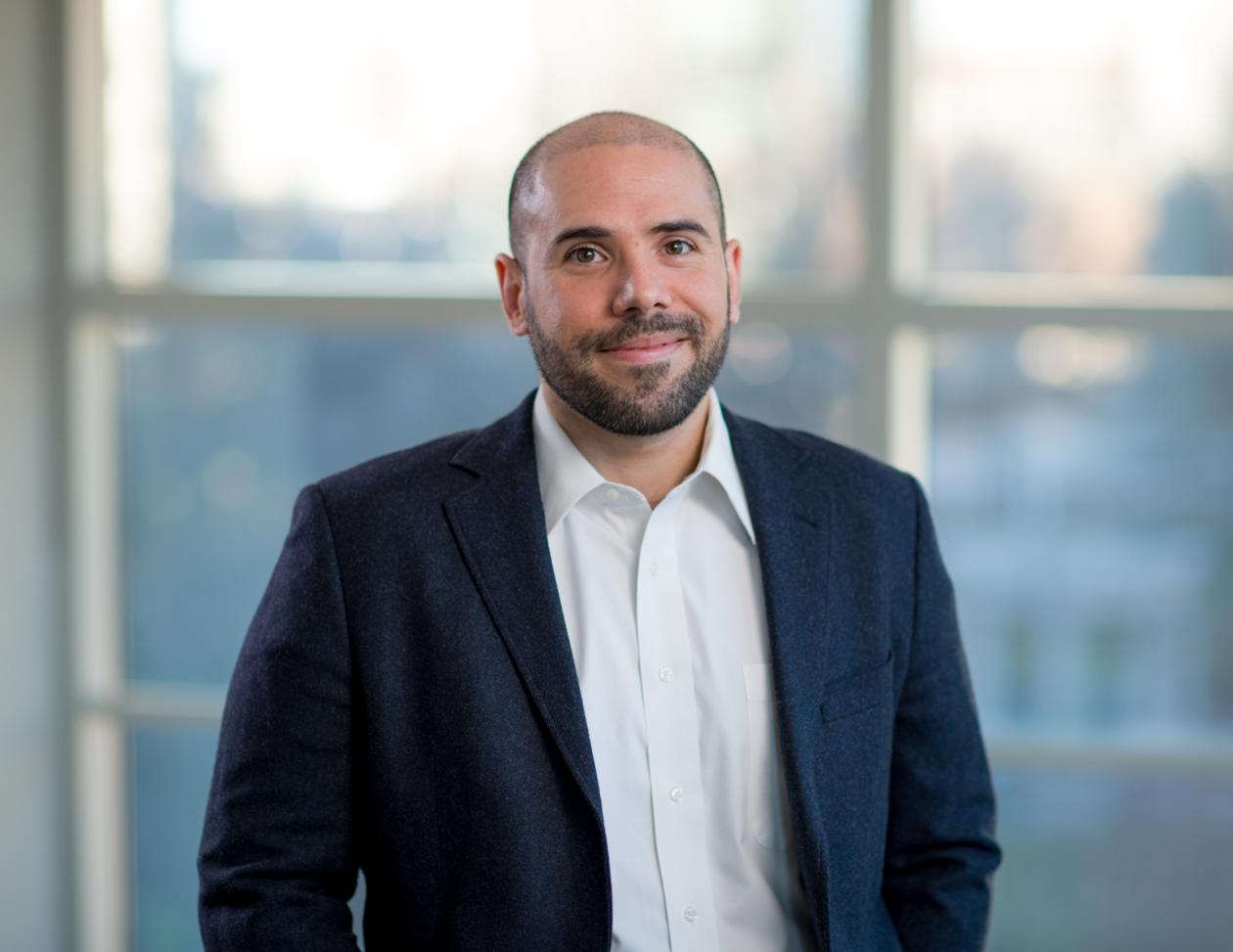 Mark Anthony Celio合作论文数Department of Behavioral and Social Sciences,School of Public Health, Brown University/Alcohol Research Center on HIV,School of Public Health, Brown University/Center for Alcohol and Addiction Studies,School of Public Health, Brown University2
 Susan M. Graham合作论文数Department of Global Health, University of Washington;Behavioral Research Center for HIV, University of Washington;Division of Allergy and Infectious Diseases, University of Washington;Department of Epidemiology, University of Washington2
 Caroline C Kuo合作论文数Department of Behavioral and Social Sciences,School of Public Health, Brown University2
 Kenneth Hugh Mayer合作论文数Brown University School of Medicine;Fenway Community Health Center, Inc.2
 Eduard J Sanders合作论文数2Tooru Nemoto合作论文数Public Health Institute2
 Brandon David Lewis Marshall合作论文数Department of Epidemiology, School of Public Health, Brown University2A. Cheng合作论文数1E Wahome合作论文数1Y Caro Vega合作论文数1J. Keatley合作论文数1M. A. Celio合作论文数1A Rodallec合作论文数1J. Sierra Madero合作论文数1F Solórzano Santos合作论文数1c conde gonzalez合作论文数1Ricardo Illescas合作论文数1jeremy cruz合作论文数1Le Stevens合作论文数1Mónica Alonso Gonzalez合作论文数1Jesús Casillas-Rodríguez合作论文数1Erica Stankievich合作论文数1P. Martinez Ayala合作论文数1Leila Sawada合作论文数1Sa Goodwin合作论文数1Prudente Isidoro合作论文数1Gisela Muñoz合作论文数1Israel Macías-González合作论文数1Patricia Vásquez合作论文数1E van der Elst合作论文数1Julie Ryu合作论文数1yiran b hu合作论文数1Dannae Brown合作论文数1elena langarica naves合作论文数1emmanuel mercadonunez合作论文数1




