Functionalization of polymers recovered from textile waste is emerging as a promising route to create high-value composites with advanced properties. When such functionalization is achieved through sustainable processes, both the methodology and the resulting composites gain extraordinary value in terms of environmental impact and technological potential. In this work, polyamide textile waste was transformed into nanofiber mats via electrospinning and functionalized with polydopamine, a polymer formed in aqueous solution through the self-polymerization of dopamine. Dopamine was introduced either within the fibers (in fiber), by incorporating dopamine hydrochloride into the spinning solution to create embedded dopamine-rich nucleation sites inside the nanofiber matrix, or onto the fibers (on fiber), by immersing the electrospun mats in a tris-buffered dopamine solution to promote surface polydopamine growth. The presence of embedded dopamine sites promoted further polydopamine growth during the on-fiber treatment, resulting in the highest PDA loading and significantly enhanced antibacterial activity against both Gram-positive and Gram-negative bacteria compared with nanofibers lacking dopamine within the matrix. To elucidate the functional implications of this increased loading, the resulting membranes were evaluated through standardized antibacterial performance assays. Overall, this work demonstrates that integrating waste-derived polymeric substrates with sustainably sourced functional coatings provides a viable strategy for generating high-value materials. This combined approach underscores a broader pathway toward the development of advanced, sustainable, and responsibly engineered material systems.
Wastewater treatment plants (WWTPs) are key reservoirs for antibiotic resistance genes (ARGs), particularly when linked to mobile genetic elements (MGEs) and specific microbial hosts. We applied Oxford Nanopore long-read sequencing using complementary contig- and read-based approaches to profile the resistome, mobilome, and host taxonomy in influent and effluent samples from WWTPs in Slovakia and Taiwan. Multidrug resistance was the dominant class in all samples, reaching 40.29-60.06% in Taiwanese and 20.00-35.56% in Slovak WWTPs, followed by MLS and tetracycline resistance. These differences reflect country-specific inputs: Taiwanese WWTPs receiving hospital effluent showed higher multidrug resistance, while Slovak WWTPs, fed by municipal and agricultural wastewater, were dominated by tetracycline resistance and Aliarcobacter cryaerophilus. In Taiwan, Acinetobacter baumannii carried multiple ARGs, including msrE and the regulatory gene ompR, co-localized with MGEs on plasmid- and chromosome-associated contigs. Clinically important Enterococcus faecium (Taiwan) and Staphylococcus pseudintermedius (Slovakia), both WHO-priority pathogens, were identified as hosts for MLS and multidrug resistance genes co-localized with MGEs. These findings suggest that integrating contig- and read-based long-read analyses improves ARG compartmentalization, MGE co-localization, and host assignment in wastewater environments beyond either approach alone.
This study investigated the surface growth kinetics of Mucor circinelloides strain 1L cultivated on skim milk agar (SMA) under various temperature and water activity (aw) conditions, with relevance to dairy product spoilage prediction. Growth curves fitted using the Baranyi model exhibited high smoothness and reproducibility (R²>0.978; RMSE = 2.36±1.08 mm). Primary growth parameters, including lag phase duration and surface growth rate (sgr), were quantified across triplicate experiments and modelled using Ratkowsky and cardinal frameworks, respectively. Secondary modelling revealed environmental dependencies, with optimal sgropt at 33 mm/d and estimated cardinal parameters (Topt ≈ 32 °C, theoretical aw min = 0.97). Validation experiments simulating ewe lump cheese fermentation conditions demonstrated high predictive accuracy (R² = 0.989), with bias and accuracy factors confirming model reliability despite minor underestimations. Predicted visibility times (t3, colony diameter ≥ 3 mm) indicated rapid colonisation under favourable conditions, while combinations of reduced temperature (< 10 °C) and low aw (< 0.975) markedly extended t3 beyond 30 days. These findings emphasise the value of kinetic modelling for assessing fungal spoilage risk and underpin the need for stringent hygienic measures in dairy production systems.
We compared the impact of contamination by military activities (over 50 years) on the diversity of filamentous fungi at the Zemianske Kostoľany site (soil samples 1–6) and the Trenčín site (soil samples 7–13) in central Slovakia. In several samples, limit values for As, non-polar hydrocarbons, the sum of polychlorinated biphenyls (PCBs) and Zn were found to be exceeded. In all samples, a total of 21 genera and 58 species of filamentous fungi were identified. The most abundant species include Cunninghamella elegans, Mortierella alpina and Mucor hiemalis (phylum Mucoromycota). The phylum Ascomycota was dominated by species of the genera Fusarium, Penicillium and especially Trichoderma with many species in all soil samples. The species Cephalotrichum microsporum, Cephalotrichum gorgonifer, Fusarium armeniacum, Marquandomyces marquandii, Penicillium paraherquei, Purpureocillium lavendulum, Sporomia subticinensis, Talaromyces calidicanius, Trichoderma gamsii, Trichoderma paraviridescens, Trichoderma sulphureum (phylum Ascomycota) and the species Earliella scabrosa (phylum Basidiomacota) were recorded for the first time in Slovakia. The number of genera and species of filamentous fungi in samples at the Zemianske Kostoľany site was comparable with only minimal differences, which also characterizes their low diversity with the highest Sørensen’s similarity index value of 57.1
Oleuropein is the most abundant bioactive phenolic compound olive trees (Olea europaea L.). It is found in all parts of the plant, but especially in the leaves. This study describes the bioconversion of oleuropein to hydroxytyrosol, a polyphenol with antioxidant and antibacterial properties, by the fermentation of olive leaves by lactic acid bacteria (LAB), using a new, more eco-friendly method that is not based on chemical solvent extraction. This method uses an aqueous solution with reduced glucose content to which ground leaves are added and subsequently inoculated with LAB strains. In this experiment, the pH, glucose, and LAB strains are key factors. We tested a total of fourteen LAB strains for β-glucosidase activity, from which we selected the five with the best demonstrated activity - Lactiplantibacillus plantarum PB22, Fructilactobacillus sanfranciscensis B415, Lactiplantibacillus pentosus B506, Lactiplantibacillus pentosus B307 and Lactiplantibacillus plantarum B329. The bioconversion was monitored over 28 days using a UPLC system coupled with a UV/Vis Photo Diode Array. The best strains for converting oleuropein to hydroxytyrosol were F. sanfranciscensis B415, L. pentosus B506, and L. pentosus B307 and the optimum fermentation time was found to be 3 days. This work proposes an environmentally friendly low-impact method for reusing agricultural plant wastes.
Colorectal cancer (CRC) ranks among the most frequently diagnosed malignancies and is associated with a significantly high mortality rate. In recent years, increasing attention has been directed toward naturally derived substances with anticancer properties. In our study, we focused on determining the biological and antibacterial effects of selected essential oils (EOs)—peppermint, oregano, tea tree, lemon, lavender, frankincense, and oil blends (Zengest and OnGuard). Analyses were performed on human colon carcinoma cell lines (HCT-116 and HT-29). The cytotoxic (MTT assay), genotoxic effects (comet assay), and reactive oxygen species levels (ROS-Glo™ H2O2 Assay) of EOs and oil blends were determined. In our study, we found that all of the studied oils have the potential cyto/genotoxic effects on CRC cell lines after 24 h exposure. The results revealed that oregano, Zengest, and frankincense showed statistically the highest cytotoxic effects [IC50 0.05 µg/mL] compared to the other studied oils. These oils induced DNA damage and also increased ROS levels. On the other hand, peppermint was shown to have the lowest cytotoxic effect [IC50 0.67 µg/mL] on the HT-29 cell line. We also evaluated the antibacterial effects of oregano, tea tree, and the OnGuard blend, determining their impact on the viability of beneficial bacteria models, including Lacticaseibacillus rhamnosus, Lactiplantibacillus plantarum, Lacticaseibacillus paracasei, Lactobacillus brevis, Lactobacillus pentosus, and Weizmannia coagulans. Oregano exhibited strong antibacterial activity, with an inhibition zone of 31 mm, while tea tree and OnGuard showed inhibition zones ranging from 12 to 15 mm. The EOs (oregano, tea tree, OnGuard) demonstrated antibacterial effects, with MICs ranging from 0.05 to 0.5 µg/mL. Peppermint, lemon, lavender, frankincense, and the Zengest blend did not inhibit the growth of lactic acid bacteria or W. coagulans, and thus did not impact bacterial survival. On the other hand, they demonstrated potential anticancer effects.
On built cultural heritage, research into cleaning and biocides impact on microbiome (preferably bacteria) is gaining increased interest. Communities' changes induced by the chemical treatments and underlying aspects related to the microorganisms within biofilms susceptibility and resistance to antimicrobial treatments are still understudied. This research, through a field survey in two granite-built eighteenth-century monuments in Santiago de Compostela (NW Spain), aimed to determine how two sources of chemicals: (1) from an intervention (restoration treatment with ammonium bicarbonate and biocides based on quaternary ammonium salts - Biotin R (R) and New Des (R) 50 -) carried out 15 years ago on the building facade, and (2) from street cleaning (made with water containing aliphatic amines, quaternary compounds and potassium hydroxide), currently carried out every two days and only reaches the building facade indirectly due to the dispersion of aerosols, have affected the microbiome. Samples from greening and no-greening areas were taken from both buildings. Microbial community composition and functional profiles, including resistance genes, were assessed using Oxford Nanopore whole-metagenome sequencing. The study findings reveal that the impact of street cleaning on the bacterial microbiome was greater than that of restoration treatment, with neither chemicals' application causing a pattern in the fungal microbiome composition. Both bacterial and fungal diversity were higher in the sampling areas affected by street cleaning, whereas antibiotic resistance genes (ARGs) and biocide resistance genes (BRGs) appeared more frequently in areas that underwent restoration treatment 15 years ago.
Whey from previous production is often used as a natural starter in the technology of traditional cheeses, including bryndza cheese in Slovakia. Therefore, studying its bacterial community and isolating new potential natural starters is important for improving the characteristics of the final product. Composition of bacterial consortia of fresh and fermented whey in the production of raw ewes' milk-based bryndza cheese from 8 small or medium-sized producers was analysed. Culture-based microbiological analysis and culture-independent analysis based on 16S rRNA gene sequencing by MiSeq and MinION were used. Results showed the dominance of lactococci or streptococci, with 3-8 log CFU ml-¹ of Lactobacillus sensu lato in all whey samples. Potential natural starters comprising Lacticaseibacillus paracasei/casei, Lactiplantibacillus plantarum, Lentilactobacillus parabuchneri, Lactobacillus helveticus, L. diolivorans, Levilactobacillus brevis, Limosilactobacillus fermentum, L. delbrueckii, L. gasseri and L. otakiensis were isolated. Coliforms were also present in all samples, with no consistently lower values in fermented whey samples. Some samples contained pseudomonads and/or acinetobacters. Coagulase-positive staphylococci were present at relevant levels in samples from 4 producers. The results revealed that whey is a source of natural starters due to the presence of lactobacilli.
A novel multi-target drug, cemtirestat, inhibiting aldose reductase (ALR2) has been developed to prevent secondary diabetic complications and act as an antioxidant against hyperglycemia-related processes. This study examines cemtirestat's impact on gut microbiome composition, drug metabolism, and therapeutic efficacy in male Zucker diabetic fatty (ZDF) "Lean" rats. Rats were divided into the control group (C) and the treated group (T), which received 7.7 mg/kg/day cemtirestat for two months, with weekly monitoring of food, fluid intake, and weight gain. Stool, urine, and plasma samples were analyzed biochemically, and fecal DNA was sequenced using Oxford Nanopore Technology. Treated rats exhibited less weight gain, likely due to cemtirestat's antioxidant effects. Biochemical analyses revealed no significant changes in glucose, liver enzymes, or cholesterol. Although there was a slight increase in alanine aminotransferase (ALT), our study found that levels of other liver enzymes such as aspartate aminotransferase (AST), alkaline phosphatase (ALP) and total bilirubin remained within normal limits, suggesting the observed increase in ALT was not indicative of drug-induced liver injury. LefSe microbiome analysis revealed an enrichment of beneficial bacteria like Blautia and Faecalibacterium in treated rats. Microbial community structure did not distinctly separate treated from control groups, but differences emerged over time. DeSeq2 analysis identified varying genera abundances over weeks, with treated samples enriched in beneficial bacteria by Week 8. Correlation analysis linked plasma insulin levels positively with Prevotella and negatively with Clostridium and Lactobacillus. Cemtirestat's impact on weight and microbiota suggests the potential to improve gut health. Further research is required to uncover cemtirestat's mechanism in diabetes management, drug metabolism, and therapeutic efficacy.
Due to the falling water level in the Aral Sea and Muynak Lake, the content of salts dissolved in the water has gradually increased, and toxic elements have been deposited at the lake’s bottom and subsequently washed into the Aral region by the river. Bacteria, archaea and fungi are crucial for the cycling of several important inorganic nutrients in soils. From 15 genera and 31 species of recovered microscopic filamentous fungi, a big group was melanized, of which most of them were also phytopathogenic. The second group consisted of keratinophilic species. Isolated bacteria mainly included members of the genera Arthrobacter, Bacillus, Massilia, Rhodococcus and Nocardiopsis. High-throughput sequencing analysis permitted a better view of the mycobiome and prokaryotic communities (comprising archaea). The cultivation and sequencing approaches were shown to be complementary. The aim of the work was to identify soil microorganisms, including the order Halobacteriales, and to discover the differences in species diversity depending on soil salinity and the presence of PTEs in soil.
Numerous microbial species have caused infectious diseases worldwide, which have become a social burden and a menace to the community. So, there is a need to develop antimicrobial materials and specialized materials for biomedical applications. In the present investigation, we report the simple synthesis, the physicochemical, and antibacterial activity of Silver doped zinc sulfide (ZnS: Ag) capped with Chitosan (CS) to produce ZnS: Ag/CS bionanocomposites (BNCs). The prepared BNCs was evaluated by X-ray diffraction (XRD), Fourier-transform infrared spectroscopy (FTIR), field emission scanning electron microscopy (FESEM), energy dispersive X-ray (EDX) mapping, and UV-Vis spectroscopy. According to the XRD results, ZnS: Ag/CS particles with semicrystalline chitosan/hexagonal ZnS phase structures and an average crystallite size in the range of 30-40 nm was formed. According to FESEM images, a spherical/hexagonal shape of ZnS: Ag particles embedded in the polymeric chitosan matrix. The colony counting method was employed to investigate the antibacterial activity on Gram-positive (Staphylococcus aureus) and Gram-negative (Escherichia coli) bacteria. The results revealed that ZnS: Ag particles and ZnS: Ag/CS BNCs have stronger antibacterial activities than pure CS and ZnS. The reduction percentage of ZnS: Ag/CS BNCs against S. aureus and E. coli after 6 h of treatment was >99.9 % and 70 % respectively. These findings suggest that ZnS: Ag/CS BCs not only offer superior antimicrobial properties compared to individual ZnS and CS but also have great potential for advancing biomedical applications due to their enhanced antibacterial performance. The simplicity of the synthesis method and the use of non-toxic materials like chitosan make this a sustainable approach for developing antimicrobial agents, which is a key advantage of this study.
BackgroundReady-to-eat leafy greens are vegetable plants marketed already washed in sealed bags and intended to be eaten raw. Packaged fresh salads represent a very fast-growing market. The most crucial requirement for these products, typically consumed without cooking, is adequate microbiological quality to ensure health and safety. Their quality depends on the conditions and methods of cultivation, washing, bagging, storage, transport, and distribution, as well as any other operation that can select or favour microbial growth. Some microorganisms can cause premature product spoilage, while others are hazardous to humans. There is, in fact, evidence in outbreaks, recalls, and survey results that foodborne pathogens can be found in leafy greens. However, they are usually not in a high proportion of samples and are generally hard to detect.Scope and ApproachThe different stages of bagged salad production are examined, and the microbiological aspects are also analysed in light of current food hygiene legislation. The methods used to study individual contaminants and the microbiome of bagged salads are reviewed, including the protocols described in ISO standards and the technologies based on high-throughput sequencing methods. This review paper aims 1) to highlight the critical points of the salad production process in terms of the origin of microbiological contamination and 2) to discuss the solutions available for monitoring the microbiological quality and safety of ready-to-eat salads.Key Findings and ConclusionsZeroing microbiological risk in ready-to-eat salads is statistically unrealistic because contamination can occur throughout the production chain. However, the ready-to-eat salads market can benefit from new sustainable technologies that might support risk management decisions before salads reach consumers.
This study presents a comprehensive analysis of samples from urban wastewater treatment plants using anoxic/oxic processes in Slovakia and Taiwan, focusing on microbiome, resistome, mobilome, and virulome, which were analyzed using a shotgun metagenomic approach. Distinct characteristics were observed; in Taiwan, a higher abundance and diversity of antibiotic resistance genes were found in both influent and effluent samples, while there was a higher prevalence of mobile genetic elements and virulence factor genes in Slovakia. Variations were noted in microbial community structures; influent samples in Taiwan were reflected from fecal and hospital sources, and those in Slovakia were derived from environmental elements. At the genus level, the samples from Taiwan's sewage treatment plants were dominated by Cloacibacterium and Bacteroides, while Acinetobacter was predominant in samples from Slovakia. Despite similar antibiotic usage patterns, distinct wastewater characteristics and operational disparities influenced microbiome, resistome, mobilome, and virulome compositions, with limited reduction of most resistance genes by the studied anoxic/oxic processes. These findings underscore the importance of region-specific insights into microbial communities for understanding the dynamics of antimicrobial resistance and pathogenicity in urban wastewater treatment systems. Such insights may lay the groundwork for optimizing treatment processes and reducing the dissemination of antibiotic resistance and pathogenicity genes for safeguarding public health.
In this study, a microbial–enzymatic strategy was pursued to address the challenge of degrading thermoplastic and thermosetting polymers. Environmental microorganisms were isolated, and their enzymatic activities were assessed using colorimetric assays to evaluate their potential for producing enzymes capable of degrading these polymers. Microorganisms demonstrating higher positivity in the enzymatic assays were selected for a 30-day biodegradation experiment, in which epoxy resins, polyethylene terephthalate, or polystyrene served as the sole carbon source. The effectiveness of biodegradation was assessed through the ATR-FTIR analysis of the chemical composition and the SEM examination of surface characteristics before and after degradation. The results indicated that thermoplastic compounds were more susceptible to microbial degradation, exhibiting greater changes in absorbance. In particular, PET treated with Stenotrophomonas sp. showed the most significant efficacy, achieving a 60.18% reduction in the area under the curve with a standard error of ± 3.42 when analyzed by FTIR spectroscopy. Significant alterations in surface morphology were noticed in thermoplastic compounds. In contrast, thermosetting compounds demonstrated lower reactivity, as evidenced by the absence of band shifts in FTIR spectra and minor changes in bond absorbance and surface morphology.
Night-time outdoor illumination in combination with natural sunlight can influence the visible phototrophic colonizers (mainly algae) growing on stone facades; however, the effects on the microbiome (invisible to the naked eye) are not clear. The presence of stone-dwelling microbes, such as bacteria, diatoms, fungi, viruses and archaea, drives further biological colonization, which may exacerbate the biodeterioration of substrates. Considering the microbiome is therefore important for conservation of the built heritage. The impact of the following types of lighting on the relative abundance and diversity of the microbiome on granite ashlars was evaluated in a year-long outdoor pilot study: no lighting; lighting with a metal halide lamp (a traditional lighting system currently used to illuminate monuments); and lighting with a novel LED lamp (an environmentally sound prototype lamp with a biostatic effect, halting biological colonization by phototrophs, currently under trial). Culturable fractions of microbiome and whole-genome sequencing by metabarcoding with Oxford Nanopore Sequencing (MinION) was conducted for bacteria and fungi in order to complement both community characterization strategies. In addition, the possible biodeteriorative profiles of the isolated strains, relative to calcium carbonate precipitation/solubilisation and iron oxidation/reduction, were investigated by plate assays. Alpha and beta diversity indexes were also determined, along with the abundance of biocide and antibiotic resistance genes. Culture-dependent microbiological analysis failed to properly show changes in community composition, for which metagenomic approaches like MinION are better suited. Thus, MinION analysis identified shifts in the granite microbiome elicited by ornamental lighting. The novel LED lamp with the biostatic effect on phototrophs caused an increase in the diversity of bacteria and fungi. In this case, the microbiome was more similar to that in the unlit samples. In the samples illuminated by the metal halide lamp, dominance of bacteria was favoured and the presence of fungi was negligible.
Two different biocleaning techniques for stamp removal from different paper samples (handmade and machine-made) were investigated. Cellulose is the main component of handmade paper, while higher concentration of lignin is present in machine-made paper. Biocleaning methods included the direct application on paper surfaces of the extracellular enzymatic mixture (EEM) extracted from the yeast Sporidiobolus metaroseus and the recombinant protein CthediskatG of Chaetomium thermophilum var. dissitum. The produced microbial enzymes (EEM or CthediskatG) were also combined with agarose hydrogels. The effectiveness of the cleaning ability of the individual methods was determined using different spectrophotometer measurements based on colorimetric analysis and by Attenuated Total Reflectance Fourier Transform Infrared Spectroscopy (ATR-FTIR). Some tested samples were also subjected to microstructural and chemical analysis using Scanning Electron Microscope-Energy-Dispersive X-ray spectroscopy (SEM-EDX). The analysis showed that the EEM-based approaches were the most suitable, mainly they are less time-consuming and easy to produce, and moreover slight differences were displayed between EEM and CthediskatG during the removal of the stamp by hydrogel-enzyme approaches. Both EEM applications (direct and hydrogel) speed up the stamp removal process from real paper samples. However, for the complete elimination of the stamp smears a quick N,N-dimethylformamide post-treatment is advised too.
Microbial composition and activity were recorded during preparation of Pinot blanc (“Rulandské biele”) from one vineyard during the years 2018, 2019, and 2020. Both fungi and bacteria are important for primary fermentation and malto-lactic fermentation, therefore total DNA and total RNA were isolated, and genes for 16S and 28S rRNA were amplified to determine both bacterial and yeast profiles. Four phases of wine production were selected for testing. We tested the initial grape juice right after crushing the grapes, must ~2-3 days post inoculation, actively fermenting must and finally – young wine before filtration. We experimented on 3 batches with addition of selected strains of Lachancea thermotolerans, Metschnikowia pulcherrima and commercial strains of Saccharomyces cerevisiae. The most apparent was seasonality and the effect of weather at given year. Naturally occurring yeast Hanseniaspora was detected alongside major players like S. cerevisiae. The most dominant bacterial genera were Gluconobacter, Komagataeibacter and Acetobacter. We were able to detect contaminating coliform bacteria as a result of unexpectedly warm and humid conditions during the harvest in 2018. This method even detected plant pathogens Penicillium, Botrytis, and Alternaria in some samples, and might be indicative of the health of a vineyard.
Over the centuries, various types of paper have been produced, each characterized by a different ratio of natural macromolecules, mainly lignin and cellulose. Handmade paper has a higher content of cellulose with respect to the early machine-made paper, where lignin is the other important component. Microorganisms are able to colonize and deteriorate both types. They can release on their surfaces pigments and colorants which produced anesthetic stains. To better understand the microbiota colonizing these stains, 17 samples were analyzed, from both handmade and machine-made paper surfaces, as well as library and archive environments. Combination of microbiological and high-throughput sequencing (HTS) approaches were applied. The culture-dependent methodology comprised: isolation, DNA identification, hydrolytic and paper staining assays. The HTS was per-formed by MinION platform and for the mycobiome a more suitable bioinformatics analysis pipeline, MetO-NTIIME based on QIIME2 framework, was applied. The paper model staining assay permitted the direct recognition of colorizing isolates which in combination with sequencing data evidenced a complex microbial community able to stain the two types of paper. Staining abilities were confirmed by frequently isolated and detected fungi as well as newly discovered ones Roussoella euonymi and Achaetomium. We have also evidenced the staining ability of several bacteria.
The biocolonization of building materials by microorganisms is one of the main causes of their degradation. Fungi and bacteria products can have an undesirable impact on human health. The protection and disinfection of sandstone and wood materials are of great interest. In this study, we evaluated the protection and disinfection activity of oregano and thyme essential oils encapsulated in poly(ε-caprolactone) nanocapsules (Or-NCs, Th-NCs) against four types of environmental microorganisms: Pleurotus eryngii, Purpureocillium lilacinum (fungal strains), Pseudomonas vancouverensis, and Flavobacterium sp. (bacterial strains). The surfaces of sandstone and whitewood samples were inoculated with these microorganisms before or after applying Or-NCs and Th-NCs. The concentration-dependent effect of Or-NCs and Th-NCs on biofilm viability was determined by the MTT reduction assay. The results showed that Or-NCs and Th-NCs possess effective disinfection and anti-biofilm activity. Diffuse reflectivity measurements revealed no visible color changes of the materials after the application of the nanoencapsulated essential oils.
 Kraková Lucia合作论文数Institute of Molecular Biology, Slovak Academy of Sciences66
 Puškárová Andrea合作论文数53Mária Bučková合作论文数53Tomas Kuchta合作论文数44Alexandra Šimonovičová合作论文数Faculty of Natural Sciences, Comenius University Mlynská-dolina Bratislava21Katarina Chovanova合作论文数17
 Hana Drahovská合作论文数Department of Molecular Biology, Faculty of Natural Sciences, Comenius University Bratislava17
 Katarina Soltys合作论文数Department of Microbiology and Virology, Faculty of Natural Sciences, Comenius University Bratislava;Weizmann Institute of Science;The Hebrew University of Jerusalem16
 Peter Ferianc合作论文数16Jelena Pavlović合作论文数15Eva Kaclikova合作论文数13Matej Planý合作论文数12
 Jaroslav Budis合作论文数Geneton Ltd, Bratislava 84104, Slovakia11
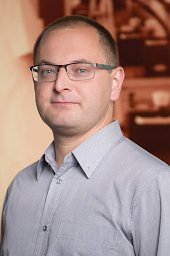 Szemes Tomáš合作论文数Department of Molecular Biology, Comenius University;Email: unknown.;Department of Molecular Biology, Comenius University11Katarína Ženišová合作论文数10Koreňová Janka合作论文数8
 B. Brežná合作论文数Department of Microbiology and Molecular Biology, Food Research Institute8Elena Pieckova合作论文数8Jana Harichová合作论文数8
 Magdalena Ruskova合作论文数7Zuzana Kisová合作论文数7Tomas Grivalsky合作论文数7Šaková Nikoleta合作论文数7
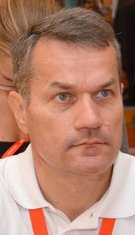 Lubomir Valik合作论文数Faculty of Chemical and Food Technology, Slovak University of Technology7Jer-Horng Wu合作论文数7
 Clara Urzi合作论文数Institute of Microbiology;Faculty of Science;University of Messina;Institute of Microbiology, University of Messina7
 Katarina Oravcova合作论文数Department of Microbiology and Chemistry, Food Research Institute7E KARELOVA合作论文数7
 Filomena De Leo合作论文数Institute of Microbiology;Faculty of Science;University of Messina;Institute of Microbiology, University of Messina7
 Jan Turna合作论文数Dept Mol Biol, Comenius Univ6Vojtková Hana合作论文数6
 Alena Opalkova Siskova合作论文数6
 Flavia Pinzari合作论文数Laboratoria di Biologia, Istituto Centrale per la Patologia del Libro6
 Peter Siekel合作论文数5K Chovanova合作论文数5Lenka Jeszeová合作论文数5
 Sanja Nosalj合作论文数5Ľubica Piknová合作论文数5
 Eva Pauditsova合作论文数5
 Laura Bruno合作论文数5Kolek Emil合作论文数5Jana Sádecká合作论文数5Piero Colaizzi合作论文数4Zuzana Farkas合作论文数4
 Wei-Yu Chen合作论文数4
 Samy Selim合作论文数Faculty of Science, Suez Canal University4Kozics Katarína合作论文数4Maria carla Sclocchi合作论文数4Maria Majorosova合作论文数4




