Extended reality (XR), encompassing virtual, augmented, and mixed reality, is increasingly integrated into healthcare simulation-based education and training. While XR offers immersive, scalable, and potentially cost-effective learning environments, evidence of its educational effectiveness and implementation remains fragmented. To address this gap, an Utstein-style consensus meeting was convened to establish an international research agenda that advances the evidence-based integration of XR in healthcare education. The meeting, held in Copenhagen, Denmark, in November 2024, brought together 24 international experts representing diverse disciplines, geographic regions, and simulation expertise. A Delphi-informed pre-meeting survey, based on a targeted review of XR-focused literature, identified key topics across five initial domains. Using an implementation science–informed approach guided by the NASSS (Non-adoption, Abandonment, Scale-up, Spread, and Sustainability) framework, participants engaged in structured breakout and plenary discussions to explore barriers, facilitators, and research priorities related to XR adoption and sustainability. Through consensus deliberation, the original five domains were refined into three overarching themes: (1) uses and adoption of XR, (2) barriers to XR adoption and implementation, and (3) facilitators of XR implementation and sustainability. Each theme comprised multiple subthemes addressing critical issues such as technological definitions, economic and infrastructure needs, human resource and faculty development, usability, educational quality, customization, and ethical considerations. Research questions within each subtheme were classified as descriptive, justificatory, or clarificatory to guide future study design and methodological rigor. This Utstein Style meeting represents the first international, consensus-based effort to develop a structured research agenda for XR in healthcare simulation. Informed by implementation science, particularly the NASSS framework, the resulting agenda provides a roadmap for future research, policy, and practice. It emphasizes faculty readiness, institutional investment, and data-driven evaluation as prerequisites for sustainable integration. By addressing barriers and leveraging facilitators, the healthcare simulation community can advance the responsible adoption of XR technologies, enhancing competency, equity, and innovation in health professions education worldwide.
INTRODUCTION:Competency-based medical education has long been considered the cornerstone of medical education. In psychiatry, structured competence evaluation in students' clerkships has been shown to enhance learning and feedback. This study aimed to develop, introduce and evaluate the use of competence cards in Danish psychiatric clerkships. METHODS:Adopting Kern's six-step curriculum development model, we conducted questionnaire surveys, observations and interviews with students and faculty to identify learning needs. Three competence cards - psychiatric interview, documentation and coercive measures - were developed and introduced in two hospitals. Students and staff received written and oral instructions. The process was evaluated through interviews, which were analysed thematically. RESULTS:Only one of the 16 interviewed students had used the competence cards. Three themes emerged: 1) Missing educational scaffolding, 2) Student passivity and perceived guest role, and 3) Barriers to direct supervision. Students observed doctors rather than conducting independent interviews themselves. They reported receiving limited supervision due to staff shortages and experienced uncertainty about their role, rendering feedback difficult to obtain. CONCLUSIONS:Despite relevant preparation, competence cards were not integrated into psychiatric clerkships. Students requested mandatory implementation due to structural and supervisory barriers. Rethinking the clerkships and faculty development are essential prerequisites to the successful implementation of competence cards. FUNDING:Copenhagen University provided a grant, otherwise this study relied on internal funding. TRIAL REGISTRATION:Not relevant.
Introduction Understanding whether socioeconomic and ethnic backgrounds influence help-seeking and communication with emergency medical services (EMS) is essential to mitigate disparities.Objective We explored how public housing residents seek help and communicate with EMS, focusing on barriers and enablers to out-of-hospital cardiac arrest (OHCA) recognition and swift EMS responses.Design Explorative qualitative analysis of audio recordings of emergency service calls regarding non-EMS witnessed OHCAs. Audio recordings were screened and selected to ensure call variety—then transcribed and analysed using thematic analysis inspired by the concepts of social wrongs and social orders. We also analysed the dispatch protocol, a tool for managing emergency service calls.Setting Four public housing areas with >50% ethnic minority residents in Copenhagen, Denmark.Participants Non-EMS witnessed OHCAs from 2017 to 2022.Results We included 17 calls regarding 13 OHCAs and defined two themes. The effective call aligned with the dispatch protocol, leading to swift OHCA recognition and dispatcher-assisted cardiopulmonary resuscitation (CPR). In contrast, the challenging call, which did not match the framework of the dispatch protocol, entailed one or more of the following characteristics, leading to delayed or missed OHCA recognition: (1) multiple people involved (multiple callers, third-party caller or bystanders communicating with caller), (2) language barriers, (3) emotionally unstable callers and (4) lack of emergency medical competencies. Across themes, witnesses contacted someone in their network instead of calling emergency services immediately. This was a barrier to OHCA recognition in the challenging calls, which some dispatchers managed using calm intonation and simple inquiries.Conclusions We identified two themes concerning communication in emergency service calls from public housing areas: the effective call and the challenging call, resulting in swift or delayed/missed OHCA recognition, respectively. The dispatch protocol enabled swift recognition in the effective calls but was a barrier in the challenging calls. Across themes, witnesses used network-based help-seeking before calling emergency services, delaying EMS responses and dispatcher-assisted CPR.
Anaesthesiologists, intensive care, and perioperative physicians work within multidisciplinary teams in high-risk environments where adverse events may threaten patient safety and are often avoidable. They face converging challenges, including multimorbidity and increasing clinical complexity, workforce shortages and burnout, technological evolution, and rising expectations for safety, equity, and sustainability. In this expert-driven evidence-based consensus review, we aim to demonstrate that simulation-based education and training (SBET) is uniquely positioned to address these challenges. We review how SBET adds value across the professional lifespan, from initial training to high-stakes examinations and continuing professional development. We further examine how SBET enhances team performance, identifies latent system threats, and supports organisational redesign through translational simulation. We examine how SBET can prepare for the future by fostering digital and ecological competencies. We explore key barriers to implementation, as despite SBET's value, its adoption across anaesthesiology, intensive care, and perioperative medicine remains fragmented, with limited interprofessional integration and few national frameworks. Above all, we advocate for coordinated value-based adoption of SBET across education and healthcare systems, recognising it not merely as an educational method but as a strategic infrastructure for high-reliability healthcare systems. Sustained investment, protected time, faculty development, and interprofessional integration are essential to realise its full potential. Aligned strategies to close the gap between evidence and practice are crucial. Without decisive and collective action, education and healthcare risk losing one of the most effective tools for improving patient safety, enhancing individual and system resilience, and maintaining the highest standards of excellence across our specialty and interprofessional practice.
Robot-assisted surgery (RAS) challenges teamwork due to the physical separation of the console surgeon from the rest of the team. In acute situations, such as massive bleeding requiring emergency undocking and conversion to open surgery, effective coordination becomes critical. Existing research on teamwork during acute RAS is limited, and so is research on team reflections about performance, which is essential for improving it. This study aimed to explore how RAS teams reflect on coordination in debriefings following simulated scenarios of massive bleeding. We conducted a qualitative, explorative study using thematic analysis of six debriefings held after simulation-based RAS scenarios involving massive bleeding. Debriefings were audio-recorded, transcribed, and thematically analysed. Three main themes were identified: (1) Roles and responsibilities—highlighting the mediating role of the assistant surgeon, perceptions of leadership, and the importance of trust and familiarity; (2) Management of tasks—describing busyness, anticipation, tone during crisis, and hesitation to act; and (3) Management of information—including sub-teams in the team and the need for feedback and information. Team reflections emphasise role clarity, leadership, anticipating, communication, and coordination in acute RAS situations. These insights are useful for planning simulation-based training that targets these aspects during emergencies in RAS.
BACKGROUND:In situ simulation (ISS) is a form of simulation-based training conducted in participants' working environments to improve clinical performance and system readiness. This study aimed to estimate the incidence of non-satisfactory ISS assessments in the Danish nationwide lifeguard service and to identify associated factors. METHODS:This retrospective study analysed ISS assessment reports completed by lifeguard instructors from 2018 to 2023. Unadjusted logistic regression was used to identify factors associated with non-satisfactory assessments, reported as ORs with 95% CIs using the Wald method. RESULTS:Of 768 ISS assessments, 151 (20%) were non-satisfactory. Baseline characteristics, including wave height, showed no significant differences between satisfactory and non-satisfactory groups. The most frequent scenario was an adult, unconscious drowning patient. Discovery time was significantly longer in the non-satisfactory group (median 26 s (IQR: 3-99) vs 1 s (IQR: 0-11), p<0.01). Distractions were associated with a non-satisfactory ISS assessment (OR 2.58 (95% CI: 1.55 to 4.30), p<0.001). Other significant associations included corrective feedback on beach setup (OR 1.69 (95% CI: 1.13 to 2.52), p=0.01), response time (OR 3.54 (95% CI: 1.66 to 7.53), p=0.001), board rescue (OR 1.83 (95% CI: 1.23 to 2.74), p=0.003), boat rescue (OR 2.98 (95% CI: 1.51 to 5.90), p=0.002), alarm call (OR 1.60 (95% CI: 1.02 to 2.50), p=0.04), defibrillation (OR 3.68 (95% CI: 2.23 to 6.07), p<0.001) and non-technical skills (OR 1.71 (95% CI: 1.19 to 2.46), p=0.004). DISCUSSION AND CONCLUSIONS:Non-satisfactory ISS assessments occurred in 20%. Several modifiable factors were associated with a non-satisfactory assessment, indicating areas for improvement within the organisation and the educational programme.
Background Simulation-based medical education (SBME) is a critical training tool in healthcare, shaping learners' skills, professional identities, and inclusivity. Leadership demographics in SBME, including age, gender, race/ethnicity, and medical specialties, influence program design and learner outcomes. Artificial intelligence (AI) platforms increasingly generate demographic data, but their biases may perpetuate inequities in representation. This study evaluated the demographic profiles of simulation instructors and heads of simulation labs generated by three AI platforms-ChatGPT, Gemini, and Claude-across nine global locations. Methods A global cross-sectional study was conducted over 5 days (November 2024). Standardized English prompts were used to generate demographic profiles of simulation instructors and heads of simulation labs from ChatGPT, Gemini, and Claude. Outputs included age, gender, race/ethnicity, and medical specialty data for 2014 instructors and 1880 lab heads. Statistical analyses included ANOVA for continuous variables and chi-square tests for categorical data, with Bonferroni corrections for multiple comparisons: P significant < 0.05. Results Significant demographic differences were observed among AI platforms. Claude profiles depicted older heads of simulation labs (mean: 57 years) compared to instructors (mean: 41 years), while ChatGPT and Gemini showed smaller age gaps. Gender representation varied, with ChatGPT and Gemini generating balanced profiles, while Claude showed a male predominance (63.5%) among lab heads. ChatGPT and Gemini outputs reflected greater racial diversity, with up to 24.4% Black and 20.6% Hispanic/Latin representation, while Claude predominantly featured White profiles (47.8%). Specialty preferences also differed, with Claude favoring anesthesiology and surgery, whereas ChatGPT and Gemini offered broader interdisciplinary representation. Conclusions AI-generated demographic profiles of SBME leadership reveal biases that may reinforce inequities in healthcare education. ChatGPT and Gemini demonstrated broader diversity in age, gender, and race, while Claude skewed towards older, White, and male profiles, particularly for leadership roles. Addressing these biases through ethical AI development, enhanced AI literacy, and promoting diverse leadership in SBME are essential to fostering equitable and inclusive training environments.
Safer Births Bundle of Care (SBBC) is a continuous quality improvement (CQI) program, implemented in 30 facilities in Tanzania, resulting in a 75
Background: The Romanian Society of Anaesthesia and Intensive Care (SRATI) in collaboration with the European Society of Anaesthesiology and Intensive Care (ESAIC) and the Society for Simulation in Europe (SESAM) have identified a need for advanced airway management training aligned to international guidelines. The aims of this study are to describe the planning, development, conduction and implementation of a National Advanced Airway Management (NAAM) course in Romania; and, to evaluate the NAAM content, methodology, and achievement of learning objectives, as perceived by the residents. Methods: The NAAM project followed a four-step approach: 1. Target needs analysis; 2. Train-the-Trainer (TTT); 3. Integration in residents' training; 4. Evaluation by the participating residents. Between February 2023 and April 2024, 400 residents from five simulation centres attended the course, out of which 186 provided anonymous feedback on the course design and methodology, and reported pre- and post-course confidence scores. Results: NAAM significantly improved residents' self-perceived confidence in managing difficult airways (more than 1 point increase on a 5-point Likert scale, with Wilcoxon signed-rank test p <0.001 for each self-assessed skill). Participants also reported high satisfaction scores with the eight skills stations and simulation sessions, with a median (inter-quartile range) of 5 (4-5) points for each session. Conclusion: The NAAM programme has successfully enhanced the Romanian anaesthesiology training. It may serve as a model for implementing national SBET programmes in other European countries, addressing similar airway management and/or other gaps in anaesthesiology training. Trial registration: Not applicable.
Introduction Patient safety (PS) is a global public health concern. It is estimated that 10% of patients experience preventable harm while hospitalized. Patient safety culture (PSC) has been recognized as essential to improving PS, drawing inspiration from other high-risk industries. In PS research, however, PSC poses conceptual challenges, with inconsistent terminology, a lack of definitions, and limited use of substantiating theory. Despite these challenges, PSC remains widely used in PS research and practice, as it is seen as a potential gateway to understanding sociotechnical complex aspects of the healthcare system and improving safe patient treatment and care. Objectives This review explores the concept of PSC in a hospital setting. How PSC is used as an outcome, thus exploring the theoretical position underpinning PSC, which predictors impact PSC, and how these predictors are related to PSC. Method Using a search of 3 electronic databases, 23 studies that met the inclusion criteria were selected for review. Results The review identified 81 predictors of PSC. Study population, unit of analysis and method varied widely. PSC as an outcome was assessed based on one of 4 surveys. Thus, the underpinning position of the PSC construct is dominated by an organizational/managerial approach. Conclusions The large number of predictors explored and the range in outcome measures, units of analysis, and methods make it hard to establish any causal relationship. We argue that studies closer to actual practices in the messy conditions of clinical practice are needed.
Objectives Little is known about medical students’ speak-up barriers upon recognizing or becoming aware of risky or deficient actions of others. Improving our knowledge on these helps in preparing student to function in actual health care organizations. The aim was to examine medical students' perceived reasons for silence in respect to different speak-up situations (i.e., vignette content) and to test if vignette difficulty had an effect on reasons indicated. Methods This study was a randomized, controlled, single-blind trial, with text-based vignettes to investigate speak-up barriers. Vignette contents described speak-up situations that varied systematically with respect to speak up barrier (i.e., environmental norm, uncertainty, hierarchy) and difficulty (i.e., easy, difficult). For each vignette, participants indicated which speak-up barriers they regarded as important. Descriptive analysis was performed for the study population, the numbers of barriers perceived and rating of vignette difficulty. Logistic regression analysis was used to examine the association between barriers perceived and vignette contents, designed vignette difficulty and subjectively rated vignette difficulty. Results A total of 265 students were included. The response rate was 100%. Different barriers were relevant for the different vignettes and varied in a consistent way with the theme of the vignette. Significantly more speak-up barriers were indicated for participants with the difficult version for vignette 1 (not an environmental norm) and vignette 3 (hierarchy) with odds ratio (OR) = 1.52 and 95% confidence interval (95% CI: 1.33–1.73) and OR = 1.25 (95% CI: 1.09–1.44). For (OR) estimates, confidence intervals were rather large. Conclusions Perceived barriers for speak-up vary consistently with the characteristics of the situation and more barriers preventing speak up were related to the difficult versions of the vignettes.
BACKGROUND:Clinical placement is an essential component of nursing education, providing students with the opportunity to apply theoretical knowledge to practice. However, challenges such as lack of supervision and passive involvement in tasks can hinder the learning experience. Supplementing clinical placement with simulation-based training (SBT) has been explored as a potential solution, though this approach has been underexplored within primary care. This study aimed to explore the educational value of a supplemental SBT course for nursing students during primary care placement, as well as the adaption of this approach to a primary care setting.METHODS:A qualitative descriptive study was conducted at a medical education and simulation academy in Denmark. Sixth-semester nursing students on placement in primary care were invited to participate. The intervention consisted of a three-day simulation course covering core nursing competencies and common clinical conditions encountered within primary care. Simulation adopted a standardised patient approach. Data was collected using focus group interviews, which was analysed using inductive thematic analysis.RESULTS:Thirty-one nursing students participated in the study. Seven themes emerged from the analysis, including perceptions, educational value, simulation adjustments to primary care, educators' competencies, learning needs within primary care, challenges of clinical placement and career guidance. Generally, participants perceived the intervention positively, appreciating its relevance to their clinical placement and its educational impact in this context. Participants also provided insights into the adaptation of SBT to a primary care setting, as well as nursing students' learning needs within this context.CONCLUSION:The findings indicate that the intervention had a positive impact on participant competencies within this context and enhanced their clinical practice within primary care. Furthermore, the results inform educators on how to effectively employ primary care-related SBT. Overall, this study supports the need for an increased application of SBT within primary care.TRIAL REGISTRATION:Not relevant.
Abstract Background Team reflexivity and peer feedback in daily clinical work can improve patient safety. However, teams do not always engage in reflection after patient care. A reason could be that team members may lack skills in engaging in team reflection. This study explores the use of interprofessional team-based simulations to encourage and equip teams for reflective conversations in the real-world clinical practice. Methods This was a prospective, explorative study of team members’ perceptions of the use of in situ simulation-based scenarios with critically ill patient cases to train team-based reflections and peer feedback. The study took place in two neurological wards. Prior to the intervention, a 1-day observation in each ward and semi-structured short interviews with physicians and nurses were conducted. Results A total of 94 staff members, 57 nurses, 8 nurse assistants and 29 physicians participated in the in situ simulation scenarios. All team members showed appreciation of the safe learning environment. The authors found that the simulations and the debriefing structure provided an opportunity for training of team reflexivity and feedback. The team members evaluated the simulation-based training very positively, and their initial reaction indicated that they found peer feedback useful for the individual and the team. This approach allowed them to reflect on their own clinical practice. Conclusion The simulation-based training scenarios and the debriefing structure promoted team members’ team reflexivity and peer feedback skills. The method is feasible and could be used in other specialties and situations. The team members’ reactions to feedback were positive, and based on their reflections, there is a potential to increase both individual and team skills as well as improve patient treatment.
In line with the increasing focus on community-based care, there is a need for effective and adaptive training opportunities to ensure that health professionals within primary care can fulfill their increasingly complex duties. Simulation-based training (SBT) offers a possible solution. However, SBT has been underutilised within this context, and only few know its potential applications. This article provides an overview of how SBT can be implemented to improve the training opportunities within primary care, ensuring the health professionals are prepared for the transition to community-based care.
BACKGROUND Several studies have shown that the medical students express uncertainty and a lack of preparedness in relation to being able to function as a doctor. The purpose of this project was to develop a portfolio with competence cards covering some of the seven medical roles, to introduce these in six departments and to evaluate the medical students´ and the clinical supervisors´ perception of this intervention. METHODS By using Kern’s six step a portfolio consisting of four competence cards was developed to be used in medical students 5-week clinical stay in the fourth year of their studies. Each competence card was intended to be used three times by peer-to-peer, by supervisor and by coordinators, respectively. At the end of the students´ clinical rotation interviews were conducted with students and supervisors. The project included three cohorts of medical students. An electronical version of the portfolio was available for the second and third cohort. RESULTS A total of 60 medical students used the competence cards. The students described easier access to supervision and systematic feedback. They appreciated the structure making the learning objectives clear. Both students and supervisors found the competence cards to reflect recognizable clinical situations and preferred the portfolio compared to the normal ‘logbook’. The electronic solution was easily accessible and was preferred. CONCLUSIONS Competence cards reflecting recognizable clinical situations are a functioning tool for supervision and feedback. The electronic portfolio is appreciated by students and supervision allows training in all sevens doctors roles.
In this article, we present a generic model for social and cognitive skills that can be used in work and (simulation-based) education in healthcare. We combined existing non-technical skills tools into a tool that we call SCOPE. SCOPE is a model that comprises the three social categories of “teamwork”, “leading”, and “task management” as well as the two cognitive categories of “situation awareness” and “decision making”. Each category comprises between three and six elements. We formulated guiding questions for each category in an attempt to emphasize its core meaning. We developed a dynamic graphical representation of the categories that emphasize the constant changes in the relative importance of the categories over the course of a clinical or educational situation. Anecdotal evidence supports the value of the model for aligning language around social and cognitive skills across specialties and professions.
BACKGROUND:Despite its importance in education and patient safety, simulation-based education and training (SBET) is only partially or poorly implemented in many countries, including most European countries. The provision of a roadmap may contribute to the development of SBET for the training of anaesthesiologists.OBJECTIVE:To develop a global agenda for the integration of simulation into anaesthesiology specialist training; identify the learning domains and objectives that are best achieved through SBET; and to provide examples of simulation modalities and evaluation methods for these learning objectives.DESIGN:Utstein-style meeting where an expert consensus was reached after a series of short plenary presentations followed by small group workshops, underpinned by Kern's six-step theoretical approach to curriculum development.SETTING:Utstein-style collaborative meeting.PARTICIPANTS:Twenty-five participants from 22 countries, including 23 international experts in simulation and two anaesthesia trainees.RESULTS:We identified the following ten domains of expertise for which SBET should be used to achieve the desired training outcomes: boot camp/initial training, airway management, regional anaesthesia, point of care ultrasound, obstetrics anaesthesia, paediatric anaesthesia, trauma, intensive care, critical events in our specialty, and professionalism and difficult conversations. For each domain, we developed a course template that defines the learning objectives, instructional strategies (including simulation modalities and simulator types), and assessment methods. Aspects related to the practical implementation, barriers and facilitators of this program were also identified and discussed.CONCLUSIONS:We successfully developed a comprehensive agenda to facilitate the integration of SBET into anaesthesiology specialist training. The combination of the six-step approach with the Utstein-style process proved to be extremely valuable in supporting content validity and representativeness. These results may facilitate the implementation and use of SBET in several countries.TRIAL REGISTRATION:Not applicable.
 Peter Dieckmann合作论文数45J. Viby-Mogensen合作论文数29
 Thea Palsgaard Møller合作论文数19
 Charlotte Ringsted合作论文数Faculty of Health, Aarhus University18
 Spanager Lene合作论文数Kirurgisk Afdeling, Nordsjaellands Hospital17Madsen Marlene Dyrløv合作论文数DIMS-Dansk Institut for Medicinsk Simulation, Forskningscenter Risø17
 Freddy Lippert合作论文数Department of Clinical Medicine, Faculty of Healths and Medical Sciences, University of Copenhagen;Falck17
 Konge Lars合作论文数Copenhagen Acad Med Educ & Simulat15
 Lene Theil Skovgaard合作论文数14
 Fredrik Folke合作论文数Department of Clinical Medicine, Faculty of Health and Medical Sciences, University of Copenhagen12
 Henning Boje Andersen合作论文数Department of Technology, Management and Economics, Technical University of Denmark12Jens Engbaek合作论文数12
 Gitte Linderoth合作论文数11
 Annette Kjær Ersbøll合作论文数Department of Animal Science and Animal Health, The Royal Veterinary and Agricultural University10Lone Fuhrmann合作论文数9
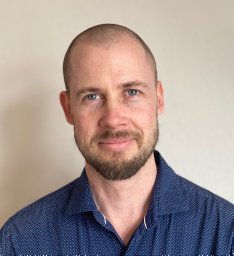 Martin G. Tolsgaard合作论文数Prenaital;University of Copenhagen;Department of Fetal Medicine and CAMES, Rigshospitalet;Nordic Health Innovations8
 Lars S. Rasmussen合作论文数Department of Anaesthesia, Centre of Head and Orthopaedics, Copenhagen University Hospital Rigshospitalet, Copenhagen, Denmark8J V Mogensen合作论文数7
 Randi Beier-Holgersen合作论文数7Frank Jensen合作论文数7Leonie Watterson合作论文数6
 Jacob Rosenberg合作论文数Department of Clinical Medicine, Faculty of Health and Medical Sciences, University of Copenhagen6
 Rikke Malene H G Jepsen合作论文数Department of Clinical Medicine, Faculty of Health and Medical Sciences, University of Copenhagen6
 Søren Viereck合作论文数6
 Helle Teglgaard Lyk-Jensen合作论文数Centre for Human Resources, Danish Institute for Medical Simulation;University of Copenhagen.6
 K. Gjeraa合作论文数6Anne Lippert合作论文数6
 Birgitte Bruun合作论文数Department of Pathology, University of Cambridge6S N Rasmussen合作论文数5Na Pedersen合作论文数5
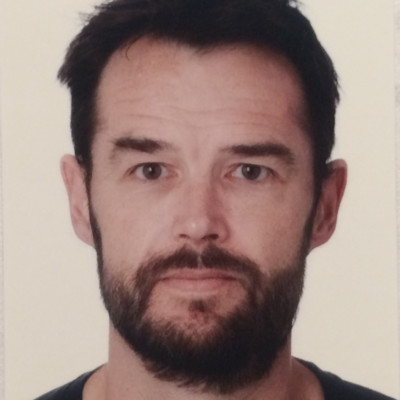 Kim Ekelund合作论文数Department of Clinical Medicine, Faculty of Health and Medical Sciences, University of Copenhagen5
 Theo Walther Jensen合作论文数5
 Janne Rømsing合作论文数5
 Mona Ring Gatke合作论文数5Freil Morten合作论文数5
 Michael Kristensen合作论文数5
 Cornelis van der Vleuten (C.P.M.)合作论文数School of Health Professions Education, Faculty of Health, Medicine and Life Sciences, Maastricht University5
 Helle Collatz Christensen合作论文数Institute of Cancer Epidemiology;Danish Cancer Society5
 Jette Led Sørensen合作论文数Institut for Klinisk Medicin, Københavns Universitet;Faculty of Health, University of Copenhagen5John Asger Petersen合作论文数Abdominalcentret, Rigshospitalet5
 Lucy Bray合作论文数5thomas schioler合作论文数4AL LINDEKAER合作论文数4
 Margrethe Christensen合作论文数4Marlene Mohr合作论文数4Jacob Nielsen合作论文数4Helle Thy Østergaard合作论文数4
 Christian Meyhoff合作论文数Department of Clinical Medicine, Faculty of Health and Medical Sciences, University of Copenhagen4




