Sometimes scenario-based simulations do not go as expected because facilitator and simulating participant (SP) are not sufficiently aligned. This innovation paper presents a pre-roling framework that offers an operational, theoretically informed tool for facilitators and SPs to prepare systematically for scenario-based simulations in health professions education. The framework development was based on four months of ethnographic fieldwork at the Copenhagen Academy for Medical Education and Simulation (CAMES) and informed by action theory. The pre-roling framework guides facilitators and SPs through five analytically distinct aspects of simulation performance — meaning (educational purpose), narrative (intended course of events), style (tone, tempo), character (the portrayed person), and health professions education (clinical picture, learning environment, task distribution, and care for the SP). Facilitators hold primary responsibility for meaning, narrative and style, while SPs hold primary responsibility for the character, with explicit collaboration across all domains. The framework and its accompanying pocket card and worksheet were iteratively refined in dialogue with SPs, course leaders and scenario designers. It is intended as a flexible, context-sensitive preparation tool that can be used symmetrically by SPs and facilitators, from novice to experienced, and in diverse simulation settings. It fills a previously unoccupied space between general guidelines and the moment of action by systematizing preparation without prescribing content, thereby supporting clearer alignment, more deliberate improvisation, and explicit attention to SP safety. Using the framework can reduce dissonance between SPs and facilitators, enhance the coherence of dramaturgical and educational intentions, improve learners’ experiential learning opportunities, and help prevent distress among SPs.
INTRODUCTION:Denmark is experiencing a shortage of general practitioners (GPs), with rural regions like Region Zealand being particularly affected. Despite efforts to attract GP trainees to these positions, many remain vacant, raising concerns about future access to primary care. A possible barrier to recruitment in underserved regions is the hospital-based portion of GP training, which may shape trainees' perceptions of rural practice. Understanding how hospital rotations shape learning, supervision and well-being is essential for informing strategies to improve recruitment and retention. METHODS:A cross-sectional survey was conducted among all 55 GP trainees in hospital rotations in Region Zealand. An anonymised questionnaire assessed supervision, learning opportunities and work environment. Quantitative data were analysed statistically, and qualitative responses underwent thematic analysis. RESULTS:Among 55 trainees, 33 (60%) responded. Most respondents valued supervision and relevant learning experiences, though the quality and consistency of these experiences varied. Only 21% reported GP-specific educational activities. High-value learning formats included outpatient clinics and peer sparring. CONCLUSIONS:Hospital rotations are vital to GP training but face structural and educational challenges. Enhancing supervision, relevance of learning, and support may improve training and retention in rural areas. FUNDING:This work was supported by the "En læge tæt på dig" grant. TRIAL REGISTRATION:Not relevant.
Robot-assisted surgery (RAS) challenges teamwork due to the physical separation of the console surgeon from the rest of the team. In acute situations, such as massive bleeding requiring emergency undocking and conversion to open surgery, effective coordination becomes critical. Existing research on teamwork during acute RAS is limited, and so is research on team reflections about performance, which is essential for improving it. This study aimed to explore how RAS teams reflect on coordination in debriefings following simulated scenarios of massive bleeding. We conducted a qualitative, explorative study using thematic analysis of six debriefings held after simulation-based RAS scenarios involving massive bleeding. Debriefings were audio-recorded, transcribed, and thematically analysed. Three main themes were identified: (1) Roles and responsibilities—highlighting the mediating role of the assistant surgeon, perceptions of leadership, and the importance of trust and familiarity; (2) Management of tasks—describing busyness, anticipation, tone during crisis, and hesitation to act; and (3) Management of information—including sub-teams in the team and the need for feedback and information. Team reflections emphasise role clarity, leadership, anticipating, communication, and coordination in acute RAS situations. These insights are useful for planning simulation-based training that targets these aspects during emergencies in RAS.
In this article, we present a generic model for social and cognitive skills that can be used in work and (simulation-based) education in healthcare. We combined existing non-technical skills tools into a tool that we call SCOPE. SCOPE is a model that comprises the three social categories of “teamwork”, “leading”, and “task management” as well as the two cognitive categories of “situation awareness” and “decision making”. Each category comprises between three and six elements. We formulated guiding questions for each category in an attempt to emphasize its core meaning. We developed a dynamic graphical representation of the categories that emphasize the constant changes in the relative importance of the categories over the course of a clinical or educational situation. Anecdotal evidence supports the value of the model for aligning language around social and cognitive skills across specialties and professions.
BACKGROUND:How healthcare professionals understand and use concepts of social and cognitive capabilities will influence their behaviour and their understanding of others' behaviour. Differing understandings of concepts might lead to healthcare professionals not acting in accordance with other healthcare professionals' expectations. Therefore, part of the problem concerning errors and adverse incidents concerning social and cognitive capabilities might be due to varying understandings of concepts among different healthcare professionals. This study aimed to examine the variations in how educators at the Copenhagen Academy for Medical Education and Simulation talk about social and cognitive capabilities. METHODS:The study was conducted using semi-structured interviews and directed content analysis. The codes for the analysis process were derived from existing non-technical skills models and used to show variations in how the participants talk about the same concepts. RESULTS:Educators with a background as nurses and physicians, talked differently about leadership and decision-making, with the nurses paying greater attention to group dynamics and external factors when describing both leadership and decision-making, whereas physicians focus on their individual efforts. CONCLUSION:We found patterned differences in how the participants described leadership and decision-making that may be related to participants' professional training/background. As it can create misunderstandings and unsafe situations if nurses and physicians disagree on the meaning of leadership and decision-making (without necessarily recognising this difference), it could be beneficial to educate healthcare professionals to be aware of the specificity of their own concepts, and to communicate what exactly they mean by using a particular concept, e.g. "I want you to coordinate tasks" instead of "I want better leadership".
It is a commonly accepted idea that complex structural challenges can be solved if private actors, NGOs, and the public authorities collaborate (Brogaard in Politica 47(4):541–560, 2015), a view that has come to frame several publicly funded network activities in Denmark. This article takes its point of departure in one such project aimed at setting up a collaborative network between researchers, patient associations, and life science partners to stimulate growth in research and development. We analyse this project as a social arena with a focus on what is at stake for patient organisations in such a collaboration. Using social worlds and arena theory, we map the negotiation of discourses, images, and positions, thereby answering the questions: What kind of relationships emerge as patient organisations network with researchers and the life science industry in the name of patient centricity and how do patient organisations balance legitimacy, representation, and independence in such collaboration? We argue that patient organisations’ positions are expanding and taking new forms as they perform a balancing act, from which a ‘multiplayer position’ seems to have emerged. Lastly we propose that patient organisations’ complex interdependencies should be acknowledged, and introduce an understanding of ‘cumulative drives’ to capture the nature of these complexities.
INTRODUCTION In Denmark, responsibility for continuing professional development (CPD) of consultants is shared between employers, often represented by heads of department, and the consultants themselves. This interview study explored patterns in the ways that shared responsibility is practiced in the context of financial, organisational and normative structures. METHODS Semi-structured interviews were held with 26 consultants holding different levels of experience, including nine heads of department, across four specialties in five hospitals in the Capital Region of Denmark in 2019. Recurring themes in the interview data were analysed in the light of critical theory to highlight connections and trade-offs between individuals' choices and structural conditions. RESULTS CPD is often a matter of short-term trade-offs for consultants and heads of department. Recurring elements in the trade-offs between what consultants wish to do and what is possible include topics of CPD, funding sources, time and expected learning gains. Governance of CPD varies from pure administration of limited funds to attempts to aligning individual with department priorities. CONCLUSIONS Shared responsibility for CPD activities is managed in very diverse ways across departments. The individual flexibility afforded by shared responsibility may be an advantage, but a risk exists that structural conditions for CPD, such as short-term budgets and very different management practices, leave CPD activities to be guided more by coincidence than plan. FUNDING none TRIAL REGISTRATION. not relevant.
Background Robot-assisted surgery is expanding worldwide. Most research in this field concentrates on surgeons' technical skills and patient outcome, but research from open and laparoscopic surgery shows that teamwork is crucial for patient safety. Team composition is changed in robot-assisted surgery with the surgeon placed away from the bedside, potentially altering teamwork and workflow in the operating theatre. This scoping review aimed to explore how factors affecting workflow as well as team members' social and cognitive skills during robot-assisted surgery are reported in the literature. Methods A systematic search was performed in the databases Medline, EMBASE, PsycINFO, and Web of Science. Reports were screened according to the Preferred Reporting Item for Systematic reviews and Meta-Analysis for Scoping Review guidelines. Inclusion criteria were robot-assisted surgery, multi-professional teams, and workflow, flow disruptions, or non-technical skills. Results A total of 12,527 references were screened, and 24 articles were included in the review. Articles were heterogeneous in terms of aim, methods and focus. The studies concentrated on two main fields: flow disruptions and the categorization of their causes and incidences; and non-technical skills describing the challenges of communication and effects on situation awareness. Conclusion Many studies focused on flow disruptions and found that communication, coordination, training, and equipment/technology were the most frequent causes. Another focus of studies was non-technical skills-primarily communication and situation awareness. Future studies could focus on how to prevent the most harmful flow disruptions and develop interventions for improving workflow.
A cascade of protein-protein interactions between four herpes simplex virus (HSV) glycoproteins (gD, gH/gL, and gB) drive fusion between the HSV envelope and host membrane, thereby allowing for virus entry and infection. Specifically, binding of gD to one of its receptors induces a conformational change that allows gD to bind to the regulatory complex gH/gL, which then activates the fusogen gB, resulting in membrane fusion. Using surface plasmon resonance and a panel of anti-gD monoclonal antibodies (MAbs) that sterically blocked the interaction, we previously showed that gH/gL binds directly to gD at sites distinct from the gD receptor binding site. Here, using an analogous strategy, we first evaluated the ability of a panel of uncharacterized anti-gH/gL MAbs to block binding to gD and/or inhibit fusion. We found that the epitopes of four gD-gH/gL-blocking MAbs were located within flexible regions of the gH N terminus and the gL C terminus, while the fifth was placed around gL residue 77. Taken together, our data localized the gD binding region on gH/gL to a group of gH and gL residues at the membrane distal region of the heterodimer. Surprisingly, a second set of MAbs did not block gD-gH/gL binding but instead stabilized the complex by altering the kinetic binding. However, despite this prolonged gD-gH/gL interaction, "stabilizing" MAbs also inhibited cell-cell fusion, suggesting a unique mechanism by which the fusion process is halted. Our findings support targeting the gD-gH/gL interaction to prevent fusion in both therapeutic and vaccine strategies against HSV. IMPORTANCE Key to developing a human HSV vaccine is an understanding of the virion glycoproteins involved in entry. HSV employs multiple glycoproteins for attachment, receptor interaction, and membrane fusion. Determining how these proteins function was resolved, in part, by structural biology coupled with immunological and biologic evidence. After binding, virion gD interacts with a receptor to activate the regulator gH/gL complex, triggering gB to drive fusion. Multiple questions remain, one being the physical location of each glycoprotein interaction site. Using protective antibodies with known epitopes, we documented the long-sought interaction between gD and gH/gL, detailing the region on gD important to create the gD-gH/gL triplex. Now, we have identified the corresponding gD contact sites on gH/gL. Concurrently we discovered a novel mechanism whereby gH/gL antibod-ies stabilize the complex and inhibit fusion progression. Our model for the gD-gH/gL triplex provides a new framework for studying fusion, which identifies targets for vaccine development.
Research across disciplines is often described as beset with problems of epistemological hierarchies and incommensurable categories. We recognize these problems working in two large interdisciplinary research projects on obesity and cholesterol lowering medicine in Denmark. We explore the affective tensions that arise in concrete situations when we meet other researchers around a shared research object. We propose that sensitivity towards such differences, and exploration of the affects they foster, can generate new epistemological and political openings. Analysing four interdisciplinary situations we suggest that embodied experiences of amusement, awkwardness, boredom and doubts are signposts of both differences and connections between people and concerns. Inspired by Haraway’s notion of “response-ability” (1997) and Verran’s concept of “generative critique” (2001) we propose that attention to affective tensions in interdisciplinary research collaboration can be generative of effects not only on modes of collaboration, but also on the ways we engage the world as researchers.
Birgitte Bruun & Line Hillersdal: Disconcerting Moments and Vague Connections: Ethical Work in Interdisciplinary Research Practice Since the 1990s, interdisciplinary research collaboration has been widely associated with innovation and the solving of pressing societal problems. With a starting point in the normative expectation that interdisciplinary research will provide better solutions, we explore how interdisciplinary collaboration unfolds in practice. This article discusses our experiences as anthropological researchers in two interdisciplinary research projects financed by the University of Copenhagen on obesity and elevated cholesterol levels respectively. The analysis focuses on the meetings between disciplines, people, problems and solutions that occurred in the two projects. Since collaboration with other disciplines often entails that we do not share the same knowledge about the problem we have taken up together, negotiations and translations follow from both the research object and the purposes of knowing about it. We argue that the mutual work with the differences between people, methods, problems and perpetually changing solutions is ethical work. We show how encountering such differences were often experienced as disconcerting moments of doubt that destabilized the shared project and at the same time made it possible to collectively re-interpret and re-present the problems that we worked on together. Our mode of meeting, collaborating and negotiating had implications for the ways that a given problem area was given direction. Ethical work is about letting oneself be transformed and this is also where the generative potential of ethical work lies: It is not about uncovering an already given phenomenon, but about inventing the problem together. Keywords: strategically financed research, interdisciplinary research collaboration, health research, obesity, cholesterol, response-ability, generative critique, ethical work Birgitte Bruun & Line Hillersdal: Foruroligende øjeblikke og vage forbindelser. Etisk arbejde i tværvidenskabelig forskningspraksis Tværvidenskabeligt forskningssamarbejde prioriteres i disse år i forhåbning om bedre og mere effektiv problemløsning og innovation. Vi har taget fat i de etiske dimensioner, der ligger i et opdrag om at skabe nye og bedre løsninger på presserende samfundsmæssige problemer, og undersøgt, hvordan tværvidenskabeligt samarbejde om sådanne foruddefinerede problemer udfolder sig i praksis. Denne artikel er et resultat af vores fælles refleksioner over at være en del af to tværvidenskabelige forskningssamarbejder om henholdsvis fedme og forhøjet kolesterol finansieret af Københavns Universitet. Analysen har fokus på de konkrete møder mellem fagligheder, mennesker, problemer og løsninger, der opstod i samarbejdet. Fordi samarbejde med andre fagligheder ofte indebærer, at vi ikke deler faglig tilgang eller samme viden om det problem, vi har i opdrag at samarbejde om, indebærer det forhandling og oversættelse af, hvad vidensobjektet og målet med viden er i disse samarbejder. Vi argumenterer for, at det gensidige arbejde med forskelle; mellem mennesker, metoder, problemer og løsninger, som er i stadig forandring, udgøres af et etisk arbejde. Vi viser, hvordan mødet med disse forskelle ofte blev oplevet som foruroligende øjeblikke af tvivl, der destabiliserede det fælles projekt og samtidig muliggjorde, at de problemer, som vi samledes om på tværs af fag, blev fortolket og genfortalt i fællesskab. Måden, vi tog del i møderne, samarbejdet og forhandlingerne på, fik betydning for, hvordan et givet problemfelt fik retning og blev udfoldet. Det etiske arbejde handler om at lade sig transformere undervejs. Heri ligger også det generative potentiale i det etiske arbejde, hvor man ikke afdækker et allerede givet fænomen, men opfinder problemet sammen. Søgeord: strategisk finansieret forskning, tværvidenskabeligt samarbejde, sundhedsforskning, fedme, kolesterol, response-ability, generativ kritik, etisk arbejde
: Today medical research funded by resourceful commercial companies and philanthropic organizations increasingly takes place in much less resourceful settings across the globe. Recent academic studies of this trend have observed how global inequalities have shaped the movements of this research, and how human subjects who make their blood and bodies available are at risk of exploitation. In Lusaka, people expressed their fears of being used by transnational medical research projects in various idioms of concern. While such concerns were always latent, people were generally eager to join the projects. Concerns were oft en back-grounded in favor of pragmatic attention to—and active creation of—possibilities that might stretch well beyond the purpose and time limit of individual research projects. Th e article illuminates how intimately the ambiguities and possible scenarios of exploitation inherent in transnational medical research projects are intertwined with scenarios of possibility.
AIM:LIFESTAT is an interdisciplinary project that leverages approaches and knowledge from medicine, the humanities and the social sciences to analyze the impact of statin use on health, lifestyle and well-being in cohorts of Danish citizens. The impetus for the study is the fact that 10% of the population in the Scandinavian countries are treated with statins in order to maintain good health and to avoid cardiovascular disease by counteracting high blood levels of cholesterol. The potential benefit of treatment with statins should be considered in light of evidence that statin use has prevalent and unintended side effects (e.g. myalgia, and glucose and exercise intolerance).METHODS:The LIFESTAT project combines invasive human experiments, biomedical analyses, nationwide surveys, epidemiological studies, qualitative interviews, media content analyses, and ethnographic participant observations. The study investigates the biological consequences of statin treatment; determines the mechanism(s) by which statin use causes muscle and mitochondrial dysfunction; and analyzes achievement of treatment goals, people's perception of disease risk, media influence on people's risk and health perception, and the way people manage to live with the risk (personally, socially and technologically). CONCLUSIONS THE ORIGINALITY AND SUCCESS OF LIFESTAT DEPEND ON AND DERIVE FROM ITS INTERDISCIPLINARY APPROACH, IN WHICH THE DISCIPLINES CONVERGE INTO THOROUGH AND HOLISTIC STUDY AND DESCRIBE THE IMPACT OF STATIN USE ON THE EVERYDAY LIFE OF STATIN USERS THIS HAS THE POTENTIAL FOR MUCH GREATER BENEFIT THAN ANY ONE OF THE DISCIPLINES ALONE INTEGRATING TRADITIONAL DISCIPLINES PROVIDES NOVEL PERSPECTIVES ON POTENTIAL CURRENT AND FUTURE SOCIAL, MEDICAL AND PERSONAL BENEFITS OF STATIN USE.
Upon completion of a transnational medical research project in Lusaka in 2008, outreach workers received a certificate of participation that stated: ‘Your contributions help pave the way for women in your community and all over the world to one day have a safe and effective way of preventing HIV transmission.’
 Helena Browne合作论文数Division of Virology;Department of Pathology;University of Cambridge;Department of Pathology, University of Cambridge7
 Doris Østergaard合作论文数Department of Clinical Medicine, Faculty of Health and Medical Sciences, University of Copenhagen6Tony Minson合作论文数5Peter Dieckmann合作论文数4A Whiteley合作论文数3
 Spanager Lene合作论文数Kirurgisk Afdeling, Nordsjaellands Hospital3Ragnhild Holgaard合作论文数2Kristian Larsen合作论文数2gro inge合作论文数2
 Line Hillersdal合作论文数Department of Anthropology, Faculty of Social Sciences, University of Copenhagen2
 Bjarke Oxlund合作论文数Department of Anthropology, Faculty of Social Sciences, University of Copenhagen2J. Lysgaard Poulsen合作论文数Ctr Human Resources & Educ, Copenhagen Acad Med Educ & Simulat CAMES2
 Perle Møhl合作论文数Copenhagen Acad Med Educ & Simulat2
 Dorthe Brogård Kristensen合作论文数2Bo Wagner Sørensen合作论文数1Barbara Ann Barrett合作论文数1Kasper Bering Liisberg合作论文数1Ferdinand Okwaro合作论文数1
 Noah Thomas Ditto合作论文数1
 Lene Juel Rasmussen合作论文数Department of Cellular and Molecular Medicine, Faculty of Health and Medical Sciences, University of Copenhagen1Steen Larsen合作论文数Department of Biomedical Sciences, Faculty of Health and Medical Sciences, University of Copenhagen1
 Astrid Jespersen合作论文数The Saxo Institute, Faculty of Humanities, University of Copenhagen1
 Christa Lykke Christensen合作论文数Department of Communication, Faculty of Humanities, University of Copenhagen1Margit Kriegbaum合作论文数1John Sahl Andersen合作论文数1
 Jørn Wulff Helge合作论文数Department of Biomedical Sciences, Faculty of Health and Medical Sciences, University of Copenhagen1Gemma Aellah合作论文数1Luisa Enria合作论文数Department of Global Health and Development, London School of Hygiene and Tropical Medicine1Thomas Morville合作论文数Univ Copenhagen, Ctr Hlth Aging, Dept Biomed Sci, Xlab, Copenhagen, Denmark1Massimiliano Galdiero合作论文数Department of Experimental Medicine, University of Campania "Luigi Vanvitelli",1
 Chun Wu合作论文数1
 Gary H. Cohen合作论文数Department of Microbiology, Perelman School of Medicine, University of Pennsylvania1
 Ann Kelly合作论文数Department of Global Health & Social Medicine, School of Global Affairs, Faculty of Social Science & Public Policy, King’s College London1Saw Wan Ting合作论文数1Atanasiu Doina合作论文数1Jacobsen C B合作论文数1
 Colin Crump合作论文数Department of Pathology, University of Cambridge1
 Tracey Chantler合作论文数1Kuhlman Anja Birk合作论文数1
 my Madsen合作论文数Department of Anthropology, University of Copenhagen1
 Tine Lovsø Dohlmann合作论文数1
 Brooks Benjamin D合作论文数Department of Pharmaceutics and Pharmaceutical Chemistry, University of Utah1
 Sofie Rosenlund Lau合作论文数Department of Pharmacy, University of Copenhagen1
 Flemming Dela合作论文数Department of Biomedical Sciences, University of Copenhagen1
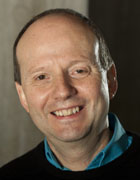 Ian David Hickson合作论文数Institut for Cellulær Og Molekylær Medicin, University of Copenhagen;Zhejiang University1Roselyn J. Eisenberg合作论文数1
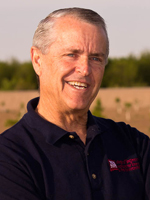 David C. Johnson合作论文数Institute for Energy and Environment, New Mexico State University1Tina M. Cairns合作论文数1




