OBJECTIVE To assess testosterone and haemoglobin kinetics in the Postoperative Adjuvant Androgen Deprivation (PAAD) trial, and correlate these with quality of life (QoL) in this prospective randomized study. PATIENTS AND METHODS Forty‐three patients met the criteria for high‐risk cancer after RRP (Gleason score ≥ 8, pT3c or Gleason score 7 concomitant with pT3a/b and positive surgical margins) and were prospectively randomized to either observation or AD for 12 months. Haemoglobin and testosterone levels were determined and QoL surveyed at regular intervals for 24 months. RESULTS Serum testosterone levels were castrate in 19 of 21 treated patients at 3 months and all at 6 months after starting AD. Levels failed to return to normal at 6 months after stopping treatment in six of 16 (38%) patients, and at 12 months in three of 17 (18%). AD caused a delay in the recovery of haemoglobin levels to normal after RRP. There was no statistically significant decline in the Short Form‐36 QoL score with AD. Scores on the University of California‐Los Angeles Sexual Functioning Scale were decreased during AD, but returned to a level not statistically significantly different from controls after stopping treatment. CONCLUSION A year of adjuvant AD after RRP affected serum haemoglobin, testosterone and sexual function reversibly, with return to control levels within the subsequent year in most patients. No significant effect on overall QoL with AD was detected in the study.
BACKGROUND. Nonbilharzial squamous cell carcinoma (SCC) of the bladder is a rare entity in the Western hemisphere. To further understanding of its natural history, a contemporary experience with management and outcome of this disease was reviewed.METHODS. Between 1988 and 2003, 27 patients with pure SCC were treated at the center. Charts were reviewed to assess impact of therapy on survival and patterns of recurrence in those that died of disease.RESULTS. The 2-year overall survival and recurrence-free survival (RFS) rates were 47.6% and 32.8%, respectively, with a median follow-up of 15.3 months in Survivors. Eight patients received initial chemotherapy and/or radiation therapy with the intent of performing surgical consolidation. In 5 of these patients surgical consolidation was not performed due to rapid progression of disease and death. of the 3 patients who were treated with neoadjuvant therapy (1 with chemotherapy, I with radiation, and I with chemoradiation) and had surgical consolidation, 2 (67%) were downstaged at cystectomy and remain disease-free. in 10 of 20 patients who underwent radical cystectomy the disease recurred after a median duration of 5.1 months and 7 died: 3 of local recurrence, I of distant recurrence, and 3 of both. History of superficial transitional cell carcinoma that differentiated into pure SCC (P =.035; hazards ratio [HR] of 3.73) and treatment by radical cystectomy (P =.002; HR of 0.19) were associated with RFS.CONCLUSIONS. in select patients with resectable disease, radical cystectomy remains the mainstay of therapy for pure SCC of the bladder. Locoregional recurrence is the primary cause of death in the majority of patients. The role for neoadjuvant therapy is unclear.
You have accessJournal of UrologyDiscussed Poster, Monday, May 22, 2006, 1:00 - 4:00 pm1 Apr 2006743: Resection of Nodal Disease in Patients with Metastatic Conventional Renal Cell Carcinoma Improves Survival Stephen Brassell, Ricardo F. Sanchez-Ortiz, Surena F. Matin, David A. Swanson, and Christopher G. Wood Stephen BrassellStephen Brassell More articles by this author , Ricardo F. Sanchez-OrtizRicardo F. Sanchez-Ortiz More articles by this author , Surena F. MatinSurena F. Matin More articles by this author , David A. SwansonDavid A. Swanson More articles by this author , and Christopher G. WoodChristopher G. Wood More articles by this author View All Author Informationhttps://doi.org/10.1016/S0022-5347(18)32979-3AboutPDF ToolsAdd to favoritesDownload CitationsTrack CitationsPermissionsReprints ShareFacebookLinked InTwitterEmail "743: Resection of Nodal Disease in Patients with Metastatic Conventional Renal Cell Carcinoma Improves Survival." The Journal of Urology, 175(4S), pp. 241–242 © 2016 by American Urological AssociationFiguresReferencesRelatedDetails Volume 175Issue 4SApril 2006Page: 241-242 Advertisement Copyright & Permissions© 2016 by American Urological AssociationMetricsAuthor Information Stephen Brassell More articles by this author Ricardo F. Sanchez-Ortiz More articles by this author Surena F. Matin More articles by this author David A. Swanson More articles by this author Christopher G. Wood More articles by this author Expand All Advertisement PDF DownloadLoading ...
You have accessJournal of UrologyPodium, Tuesday, May 24, 2005, 3:30 - 5:30 pm1 Apr 20051404: Increased Incidence of Benign Histology in Elderly Patients with Renal Masses Ricardo Sanchez-Ortiz, Tony Luongo, Pheroze Tamboli, Lydia Madsen, David A. Swanson, and Christopher G. Wood Ricardo Sanchez-OrtizRicardo Sanchez-Ortiz More articles by this author , Tony LuongoTony Luongo More articles by this author , Pheroze TamboliPheroze Tamboli More articles by this author , Lydia MadsenLydia Madsen More articles by this author , David A. SwansonDavid A. Swanson More articles by this author , and Christopher G. WoodChristopher G. Wood More articles by this author View All Author Informationhttps://doi.org/10.1016/S0022-5347(18)35538-1AboutPDF ToolsAdd to favoritesDownload CitationsTrack CitationsPermissionsReprints ShareFacebookLinked InTwitterEmail "1404: Increased Incidence of Benign Histology in Elderly Patients with Renal Masses." The Journal of Urology, 173(4S), p. 381 © 2016 by American Urological AssociationFiguresReferencesRelatedDetails Volume 173Issue 4SApril 2005Page: 381 Advertisement Copyright & Permissions© 2016 by American Urological AssociationMetricsAuthor Information Ricardo Sanchez-Ortiz More articles by this author Tony Luongo More articles by this author Pheroze Tamboli More articles by this author Lydia Madsen More articles by this author David A. Swanson More articles by this author Christopher G. Wood More articles by this author Expand All Advertisement PDF downloadLoading ...
Purpose To analyze to what extent histologic subtype is of prognostic importance in renal cell carcinoma based on a large, international, multicenter experience. Patients and Methods Four thousand sixty-three patients from eight international centers were included in this retrospective study. Histologic subtype (1997 International Union Against Cancer [UICC] criteria of tumor response), age, sex, TNM stage, Fuhrman grade, tumor size, Eastern Cooperative Oncology Goup performance status (ECOG PS), and overall survival were determined in all cases. The prognostic values of clear cell, papillary, and chromophobe histologic features were assessed by uni- and multivariate analysis using the Kaplan-Meier method and Cox model, respectively. Results Clear cell, papillary, and chromophobe carcinomas accounted for 3,564 (87.7%), 396 (9.7%) and 103 (2.5%) cases, respectively. In univariate analysis, a trend toward a better survival was observed when clear cell, papillary, and chromophobe histologies were considered prognostic categories (log-rank P = .0007). However, in multivariate analysis, TNM stage, Fuhrman grade and ECOG PS, but not histology, were retained as independent prognostic variables (P < .001). Conclusion The stratification in three main renal cell carcinoma histologic subtypes as defined by the 1997 UICC–American Joint Committee on Cancer consensus should not be considered a major prognostic variable comparable to TNM stage, Fuhrman grade and ECOG PS.
PURPOSECompared to older adults with renal cell carcinoma (RCC) our subjective impression has been that younger adults present with more unfavorable histological features and yet respond more favorably to aggressive therapies. We reviewed our experience to validate these observations.MATERIALS AND METHODSWe reviewed the medical records of 106 consecutive patients 40 years or younger and 145 consecutive 58 to 61-year-old patients referred for the surgical management of sporadic RCC between 1992 and 2002. Using univariate and multivariate analyses the pathological characteristics and outcome of the 2 groups were compared.RESULTSMean age of the young adults was 34.7 years (range 14 to 40). Of younger adults 24% had tumors with unfavorable features, such as sarcomatoid differentiation, unclassified histology, medullary carcinoma and collecting duct carcinoma, compared with 12% of older adults (p <0.02). However, older adults were more likely to have tumors of advanced local pathological stage (pT3a or greater) (46% vs 31%, p <0.04). Whereas young adults had a higher incidence rate of lymph node metastases at presentation (25% vs 15%, p <0.02), the rate of distant metastatic disease at presentation in young (34%) and older (28%) patients did not differ significantly (p = 0.33). Young age was independently associated with a higher 5-year actuarial disease specific survival rate on multivariate analysis at a median followup of 37 months (66% vs 52%, adjusted HR 2.64, 95% CI 1.45 to 4.79, p <0.002). On multivariate analysis of patients without distant metastases at presentation young adults also had improved recurrence-free survival (median time to recurrence 32.4 vs 23.5 months, HR 2.23, 95% CI 1.04 to 4.78, p <0.04).CONCLUSIONSYoung adults with RCC were more likely to have unfavorable histological features and a higher incidence of lymph node metastases than an older cohort of adults. Despite these differences on multivariate analysis young patients had improved disease-specific and recurrence-free survival following treatment. Whether age specific differences in host-tumor interaction exist in patients with RCC deserves further study.
PURPOSE To evaluate ability of the University of California Los Angeles Integrated Staging System (UISS) to stratify patients with localized and metastatic renal cell carcinoma (RCC) into risk groups in an international multicenter study. PATIENTS AND METHODS 4,202 patients from eight international academic centers were classified according to the UISS, which combines TNM stage, Fuhrman grade, and Eastern Cooperative Oncology Group performance status. Distribution of the UISS categories was assessed in the overall population and in each center. RESULTS The UISS stratified both localized and metastatic RCC into three different risk groups (P <.001). For localized RCC, the 5-year survival rates were 92%, 67%, and 44% for low-, intermediate-, and high-risk groups, respectively. A trend toward a higher risk of death was observed in all centers for increasing UISS risk category. For metastatic RCC, the 3-year survival rates were 37%, 23%, and 12% for low-, intermediate-, and high-risk groups, respectively; in 6 of 8 centers, a trend toward a higher risk of death was observed for increasing UISS risk category. A greater variability in survival rates among centers was observed for high-risk patients. CONCLUSION This study defines the general applicability of the UISS for predicting survival in patients with RCC. The UISS is an accurate predictor of survival for patients with localized RCC applicable to external databases. Although the UISS may be useful for patients with metastatic RCC, it may be less accurate in this subset of patients due to the heterogeneity of patients and treatments.
PURPOSE:Prospective studies in the general surgery literature have shown fewer wound related complications with closed suction drainage than with open passive drainage. Nevertheless, some urologists avoid closed suction drains after partial nephrectomy mainly because of a theoretical increased risk of a prolonged urinary leak or delayed hemorrhage.MATERIALS AND METHODS:We reviewed the records of 184 patients who underwent 197 consecutive partial nephrectomies at our institution. Closed suction or open passive (Penrose) drainage was used based on surgeon preference. Drain type was compared with duration of use and the incidence of relevant complications.RESULTS:A Penrose drain was used in 37.6% (74 of 197) of partial nephrectomies and a closed suction drain was used in 62.4% (123). Clinical characteristics were equivalent between both groups, including age, body mass index, tumor size (mean 3.1 cm), number of renal tumors excised, estimated blood loss and operative time. There was no statistically significant difference in the duration of drainage between the Penrose group (mean 7.1 days) and the closed suction group (7.8 days). While we found variation in the incidence of relevant complications by drain type, none of these differences was statistically significant. Complications included prolonged urinary drainage in 7.6% of cases (8.9% closed suction, 5.4% Penrose), wound infection or perinephric abscess in 3.6% (2.4% closed suction, 5.4% Penrose) and delayed hemorrhage in 1.5% (2.4% closed suction, 0 Penrose).CONCLUSIONS:No statistically significant differences in postoperative morbidity were observed between the use of closed suction or Penrose retroperitoneal drains after partial nephrectomy.
BACKGROUND. Frequently, a renal mass is identified when patients with cancer undergo studies for staging or surveillance. In determining whether it represents a metastasis, patients are frequently subjected to percutaneous renal biopsies. The authors evaluated their experience with this dilemma to formulate management guidelines.METHODS. The authors reviewed the medical records of 100 consecutive patients with nonrenal malignancies diagnosed with renal masses at presentation or follow-up. Renal mass histology was available for all patients after nephrectomy or biopsy. Clinical characteristics were assessed to identify factors predictive for a renal metastasis versus a primary renal neoplasm.RESULTS. The only factors predictive of a metastasis to the kidney were progression of the nonrenal malignancy and lack of enhancement of the renal mass (P < 0.0001). Forty-six patients (46%) had evidence of progression of their nonrenal malignancy in addition to the renal mass. In these patients, the probability of a metastasis to the kidney was 86% (95% confidence interval [CI], 57.2-98.2%) without renal mass enhancement and 32% (95% CI, 14-55%) with enhancing renal masses. None of the 54 patients without signs of progression of their nonrenal malignancy proved to have metastases to the kidney, regardless of the imaging characteristics of the mass (zero probability; 95% CI, 0-7%; P < 0.001).CONCLUSIONS. in patients presenting with renal masses and another clinically localized malignancy, renal mass biopsies were not indicated, as the mass rarely represented a metastasis. These patients may opt for close surveillance or extirpation based on the prognosis of their nonrenal malignancy. Cancer 2004;101:2195-201. (C) 2004 American Cancer Society.
You have accessJournal of UrologyTuesday, May 11, 2004, 1:00 - 3:00 pm1 Apr 20041656: The Use of Uiss (Ucla Integrated Staging System) to Predict Survival in Renal Cell Carcinoma: An International Multicenter Study in 4202 Patients Jean-Jacques Patard, Hyung L. Kim, Frederick Dorey, Allan J. Pantuck, Vincenzo Ficarra, Luca Cindolo, Amnon Zisman, Alexandre De La Taille, Jacques Tostain, Walter Artibani, Christopher G. Wood, Clément-Claude Abbou, Bernard Lobel, Peter Mulders, Dominique Chopin, Franfois Guille, Robert A. Figlin, and Arie S. Belldegrun Jean-Jacques PatardJean-Jacques Patard More articles by this author , Hyung L. KimHyung L. Kim More articles by this author , Frederick DoreyFrederick Dorey More articles by this author , Allan J. PantuckAllan J. Pantuck More articles by this author , Vincenzo FicarraVincenzo Ficarra More articles by this author , Luca CindoloLuca Cindolo More articles by this author , Amnon ZismanAmnon Zisman More articles by this author , Alexandre De La TailleAlexandre De La Taille More articles by this author , Jacques TostainJacques Tostain More articles by this author , Walter ArtibaniWalter Artibani More articles by this author , Christopher G. WoodChristopher G. Wood More articles by this author , Clément-Claude AbbouClément-Claude Abbou More articles by this author , Bernard LobelBernard Lobel More articles by this author , Peter MuldersPeter Mulders More articles by this author , Dominique ChopinDominique Chopin More articles by this author , Franfois GuilleFranfois Guille More articles by this author , Robert A. FiglinRobert A. Figlin More articles by this author , and Arie S. BelldegrunArie S. Belldegrun More articles by this author View All Author Informationhttps://doi.org/10.1016/S0022-5347(18)38864-5AboutPDF ToolsAdd to favoritesDownload CitationsTrack CitationsPermissionsReprints ShareFacebookLinked InTwitterEmail "1656: The Use of Uiss (Ucla Integrated Staging System) to Predict Survival in Renal Cell Carcinoma: An International Multicenter Study in 4202 Patients." The Journal of Urology, 171(4S), pp. 437–438 © 2016 by American Urological AssociationFiguresReferencesRelatedDetails Volume 171Issue 4SApril 2004Page: 437-438 Advertisement Copyright & Permissions© 2016 by American Urological AssociationMetricsAuthor Information Jean-Jacques Patard More articles by this author Hyung L. Kim More articles by this author Frederick Dorey More articles by this author Allan J. Pantuck More articles by this author Vincenzo Ficarra More articles by this author Luca Cindolo More articles by this author Amnon Zisman More articles by this author Alexandre De La Taille More articles by this author Jacques Tostain More articles by this author Walter Artibani More articles by this author Christopher G. Wood More articles by this author Clément-Claude Abbou More articles by this author Bernard Lobel More articles by this author Peter Mulders More articles by this author Dominique Chopin More articles by this author Franfois Guille More articles by this author Robert A. Figlin More articles by this author Arie S. Belldegrun More articles by this author Expand All Advertisement Loading ...
 Christopher Griffith Wood合作论文数The University of Texas MD Anderson Cancer Center12
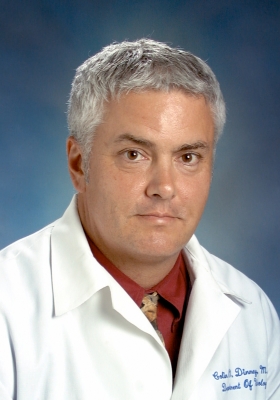 Colin P.N. Dinney合作论文数Department of Urology, The University of Texas MD Anderson Cancer Center;Division of Surgery, The University of Texas MD Anderson Cancer Center5
 Robert Figlin合作论文数Cedars-Sinai;David Geffen School of Medicine, University of California, Los Angeles4
 Arie Belldegrun合作论文数Ronald Reagan UCLA Medical Center;Department of Urology, University of California, Los Angeles4
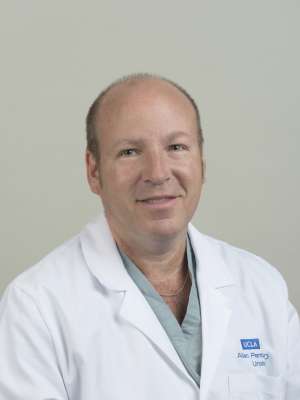 Allan J. Pantuck合作论文数Department of Urology, University of California, Los Angeles;Jonsson Comprehensive Cancer Center, University of California, Los Angeles;Center for Integrative Medicine, University of California, Los Angeles4
 Lydia T. Madsen合作论文数4
 Louis L. Pisters合作论文数Department of Urology, Division of Surgery, The University of Texas MD Anderson Cancer Center4RF Sanchez-Ortiz合作论文数3
 Peter Mulders合作论文数Urology Department, Faculty of Medical Sciences, Radboud University Nijmegen Medical Center3Vincenzo Ficarra合作论文数Department of Urology, University of Messina;Dipartimento di Medicina Clinica e Sperimentale, Università degli Studi di Messina3
 Alexandre De La Taille合作论文数Hopitaux universitaires Henri Mondor;d’Urologie du CHU Mondor3Frederick Dorey合作论文数3Jacques Tostain合作论文数3
 Hyung Kim合作论文数Department of Urology, Cedars Sinai Medical Center3Bernard Lobel合作论文数3
 Amnon Zisman合作论文数Urology Department, Assaf Harofeh Medical Center;Tel Aviv University3
 Luca Cindolo合作论文数G. Rummo Hospital3C.C. Abbou合作论文数3JW Slaton合作论文数2W. Artibani合作论文数2KR Han合作论文数2
 Ashish M. Kamat合作论文数Department of Urology, Division of Surgery, The University of Texas MD Anderson Cancer Center2
 Surena F. Matin合作论文数Department of Urology, Division of Surgery, The University of Texas MD Anderson Cancer Center2Ricardo Sánchezortiz合作论文数2
 Curtis Pettaway合作论文数2
 Jean-Jacques Patard合作论文数Rennes University Hospital2
 Steven E. Canfield合作论文数Department Of Surgery, The University of Texas Medical School2Dominique Chopin合作论文数2CE Bermejo合作论文数1RJ Babaian合作论文数1S. Brassell合作论文数1
 Mark F Munsell合作论文数1CPN Dinney合作论文数1Joel Slaton合作论文数1Charles J. Rosser合作论文数1D Kedar合作论文数1
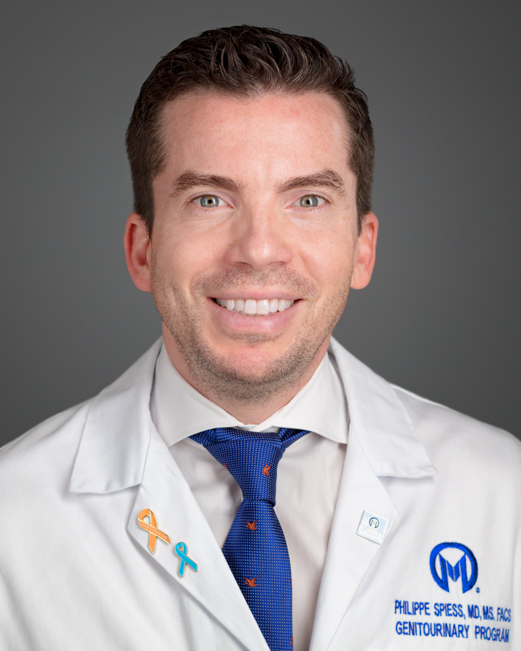 Philippe Spiess合作论文数Moffitt Cancer Center1
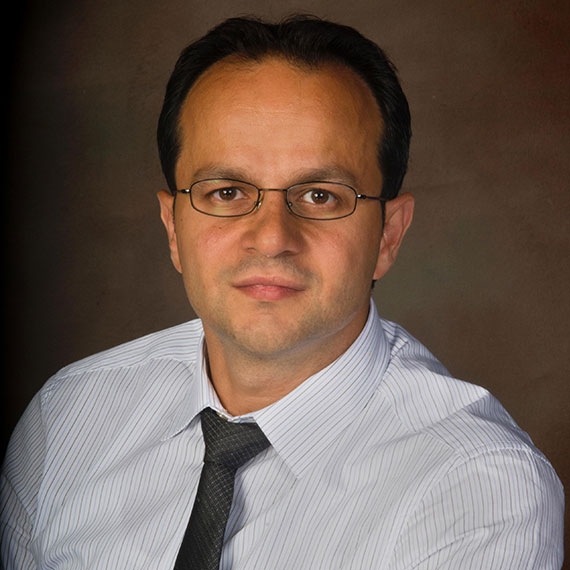 Wassim Kassouf合作论文数Department of Surgery (Urology), McGill University1
 Bogdan A Czerniak合作论文数Department of Pathology, Division of Pathology/Lab Medicine, The University of Texas MD Anderson Cancer Center,1Patricia Troncoso合作论文数1
 Walter Artibani合作论文数Department of Urology, Policlinico G. B. Rossi;Azienda Ospedaliera Universitaria Integrata Verona1
 Jae Ro合作论文数Houston Methodist Hospital, Weill Medical College, Cornell University;Department of Pathology and Genomic Medicine, Weill Medical College, Cornell University1
 John S. Lam合作论文数Kaiser Permanente1
 Karen Basen-Engquist合作论文数1
 Yu Shen合作论文数Department of Biostatistics, The University of Texas MD Anderson Cancer Center;Graduate School of Biomedical Sciences, The University of Texas MD Anderson Cancer Center1
 Peter Chung合作论文数Department of Radiation Oncology, Temerty Faculty of Medicine, University of Toronto;Cancer Clinical Research Unit, Princess Margaret Cancer Centre1
 Xuemei Wang合作论文数Department of Biostatistics, Division of Quantitative Sciences, The University of Texas MD Anderson Cancer Center1Robert J. Amato合作论文数1




