Modern speaker verification (SV) systems rely on speaker embeddings that are effective but difficult to interpret or query in natural language. Most existing speech-text corpora target controllable synthesis or utterance-level captioning, offering limited speaker-level supervision for in-the-wild speaker recognition. This paper introduces SpeakerCard-1M, a bilingual speaker resource for evidence-grounded SV, derived from VoxCeleb1/2 and CN-Celeb1/2, where the “-1M” suffix refers to the 1.78M utterance-level captions contained in the release. We adopt a tool-first, LLM-last approach in which ten acoustic probes produce field-level evidence, the evidence is aggregated into speaker profiles under a schema that separates relatively stable traits from utterance-level states, and bilingual Speaker Cards are rendered by a constrained LLM that sees only the structured fields. The release includes 56.7k Speaker Card records over 10.2k speakers, 1.78M utterance-level captions, and speaker-ID-disjoint hard-negative triplets. We further define two SV-oriented cross-modal protocols, bidirectional Speaker-Text Retrieval (T2S-R / S2T-R) and Attribute-Conditioned Verification (AC-Verify), and compare a dual-encoder baseline against recent audio language models under a zero-shot forced-choice setting. Joint audio-text training costs only 0.31
Recent advancements in generative artificial intelligence have significantly transformed the field of style-captioned text-to-speech synthesis (CapTTS). However, adapting CapTTS to real-world applications remains challenging due to the lack of standardized, comprehensive datasets and limited research on downstream tasks built upon CapTTS. To address these gaps, we introduce CapSpeech, a new benchmark designed for a series of CapTTS-related tasks, including style-captioned text-to-speech synthesis with sound events (CapTTS-SE), accent-captioned TTS (AccCapTTS), emotion-captioned TTS (EmoCapTTS), and text-to-speech synthesis for chat agent (AgentTTS). CapSpeech comprises over 10 million machine-annotated audio-caption pairs and nearly 0.36 million human-annotated audio-caption pairs. In addition, we introduce two new datasets collected and recorded by a professional voice actor and experienced audio engineers, specifically for the AgentTTS and CapTTS-SE tasks. Alongside the datasets, we conduct comprehensive experiments using both autoregressive and non-autoregressive models on CapSpeech. Our results demonstrate high-fidelity and highly intelligible speech synthesis across a diverse range of speaking styles. To the best of our knowledge, CapSpeech is the largest available dataset offering comprehensive annotations for CapTTS-related tasks. The experiments and findings further provide valuable insights into the challenges of developing CapTTS systems.
Multimodal recommendation enhances accuracy by leveraging visual and textual signals, and its success largely depends on learning high-quality cross-modal representations. Recent advances in Large Vision-Language Models (LVLMs) offer unified multimodal representation learning, making them a promising backbone. However, applying LVLMs to recommendation remains challenging due to (i) representation misalignment, where domain gaps between item data and general pre-training lead to unaligned embedding spaces, and (ii) gradient conflicts during fine-tuning, where shared adapters cause interference and a lack of discriminative power. To address this, we propose SDA, a lightweight framework for Structural and Disentangled Adaptation, which integrates two components: Cross-Modal Structural Alignment (CMSA) and Modality-Disentangled Adaptation. CMSA aligns embeddings using intra-modal structures as a soft teacher, while MoDA mitigates gradient conflicts via expertized, gated low-rank paths to disentangle gradient flows. Experiments on three public Amazon datasets show SDA integrates seamlessly with existing multimodal and sequential recommenders, yielding average gains of 6.15
We study two foundational problems in audio language models: (1) how to design an audio tokenizer that can serve as an intermediate representation for both understanding and generation; and (2) how to build an audio foundation model that generalizes in few-shot and zero-shot settings, analogous to large language models. To this end, we make the following two contributions. First, we propose ReasoningCodec, a discrete audio codec that factorizes audio into (i) reasoning tokens, which encode text-aligned, high-level analysis and planning representations for audio understanding and hierarchical generation, and (ii) reconstruction tokens, which encode semantic-rich acoustic cues for high-fidelity waveform reconstruction. This design achieves understanding performance comparable to strong continuous representations while improving generation quality and reconstruction fidelity over prior discrete tokenizers. Second, we introduce a unified autoregressive architecture for text and audio, together with multi-stage training and multi-task data construction. Using this framework, we train UniAudio 2.0 on 100B text tokens and 60B audio tokens. Across a wide range of speech, sound, and music tasks, UniAudio 2.0 performs competitively on in-domain evaluations and demonstrates strong few-shot and zero-shot generalization to unseen tasks. Demo, code, and checkpoints will be available at \href{https://dongchaoyang.top/UniAudio2Demo/}{https://dongchaoyang.top/UniAudio2Demo/}.
Speech editing has garnered more and more attention due to its diverse applications. However, existing systems often require substantial manual effort or have limited capabilities in attribute editing, imposing significant constraints. In this work, we present SpeechPalette, a comprehensive high-quality speech editing method that allows users to easily modify various attributes of the selected speech segment according to their preferences. Specifically, the proposed model approaches speech editing from a decoupling perspective, disentangling critical information such as text, pitch, duration and more from the input speech. Then, reconstruction is achieved through a mask and prediction mechanism. Furthermore, we leverage a diffusion model to predict the residuals between the real and predicted speech, further enhancing synthesis quality. The proposed method not only excels at text-based speech editing but also handles tasks involving pitch and speed rate adjustments. Moreover, it also demonstrates remarkable performance in one-shot text-to-speech scenarios. While recent large-scale models achieve impressive synthesis quality through massive computational resources, SpeechPalette offers a balanced approach with explicit fine-grained control over speech attributes, practical deployment requirements, and competitive performance relative to similarly-sized systems. Experimental results across a range of tasks consistently demonstrate the superior performance of our method compared to baseline systems. Additionally, comprehensive ablation studies validate the effectiveness of our proposed approach.
Accurate and transparent financial information disclosure is essential for market efficiency, investor decision-making, and corporate governance. Chinese stock exchanges’ investor interactive platforms provide a widely used channel through which listed firms respond to investor concerns, yet these responses are often limited or non-substantive, making disclosure quality difficult to assess at scale. To address this challenge, we introduce FinTruthQA, to our knowledge the first benchmark for AI-driven assessment of financial disclosure quality in investor–firm interactions. FinTruthQA comprises 6,000 real-world financial Q&A entries, each manually annotated based on four key evaluation criteria: question identification, question relevance, answer readability, and answer relevance. We benchmark statistical machine learning models, pre-trained language models and their fine-tuned variants, as well as large language models (LLMs), on FinTruthQA. Experiments show that existing models achieve strong performance on question identification and question relevance (F1>95%), but remain substantially weaker on answer readability (Micro F1∼88%) and especially answer relevance (Micro F1∼80%), highlighting the nontrivial difficulty of fine-grained disclosure quality assessment. Domainand task-adapted pre-trained language models consistently outperform general-purpose models and LLM-based prompting on the most challenging settings. These findings position FinTruthQA as a practical foundation for AI-driven disclosure monitoring in capital markets, with value for regulatory oversight, investor protection, and disclosure governance in real-world financial settings.
As large language models (LLMs) evolve into tool-using agents, the ability to browse the web in real-time has become a critical yardstick for measuring their reasoning and retrieval competence. Existing benchmarks such as BrowseComp concentrate on English and overlook the linguistic, infrastructural, and censorship-related complexities of other major information ecosystems – most notably Chinese. To address this gap, we introduce BrowseComp-ZH, a high-difficulty benchmark purpose-built to comprehensively evaluate LLM agents on the Chinese web. BrowseComp-ZH consists of 289 multi-hop questions spanning 11 diverse domains. Each question is reverse-engineered from a short, objective, and easily verifiable answer (e.g., a date, number, or proper noun). A two-stage quality control protocol is applied to strive for high question difficulty and answer uniqueness. We benchmark over 20 state-of-the-art language models and agentic search systems on our proposed BrowseComp-ZH. Despite their strong conversational and retrieval capabilities, most models struggle severely: a large number achieve accuracy rates below 10 handful exceed 20 reaches just 42.9 BrowseComp-ZH, where success demands not only effective retrieval strategies, but also sophisticated reasoning and information reconciliation – capabilities that current models still struggle to master. Our dataset, construction guidelines, and benchmark results have been publicly released at https://github.com/PALIN2018/BrowseComp-ZH.
As multimedia content continues to grow on the Web, the integration of visual and textual data has become a crucial challenge for Web applications, particularly in recommendation systems. Large Vision Language Models (LVLMs) have demonstrated considerable potential in addressing this challenge across various tasks that require such multimodal integration. However, their application in multimodal sequential recommendation (MSR) has not been extensively studied, despite their potential to significantly enhance the performance of web-based multimodal recommendations. To bridge this gap, we introduce MSRBench, the first comprehensive benchmark designed to systematically evaluate different LVLM integration strategies in web-based recommendation scenarios. We benchmark three state-of-the-art LVLMs, i.e., GPT-4 Vision, GPT4o, and Claude-3-Opus, on the next item prediction task using the constructed Amazon Review Plus dataset, which includes additional item descriptions generated by LVLMs. Our evaluation examines five integration strategies: using LVLMs as recommender, item enhancer, reranker, and various combinations of these roles. The benchmark results reveal that 1) using LVLMs as rerankers is the most effective strategy, significantly outperforming others that rely on LVLMs to directly generate recommendations or only enhance items; 2) GPT-4o consistently achieves the best performance across most scenarios, particularly when employed as a reranker; 3) the computational inefficiency of LVLMs presents a major barrier to their widespread adoption in real-time multimodal recommendation systems. Our codes and datasets will be made publicly available upon acceptance.
In natural human-to-human conversations, participants often receive feedback signals from one another based on their follow-up reactions. These reactions can include verbal responses, facial expressions, changes in emotional state, and other non-verbal cues. Similarly, in human-machine interactions, the machine can leverage the user's follow-up utterances as feedback signals to assess whether it has appropriately addressed the user's request. Therefore, we propose using the likelihood of follow-up utterances as rewards to differentiate preferred responses from less favored ones, without relying on human or commercial LLM-based preference annotations. Our proposed reward mechanism, “Follow-up Likelihood as Reward" (FLR), matches the performance of strong reward models trained on large-scale human or GPT-4 annotated data on 8 pairwise-preference and 4 rating-based benchmarks. Building upon the FLR mechanism, we propose to automatically mine preference data from the online generations of a base policy model. The preference data are subsequently used to boost the helpfulness of the base model through direct alignment from preference (DAP) methods, such as direct preference optimization (DPO). Lastly, we demonstrate that fine-tuning the language model that provides follow-up likelihood with natural language feedback significantly enhances FLR's performance on reward modeling benchmarks and effectiveness in aligning the base policy model's helpfulness.
Meteorological heatmaps play a vital role in deciphering extreme weather phenomena, yet their inherent complexities marked by irregular contours, unstructured patterns, and complex color variations present unique analytical hurdles for state-of-the-art Vision-Language Models (VLMs). Current state-of-the-art models like GPT-4o, Qwen-VL, and LLaVA 1.6 struggle with tasks such as precise color identification and spatial localization, resulting in inaccurate or incomplete interpretations. To address these challenges, we introduce Sparse Position and Outline Tracking (SPOT), a novel algorithm specifically designed to process irregularly shaped colored regions in visual data. SPOT identifies and localizes these regions by extracting their spatial coordinates, enabling structured representations of irregular shapes. Building on SPOT, we construct ClimateIQA, a novel meteorological visual question answering (VQA) dataset, comprising 26,280 high-resolution heatmaps and 762,120 instruction samples for wind gust, total precipitation, wind chill index and heat index analysis. ClimateIQA enhances VLM training by incorporating spatial cues, geographic metadata, and reanalysis data, improving model accuracy in interpreting and describing extreme weather features. Furthermore, we develop Climate-Zoo, a suite of fine-tuned VLMs based on SPOT-empowered ClimateIQA, which significantly outperforms existing models in meteorological heatmap tasks.
In this study, we propose a simple and efficient Non-Autoregressive (NAR) text-to-speech (TTS) system based on diffusion, named SimpleSpeech. Its simpleness shows in three aspects: (1) It can be trained on the speech-only dataset, without any alignment information; (2) It directly takes plain text as input and generates speech through an NAR way; (3) It tries to model speech in a finite and compact latent space, which alleviates the modeling difficulty of diffusion. More specifically, we propose a novel speech codec model (SQ-Codec) with scalar quantization, SQ-Codec effectively maps the complex speech signal into a finite and compact latent space, named scalar latent space. Benefits from SQ-Codec, we apply a novel transformer diffusion model in the scalar latent space of SQ-Codec. We train SimpleSpeech on 4k hours of a speech-only dataset, it shows natural prosody and voice cloning ability. Compared with previous large-scale TTS models, it presents significant speech quality and generation speed improvement. Demos are released.
Mainstream approaches to aligning large language models (LLMs) heavily rely on human preference data, particularly when models require periodic updates. The standard process for iterative alignment of LLMs involves collecting new human feedback for each update. However, the data collection process is costly and challenging to scale. To address this issue, we introduce the "TS-Align" framework, which fine-tunes a policy model using pairwise feedback data automatically mined from its outputs. This automatic mining process is efficiently accomplished through the collaboration between a large-scale teacher model and a small-scale student model. The policy fine-tuning process can be iteratively repeated using on-policy generations within our proposed teacher-student collaborative framework. Through extensive experiments, we demonstrate that our final aligned policy outperforms the base policy model with an average win rate of 69.7% across seven conversational or instruction-following datasets. Furthermore, we show that the ranking capability of the teacher is effectively distilled into the student through our pipeline, resulting in a small-scale yet effective reward model for policy model alignment.
Vehicle manufacturing monitoring places significant emphasis on special noises from vehicles, encompassing Squeaking and Rattling (SR) noises as a pivotal aspect. Existing SR Anomaly Detection (SR-AD) studies still suffer from several challenges under actual industrial scenarios: lengthy and diverse real-recordings, costly manual labelling, and subtle distinction in road track noises. For the first time, we proposed SRAD-CLF, a novel framework that leverages contrastive learning on Real Industrial Noise Recordings (RINR) to tackle these challenges. Specifically, we initiate the process by segmenting a complete audio sample into distinct road-surface-type audio clips, subsequently assigning a surface label to each clip. Then, a contrastive learning-based framework employing encoder perturbations is implemented to enhance representation, effectively mitigating risks associated with data augmentation, like context loss and the incorporation of irrelevant augmentation details into the features. To enhance the efficacy of SRAD-CLF, we integrate a classifier based on road surface-type information within a self-supervised learning framework, fortifying the performance of the SR-AD task. Our proposed SRAD-CLF achieves promising results for SR-AD on real-world industrial datasets collected from the Ford Manufacturing Plant in Valencia (Spain).
A text-to-speech (TTS) model trained to reconstruct speech given text tends towards predictions that are close to the average characteristics of a dataset, failing to model the variations that make human speech sound natural. This problem is magnified for zero-shot voice cloning, a task that requires training data with high variance in speaking styles. We build off of recent works which have used Generative Advsarial Networks (GAN) by proposing a Transformer encoder-decoder architecture to conditionally discriminates between real and generated speech features. The discriminator is used in a training pipeline that improves both the acoustic and prosodic features of a TTS model. We introduce our novel adversarial training technique by applying it to a FastSpeech2 acoustic model and training on Libriheavy, a large multi-speaker dataset, for the task of zero-shot voice cloning. Our model achieves improvements over the baseline in terms of speech quality and speaker similarity.
Voice cloning, also known as personalized voice synthesis, is a significant branch of speech synthesis. It involves synthesizing speech with the same vocal characteristics as the target speaker. The field of voice cloning mainly faces two challenges: 1. Typically, only a small amount of voice data from the target speaker is available, necessitating the cloning of the speaker’s timbre using limited available data; 2. The voice data of the target speaker is often recorded with non-professional equipment in noisy environments, posing a significant challenge to the robustness of voice cloning systems. In this paper, we propose a noise-robust voice adaptation method based on speaker-independent bottleneck features.The method contains: 1. Using a disentanglement module based on autoencoder architecture to disentangle the timbre information from the speech data, resulting in the extraction of corresponding speaker-independent bottleneck features with environmental information; 2. With the help of the above module, the Text2BN (Text to Bottleneck) module is trained with high-quality voice data to establish a mapping from text to clean speaker-independent bottleneck features; 3. The decoder is fine-tuned using noisy target speaker speech data to adapt to the target speaker and is cascaded with the Text2BN module to synthesize clean audio. The disentanglement module does not require text transcriptions and not mandate the use of artificially paired clean/noisy datasets, enabling large-scale pre-training with massive real-world, untranscribed, noisy datasets to further enhance the model’s noise robustness and capabilities of decoupling timbre. During the cloning phase, there are no requirements for the recording conditions of the target speaker’s speech data or for text transcriptions, aligning more closely with real application scenarios. Since our model does not directly work on the noise level, it effectively avoids issues of insufficient robustness to out-of-distribution noise. Experiments demonstrate that the method can effectively utilize noisy target speaker speech data for voice cloning, achieving the preponderance of both speech quality and similarity in the synthesized speech.
Accurate and transparent financial information disclosure is essential for market efficiency, investor decision-making, and corporate governance. Chinese stock exchanges' investor interactive platforms provide a widely used channel through which listed firms respond to investor concerns, yet these responses are often limited or non-substantive, making disclosure quality difficult to assess at scale. To address this challenge, we introduce FinTruthQA, to our knowledge the first benchmark for AI-driven assessment of financial disclosure quality in investor-firm interactions. FinTruthQA comprises 6,000 real-world financial Q A entries, each manually annotated based on four key evaluation criteria: question identification, question relevance, answer readability, and answer relevance. We benchmark statistical machine learning models, pre-trained language models and their fine-tuned variants, as well as large language models (LLMs), on FinTruthQA. Experiments show that existing models achieve strong performance on question identification and question relevance (F1 > 95
Integrating large language models (LLMs) into healthcare holds great potential but faces challenges. Pre-training LLMs from scratch for domains like medicine is resource-heavy and often unfeasible. On the other hand, sole reliance on Supervised Fine-tuning (SFT) can result in overconfident predictions and may not tap into domain-specific insights. In response, we present a multi-stage training method combining Domain-specific Continued Pre-training (DCPT), SFT, and Direct Preference Optimization (DPO). In addition, we publish a 3Gb Chinese Medicine (ChiMed) dataset, encompassing medical question answering, plain texts, knowledge graphs, and dialogues, segmented into three training stages. The medical LLM trained with our pipeline, Qilin-Med, shows substantial performance improvement. In the CPT and SFT phases, Qilin-Med achieved 38.4% and 40.0% accuracy on the CMExam test set, respectively. It outperformed the basemodel Baichuan-7B (accuracy: 33.5%), by 7.5%. In the DPO phase, it scored 16.66 in BLEU-1 and 27.44 in ROUGE-1 on the Huatuo-26M test set, bringing further improvement to the SFT phase (12.69 in BLEU-1 and 24.21 in ROUGE-1). Additionally, we have further enhanced the model's performance through the Retrieval Augmented Generation (RAG) approach. Experiments demonstrate that Qilin-Med-RAG achieves an accuracy rate of 42.8% on CMExam. These results highlight the contribution of our novel training approach in building LLMs for medical applications.
Transformer-based models attain excellent results and generalize well when trained on sufficient amounts of data. However, constrained by the limited data available in the audio domain, most transformer-based models for audio tasks are finetuned from pre-trained models in other domains (e.g. image), which has a notable gap with the audio domain. Other methods explore the self-supervised learning approaches directly in the audio domain but currently do not perform well in the downstream tasks. In this paper, we present a novel selfsupervised learning method for transformer-based audio models, called masked spectrogram prediction (MaskSpec), to learn powerful audio representations from unlabeled audio data (AudioSet used in this paper). Our method masks random patches of the input spectrogram and reconstructs the masked regions with an encoder-decoder architecture. Without using extra model weights or supervision, experimental results on multiple downstream datasets demonstrate MaskSpec achieves a significant performance gain against the supervised methods and outperforms the previous pre-trained models. In particular, our best model reaches the performance of 0.471 (mAP) on AudioSet, 0.854 (mAP) on OpenMIC2018, 0.982 (accuracy) on ESC-50, 0.976 (accuracy) on SCV2, and 0.823 (accuracy) on DCASE2019 Task1A respectively.
Large pre-trained models have revolutionized natural language processing (NLP) research and applications, but high training costs and limited data resources have prevented their benefits from being shared equally amongst speakers of all the world's languages. To address issues of cross-linguistic access to such models and reduce energy consumption for sustainability during large-scale model training, this study proposes an effective and energy-efficient framework called GreenPLM that uses bilingual lexicons to directly ``translate'' pre-trained language models of one language into another at almost no additional cost. We validate this approach in 18 languages' BERT models and show that this framework is comparable to, if not better than, other heuristics with high training costs. In addition, given lightweight continued pre-training on limited data where available, this framework outperforms the original monolingual language models in six out of seven tested languages with up to 200x less pre-training efforts. Aiming at the Leave No One Behind Principle (LNOB), our approach manages to reduce inequalities between languages and energy consumption greatly. We make our codes and models publicly available at https://github.com/qcznlp/GreenPLMs.
Large Language Models (LLMs) have introduced a new era of proficiency in comprehending complex healthcare and biomedical topics. However, there is a noticeable lack of models in languages other than English and models that can interpret multi-modal input, which is crucial for global healthcare accessibility. In response, this study introduces Qilin-Med-VL, the first Chinese large vision-language model designed to integrate the analysis of textual and visual data. Qilin-Med-VL combines a pre-trained Vision Transformer (ViT) with a foundational LLM. It undergoes a thorough two-stage curriculum training process that includes feature alignment and instruction tuning. This method enhances the model's ability to generate medical captions and answer complex medical queries. We also release ChiMed-VL, a dataset consisting of more than 1M image-text pairs. This dataset has been carefully curated to enable detailed and comprehensive interpretation of medical data using various types of images.
 Peilin Zhou (周培林)合作论文数Hong Kong University of Science and Technology15
 Helin Wang合作论文数10
 Yining Hua合作论文数Department of Epidemiology, Harvard T.H. Chan School of Public Health, Harvard University7
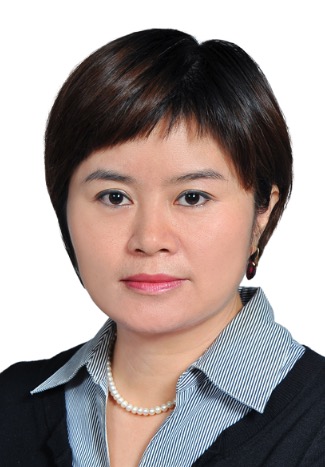 Yuexian Zou (邹月娴)合作论文数School of Electronic and Computer Engineering, Peking University;Advanced Data & Signal Processing Laboratory, Peking University7
 Jie Yang (杨杰)合作论文数Harvard Medical School, Harvard University;Division of Pharmacoepidemiology and Pharmacoeconomics, Brigham and Women’s Hospital5
 Qichen Ye合作论文数ADSPLAB, School of ECE, Peking University4Junling Liu合作论文数4
 Qingcheng Zeng合作论文数4jiageng wu (吴嘉庚)合作论文数4Meng Cao合作论文数3
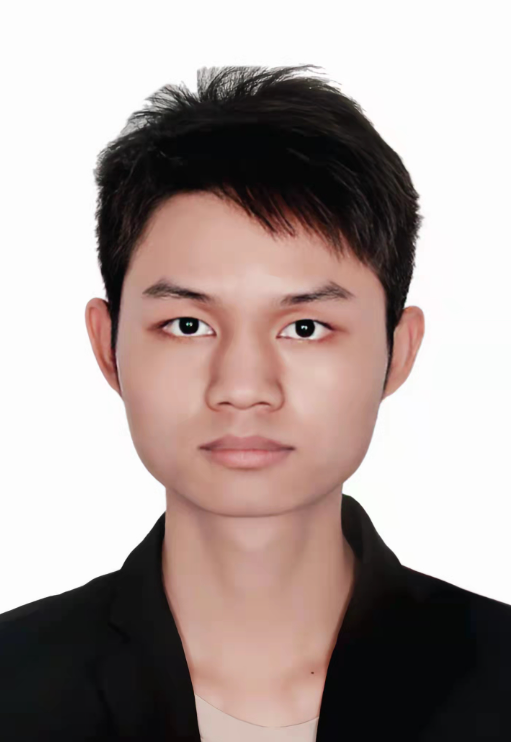 Dongchao Yang合作论文数The Chinese University of Hongkong3
 Chao Liu (柳超)合作论文数Institute of Data Sclence and Engineering, Peking University;Beihang University;Beijing Tianyancha Technology Co, Ltd3
 Wenwu Wang合作论文数Centre for Vision, Speech and Signal Processing, School of Computer Science and Electronic Engineering, Faculty of Engineering and Physical Sciences, University of Surrey;Surrey Institute for People Centred Artificial Intelligence, University of Surrey3
 Shoujin Wang合作论文数The Data Science Institute, University of Technology Sydney3
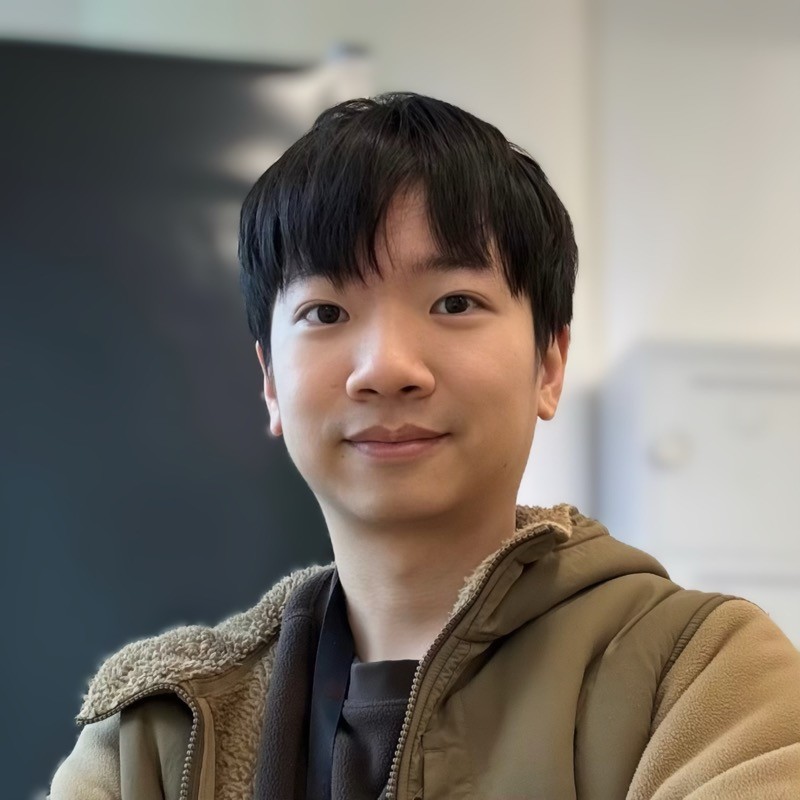 Jian Chen合作论文数The Hong Kong University of Science and Technology (Guangzhou)2Guohua Tang合作论文数2
 Chen Zhang (张晨)合作论文数Huawei Noah's Ark Lab2
 Lei Zhu (朱磊)合作论文数Alibaba Group;Ant Group2
 Dongyang Dai (代东洋)合作论文数Zoom2
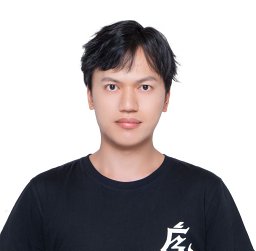 Chengguang Tang合作论文数Tencent AI Lab2
 Songxiang Liu (刘颂湘)合作论文数Meituan2
 Bin Ke合作论文数Department of Accounting, National University of Singapore Business School2
 Xixin Wu (吳錫欣)合作论文数2
 Chenyu You合作论文数Department of Applied Mathematics & Statistics, Stony Brook University;Department of Computer Science, Stony Brook University2Tao Wang合作论文数Institute of Automation, Chinese Academy of Sciences2
 Zhenhua Guo (郭振华)合作论文数Shenzhen International Graduate School, Tsinghua University2
 Jun Chen (陈俊)合作论文数Department of Accounting and Finance, School of Management, Zhejiang University2
 Wang Dong (董望)合作论文数Department of Accounting and Finance, School of Management, Zhejiang University2
 Feng Jiang合作论文数Shenzhen University of Advanced Technology2
 Haizhou Li (李海洲)合作论文数School of Data Science, Chinese University of Hong Kong, Shenzhen;Department of Electrical and Computer Engineering, National University of Singapore;Machine Listening Lab, University of Bremen2
 Yueqi Xie (谢悦琪)合作论文数Princeton University2
 Zhongtao Rao合作论文数The Hong Kong University of Science and Technology (Guangzhou)1Raymond Chi-Wing Wong合作论文数1Jae Boum KIM合作论文数1You-Liang Huang合作论文数1Xinfeng Zhou合作论文数1Jing Ren合作论文数1Wei Chen合作论文数1Zhongyu Tian合作论文数1Ke Shi合作论文数1Ziming Wang合作论文数1Zichang Su合作论文数1Anningzhe Gao合作论文数1Kang Zhou合作论文数1Yuanyuan Wang合作论文数1Andrew Liu合作论文数1
 Yikang Pan合作论文数Knowd;Vector Institute;University of Toronto1




