ABSTRACT Background As populations age, older adults with type 2 diabetes and comorbid dementia are increasing. Dementia can impair diabetes self‐management and require physicians to reconsider treatment goals, family involvement, care coordination, and ethical decision‐making. However, few studies have explored physicians' specific challenges in such cases, particularly within the Japanese healthcare context. Methods This qualitative study examined physicians' perceived difficulties in caring for older adults with type 2 diabetes and dementia. Semi‐structured interviews were conducted with six primary care physicians and six diabetes specialists in Japan. Transcripts were analyzed using the Steps for Coding and Theorization (SCAT) method to identify recurring themes and compare perspectives across physician groups. Results Both groups reported challenges related to the gap between ideal and feasible care, dementia‐related disruption of self‐management, family involvement, emotional burden, and practical treatment adaptations. Primary care physicians more often emphasized preserving dignity, life context, longitudinal relationships, and coordination with other professionals. Diabetes specialists more often emphasized disease‐specific uncertainty, treatment‐goal adjustment, dementia diagnosis or disclosure, and pragmatic adaptations to maintain safety. Conclusions Physicians caring for older adults with type 2 diabetes and dementia experience clinical, ethical, relational, and emotional challenges shaped by their roles and practice contexts. These findings highlight the need for educational and organizational support to help physicians negotiate individualized treatment goals, family involvement, and interprofessional coordination in diabetes–dementia care. Future research should evaluate whether such support can reduce physician burden and improve care quality.
Cultural prescribing is an emerging approach that connects people with arts, cultural activities, heritage, and culturally meaningful places to support health and well-being. It is usually situated within social prescribing and overlaps with Arts on Prescription, museum-based programmes, creative health, community arts, and participatory arts. However, inconsistent terminology and intervention models make its scope difficult to define. This critical narrative review clarifies the concept of cultural prescribing, summarizes its proposed mechanisms and current evidence, examines implementation and ethical challenges, and considers the contribution of socially engaged art. Existing reviews indicate that referral-based arts programmes can improve psychosocial well-being and may reduce anxiety, depression, loneliness, and social isolation, but the evidence remains limited by observational designs, heterogeneous interventions, selective participation, and insufficient long-term and economic evaluation. Cultural engagement may operate through emotional regulation, aesthetic absorption, meaning-making, identity development, learning, embodiment, social connection, place attachment, and collective agency. Implementation depends on trusted relationships, accessible and sustainable cultural infrastructure, adequate support for artists and community organizations, and attention to inequalities in participation. Socially engaged art is not synonymous with cultural prescribing, because it does not necessarily begin with a clinical referral or seek health outcomes. Nevertheless, its emphasis on dialogue, collaboration, shared authorship, and social transformation can extend cultural prescribing beyond the referral of individuals to pre-existing activities. Cultural prescribing can therefore be understood as a continuum from referral to participation, co-creation, and collective transformation. A relational and community-oriented model may be particularly relevant in Japan, where libraries, local festivals, traditional practices, and informal community spaces can function as cultural health assets. Future research should evaluate not only individual symptoms but also relationships, cultural inclusion, community capacity, and structural conditions.
Background:Inappropriate antibiotic prescribing remains a global concern, as it contributes to adverse drug reactions, increased healthcare costs, and the spread of antimicrobial resistance. In Japan, several studies have investigated antibiotic prescription patterns; however, most rely solely on insurance claims data, which may not accurately reflect clinical diagnoses. This study aimed to evaluate the appropriateness of antibiotic use for acute respiratory tract infections (ARTIs) by cross-referencing disease names recorded in insurance claims with diagnoses documented in electronic medical records. Methods:We conducted a retrospective review of outpatient records from Hino Hospital, a community-based general hospital providing primary care services, between April 1, 2017, and March 31, 2018. Patients diagnosed with ARTIs were identified through claims data, and their diagnoses were confirmed using their medical records. The appropriateness of antibiotic prescriptions was assessed based on the Japanese clinical guideline, Manual for Appropriate Antimicrobial Use. Results:A total of 485 patients were included. The overall antibiotic prescription rate for ARTIs was 17.1%, and among those prescribed antibiotics, only 14.5% were deemed appropriate. The general medicine department had the lowest prescription rate and the highest rate of appropriate use among all departments. Conclusion:This study provides a chart-based analysis of inappropriate antibiotic use for ARTIs in Japan. To reduce inappropriate antibiotic prescriptions, multifaceted interventions and continuous evaluation will be necessary.
Empathy and narrative competence are essential components of patient-centered care and professional identity formation in medical education. However, empathy often declines during medical training, and conventional communication programs may foster performed rather than authentic empathy. Narrative medicine offers a promising framework for cultivating humanistic understanding in medical education. Central to this approach is narrative competence, defined as the ability to recognize, absorb, interpret, and act upon the stories of others. This study explored how viewing and discussing oral history videos of local older adults could foster empathy and narrative competence among medical students in a community-based educational context. A convergent mixed-methods design with qualitative priority was employed. Twenty-seven fifth- and sixth-year medical students at Tottori University participated in a 60-minute session during their one-week community-based clinical placement. Participants viewed a 20-minute oral history video from a regional series featuring older residents’ life stories, followed by a reflective group discussion. Empathy was assessed using the Japanese version of the Interpersonal Reactivity Index (IRI) before and after the session. Written reflections were thematically analyzed to explore experiential learning. The total IRI score showed a small, non-significant increase (91.25 to 92.69; t = 0.82, p = 0.42, Cohen’s d = 0.15). Thematic analysis identified nine categories, including recognizing the significance of listening to narratives, respecting individuality, recognizing patients’ social and historical contexts, and reconsidering assumptions about older adults and patient care. Students described emotional resonance, reflective insight, and renewed awareness of patients’ values and life histories. Although quantitative measures revealed minimal change, qualitative findings suggested short-term reflective engagement with patients’ life histories, values, and social contexts. Oral history–based narrative education may enrich community-based medical training by linking empathy, reflection, and narrative listening, and may offer a concise approach for supporting context-sensitive, patient-centered care.
Background:Since 2011, the Department of Community Medicine at Tottori University has provided community-based clinical training for fourth-year medical students. However, conventional community-based training often remains observational and does not necessarily foster students' critical reflection or active questioning in clinical settings. To address this gap, ethnographic methods from medical anthropology were introduced in 2018, allowing students to engage in participant observation. After each weekly practicum session conducted at a community-based medical facility, students documented the questions that emerged and their reasoning in an electronic portfolio (ePF), receiving individual feedback from faculty. Methods:A qualitative descriptive study was conducted using text data from the 2019 ePF entries of 107 fourth-year medical students. Descriptions of participant observation were analyzed using the text-mining software KH Coder. Co-occurrence network diagrams and textual analysis were used to extract thematic categories. Results:Frequently used words included "observe," "think," "learn," and "feel." Cluster analysis revealed strong associations such as "question" with "have," "university" with "community," and "study" with "knowledge." Students commonly formulated action plans emphasizing active observation and critical questioning for future clinical training. Conclusion:Participant observation enabled students to reflect on differences between community and university-based clinical settings. The exercise promoted the development of critical thinking and multiple perspectives, suggesting the value of incorporating anthropological methods into pre-clinical medical education.
Background:Medical uncertainty is inherent in clinical practice, especially in primary care where clinicians regularly face multimorbidity, ambiguous symptoms, and unpredictable care courses. Although tolerance of uncertainty (TU) has been associated internationally with resilience, job satisfaction, and decision-making, little is known about its relationship to physician well-being in Japan. In a medical culture that emphasizes precision and decisiveness, navigating uncertainty may be psychologically challenging. This study examined the association between TU and two dimensions of well-being-subjective well-being (SWB) and eudaimonic well-being (EWB)-among Japanese primary care physicians. Methods:We conducted a cross-sectional online survey from March 1 to 31, 2023, targeting physicians on the Japan Primary Care Association mailing list (N = 4,207). The questionnaire included demographic items and three validated scales: the Short Intolerance of Uncertainty Scale (SIUS), the Subjective Well-Being Scale (SWBS), and the Eudaimonic Well-Being Scale (EWBS). One free-text item explored emotional responses to high-uncertainty situations. Quantitative data were analyzed using correlation analysis and structural equation modeling (SEM), and qualitative responses underwent thematic analysis. Results:Out of 152 responses, 150 were valid. The SIUS score showed a significant negative correlation with both SWBS (r = -0.433, P < 0.001) and EWBS (r = -0.259, P = 0.001). SEM confirmed these associations, with path coefficients of -0.420 (SWBS) and -0.256 (EWBS), both P < 0.001. Taken together, these results indicate that higher intolerance of uncertainty was associated with lower well-being; conversely, greater tolerance of uncertainty (TU) was positively associated with both subjective and eudaimonic aspects of well-being. Thematic analysis of free-text responses revealed four themes: (1) Positive recognition of uncertainty, (2) Acceptance of uncertainty, (3) Coping strategies, and (4) Growth through uncertainty. Conclusion:Higher tolerance of uncertainty is positively associated with both subjective and eudaimonic well-being among Japanese primary care physicians. These findings suggest that fostering TU may enhance psychological health and support professional development.
Visual Thinking Strategy (VTS) has been introduced in health professions education as a method for enhancing observational skills, empathy, and communication through group dialogue around artworks. This study explored how VTS workshops might cultivate empathy and related competencies among Japanese medical students and residents. Six participants (three medical students and three family medicine residents) attended eight workshops facilitated by a trained VTS instructor between November and December 2021. Sessions were held four times online and four times in person, using artworks and public sculptures as stimuli. Empathy was assessed before and after the series using the Japanese versions of the Jefferson Scale of Empathy (JSE) and the Interpersonal Reactivity Index (IRI). Participants' reflective writings were analyzed thematically. Quantitatively, mean IRI scores increased from 94.0 to 99.3 (Cohen's d = 0.37), and mean JSE scores increased from 109.3 to 111.7 (Cohen's d = 0.20). Qualitative analysis revealed six thematic categories: clinical observation, empathy/perspective-taking, communication, cultural sensitivity, tolerance for diversity, and self-awareness. These findings suggest that VTS-based workshops may enhance empathy through perspective-taking, tolerance of diverse interpretations, and reflection on one's own biases. Incorporating art-based dialogue in medical education could complement conventional communication training by promoting humanistic awareness in future physicians.
Background:Collaboration between hematologists and primary care physicians (PCPs) is crucial for managing hematologic diseases, particularly malignancies. However, the specific challenges PCPs face in such coordination remain underexplored in Japan. The aim of this study was to investigate the difficulties and questions encountered by PCPs when providing care to patients with hematologic diseases and to identify potential barriers to effective collaboration with hematologists. Methods:We conducted a web-based, self-administered questionnaire survey among 4,207 physicians listed on the Japan Primary Care Association mailing list. Respondents with at least three years of clinical experience were eligible. The questionnaire covered demographics, involvement in home care, and challenges in referral and follow-up related to hematologic diseases. Quantitative data were analyzed using descriptive statistics; free-text responses were thematically analyzed using NVivo. Results:A total of 90 PCPs responded. The most frequently referred conditions were malignant lymphoma, bone marrow failure, and myeloproliferative neoplasms. Common follow-up challenges included limited access to hematologists, role ambiguity, and inadequate communication. Thematic analysis revealed key difficulties: a shortage of specialists, complex treatment decisions for elderly patients, and psychological barriers in initiating consultations with hematologists. Conclusion:PCPs in Japan face both structural and psychological barriers when managing hematologic diseases, particularly in collaboration with hematologists. Enhancing bidirectional communication and addressing these barriers may improve continuity and quality of care.
Background:In Japan, both hospitals and outpatient clinics serve as primary care providers. However, the characteristics of primary care practices in hospitals and clinics, as well as the role and functions of primary care in mountainous and rural areas, are poorly understood. The purpose of this study was to identify the role and functions of primary care in small hospitals and outpatient clinics in mountainous areas, as well as the characteristics of primary care practices specific to these regions. Methods:A descriptive study was conducted between January and March 2024 at two municipal facilities in western Tottori Prefecture: Hino Hospital and Ebi Clinic. Adult patients who had received care in general medicine or general practice for more than six months were invited to complete the Japanese version of the Primary Care Assessment Tool (JPCAT). Results:Valid responses were obtained from 254 patients at Hino Hospital and 27 at Ebi Clinic, with response rates of 90.6% and 100%, respectively. First Contact scores were higher at Hino Hospital, while Community Orientation scores were higher at Ebi Clinic. Other domain scores showed broadly similar ranges. Conclusions:Differences in patterns of First Contact and Community Orientation were observed across the two facilities. These findings describe how primary care is perceived within a shared rural context and should not be interpreted as causal or generalizable differences between facility types.
Background Medically unexplained symptoms (MUS) are common in primary care and are often influenced by psychological distress and negative medical experiences. Case Presentation A woman in her early thirties presented with chronic abdominal discomfort and severe anxiety despite repeated normal medical evaluations. She attended seven outpatient visits incorporating an Open Dialogue (OD)-based reflecting process involving a family member. Alternating dialogues and structured reflecting conversations facilitated externalization of concerns, improved mutual understanding, and emotional stabilization. Conclusion This case suggests that OD-based reflecting practices may serve as a useful clinical option for selected patients with MUS in general outpatient care.
Community-Based Participatory Research (CBPR) offers a relational framework for bridging scientific inquiry and everyday life. Yet its adaptation to Japan’s urban contexts—where dense traditions coexist with social fragmentation—remains underexplored. Since 2015, the YaNeSen CBPR has linked residents, physicians, and researchers in Tokyo’s historic Shitamachi district of Yanaka–Nezu–Sendagi to co-create health-promoting spaces grounded in local culture. Using ethnographic fieldwork, community asset mapping, and collaborative action, the team developed the “Mobile Yatai de Health Café”—a movable wooden stall that was intermittently deployed between 2016 and 2020 to serve coffee and invite spontaneous street-level dialogue between residents and care professionals. Follow-up interviews with 12 participants in 2021 were thematically analyzed to assess long-term transformations. Early engagement revealed temples, public baths, and alleys as “third places” sustaining social capital. The Mobile Yatai extended this ecology by generating salutogenic encounters that blurred boundaries between health, art, and everyday sociability. Interview narratives described the project as a “space of relational invitation” (kakawari-shiro) characterized by openness, serious play, and an ethics of non-obligation. Participants reported a broadened sense of health as relational, expressive, and experiential rather than biomedical. The YaNeSen CBPR demonstrates how culturally embedded, art-based collaboration can nurture “relational commons” that sustain well-being in aging urban communities. By valuing presence, ambiguity, and care over prescriptive intervention, this study reframes health as convivial coexistence through culturally embedded participatory art.
Background:Japan faces one of the world's most rapidly aging populations, particularly in rural and mountainous regions. Since 2003, Japan has promoted the Community-based Integrated Care System, yet implementation and outcomes vary by region. This study aimed to explore the long-term outcomes and enabling factors of integrated care in a highly aged, depopulated rural town. Methods:A qualitative study using semi-structured interviews was conducted with eight healthcare and welfare professionals involved in long-standing community care in Nichinan Town, Tottori Prefecture. Participants were selected via convenience and snowball sampling. Data were analyzed using the Steps for Coding and Theorization (SCAT) method. Results:Three main categories were identified: (1) effects of long-term integrated care, including the development of a culture of information sharing and improved interprofessional collaboration; (2) enabling factors, such as the central role of the Integrated Community Care Support Center, physician participation in case conferences, and the structured sharing of good practices; and (3) contextual challenges, such as workforce shortages, evolving care needs, and limited informal support. Conclusion:Sustained integrated care in aging rural communities can foster effective interprofessional collaboration and enhance care quality. A neutral coordinating entity such as the ICCS Center, along with regular sharing of practical case outcomes, may play a vital role in maintaining long-term integration. These findings offer insights for other aging, underserved regions aiming to implement or strengthen integrated care systems.
BACKGROUND:As global populations age, dementia poses a major public health challenge, necessitating community-based interventions to improve awareness and understanding. Dialogue Cafés, where healthcare professionals engage with local residents, offer a promising approach to enhancing public understanding and health literacy related to dementia. This study evaluates the effectiveness of Dialogue Café sessions in improving attitudes toward dementia and health literacy related to dementia comprehension among community citizens and healthcare/social professionals. METHODS:From October 2015 to February 2016, Dialogue Café sessions on dementia were conducted in six Japanese municipalities, involving 224 participants (217 completed questionnaires). These community-based educational cafés provided structured group discussions between healthcare professionals and citizens using the Dialogue Café approach. Attitude toward dementia and health literacy were measured at three time points: before (T1), immediately after (T2), and one month later (T3). RESULTS:The study included 202 participants (112 health professionals, 90 citizens). Health professionals' Attitude Toward Dementia scale (AD) scores increased from 46.14 (±5.99) at T1 to 47.53 (±5.43) at T2 but slightly declined at T3 (46.74 ±5.56). Citizens showed a greater increase from 42.09 (±7.07) at T1 to 45.35 (±6.40) at T2, with a slight decrease at T3 (44.86 ±5.43). Health literacy improved in both groups, with sustained gains for citizens. Attitude changes were influenced by time, dementia course participation, and caregiving experience. CONCLUSION:Dialogue Cafés effectively enhance dementia awareness and health literacy, particularly among the general public, supporting their broader application in community-based dementia education.
OBJECTIVES:The prevention of treatment discontinuation is crucial in mitigating the adverse consequences of diabetes. This study aimed to identify the psychosocial factors and patient experiences associated with the discontinuation of diabetes treatment. DESIGN:A cross-sectional study was conducted. SETTING:A nationwide online survey with convenience sampling. PARTICIPANTS:Participants, aged 40-79 years, who reported living with diabetes, were included. PRIMARY AND SECONDARY OUTCOME MEASURES:Treatment continuation status was the outcome variable. Participants who previously received regular treatment but were not currently under medical care were classified as the treatment discontinuation group. Psychological factors (mood and anxiety disorders, self-esteem, procrastination), social factors (loneliness, economic difficulties, adverse childhood experiences) and patient experiences and opinions regarding diabetes were assessed. RESULTS:A total of 4715 individuals were included in the analysis. After adjusting for confounders, psychological distress (adjusted OR (AOR)=1.87, 95% CI (1.06 to 3.30), p=0.032) and higher procrastination (AOR=2.64, 95% CI (1.25 to 5.56), p=0.011) were significantly associated with treatment discontinuation. Overall, 9.7% of participants reported financial hardship, and 12.1% reported diabetes burnout during their course of treatment. Financial hardships (p=0.002), difficulty with child or older adult care (p<0.001) and diabetes burnout (p=0.001) were significantly more common in the treatment discontinuation group than in the continuation group. CONCLUSIONS:Psychological distress and higher procrastination levels were significantly associated with diabetes treatment discontinuation, after adjusting for potential confounders. The treatment discontinuation group reported significantly more psychosocial challenges than the continuation group. Healthcare providers and systems should prioritise addressing the psychosocial characteristics, experiences and challenges faced by individuals with diabetes.
Introduction Patient care ownership (PCO) has received substantial attention as a core aspect of medical professionalism. In recent years, a quantitative PCO Scale (PCOS) has been developed and widely utilized. Despite its growing importance, PCOS is measured through resident physician self-assessment, and the association between PCOS scores and resident evaluation by patients, the primary stakeholders in clinical care, remains underexamined. Methods This study was conducted at a rural postgraduate clinical training hospital in Japan from July 2022 to March 2023. PCO was assessed using the Japanese version of the PCOS (J-PCOS) as the explanatory variable. Patient-reported medical professionalism was measured using the Japanese version of the Instrument for Patient Assessment of Medical Professionalism (J-IPAMP) as the outcome variable. A linear mixed-effects model was employed to adjust for clustering within residents and individual covariates. Results Twelve residents and 99 of their patients were included in the analysis. After adjusting for potential confounders and clustering within physicians, J-PCOS scores were not associated with J-IPAMP scores. Conclusions Residents' self-rated PCO was not associated with patient-reported professionalism. This may be because patients cannot observe key aspects of PCO, such as interprofessional communication and decision-making, and instead evaluate professionalism based on visible behaviors, such as bedside manner. Differences in priorities, with patients focusing on relational aspects of care while physicians emphasize systemic responsibilities and outcomes, may also contribute to this disconnect. Future studies should employ a multicenter design in Japan and conduct analogous surveys internationally.
INTRODUCTION:Medical students rarely have opportunities to perform common clinical procedures, and this is especially true in Japan. An intensive vaccination training course was developed to resolve this issue. Medical students experienced (almost) their first experience with needles in a live person with the help of their colleagues and supervisors and seemed to learn various things during the course. However, the details of their learning experiences are not clear; therefore, this study aimed to explore their learning experiences. METHODOLOGY:The research team, comprising a PhD student and experts in health professions education, interviewed 12 course participants to explore their learning experiences. They analyzed anonymized transcripts using inductive thematic analysis within a social constructivist paradigm. RESULTS:Qualitative analysis showed the following seven themes: (1) changes in clinical clerkships due to the COVID-19 pandemic, (2) recognized entry into the medical professional community, (3) smooth clinical procedure, (4) the vaccination target is a human being, (5) sense of responsibility associated with receiving compensation, (6) working with colleagues, and (7) presence of supervisors. The participants emphasized that working with real vaccinees, rather than mannequins, created pressure not to fail, which positively influenced their learning. CONCLUSIONS:This study revealed that the participants felt a sense of entry into the medical professional community and gained confidence in performing a smooth clinical procedure. Some conditions of the course, such as the vaccination target, working with colleagues, and the presence of supervisors, promoted their learning. The findings will inform international faculty members about the development of curricula for vaccination skills and other clinical procedural skills.
BACKGROUND:Open Dialogue, a therapeutic approach from Finland, emphasizes dialogical interactions to support individuals with psychiatric conditions. While its clinical effectiveness is well-documented, its use in broader community contexts remains limited. In Japan, the Machiken Dialogue adapts Open Dialogue to address everyday concerns in local settings. This study explores participants' experiences with Machiken Dialogue and its potential to enhance social connectedness and emotional well-being. METHODS:A qualitative phenomenological analysis was conducted on 134 free-text responses from general citizens (n = 77) and healthcare, welfare, and care professionals (n = 57) who participated in sessions from 2017 to 2019. Interpretative phenomenological analysis was used to identify key experiential themes. RESULTS:Citizens emphasized psychological safety, self-discovery, and the importance of silence and multiple perspectives. Self-disclosure, though challenging, fostered connection and shared understanding. Professionals reported a shift from expert roles to co-participants, experiencing both liberation and difficulty maintaining neutrality. Balancing structured facilitation with open dialogue reflected ongoing tensions between clinical norms and dialogical values. CONCLUSION:Machiken Dialogue offers a supportive space for self-expression, reflection, and empathy, suggesting its value in strengthening community ties and emotional connectedness. Its application beyond psychiatric care shows promise in fostering reflective communication and empathy. Nonetheless, challenges around facilitation, self-disclosure, and shifting professional roles point to the need for further research on effective community-based dialogical practices.
INTRODUCTION:Outcomes-based education (OBE) has transformed medical education by focusing on specific, measurable learning results. However, educators typically formulate these outcomes with little regard for the perspectives of key stakeholders, such as students and patients. This study explored the perceptions of Japanese medical students and patients regarding these outcomes. METHODS:We conducted focus group interviews with 14 medical students and 13 patients from the first author's university. Participants reflected on the eight outcomes of the 2010 edition of the Model Core Curriculum for Medical Education in Japan. Qualitative data analysis was conducted using thematic analysis. RESULTS:Medical students emphasized the importance of practical education, patient interaction early in their training, and education that bridges knowledge and action, questioning the effectiveness of traditional teaching methods related to professionalism and communication skills. The students also expressed dissatisfaction with simulated learning for team care. In contrast, patients stressed the importance of physicians' empathy and communication skills alongside a patient-centered research approach. They also expressed a desire for a range of ways in which physicians respond to patients as individuals. CONCLUSION:The study results have significant implications for outcomes-based medical education. Both medical students and patients questioned the efficacy of the traditional curriculum, notably in teaching professionalism, communication skills, and team care. The findings suggest that medical education outcomes for future physicians should integrate practical application, empathy training, and flexibility.
BACKGROUND:Medical education has traditionally emphasized biomedical knowledge and technical skills; however, developing humanistic competencies, such as empathy, ethical reasoning, and communication, is equally important. Integrating the humanities and social sciences into medical curricula has been proposed as a means of fostering these competencies. Book discussion groups provide an interactive learning environment that encourages reflection, critical thinking, and engagement with diverse perspectives. Despite growing interest, limited research has examined the specific benefits of such discussions in medical education. This study investigates the impact of a book discussion group involving medical students and faculty members on participants' perspectives, communication skills, and understanding of ethical and social issues. METHOD:A qualitative study was conducted at the Tottori University Faculty of Medicine from June 2020 to May 2022. A total of 19 book discussion sessions were held, with each session attended by one to nine students. Participants were required to read an assigned book before attending a 90- to 120-minute discussion, conducted primarily online. After each session, participants completed an anonymous online survey with open-ended questions about their experiences. Thematic analysis was performed to identify key themes. RESULTS:Six major themes emerged from the analysis: 1) exposure to diverse perspectives, 2) deepened personal reflection and articulation of thoughts, 3) enhanced understanding of complex themes, 4) creation of a psychologically safe discussion environment, 5) increased awareness of social and ethical issues, and 6) enjoyment and intellectual stimulation. Participants reported that the discussions helped them refine their critical thinking, broaden their viewpoints, and feel more comfortable expressing their thoughts. CONCLUSION:Book discussions serve as a valuable complement to traditional medical education by fostering reflection, empathy, and ethical awareness. Incorporating such initiatives into medical curricula may enhance students' nontechnical competencies, ultimately contributing to the development of well-rounded, socially conscious physicians.
 Masato Eto合作论文数Graduate School of Medicine, University of Tokyo19
 Kazuoki Inoue合作论文数16Taniguchi Shin-ichi合作论文数15Minako Kamimoto合作论文数9Fujikawa Hirohisa合作论文数9
 Toshihiro Hamada合作论文数8Young Lee合作论文数6
 Mikio Hayashi合作论文数6Shintaro Imaoka合作论文数5
 Toshichika Mitsuyama合作论文数5Mitsuko Nakashima合作论文数5Utsumi Miho合作论文数5
 Masaomi Nangaku (南學正臣)合作论文数Division of Nephrology and Endocrinology, University of Tokyo Hospital;Graduate School of Medicine and Faculty of Medicine, University of Tokyo5Hirono Ishikawa合作论文数5Kazumi Kawamura合作论文数5
 Daeho Park合作论文数4
 Takuya Aoki合作论文数Graduate School of Medicine, Kyoto University4
 Masahiko Koda合作论文数4Shoko Horita合作论文数Faculty of Medicine, Tokyo University4
 Masashi Izumiya合作论文数Department of Biochemistry Division, National Cancer Center Research Institute4Kiyoshi Kitamura合作论文数3
 Kayo Kondo合作论文数Durham University3Yuko Goto合作论文数3Takahiro Kiuchi合作论文数3
 Levente Kriston合作论文数Department of Medical Psychology, University Medical Center Hamburg-Eppendorf;Center for Psychosocial Medicine, University Medical Center Hamburg-Eppendorf3Wong Jeffrey G合作论文数3Sato Kotaro合作论文数3
 Kusaba Tesshu合作论文数3
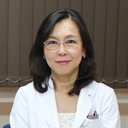 Reiko Inagi合作论文数3
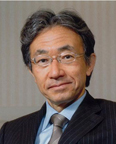 Toshiro Fujita (藤田敏郎)合作论文数Research Center for Advanced Science and Technology, The University of Tokyo;Shinshu University3
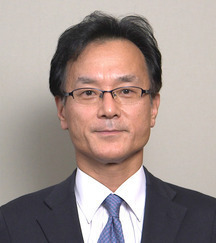 Hidenori Arai (荒井秀典)合作论文数National Center for Geriatrics and Gerontology3Ichiro Kojima合作论文数3
 Isabelle Scholl合作论文数Department of Medical Psychology, University Medical Center Hamburg-Eppendorf3Martin Harter合作论文数3Hisayuki Miura合作论文数3
 Hirotaka Onishi合作论文数3Tsubasa Nakai合作论文数2Koichi Yamaguchi合作论文数2Takeshi Tanaka合作论文数2Junki Mizumoto合作论文数2Yonekura Yuki合作论文数Department of Hygiene and Preventive Medicine, Iwate Medical University2Kato Hideki合作论文数2Gunshin Masataka合作论文数2
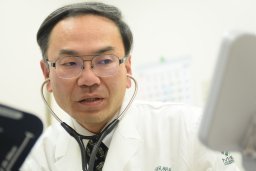 Yousuke Takemura合作论文数Department of Family Medicine, Mie University School of Medicine2Yuki Kataoka合作论文数Taiho Yakuhin Kogyo Kabushiki Kaisha Tsukuba Kenkyu Center2
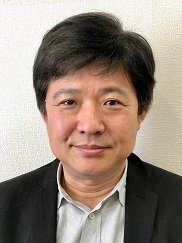 Kazuhiro Nakayama合作论文数Division of Human Genetics, Jichi Medical School2Jyunichi Hoshino合作论文数1Maiko Kuroiwa合作论文数1




