Background To date, comprehensive data on the distribution of chronic kidney disease (CKD), the most prevalent comorbidity in diabetes, among Chinese adults with diabetes is lacking. Additionally, research gaps exist in understanding the association between CKD and cardiovascular health (CVH), an integrated indicator of lifestyle and metabolic control, within a nationwide sample of Chinese adults with diabetes. Methods A nationally community-based cross-sectional survey was conducted in 2018-2020. 58,560 residents diagnosed with diabetes aged 18-74 years nationwide were invited to participate, and 52,000 participants with complete CKD data were included in this study. CKD was identified by the presence of albuminuria (urine albumin-to-creatinine ratio >= 30 mg/g) and/or decreased estimated glomerular fi ltration rate (eGFR, <60 mL/min/ 1.73 m2). The latter was calculated using the CKD-EPI equation incorporating serum cystatin C and creatinine. CVH was evaluated using the " life ' s essential 8" (LE8) score, which ranged from 0 to 100 and included 8 components: diet, sleep duration, physical activity, nicotine exposure, hemoglobin A1c, blood pressure, non-high-density lipoprotein cholesterol, and body mass index. The total LE8 scores were categorized into low (0-49), middle (50-79), and high (80-100) according to the American Heart Association. The associations of albuminuria and decreased eGFR with potential associated factors, including CVH, socioeconomic status, clinical characteristics, sub-regional divisions, comorbidities, treatments, and metabolic controls, were evaluated using survey logistic regression. Findings The weighted prevalence rates (95% CI) of CKD, albuminuria, and decreased eGFR were 32.6% (31.3%- 33.8%), 30.8% (29.6%-32.1%), and 5.5% (5.1%-5.9%), respectively. Among those with CKD, 25.7% had diabetic retinopathy (DR) and 22.3% had cardiovascular disease (CVD). The weighted prevalence rates of albuminuria and decreased eGFR were consistently higher among southern residents, rural residents, and individuals with more severe DR and a history of CVD than their counterparts (all p < 0.05). After adjustment for age, sex, sub-regional division, setting, educational level, annual household income, family history of diabetes, diabetes duration, glucose-lowering treatment, any DR, CVD, and drinking status, the logistic models showed that the odds ratios (ORs) (95% CI) for albuminuria and decreased eGFR were 0.46 (0.42-0.51) and 0.61 (0.55-0.67) for the participants with moderate scores, and 0.14 (0.10-0.21) and 0.28 (0.19-0.41) for those with high scores, compared with those with low total LE8 scores. Furthermore, the restricted cubic spline curves depicted that the disparities in the odds of having albuminuria or decreased eGFR among subpopulations grouped by sex, age, setting, and geographical region, significantly decreased and even disappeared in some cases as the LE8 scores increased. Interpretation Chinese adults with diabetes are heavily burdened by CKD. Optimized CVH is central to reducing CKD risk across different subpopulations. Funding National Key Clinical Specialty, the Chinese Academy of Engineering. Copyright (c) 2025 The Authors. Published by Elsevier Ltd. This is an open access article under the CC BY-NC-ND license (http://creativecommons.org/licenses/by-nc-nd/4.0/).
The current epidemic status of diabetic retinopathy in China is unclear. A national prevalence survey of diabetic complications was conducted. 50,564 participants with gradable non-mydriatic fundus photographs were enrolled. The prevalence rates (95% confidence intervals) of diabetic retinopathy and vision-threatening diabetic retinopathy were 16.3% (15.3%-17.2%) and 3.2% (2.9%-3.5%), significantly higher in the northern than in the southern regions. The differences in prevalence between those who had not attained a given metabolic goal and those who had were more pronounced for Hemoglobin A1c than for blood pressure and low-density lipoprotein cholesterol. The participants with vision-threatening diabetic retinopathy had significantly higher proportions of visual impairment and blindness than those with non-vision-threatening diabetic retinopathy. The likelihoods of diabetic retinopathy and vision-threatening diabetic retinopathy were also associated with education levels, household income, and multiple dietary intakes. Here, we show multi-level factors associated with the presence and the severity of diabetic retinopathy.
Obesity is strongly associated with the occurrence and development of many types of cancers. Patients with obesity and cancer present with features of a disordered gut microbiota and metabolism, which may inhibit the physiological immune response to tumors and possibly damage immune cells in the tumor microenvironment. In recent years, bariatric surgery has become increasingly common and is recognized as an effective strategy for long-term weight loss; furthermore, bariatric surgery can induce favorable changes in the gut microbiota. Some studies have found that microbial metabolites, such as short-chain fatty acids (SCFAs), inosine bile acids and spermidine, play an important role in anticancer immunity. In this review, we describe the changes in microbial metabolites initiated by bariatric surgery and discuss the effects of these metabolites on anticancer immunity. This review attempts to clarify the relationship between alterations in microbial metabolites due to bariatric surgery and the effectiveness of cancer treatment. Furthermore, this review seeks to provide strategies for the development of microbial metabolites mimicking the benefits of bariatric surgery with the aim of improving therapeutic outcomes in cancer patients who have not received bariatric surgery.
PDF file, 983K, Supplemental Figure S1 p-AMPK/AMPK ratios of 19 HCC specimens. Supplemental Figure S2 Western blot analysis of p-AMPK(Thr172), PARP, CyclinD1. Supplemental Figure S3 AICAR inhibits human HCC cells growth. Supplemental Figure S4 Transfection of siRNA target AMPKalpha1 and AMPKalpha2 effectively knockdown expression of AMPK in SMMC7721 cells. Supplemental Figure S5 Metformin inhibits HCC cells growth via activation of AMPK. Supplemental Figure S6 Metformin causes cycle arrest and induces apoptosis in HCC cells. Supplemental Figure S7 Therapeutic metformin/AMPK activation sensitizes HCC cells towards chemotherapy. Supplemental Figure S8 Therapeutic metformin/AMPK activation inhibited IL-6/STAT3 signaling activity Supplemental Figure S9 Correlation between expression of p-AMPK (Thr172) and P65 nuclear staining in human HCC specimens. Supplemental Figure S10 AICAR treatment repressed NF-kappaB reporter gene activity. Supplemental Figure S11 SMMC7721 or HepG2 cells were transfected with vector, IkappaBalpha superrepressor (IkappaBalphaSR) or P65. Supplemental Figure S12 IkappaBalphaSR prevented metformin-induced upregulation of PTEN expression in SMMC7721 cells Supplemental Figure S13 Metformin did not significantly affect body weight, average blood glucose level and liver function of the mice. Supplemental Figure S14 Western blot analysis on the expressions of p-AMPK, p-PTEN, PTEN, p-STAT3 and STAT3 from respective cell homogenate Supplemental Table S1 Primer Sequences Used for RT-PCR.
In the first article, Min Zhou et al. reviewed a series of studies on preclinical antitumour bacterial 28 vaccines and new cancer combination therapies, focusing on the bacterial vaccines with the greatest chance of clinical application. Combining them with traditional therapies might enhance 30 the antitumour effect and allow us to understand clinical translation problems such as the 31 mode, biosafety, and production methods bacterial vaccines. This is a strategy using external 32 methods to translate microorganisms to exert antitumour benefits.Our human body has a strong self-balancing and self-regulating ability and so it is possible that a 34 change in intestinal microbiota caused by weight loss could also have anti-tumour benefits. (Habel, et al., 2023). They included a total of 535 people in 7 studies through meta-44 analysis. They found that, although bariatric surgery could reduce the risk of breast cancer, breast 45 density increased significantly after bariatric surgery. The long-term effect of bariatric surgery on the 46 risk of this type of obesity-related cancer, especially postmenopausal breast cancer, endometrial 47 cancer, and colon cancer, remains a controversial topic (Bohm, et al., 2022). Whether it is related to 48 the interaction between intestinal flora and host is worthy of further exploration.
Abstract The first national cross-sectional survey of diabetic complications was conducted in Chinese adults with diabetes aged 18–74 years between 2018 and 2020 with a multistage sampling scheme. 50564 participants with gradable non-mydriatic fundus photographs were included in this study. The national prevalence of diabetic retinopathy (DR) and vision-threatening DR (VTDR) was 16.3% (95% confidence interval [CI] 15.3%-17.2%) and 3.2% (2.9%-3.5%), respectively. However, only a minority of participants with DR (non-VTDR: 9.4%, VTDR: 32.8%) reported being diagnosed with DR before this survey. The prevalence of DR and VTDR substantially varied across 31 provinces and was higher in the north than in the south. The differences in prevalence of any DR and VTDR between those who have attained a given metabolic goal and those who have not were more pronounced for Hemoglobin A1c than for blood pressure and low-density lipoprotein cholesterol. Multiple factors were associated with the presence and severity of DR.
We propose a simple type 2 diabetes mellitus (T2DM) classification method based on fasting C‐peptide (FCP) levels and examined its feasibility and validity.
胰岛素抵抗是老年2型糖尿病发生、发展的重要原因之一,缓解胰岛素抵抗有助于清除多种慢性疾病的“共同土壤”,保障老年人健康。本文评述胰岛素抵抗的研究历史、病理特征、临床表现、评估方法、多重危害以及防治策略和有待认识的问题。
Weight management is pivotal and complicated in the comprehensive management of type 2 diabetes mellitus (T2DM). In clinical practice, T2DM combined with overweight or obesity is more common, but simply using body mass index as evaluating indicator of obesity is not comprehensive and objective. Therefore, the dynamic changes of body composition especially visceral fat should be evaluated for the purpose of reducing fat and increasing muscle; Meanwhile, avoiding the weight fluctuation during weight loss can contribute to long term target of body weight.
Introduction: Apart from their recognized lipid-lowering effect, Hedan tablets, a mixture of Chinese herbal medicines, have demonstrated a certain weight-loss effect in clinical practice. The aim of this randomized, double-blind, placebo-controlled study was to verify the effect of Hedan tablets on body weight (BW) and insulin resistance (IR) in patients with metabolic syndrome (MetS). Methods: A total of 62 eligible patients with MetS were divided into two groups: the treatment group (Hedan tablets at 4.38 g/day tid) and the control group (placebo treatment). Both groups attended follow-ups at 8, 16, and 24 weeks during the process. The parameters of the assessment include lipid level, BW, triglyceride (TG) to high-density lipoprotein cholesterol (HDLc) ratio (TG/HDLc), homeostasis model assessment for IR (HOMA-IR) index, and adiponectin. Results: Patients in the treatment group showed a significant decrease in BW compared to those in the control group (−4.47 vs. 0.06 kg) after 8 weeks of treatment. A significant decrease in body mass index (BMI) was also observed in the treatment group after 16 weeks of treatment (−1.79 vs. −0.03 kg/m2). In the treatment group, 20 out of 31 (64.5%) patients lost 5–10% BW and 4 out of 31 (12.9%) patients lost over 10% BW after 24 weeks of treatment. Although there were no significant changes in the patients’ HOMA-IR, the treatment group showed a significant reduction in TG/HDLc (−0.98 vs. −0.19) after 8 weeks of treatment and a significant increase in adiponectin (6.87 vs. −0.43) after 16 weeks of treatment. Discussion/Conclusion: The Hedan tablets significantly improve BW, BMI, TG/HDLc, and adiponectin in patients with MetS. Thus, Hedan tablets may be used as an adjunct to existing MetS management methods.
内分泌系统遍布我们全身,从脑内的垂体、松果体,到颈部的甲状腺、肾脏上面的肾上腺、胰腺内的胰岛细胞,直至睾丸内的间质细胞、卵巢里的卵泡细胞,它左右着人体的健康,影响着人们的生活质量,维系着人类的繁衍…… 内分泌是个复杂的系统,一直以来,医学没有停止过对内分泌系统紊乱的探索.近些年来,人们对内分泌系统紊乱的研究日渐深化,而糖尿病和甲状腺疾病作为内分泌系统最常见的两大类疾病,对它们的治疗进展,一定程度上可以体现出医学在内分泌系统领域的发展——不仅是技术上的进步,更有理念上的更新.
提起糖尿病诊疗,多数人都会将之与"胰岛素"挂钩,可胰岛素究竟是什么?简单而言,它是将血糖传递给细胞的"搬运工".可是,糖尿病患者随着血糖不断升高,脂肪的堆积也加重了血糖代谢的负担,不良的饮食习惯和遗传因素都会造成胰岛素抵抗.因此,我们需要唤醒"沉睡"的胰岛素总部——胰岛,积极做好预防和诊治工作,确保糖尿病患者长治久安.
Background Because there has been no quality improvement initiatives targeting patients with type 2 diabetes (T2D) receiving basal insulin therapy, this study evaluated the effectiveness of physician-targeted education for optimizing glycemic management in these patients in China. Methods This multicenter open-label observational study conducted across China had a baseline sample survey, followed by a 6-month education program, and ended with a post-education sample survey. Education based on T2D treatment guidelines was given at Months 1 and 3, and was reinforced by self-audit every month. Each hospital enrolled 100 patients with T2D receiving basal insulin at both the baseline and post-education survey. The primary outcome was the proportion of hospitals meeting individual improvement goals. The goal setting was based on the proportion of patients achieving HbA1c Overall, the individual improvement goal was achieved by 35 centers (49%). Hospitals with poor glycemic management at the baseline survey had higher possibility to improve at post-education survey. Two large sample surveys at baseline and post-education showed improved glucose management among these hospitals. A higher proportion of patients achieved HbA1c <7.0% in the post-education survey (27.2% vs 36.5%; P < 0.001) with reduced HbA1c levels (8.10% vs 7.72%; P < 0.001). Questionnaires from 723 physicians showed that confidence and practice of basal insulin use were significantly improved. Conclusions Physician-targeted education improved glycemic management of patients with T2D in 71 hospitals in China, and was more effective at hospitals with poor glycemic management at the baseline survey.
The authors regret that an incorrect version of Fig. 3 was included within the published article. The representative images (left panel) in Fig. 3B showed the blood reperfusion in mice hind-limb. Recently, the representative image indicated “Nicotinamide” was incorrect, as it belonged to Vehicle group. A corrected version of the figure follows: The authors would like to apologise for any inconvenience caused. Depletion of NAD pool contributes to impairment of endothelial progenitor cell mobilization in diabetesMetabolism - Clinical and ExperimentalVol. 65Issue 6PreviewThe impaired mobilization of endothelial progenitor cells (EPCs) from bone marrow (BM) critically contributes to the diabetes-associated vascular complications. Here, we investigated the relationship between the nicotinamide phosphoribosyltransferase (NAMPT)-controlled nicotinamide adenine dinucleotide (NAD) metabolism and the impaired mobilization of BM-derived EPCs in diabetic condition. Full-Text PDF
Metformin, one of the most widely used oral hypoglycemic agents in the world, plays an important role in treating type 2 diabetes for decades, and it has been recommended as a first-line drug in diabetes guidelines around the world because of the good efficacy and safety for monotherapy and combination therapy, evidence of health economic benefits, and definite clinical evidence in the prevention of cardiovascular complications. Metformin has been clinically applied for more than 30 years in China. However, some clinicians and patients still have misunderstandings about the use of metformin, which makes some patients, that could formally benefit from metformin therapy miss treatment opportunities. Therefore, the Chinese Expert Consensus Statement on Metformin in Clinical Practice was jointly formed by endocrinologists and pharmaceutical experts with the aim of guiding clinicians and patients to correctly understand and rationally use Metformin (Supplementary file, https://links.lww.com/CM9/A237). By using a question-and-answer format, this consensus addressed the clinical status and initial treatment opportunity, mechanism, drug dose and clinical efficacy, drug use in special diabetic populations, safety, effects on cardiovascular system, which included six modules and 17 main recommendations about combination medication of Metformin. Main recommendations are presented in Table 1.Table 1: Main recommendations of metformin therapy.Recommendations were formulated using the Class of Recommendation (COR) and Level of Evidence (LOE) system by the American College of Cardiology and American Heart Association.[1] This system provides a transparent mechanism to judge benefit relative to risk using a classification scheme (I, IIa, IIb, and III), supported by evidence quality and quantity using an LOE rating (A, B-Randomized, B-Non-randomized, C-Limited data, C-Expert opinion, all recommendations are listed with a COR and LOE rating. The Expert Group members: Yi-Ming Mu1, Li-Nong Ji2, Guang Ning3, Guang-Wei Li4, Zhong-Yan Shan5, Yan Li6, Zi-Lin Sun7, Yan-Bing Li8, Jia-Jun Zhao9, Wei-Qing Wang2, Da-Long Zhu10, Tian-Pei Hong11, Nan-Wei Tong12, Zhi-Guang Zhou13, Da-Jin Zou14, Chao Liu15, Qiang Li16, Li-Xin Guo17, Yong-De Peng18, Lu-Lu Chen19, Xin-Hua Xiao20, Xue-Feng Yu21, You-Min Wang22, Qiu-He Ji23, Qi-Fu Li24, Chun-Lin Li25, Quan-Min Li26, Li-Xin Shi27, Yi-Ming Li28, Yong-Quan Shi29, Suo-Di Zhai30, Zhi-Gang Zhao31, Wan-Hua Yang32, Li-Wei Ji33, Rong-Sheng Zhao30, Jiu-Hong Wu34 1Department of Endocrinology, People's Liberation Army General Hospital, Beijing 100853, China 2Department of Endocrinology, Peking University People's Hospital, Beijing 100044, China 3Department of Endocrinology and Metabolism, Ruijin Hospital, School of Medicine, Shanghai Jiaotong University, Shanghai 200025, China 4Department of Endocrinology, Fuwai Hospital, Chinese Academy of Medical Sciences & Peking Union Medical College, Beijing 100037, China 5Department of Endocrinology, the First Hospital of China Medical University, Shenyang, Liaoning 110001, China 6Department of Endocrinology, Sun Yat-sen Memorial Hospital, Sun Yat-sen University, Guangzhou, Guangdong 510120, China 7Department of Endocrinology, Zhongda Hospital Southeast University, Nanjing, Jiangsu 210009, China 8Department of Endocrinology, The First Affiliated Hospital, Sun Yat-sen University, Guangzhou, Guangdong 510000, China 9Department of Endocrinology, Shandong Provincial Hospital, Jinan, Shandong 250021, China 10Department of Endocrinology, Nanjing Drum Tower Hospital, Nanjing, Jiangsu 210008, China 11Department of Endocrinology, Peking University Third Hospital, Beijing 100191, China 12Department of Endocrinology and Metabolism, West China Hospital, Sichuan University, Chengdu, Sichuan 610041, China 13Department of Endocrinology and Metabolism, The Second Xiangya Hospital of Central South University, Changsha, Hunan 410011, China 14Department of Endocrinology, Department of Endocrinology, Changhai Hospital, Shanghai 200433, China 15Department of Endocrinology, Jiangsu Province Hospital on Integration of Chinese and Western Medicine, Nanjing, Jiangsu 210028, China 16Department of Endocrinology, Shenzhen University General Hospital, Shenzhen, Guangdong 518055, China 17Department of Endocrinology, Beijing Hospital, Beijing 100730, China 18Department of Endocrinology and Metabolism, Shanghai General Hospital, Shanghai 200080, China 19Department of Endocrinology, Union Hospital, Tongji Medical College of Huazhong University of Science and Technology, Wuhan, Hubei 430022, China 20Department of Endocrinology, Peking Union Medical College Hospital, Beijing 100730, China 21Department of Endocrinology, Tongji Medical College, Huazhong University of Science &Technology, Wuhan, Hubei 430030, China 22Department of Endocrinology, the First Affiliated Hospital of Medical University of Anhui, Hefei, Anhui 230022, China 23Department of Endocrinology, Xijing Hospital, Xi'an, Shaanxi 710032, China 24Department of Endocrinology, the First Affiliated Hospital of Chongqing Medical University, Chongqing 404000, China 25Department of Geriatric Endocrinology, People's Liberation Army General Hospital, Beijing 100853, China 26Department of Endocrinology, Rocket People's Liberation Army General Hospital, Beijing 100088, China 27Department of Endocrinology and Metabolism, the Affiliated Hospital of Guizhou Medical University, Guiyang, Guizhou 550004, China 28Department of Endocrinology, Shanghai Huashan Hospital, Shanghai 200040, China 29Department of Endocrinology, Shanghai Changzheng Hospital, Shanghai 200433, China 30Department of Pharmacy, Peking University Third Hospital, Beijing 100191, China 31Department of Pharmacy, Beijing Tiantan Hospital, Beijing 100050, China 32Department of Pharmacy, Ruijin Hospital, School of Medicine, Shanghai Jiaotong University, Shanghai 200025, China 33Department of Pharmacy, Beijing Hospital, Beijing 100730, China 34Department of Pharmacy, Special Medical Center of Strategic Support Forces, Beijing 100101, China. Conflicts of Interest None.
Background The efficacy of basal insulin (BI) for adequate glycemic control in patients with type 2 diabetes mellitus (T2DM) has been well documented by randomized clinical trials. This post hoc analysis of the Observational Registry of Basal Insulin Treatment (ORBIT) study was performed to explore the 6-month dose of BI used in insulin-naive T2DM patients achieving HbA1c target (<7%) and determine the patient characteristics that affect the 6-month dose of BI in the setting of real-world clinics in China. Methods This multicenter observational registry screened 19 894 adult T2DM patients with inadequately controlled hyperglycemia and treated with oral antidiabetic drugs (OADs) in China. Of these patients, 5191 who continued to receive BI after 6 months and achieved HbA1c target were analyzed. Patient characteristics including age, body weight, fasting plasma glucose (FPG), use of OADs, insulin (type and dose), and glycemic control were recorded at baseline and 6-month follow-ups. Results The 6-month dose of BI needed for effective glycemic control was 0.20 +/- 0.08 U/kg/day. High body mass index, high FPG, young age, longer duration of diabetes or OAD treatment, a greater number of OADs at baseline, and allocation to detemir and glargine were significant independent predictors for high dose of BI at 6 months. Conclusions This post hoc analysis of the ORBIT registry provides key information on the 6-month dose of BI needed for effective glycemic control in Chinese T2DM patients. Furthermore, it identified crucial patient characteristics that are significant determinants of the dose of BI in a real-world setting.
T2DM患者随着病情进展,胰岛β细胞功能减退,需要胰岛素治疗以达到有效的血糖控制.基础胰岛素是T2DM治疗的重要药物之一,当前我国存在基础胰岛素治疗存在起始治疗较晚,起始剂量偏低且剂量调整不足等情况.为规范基础胰岛素在临床中的合理使用,我国部分内分泌、糖尿病学界专家于2017年制订了《成人2型糖尿病基础胰岛素临床应用中国专家指导建议》,基于循证证据对基础胰岛素常用临床方案的适用人群、起始方法、剂量调整方法等做出推荐.本次修订针对基础胰岛素应用的临床证据进行更新.
历久弥坚说双胍 说起“身世”,二甲双胍无疑是“最古老”的降糖药之一. 早在中世纪时期,欧洲人就发现法国紫丁香有缓解糖尿病患者尿频、减少尿糖的作用,后来经研究发现,法国紫丁香中富含胍类成分.1918年,欧洲科学家首次从法国紫丁香中提取到胍类物质.其后,大量双胍类物质被发现及合成,至1957年,二甲双胍首次应用于临床.然而,二十世纪六七十年代,陆续发现二甲双胍的“同门师兄弟”苯乙双胍可增加心血管疾病死亡率,以及可能引发一种致死性的不良反应——乳酸性酸中毒,受此牵连,整个双胍类家族在临床的应用都受到影响,双胍类面临被整体“踢出”市场的局面.
Objective: Glucagon-like peptide-1 (GLP-1) has been reported to be effective in the treatment of nonalcoholic fatty liver disease (NAFLD). However, the molecular mechanism of GLP-1 on NAFLD is remained unclear. The present study was to detect whether the effect of GLP-1 on triglyceride (TG) content in hepatocytes is dependent on Foxos. Methods: HepG2 cells were treated with palmitic/oleic acid for 24 h. The knockdown of Foxo1, Foxo3 was conducted through small interfering RNA (siRNA). Real time PCT (RT-PCR) was used to detect the changes of the SREBP1c and Acox2 genes in HepG2 cells after Foxo1/3 knockdown. Results: As expected, palmitic/oleic acid increased TG concentration in HepG2 cells [(12.65 ± 1.32) μg/mg vs. (4.32±0.54) μg/mg, P<0.05]. Addition of GLP-1 dose (10, 50, 100nmol/L) dependently lowered the TG content and reached plateau at 100 nmol/L of GLP-1 [TG(8.38±1.47) μg/mg]. The GLP-1 effect on TG remained after knocking down either Foxo1 [(9.09±1.34)μg/mg] or Foxo3 [(8.90±1.60) μg/mg] alone, but not when knocking down Foxo1 and Foxo3 (Foxo1/3) together [(14.66±1.77)μg/mg]. Moreover, knocking down Foxo1/3 also abolished GLP-1 effect on SREBP1c and Acox2 expression. Conclusion: GLP-1 can inhibit the synthesis of TG in hepatocytes depending on Foxo1 and Foxo3. Further studies are needed to explore the specific mechanisms.
1中国2型糖尿病的特点 认识糖尿病个体的背景,做到精准治疗、个体化合理选药,是糖尿病首诊的关键之举.高血糖个体的背景是巨大的机制差异和疗效差异,这与2型糖尿病的高度异质性有关.这种异质性体现在: (1)种族存在差异.早期中国糖耐量受损患者的胰岛β细胞功能就开始衰退,导致空腹血糖和餐后血糖升高[1].进入糖尿病后,胰岛功能差依然是主因,胰岛素抵抗为次要因素[2].
 Zhiguang Zhou (周智广)合作论文数The Second Xiangya Hospital of Central South University35
 Qiuhe Ji合作论文数31
 Juming Lu (陆菊明)合作论文数Chinese PLA General Hospital31Qin Huang (黄勤)合作论文数中国人民解放军第二军医大学28
 Weiping Jia (贾伟平)合作论文数School of Medicine, Shanghai Jiao Tong University28Jin Lu (鲁瑾)合作论文数中国人民解放军第二军医大学27
 Jianping Weng (翁建平)合作论文数Institute of Endocrine and Metabolic Diseases, University of Science and Technology of China;School of Medicine, The Division of Life Sciences and Medicine, University of Science and Technology of China;Anhui Medical University27
 Dalong Zhu (朱大龙)合作论文数Nanjing Drum Tower Hospital27
 Wenying Yang (杨文英)合作论文数China-Japan Friendship Hospital25MaoJin Xu (徐茂锦)合作论文数24Hong Wu (吴鸿)合作论文数23Hui Li (李慧)合作论文数23CongRong Gao (高从容)合作论文数22
 Xiaohui Guo (郭晓蕙)合作论文数Peking University First Hospital21
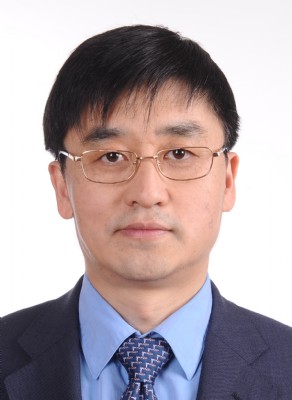 Shen Qu (曲伸)合作论文数School of Medicine, Tongji University20Jian Wu (吴坚)合作论文数17ZhengKang Feng (冯正康)合作论文数16
 Guang Ning (宁光)合作论文数Ruijin Hospital, Shanghai Jiaotong University School of Medicine16JianQing Tian (田建卿)合作论文数15Yue Chen (陈月)合作论文数15
 Qijin Wang (王奇金)合作论文数中国人民解放军第二军医大学15
 Lixin Guo (郭立新)合作论文数Beijing Hospital15
 Linong Ji合作论文数13
 Zhongyan Shan (单忠艳)合作论文数The First Hospital of China Medical University13
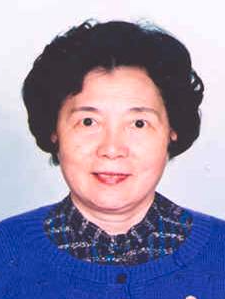 Changyu Pan (潘长玉)合作论文数Department of Endocrinology, Chinese PLA General Hospital13
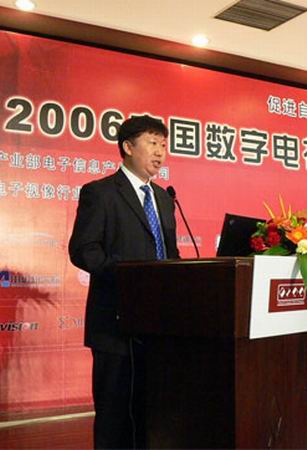 Liyong Yang (杨立勇)合作论文数福建医科大学医学技术与工程学院13
 Qiang Li (李强)合作论文数The 2nd Affiliated Hospital of Harbin Medical University13
 Xing Zheng (郑兴)合作论文数Changhai Hospital12
 Yongwen Qin (秦永文)合作论文数Changhai Hospital12Xinye Jin合作论文数11
 Lulu Chen (陈璐璐)合作论文数Union Hospital, Tongji Medical College, Huazhong University of Science and Technology11Jianliang Zhang (章建梁)合作论文数11
 Qifu Li (李启富)合作论文数Endocrine Department, The First Affiliated Hospital of Chongqing Medical University11
 Lixin Shi合作论文数Apple11Yi Cao (曹怡)合作论文数10JianXia Shi (石建霞)合作论文数10Rong Chen (陈榕)合作论文数10Liming Chen (陈莉明)合作论文数Tianjin Medical University Chu Hsien-I Memorial Hospital10
 Guangwei Li (李光伟)合作论文数Department of Endocrinology, China-Japan Friendship Hospital10Gao Yan合作论文数9XingZhen Liu (刘兴振)合作论文数9JiangHong Ye (叶江洪)合作论文数9Zheng Zhang (张征)合作论文数9
 Yanbing Li (李延兵)合作论文数The First Affiliated Hospital, Sun Yat-sen University9
 Weiping Zhang (章卫平)合作论文数Changhai Hospital;Shanghai Jiaotong University School of Medicine9
 Jiajun Zhao (赵家军)合作论文数Shandong Provincial Hospital9
 Zhangrong Xu (许樟荣)合作论文数PLA Strategic Support Force Characteristic Medical Center9
 Weiqing Wang (王卫庆)合作论文数Ruijin Hospital, School of Medicine, Shanghai Jiaotong University9




