BACKGROUND:Mycotic pseudoaneurysms of the ascending aorta are a rare and devastating complication of previous cardiac surgery.CASE PRESENTATION:We present an unusual case of a fungal mycotic pseudoaneurysm secondary to an aortic suture line successfully repaired under deep hypothermic circulatory arrest.CONCLUSIONS:Patients with mycotic pseudoaneurysms of the aorta require a multidisciplinary team approach to prevent devastating complications that may occur in these complex surgical cases.
Coronary artery bypass grafting remains the treatment of choice for diabetics with left main stem disease.
Summary Objectives During the worldwide COVID-19 pandemic, elective cardiac surgery was suspended to provide ICU beds for COVID-19 patients and those requiring urgent cardiac surgery. The aim of this study is to assess the effect of the pandemic on outcomes of patients awaiting elective cardiac surgery. Design A multi-centre prospective cohort study. Setting The elective adult cardiac surgery waiting list as of 1 March 2020 across seven UK cardiac surgical centres. Participants Patients on the elective adult cardiac surgery waiting list as of 1 March 2020 across seven UK cardiac surgical centres. Main outcome measures Primary outcome was surgery, percutaneous therapy or death at one year Methods Data were collected prospectively on patients on the elective adult cardiac surgery waiting list as of 1 March 2020 across seven UK cardiac surgical centres. Primary outcome was surgery, percutaneous therapy or death at one year. Demographic data and outcomes were obtained from local electronic records, anonymised and submitted securely to the lead centre for analysis. Results On 1 March 2020, there were 1099 patients on the elective waiting list for cardiac surgery. On 1 March 2021, 83% (n = 916) had met a primary outcome. Of these, 840 (92%) had surgery after a median of 195 (118–262) days on waiting list, 34 (3%) declined an offer of surgery, 23 (3%) had percutaneous intervention, 12 (1%) died, 7 (0.6%) were removed from the waiting list. The remainder of patients, 183 (17%) remained on the elective waiting list. Conclusions This study has shown, for the first time, significant delays to treatment of patients awaiting elective cardiac surgery. Although there was a low risk of mortality or urgent intervention, important unmeasured adverse outcomes such as quality of life or increased perioperative risk may be associated with prolonged waiting times.
A redo sternotomy, aortic root, and arch replacement in a patient following previous complex surgical and endovascular type A aortic dissection repair is presented in this video case report. Shortly after having the initial type A aortic dissection repair with replacement of the ascending aorta, the patient developed severe visceral malperfusion due to a compressed distal true lumen and underwent emergency endovascular repair with ascending arch and descending thoracic aorta stents and chimney grafts for the aortic arch vessels as well as fenestration of the intimal flap of the abdominal aorta. Unfortunately, the patient developed permanent paraplegia and progressive symptomatic severe aortic regurgitation. The patient underwent a redo sternotomy, aortic root, and arch replacement with explantation of the ascending stent graft and chimney stent grafts. Antegrade cerebral perfusion was maintained throughout the procedure. The aortic arch was replaced using a Terumo Aortic Plexus multibranched graft distally anastomosed to the endovascular stent graft, and the innominate and left common carotid arteries were reimplanted onto the graft. The aortic root was replaced with a Bioconduit graft, using a modified Cabrol technique to reimplant the left coronary artery. A satisfactory postoperative course and computed tomography imaging highlight the feasibility of this highly complex aortic arch repair with careful preoperative planning.
Fifteen bulimic women (DSM III) and 15 women with no indication of an eating disorder, matched pairwise with respect to age, weight and height, were assessed via a distorting video image technique under four conditions. They were asked to: (1) estimate the width of a water bottle, (2) estimate the width of their own body, (3) repeat those estimates under a condition of reward for high accuracy, (4) focus attention on their bodily sensations and indicate how wide their body felt. While groups did not differ in their estimates under condition 1 (water bottle), significant differences were found between groups under conditions 2, 3 and 4 (own body), the percentage of overestimating being highest when subjects were to indicate how wide their body felt. Results suggest that modalities of perception other than visual are strongly involved in the body image distortion of bulimics.
We present the case of a young patient with benign superior vena cava (SVC) syndrome resulting from a complex autoimmune disease. Initial attempts of endovascular repair were unsuccessful. Subsequently, an open bypass of both innominate veins was performed with a cryopreserved femoral arterial 'Y' graft. This was a challenging case due to the combination of complex comorbidities and severe tissue fragility that made the intervention technically difficult. The postoperative recovery was uncomplicated and at 6-week follow-up, the patient reported a complete remission of her preoperative symptoms.
It is now 50 years since the development of the first pericardial valve in 1971. In this time significant progress has been made in refining valve design aimed at improving the longevity of the prostheses. This article reviews the current literature regarding the longevity of pericardial heart valves in the aortic position. Side by side comparisons of freedom from structural valve degeneration are made for the valves most commonly used in clinical practice today, including stented, stentless, and sutureless valves. Strategies to reduce structural valve degeneration are also discussed including methods of tissue fixation and anti-calcification, ways to minimise mechanical stress on the valve, and the role of patient prosthesis mismatch.
Cardiac amyloidosis is a rare infiltrative cardiomyopathy that portends a poor prognosis. There is a growing recognition of co-existent aortic valve stenosis and transthyretin cardiac amyloidosis, with some studies suggesting that dual pathology may be associated increased risk of complication and mortality during surgical intervention. This review aims to evaluate the available literature on non-transplant cardiac surgical interventions in patients with cardiac amyloidosis, with particular focus on diagnosis, high surgical risk and areas of uncertainty that require further research.
BACKGROUND Epicardial adipose tissue (EAT) directly overlies the myocardium, with changes in its morphology and volume associated with myriad cardiovascular and metabolic diseases. However, EAT’s immune structure and cellular characterization remain incompletely described. We aimed to define the immune phenotype of EAT in humans and compare such profiles across lean, obese, and diabetic patients.METHODS We recruited 152 patients undergoing open-chest coronary artery bypass grafting (CABG), valve repair/replacement (VR) surgery, or combined CABG/VR. Patients’ clinical and biochemical data and EAT, subcutaneous adipose tissue (SAT), and preoperative blood samples were collected. Immune cell profiling was evaluated by flow cytometry and complemented by gene expression studies of immune mediators. Bulk RNA-Seq was performed in EAT across metabolic profiles to assess whole-transcriptome changes observed in lean, obese, and diabetic groups.RESULTS Flow cytometry analysis demonstrated EAT was highly enriched in adaptive immune (T and B) cells. Although overweight/obese and diabetic patients had similar EAT cellular profiles to lean control patients, the EAT exhibited significantly (P ≤ 0.01) raised expression of immune mediators, including IL-1, IL-6, TNF-α, and IFN-γ. These changes were not observed in SAT or blood. Neither underlying coronary artery disease nor the presence of hypertension significantly altered the immune profiles observed. Bulk RNA-Seq demonstrated significant alterations in metabolic and inflammatory pathways in the EAT of overweight/obese patients compared with lean controls.CONCLUSION Adaptive immune cells are the predominant immune cell constituent in human EAT and SAT. The presence of underlying cardiometabolic conditions, specifically obesity and diabetes, rather than cardiac disease phenotype appears to alter the inflammatory profile of EAT. Obese states markedly alter EAT metabolic and inflammatory signaling genes, underlining the impact of obesity on the EAT transcriptome profile.FUNDING Barts Charity MGU0413, Abbott, Medical Research Council MR/T008059/1, and British Heart Foundation FS/13/49/30421 and PG/16/79/32419.
Data sharing is not applicable to this article as no new data were created or analysed in this study.
Background and aims: The COVID-19 pandemic caused a dramatic shift in the provision of cardiac surgical services in the United Kingdom (UK) with all elective surgery suspended. We sought to explore referral patterns, changes in clinical decision making and resource allocation to adult cardiac surgical services in the UK during the first wave of the pandemic. Methods: Data from 11 UK centres on referrals and available health resources (operating theatre and bed capacity) for urgent or emergency adult cardiac surgery between the 1st March 2020 and the 1st August 2020 was collated, and securely transferred to the lead centre for analysis. Results: 1113 patients were referred for cardiac surgery over the study period. Following UK lockdown in March 2020 the number of referrals initially fell to 39% of pre-lockdown levels before recovering to 211% of that seen prior to the pandemic. A change in treatment strategies was observed with a trend towards deferring surgery entirely or favouring less invasive, non-surgical treatments. At the peak of the pandemic in April 2020, theatre availability and bed capacity fell to 26% and 54% of pre-lockdown levels, respectively. Provision for emergency surgery was maintained throughout at 1 to 2 emergency lists per unit weekly. Conclusion: During the first wave of the UK COVID-19 pandemic cardiac surgical operative activity dropped acutely before increasing over the next four months. Despite this drop, provision for emergency surgery was retained throughout. In the event of further waves of COVID-19 pandemic, maintaining essential cardiac surgical services should be prioritised.
Over the last 4 months, the novel coronavirus, SARS-CoV-2, has caused a significant economic, political, and public health impact on a global scale. The natural history of the disease and surge in the need for invasive ventilation has required the provision of intensive care beds in London to be reallocated. NHS England have proposed the formation of a Pan-London Emergency Cardiac surgery (PLECS) service to provide urgent and emergency cardiac surgery for the whole of London. In this initial report, we outline our experience of setting up and delivering a pan-regional service for the delivery of urgent and emergency cardiac surgery with a focus on maintaining a COVID-free in-hospital environment. In doing so, we hope that other regions can use this as a starting point in developing their own region-specific pathways if the spread of coronavirus necessitates similar measures be put in place across the United Kingdom.
Surgery in patients diagnosed with COVID-19 infection carries significant mortality and morbidity but the appropriate waiting period before surgical intervention after recovering from COVID-19 is not known. We analysed the outcomes of patients who underwent cardiac surgery after having been diagnosed of COVID-19 on pre-operative screening between March and July 2020. Depending on the clinical urgency we delayed surgery until negative testing and/or radiological clearance or postponed the operation where possible. As a result of waiting until COVID-19 resolution, all of our patients survived surgery without complications.
The coronavirus 2019 (COVID-19) pandemic has disrupted patient care across the NHS. Following the suspension of elective surgery, priority was placed in providing urgent and emergency surgery for patients with no alternative treatment. We aim to assess the outcomes of patients undergoing cardiac surgery who have COVID-19 infection diagnosed in the early postoperative period. We identified 9 patients who developed COVID-19 infection following cardiac surgery. These patients had a significant length of hospital stay and extremely poor outcomes with mortality of 44%. In conclusion, the outcome of cardiac surgical patients who contracted COVID-19 infection perioperatively is extremely poor. In order to offer cardiac surgery, units must implement rigorous protocols aimed at maintaining a COVID-19 protective environment to minimize additional life-threatening complications related to this virus infection.
We describe a case of an adult patient with embolization of a varicocele coil (7 × 70 mm) to the right ventricle. We review the multimodality imaging techniques used to identify location and the importance of a multidisciplinary approach in determining management. (Level of Difficulty: Advanced.).
Objective In the United Kingdom, the COVID-19 pandemic has led to the cessation of elective surgery However, there remains a need to provide urgent and emergency cardiac and thoracic surgery as well as to continue time-critical thoracic cancer surgery This study describes our early experience of implementing a protocol to safely deliver major cardiac and thoracic surgery in the midst of the pandemic Methods Data on all patients undergoing cardiothoracic surgery at a single tertiary referral centre in London was prospectively collated during the first 7 weeks of lockdown in the United Kingdom A comprehensive protocol was implemented to maintain a COVID-19 free environment including the pre-operative screening of all patients, the use of full personal protective equipment in areas with aerosol generating procedures, and separate treatment pathways for patients with and without the virus Results A total of 156 patients underwent major cardiac and thoracic surgery over the study period Operative mortality was 9% in the cardiac patients and 1 4% in thoracic patients The pre-operative COVID-19 protocol implemented resulted in 18 patients testing positive for COVID-19 infection and 13 patients having their surgery delayed No patients who were negative for COVID-19 infection on pre-operative screening tested positive post-operatively However, one thoracic patient tested positive on intra-operative broncho-alveolar lavage Conclusion Our early experience demonstrates that it is possible to perform major cardiac and thoracic surgery with low operative mortality and zero development of post-operative COVID-19 infection
We report a rare case of infective endocarditis complicated by postoperative splenic rupture. A patient underwent urgent mitral valve replacement for infective endocarditis believed to be associated with a recent spinal surgical intervention. The patient developed haemodynamic compromise on the third day postoperatively. Computed tomography showed a splenic rupture as the cause. The patient underwent emergency radiological intervention with coil embolization avoiding the need for a splenectomy and was discharged home.
Objectives: The authors aimed to adapt a practice advisory for the prevention of atrial fibrillation after cardiac surgery (AFACS) recently published in this journal into the authors' local perioperative protocols, implementing the recommendations, with a focus on early postoperative (re) introduction of (3-blockers and overcoming frequent guideline implementation barriers. Design: Development of a prevention care bundle and repeated audit after a model of improvement approach with retrospective analysis. Setting: Single center (tertiary academic hospital). Participants: A total of 384 patients in 2 cohorts of consecutive patients undergoing open cardiac surgery before and after hospital-wide implementation of a care bundle. Interventions: After auditing the standard of care in the authors' center, an AFACS prevention care bundle was designed and implemented, consisting of a graphic tool with 5 pillars based on current evidence for the early postoperative phase. Multidisciplinary teaching and training of staff were delivered, and a second audit was conducted after the implementation period. Measurements and Main Results: Significantly more patients received postoperative (3-blockers after care bundle implementation (82.7% prev 91.3% post-bundle, p = 0.019), with a higher proportion on day 1 (36.7% prev 67% post-bundle, p < 0.001), indicating a successful uptake. The incidence of AFACS was significantly reduced from 35.4% to 23.3% (p = 0.009), with a particularly marked reduction in the age group 65 to 75years and for isolated aortic valve and coronary artery bypass graft surgery. Conclusion: An AFACS prevention care bundle improved adherence to current guidelines with regard to early (3-blocker administration and significantly reduced the incidence of atrial fibrillation after cardiac surgery. (c) 2020 Elsevier Inc. All rights reserved.
OBJECTIVES Surgery in COVID-19 patients carries a significant mortality and morbidity but the appropriate waiting period before a surgical intervention after recovering from COVID-19 is not known. We aim to determine the safety of deferring urgent surgery and to identify the earliest safe period for surgery by analysing our experience in patients who underwent cardiac surgery after recovering from COVID-19. METHODS Analysis of all patients undergoing cardiac surgery in our centre during March and April 2020, focusing in those who tested positive for COVID-19 in the pre-operative screening. RESULTS Four patients tested positive for COVID-19 during the preoperative screening. Two of them also showed radiological signs of COVID-19 lung disease. We delayed surgery until they tested negative and the radiological changes improved. None of the patients suffered a deterioration of their cardiac symptoms that mandated expediting the surgeries. As a result of waiting until COVID-19 resolution, all our patients survived the urgent cardiac surgery without developing any COVID-19-related complications. CONCLUSIONS From our experience, defering urgent cardiac surgery in patients with confirmed COVID-19 is safe. Operating as early as 4 days after a negative swab does not increase mortality and morbidity.
 Rakesh Uppal合作论文数20
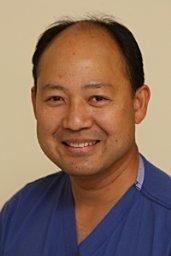 Aung Ye Oo合作论文数Department of Thoracic Surgery;Cardiothoracic Centre;Cardiothoracic Centre, Department of Thoracic Surgery12
 Martin T Yates合作论文数9
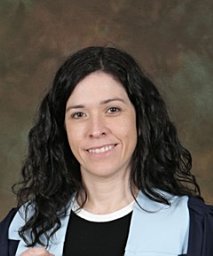 López Marco Ana合作论文数Department of Cardiothoracic Surgery, University Hospital of Wales9
 Kulvinder Lall合作论文数9Neil Roberts合作论文数Division of Cell Matrix Biology and Regenerative Medicine, School of Biological Sciences, Faculty of Biology, Medicine and Health, The University of Manchester8
 Alex Shipolini合作论文数8
 Amer Harky合作论文数Liverpool Heart and Chest Hospital;NHS7Benjamin Adams合作论文数5Yap John合作论文数5
 Mohamad Bashir合作论文数4Stephen Edmondson合作论文数4
 Azhar Hussain Hussain合作论文数4Wong Kit合作论文数4Shirish Ambekar合作论文数3Carmelo Di Salvo合作论文数3
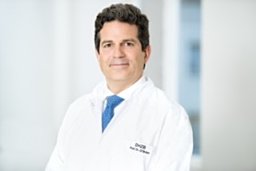 Ben O'Brien合作论文数Departments of Cardiac Anesthesiology and Intensive Care Medicine, German Heart Center Berlin and Charité - Universitätsmedizin3Schilling R J合作论文数3
 David R Lawrence合作论文数3
 Wael Awad合作论文数3David Bleetman合作论文数2Shyamsunder Kolvekar合作论文数2Indu Deglurkar合作论文数2
 Aine McKnight合作论文数2
 Julie Sanders合作论文数2Gopal Soppa合作论文数2Philipp Lohrmann合作论文数2
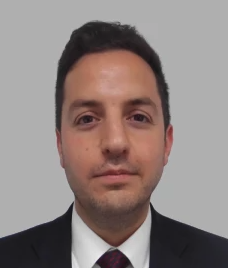 Amir Sepehripour合作论文数Spire Manchester Hospital;Manchester University NHS Foundation Trust;The Alexandra Hospital2
 Bilal H Kirmani合作论文数Lancashire Cardiac Centre, Blackpool Victoria Hospital2
 David John Mccormack合作论文数2
 Kay Davies合作论文数Department of Physiology, Anatomy and Genetics, University of Oxford2Ibrahim Sammra合作论文数2El-Gamel Adam合作论文数2Reubendra Jeganathan合作论文数2
 Ross Hunter合作论文数The William Harvey Research Institute, Faculty of Medicine and Dentistry, Queen Mary University of London;The London AF Centre2Marjan Jahangiri合作论文数2
 Angela Russell合作论文数Department of Chemistry, University of Oxford;St John's College, University of Oxford2
 Jatin Desai合作论文数2C Rathwell合作论文数1Martina Buerge合作论文数1Saleem Jahangeer合作论文数1May Al Sahaf合作论文数1Tobin P. Mangel合作论文数1
 Steven Stamenkovic合作论文数1Laurence Silpa合作论文数1
 Rosalie Magboo合作论文数1
 Matthew Fok合作论文数1Robert Serafino Wani合作论文数1Jacob Chacko合作论文数1




