Addressing the dual challenges of recalcitrant azo dye contamination in wastewater and sewage sludge disposal, this study developed a sustainable waste-to-resource strategy based on Fe–Mn-modified sludge-derived biochar (FM-SBC). The catalyst was synthesized via a one-pot impregnation–pyrolysis method and employed as an efficient activator of peroxymonosulfate (PMS) for the degradation of Acid Orange 7 (AO7). The optimized FM-SBC, containing 13.3 wt% Fe and 0.5 wt% Mn, exhibited outstanding catalytic performance, achieving 99.6 ± 0.2% AO7 removal within 20 min (kobs = 0.208 ± 0.001 min−1) and a normalized removal rate of 9.6 ± 2.0 mg g−1 min−1. This performance significantly surpassed that of pristine SBC (73.2 ± 2.8% removal, kobs = 0.035 ± 0.003 min−1). Mechanistic investigations using XPS and quenching analyses revealed that Mn(III) promoted the reduction of Fe(III) to Fe(II), establishing a synergistic Fe/Mn redox cycle. Coupled with electron transfer from sp2-hybridized carbon domains, this synergy facilitated PMS activation via a 1O2-dominated non-radical pathway. Degradation intermediate analysis combined with ECOSAR prediction, indicated that all identified transformation products exhibited lower acute, chronic, developmental, and mutagenic toxicity than the parent AO7. Moreover, FM-SBC showed good reusability, retaining over 87.3% of its initial removal efficiency after six consecutive cycles, with low leaching rates of Fe (15.6%) and Mn (5.7%). Overall, this work demonstrates a cost-effective and environmentally sustainable approach for simultaneous sewage sludge valorization and efficient azo dye removal, highlighting the practical potential of Fe–Mn-modified sludge-derived biochar as a PMS-based catalyst for wastewater treatment.
This study developed a biodegradable loofah-immobilized microalgae-bacteria (LMB) system to enhance nutrient removal from municipal wastewater through coupled algal assimilation, bacterial transformation, and biomass retention. Operated under a 12 h:12 h light-dark cycle without aeration or external carbon addition, the LMB system achieved high removal efficiencies of 97.71 ± 1.83% for NH4+-N and 93.84 ± 5.32% for PO43--P, with corresponding removal rates of 27.65 ± 0.15 and 2.65 ± 0.32 g m-3·d-1, respectively. The total inorganic nitrogen removal efficiency reached 81.84 ± 7.38%, indicating efficient deep nitrogen removal under carbon-limited conditions. Mechanistic investigations showed that the loofah carrier continuously released bioavailable organic carbon, including proteins, polysaccharides, humus and polycyclic aromatic hydrocarbons, which supported microalgal growth and promoted the coupling of photoautotrophic nutrient assimilation with heterotrophic denitrification. Phase-specific nitrogen transformation analysis further revealed that microalgal assimilation dominated nitrogen removal during the light phase, whereas heterotrophic denitrification driven by loofah-derived organic carbon, became the major pathway for deep nitrogen removal in the dark phase. Microbial community analysis indicated that functional bacteria, including SM1A02 (4.53%), Exiguobacterium (6.95%) and Clostridium (36.98%), were enriched together with the dominant microalgal genus Tetradesmus (42.75%), forming a cooperative pollutant-degrading consortium. These results suggest that the LMB system offers a low-energy and carbon-efficient strategy for nutrient removal from wastewater while providing potential for biomass valorization.
Azo dye wastewater remains challenging to treat due to its high chemical stability, toxicity, and poor biodegradability. Herein, a reduced graphene oxide/polyaniline (rGO/PANI)-modified carbon brush was developed as a biocathode for Alizarin Yellow R (AYR) decolorization in a bioelectrochemical system (BES). Physicochemical characterization confirmed successful rGO/PANI modification and showed improved surface properties, including porous morphology, enhanced hydrophilicity, and less negative surface charge. Electrochemical analyses further demonstrated higher current response, lower interfacial resistance, and improved cathodic activity after modification. At 0.7V, the rGO/PANI biocathode achieved 96.1 ± 0.02% AYR decolorization and 74.6% COD removal within 24h, together with higher current response and lower interfacial resistance than the unmodified biocathode. Coulombic efficiency decreased from 65.3% to 46.7%, indicating electron loss to competing cathodic reactions. Microbial community analysis showed that rGO/PANI modification reshaped the cathodic biofilm and selectively enriched dominant genera, particularly Comamonas and Flavobacterium. Functional prediction further suggested enhanced potential for extracellular electron transfer and azo dye reduction. These results demonstrate that rGO/PANI modification is an effective and economical approach for improving biocathode performance in azo dye wastewater treatment.
Bioelectrochemical systems (BESs) offer a promising strategy for the anaerobic removal of recalcitrant antibiotics while enabling simultaneous energy recovery. In this study, a bioanode was selectively enriched from activated sludge in a dual-chamber BESs operated with acetate as a co-substrate, allowing concurrent sulfamethoxazole (SMX) removal and bioelectricity generation. The bioanode achieved complete SMX removal (100%) at a rate of 0.60 ± 0.05 g/m3·d, while concurrently producing a stable current output of 0.98 ± 0.03 mA and a power density of 292 ± 1.32 mW/m2. Analysis of the intermediates indicated that cleavage of the SMX isoxazole ring serves as the primary transformation pathway, accompanied by secondary pathways including cleavage of the sulfur‑nitrogen (SN) bond, isomerization, and acetylation/hydroxylation. Integrated metagenomics and DNA-Stable Isotope Probing revealed synergistic interactions within a specialized microbial consortium in the anodic biofilm, comprising electroactive bacteria (e.g., Geobacter) and specialized SMX assimilators (e.g., Castellaniella and Pandoraea) and SMX degraders (e.g., Desulfovibrio, and Rhodocyclaceae). Notably, Geobacter played multifunctional roles in SMX biotransformation, assimilation, and extracellular electron transfer. Metagenomic analysis further demonstrated that electrical stimulation significantly enriched genes encoding NADH-dehydrogenases, electron transfer flavoproteins, and degradation-associated hydrogenases, which collectively facilitated electron flow and promoted cleavage of the critical isoxazole ring. These findings provide novel insights into the syntrophic microbial networks and genetic determinants driving efficient antibiotic removal at the bioanode.
This study developed a microalgae-bacteria symbiosis (MBS) system using Chlorococcum robustum AY122332.1 isolated from rare earth tailings wastewater to treat synthetic municipal wastewater. Systematic optimization identified a 1:1 bacteria-microalgae ratio (MBS 1) as optimal, achieving nearly 100 % removal of ammonia and 92.2 ± 0.6 % of chemical oxygen demand. Microbial community analysis identified significant enrichment of nitrogen-transforming consortia in MBS 1, particularly Thauera (7.43 % relative abundance), whose nitrite reductase activity and polyhydroxyalkanoate biosynthesis capacity enhanced simultaneous nitrification-denitrification. The optimized system showed superior stability with an elevated zeta potential (+17.72 mV) driven by protein-rich extracellular polymeric substances production and humic acid accumulation. These biopolymers facilitated microaggregate formation through ligand bridging and hydrophobic interactions, creating redox-stratified microenvironments that supported functional microbial niches. The synergistic interactions in the MBS system enabled efficient nutrient recovery while maintaining ecological resilience under carbon-limited conditions, providing new insights into sustainable wastewater bioremediation processes.
The low efficiency of electron transfer at the cathode-microbe interface represents a major bottleneck in biocathodic denitrification. To address this limitation, an optimally engineered polypyrrole/reduced graphene oxide-modified carbon felt (PPy/rGO/CF) cathode is fabricated at a pyrrole/graphene oxide (Py/GO) mass ratio of 20. The PPy/rGO/CF electrode exhibits a unique three-dimensional scaly morphology, a high electrochemical active surface area (ECSA) of 88.5 mF.cm- 2, superhydrophilicity with contact angle of 0 degrees, and enhanced biocompatibility. Under closed-circuit operation with C/N of 4, the PPy/rGO/CF biocathode achieved a high nitrate removal efficiency of 96.5 f 0.3 % and rate of 225.7 f 0.8 g.m-3.d-1, representing an improvement of 13.8 f 0.4 % and 16.7 f 0.5 % over the bare CF biocathode, respectively. Additionally, under carbon-free conditions, the system maintained a nitrogen removal rate of 7.4 f 0.2 g.m-3.d-1, indicating the presence of an autotrophic denitrification pathway alongside heterotrophic processes. Electrochemical and functional genes analyses reveal that this enhancement originated from synergistic direct and mediated electron transfer, involving cytochrome c and flavin/ubiquinone pathways. This process was supported by the enrichment of Paracoccus and the upregulation of denitrification genes (napAB, nirS, norBC, nosZ) and extracellular electron transfer (EET)-associated genes. These electrode-microbe interactions enabled efficient mixotrophic denitrification, providing a viable strategy for enhancing nitrogen removal from low C/N wastewater.
Fenton-based advanced oxidation processes had shown significant potential for antibiotics remediation, yet their application remained constrained by challenges including the dependence on continuous H2O2 supplementation, limited catalyst reusability, and insufficient mechanistic understanding of antibiotic degradation. This study developed a pH-universal heterogeneous electro-Fenton system using an in-situ synthesized Fe@Fe2O3/active carbon fiber (ACF) composite cathode for sulfadiazine (SDZ) removal from wastewater. Under optimal conditions (pH of 2-3, current density of 20 mA/cm2, aeration rate of 0.6 L/min, and electrolyte concentration of 0.05 mol/L Na2SO4), the removal efficiency of SDZ achieved 90.0 % ± 0.6 % and the corresponding removal rate was as high as 22.4 ± 0.1 g/(m3·h). Notably, the Fe@Fe2O3/ACF composite cathode demonstrated exceptional stability with minimal iron leaching of 18.2 ± 0.6 µg/L in each cycle. Cross-scale mechanism validation, which integrated radical scavenging experiments, electron spin resonance spectroscopy, density functional theory, and intermediates analysis, revealed that hydroxyl radicals (·OH) was the exclusive reactive species driving SDZ degradation and that the preferential substitution of the free amino group and cleavage of the pyrimidine ring were critical steps in intermediate formation. This work advanced the mechanistic understanding of Fenton-based antibiotic degradation while providing a sustainable strategy for stable catalytic system design.
This study developed a self-powered photo-bio-electrochemical system (PBES) featuring a polydopamine/BiOBr (PDA/BiOBr) modified photocathode for sulfonamide (SA) antibiotic removal. The system achieved 96.5 ± 1.1 % SA removal at a rate of 21.2 ± 0.1 g/m3·d while simultaneously generating a current density of 119.2 ± 10.4 mA/m2,significantly outperforming the efficiencies of both unmodified and PBES-BiOBr systems (2.0 ± 0.4 % and 64.5 ± 6.1 %). Mechanistic studies revealed that PDA facilitated electron transfer from the bioanode to the photocathode, where they reduced O2 to form ·O2-. Photogenerated holes in the valence band of BiOBr oxidized surface-adsorbed H2O or OH-, producing ·OH under visible light. These radicals preferentially attacked high electron-density sites in SA, cleaning CS and CN bonds. Ecotoxicity assessment revealed that the degradation intermediates were fivefold less toxic than the parent SA compound. The PBES demonstrates great potential as a sustainable and effective strategy for antibiotic wastewater treatment.
A denitrifying bio-electrochemical system (BES) with reduced graphene oxide/polypyrrole (rGO/PPy)-modified biocathodes was explored to achieve near-complete nitrate removal at low carbon-to-nitrogen (C/N) ratios (1, 3, and 5). Mechanistic investigations indicated that the rGO/PPy scaffold provided high surface area microbial anchoring sites and mediated efficient electron shuttling between the electrode and biofilm. The conductive 3D rGO/PPy network facilitated direct extracellular electron transfer, eliminating the need for organic carbon supplementation while achieving a maximum power density of 8.2 ± 0.9 mW/m2 with a coulombic efficiency of 59.1 % at C/N of 5. 16S rRNA sequencing revealed a uniquely balanced consortium dominated by Geobacter (electrogenic), Comamonadaceae (heterotrophic denitrifier), and Thauera (autotrophic denitrifier). Co-occurrence network analysis further demonstrated cross-feeding interactions between these functional groups, enabling concurrent heterotrophic and electrodic autotrophic denitrification pathways. This abiotic-biotic synergy establishes an energy-positive wastewater treatment paradigm, achieving carbon-neutral nitrogen removal with reduced operational costs.
Carbon-based electrode as an economically benign choice is widely used in electrochemical or bio-electrochemical systems. However, its poor electrical conductivity that leading high overpotential and energy loss, especially in large scale facilities, remains a bottleneck for its application. Herein, a unique cross-stacking multi-layered reduced graphene oxide (rGO) and polyaniline (PANI) modified carbon brush is fabricated via one-step electro-depositing. In particular, the top-most layer of the modified electrode is orientated controlled to be rGO or PANI layer by adjusting the initial CV scanning in the positive or negative direction. As was indicated by cyclic voltammetry, the improved electrochemical activity is achieved by coupling the advantages of the highly conductive network offered by graphene with desirable stability provided by the well-dispersed deposition of nanoscale PANI particles. In comparison, the modified electrode with rGO on the top-most layer (LrGO) showed higher degree of sp2-hybridized -C-C- ordered structure in Raman profile, lower O/C ratio in XPS analysis, higher Zeta potential (−2.05 mV) and more hydrophilic than unmodified one. Moreover, benefiting from the unique cross-stacking multi-layered matrix of rGO and PANI, the best electrochemical performance was achieved on the electrode LrGO with high exerted electrochemical active surface area (ECSA) of 0.85 mF cm−2, and the charge transfer resistance as low as 0.32 Ω. The findings of this study provide a guidance for the modification and application of carbon-based electrode using rGO and PANI, which potentially enables the scaling-up of carbon-based electrode in various (bio-) electrochemical systems with high electrochemical performance.
Microalgae photobioreactor (PBR) is a kind of efficient wastewater treatment system for nitrogen removal. However, there is still an urgent need for process optimization of PBR. Especially, the synergistic effect and optimization of light and flow state poses a challenge. In this study, the computational fluid dynamics is employed for simulating the optimization of the number and length of the internal baffles, as well as the aeration rate of PBR, which in turn leads to the optimal growth of microalgae and efficient nitrogen removal. After optimization, the Light/Dark cycle of the reactor B is shortened by 51.6 %, and the biomass increases from 0.06 g/L to 3.94 g/L. In addition, the removal rate of NH4+-N 4 +-N increased by 106.0 % to 1.56 mg L- 1 h- 1 . This work provides a feasible method for optimizing the design and operational parameters of PBR aiming the engineering application.
Nitrate reduction in bio-electrochemical systems (BESs) has attracted wide attention due to its low sludge yields and cost-efficiency advantages. However, the high resistance of traditional electrodes is considered to limit the denitrification performance of BESs. Herein, a new graphene/polypyrrole (rGO/PPy) modified electrode is fabricated via one-step electrodeposition and used as cathode in BES for improving nitrate removal from wastewater. The formation and morphological results support the successful formation of rGO/PPy nanohybrids and confirm the part covalent bonding of Py into GO honeycomb lattices to form a three-dimensional crosslinked spatial structure. The electrochemical tests indicate that the rGO/PPy electrode outperforms the unmodified electrode due to the 3.9-fold increase in electrochemical active surface area and 6.9-fold decrease in the charge transfer resistance (Rct). Batch denitrification activity tests demonstrate that the BES equipped with modified rGO/PPy biocathode could not only achieve the full denitrification efficiency of 100% with energy recovery (15.9 x 10⁻² +/- 0.14 A/m2), but also favor microbial attach and growth with improved biocompatible surface. This work provides a feasible electrochemical route to fabricate and design a high-performance bioelectrode to enhance denitrification in BESs.
Hydrodynamics played an important role in the design and operation of bioreactors for wastewater treatment. In this work, an up-flow anaerobic hybrid bioreactor built-in with fixed bio-carriers was designed and optimized using computational fluid dynamics (CFD) simulation. The results indicated that the flow regime involving with vortex and dead zone was greatly affected by the positions of water inlet and bio-carrier modules. The ideal hydraulic features were obtained when the water inlet and bio-carrier modules located 9 cm and 60 cm above the bottom of reactor. Using the optimum hybrid system for nitrogen removal from wastewater with low carbon-to-nitrogen ratio (C/N = 3), the denitrification efficiency could reach 80.9 ± 0.4%. Illumina sequencing of 16S rRNA gene amplicons revealed that the microbial community divergence occurred among the biofilm on bio-carrier, the suspended sludge phase and the inoculum. Especially, the relative abundance of denitrifying genera Denitratisoma in the biofilm of bio-carrier reaches 5.73%, 6.2 times higher than that in the suspended sludge, implying the imbedded bio-carrier was conductive to enrich the specific denitrifiers to polish the denitrification performance with low carbon source. This work provided an effective method for the design optimization of bioreactor based on CFD simulation, and developed a hybrid reactor with fixed bio-carrier for nitrogen removal from wastewater with low C/N ratio.
Microalgae appear to be a promising and ecologically safe way for nutrients removal from rare earth tailings (REEs) wastewater with CO2 fixation and added benefits of resource recovery and recycling. In this study, a pilot scale (50 L) co-flocculating microalgae photobioreactor (Ma-PBR) as constructed and operated for 140 days to treat REEs wastewater with low C/N ratio of 0.51-0.56. The removal rate of ammonia nitrogen (NH4+-N) reached 88.04% and the effluent residual concentration was as low as 9.91 mg/L that have met the Emission Standards of Pollutants from Rare Earths Industry (GB 26451-2011). Timely supplementation of trace elements was necessary to maintain the activity of microalgae and then prolonged the operation time. The dominant phyla in co -flocculating microalgae was Chlorophyta, the relative abundance of which was higher than 80%. Tetradesmus belonging to Chlorophyceae was the dominant genus with relative abundance of 80.35%. The results provided a practical support for the scaling-up of Ma-PBR to treat REEs wastewater.
Microalgae-bacteria symbiosis system (MBS) appear to be a promising way for treating the rare earth elements (REEs) wastewater due to the natural symbiotic interactions between microalgae and bacteria. Herein, we investigated the effect of different inoculation ratios of microalgae and bacteria including 3:1 (MB_1), 1:1 (MB_2) and 1:3 (MB_3) on NH4+-N removal from REEs wastewater and analyzed the corresponding biological mechanism. The NH4+-N removal rate with MB_3 reached 17.69 +/- 0.45 mg NH4+-N/L d-1, which was 2.58 times higher than that in single microalgae system. The results were further verified in continuous feeding photobioreactors and kept stable for 100 days. Metagenomic analysis revealed that the abundance of genes related to microalgae assimilation increased by 14 %-50 % in answer to photosynthesis and NH4+-N absorption, while that related to nitrification apparently dropped, indicating that MBS was a sustainable method capable of enhancing NH4+-N removal from REEs wastewater.
Bio-electrochemical systems (BESs) have attracted wide attention in the field of wastewater treatment owing to their fast electron transfer rate and high performance. Unfortunately, the low electro-chemical activity of carbonaceous materials commonly used in BESs remains a bottleneck for their practical applications. Especially, for refractory pollutants remediation, the efficiency is largely limited by the cathode property in term of (bio)-electrochemical reduction of highly oxidized functional groups. Herein, a reduced graphene oxide (rGO) and polyaniline (PANI) modified electrode was fabricated via two-step electro-deposition using carbon brush as raw material. Benefiting from the modified graphene sheets and PANI nanoparticles, the rGO/PANI electrode shows highly conductive network with the electro-active surface area increased by 12 times (0.013 mF cm-2) and the charge transfer resistance decreased by 92% (0.23Ω) comparing with the unmodified one. Most importantly, the rGO/PANI electrode used as abiotic cathode achieves highly efficient azo dye removal from wastewater. The highest decolorization efficiency reaches 96 ± 0.03% within 24 h and the maximum decolorization rate is as high as 20.9 ± 1.45 g h-1·m-3. The features of improved electro-chemical activity and enhanced pollutant removal efficiency provide a new insight toward development of high performance BESs via electrode modification for practical application.
Rare earth element tailings (REEs) wastewater, which has the characteristics of high ammonia nitrogen (NH4+-N) and low COD. It can cause eutrophication and biotoxicity in water which is produced in high volumes, requiring treatment before final disposal. Microalgae-Bacteria symbiotic (MBS) system can be applied in REEs wastewater, but its low extent of nitrogen removal and instability limit its application. By adding biodegradable carrier as both carbon source and carrier, the system can be stabilized and the efficiency can be improved. In this work, the extent of NH4+-N removal reached 100% within 24 h in a MBS system after adding loofah under optimal con-ditions, and the removal rate reached 127.6 mg NH4+-N center dot L- 1 center dot d- 1. In addition, the carbon release from loofah in 3 d reached 408.7 mg/L, which could be used as a carbon source to support denitrification. During 90 d of operation of the MBS system loaded with loofah, the effluent NH4+-N was less than 15 mg/L. At phylum level, Proteobacteria were dominant which accounted for 78.2%. Functional gene analysis showed that enhancement of microalgae assimilation was the main factor affecting NH4+-N removal. This work expands our understanding of the enhanced role of carbon-based carriers in the denitrification of REEs wastewater.
The discharge of rare earth element (REE) tailings wastewater results in serious ecological deterioration and health risk, due to high ammonia nitrogen, and strong acidity. The low C/N ratio makes it recalcitrant to biodegradation. Recently it has been shown that microalgal technology has a promising potential for the simultaneous harsh wastewater treatment and resource recovery. However, the low nitrogen removal rate and less biomass of microalgae restricted its development. In this work, Chlorococcum sp. was successfully isolated from the rare earth mine effluent. The microalgae was capable of enhancing nitrogen contaminants removal from REEs wastewater due to the carbonate addition, which simulated the activity increase of carbonic anhydrase (CA). The total inorganic nitrogen (TIN) removal rate reached 4.45 mg/L h-1, which compared to other microalgal species, the nitrogen removal rate and biomass yield were 7.8- and 4.9-fold higher, respectively. Notably, high lipid contents (mainly triglycerides, 43.85% of dry weight) and a high biomass yield were obtained. Meanwhile, the microalgae had an excellent settleability attributed to higher extracellular polymeric substance (EPS) formation, leading to easier resource harvest. These results were further confirmed in a continuous-flow photobioreactor with a stable operation for more than 30 days, indicating its potential for application.
Low C/N municipal wastewater is difficult to be treated effectively via traditional biological methods, leading to concentrations of pollutants in effluent far exceeding increasingly strict standards. In this work, we propose a novel microalgae-bacteria tandem-type process to simultaneously remove ammonia nitrogen (NH4+-N) and phosphorus (P) from municipal wastewater. A 4.5 L microalgae-bacteria tandem-type reactor was constructed and operated stably for 40 days. The removal efficiencies of NH4+-N and P reached 97.5% and 92.9%, respectively, effluent concentrations were 0.53 and 0.17 mg/L on average, which met the Environmental quality standards for surface water in China (GB 3838-2002). Remarkably, microalgae ponds accounted for 69.3% and 76.3% of the overall NH4+-N and P removal via microalgae assimilation. Furthermore, 16 S rRNA gene amplicon sequencing revealed the abundance of bacteria changed, suggesting that the presence of microalgae leads to some species extinction and low-abundance bacteria increase. This work demonstrated that the microalgae-bacteria tandem-type processes can be efficient and widely applied in the advanced treatment of municipal wastewater.
Using microalgae for rare earth elements wastewater treatment has been proved to be effective, however, the technology is challenged by the unstable performances caused by the changeable wastewater qualities and natural conditions. In this study, a corrected response surface methodology was first used to provide an optimized operation strategy for the application of wastewater treatment using microalgae, by investigating the effects and interrelations of three main factors including temperature, illumination intensity and microalgae concentration, taking rare earth elements wastewater in Southern Jiangxi as an example. Nine models were obtained using nine types of wastewater. The models were then modified by categorizing wastewaters into two classes (error range < 12%) according to their initial ammonia nitrogen concentrations. The optimal conditions for ammonia nitrogen removal in class I and class II wastewater were as follows: temperature of 21.0 and 23.6 C, illumination intensity of 46.8, 45.3 LX %, microalgae concentration of 1.64 and 1.67 g dry weight/L. The results are confirmed by stable operation of a continuous-flow photobioreactor for more than 122 days. The amount of microalgae required to treat wastewater under natural conditions is 1.5-1.8 g dry weight/L estimated by the corrected model. It implies that nearly 16,710 kg and 46,520 kg of ammonia nitrogen could be removed from two typical wastewaters with optimal microalgae dosage in 2020. The results demonstrated that corrected response surface methodology provides a powerful approach for optimizing the operational conditions for wastewater treatment by microalgae.
 Aijie Wang (王爱杰)合作论文数School of Environment, Harbin Institute of Technology;State Key Laboratory of Urban Water Resource and Environment, Harbin Institute of Technology;Research Center for Eco-Environmental Sciences, Chinese Academy of Sciences32
 Hao-Yi Cheng (程浩毅)合作论文数School of Civil and Environmental Engineering, Harbin Institute of Technology, Shenzhen23
 Bin Liang (梁斌)合作论文数School of Civil & Environmental Engineering, Harbin Institute of Technology Shenzhen14
 MinHua Cui (崔敏华)合作论文数10
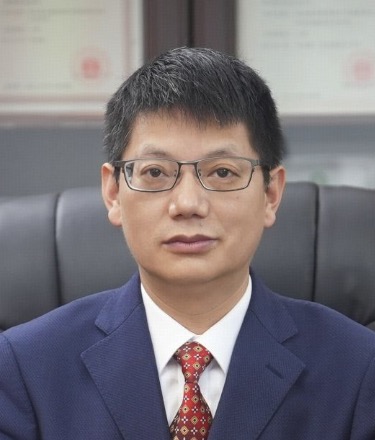 Xubiao Luo (罗旭彪)合作论文数Jinggangshan University10Zhuochao Liu合作论文数9
 Penghui Shao (邵鹏辉)合作论文数Nanchang Hangkong University9
 Wenzong Liu (刘文宗)合作论文数School of Ecology and Environment, Harbin Institute of Technology, Shenzhen9Zhensheng Xiong合作论文数8Yanni Geng合作论文数7Yuqi Guo合作论文数7
 Nanqi Ren (任南琪)合作论文数State Key Laboratory of Urban Water Resource and Environment, Harbin Institute of Technology7
 Hongcheng Wang (王鸿程)合作论文数School of Ecology and Environment, College of Artificial Intelligence, Harbin Institute of Technology, Shenzhen6Fanying Kong合作论文数6Yuanqi Liu合作论文数5
 Liming Yang (杨鲤铭)合作论文数Department of Aerodynamics, Nanjing University of Aeronautics and Astronautics5
 Spyros G. Pavlostathis合作论文数School of Civil and Environmental Engineering, College of Engineering, Georgia Institute of Technology5
 Ye Chen (陈野)合作论文数College of Materials Science and Chemical Engineering, Harbin Engineering University5
 Hyung-Sool Lee合作论文数Department of Civil and Environmental Engineering, University of Waterloo;Waterloo Environmental Biotechnology Lab, University of Waterloo;Department of Chemical Engineering, University of Waterloo5Houxing Chen合作论文数4Haiyu Wang合作论文数4Lei Gao合作论文数4XiaoJun Sun (孙晓君)合作论文数4
 Qian Sun (孙倩)合作论文数Institute of Urban Environment, Chinese Academy of Sciences4Genping Qiu合作论文数4
 Yongzhen Peng (彭永臻)合作论文数Faculty of Environment and Life, Beijing University of Technology;College of Environmental and Energy Engineering, Beijing University of Technology;College of Environmental Science and Engineering, Beijing University of Technology4
 Weimin Cai (蔡伟民)合作论文数School of Environmental Science and Engineering, Shanghai Jiaotong University4
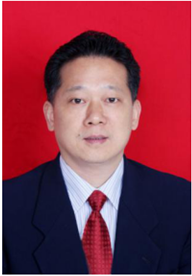 Shenglian Luo (罗胜联)合作论文数College of Environmental Science & Engineering, Hunan University;Nanchang Hangkong University4
 Weimin Wu合作论文数Department of Civil and Environmental Engineering, Stanford University;William and Cloy Codiga Resource Recovery Center, Stanford University4
 Weishan Li (李伟善)合作论文数School of Chemistry, South China Normal University4Yue-Jia Yang合作论文数3
 Youzhao Wang (王有昭)合作论文数School of Mechanical Engineering and Automation, Northeastern University3
 Jing-Long (Henry) Han (韩京龙)合作论文数School of Civil and Environmental Engineering, College of Artificial Intelligence, Harbin Institute of Technology, Shenzhen3
 Weiwei Cai (蔡伟伟)合作论文数School of Environment, Beijing Jiaotong University3Yingning Yu合作论文数3Da Kang (康达)合作论文数2
 Zhao-Bo Chen合作论文数2Shi-Gang Su合作论文数2
 Shu-Hong Gao (高淑红)合作论文数School of Ecology and Environment, College of Artificial Intelligence, Harbin Institute of Technology, Shenzhen2Yakun Zhang合作论文数2Yaqiong Wang合作论文数2Shu-Sen Wang合作论文数2
 Thangavel Sangeetha合作论文数Department of Energy and Refrigerating Air-Conditioning Engineering and Research Center of Energy Conservation for New Generation of Residential, Commercial, and Industrial Sectors, National Taipei University of Technology2
 Deyong Kong (孔德勇)合作论文数2
 Xingde Xiang (向兴德)合作论文数2
 Shuai Wang (王帅)合作论文数School of Chemistry and Chemical Engineering, Huazhong University of Science and Technology2Kun Jiang合作论文数2
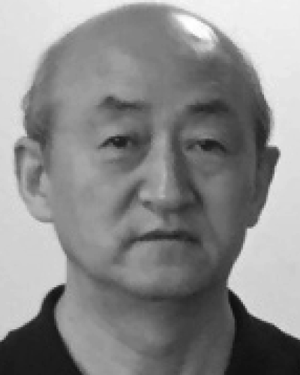 Zhenhui Wang合作论文数2




