BACKGROUND:Wearable sensors are a promising method for collecting clinical trial outcome data for people with Angelman syndrome (AS). However, there has yet to be a systematic probe into the ways in which wearable sensors have been successfully used in AS. The current study aims to provide a quantitative summary of wearable sensors used in AS, including contexts of use and psychometric properties, and to present key narrative highlights. METHOD:Literature searches were performed in three electronic databases: APA PsycInfo, PubMed and Web of Science Core Collection. Data items were categorized into four categories: sample characteristics, study methodological details, wearable sensor characteristics and psychometric properties assessed. Sample characteristics included sample size, age, biological sex, race/ethnicity and cognitive/developmental functioning. Study methodological details were subdivided into study design and setting. Wearable sensor characteristics included sensor type, placement site, means of attachment, assessed construct and sensor-related data loss. Psychometric properties assessed included reliability and validity of sensor-derived data. RESULTS:We identified 16 articles through our systematic review. Wearable sensors were used to study sleep (n = 10, 62.5%), language (n = 2, 12.5%), gait (n = 2, 12.5%), caregiver proximity (n = 1, 6.3%), EEG power (n = 1, 6.3%), and arousal (n = 1, 6.3%) in AS through actigraphs, vocalization recorders, inertial sensors, radio-frequency identification watches, wireless EEG caps, and functional near-infrared spectroscopy caps, respectively. Findings from these studies broadly indicate that wearable sensors are feasible, reliable and valid for assessing a range of behaviours relevant to AS. CONCLUSIONS:Wearable sensors are a promising solution to enhance assessments in AS. However, with the small extant literature characterized by small sample sizes and restricted focus on a few relevant features in AS, there remains ample opportunities to explore the use of wearable sensors in people with AS. Additional studies will better inform clinical decision-making and ultimately improve the lives of people with AS and their families.
BACKGROUND:Caregivers of children with Angelman syndrome (AS) experience substantial stressors and often experience challenges accessing mental health providers with expertise in their unique family needs. PURPOSE:Community-academic partnerships have potential for ensuring such treatments are deployed in ways that maximally benefit the patient community. METHODS:This study examined the effectiveness of using a community-centered approach to training student clinicians to deploy telehealth acceptance and commitment therapy (ACT) with a pilot sample of caregivers (n = 17) with young children diagnosed with AS. Prior to deploying the treatment, clinicians received community-led training on the unique needs of AS families. RESULTS:Upon completing the abbreviated 9-week protocol, caregivers reported decreases in depression and parenting stress and increases in parenting confidence across treatment, supporting future testing of ACT for AS in the context of randomized control trials. CONCLUSIONS:Our findings support the feasibility of leveraging community-academic partnerships to co-train graduate-level clinicians to deliver ACT to specialized populations. This is also the first study to document preliminary effectiveness of telehealth ACT in supporting caregivers of children with AS.
Previous studies demonstrate that individuals with major depressive disorder (MDD) exhibit difficulties responding accurately on trials directly after committing an error (Elliot et al., 1996; 1997; Pizzagalli et al., 2006). The current presumption is that heightened negative affect (NA) in response to errors leads to impaired performance monitoring and improvement. However, this pathway has yet to be tested. The current study sought to address this gap, in a nonclinical sample, by examining whether NA and rumination predicted post-error performance. Participants (N = 124) completed a measure of dispositional rumination, repeated state NA measurements, and three Eriksen flanker runs (Nblocks/trials = 27/486). Results indicated that rumination did not significantly predict performance, but rather, elevated state NA predicted worse post-error performance and the likelihood of consecutive errors across the protocol. Critically, these results held even controlling for reaction time, meaning that this post-error difficulty was not solely attributable to post-error slowing or speed-accuracy trade-off. This study provides a novel examination of a pathway through which trial-by-trial deficits may occur and is the first to provide support for the role of NA in post-error difficulties. We suggest that these findings hold implications for cognitive control and support the fundamental role of mood in disrupted cognition.
The FMR1 premutation is associated with a complex clinical phenotype, with increased risk for outcomes across the domains of psychological disorders, motor functioning, and reproductive health. A key gap is understanding intermediate processing that may help to explain how the FMR1 premutation alters brain functioning to confer increased risk across these domains. The current study begins to address this gap by focusing on two candidate, interrelated processes: cerebellar GABA and executive function. Data were collected from a cohort of 15 adult female FMR1 premutation carriers and a comparison group of 15 age-matched unaffected controls. Cerebellar GABA concentration was measured using edited magnetic resonance spectroscopy (MEGA-sLASER) at 3 T. Executive function was measured across two units of analysis: the error-related negativity, an EEG marker of automatic error detection, as well as performance-based measures from validated neuropsychological tests. Premutation carriers exhibited an atypical scalp topography of the error-related negativity. In controls but not in premutation carriers, error-related brain activity was associated with cerebellar GABA concentration and performance-based executive function. This pattern of preliminary findings suggests that the FMR1 premutation may alter the neural network involved in error monitoring. If these findings are confirmed in larger cohorts, they have potential implications for understanding the emergence of the broader clinical phenotype in adult FMR1 premutation carriers.
The auditory event-related potential (ERP) components N1 and P3 have been identified as potential neural markers of psychotic disorders. However, the literature has largely examined categorical disorders, and the auditory N1 and P3 have also been associated with internalizing disorders. It is unclear whether the auditory N1 and P3 relate to specific features of psychosis, broad psychosis, or general psychopathology. The present study examined the relationship between the auditory N1, P3a, and P3b and dimensional representations of psychosis and comorbid psychopathology. We tested whether auditory ERPs (1) were associated with specific psychosis dimensions (thought disorder, detachment, cognition, functioning) or the psychosis superspectrum, and (2) demonstrated specificity to psychosis compared to comorbid internalizing psychopathology. Participants (Mage = 49.57, 45.2% female) were 202 individuals with a history of hospitalization for a psychotic disorder and 304 demographically matched comparisons. All participants completed an auditory oddball task while we recorded electroencephalography, diagnostic interviews, self-report questionnaires, and a neuropsychological battery. A more blunted auditory N1, P3a, and P3b were associated with greater scores on the psychosis superspectrum. After controlling for the psychosis superspectrum, the N1 and P3a were not independently related to any specific psychosis dimension, but a smaller P3b was associated with poorer cognition. The N1 and P3b, but not P3a, demonstrated specificity to the psychosis superspectrum compared to the internalizing spectrum. A blunted auditory N1 and P3b are uniquely associated with the psychosis superspectrum, while a blunted P3a was common to both the psychosis superspectrum and internalizing spectrum.
Parent caregivers of children with rare neurogenetic conditions experience daily challenges in meeting the needs of their child and family, though studies examining the daily experiences of caregivers are extremely limited. Here, we present pre-intervention ecological momentary assessment data from 495 parent caregivers of children with rare neurogenetic conditions who were enrolled in a clinical trial focused on caregiver well-being. We aimed to both describe typical daily routines across the sample, and to examine how daily experiences, context, and well-being interrelated over time. Across the two-week period, caregivers spent substantial time attending to family needs, often with limited social support and without also engaging in leisure and social activities that could ease burden and support well-being. Autoregressive cross-lagged models indicated a number of dynamic relationships among daily activities, social support, and indicators of well-being. Findings highlight potential targets for intervention to bolster caregiver support and promote healthy family dynamics.
Pragmatic language differences are present in the broad autism phenotype (BAP). Objective markers of pragmatic language subprocesses, such as inter-speaker turn-taking, may enhance understanding of these differences. Here, we examined how neural and behavioral responses elicited by inter-speaker turn-taking are related to the BAP, using well-validated conversational stimuli with different inter-speaker gap durations in a stratified sample of 63 adults selected for varied autism-associated traits. As outcomes, we measured ERPs elicited by inter-speaker gap (stimulus-preceding negativity) and speaker response (P3), and subjective ratings of conversation quality. Among individuals with more autism-associated traits, extended inter-speaker gaps were considered less salient as indicated by reduced P3. However, monitoring of inter-speaker gaps and perceived conversation quality were unrelated to autism-associated traits. These findings provide preliminary evidence that pragmatic inference of inter-speaker gaps may be specifically disrupted in those endorsing a higher degree of autism-associated traits and detectable with the P3 ERP, laying the foundation for similar neurobehavioral studies in autism.
Cognitive impairment in schizophrenia, characterized by deficits in performance monitoring, predicts clinical and functional outcomes. The error-related negativity (ERN), a neurophysiological index of error detection, is reduced in psychosis, but it is unclear why this impaired error detection is not closely linked to behavioral adjustments. A possibility is that research has overrelied on examining between-person relationships of average ERN and behavior, rather than focusing on within-person, trial-by-trial changes. This study aimed to determine whether neurophysiological indices of error detection (ERN, error positivity [Pe]) predict within-person post-error behavioral adjustments in psychotic disorders and whether these relationships are weaker in people with psychosis than in controls. ERN and Pe were assessed during a flanker task in 72 participants with psychosis (PwP) and 82 healthy comparison participants. Multilevel location-scale models examined trial-by-trial changes in the relationships between event-related potentials (ERPs) and behavior (response [RTs], accuracy). Results showed that ERP-RT relationships were similar across PwP and controls. In both groups, greater within-person increases in ERN predicted longer and more variable RTs following correct trials. Larger within-person increases in Pe predicted shorter and more variable RTs following correct trials, but less variable RTs following error trials. Exploratory analyses in a subset of participants with schizophrenia showed similar effects. ERP-accuracy relationships were neither observed nor moderated by diagnostic group. Within-person ERP-behavior relationships were preserved in psychosis, indicating intact performance monitoring at the individual level. This supports performance monitoring as a transdiagnostic construct and underscores the importance of examining intraindividual variability to understand performance monitoring in psychotic disorders.
Background: Impaired social functioning is a core feature of individuals at clinical high-risk (CHR) for psychosis and strongly predicts poor outcomes. One essential component of everyday communication that may be disrupted in this population is conversational turn-taking. While atypical turn-taking has been documented in CHR behaviorally, the neural mechanisms underlying these disruptions in CHR remain underexplored. Methods: Using electroencephalogram (EEG), participants passively listened to brief, recorded conversations in which one speaker made a request and the other responded following a short (200 ms) or long (700 ms) interspeaker gap. The final sample included 24 CHR individuals (M = 20.6 years, 62.5 % male) and 32 healthy controls (HC; M = 21.7 years, 40.6 % male). Results: ERP amplitudes during the long inter-speaker gap did not significantly differ between groups, t(50) = -1.49, p = .14, g = -0.40. However, HCs exhibited significantly negative amplitudes relative to zero, t(31) = -4.12, p < .001, g = -0.71, whereas CHR individuals did not, t(23) = -1.63, p = .12, g = -0.32. Following the speaker's response, a main effect of gap length was observed, F(1, 54) = 15.73, p < .001, ges = 0.12, such that P2/P3 amplitudes were larger following long gaps relative to short gaps, with no significant interaction or main effect of group. Weaker modulation of P2/P3 amplitude was associated with greater social anhedonia, r(54) = -0.28, p = .040. Conclusions: Disrupted perception of turn-taking in CHR may reflect impairments in social communication, providing insight into social anhedonia and potential neural markers of psychosis risk.
Sleep problems refer to a broad range of difficulties associated with the onset and maintenance of sleep, and growing research indicates a robust association between sleep problems and suicidal thoughts and behaviors in adolescents. However, relatively little is known about how this risk is conferred. This study used an intensive longitudinal design to investigate anhedonia as a mechanism linking sleep problems and next-day suicidal thoughts in a clinically high-risk sample of adolescents. Adolescents (N=48; Mage=14.96; 77.1% white, 64.6% female) completed an ecological momentary assessment study design for 28 days following discharge from acute psychiatric care for suicide risk. Daily sleep diaries were used to assess prior night total sleep time and sleep onset latency. Ecological momentary assessment was used to assess anhedonia and suicidal thoughts up to six times per day. A series of multi-level structural equation models were used to examine facets of anhedonia as parallel mediators of the association between sleep problems and next-day suicidal thoughts. Significant direct effects were found between sleep problems (i.e., shorter total sleep time, longer sleep onset latency) and consummatory anhedonia, consummatory anhedonia and suicidal thoughts, and anticipatory anhedonia and suicidal thoughts. There were significant indirect (mediated) effects between sleep problems and next-day suicidal thoughts through consummatory anhedonia, but not anticipatory anhedonia. This study significantly extends prior research on the sleep problem-suicidal thoughts association by investigating how, or the processes by which, sleep problems confer risk for suicidal thoughts. Our findings revealed consummatory anhedonia significantly mediated the relation between sleep problems and suicidal thoughts. Future research is needed to replicate these findings in larger samples and investigate how modifying sleep problems and anhedonia may mitigate suicide risk in adolescents. This research was supported in part by a grant from the American Foundation for Suicide Prevention [YIG-1-054-16] and pilot funding from the University of Rochester Medical Center.
In studies of event-related brain potentials (ERPs), it is common practice to exclude participants for having too few trials for analysis to ensure adequate score reliability (i.e., internal consistency). However, in research involving clinical samples, the impact of increasingly rigorous reliability standards on factors such as sample generalizability, patient versus control effect sizes, and effect sizes for within-group correlations with external variables is unclear. This study systematically evaluated whether different ERP reliability cutoffs impacted these factors in psychosis. Error-related negativity (ERN) and error positivity (Pe) were assessed during a modified flanker task in 97 patients with psychosis and 104 healthy comparison participants, who also completed measures of cognition and psychiatric symptoms. ERP reliability cutoffs had notably different effects on the factors considered. A recommended reliability cutoff of 0.80 resulted in sample bias due to systematic exclusion of patients with relatively few task errors, lower reported psychiatric symptoms, and higher levels of cognitive functioning. ERP score reliability lower than 0.80 resulted in generally smaller between- and within-group effect sizes, likely misrepresenting effect sizes. Imposing rigorous ERP reliability standards in studies of psychotic disorders might exclude high-functioning patients, which raises important considerations for the generalizability of clinical ERP research. Moving forward, we recommend examining characteristics of excluded participants, optimizing paradigms and processing pipelines for use in clinical samples, justifying reliability thresholds, and routinely reporting score reliability of all measurements, ERP or otherwise, used to examine individual differences, especially in clinical research.
Caregivers of individuals with rare neurogenetic conditions often experience mental health challenges, often alongside substantial experiences of resilience. Unfortunately, caregiving burden can make accessing mental health support difficult, and restricted resources during the COVID-19 pandemic further exasperated these challenges. The present study leveraged a community-academic partnership to pilot three virtual telemental health therapies-Acceptance and Commitment Therapy, Dialectical and Behavioral Therapy, and Integrated Couples' Behavioral Therapy-in a sample of 80 caregivers of individuals with Prader Willi syndrome and Williams syndrome. Across 12 weeks of treatment, caregivers completed clinical assessment forms and daily ecological momentary assessments to monitor well-being and mental health. Results provide preliminary evidence that each treatment was feasible, acceptable, and potentially effective in addressing the mental health needs of most caregivers. Virtual community-academic partnerships may provide a useful model for supporting caregivers, while also training the next generation of providers ready to meet the unique, persistent needs of this population. Randomized controlled trials are a necessary next step to determining efficacy. Given that mental health challenges for caregivers pre-dated the pandemic and continue to persist, identifying suitable treatment options remains high priority.
Objective: We describe the development and validation of PANDABox-EEG, a novel protocol for remote EEG assessment with no on-site technician, tailored for Angelman syndrome (AS). We argue that this protocol is reliable, valid, and widely acceptable for use in families affected by Angelman syndrome. Background: AS is a rare neurogenetic condition characterized by developmental delays, sleep problems, seizures, and a happy demeanor. People with AS are frequently monitored via EEG to inform clinical care, and EEG-measured delta activity has been proposed as a reliable biomarker to monitor treatment effectiveness. Traditional EEG assessments pose logistical and financial burdens for families due to the need to travel to a medical center to complete assessments. Telehealth methods, however, offer a pathway forward. Methods: PANDABox-EEG was developed through multidisciplinary collaboration with psychologists, psychophysiologists, engineers, and special-education scholars, incorporating caregiver feedback and user-centered design principles. It pairs PANDABox, a telehealth platform for biobehavioral assessment in rare disorders, with ANT Neuro dry electrode EEG system. Twenty-eight participants (7 AS, 7 siblings, 14 caregivers) completed three 5-minute EEG sessions each over the course of a week. Caregivers were asked to provide feedback on acceptability of the design, and EEG data was quantified and assessed for metrics of reliability and validity. Results: PANDABox-EEG demonstrated high feasibility and acceptability, with 91% of caregivers reporting strong satisfaction assessment comfort. EEG data quality was promising, with high internal consistency (split-half reliability range for children with AS: r= .96-.98) and test-retest reliability for delta power among (test-retest reliability range for children with AS: ρ = .88-.96). Finally, we successfully detected the characteristic increased delta power in AS (effect size between AS and non-AS siblings: d=1.56-2.85) and its association with age (effect size between non-AS siblings and caregivers: d=2.19-2.72). Conclusion: PANDABox-EEG provides a feasible, cost-effective, and reliable method for remote EEG assessment in AS. Its high caregiver satisfaction and ability to capture relevant neurophysiological markers suggest potential for broader application. With further validation, PANDABox-EEG can enhance accessibility and inclusivity, benefiting clinical management and research in AS and other clinical populations in need of frequent EEG monitoring by eliminating the need to travel.
A large number of EEG studies have identified a distinct event related potential (ERP) component during error processing known as the Error-Related Negativity (ERN). In an influential study, Hajcak and Foti (2008) explored the idea that errors could trigger defensive motivational reactions and that the ERN might forecast the intensity of defensive reactions following errors. Using a flanker task, thirty-one college-aged participants responded to the direction of a central arrow with acoustic startle probes administered pseudo-randomly throughout. Hajcak and Foti’s (2008) findings indicated the ERN is indicative of individual variations in aversive reactions to errors. This has influenced understanding of the ERN being more than a simple error detection mechanism and sheds light on how people differ in their emotional responses to mistakes. As part of the #EEGManyLabs project, an international network of laboratories, we will test the replicability of the results from this influential study. The data will later be combined to compute global effect sizes of the ERN, startle potentiation, and their interaction. Collectively, these replications will help solidify the results from this highly-cited study. Given that the ERN is an integral part of a broader neural system responding to potentially threatening stimuli, this replication will provide a more solid foundation for our understanding of error processing and its relationship to defensive reactivity.
Objectives: Accumulating clinical evidence from experimental and observational studies with humans suggests that edible mushrooms may have beneficial effects on markers of brain health. This study examined the effects of daily consumption of fresh Agaricus bisporus (cremini mushrooms) exposed to ultraviolet (UV) light on indices of anxiety, depression, mood, cognitive function, and well-being in middle-aged and older adults. Methods: Over a 6-week period, adults (n = 41 (19 M/22 F), age 43 ± 11 y; BMI 29.8 ± 5.9 kg/m2, mean ± SD) without severe depression, cardiovascular disease, or Type 2 Diabetes consumed two daily servings (168 g/d wet weight) of cremini mushrooms intended to provide 400 IU/serving (800 IU/d) of vitamin D2 (n = 20) or 2 tsp/d of breadcrumbs (control, n = 21). Assessments conducted at baseline and week 6 included General Anxiety Disorder-7 (GAD-7), Beck’s Depression Inventory (BDI-II), Patient Health Questionnaire (PHQ-9), Repeatable Battery for the Assessment of Neuropsychological Status (RBANS), Profile of Mood States (POMS), and Medical Outcomes Study 36-Item Short-Form Health Survey Version 2 (SF36v2). Results: Consuming UV light-exposed mushrooms did not improve brain health outcomes. Independent of mushroom consumption, over time, there were improvements in immediate memory (RBANS), language (RBANS), and depression (BDI-II and PHQ-9). Conclusions: There were no differences observed between groups in the investigated indices of brain health. However, improvements over time were observed in Beck’s Depression Inventory and the Immediate Memory and Language domains in the RBANS, independent of mushroom consumption. Overall, consuming 2 servings/d of UV-exposed mushrooms for six weeks may not improve indices of brain health.
Growing research indicates that sleep problems are a robust independent risk factor for suicidal thoughts and behaviors among youth. However, relatively little is known about how this risk is conferred. This study used an intensive longitudinal design to investigate anhedonia as a mechanism linking sleep problems and next-day suicidal thoughts in a clinically high-risk sample of adolescents. Adolescents (N = 48; Mage=14.96; 77.1
IntroductionChildren with neurogenetic syndromes commonly experience significant and pervasive sleep disturbances, however, associations with caregiver mental health remains unclear. Previous studies have linked sleep disturbances with increased caregiver depression in typically developing populations, and heightened caregiver stress among neurogenetic populations. The present study expands on findings by exploring the longitudinal association between child sleep duration and caregiver mental health (depression, anxiety, stress) throughout development (infancy to school-aged children) in dyads with and without a child affected by a neurogenetic syndrome.MethodsParticipants were drawn from the Purdue Early Phenotype Study, including 193 caregivers (Age: M = 34.40 years, SD = 4.53) of children with neurogenetic syndromes (Age: M = 40.91 months, SD =20.72) and typically developing children (n = 55; Age: M = 36.71 months, SD = 20.68). Children in the neurogenetic group were diagnosed with Angelman (n = 49), Prader Willi (n = 30), Williams (n = 51), and Fragile X (n = 8) syndromes. Caregivers completed assessments every six months up to child age three, and annual assessments thereafter. Child sleep duration was measured using the Brief Infant Sleep Questionnaire, and caregiver internalizing symptoms were assessed using the Depression, Anxiety, Stress Scale. Multilevel models were conducted to examine caregiver depression, anxiety, and stress in relation to child sleep duration at both between- and within-person levels, with child age as a moderator.ResultsResults indicated a between-person effect of child sleep duration on caregiver depression (i.e., differences between families) and a within-person effect on caregiver stress (i.e., change over time) in the full, combined sample. These effects were not maintained when examined separately in neurogenetic and typically developing groups, except for a between-person effect on caregiver stress in the typically developing cohort. Moderating effects of child age were significant for depression and stress only in the typically developing cohort.DiscussionIn summary, persistent child sleep disruptions were linked to exacerbated caregiver depression across the sample, while acute child sleep disruptions exacerbate caregiver stress within dyads over time. These findings emphasize the importance of addressing child sleep to enhance caregiver wellbeing and has potential relevance for a wide range of neurogenetic syndromes.
 Greg Hajcak合作论文数Department of Psychology, Florida State University;Department of Biomedical Sciences, Florida State University56
 Roman Kotov合作论文数The University of Iowa31
 Keisha Novak合作论文数Purdue Univ28
 Kaylin E Hill合作论文数Dept Psychol & Human Dev, Vanderbilt Univ25
 Bridgette L Kelleher合作论文数Department of Psychological Sciences, Purdue University22
 Wei Siong Neo合作论文数18
 Belel Ait Oumeziane合作论文数Psychological Sciences, Purdue University16
 Greg Perlman合作论文数12
 Roslyn Harold合作论文数11
 Anna Weinberg合作论文数Department of Psychology, Faculty of Science, McGill University11
 Douglas B. Samuel合作论文数Department of Psychology, University of Kentucky8Kayla R Donaldson合作论文数7Kimberly Galvez-Ortega合作论文数6
 Jackson Felicia L合作论文数6Takakuni Suzuki合作论文数Department of Psychological Sciences, Purdue University6
 Annmarie Macnamara合作论文数Department of Psychology, Stony Brook University6
 Daniel Klein合作论文数Department of Psychology, College of Arts and Sciences, Stony Brook University;Department of Psychiatry, Renaissance School of Medicine, Stony Brook University5
 Evelyn Bromet合作论文数Department of Psychiatry, Renaissance School of Medicine, Stony Brook University5Jonathan P. Dunning合作论文数Department of Psychology, Stony Brook University5
 Aprajita Mohanty合作论文数Cognitive Neurology & Alzheimer ' s Disease Center5David Rollock合作论文数Yale University5
 Sébastien Hélie合作论文数Department of Psychological Sciences, College of Health and Human Sciences, Purdue University;Center for Brain, Behavior, and NeuroRehabilitation, Purdue University4
 C J Brush合作论文数Department of Psychology, Florida State University4
 Colin L Sauder合作论文数4
 Jennifer N Bress合作论文数Department of Psychology, Stony Brook University4
 Katherine Jonas合作论文数Department of Psychiatry, Renaissance School of Medicine, Stony Brook University4
 Dien Joseph合作论文数Maryland Neuroimaging Center, University of Maryland;Department of Human Development and Quantitative Methodology, University of Maryland4
 Diego Pizzagalli合作论文数Harvard Brain Science Initiative, Harvard Medical School, Harvard University;Laboratory for Affective and Translational Neuroscience, Center for Depression, Anxiety and Stress Research, McLean Hospital4Lisa Brown合作论文数3Tessa Garwood合作论文数3Sam Buck合作论文数3Kristina Muniz合作论文数3Erika Deming合作论文数3
 Iulia Banica合作论文数Department of Psychology, McGill University3
 Anthony Bocchine合作论文数Ctr Alcohol & Subst Use Studies, Rutgers State Univ3Taylor Lee合作论文数3Felicia Roberts合作论文数3Proudfit Greg Hajcak合作论文数3
 Whitton Alexis E合作论文数Harvard Med Sch, Dept Psychiat, Boston, MA 02115 USA3
 Elizabeth M. Berry-Kravis合作论文数Center for Translational Research, Rush University Medical Center;Molecular Diagnostics Section of the Genetic Laboratory, Department of Pediatrics, Rush University;Department of Psychiatry, College of Medicine, University of Illinois3
 Daniel Mathalon合作论文数Weill Institute for Neurosciences, School of Medicine, University of California, San Francisco;Department of Psychiatry and Behavioral Sciences, School of Medicine, University of California, San Francisco;UCSF Medical Center3
 Brandon L. Alderman合作论文数Department of Kinesiology and Health,Rutgers University3
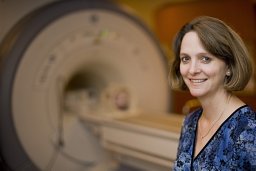 Ulrike Dydak合作论文数Division of Nephrology, University Hospital of Zurich;the Institute of Biomedical Engineering and Medical Informatics, University of Zurich;and Swiss Federal Institute of Technology;University of Zurich, University Hospital of Zurich3
 Jonathan K. Wynn合作论文数VA Greater Los Angeles Healthcare System3
 Joshua M Carlson合作论文数Department of Psychological Science, Northern Michigan University3Alexis Hernandez合作论文数2Amanda Holbrook合作论文数2Jacqueline Schryer-Praga合作论文数2Lisa R Hamrick合作论文数2




