Over the last decade, increased attention to reaction dynamics, combined with the intensive application of computers in chemical studies, mathematical modeling of chemical processes, and mechanistic studies has brought graph theory to the forefront of research. It offers an advanced and powerful formalism for the description of chemical reactions and their intrinsic reaction mechanisms. Chemical Reaction Networks: A Graph-Theoretical Approach elegantly reviews and expands upon graph theory as applied to mechanistic theory, chemical kinetics, and catalysis. The authors explore various graph-theoretical approaches to canonical representation, numbering, and coding of elementary steps and chemical reaction mechanisms, the analysis of their topological structure, the complexity estimation, and classification of reaction mechanisms. They discuss topologically distinctive features of multiroute catalytic and noncatalytic and chain reactions involving metal complexes.With it's careful balance of clear language and mathematical rigor, the presentation of the authors' significant original work, and emphasis on practical applications and examples, Chemical Reaction Networks: A Graph Theoretical Approach is both an outstanding reference and valuable tool for chemical research.
Proceedings of the conference MOL2NET International Conference on Multidisciplinary Sciences (5th edition), 2019 is part of a year-round worldwide conference series hosted by MDPI Sciforum, Basel, Switzerland. This conference series has had organized more than 20 associated workshop series in universities worldwide: USA, France, Portugal, Spain, China, Chile, Brazil, India, etc. These workshop series run in person and/or online. Some of these workshops are the USINEWS-02 University of Minnesota, USA; MICROBIOTA, UDC, Coruna, Spain, LAWSCI-02, UPV/EHU, Bilbao, Spain, etc. Workshops allow both in person and/or online only publication of papers, research highlights of previous papers, letters, short reviews, etc. The topics are multidisciplinary covering, but not limited to, Chemistry (All areas), Physics, Biology, Ecology, Statistics, Bioinformatics, Education, Nanotechnology, Materials, Computational, Complex Networks, Legal, and Social sciences, etc. The present book of proceedings have been released in a short version without communications including links to online versions of all communications (only 31 pages). Thank you very much to all colleagues for your kind support.
Conference: Proceedings of the conference MOL2NET International Conference on Multidisciplinary Sciences (4th edition), 2018 is part of a year-round worldwide conference series hosted by MDPI Sciforum, Basel, Switzerland. This conference series has had organized more than 20 associated workshop series in universities worldwide: USA, France, Portugal, Spain, China, Chile, Brazil, India, etc. These workshop series run in person and/or online. Some of these workshops are the SRI-10 St Thomas University (STU)- Miami Dade College (MDC), Miami, USA; USINEWS-02 University of Minnesota, USA; BIOCHEMPHYS-01 CNAM, Paris, France; WCUCW, West Coast University, Miami, USA; IWMEDIC UDC, Coruna, Spain, LAWSCI-02, UPV/EHU, Bilbao, Spain, etc. Workshops allow both in person and/or online only publication of papers, research highlights of previous papers, letters, short reviews, etc. Topics: The topics are multidisciplinary covering, but not limited to, Chemistry (All areas), Physics, Biology, Ecology, Statistics, Bioinformatics, Education, Nanotechnology, Materials, Computational, Complex Networks, Legal, and Social sciences, etc. Statistics: This edition hosted >10 workshops that attracted >300 communications submitted by >700 authors. We organized 7 special issues published in JCR journals (MDPI editorial) such as Molecules, Entropy, and Appl. Sci. We also organized 3 bootcamps, hand-training, or capstone courses in MDC, Miami, WCU Miami, and UPV/EHU Bilbao. Proceedings Book: The present book of proceedings have been released in two versions. The first is a short version without communications including links to online versions of all communications (only 94 pages). The second one is the long version including full text of all communications and abstracts (2985 pages). Download short version from MDPI AG Sciforum publisher link: https://sciforum.net/paper/view/conference/6143. We released long versiong to Researchgate public repository: https://www.researchgate.net/project/Mol2Net-conf-series. Thank you very much to all colleagues for your kind support.
Proceedings of the conference MOL2NET International Conference on Multidisciplinary Sciences (3rd edition), 2017. Year-Round conference series hosted by MDPI Sciforum, Basel, Switzerland. These conferences have more than 10 associated workshop series in universities of USA, Spain, China, Chile, Brazil, etc. These workshop series run in person and/or online. Some of these workshops are the SRI-08 St Thomas University (STU)- Miami Dade College (MDC), Miami, USA; WCUCW, West Coast University, Miami, USA; IWMEDIC UDC, Coruña, Spain, etc. The conference series also has general online only sections for online publication of online papers, research highligths of previous papers, letters, short revies, etc. The topics are multidisciplinary covering, but not limited to, Chemistry (All areas), Physics, Biology, Ecology, Statistics, Bioinformatics, Education, Nanotechnology, Materials, Computational, Complex Networks, and Social sciences, etc. This edition attracted >200 communications submitted by >400 authors. Thank you very much to all colleagues for your kind support.
Proceedings of the conference MOL2NET International Conference on Multidisciplinary Sciences (2nd edition), 2016. Year-Round conferences hosted by MDPI Sciforum, Basel, Switzerland with > 10 associated in person workshops in USA, Spain, China, Chile, Brazil, etc. Some of the workshops are tSRI-08 St Thomas University (STU)- Miami Dade College (MDC), Miami, USA; IWMEDIC-04 UDC, Coruña, Spain, etc. This edition attracted >200 communications submitted by >400 authors. Thank you very much to all colleagues for your kind support.
This chapter on chemical graph theory forms part of the natural science and processes section of the handbook
We are glad to invite all colleagues worldwide to participate on a new edition of this International Conference Series. The official title of this conference series is MOL2NET International Conference Series on Multidisciplinary Sciences. MOL2NET (the conference running title) is the acronym of the lemma of the conference: From Molecules to Networks. This running title is inspired by the possibility of multidisciplinary collaborations in science. The topics of interest include, but are not limited to, Chemistry (All areas), Mathematics (Applied), Physics (Applied), Materials Science, Nanotechnology, Biology and Life Sciences (All areas), Medicine, Biomedical Engineering, Education, along with Computer Sciences, Data Analysis, Statistics, Artificial Intelligence, Deep Learning, Bioinformatics, Systems Biology, and Complex Networks Sciences. See the following note to authors on topics outside the scope of the conference and associated workshops . The Scientific Headquarters (HQs) of this conference series are in the Faculty of Science and Technology, University of Basque Country (UPV/EHU), Biscay. However, the idea of this multidisciplinary conference emerged from the melting pot formed as the result of multiple collaborations of professors from many centers worldwide. Locally, the founders and strongest supporters of the conference are professors endowed by IKERBASQUE, Basque Foundation for Sciences, professors from the two departments Department of Organic Chemistry I and Department of Organic Chemistry II of the University of Basque Country (UPV/EHU), and professors from the Department of Computer Sciences of the University of Coruna (UDC). In addition, professors / researchers from the Center for the Study of Biological Complexity of the Virginia Commonwealth University (VCU), USA, the Natural Resources Research Institute, of the University of Minnesota, USA, and many other institutions are also founders and supporters of this conference, please see full committees lists.
Objective: The healing of wounds is critical in protecting the human body against environmental factors. The mechanisms involving protein expression during this complex physiological process have not been fully elucidated. Approach: Here, we use reverse-phase protein microarrays (RPPA) involving 94 phosphoproteins to study tissue samples from tubes implanted in healing dermal wounds in seven human subjects tracked over two weeks. We compare the proteomic profiles to proteomes of controls obtained from skin biopsies from the same subjects. Main results: Compared to previous proteomic studies of wound healing, our approach focuses on wound tissue instead of wound fluid, and has the sensitivity to go beyond measuring only highly abundant proteins. To study the temporal dynamics of networks involved in wound healing, we applied two network analysis methods that integrate the experimental results with prior knowledge about protein-protein physical and regulatory interactions, as well as higher-level biological processes and associated pathways. Significance: We uncovered densely connected networks of proteins that are up-or down-regulated during human wound healing, as well as their relationships to microRNAs and to proteins outside of our set of targets that we measured with proteomic microarrays.
Huntington's disease is a progressive neurodegenerative disorder characterized by motor disturbances, cognitive decline, and neuropsychiatric symptoms. In this study, we utilized network-based analysis in an attempt to explore and understand the underlying molecular mechanism and to identify critical molecular players of this disease condition. Using human post-mortem microarrays from three brain regions (cerebellum, frontal cortex and caudate nucleus) we selected in a four-step procedure a seed set of highly modulated genes. Several protein–protein interaction networks, as well as microRNA–mRNA networks were constructed for these gene sets with the Elsevier Pathway Studio software and its associated ResNet database. We applied a gene prioritizing procedure based on vital network topological measures, such as high node connectivity and centrality. Adding to these criteria the guilt-by-association rule and exploring their innate biomolecular functions, we propose 19 novel genes from the analyzed microarrays, from which CEBPA, CDK1, CX3CL1, EGR1, E2F1, ERBB2, LRP1, HSP90AA1 and ZNF148 might be of particular interest for experimental validation. A possibility is discussed for dual-level gene regulation by both transcription factors and microRNAs in Huntington's disease mechanism. We propose several possible scenarios for experimental studies initiated via the extra-cellular ligands TGFB1, FGF2 and TNF aiming at restoring the cellular homeostasis in Huntington's disease.
Network-based approaches are powerful and beneficial tools to study complex systems in their entirety, elucidating the essential factors that turn the multitude of individual elements into a functional system. In this study we used critical network topology descriptors and guilt-by-association rule to explore and understand the significant molecular players, drug targets and underlying biological mechanisms of Alzheimer’s disease. Analyzing two post-mortem brain gene microarrays (GSE4757 and GSE28146) with Pathway Studio software package we constructed and analyzed a set of protein-protein interaction, as well as miRNA-target networks. In a 4-step procedure the expression datasets were normalized using Robust Multi-array Average approach, while the modulation of gene expression by the disease was statistically evaluated by the empirical Bayes method from the limma Bioconductor package. Representative set of 214 seed-genes (p<0.01) common for the three brain sections of the two microarrays was thus created. The Pathway Studio analysis of the networks built identified 15 new potential AD-related genes and 17 novel AD-involved microRNAs. Using KEGG pathways relevant in Alzheimer’s disease we built an integrated mechanistic network from the interactions between the overlapping genes in these pathways. Routes of possible disease initiation process were thus revealed through the CD4, DCN, and IL8 extracellular ligands. DAVID and IPA enrichment analysis uncovered a number of deregulated biological processes and pathways including neuron projection/differentiation, aging, oxidative stress, chemokine/ neurotrophin signaling, long-term potentiation and others. The findings in this study offer information of interest for subsequent experimental studies.
In this study we offer an approach to network physiology, which proceeds from transcriptomic data and uses gene ontology analysis to identify the biological processes most enriched in several critical time points of wound healing process (days 0, 3 and 7). The top-ranking differentially expressed genes for each process were used to build two networks: one with all proteins regulating the transcription of selected genes, and a second one involving the proteins from the signaling pathways that activate the transcription factors. The information from these networks is used to build a network of the most enriched processes with undirected links weighted proportionally to the count of shared genes between the pair of processes, and directed links weighted by the count of relationships connecting genes from one process to genes from the other. In analyzing the network thus built we used an approach based on random walks and accounting for the temporal aspects of the spread of a signal in the network (mean-first passage time, MFPT). The MFPT scores allowed identifying the top influential, as well as the top essential biological processes, which vary with the progress in the healing process. Thus, the most essential for day 0 was found to be the Wnt-receptor signaling pathway, well known for its crucial role in wound healing, while in day 3 this was the regulation of NF-kB cascade, essential for matrix remodeling in the wound healing process. The MFPT-based scores correctly reflected the pattern of the healing process dynamics to be highly concentrated around several processes between day 0 and day 3, and becoming more diffuse at day 7.
 O Mekenyan合作论文数38
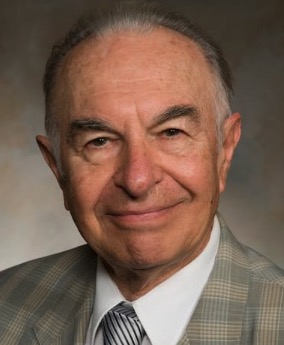 Alexandru T. Balaban合作论文数Department of Marine and Coastal Environmental Science, College of Marine Sciences & Maritime Studies, Texas A&M University at Galveston23
 Nenad Trinajstic合作论文数University of Zagreb16Ovanes Mekenyan合作论文数15Oleg N Temkin合作论文数12D. Kamenski合作论文数11
 Subhash Basak合作论文数Department of Chemistry, University of Minnesota Twin Cities9
 William Seitz合作论文数8Hansgerhard Fritsche合作论文数7Verginia Kamenska合作论文数7Gregory A. Buck合作论文数6d h rouvray合作论文数6D Peitchev合作论文数6
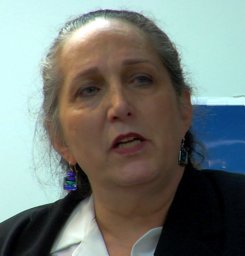 Tarynn Witten合作论文数VCU Reanimation, Engineering and Shock Center, Virginia Commonwealth University6Oleg N. Temkin合作论文数6Andrew V. Zeigarnik合作论文数to appear, Handbook on Knowledge Discovery and Data Mining, W. Klosgen and J.M. Zytkow, eds., Oxford University Press, 19996David Quesada合作论文数5
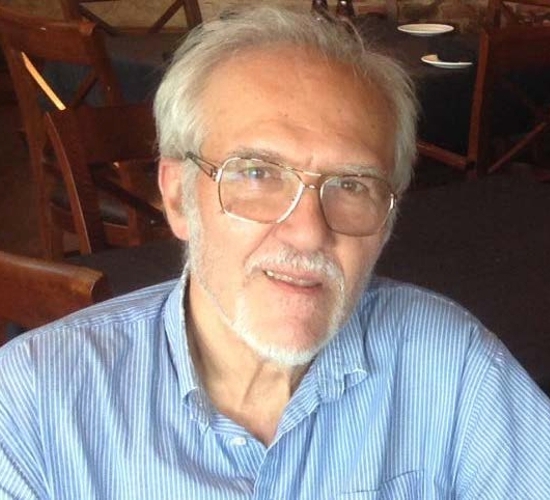 Douglas J. Klein合作论文数College of Marine Sciences & Maritime Studies, Texas A&M University5
 Esther Lete合作论文数5
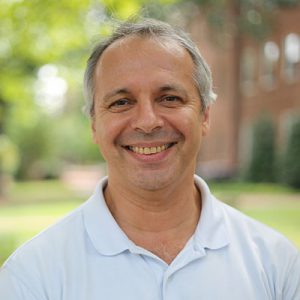 Alexander Tropsha合作论文数Department of Biomedical Engineering, Eshelman School of Pharmacy, University of North Carolina at Chapel Hill;Department of Computer Science, Eshelman School of Pharmacy, University of North Carolina at Chapel Hill5
 Lemont B. Kier合作论文数Department of Medicinal Chemistry, School of Pharmacy The Center for the Study of Biological Complexity Virginia Commonwealth University5
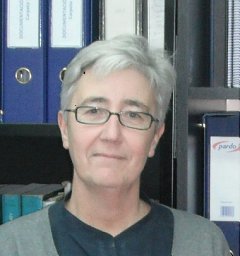 Nuria Sotomayor合作论文数Facultad de Ciencias, Universidad del País Vasco5Sonia Arrasate合作论文数5
 Alexander Golbraikh合作论文数Eshelman School of Pharmacy, University of North Carolina at Chapel Hill5E Gordeeva合作论文数4
 Fernando P Cossio合作论文数4Chandrasekaran Sreedevi合作论文数Center for the Study of Biological Complexity, Virginia Commonwealth University4
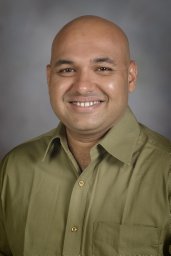 A. Apte合作论文数4
 Ivan Petkov Bangov合作论文数Institute of Mathematics, Bulgarian Academy of Sciences4
 Venelin Enchev合作论文数Institute of Organic Chemistry, Bulgarian Academy of Sciences4
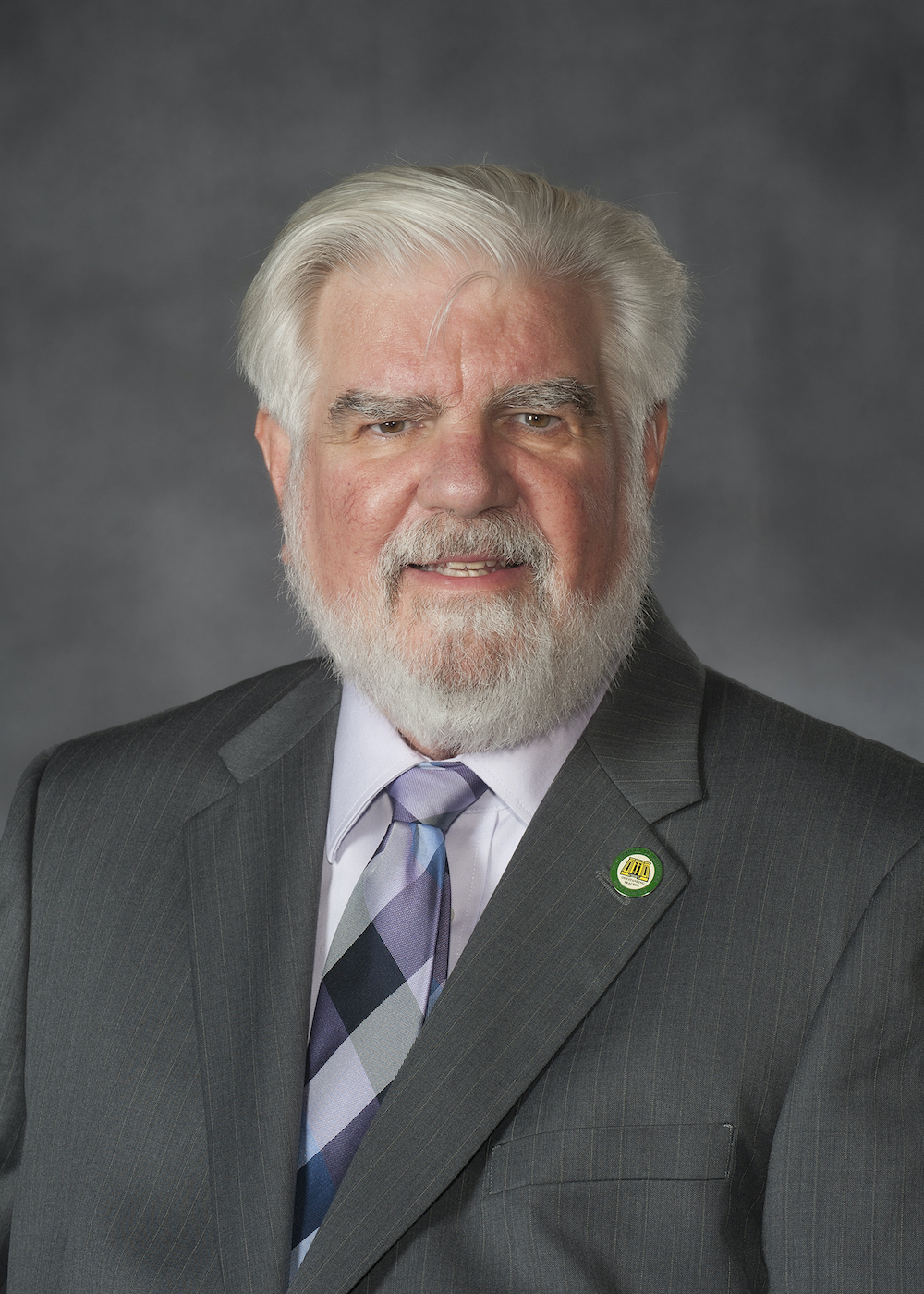 Robert F. Diegelmann合作论文数Department of Biochemistry and Molecular Biology, School of Medicine, Virginia Commonwealth University4F Fratev合作论文数3Ah Dekmezian合作论文数3Nv Kulkova合作论文数3Oe Polansky合作论文数3
 Kevin R. Ward合作论文数Department of Biomedical Engineering, College of Engineering, University of Michigan-Ann Arbor3Sterling Thomas合作论文数3
 Anuraj Nayarisseri合作论文数In silico Research Laboratory, Eminent Biosciences3
 Matthias Dehmer合作论文数Department for Biomedical Computer Science and Mechatronics, University of Miami Information Technology;Department of Computer Science, Swiss Distance University of Applied Sciences3Esther Domínguez合作论文数3H. Fritsche合作论文数3
 Aurelien Mazurie合作论文数Systems Biology Lab, Institut Pasteur;CNRS URA 2171;Center for the Study of Biological Complexity, Virginia Commonwealth University;Institut Pasteur, Virginia Commonwealth University3
 James Chou (周界文)合作论文数Interdisciplinary Research Center on Biology and Chemistry, Shanghai Institute of Organic Chemistry, Chinese Academy of Science3
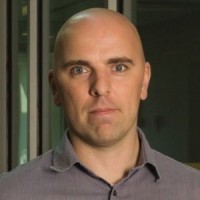 Tomasz Arodź合作论文数Department of Computer Science, College of Engineering, Virginia Commonwealth University3
 Aliuska Duardo-Sanchez合作论文数3
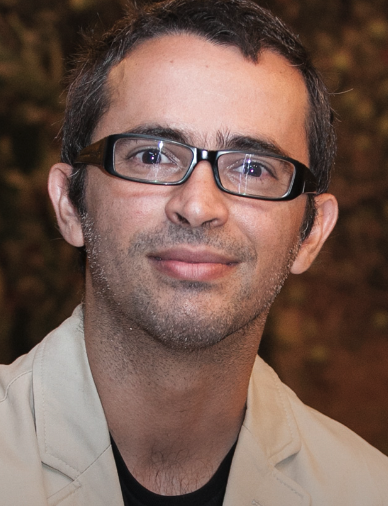 Humberto González Díaz合作论文数Biofisika;IKERDATA S.L.;Department of Organic & Inorganic Chemistry, University of the Basque Country;Ikerbasque, Basque Foundation for Science3
 Vladimir Zeigarnik合作论文数3
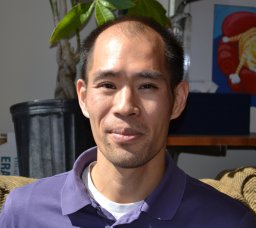 Stephen S. Fong合作论文数Department of Chemical and Life Science Engineering, Virginia Commonwealth University3




