What We Already Know about This Topic Dantrolene effectively treats malignant hyperthermia, but there are discrepant recommendations for dantrolene availability in facilities that stock succinylcholine for airway rescue but do not use volatile anesthetics. What This Article Tells Us That Is New The authors performed an analysis of data from three databases and a systematic literature review. Providers frequently use succinylcholine, including during difficult mask ventilation. Succinylcholine given without volatile anesthetics triggered 24 malignant hyperthermia events, 13 of which were treated with dantrolene. Fourteen patients experienced substantial complications, and one died. Delayed dantrolene treatment worsened patient outcomes. Background: Although dantrolene effectively treats malignant hyperthermia (MH), discrepant recommendations exist concerning dantrolene availability. Whereas Malignant Hyperthermia Association of the United States guidelines state dantrolene must be available within 10 min of the decision to treat MH wherever volatile anesthetics or succinylcholine are administered, a Society for Ambulatory Anesthesia protocol permits Class B ambulatory facilities to stock succinylcholine for airway rescue without dantrolene. The authors investigated (1) succinylcholine use rates, including for airway rescue, in anesthetizing/sedating locations; (2) whether succinylcholine without volatile anesthetics triggers MH warranting dantrolene; and (3) the relationship between dantrolene administration and MH morbidity/mortality. Methods: The authors performed focused analyses of the Multicenter Perioperative Outcomes Group (2005 through 2016), North American MH Registry (2013 through 2016), and Anesthesia Closed Claims Project (1970 through 2014) databases, as well as a systematic literature review (1987 through 2017). The authors used difficult mask ventilation (grades III and IV) as a surrogate for airway rescue. MH experts judged dantrolene treatment. For MH morbidity/mortality analyses, the authors included U.S. and Canadian cases that were fulminant or scored 20 or higher on the clinical grading scale and in which volatile anesthetics or succinylcholine were given. Results: Among 6,368,356 queried outcomes cases, 246,904 (3.9%) received succinylcholine without volatile agents. Succinylcholine was used in 46% (n = 710) of grade IV mask ventilation cases (median dose, 100 mg, 1.2 mg/kg). Succinylcholine without volatile anesthetics triggered 24 MH cases, 13 requiring dantrolene. Among 310 anesthetic-triggered MH cases, morbidity was 20 to 37%. Treatment delay increased complications every 10 min, reaching 100% with a 50-min delay. Overall mortality was 1 to 10%; 15 U.S. patients died, including 4 after anesthetics in freestanding facilities. Conclusions: Providers use succinylcholine commonly, including during difficult mask ventilation. Succinylcholine administered without volatile anesthetics may trigger MH events requiring dantrolene. Delayed dantrolene treatment increases the likelihood of MH complications. The data reported herein support stocking dantrolene wherever succinylcholine or volatile anesthetics may be used.
Despite growing evidence supporting the potential benefits of higher end-tidal carbon dioxide (ETCO2) levels in surgical patients, there is still insufficient data to formulate guidelines for ideal intraoperative ETCO2 targets. As it is unclear which intraoperative ETCO2 levels are currently used and whether these levels have changed over time, we investigated the practice pattern using the Multicenter Perioperative Outcomes Group database.
PURPOSE:Despite growing evidence supporting the potential benefits of higher end-tidal carbon dioxide (ETCO2) levels in surgical patients, there is still insufficient data to formulate guidelines for ideal intraoperative ETCO2 targets. As it is unclear which intraoperative ETCO2 levels are currently used and whether these levels have changed over time, we investigated the practice pattern using the Multicenter Perioperative Outcomes Group database. METHODS:This retrospective, observational, multicentre study included 317,445 adult patients who received general anesthesia for non-cardiothoracic procedures between January 2008 and September 2016. The primary outcome was a time-weighted average area-under-the-curve (TWA-AUC) for four ETCO2 thresholds (< 28, < 35, < 45, and > 45 mmHg). Additionally, a median ETCO2 was studied. A Kruskal-Wallis test was used to analyse differences between years. Random-effect multivariable logistic regression models were constructed to study variability. RESULTS:Both TWA-AUC and median ETCO2 showed a minimal increase in ETCO2 over time, with a median [interquartile range] ETCO2 of 33 [31.0-35.0] mmHg in 2008 and 35 [33.0-38.0] mmHg in 2016 (P <0.001). A large inter-hospital and inter-provider variability in ETCO2 were observed after adjustment for patient characteristics, ventilation parameters, and intraoperative blood pressure (intraclass correlation coefficient 0.36; 95% confidence interval, 0.18 to 0.58). CONCLUSIONS:Between 2008 and 2016, intraoperative ETCO2 values did not change in a clinically important manner. Interestingly, we found a large inter-hospital and inter-provider variability in ETCO2 throughout the study period, possibly indicating a broad range of tolerance for ETCO2, or a lack of evidence to support a specific targeted range. Clinical outcomes were not assessed in this study and they should be the focus of future research.
Background:Multiple attempts at tracheal intubation are associated with mortality, and successful rescue requires a structured plan. However, there remains a paucity of data to guide the choice of intubation rescue technique after failed initial direct laryngoscopy. The authors studied a large perioperative database to determine success rates for commonly used intubation rescue techniques.Methods:Using a retrospective, observational, comparative design, the authors analyzed records from seven academic centers within the Multicenter Perioperative Outcomes Group between 2004 and 2013. The primary outcome was the comparative success rate for five commonly used techniques to achieve successful tracheal intubation after failed direct laryngoscopy: (1) video laryngoscopy, (2) flexible fiberoptic intubation, (3) supraglottic airway as part of an exchange technique, (4) optical stylet, and (5) lighted stylet.Results:A total of 346,861 cases were identified that involved attempted tracheal intubation. A total of 1,009 anesthesia providers managed 1,427 cases of failed direct laryngoscopy followed by subsequent intubation attempts (n = 1,619) that employed one of the five studied intubation rescue techniques. The use of video laryngoscopy resulted in a significantly higher success rate (92%; 95% CI, 90 to 93) than other techniques:supraglottic airway conduit (78%; 95% CI, 68 to 86), flexible bronchoscopic intubation (78%; 95% CI, 71 to 83), lighted stylet (77%; 95% CI, 69 to 83), and optical stylet (67%; 95% CI, 35 to 88). Providers most frequently choose video laryngoscopy (predominantly GlideScope (R) [Verathon, USA]) to rescue failed direct laryngoscopy (1,122/1,619; 69%), and its use has increased during the study period.Conclusions:Video laryngoscopy is associated with a high rescue intubation success rate and is more commonly used than other rescue techniques.
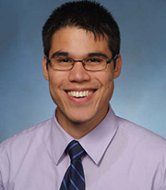 Thomas T Klumpner合作论文数Department of Anesthesiology, University of Michigan4
 Sachin Kheterpal合作论文数Department of Anesthesiology, Medical School, University of Michigan4
 Michael F Aziz合作论文数Department of Anesthesiology and Perioperative Medicine, Oregon Health and Science University4
 Paganelli William C合作论文数4
 Jonathan P Wanderer合作论文数Department of Anesthesiology, Vanderbilt University Medical Center3
 Helsten Daniel L合作论文数3Amy M. Shanks合作论文数3Wilton A. Van Klei合作论文数3Aleda Thompson合作论文数2Judith A R van Waes合作论文数2
 Annemarie Akkermans合作论文数2Peelen Linda M合作论文数2
 Leif Saager合作论文数Department of Outcomes Research, Cleveland Clinic2Tyler Tremper合作论文数1Michelle T Vaughn合作论文数1Jerry L. Epps合作论文数1William Peterson合作论文数1Steven Lins合作论文数1Joshua Berris合作论文数1Janet Wilczak合作论文数1Traci Coffman合作论文数1Zachary A Turnbull合作论文数Dept Anesthesiol, Weill Cornell Med1Mitchell F. Berman合作论文数1Erica L Sivak合作论文数1Peter Coles合作论文数1Simon Tom合作论文数1Janine Limoncelli合作论文数1
 Sheila Riazi合作论文数Department of Anesthesia, University of Toronto1
 Jacqueline William Ragheb合作论文数Department of Anesthesiology, Medical School, University of Michigan1
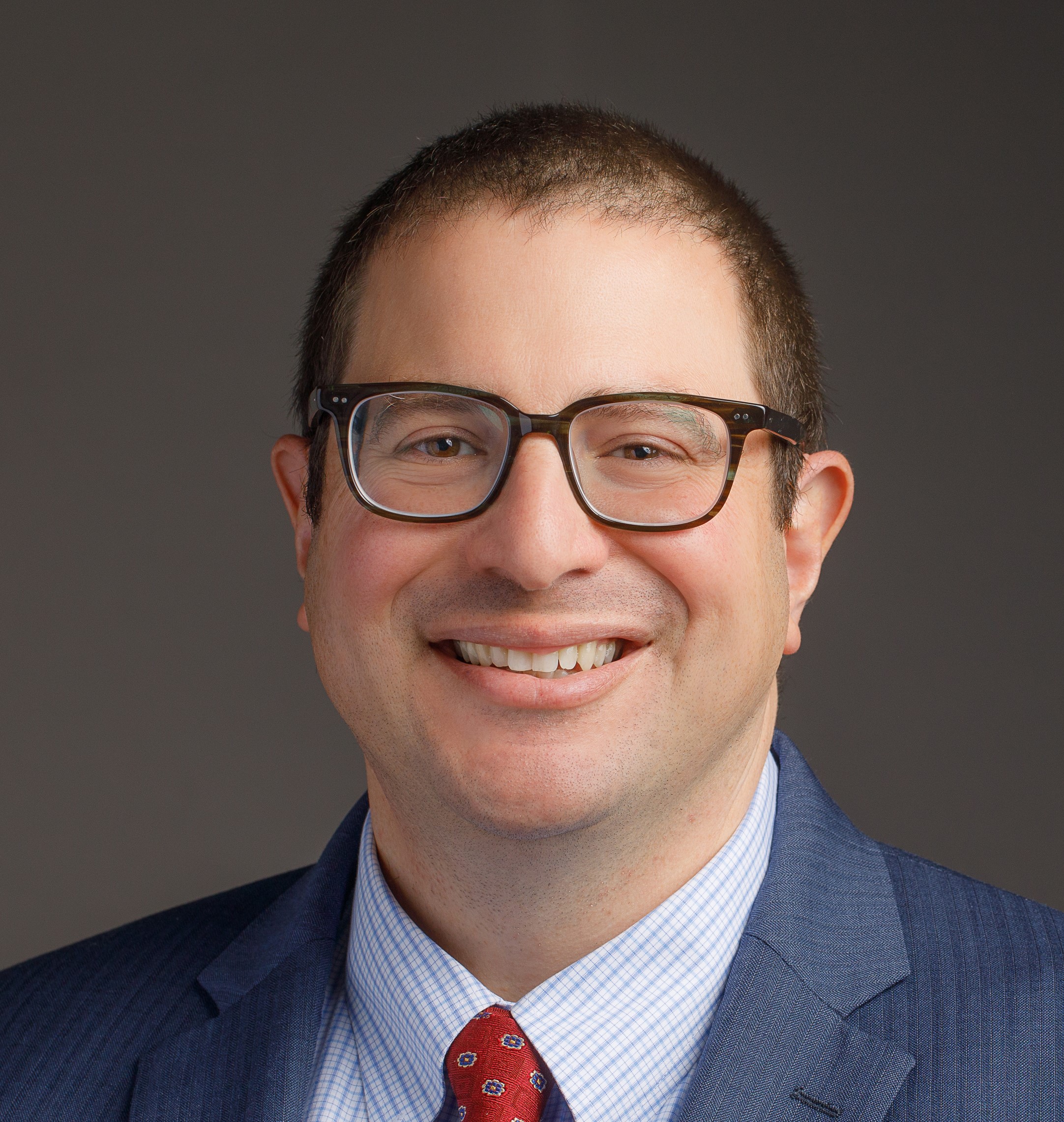 Robert Schonberger合作论文数Department of Anesthesiology Yale School of Medicine, Yale University1
 Marcel E. Durieux合作论文数Department of Anesthesiology, School of Medicine, University of Virginia1Brandom Barbara W合作论文数1
 Fabian Kooij合作论文数1Colquhoun Douglas A合作论文数Health Sciences Center, University of Virginia1Lakha Sameer合作论文数1
 David W Healy合作论文数Department of Anesthesiology, University of Michigan Health System1Kim Tae W合作论文数1
 Patrick McCormick合作论文数1
 Bala G. Nair合作论文数Department of Anesthesiology & Pain Medicine, School of Medicine, University of Washington1Miller Scott A合作论文数1Nathan L. Pace合作论文数1John F. Capacchione合作论文数1
 Robert M Craft合作论文数Department of Anesthesiology, University of Tennessee Graduate School of Medicine1Leslie C. Jameson合作论文数1Andrew Herlich合作论文数1
 Adit Ginde合作论文数Department of Emergency Medicine, School of Medicine, University of Colorado1Roy Soto合作论文数Faculty of Chemical Sciences, Universidad de Concepción1Brian S. Rothman合作论文数1
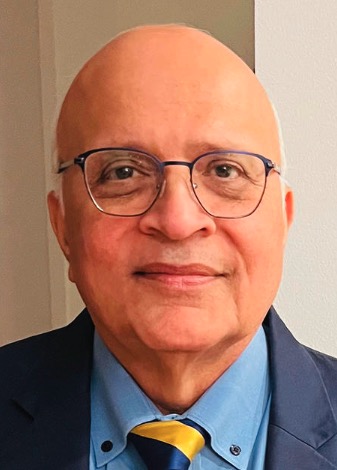 Kumar Belani合作论文数Department of Anesthesiology, University of Minnesota Medical School1




