Research exploring the link between personality traits and false memory has yielded inconsistent results. We used secondary data (D. M. Bernstein et al., 2018) to explore the mechanisms underlying these mixed results. Our mediation models investigated the role of nonpathological dissociation in the link between negative emotionality (i.e., neuroticism) and false memory susceptibility. A sample of 360 participants (aged 17-59) completed the Multidimensional Personality Questionnaire Brief Form, the Dissociative Experiences Scale II, and two false memory measures: the Deese-Roediger-McDermott and misinformation tasks. Results revealed significant indirect and total effects in the mediation models, suggesting that negative emotionality affects dissociation, which increases false memory susceptibility. Notably, this relationship was observed in recognition but not recall tasks. These results highlight the need for research to adopt more nuanced approaches when exploring the link between personality traits and false memory. Our study illuminates potential mechanisms underlying the inconsistent findings observed in previous false memory research.
The sunk-cost effect (SCE) refers to the continuation of an activity after investing resources in the activity. Current developmental research on the SCE in childhood is mixed, but some researchers suggest that sunk-cost judgments decline with age after childhood. To better understand age differences in sunk-cost judgments across the lifespan, we conducted two experiments with the widest age range used in the literature thus far to examine the SCE across the lifespan, while using the same measures for all ages. Samples ranged from 2 to 97 years of age (Experiment 1: lab-based, N = 682; Experiment 2: community sample, N = 378). We found a similar pattern across both experiments: Adults and adolescents consistently made sunk-cost judgments, but children did not. We also observed differences in age patterns between different sunk-cost measures, suggesting that researchers should consider how individuals of different ages might respond to different decision-making vignettes. Our findings suggest that children do not consistently make sunk-cost judgments like older children and adults.
Truthiness is the increased likelihood to rate claims true when claims are paired with conceptually related (but nonprobative) information (usually photos). The fluency account holds that photos facilitate the processing of conceptual information shared between the photos and the claims, increasing the ease of processing the claims relative to no-photo claims (an increase in relative fluency-a cue for familiarity and truth). In three experiments, we tested the fluency account using response time as a separate measure of fluency. In Experiment 1, we manipulated relative fluency by varying the proportion of photo-absent to photo-present claims. Photo-present claims were processed more quickly than photo-absent claims, but our relative fluency manipulation did not impact truthiness. In Experiment 2A, we varied the type of media presented with the claims: photo, audio, or photo + audio. We hypothesized that photo + audio media would better facilitate the processing of the claims and produce larger truthiness effects and faster response times. Instead, in Experiment 2A, we observed equal truthiness across photo, audio, and photo + audio claims and a trend toward faster response times when evaluating photo + audio claims compared to other media types. In Experiment 2B, we replicated the truthiness effect for audio and replicated the response time findings from Experiment 1. Consistent with the fluency account, related photos and audio similarly increase the speed of processing claims and similarly increase belief in claims. (PsycInfo Database Record (c) 2026 APA, all rights reserved).
Introduction:Theory of Mind (ToM) is essential for social interactions. However, gaps remain in our knowledge of when ToM abilities develop and change, particularly from adolescence to older adulthood. Methods:We used data from an ongoing longitudinal study to examine ToM abilities across three time points in participants aged 3 years and older. Testing waves occurred over multiple years. Cognitive ToM was assessed using the Sandbox task (N = 187; age range = 3-80 years), and affective ToM was assessed using the Reading the Mind in the Eyes Task (RMET; N = 121; age range = 6-80 years). Data were analyzed using mixed-design ANOVAs to examine interactions between Age Group and Time Point. Results:Children aged 6-9 years exhibited significantly lower ToM abilities compared to adults. However, beyond childhood, both cognitive and affective ToM remained relatively stable across the lifespan. Discussion:Our study illuminates critical periods of ToM development. Moreover, our study highlights the importance of using measures that capture subtle changes across the lifespan.
Semantic context helps people comprehend information, but it can also create illusions of truth and understanding. To what extent does increased semantic context boost people's confidence in their ability to perform highly technical skills, such as understanding a foreign language? We addressed this question across five experiments by showing subjects a video clip of people speaking Danish. Some subjects saw the subtitled video while others saw the unsubtitled version. Then we asked subjects to rate how well they thought they would be able to understand Danish in new situations. We found that people who saw the subtitled videos thought they would understand more of that language in new situations compared to those who saw the unsubtitled videos, even though their actual understanding did not improve. These findings suggest that relative to situations of lesser semantic context, greater semantic context creates illusions not simply of understanding but also of greater skill.
IntroductionPeople are more likely to believe repeated information—this is known as the Illusory Truth Effect (ITE). Recent research on the ITE has shown that semantic processing of statements plays a key role. In our day to day experience, we are often multi-tasking which can impact our ongoing processing of information around us. In three experiments, we investigate how asking participants to engage in an ongoing secondary task in the ITE paradigm influences the magnitude of the effect of repetition on belief.MethodsUsing an adapted ITE paradigm, we embedded a secondary task into each trial of the encoding and/or test phase (e.g., having participants count the number of vowels in a target word of each trivia claim) and calculated the overall accuracy on the task.ResultsWe found that the overall ITE was larger when participants had no ongoing secondary task during the experiment. Further, we predicted and found that higher accuracy on the secondary task was associated with a larger ITE.DiscussionThese findings provide initial evidence that engaging in an ongoing secondary task may reduce the impact of repetition. Our findings suggest that exploring the impact of secondary tasks on the ITE is a fruitful area for further research.
The terminology used in discussions on mental state attribution is extensive and lacks consistency. In the current paper, experts from various disciplines collaborate to introduce a shared set of concepts and make recommendations regarding future use.
People who learn the outcome to a situation or problem tend to overestimate what was known in the past-this is hindsight bias. Whereas previous research has revealed robust hindsight bias in the visual domain, little is known about how outcome information affects our memory of others' emotional expressions. The goal of the current work was to test whether participants exhibited hindsight bias for emotional faces and whether this varied as a function of emotion. Across five experiments, participants saw images of faces displaying different emotions. In the foresight phase, participants watched several emotional faces gradually clarify from blurry to clear. Once participants believed they knew what emotion the face was exhibiting, they identified the emotion from several options (e.g., angry, disgusted, happy, scared, surprised). In the hindsight phase, participants saw clear versions of each face before stopping the clarification at the point at which they previously identified the emotional expression. On average, participants exhibited hindsight bias for all emotions except happy faces (i.e., they indicated that they identified the emotional expressions at a blurrier point in hindsight than they had in foresight). A multinomial processing tree model of our data revealed that this was not due to participants' better recollection of foresight judgments for happy faces compared to the other emotions. Additionally, participants showed a smaller reconstruction bias for happy faces than the other emotions. We discuss the social implications of these findings as well as the potential for this paradigm to be used across cultures and ages. (PsycInfo Database Record (c) 2023 APA, all rights reserved).
Hindsight bias occurs when outcome information distorts people's memories of past beliefs or exaggerates perceptions of outcomes' foreseeability or inevitability. We investigated whether community and university participants in Canada and the U.S. exhibited hindsight bias for COVID-19. In Experiment 1 (N = 175), participants made original judgments about COVID-19 outcomes. Two months later, participants learned outcome information and recalled their original judgments (memory design). They also rated the foreseeability and inevitability of COVID-19. In Experiment 2 (N = 754), we used a hypothetical design. Participants learned outcome information before estimating how naive peers would have responded 2 months earlier. Participants exhibited hindsight bias in memory and hypothetical estimations. However, they rated COVID-19 as unforeseeable and avoidable and generally did not exhibit differences in foreseeability and inevitability ratings across the two timepoints. Thus, hindsight bias for COVID-19 differs across memory distortions, foreseeability, and inevitability and extends to hypothetical judgments. General Audience Summary Hindsight can cloud the past by biasing people's beliefs about what was known prior to an outcome. Hindsight can also bias people's beliefs about the foreseeability or inevitability of an outcome. We explored hindsight bias for COVID-19 in two experiments. In both experiments, Canadian and U.S. participants made foresight judgments about several COVID-19 outcomes (e.g., case rates in various countries). Participants also judged how foreseeable and inevitable COVID-19 was. Two months later, we recruited two groups of participants: (a) a sample that previously completed the foresight judgments and (b) a new sample. Both groups received outcome information. In Experiment 1, group (a) had to ignore their current outcome knowledge and recall their original judgments for the COVID-19 outcomes. They also rated their current perceptions of foreseeability and inevitability. In Experiment 2, group (b) had to ignore their current outcome knowledge and estimate how a naive peer would have responded to the same questions 2 months prior. We observed hindsight bias: Outcome information biased people's judgments about what they, or someone else, previously believed about various COVID-19 outcomes (e.g., death rates). Additionally, Canadian and U.S. residents perceived COVID-19 as unforeseeable ("I never could have seen this coming") and avoidable ("this didn't have to happen"). However, they generally did not demonstrate differences in foreseeability and inevitability ratings across the two timepoints. This work has applied significance for the field because it is one of the few studies to investigate hindsight bias for a real world, evolving event that is negative and self-relevant for everyone. Our results reveal the importance of studying hindsight bias for COVID-19 through various measures to determine how it affects other types of judgments (e.g., evaluations of public health authorities, vaccination tendencies, etc.); this can inform public health practices aimed at mitigating COVID-19 and future public health crises.
The Transfer-appropriate Processing (TAP) framework has demonstrated enhanced recognition memory when processing operations engaged at encoding and at test match. Our research applied TAP to study the illusory truth effect (ITE). We investigated whether the match/mismatch of evaluative goals at encoding and at test affects the ITE. At encoding, participants saw target words (Experiments 1-3; or full trivia claims Experiments 4-5) and completed an evaluative goal: imagery task or vowel-counting. At test, participants saw target words embedded in trivia claims that were old or new and completed the same (matching) or different (mismatching) evaluative goal that they completed at encoding, before making truth or memory ratings. We found a typical TAP effect for memory judgements when people saw words at encoding, but no TAP effect when people saw claims at encoding. We also found an ITE when people saw claims at encoding, but no ITE when people saw words at encoding (no evidence of TAP moderating truth judgments). Together these results extend both the TAP and ITE literatures, suggesting boundary conditions for TAP and the conditions under which the ITE emerges.
After observing a crime, eyewitnesses may conduct their own investigation on social media to search for the perpetrator. In two experiments, participants viewed an image of an innocent suspect in the time between viewing a mock-crime video and completing a lineup procedure. The image was presented in the context of a social media search or a police mugbook viewing. A control group viewed no photos of innocent people before the lineup. The same images were used in the mugbook and social media conditions, but the social media profiles were designed so that the innocent suspect stood out as the only person who had mutual friends with the participant. In both experiments, the innocent suspect was more likely to be mistakenly identified if they were previously viewed on social media relative to the control condition. The mugshot viewing also increased innocent suspect identifications, but only after the plausibility of the innocent suspect was increased in Experiment 2. Relative to the control condition, participants who viewed either a mugbook or social media had lower accuracy when they identified the suspect with high confidence. These findings indicate that viewing images of innocent people can contaminate the memory of eyewitnesses, influence identifications at a subsequent lineup procedure, and undermine the eyewitness confidence-accuracy relation.
When semantically-related photos appear with true-or-false trivia claims, people more often rate the claims as true compared to when photos are absent-truthiness. This occurs even when the photos lack information useful for assessing veracity. We tested whether truthiness changed in magnitude as a function of participants' age in a diverse sample using materials appropriate for all ages. We tested participants (N = 414; Age range = 3-87 years) in two culturally diverse environments: a community science center (First language: English (61.4%); Mandarin/Cantonese (11.6%); Spanish (6%), other (21%); ethnicity: unreported) and a psychology lab (First language: English (64.4%); Punjabi (9.8%); Mandarin/Cantonese (7.4%); other (18.4%); ethnicity: Caucasian (38%); South Asian (30.7%); Asian (22.7%); other/unreported (8.6%). Participants rated trivia claims as true or false. Half the claims appeared with a semantically related photo, and half appeared without a photo. Results showed that participants of all ages more often rated claims as true when claims appeared with a photo; however, this truthiness effect was stable across the lifespan. If truthiness age differences exist, they are likely negligible in the general population. (PsycInfo Database Record (c) 2022 APA, all rights reserved).
Some research suggests people are overconfident because of personality characteristics, lack of insight, or because overconfidence is beneficial in its own right. But other research fits with the possibility that fluent experience in the moment can rapidly drive overconfidence. For example, fluency can push people to become overconfident in their ability to throw a dart, know how rainbows form or predict the future value of a commodity. But surely there are limits to overconfidence. That is, even in the face of fluency manipulations known to increase feelings of confidence, reasonable people would reject the thought that they, for example, might be able to land a plane in an emergency. To address this question, we conducted two experiments comprising a total of 780 people. We asked some people (but not others) to watch a trivially informative video of a pilot landing a plane before they rated their confidence in their own ability to land a plane. We found watching the video inflated people's confidence that they could land a plane. Our findings extend prior work by suggesting that increased semantic context creates illusions not just of prior experience or understanding—but also of the ability to actually do something implausible.
Cross-examination is detrimental to the consistency and accuracy of children's reports and a re-direct interview may rehabilitate accuracy. We compared the effects of cross-examination on reports provided by single-event and repeated-event children. Children participated in one or five magic shows. One week later they were interviewed in a supportive manner (Interview 1). Next, a different interviewer cross-examined half the children or asked the other children all questions again (Interview 2). Finally, the initial interviewer re-directed the children by re-asking questions in a supportive manner (Interview 3). When defined narrowly (the instance children were asked to describe), cross-examination was more detrimental to single-event children and the re-direct interview rehabilitated correct responses for all children. When defined broadly (experienced details), cross-examination was more detrimental to repeated-event children and the re-direct did not rehabilitate correct responses for repeated-event children. Therefore when performance was off the floor, cross-examination was more detrimental to repeated-event children. The changes that repeated-event children make under cross-examination are explained by cognitive factors and social influences Ost et al., [2016]. Recall, verbatim memory and remembered narratives. In G. Oxburgh (Ed.), Communication in investigative and legal contexts: Integrated approaches from forensic psychology, linguistics and law enforcement (pp. 39-54). Wiley Blackwell).
Participants ranging in age from 3 to 98 years (N = 708; approximately 60% female; 49% Caucasian, 38% Asian; 12% Other ethnicities, 1% Indigenous; modal household income > $80,000) completed a battery of tasks involving verbal ability, executive function, and perspective-taking. Wherever possible, all participants completed the same version of a task. The current study tested hindsight bias and false-belief reasoning to determine how these constructs relate to each other across the child-to-adult life span. Participants of all ages showed robust hindsight bias and false-belief reasoning errors. Hindsight bias followed a U-shaped function, wherein preschoolers and older adults showed more hindsight bias than older children and younger adults. False-belief reasoning, conversely, was relatively constant from preschool to older adulthood. Hindsight bias did not correlate with false-belief reasoning. We conclude that hindsight bias and false-belief reasoning errors are robust but unrelated cognitive biases across the life span. (PsycInfo Database Record (c) 2021 APA, all rights reserved).
The Deese/Roediger-McDermott (DRM) paradigm has been used extensively to examine false memory. During the study session, participants learn lists of semantically related items (e.g., pillow, blanket, tired, bed), referred to as targets. Critical lures are items which are also associated with the lists but are intentionally omitted from study (e.g., sleep). At test, when asked to remember targets, participants often report false memories for critical lures. Findings from experiments using the DRM show the ease with which false memories develop in the absence of suggestion or misinformation. Given this, it is important to examine factors which influence the generalizability of the findings. One important factor is the persistence of false memory, or how long false memories last. Therefore, we conducted a systemic review to answer this research question: What is the persistence of false memory for specific items in the DRM paradigm? To help answer this question our review had two research objectives: (1) to examine the trajectory of target memory and false memory for critical lures and (2) to examine whether memory for targets exceeded false memory for critical lures. We included empirical articles which tested memory for the same DRM lists with at least two testing sessions. We discuss the results with respect to single-session delays, long-term memory recall and recognition, remember and know judgments for memory, and the effect of development, valence, warning, and connectivity on the trajectory of memory. Overall, the trajectory of targets showed a relatively consistent pattern of decrease across delay. The trajectory of critical lures was inconsistent. The proportion of targets versus critical lures across delay was also inconsistent. Despite the inconsistencies, we conclude that targets and critical lures have a dissimilar trajectory across delay and that critical lures are more persistent than targets. The findings with respect to long-term recall and recognition are consistent with both Fuzzy Trace Theory and Associative-Activation Theory of the DRM effect. The generation of false memory with brief delays (3-4 s) is better explained by Associative-Activation Theory. Examining the connectivity between target items, and critical lures, and the effect that has during study and retrieval, can provide insight into the persistence of false memory for critical lures.
Studies suggest that people who cheat on a test overestimate their performance on future tests. Given that erroneous monitoring of one's own cognitive processes impairs learning and memory, this study investigated whether cheating on a test would harm monitoring accuracy on future tests. Participants had the incentive and opportunity to cheat on one (Experiments 1, 2, and 3, with N = 90, 88, and 102, respectively) or two (Experiment 4, N = 214) of four general-knowledge tests. Cheating produced overconfidence in global-level performance predictions in Experiment 2 (Cohen's d >= 0.35) but not in Experiments 1 or 4. Also, cheating did not affect the absolute or relative accuracy of item-level performance predictions in Experiments 3 or 4. A Bayesian meta-analysis of all experiments provided evidence against cheating-induced overconfidence in global- and item-level predictions. Overall, our results demonstrate that people who cheat on tests accurately predict their performance on future tests.
Nonprobative but related photos can increase the perceived truth value of statements relative to when no photo is presented (truthiness). In two experiments, we tested whether truthiness generalizes to credibility judgments in a forensic context. Participants read short vignettes in which a witness viewed an offence. The vignettes were presented with or without a nonprobative, but related photo. In both experiments, participants gave higher witness credibility ratings to photo-present vignettes compared to photo-absent vignettes. In Experiment 2, half the vignettes included additional nonprobative information in the form of text. We replicated the photo presence effect in Experiment 2, but the nonprobative text did not significantly alter witness credibility. The results suggest that nonprobative photos can increase the perceived credibility of witnesses in legal contexts.
The sunk-cost effect (SCE) is the tendency to continue investing in something that is not working out because of previous investments that cannot be recovered. In three experiments, we examine the SCE when continued investment violates the ethic of care by harming others. In Experiment 1, the SCE was smaller if the sunk-cost decision resulted in harmful consequences towards others (an interaction between sunk cost and the ethic of care). In Experiment 2, participants considered vignettes from their own or another person's perspective. We observed an interpersonal SCE – people showed the SCE when taking the perspective of others. We did not replicate the interaction found in Experiment 1. In Experiment 3, we used statistically more powerful analyses – Bayesian sequential hypothesis testing – to examine the interaction between sunk cost and the ethic of care. We found evidence in favor of the interaction; the SCE was smaller if the sunk-cost decision harmed others. We suggest that violating one’s ethic of care de-biases decision-making by overshadowing sunk costs. These findings may help explain decision-making in real-world situations involving large investments.
 Elizabeth F. Loftus合作论文数Department of Criminology, Law, and Society, School of Social Ecology, University of California, Irvine;School of Law, University of California, Irvine37
 Edgar Erdfelder合作论文数School of Social Sciences, University of Mannheim15
 Andrew Meltzoff合作论文数Department of Psychology, University of Washington15
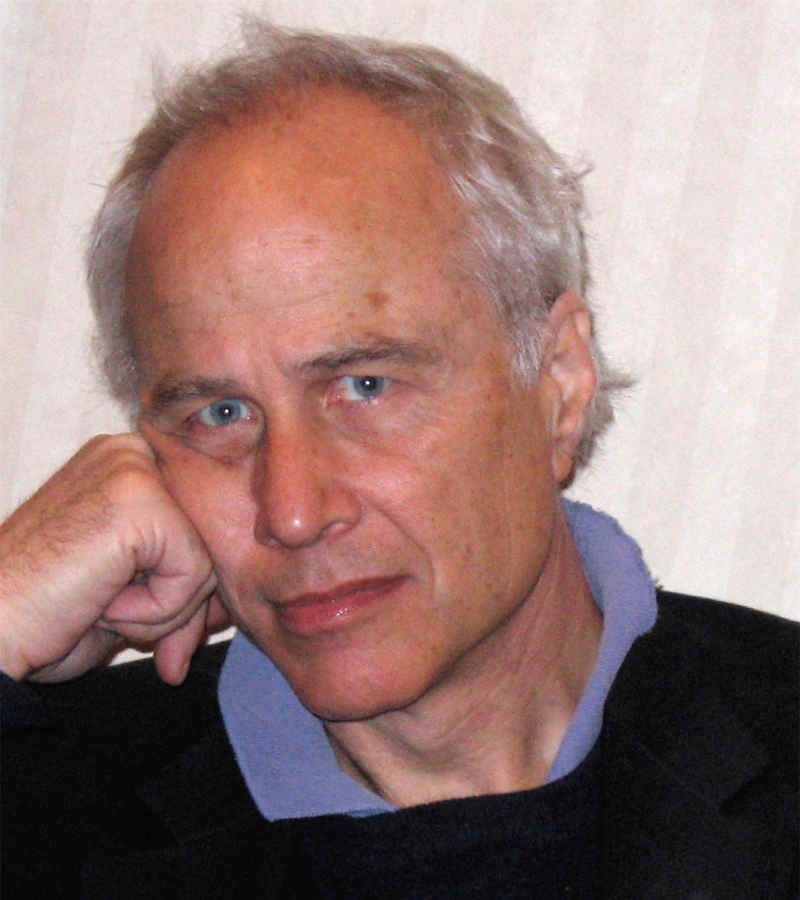 Geoffrey Russell Loftus合作论文数Department of Psychology, University of Washington13
 Andre Aßfalg合作论文数12
 Antonia Mantonakis合作论文数Faculty of Business, Brock University10
 Maryanne Garry合作论文数Victoria University of Wellington10
 Eryn Newman合作论文数Research School of Psychology, College of Health and Medicine, The Australian National University9
 Cristina Atance合作论文数School of Psychology, University of Ottawa8
 Seema L Clifasefi合作论文数8William J Peria合作论文数7Daniel G. Derksen合作论文数Dept Psychol, Simon Fraser Univ7
 Cara Laney合作论文数University of California7
 Wendy Loken Thornton合作论文数7
 Jessica Sommerville合作论文数Department of Psychology, Faculty of Arts & Science, University of Toronto7Erin K. Morris合作论文数6Ragav Kumar合作论文数6
 Megan Giroux合作论文数6Coburn Patricia I合作论文数6Coolin Alisha合作论文数6Deborah A. Connolly合作论文数Department of Psychology, Simon Fraser University6Amanda Wudarzewski合作论文数5
 Eric Y. Mah合作论文数Dept Psychol, Univ Victoria5
 D. Stephen Lindsay合作论文数Department of Psychology, University of Victoria5
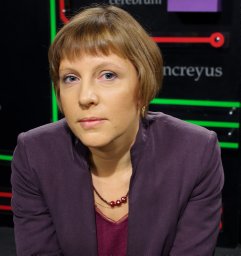 Nourkova Veronika合作论文数Moscow State University5Bertrand Sager合作论文数4Ryan Godfrey合作论文数4
 Ashley Fischer合作论文数4
 Alan Scoboria合作论文数University of Windsor4David J. Froc合作论文数3Zachariah I. Hamzagic合作论文数3Farhad N. Dastur合作论文数3Michael E Rudd合作论文数3
 Monika Undorf合作论文数School of Social Sciences, University of Mannheim3
 Susan Birch合作论文数Department of Psychology, Faculty of Arts, The University of British Columbia3
 Nicole Pernat合作论文数3
 Sander Begeer合作论文数www.kindenadolescent.nl3
 Allen E Thornton合作论文数University of Minnesota3
 Kathryn Belicki合作论文数3
 Deryn Strange合作论文数School of Psychology Victoria, University of Wellington3Elisabeth Kreykenbohm合作论文数2Nicci Bowman Fowler合作论文数2Kirk A. Stokes合作论文数2
 Erin M Harley合作论文数2
 Deva Paramitta Ly合作论文数2
 Dawn-Leah Mcdonald合作论文数2
 Michelle Hunsche合作论文数Department of Psychology.2
 Ann-Kathrin Zaiser合作论文数2
 Siba Ghrear合作论文数Dept Psychol, Univ British Columbia2




