Global warming is increasing the frequency of extreme heat events, posing major challenges for crop productivity and food security. Young vegetative quinoa (YVQ; Chenopodium quinoa Willd.) has emerged as a promising high-protein leafy crop, but little is known about its physiological performance under very high temperatures. This study examined the short-term responses of YVQ (cv. Peppermint) to a series of high-temperature gradients (30–55°C) under controlled conditions: 30-day-old plants were exposed to high temperatures for 5 days and evaluated before exposure, and 1 day (After 1d) and 14 days (After 14d) after exposure to assess their recovery. Despite exposure to peak temperatures of 55°C, no visible foliar injury was observed. Maximum quantum yield of photosystem II (Fv/Fm) remained stable across treatments, indicating protection of the photosynthetic apparatus. Leaf chlorophyll content index (CCI) increased at 40–49°C but plateaued at 55°C. In contrast, CO2 assimilation (A) and stomatal conductance (gs) declined sharply above 43°C but recovered at 43–49°C After 14d, suggesting transient impairment followed by acclimation. Exposure to 55°C resulted in a significant and non-recoverable reduction in gas-exchange parameters. Electrolyte leakage decreased at 43–46°C but increased markedly at 52–55°C, indicating a shift from stress priming to irreversible membrane injury. Total protein content reached its maximum following exposure to 55°C, likely reflecting accumulation of stress-induced proteins. Strong correlations were found between temperature and A, gs, electrolyte leakage, and CCI After 1d, but not After 14d. Temperature was also positively correlated to protein content After 14d. Overall, our findings suggest that temperatures of 43–49°C activated protective adaptation mechanisms, but temperatures ≥52°C exceeded compensatory capacity and caused irreversible impairment of carbon assimilation and membrane integrity. These findings demonstrate remarkable thermotolerance of YVQ and highlight its potential as a climate-resilient leafy crop for future hot environments.
Climate change is intensifying abiotic stresses such as salinity and temperature fluctuations, posing serious challenges to crop establishment during seed germination. This study assessed the germination responses of five quinoa (Chenopodium quinoa Willd.) genotypes under six salinity levels (0–250 mM NaCl) and six temperature regimes (10–35 °C). A completely randomized design with three replications was used, and germination rate, seedling length, and seedling biomass were evaluated. Data were analyzed through three-way ANOVA, Tukey’s HSD, Pearson correlation, and principal component analysis (PCA). In addition, a Random Forest model was applied to predict germination traits across environments. Temperature, salinity, genotype, and their interactions significantly influenced all traits (p < 0.001). Severe inhibition occurred at salinity ≥ 150 mM and at extreme temperatures (10 and 35 °C). The genotype Atlas exhibited superior tolerance, maintaining higher germination, elongation, and biomass, whereas Q4 Bis and Bear Canyon were highly sensitive under combined stress. PCA highlighted distinct genotype clustering and strong trait correlations. Random Forest predictions closely aligned with observed values and confirmed temperature and salinity as the key predictors of germination performance. These findings provide a robust framework for identifying stress-tolerant quinoa genotypes and offer practical insights for breeding and cultivation strategies in the face of climate change.
Understanding how leaf morphology mediates plant responses to environmental variability is critical for predicting species adaptability under climate change. This study examines whether intraspecific variation in leaf shape among Chenopodium hircinum populations is linked to physiological and functional trait differences and whether such variation reflects adaptive responses to source climate. We cultivated 11 populations of C. hircinum from diverse climatic origins in a common garden experiment. Leaf shape was quantified using descriptors (aspect ratio, circularity, solidity), landmarks, and Elliptical Fourier Descriptors. Physiological traits (stomatal conductance, leaf temperature, chlorophyll content) and functional traits (leaf area, leaf dry weight and leaf mass per area) were measured and analysed in relation to shape and environmental data. Leaf morphology varied significantly among populations and was associated with climatic conditions at origin, especially mean summer temperature. Functional and physiological traits were not directly correlated with environmental variables but showed strong associations with leaf shape. Landmark-based PC2 (lobed vs. rounded forms) and aspect ratio emerged as key predictors of trait variation. Most trait variation occurred at the individual level rather than among populations. Our findings highlight leaf shape as a central mediator linking environmental heterogeneity to physiological function. This suggests that morphology-driven trait integration may enhance adaptability in C. hircinum. Intraspecific diversity in shape and associated traits could serve as a reservoir of resilience under climate change, reinforcing the evolutionary and applied significance of wild relatives in crop improvement.
Intraspecific variation in plant traits, such as leaf morphology, offers insights into local adaptation and the ecological niche breadth of species. Chenopodium hircinum, the wild ancestor of quinoa, is widely distributed across various ecoregions in Argentina. A detailed comparative analysis of leaf morphology across 23 populations covering its entire known distribution was conducted to understand patterns of intraspecific variation along geographic gradients. A total of 104 leaves from these populations were analysed using shape, landmarks, and Fourier descriptors. Significant variability in leaf shapes was observed across all ecoregions, with notable admixture among populations. Although landmark-based and Fourier analyses differentiated populations, shape descriptors added intricacy to identification. Leaf morphology ranged from rounded and toothed to sharply lobed, with lobes primarily located at the base or middle of the leaf. Key environmental factors influencing leaf shape were mean annual temperature (MAT) and altitude. The study suggests that leaf shape variability in C. hircinum extends beyond a simple lobed vs. entire dichotomy. Leaf morphology and margin traits are primarily governed by the relative position of the lobes, which correlate strongly with MAT at the population’s origin. This convergence across ecoregions highlights the need to explore the functional significance of this variation further.
Understanding how leaf morphology mediates plant responses to environmental variation is essential for predicting species adaptability under climate change. In this study, we investigated natural variation in leaf shape and associated functional– physiological traits (FPTs) across populations of Chenopodium hircinum grown in a common garden. We found that leaf shape strongly correlates with the climatic conditions of population provenance, while functional and physiological traits are independently associated with morphology rather than directly with climate. Landmark-based morphometric analysis revealed that the second principal component, distinguishing deeply lobed from rounded leaves, is significantly linked to key traits such as leaf mass per unit area (LMA) and stomatal conductance. These relationships suggest that morphology mediates a functional continuum between resource-use strategies. Notably, within-population phenotypic variation accounted for much of the observed trait diversity, underscoring the role of individual-level phenotypic plasticity in shaping ecological function. Our results challenge traditional views on the thermoregulatory role of leaf lobation and highlight morphology as a central axis of adaptation. This work advances understanding of trait integration in response to environmental heterogeneity and suggests that plasticity in leaf shape and function may enhance resilience of C . hircinum across its native range. ### Competing Interest Statement The authors have declared no competing interest.
Quinoa (Chenopodium quinoa) is well-known for high nutritional value and wide adaptability, but it is considered to be heat sensitive. To address this issue, accessions from two tetraploid wild relatives, C. berlandieri and C. hircinum, both native to hot environments, were evaluated alongside lowland and highland ecotypes of cultivated quinoa under field conditions with differing planting dates. Chenopodium berlandieri showed the best yield under the extreme heat experienced during the last planting, followed by lowland quinoa, C. hircinum, and highland quinoa. The yield advantage of C. berlandieri was achieved by maintaining higher grain number/seed set. Pollen viability was positively correlated with seed set under heat stress in cultivated quinoa, indicating its limiting effects. Considerable variation was observed for pollen viability among representative accessions of each species/ecotypes after a 38/33 °C day/night treatment for 5 d, ranging from an 80% reduction observed in highland quinoa to a 30% reduction in C. berlandieri. The most heat-sensitive period for pollen viability was 8-10 d before flowering, corresponding to the early pollen mother cell stage and it was conserved among the different species. In vitro pollen germination tests also demonstrated the heat tolerance of C. berlandieri. Taken together, our results suggest that wild relatives, particularly C. berlandieri, could be crossed with cultivated quinoa to introduce reproductive heat tolerance.
Quinoa (Chenopodium quinoa), a pseudocereal native to the Andean regions, is mainly characterized by the quality and nutritional value of its proteins due to an excellent balance of essential amino acids. To identify nutritional attributes and compare different germplasm accessions, we conducted comparative transcriptomic and proteomic studies on a total of five quinoa accessions. These include four accessions from different genetic groups representing dry valleys, dry highlands, transition areas, and humid valleys in the Northwest Argentina region (NWA), as well as QQ74, a sequenced Chilean coastal accession. We analyzed the quinoa seed transcriptome of four different accessions by aligning the RNA-seq results with the second version of the QQ74 genome (QQ74-V2). After filtering and normalizing 29,355 transcripts, we observed that QQ74 was most distinct compared to NWA accessions. Subsequently, we performed a transcript differential analysis in the ten pairwise comparisons and identified a total of 3,014 differentially expressed genes (DEGs). A Gene Ontology (GO) enrichment analysis of these DEGs showed that the accession representing the NWA transition area was enriched in terms related to oxidative phosphorylation and heat response. Furthermore, using 2D-gel electrophoresis followed by mass spectrometry, we demonstrated that storage proteins, specifically 11S globulin, 13S globulin and vicilin-like antimicrobial peptides, were the most abundant proteins in quinoa seeds of the five accessions. In addition, we observed that some of these proteins were differentially expressed between accessions. In terms of total amino acid content, statistically significant differences between some of the accessions were found only for lysine and leucine. The comparison of RNA-seq profiles among accessions grown in various geographical regions unveiled DEGs that could play a role in heat tolerance and plant development. These genes may contribute to the enhancement of quinoa through selective breeding processes.
Flowering is a critical growth stage of quinoa (Chenopodium quinoa Willd.), with a strong influence on growth and grain yield. To understand factors affecting such flowering stage effects, we measure the differential effects of genotype (G), environmental stress (E), and genotype by environment interaction (G × E) on quinoa growth and yield-related traits during the flowering stage. A semi-controlled pot experiment was conducted in a greenhouse using a Randomized Complete Block Design (RCBD) with five replications. Five quinoa genotypes (Q1, Cahuil, G18, Isluga, and Q3) were evaluated under four climate-related stress vs non-stress treatment conditions: control (E1), waterlogging (E2), salinity (E3), and drought (E4). Morphological and yield traits, including plant height, number of tillers and leaves, leaf area, soil plant analysis development (SPAD) values, fresh and dry biomass, panicle length, 1000-grain weight, and individual grain yield were measured. There were significant effects of G, E, and G × E interaction on all measured traits, indicating considerable variation in genotype adaptability to abiotic stresses. The order of stress severity was E2 > E4 > E3 > E1, with waterlogging causing the most substantial reductions across growth and yield traits. The AMMI analysis highlighted strong genotype-specific responses across environments. Our findings provide insights into how quinoa responds to environmental stresses, supporting the development of research strategies and and irrigation management for quinoa under climate change related stresses.
Genotype × environment (GxE) interaction effects are one of the major challenges in identifying cultivars with stable performance across agri-environments. In this study we analysed GE interactions to identify quinoa (Chenopodium quinoa) cultivars with high and stable yields under different soil moisture regimes, representing control conditions, waterlogging and drought. Waterlogging and drought treatments were artificially induced using normoxia, a combination of hypoxia-normoxia, and 10% PEG (Polyethylene glycol) under hydroponic growth conditions, respectively. Both waterlogging and drought conditions significantly reduced the plant height (PH), number of leaves (NoL) and number of branches (NoB), stem diameter (SD), leaf area (LA) and dry weight (DW) of quinoa genotypes. The genotype, water regime, and genotype by water regime effects all significantly affected the measured quinoa traits. Based on the additive main effects and multiplicative interaction (AMMI) model for DW, the genotypes G18, Puno, Q4, 2-Want, Puno, Real1 x Ruy937 and Titicaca were found to exhibit tolerance and were stable across water regimes. A second-stage evaluation was conducted to test genotype × environment interaction effects in crop production field trials, selecting two contrasting seasons based on soil moisture conditions involving a diverse set of genotypes (58 varieties in total). Our results demonstrate significant variations in both growth and yield among the quinoa genotypes across the cropping seasons. The GGE analysis for grain yield indicate that field conditions matched to G × E under hydroponic experimental conditions and the cultivars G18, Q1, Q4, NL-3, G28, 42-Test, Atlas and 59-ALC were classified within a range of high productivity. Our findings provide a basis for understanding the mechanisms of wide adaptation, while identifying germplasm that enhances the water stress tolerance of quinoa cultivars at early growth stages.
Context or problem: Despite its global significance as a highly nutritious food, the critical period for grain yield and grain protein determination of quinoa has not yet been identified.Objective or research question: This study aimed to determine the critical period of grain number, yield, and grain protein of quinoa in contrasting environments of South America.Methods: Five experiments were conducted in contrasting South American environments, including Argentina, Chile, Ecuador, and Peru, from latitudes 4 degrees S to 39 degrees S, and between 19 and 2165 m.a.s.l. Treatments consisted of the factorial combination of two quinoa cultivars (except in Peru, where only one genotype was used) and 4-9 shading treatments (50-85% shade) applied over 10-20 days throughout the crop cycle, depending on the site and the length of the crop cycle. We evaluated how GY, its components, and grain protein responded to the reduction of the source-sink ratio at different phenological stages.Results: Yield of unstressed controls varied from 2.2 t ha-1 in Lima to 9.8 t ha-1 recorded in Valdivia. The grain protein concentration ranged between 12.6% in Lima and 16.8% in Loja. The most sensitive yield-determining period was between -26 and 445 degrees Cd from flowering across genotypes and environments. Grain protein con-centration increased by up to 19% when the source of assimilates was reduced after anthesis; however, this was insufficient to compensate for the protein yield that was affected by the reduction in grain yield due to shading.Conclusions: The critical period for quinoa grain yield was determined throughout the flowering and grain-filling stages across genotypes and environments, mainly due to a decrease in both grain number and above-ground biomass.Implications or significance: Identifying the critical period provides a useful target for breeding and management strategies to increase the quinoa crop yield.
Chenopodium hircinum, the putative wild ancestor of quinoa, is a source of traits that could improve the tolerance of crop quinoa to high temperatures. However, seeds of C. hircinum have physiological dormancy (PD), which is an obstacle for plant propagation and use in breeding programs. We studied the intraspecific variability in morpho-anatomical traits of embryo covering structures and their association with PD. We also evaluated the effects of different dormancy-breaking treatments on PD alleviation and germination. Seeds were dispersed with a remnant perianth and a persistent pericarp that could be removed by scraping. The seed coat was formed by palisade cells impregnated with tannins, and the seed contained a thin layer of peripheral endosperm surrounding the embryo. In our investigation, the thickness of the pericarp (P) and/or seed coat (SC) varied among populations. Populations with higher P and/or SC thickness showed lower percentages of germination and water absorption. The combined dormancy-breaking treatment (bleach + perforated coverings + gibberellic acid) promoted dormancy release and increased germination. C. hircinum seeds showed non-deep physiological dormancy. Based on previous knowledge about quinoa, and our results, we conclude that embryo coverings, especially the seed coat, have an important role in dormancy control, imposing a mechanical restraint on radicle emergence.
Abstract Pitseed goosefoot (Chenopodium berlandieri) is a free-living North American member of an allotetraploid complex that includes the Andean pseudocereal quinoa (C. quinoa). Like quinoa, pitseed goosefoot was domesticated, possibly independently, in eastern North America (subsp. jonesianum) and Mesoamerica (subsp. nuttaliae). To test the utility of C. berlandieri as a resource for quinoa breeding, we produced the whole-genome DNA sequence of PI 433,231, a huauzontle from Puebla, México. The 1.295 Gb genome was assembled into 18 pseudomolecules and annotated using RNAseq data from multiple tissues. Alignment with the v.2.0 genome of Chilean-origin C. quinoa cv. ‘QQ74’ revealed several inversions and a 4A-6B reciprocal translocation. Despite these rearrangements, some quinoa x pitseed goosefoot crosses produce highly fertile hybrids with faithful recombination, as evidenced by a high-density SNP linkage map constructed from a Bolivian quinoa ‘Real-1’ × BYU 937 (Texas coastal pitseed goosefoot) F2 population. Recombination in that cross was comparable to a ‘Real-1’ × BYU 1101 (Argentine C. hircinum) F2 population. Furthermore, SNP-based phylogenetic and population structure analyses of 90 accessions supported the hypothesis of multiple independent domestications and descent from a common 4 × ancestor, with a likely North American Center of Origin.
Quinoa (Chenopodium quinoa Willd.) originates from the Andean region of South America and is known as “the golden food” due to its nutritive traits such as protein, zinc, fiber, and folate, as well as antioxidants. The crop is of interest in several countries under climate change because it adapts to various abiotic stresses such as salinity, water deficits and low temperatures. Vietnam is one of the five countries that are most severely affected by global climate change. Therefore, the successful introduction of quinoa would make a great contribution to agriculture for better livelihoods and economies for the farmers. This study aims to identify quinoa genotypes that can effectively adapt to different ecological regions of Vietnam. To achieve this, it employed several stability parameters as well as additive main effects and multiplicative interaction (AMMI) analyses to determine the best genotype for each environment/location among 40 genotypes across three environments. The results revealed significant variations in growth and yield among tested genotypes. Analysis of the variance of AMMI indicated that genotype (G), environment (E), and G × E interaction had a significant influence on quinoa growth and seed yield. Based on the AMMI model for seed yield, “Atlas”, “Cahuil” and “2-Want” were found the most stable across tested environments. To develop appropriate cultivation methods, the effect of the sowing planting densities (80,000, 100,000, 133,000, and 200,000 plants ha−1), and nitrogen dose (80, 100, 120, and 150 kg ha−1) were also investigated for the “Atlas” variety in Son La, Dak Lak, and Soc Trang provinces. The results suggested that in Son La, the sowing date for the spring cropping season starts in early February, while the winter cropping season, begins in early September and lasts until the 20th of September. The suggested plant density for both seasons is 100,000 plants per hectare. In Dak Lak, the optimum sowing date for quinoa starts in February (1st- 20th February), with a density of 100,000 plants per hectare. For the winter cropping season, the sowing date is from the 1st to the 20th of October, with a density of 80,000 plants per hectare. In Soc Trang, the suitable sowing date for quinoa is between the 15th and 20th of January, with a density of 133,000 plants per hectare. For the winter cropping season, the sowing period is from the 1st to the 5th of October, with the same density of 133,000 plants per hectare. Regarding the appropriate amount of nitrogen fertilizer for growth and yield of quinoa in the three ecological zones, it is recommended to use 120 kg of nitrogen per hectare. Our results constitute the first crop management recommendation for quinoa in Vietnam.
Context Cultivation of quinoa (Chenopodium quinoa Willd.) is rapidly expanding worldwide. Characterisation of populations of Chenopodium hircinum Schard., its wild ancestor, which thrives in some of the hottest environments in South America, may provide adaptations to new environments. Aims This study evaluated the developmental patterns of populations of C. hircinum collected from a range of agroecological environments in Argentina, in order to quantify variability among sites of origin and to explore the association between climatic data from environments of provenance and variation in development. Methods Thirty-three populations of C. hircinum from contrasting sites of origin in Argentina were multiplied in a common-garden experiment under non-limiting conditions of water and nutrient availability. Plants were sampled once or twice weekly (according to parameter) for estimation of the duration of developmental phases, leaf number, and dates of initiation of branching on the main stem. Key results Significant variation was detected for all phenological traits, and populations were categorised into six groups based on similarity of patterns of variation. We found positive association of the duration of development phases and the number of leaves on the main-stem with maximum temperature during the growing season, and negative association with altitude of origin, consistent with variation in growing-season duration. Conclusions The finding that late-flowering populations are associated with warmest climates reveals that longer vegetative growth is an adaptive strategy to cope with heat stress in Chenopodium spp. Implications Time to flowering should be considered in attempts to improve quinoa performance under heat-stress conditions. Further work is needed to understand the genetic basis controlling this response in wild populations of C. hircinum.
Quinoa (Chenopodium quinoa), an Andean pseudocereal, attained global popularity beginning in the early 2000s due to its protein quality, glycemic index, and high fiber, vitamin, and mineral contents. Pitseed goosefoot (Chenopodium berlandieri), quinoa's North American free-living sister species, grows on disturbed and sandy substrates across the North America, including saline coastal sands, southwestern deserts, subtropical highlands, the Great Plains, and boreal forests. Together with South American avian goosefoot (Chenopodium hircinum) they comprise the American tetraploid goosefoot complex (ATGC). Superimposed on pitseed goosefoot's North American range are approximately 35 AA diploids, most of which are adapted to a diversity of niche environments. We chose to assemble a reference genome for Sonoran A-genome Chenopodium watsonii due to fruit morphological and high (>99.3%) preliminary sequence-match similarities with quinoa, along with its well-established taxonomic status. The genome was assembled into 1377 scaffolds spanning 547.76 Mb (N50 = 55.14 Mb, L50 = 5), with 94% comprised in nine chromosome-scale scaffolds and 93.9% Benchmarking Universal Single-Copy Orthologs genes identified as single copy and 3.4% as duplicated. A high degree of synteny, with minor and mostly telomeric rearrangements, was found when comparing this taxon with the previously reported genome of South American C. pallidicaule and the A-subgenome chromosomes of C. quinoa. Phylogenetic analysis was performed using 10,588 single-nucleotide polymorphisms generated by resequencing a panel of 41 New World AA diploid accessions and the Eurasian H-genome diploid Chenopodium vulvaria, along with three AABB tetraploids previously sequenced. Phylogenetic analysis of these 32 taxa positioned the psammophyte Chenopodium subglabrum on the branch containing A-genome sequences from the ATGC. We also present evidence for long-range dispersal of Chenopodium diploids between North and South America.
Soil moisture stress has become a serious environmental limitation to crop productivity and quality. The root system is the first organ sensing the changes in soil moisture; therefore, root development under water deficit is an important indicator for plant's drought tolerance. Previous studies focused on quinoa varietal differences in morphological traits under water stress; however, variation in root development including both growth and diameter responses to drought remains largely unclear. We conducted a preliminary screening of a diverse set of 30 quinoa genotypes to evaluate genetic variation in growth and yield performance in response to drought stress. Variation in drought tolerance indices showed large variation across the quinoa collection. Based on these results, five genotypes representative of a range of drought tolerance levels including 2-Want, Atlas, NL-6, Pichaman and Sayana were selected to evaluate root development under control and severe drought conditions. Inhibition of root development was found for all genotypes as compared to controls; however, significant variation in root growth response to drought stress was observed. Among genotypes, Atlas and 2-Want expressed drought-tolerant phenotypes. The analysis of the interrelations between genotypes root length, root diameter, root surface area, drought tolerance and geographical origins reveals interesting guidelines for further studies to explore the mechanisms behind quinoa roots adaptation to drought.
Quinoa's germplasm evaluation is the first step towards determining its suitability under new environmental conditions. The aim of this study was to introduce suitable germplasm to the lowland areas of the Faisalabad Plain that could then be used to introduce quinoa more effectively to that region. A set of 117 quinoa genotypes belonging to the USDA quinoa collection was evaluated for 11 phenotypic quantitative traits (grain yield (Y), its biological and numerical components plus phenological variables) in a RCBD during two consecutive growing seasons at the University of Agriculture, Faisalabad, Pakistan under mid-autumn sowings. Genotypic performance changed across the years, however most phenotypic traits showed high heritability, from 0.75 for Harvest Index (HI) to 0.97 for aerial biomass (B) and Y. Ordination and cluster analyses differentiated four groups dominated by genotypes from: Peru and the Bolivian Highlands (G1); the Bolivian Highlands (G2); the Ballón collection (regarded as a cross between Bolivian and Sea Level (Chilean) genotypes) plus Bolivian Highlands (G3); and Ballón plus Sea Level (G4), this latter group being the most differentiated one. This genetic structure shared similarities with previous groups identified using SSR markers and G×E data from an international quinoa test. G4 genotypes showed the highest Y associated with higher B and seed numbers (SN), while HI made a significant contribution to yield determination in G2 and seed weight (SW) in G3. G1 and G2 showed the lowest Y associated with a lower B and SN. Moreover, SW showed a strongly negative association with SN in G2. Accordingly, G4 followed by G3 are better suited to the lowland areas of Faisalabad plain and the physiological traits underlying yield determination among genotypic groups should be considered in future breeding programs.
Cotton is often exposed to high temperatures during the reproductive stage, which can negatively affect its productivity. The objectives were to: i) test whether heat stress impacts during the reproductive stage on photosynthesis are due to instant temperature effects or to acclimation produced during the heat stress period, ii) evaluate the role of stomatal and mesophyll conductance on net photosynthetic rate and iii) identify possible interactions between heat stress and different source/sink ratios during the reproductive period. Two field experiments were carried out in 2016 (Exp. 1) and 2017 (Exp. 2). Two heating treatment periods were imposed as follows: pre-flowering between 15 days before flower bud and flowering (H1) and post-flowering between flowering and 15 days later (H2). Each treatment had a control group (C1 and C2, respectively). In Exp. 1, two genotypes with contrasting crop cycles were compared. In Exp. 2, 50% defoliated plants (D-) were compared with intact plants (D+) under the same temperature treatments using one genotype. Average daily maximum temperature of heated treatments for both experiments was 37.9 +/- 0.79oC, 5.8oC higher than the controls. Independently of the period, thermal stress had a negative impact on photosynthesis in both genotypes through an acclimation response, reducing it up to 35% compared with controls when heath-stressed and control plants were measured at the same temperature. Instant responses to temperature were not observed. This decrease was mainly determined by mesophyll conductance, and no recovery was observed 15 days after the end of treatments. Photosynthesis depletion was conditioned by the source/sink ratio, showing a complete recovery only in defoliated plants. It is concluded that thermal stress had a negative acclimation impact on photosynthesis, without responses to changes in instant temperature, and this acclimation is modulated mainly by mesophyll conductance.
Quinoa is a crop originating in the Andes but grown more widely and with the genetic potential for significant further expansion. Due to the phenotypic plasticity of quinoa, varieties need to be assessed across years and multiple locations. To improve comparability among field trials across the globe and to facilitate collaborations, components of the trials need to be kept consistent, including the type and methods of data collected. Here, an internationally open-access framework for phenotyping a wide range of quinoa features is proposed to facilitate the systematic agronomic, physiological and genetic characterization of quinoa for crop adaptation and improvement. Mature plant phenotyping is a central aspect of this paper, including detailed descriptions and the provision of phenotyping cards to facilitate consistency in data collection. High-throughput methods for multi-temporal phenotyping based on remote sensing technologies are described. Tools for higher-throughput post-harvest phenotyping of seeds are presented. A guideline for approaching quinoa field trials including the collection of environmental data and designing layouts with statistical robustness is suggested. To move towards developing resources for quinoa in line with major cereal crops, a database was created. The Quinoa Germinate Platform will serve as a central repository of data for quinoa researchers globally.
 Ramiro Nestor Curti合作论文数Laboratorio de Investigaciones Botánicas (LABIBO)-CONICET, Universidad Nacional de Salta9
 Mark Tester合作论文数Center of Excellence for Sustainable Food Security, Biological and Environmental Science and Engineering Division, King Abdullah University of Science and Technology;Center for Desert Agriculture, King Abdullah University of Science and Technology;The Salt Lab, King Abdullah University of Science and Technology7
 Loc Van Nguyen合作论文数6
 Eric N. Jellen合作论文数Brigham Young University6
 David E Jarvis合作论文数Plant & Wildlife Sci Dept, Brigham Young Univ5
 Peter J. Maughan合作论文数Brigham Young University5
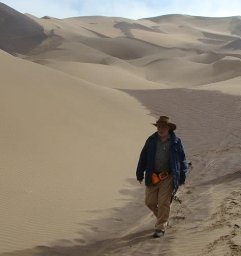 Pablo Ortega-Baes合作论文数Universidad Nacional de Salta Laboratorio de Investigaciones Botánicas (LABIBO),, Facultad de Ciencias Naturales5
 Nguyen Viet Long合作论文数Department of Materials Science and Engineering, Nagoya Institute of Technology4
 Elodie Rey合作论文数Biological and Environmental Sciences & Engineering Division (BESE),, King Abdullah University of Science and Technology (KAUST),3
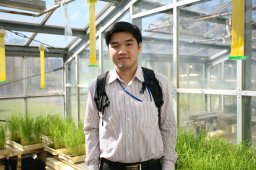 Chu Ha Duc合作论文数3Heather C. Warner合作论文数2
 Nhung Phan合作论文数2Luis Sáez Tonacca合作论文数2
 Ricardo Alvarez-Flores合作论文数2Luz Gomez-Pando合作论文数2
 Hoang Thai Dinh合作论文数Fac Agron, Vietnam Natl Univ Agr2
 Santiago Peredo Parada合作论文数2
 Vanessa Melino合作论文数Center for Desert Agriculture and Division of Biological and Environmental Sciences and Engineering, King Abdullah University of Science and Technology (KAUST),;email: vanessa.melino@kaust.edu.sa.;Center for Desert Agriculture and Division of Biological and Environmental Sciences and Engineering, King Abdullah University of Science and Technology (KAUST),2
 McKeown Peter C合作论文数2
 Joffre Richard合作论文数Centre d'Ecologie Fonctionnelle & Evolutive2Anabel Pallaro合作论文数School of Pharmacy and Biochemistry, University of Buenos Aires2
 Thierry Winkel合作论文数IRD2
 Charles Spillane合作论文数Institute of Plant Biology, University of Zürich2
 Silvina Mariela Vidueiros合作论文数School of Pharmacy and Biochemistry, University of Buenos Aires2
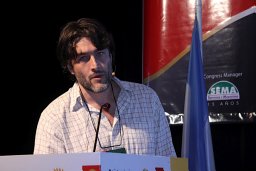 Diego Batlla合作论文数Catedra de Cerealicultura;Facultad de Agronomõ ´ a;Universidad de Buenos Aires;Facultad de Agronomõ ´ a, Universidad de Buenos Aires2
 Carmen Del Castillo合作论文数Department of Pharmacology, Technology and Pharmaceutical Development, University CEU San Pablo2
 Pablo Cruz合作论文数2Shahid Iqbal合作论文数1a j andrade合作论文数1D. Medan合作论文数1Didier Bazile合作论文数1maite mas serra合作论文数1Diego Lopez Spahr合作论文数1
 Diana Ceccato合作论文数1diana ceccato合作论文数1Jesús Sajama合作论文数1Yuan-Yuan Li合作论文数1Gabriele M Fiene合作论文数1
 Sergio Jorge Bramardi合作论文数1Tereza Pospíšilíková合作论文数1Tyler Kohlert合作论文数1Kristin K. Durrant合作论文数1
 Clara S. Stanschewski合作论文数1Aj Hall合作论文数1
 Carla Colque-Little合作论文数1
 Christian Andreasen合作论文数Department of Plant and Environmental Sciences, Faculty of Science, University of Copenhagen1
 Daniel Buchvaldt Amby合作论文数Department of Plant and Environmental Sciences, Exercise and Sports, Faculty of Science, University of Copenhagen1
 Eulogio De La Cruz Torres合作论文数1Dilan S R Patiranage合作论文数1




