BACKGROUND:The Commission on Cancer (CoC) implemented 6 operative standards to reduce technical variation in cancer surgery. Although designed to guide surgeons in performing key oncologic techniques, these standards also provide a framework for teaching high-quality cancer surgery to trainees. We assessed surgical trainees' familiarity with the CoC Operative Standards and the underlying principles of cancer surgery to identify knowledge gaps and opportunities for improved education. STUDY DESIGN:The American College of Surgeons Cancer Surgery Standards Program distributed an anonymous survey to general surgery residents and surgical fellows across the US. Questions addressed the CoC Operative Standards and cancer surgery principles, with scores calculated on the basis of correctness. Univariate logistic regression evaluated associations between trainee or program characteristics and knowledge. Trainees were also asked about their role in procedural documentation, given the synoptic operative report requirements of the standards. RESULTS:A total of 244 surveys were completed by 205 residents and 39 fellows. Fellows reported greater familiarity with the CoC Operative Standards (68% vs 24%, p < 0.001). Only 30% of trainees reported receiving a formal curriculum on the standards. Correct response rates were 30% for CoC Operative Standards questions vs 50% for cancer surgery principles, with minimal association between knowledge and trainee or program characteristics. Most residents (71%) reported contributing to operative documentation. CONCLUSIONS:Surgical trainees demonstrated limited knowledge of the CoC Operative Standards, highlighting the need for multifaceted educational strategies at the national and institutional levels. Incorporating education about the CoC Operative Standards into surgical training can help emphasize the importance of performing and documenting critical elements of cancer operations.
Objective:This study evaluated correlations between radiographic tumor response and pathologic response to neoadjuvant therapy in non-small cell lung cancer. Methods:All patients with stage IB-IV non-small cell lung cancer treated with neoadjuvant therapy and surgery between 2015 and 2025 in a large health system were included. Demographics, pathologic, treatment, and radiographic data were collected. Per Response Evaluation Criteria In Solid Tumors 1.1, patients were stratified by radiographic tumor size decrease ≥30% from baseline (objective radiographic response, ORR) versus decrease <30% (radiographic stable disease). Major pathologic response and pathologic complete response (pCR) were determined by pathologist review. Results:Among 79 patients with computed tomography scans taken before neoadjuvant therapy and before surgery, 63 patients had pathologic tissue evaluation, with 44% (n = 35) showing ORR. Patients with ORR were more likely to attain pCR (33% vs 10%, P = .048) and had lower mean percentage residual viable tumor (19% vs 33%, P = .030). Radiographic size and positron emission tomography maximum standardized uptake value decrease demonstrated linear associations with lower percentage of residual viable tumor after neoadjuvant therapy (R2 = 0.14, P = .0049 and R2 = 0.28, P = .0025, respectively). Among patients with ORR, 43% (10/23) did not have major pathologic response, reflecting persistent viable tumor in many patients with ORR. Programmed cell death ligand 1 status, tumor histology, and specific neoadjuvant treatments were not associated with radiographic or pathologic response. Conclusions:Radiographic reduction in tumor size and decreased PET SUVmax were significantly associated with pCR after neoadjuvant therapy. Although most patients with ORR attained pCR, viable tumor persisted in some patients with ORR and, conversely, there were some patients who had complete or major pathologic response despite radiographic stability after neoadjuvant therapy. Our findings demonstrate that radiographic response can reflect pathologic response, and with further validation, may provide an objective marker for long-term outcomes.
Importance:Innovations in both the surgical and medical management of breast cancer over the past few decades have led to reductions in treatment-related morbidity and increases in overall survival. Despite these advancements in traditional therapies, including surgery, chemotherapy, radiation, endocrine therapy, and immunotherapy, a subset of patients continues to choose complementary and alternative medicine (CAM). Objective:To describe the association of CAM with survival in patients with breast cancer. Design, Setting, and Participants:This cohort study analyzed data from the National Cancer Database on female patients diagnosed with breast cancer from 2011 through 2021. Survival time was compared among patients who received traditional treatment, traditional treatment and CAM, and no treatment. Data were analyzed from May 2025 to December 2025. Exposure:Complementary or alternative treatment, defined in the NCDB as treatment administered by nonmedical personnel. Main Outcomes and Measures:The primary outcome was 5-year survival. Unadjusted 5-year survival was assessed by Kaplan-Meier analysis, and adjusted survival was assessed with a Cox proportional hazards model controlled for age, race and ethnicity, Charlson Comorbidity index, insurance type, facility type, region, year of diagnosis, cancer stage, and income. Results:Of 2 169 202 female patients with breast cancer identified, 2 157 219 (median [IQR] age, 62 [52-71] years) were included in the sample. A total of 2 106 665 patients (97.6%) received traditional therapy, 273 (<0.1%) received CAM alone, 568 (<0.1%) received a combination of CAM and traditional therapies, and 49 713 (2.3%) received no treatment. Compared with patients treated with traditional therapies, those treated with CAM alone (adjusted hazard ratio [AHR], 3.67; 95% CI, 3.03-4.44; P < .001) or no treatment (AHR, 3.53; 95% CI, 3.48-3.58; P < .001) had the highest risks for mortality. Patients who received a combination of traditional therapies and CAM were less likely to receive endocrine therapy (eg, 40.7% vs 65.2% in stage II; P < .001) and radiation (59.5% vs 36.6% in stage II; P < .001) compared with patients treated exclusively with traditional therapies. Receipt of a combination of traditional therapies and CAM was associated with a higher mortality compared with being treated exclusively with traditional therapy (AHR, 1.45; 95% CI, 1.22-1.72; P < .001). Conclusions and Relevance:In this cohort study of data from female patients with breast cancer included in the NCDB, the use of CAM instead of traditional therapies was uncommon but was associated with a reduction in survival time. Further study is warranted.
8054 Background: The role of immunotherapy in non-metastatic EGFR-and ALK-mutated lung cancer is limited, in part because of a lack of efficacy, and partly because of the high response rates to mutation-targeting therapies. However, a subset of immunotherapy-responsive lung cancers may be cured, but only if immunotherapy is included in the treatment strategy. Therefore, a blanket exclusion of all EGFR-and ALK-mutated patients from immunotherapy may restrict a small subset of patients from a potentially curative option. Our objective was to determine the rate of highly immunotherapy-responsive tumors harboring EGFR and ALK mutations. Methods: Adult patients in the NCDB with clinical stage I-III NSCLC diagnosed between 2021 and 2023 and treated with neoadjuvant chemoimmunotherapy followed by definitive surgery (wedge resection, segmentectomy, lobectomy, or pneumonectomy) were included. Outcomes were pathologic complete response (pCR, defined as pathologic T0N0 after definitive resection) and nodal downstaging (pathologic N lower than clinical N stage). Covariates of interest for univariate analyses and multivariable logistic regression were year of diagnosis, region, age, sex, race/ethnicity, insurance, Charlson-Deyo score, clinical stage, and receipt of neoadjuvant immunotherapy. Results: Of 3,107 eligible patients, 1,133 (36.4%) were tested for EGFR and/or ALK mutations. Overall, 132 (11.7%) patients were found to have mutation(s) in EFGR (99 patients), ALK (27 patients) or both (6 patients). Among those with cN1-3 tumors, nodal downstaging was observed in 57.4% of patients with EGFR/ALK mutations and 74.2% of wild-type patients (p<0.001). The rate of pCR was 16.7% in EGFR-/ALK-mutated patients, and 30.9% in wild-type patients (p<0.001). Higher tumor grade was associated with significantly higher odds of pCR in EGFR/ALK wild-type patients (OR 2.448, 95% CI 1.58-3.89, p<0.001), but not in EGFR-/ALK-mutated patients (OR 2.63, 95% CI 0.37-18.74, p=0.33). Conclusions: While a less common practice, neoadjuvant chemoimmunotherapy in patients with EGFR-/ALK-mutated NSCLC demonstrated a pCR rate of 17% in this large real-world NCDB cohort. Further study on the role of neoadjuvant chemoimmunotherapy for this population is indicated given the potential for curative response, particularly in patients with mutations lacking effective targeted therapy. Mutation Type EGFR/ALKwild-type (n=1152) EGFR-/ALK- mutated (n=132) p EGFR (n=105) Exon 18, 19, 20, and/or 21 54 (51.4%) Other exon 11 (10.5%) ALK (n=33) EML4-ALK, KIF5B-ALK, TFG-ALK, and/or KLC1-ALK 13 (39.4%) Other rearrangement 10 (30.3%) Response Outcomes Nodal Downstaging (pN < cN), cN1-3 patients only 482/650 (74.2%) 50/87 (57.4%) <0.001 Complete Pathologic Response (ypT0N0) 356 (94.2%) 22 (16.7%) <0.001
BACKGROUND Primary thymic neuroendocrine neoplasms (TNEN) are rare and understudied. Here we assess TNEN treatment and prognosis in the United States. METHODS TNEN diagnosed between 2004 and 2023 in the National Cancer Database was compared to thymic carcinoma and thymoma. Stage was abstracted into TNM AJCC 8th Edition. Survival was modeled by Kaplan-Meier analysis and Cox proportional hazards. RESULTS 1,029 TNEN cases were compared to 14,641 thymoma and 5,100 thymic carcinoma. 579 (56.3%) TNEN patients had surgery, 398 (38.7%) received chemotherapy, and 57 (5.5%) underwent radiation. TNEN presented as localized stage [379 (36.8%)] more often than thymic carcinoma [1386 (27.2%), p<0.001], but less than thymoma [7798 (53.3%), p<0.001]. Five-year survival of surgically resected TNEN was 77.1% (86.1% for thymoma and 65.9% for thymic carcinoma, p<0.001). Resected typical and atypical carcinoids exhibited similar 5-year survival (90.5% vs 85.6%), which was higher than neuroendocrine carcinoma (76.7%, p=0.01). Survival was higher with definitive surgical management for both localized (HR 4.76, 95% CI 2.89-7.81, p<0.001) and advanced tumors (HR 2.26, 95% CI 1.56-3.27, p<0.001). CONCLUSIONS Compared to thymoma and thymic carcinoma, TNEN has an intermediate prognosis, varying based on histology and resectability. Definitive surgical resection is associated with more favorable prognosis in all stages.
BACKGROUND:Radiation following chemoimmunotherapy is not currently a standard treatment approach for Stage III non-small cell lung cancer (NSCLC). However, a need for this treatment scenario may arise in patients who underwent intended neoadjuvant chemoimmunotherapy but ultimately no resection. Here we evaluate the practice patterns and outcomes of radiation after chemoimmunotherapy as a nonsurgical option for stage III NSCLC patients. METHODS:Clinical Stage III NSCLC patients diagnosed between 2018 and 2022 who received chemoimmunotherapy followed by thoracic radiation (or chemoradiation) were identified in the National Cancer Database. Characteristics were compared by Chi-squared test to patients receiving chemoimmunotherapy alone, chemoradiation followed by immunotherapy, or chemoimmunotherapy followed by surgery. Three-year overall survival was described with Kaplan-Meier curves. RESULTS:In total, 1293 stage III patients received chemoimmunotherapy followed by radiation, while 5382 received chemoradiotherapy followed by immunotherapy, 1921 received chemoimmunotherapy, and 745 received chemoimmunotherapy followed by surgery. Most (1145, 88.6%) chemoimmunotherapy followed by radiation patients received a total radiation dose of ≥ 54 Gy, and 90-day mortality after radiation was 5.3%. Chemoimmunotherapy followed by radiation patients were more often staged T4 (41.5% vs. 34.8%, P < .001) or N3 (26.2% vs. 20.5%, P < .001) compared to chemoradiation/immunotherapy. Three-year overall survival was 51.7%. For reference, 3-year overall survival was 37.3% for chemoimmunotherapy alone, 56.0% for chemoradiation/immunotherapy, and 81.5% for chemoimmunotherapy/surgery. CONCLUSIONS:Radiation after chemoimmunotherapy appears to be a substantially utilized, safe, and potentially effective regimen for Stage III NSCLC. Further study is indicated to evaluate chemoimmunotherapy followed by radiation as an alternative nonsurgical option for clinical stage III patients.
BACKGROUND:The National Cancer Database (NCDB) captures 73.7% of newly diagnosed cancers in the USs and underpins thousands of outcomes studies informing oncologic practice. To remain relevant amid rapid therapeutic and policy changes, the NCDB has undergone substantial structural and variable-level revisions. We characterized major updates during the past decade and their implications for research. STUDY DESIGN:We performed a narrative review of annual NCDB data dictionary revisions, American College of Surgeons bulletins, and internal program updates in collaboration with NCDB leadership. Structural modifications, variable additions, and policy changes affecting data capture, follow-up, staging, and accessibility were systematically summarized. RESULTS:The NCDB now includes data from 1,413 Commission on Cancer-accredited hospitals and more than 55 million records. Since 2020, the Rapid Cancer Reporting System enables near-real-time monthly submissions. Embargo periods were reduced from 5 to 3 years for survival data and 2 years for other variables, increasing analytic timeliness. Follow-up was limited to 15 years beginning January 1, 2022. Variable refinements include continuous tumor size in millimeters (since 2016), separation of tumor grade into clinical, pathologic, and posttherapy fields (since 2018), phased radiation treatment reporting (since 2018), and American Joint Committee on Cancer eighth edition staging implementation in January 2018 with nineth edition rollout ongoing. New data elements include Medicaid expansion status (2020), COVID-19 variables (2020 to 2021; 12.4% reduction in cases in 2020), smoking status (2023), and planned programmed death-ligand 1 reporting for non-small cell lung cancer beginning in 2025. CONCLUSIONS:The NCDB has evolved toward more granular, contemporary, and policy-relevant data capture while maintaining broad national coverage. Investigators must account for staging transitions, variable maturation, follow-up limits, and registry-specific biases to ensure valid interpretation of NCDB-based research.
BACKGROUND:Prospective randomized trials have demonstrated noninferior survival between sublobar resection and lobectomy in healthy patients with non-small cell lung cancer with tumors ≤2 cm. However, some patient attributes are not well represented in randomized trials, and uncertainty remains in the widespread applicability of randomized trial nodal dissection protocols. METHODS:Patients with ≤2 cm, node-negative non-small cell lung cancer (cT1 N0) in The Society of Thoracic Surgeons prospective database were linked to Medicare survival data by using a probabilistic matching algorithm. Survival was assessed by propensity score-weighted Kaplan-Meier analysis. RESULTS:Overall, 20,031 patients were identified, including 11,976 patients who underwent lobectomy, 2586 who underwent segmentectomy, and 5469 who underwent wedge resection. Fewer lymph nodes were sampled in the sublobar resection group (mean, 5.5 vs 12.8), and pathologic upstaging was less common (7.1% vs 14.2%). Overall survival after sublobar and lobar resection was similar within groups understudied in recent trials, including age ≥75 years (P = .07), forced expiratory volume in 1 second of 10% to 59% (P = .14), and Zubrod performance status 2 to 3 (P = .23). When sublobar resection was performed with inadequate nodal evaluation (<2 nodes removed), survival was inferior to survival after lobectomy (P < .001). Among patients with nodal upstaging, lobectomy was not associated with improved survival over sublobar resection (P = .42). CONCLUSIONS:The clinical trial finding that sublobar resections achieve survival similar to that seen with lobectomy in early-stage lung cancer appears to apply to older, less healthy patients in a real-world setting, provided adequate lymph node resection is performed. Performing a lobectomy in the setting of nodal upstaging does not obviously improve survival. Further study is warranted to clarify the role of sublobar resection in the general population.
BACKGROUND:The Mesothelioma and Radical Surgery 2 (MARS 2) trial demonstrated no survival benefit from cytoreductive surgical resection over chemotherapy alone in resectable pleural mesothelioma. Using the National Cancer Database (NCDB), this study investigated the necessity of surgery for long-term survival in patients with mesothelioma. METHODS:The NCDB was queried for all adult patients with a diagnosis of malignant pleural mesothelioma between 2010 and 2018. Kaplan-Meier analysis compared survival across patient cohorts by treatment, including patients receiving chemotherapy who declined or forewent recommended surgical resection. Survival outcomes were compared with those in patients who underwent chemotherapy and surgical resection, with and without propensity score matching. RESULTS:Of 21,768 included patients, 9.4% (2045) survived ≥5 years. Among them, 1227 underwent surgical resection, and 708 did not receive any surgical intervention. Multivariable logistic regression modeling identified young age, treatment at an academic center, chemotherapy, epithelioid histologic type, and clinical stage I disease as characteristics associated with improved survival among nonsurgically treated patients. In propensity-matched cohorts, patients receiving chemotherapy and refusing surgical resection (n = 116) had nearly identical 5-year overall survival (OS) rates (16.4%; median OS, 22.9 months [interquartile range, 10.8-38.2 months]) as patients receiving chemotherapy and undergoing surgical resection (n = 232; 16.4% 5-year OS; median OS, 21.9 months [interquartile range, 11.6-50.9 months]; P = .77). CONCLUSIONS:NCDB data align with the randomized MARS 2 findings, showing that long-term survival without curative-intent surgical resection is possible for some patients with mesothelioma. Notably, more than 16% of chemotherapy-treated patients who declined surgical resection survived ≥5 years after diagnosis. Methods to identify patients who are most likely to achieve long-term survival on the basis of clinical or biologic features are needed to refine prognostication and guide treatment.
OBJECTIVE:To address variability in nodal staging during curative-intent lung cancer resections, the Commission on Cancer implemented Standard 5.8 in 2021, requiring lymph nodes be sampled from ≥3 mediastinal stations and ≥1 hilar station and documented in a synoptic pathology report. We assessed compliance data from recent site reviews to evaluate the early implementation of Standard 5.8 through a federally funded collaborative. METHODS:Hospital compliance rates with Standard 5.8 were extracted from a repository of site reviewers' documentation of Commission on Cancer site visits performed during 2022 and 2023. Each review included up to 7 randomly selected pathology reports eligible for the standard. For a site to be compliant, 5 of 7 pathology reports reviewed in 2022 must have met Standard 5.8, which increased to 6 of 7 reports in 2023 and beyond. RESULTS:Overall, 652 site visits occurred in 2022 and 2023. Sites without eligible cases (n = 148 [23%]) were excluded. Among 504 eligible sites, 272 (54%) were found compliant, and 232 (46%) were found noncompliant. Of noncompliant sites, the median percentage of pathology reports meeting the standard was 29%. From 2022 to 2023, the median percentage of adherent pathology reports increased; however, overall compliance rates dipped in 2023 as the threshold needed for site compliance rose. CONCLUSIONS:With almost half of Commission on Cancer-accredited sites noncompliant, there is a real opportunity to improve the quality of surgical lymph node evaluations. This aligns with growing efforts to support hospitals and surgeons with quality improvement tools and resources for Standard 5.8.
Introduction The management of stage IV non-small cell lung cancer (NSCLC) has been transformed by recent innovations. However, access to medical innovations can be variable across sociodemographic groups in the United States, which may affect the rate of outcome improvements. Our objective was to evaluate recent real-world gains in survival in stage IV NSCLC across sociodemographic groups. Methods The National Cancer Database was queried for treated stage IV NSCLC patients diagnosed between 2010 and 2020. Data was analyzed in 3 eras (2010-2013, 2014-2017, and 2018-2020). Two-year survival was assessed by Kaplan Meier method. Adjusted mortality risk was calculated by stratified Cox analysis. Results 393,586 stage IV NSCLC patients received treatment. Chemotherapy administration decreased (64.8% to 25.1%), radiation decreased (54.3% to 27.6%) while immunotherapy increased (2.0% to 51.8%). Between eras 1 and 3, median survival increased by 53.7% (6.7 to 10.3 months), however not all groups improved at the same pace. Median survival for Hispanic patients increased by 81% (8.3 to 15.0 months), while non-Hispanic blacks increased from 6.7 to 10.3 months (54.7%) and Non-Hispanic Whites increased from 6.6 to 9.6 months (46.7%). The median survival of uninsured patients increased from 5.8 to 7.2 months (24.1%), while private-insurance patients increased from 8.6 to 14.7 months (70.9%). Conclusions The survival of treated stage IV NSCLC patients has improved considerably over the past decade. However, the expected survival and pace of improvement differ across sociodemographic groups. Further studies to understand this outcome variability may enhance the effectiveness and equity of NSCLC treatment.
Cigarette smoke (CS) creates a "cancer field" in the lung that promotes malignant transformation. The molecular changes within this field are not fully characterized. We examined the significance of microRNA-1 (miR-1) downregulation as one of these changes. We found that tumor miR-1 levels in three non-small cell lung cancer cohorts show inverse correlations with the smoking burden. Lung MiR-1 levels follow a spatial gradient, have prognostic significance, and correlate inversely with the molecular markers of injury. In CS-exposed lungs, miR-1 is specifically downregulated in the endothelium. Exposure to CS induces angiogenesis by selectively degrading mature miR-1 via a vascular endothelial growth factor-driven pathway. Applying a multi-step molecular screen, we identified angiogenic genes regulated by miR-1 in the lungs of smokers. Knockdown of one of these genes, Notch homolog protein 3, simulates the anti-angiogenic effects of miR-1. These findings suggest that miR-1 can be used as an indicator of malignant transformation.
BACKGROUND:The Elixhauser (ECI) and Charlson-Deyo (CCI) comorbidity indices are two well-established measures used for assessing clinical prognosis and adjusting comorbidities in research. However, the optimal index is unclear within thoracic surgery. This study comparatively evaluates their effectiveness in predicting short-term outcomes (in-hospital mortality, complications, nonroutine discharge, and 30-/90-day readmissions) in minimally invasive pulmonary lobectomy (MIL) and minimally invasive Ivor Lewis esophagectomy (MIE). METHODS:Using the Healthcare Cost and Utilization Project National Readmission Database (2016-2018), MIL and MIE were identified using International Classification of Diseases, 10th Edition codes. Multivariable logistic regression models were constructed. The discriminative ability was quantified using the area under the receiver operating characteristic curve (AUC). The acceptable discriminative ability was defined as AUC > 0.70. RESULTS:CCI better predicted mortality (AUC 0.7866; 95% CI, 0.7549-0.8182) compared to ECI (AUC 0.7561; 95% CI, 0.7214-0.7908, p = 0.003) for MIL. The CCI marginally predicted nonroutine discharge (AUC 0.6427; 95% CI, 0.6362-0.6492 vs. ECI AUC 0.6399; 95% CI, 0.6333-0.6464, p = 0.01). In the MIE cohort, both the indices predicted mortality well (ECI 0.8038; 95% CI 0.7458-0.8618 vs. CCI 0.7969; 95% CI 0.7393-0.8546, p = 0.67). Neither index had acceptable discriminative ability for other outcomes. CONCLUSIONS:Based upon two commonly performed index thoracic procedures, the outcomes may differ by comorbidity measure employed and by surgery type, suggesting the need for careful selection of index, especially once patients are deemed fit for surgery. The CCI is superior in predicting mortality in patients with MIL. Both CCI and ECI are suitable for MIE. Furthermore, with the recent implementation of an updated ECI incorporating ICD-10 coding, these findings support the durability and robustness of the new ECI. Future research investigating their performances in predicting long-term outcomes in thoracic surgery may be warranted.
BACKGROUND:The operative standard for melanoma, implemented by the Commission on Cancer (CoC), addresses margin width and excision depth, but does not collect information on sentinel lymph node biopsy (SLNB). However, SLNB, an implemented technical standard in breast cancer, is also critical in the management of melanoma through its impact on nodal staging. This study aimed to characterize the current facility-level variation in nodal yield and nodal positivity to determine if there is an opportunity for improvement through standardization. PATIENTS AND METHODS:Using the National Cancer Database, we identified patients with T1b-T4 melanoma of the trunk and upper extremities who underwent SLNB from 2018 to 2022. Reliability-adjusted estimates for nodal yield and nodal positivity were calculated using Poisson regression and logistic regression with random intercepts for hospitals. RESULTS:We identified 48,653 melanoma patients from 1167 facilities. SLNB median nodal yield was 2.4 (IQR 2.2-2.7), ranging from 1.4 to 7.0. SLNB median nodal positivity was 18.0% (IQR 17.1-19.5%), ranging from 11.6 to 40.5%. A weak correlation between nodal yield and nodal positivity was observed (Spearman correlation coefficient = 0.08, p = 0.009). CONCLUSIONS:Facility-level variation in nodal yield was minimal and weakly correlated with nodal positivity. This suggests that SLNB performed for melanoma of the trunk and upper extremities is well standardized across CoC hospitals in the absence of a defined operative standard. Future efforts to improve the quality of melanoma nodal surgery may be best focused on technical elements of other procedures, such as lymphadenectomy or more novel lymph node dissection approaches following neoadjuvant therapy.
BACKGROUND:Evidence supports an association between social determinants of health and surgical outcomes. Still, there is a gap in the literature on point-of-care, patient-level social needs data in the perioperative period. This study used a routine bedside screening tool to assess the independent association of patient-reported health-related social needs with surgical complications. METHODS:This was a retrospective study of patients undergoing elective major thoracic or abdominal surgery across a statewide health care system. Upon admission for elective surgery, patients were screened for 4 core health-related social need domains on the basis of the Accountable Health Communities Health-Related Social Needs Screening Tool (January 2022 to June 2023). These data were linked with internal databases collected for the Society of Thoracic Surgeons General Thoracic Surgery Database and the National Surgical Quality Improvement Program. The primary outcome was any 30-day postoperative complication. RESULTS:Of 1,172 patients screened, 356 underwent thoracic surgery, and 816 underwent abdominal surgery. In total, 6.1% (n = 72) reported at least 1 health-related social need. On adjusted analysis, patients with at least 1 health-related social need had 1.8 times the odds of any 30-day complication than patients without health-related social needs (odds ratio, 1.78; 95% confidence interval, 1.02-3.11; P = .043). Patients with at least 1 health-related social need domain had more extended hospital stays (median, days, 4.5 vs 4.0; P = .048) and were less likely to be discharged to a permanent residence (15.3% vs 5.5%, P < .001). CONCLUSION:This is the first study to evaluate the association of health-related social needs, obtained from the AHC health-related social need Screening Tool, with surgical outcomes, finding that patients who reported health-related social needs were more likely to experience complications after major surgery. Future studies should investigate the individual health-related social needs driving inequities in surgical care to inform the design of preoperative interventions.
8072 Background: The immunotherapy era has led to a resurgence of interest in surgical management of clinical Stage III non-small cell lung cancer (NSCLC). However, patient eligibility or interest in surgery may decline after neoadjuvant treatment, leaving many in need of a non-operative form of local therapy. Here we evaluate outcomes of definitive radiation after chemoimmunotherapy as a potential nonsurgical option for stage III NSCLC patients. Methods: Clinical Stage III lung adenocarcinoma and squamous cell carcinoma patients diagnosed in the National Cancer Database between 2017 and 2021 who received chemoimmunotherapy followed by thoracic radiation within 20 weeks were included. Patients receiving any palliative therapies were excluded. Three-year overall survival was assessed by Cox proportional hazards models and by the Kaplan-Meier method, after landmarking at 10 weeks (median time from immunotherapy to radiation). Propensity-matching was performed 2:1 on year, age, sex, race/ethnicity, Charlson-Deyo score, insurance, region, facility type, histology, and clinical T and N stage. Results: 873 patients were treated with radiation after chemoimmunotherapy. Over 90% received a total radiation dose of at least 50 Gy, and 90-day mortality after initiation of radiation was 4.9%. To evaluate radiation as a local therapy after chemoimmunotherapy, these patients were compared to those who received chemoimmunotherapy only (Table). Patients receiving radiation were less likely to have T4 tumors (37.7% vs. 44.2%, p<0.0001) but had a similar proportion of N3 tumors (28.2% vs. 29.9%, p=0.73) compared to chemoimmunotherapy alone. Three-year overall survival of propensity-matched patients was superior in the radiation group (50.8%) versus chemoimmunotherapy alone (35.9%, p<0.001). In a Cox model, the addition of radiation was associated with lower mortality risk (HR 0.66, 95% 0.58-0.84, p<0.0001) compared to chemoimmunotherapy alone. Conclusions: Radiation after chemoimmunotherapy appears to be a safe and effective regimen for Stage III NSCLC. Further study is indicated to evaluate radiation as a nonsurgical option for clinical stage III patients who begin with chemoimmunotherapy but do not progress to surgery. Characteristics and survival of patients receiving chemoimmunotherapy with or without subsequent radiation. Chemoimmunotherapy followed by radiation(n=873) Chemoimmunotherapy only (n=1408) P (Chi-squared or Wilcoxon rank sum) Age (median, IQR) 67 (60-73) 69 (62-75) <0.0001 Female 369 (42.3%) 667 (47.4%) 0.02 Charlson-Deyo ≥ 2 131 (15.0%) 242 (17.2%) 0.34 Adenocarcinoma 463 (54.0%) 886 (62.9%) <0.0001 Stage 3A 350 (40.1%) 579 (41.1%) 0.78 Stage T4 329 (37.7%) 622 (44.2%) 0.0022 Stage N3 255 (29.2%) 421 (29.9%) 0.73 3-Year Survival* 489 (56.0%) 630 (44.7%) <0.0001 For reference: 3-year survival of immunotherapy after chemoradiation for Stage III NSCLC in the PACIFIC trial was 57%.
 Frank Detterbeck合作论文数Yale Department of Surgery, Yale School of Medicine, Yale University77
 Anthony W. Kim合作论文数Department of Cardiovascular-Thoracic Surgery;Rush University;Medical Center;Medical Center, Rush University66
 Justin D. Blasberg合作论文数Yale Department of Surgery, Yale School of Medicine, Yale University53
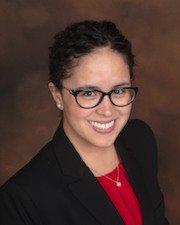 Michelle C Salazar合作论文数Natl Clinician Scholars Program, Yale Univ40
 Maureen Canavan合作论文数General Internal Medicine, Internal Medicine, Yale School of Medicine, Yale University39
 Resio Benjamin合作论文数30
 Jessica R Hoag合作论文数ICON Plc27
 Theresa Ermer合作论文数21
 Roy H. Decker合作论文数School of Medicine, Yale University20
 Rosen Joshua E合作论文数School of Medicine, Yale University20Bryan Palis合作论文数18Andrew P Dhanasopon合作论文数18
 Zuoheng A. Wang合作论文数Computational Biology and Bioinformatics, Biological & Biomedical Sciences, Yale University18
 Heidi Nelson合作论文数Department of Surgery, Mayo Clinic18
 Scott Gettinger合作论文数Yale School of Medicine17Andrew X Li合作论文数15Peter L Zhan合作论文数15
 Brooks Udelsman合作论文数14
 Lynn Tanoue合作论文数Pulmonary, Critical Care & Sleep Medicine, Internal Medicine, Yale School of Medicine, Yale University14Onaitis Mark W合作论文数14
 Sarah Goldberg合作论文数Section of Medical Oncology, Department of Internal Medicine, School of Medicine, Yale University;Center for Thoracic Cancers, Yale University13Richard C Maduka合作论文数12
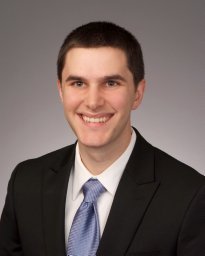 Brian N Arnold合作论文数Department of Surgery, Yale School of Medicine12
 Andrzej S. Kosinski合作论文数Department of Biostatistics and Bioinformatics, Duke University School of Medicine12Vincent J Mase合作论文数11Timothy W Mullett合作论文数11
 Matthew Pichert合作论文数School of Medicine, Yale University11
 Caturegli Giorgio合作论文数11
 Cameron Wright合作论文数Mass General Research Institute, Massachusetts General Hospital;Division of Thoracic Surgery, Massachusetts General Hospital;Harvard Medical School, Harvard University10
 Jeffrey P Jacobs合作论文数Department of Surgery, College of Medicine, University of Florida Health;Congenital Heart Center, College of Medicine, University of Florida Health;Shands Children's Hospital, University of Florida Health10Joe B. Putnam合作论文数10
 Roy S. Herbst合作论文数Yale Cancer Center, School of Medicine, Yale University10
 Manikkam Suthanthiran合作论文数Weill Cornell Medicine, Cornell University;Department of Transplantation Medicine, The New York-Presbyterian-Weill Cornell Medical Center;Division of Nephrology and Hypertension, The New York-Presbyterian-Weill Cornell Medical Center10Joseph Cotler合作论文数9
 Leticia Nogueira合作论文数Surveillance and Health Equity Sciences, American Cancer Society9Patricia Agnes Cowper合作论文数Department of Medicine, Duke University School of Medicine9
 Pathak Ranjan合作论文数Department of Medicine, Reading Health System9
 Daniel Christopher Thomas合作论文数9
 Gavitt Woodard合作论文数Surgery, Stanford University9
 Anthony P Furnary合作论文数9
 Felix Fernandez合作论文数Department of Medicine, Emory University School of Medicine;Division of Cardiothoracic Surgery, Department of Surgery, Emory University School of Medicine9Lauren M. Janczewski合作论文数8Samantha L Walters合作论文数8Michael Kaminski合作论文数8
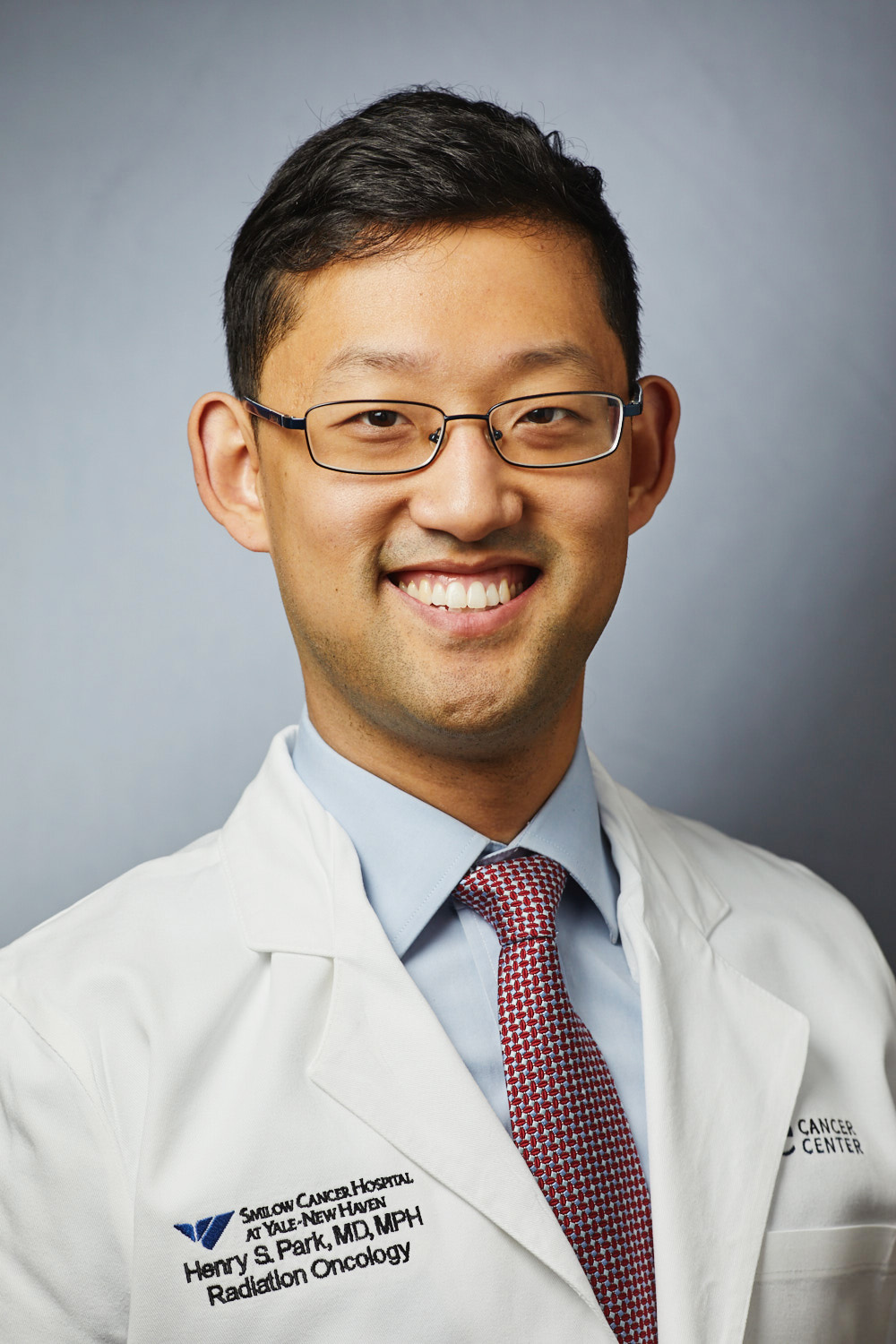 Henry S. Park合作论文数Department of Therapeutic Radiology/Radiation Oncology, Yale University8
 Jonathan Puchalski合作论文数Pulmonary, Critical Care & Sleep Medicine, Internal Medicine, Yale School of Medicine, Yale University8Hancock Jacquelyn G合作论文数8
 David Rimm合作论文数Departments of Pathology, Yale University School of Medicine;Yale Cancer Center Tissue Microarray Facility, Yale University School of Medicine8Betty C. Tong合作论文数8




