e23177 Background: Although mortality risk prediction is essential in oncology, risk determinants vary widely across cancer types and patient characteristics, rendering population-level prediction challenging. While traditional statistical and machine learning (ML) approaches have shown encouraging results, the effectiveness of ML and large language models (LLMs) for near and long-term cancer mortality prediction remains unknown. We sought to assess the mortality prediction of these different models for multiple timepoints in a heterogeneous cancer population. Methods: We conducted a retrospective cohort study using electronic health record (EHR) data from Yale New Haven Health, with follow-up through 6/30/25. Patients with any first cancer diagnosis on or after 1/2019 were included. One post-diagnosis encounter was randomly selected as the index visit, excluding visits within 7 days of death. The final cohort was randomly divided into training, validation, and test sets. Structed demographics, laboratory, and diagnostic comorbidity codes were included in training models and derived from the 180 days preceding the index visit. Outcomes included mortality at 30 and 180 days after index visit. We assessed logistic regression (LR), ML model (XGBoost), and LLM (GPT-4o) for prediction of mortality. LR and XGBoost were trained on the full training set, whereas GPT-4o was not trained on patient data and evaluated using zero-shot inference and limited in-context learning (ICL) with five example patients, within a secure environment. Model performance was compared using area under the receiver operating characteristic curve (AUROC), sensitivity, and specificity with higher values indicating better performance. Results: Our cohort included 82,662 individuals with a median follow-up of 23.4 months after their index date. 15,152 (18.33%) of individuals died during our study period. The most common diagnoses were prostate (14.5%), breast (12.4%), and lung (6.8%). Fully trained ML models achieved the highest AUROC, while untrained LLMs (0-shot) showed meaningful performance and improved with minimal ICL, approaching traditional and ML methods (Table). Conclusions: Our findings highlight the importance of assessing both short- and longer-term mortality, as model performance differed across timepoints. LLMs captured clinically relevant risk signals from structured EHR data even without task-specific training, with further improvement using minimal ICL. While ML achieved the best performance after supervised training, LLMs show promise for mortality prediction and integration into EHR-based clinical decision support. Performance of models for mortality prediction. Model Time (days) AUROC Sensitivity Specificity LR 30 0.90 0.81 0.84 180 0.87 0.74 0.82 XGBoost 30 0.92 0.38 0.98 180 0.89 0.59 0.93 GPT-4o (0-shot) 30 0.87 0.90 0.70 180 0.83 0.81 0.73 GPT-4o (ICL) 30 0.88 0.85 0.80 180 0.84 0.75 0.80
8054 Background: The role of immunotherapy in non-metastatic EGFR-and ALK-mutated lung cancer is limited, in part because of a lack of efficacy, and partly because of the high response rates to mutation-targeting therapies. However, a subset of immunotherapy-responsive lung cancers may be cured, but only if immunotherapy is included in the treatment strategy. Therefore, a blanket exclusion of all EGFR-and ALK-mutated patients from immunotherapy may restrict a small subset of patients from a potentially curative option. Our objective was to determine the rate of highly immunotherapy-responsive tumors harboring EGFR and ALK mutations. Methods: Adult patients in the NCDB with clinical stage I-III NSCLC diagnosed between 2021 and 2023 and treated with neoadjuvant chemoimmunotherapy followed by definitive surgery (wedge resection, segmentectomy, lobectomy, or pneumonectomy) were included. Outcomes were pathologic complete response (pCR, defined as pathologic T0N0 after definitive resection) and nodal downstaging (pathologic N lower than clinical N stage). Covariates of interest for univariate analyses and multivariable logistic regression were year of diagnosis, region, age, sex, race/ethnicity, insurance, Charlson-Deyo score, clinical stage, and receipt of neoadjuvant immunotherapy. Results: Of 3,107 eligible patients, 1,133 (36.4%) were tested for EGFR and/or ALK mutations. Overall, 132 (11.7%) patients were found to have mutation(s) in EFGR (99 patients), ALK (27 patients) or both (6 patients). Among those with cN1-3 tumors, nodal downstaging was observed in 57.4% of patients with EGFR/ALK mutations and 74.2% of wild-type patients (p<0.001). The rate of pCR was 16.7% in EGFR-/ALK-mutated patients, and 30.9% in wild-type patients (p<0.001). Higher tumor grade was associated with significantly higher odds of pCR in EGFR/ALK wild-type patients (OR 2.448, 95% CI 1.58-3.89, p<0.001), but not in EGFR-/ALK-mutated patients (OR 2.63, 95% CI 0.37-18.74, p=0.33). Conclusions: While a less common practice, neoadjuvant chemoimmunotherapy in patients with EGFR-/ALK-mutated NSCLC demonstrated a pCR rate of 17% in this large real-world NCDB cohort. Further study on the role of neoadjuvant chemoimmunotherapy for this population is indicated given the potential for curative response, particularly in patients with mutations lacking effective targeted therapy. Mutation Type EGFR/ALKwild-type (n=1152) EGFR-/ALK- mutated (n=132) p EGFR (n=105) Exon 18, 19, 20, and/or 21 54 (51.4%) Other exon 11 (10.5%) ALK (n=33) EML4-ALK, KIF5B-ALK, TFG-ALK, and/or KLC1-ALK 13 (39.4%) Other rearrangement 10 (30.3%) Response Outcomes Nodal Downstaging (pN < cN), cN1-3 patients only 482/650 (74.2%) 50/87 (57.4%) <0.001 Complete Pathologic Response (ypT0N0) 356 (94.2%) 22 (16.7%) <0.001
Objective Prognosis of lung cancer with single metastatic sites in the era of immunotherapy remains poorly described. We used the National Cancer Database to assess how metastatic site and the use of local therapy with systemic immunotherapy is associated with prognosis in the United States. Methods Patients with clinical stage IVA lung cancer treated with immunotherapy were identified in the National Cancer Database (2018-2023). Patients were stratified by metastatic site and treatment: systemic immunotherapy with or without local therapy (immunotherapy + local therapy or immunotherapy). Prognosis was evaluated using Kaplan–Meier and Cox survival analysis landmarked at median time from diagnosis to local therapy. Results Among included patients (N = 20,214), metastases included lung (N = 5308; 26.3%), brain (N = 3516; 17.4%), bone (N = 3142; 15.5%), distant lymph node (N = 1219; 6.0%), liver (N = 874; 4.3%), and other metastases (N = 6155; 30.4%). A total of 13,890 patients (68.7%) were treated with immunotherapy, and 6324 patients (31.3%) were treated with immunotherapy + local therapy (70.2% received chemotherapy, 27.2% radiation, and 9.8% surgery). Poor 5-year overall survival was associated with bone (20.9%) and liver (15.9%) metastases compared with brain (33.4%). Five-year survival was greater in patients selected for local therapy (30.3% vs 20.5%, P < .001); thoracic and extrathoracic local therapy was associated with greater overall survival compared with extrathoracic local therapy alone (37.7% vs 28.2%, P < .001). Differences in 5-year survival with local therapy varied by metastatic site (10.4% lung, 7.1% brain, 0.1% liver). Conclusions The addition of local therapy to a systemic regimen containing immunotherapy was common for patients with single metastatic sites. Patients selected for local therapy had a more favorable prognosis, which varied by metastatic site.
OBJECTIVES:Potentially inappropriate medication prescribing remains a common and preventable source of adverse drug events among older adults, particularly during transitions of care such as ED discharge. We assessed the prevalence and trends of older adults with high-risk medication fills based on the Geriatric Emergency Medication Safety Recommendations (GEMS-Rx) list. METHODS:We conducted a cross-sectional study using the 2017-2022 Merative™ MarketScan® Medicare Database. We included ED visits by older adults (65+ years of age) discharged from the ED. The primary outcome was met if a GEMS-Rx medication was filled within 3 days of ED discharge. Multivariable logistic regression estimated associations between patient- and system-level factors and GEMS-Rx fill after ED discharge. RESULTS:Among 616,980 unique ED visits, 58,284 (9.4%; 95% CI: 9.4%-9.5%) had a GEMS-Rx medication filled within 3 days of discharge. In 2017, 13,746 (11%) ED encounters resulted in a GEMS-Rx medication fill within 3 days of ED discharge compared to 6,524 (7%) ED encounters in 2022. Medication fills declined over time, with each additional year associated with a lower odds of GEMS-Rx medication fills. Benzodiazepines (37%), first-generation antihistamines (22%), and skeletal muscle relaxants (11%) were the most frequently filled GEMS-Rx medication classes. Female sex (OR 1.43, 95% CI: 1.41-1.46) and younger age (75-84 years: OR 0.69, 95% CI: 0.68-0.71; ≥ 85 years: OR 0.47, 95% CI: 0.46-0.48) were associated with higher odds of receiving a GEMS-Rx medication. CONCLUSIONS:Nearly 1 in 10 older adults filled a high-risk GEMS-Rx medication within 3 days of ED discharge between 2017 and 2022. Despite a decline in GEMS-Rx medication fills over time, younger cohorts of older adults and females were more likely to fill a high-risk medication upon ED discharge. These findings highlight opportunities to continue improving geriatric medication safety through targeted education, decision support, and system-level interventions.
Intimate partner violence (IPV) and substance use are closely linked and pose significant risks during the perinatal period. American Indian and Alaska Native (AI/AN) women experience disproportionately high rates of IPV and inequities related to perinatal substance use outcomes, yet research is limited regarding timing of IPV exposure and how it relates to perinatal substance use. This study examined associations between IPV exposure before and during pregnancy and patterns of alcohol use and cigarette smoking across the perinatal and postpartum periods among AI/AN women. We analyzed pregnancy risk assessment monitoring system (PRAMS) data from 2016 to 2022 in a cross-sectional design. IPV exposure was categorized as occurring before pregnancy, during pregnancy, or both. Outcomes included alcohol use frequency, heavy drinking (≥ 8 drinks per week), and cigarette smoking before pregnancy, during pregnancy, and postpartum. Survey-weighted ordinal logistic and logistic regression models were used, adjusting for sociodemographic and pregnancy-related factors. Predicted probabilities were calculated. Exploratory analyses examined associations between partner race and IPV. AI/AN women reported higher prevalence of IPV before and during pregnancy (p < 0.001). In adjusted models, IPV before pregnancy was not associated with alcohol use frequency but was associated with higher odds of heavy drinking (aOR = 1.75, 95
BACKGROUND Primary thymic neuroendocrine neoplasms (TNEN) are rare and understudied. Here we assess TNEN treatment and prognosis in the United States. METHODS TNEN diagnosed between 2004 and 2023 in the National Cancer Database was compared to thymic carcinoma and thymoma. Stage was abstracted into TNM AJCC 8th Edition. Survival was modeled by Kaplan-Meier analysis and Cox proportional hazards. RESULTS 1,029 TNEN cases were compared to 14,641 thymoma and 5,100 thymic carcinoma. 579 (56.3%) TNEN patients had surgery, 398 (38.7%) received chemotherapy, and 57 (5.5%) underwent radiation. TNEN presented as localized stage [379 (36.8%)] more often than thymic carcinoma [1386 (27.2%), p<0.001], but less than thymoma [7798 (53.3%), p<0.001]. Five-year survival of surgically resected TNEN was 77.1% (86.1% for thymoma and 65.9% for thymic carcinoma, p<0.001). Resected typical and atypical carcinoids exhibited similar 5-year survival (90.5% vs 85.6%), which was higher than neuroendocrine carcinoma (76.7%, p=0.01). Survival was higher with definitive surgical management for both localized (HR 4.76, 95% CI 2.89-7.81, p<0.001) and advanced tumors (HR 2.26, 95% CI 1.56-3.27, p<0.001). CONCLUSIONS Compared to thymoma and thymic carcinoma, TNEN has an intermediate prognosis, varying based on histology and resectability. Definitive surgical resection is associated with more favorable prognosis in all stages.
BACKGROUND:Radiation following chemoimmunotherapy is not currently a standard treatment approach for Stage III non-small cell lung cancer (NSCLC). However, a need for this treatment scenario may arise in patients who underwent intended neoadjuvant chemoimmunotherapy but ultimately no resection. Here we evaluate the practice patterns and outcomes of radiation after chemoimmunotherapy as a nonsurgical option for stage III NSCLC patients. METHODS:Clinical Stage III NSCLC patients diagnosed between 2018 and 2022 who received chemoimmunotherapy followed by thoracic radiation (or chemoradiation) were identified in the National Cancer Database. Characteristics were compared by Chi-squared test to patients receiving chemoimmunotherapy alone, chemoradiation followed by immunotherapy, or chemoimmunotherapy followed by surgery. Three-year overall survival was described with Kaplan-Meier curves. RESULTS:In total, 1293 stage III patients received chemoimmunotherapy followed by radiation, while 5382 received chemoradiotherapy followed by immunotherapy, 1921 received chemoimmunotherapy, and 745 received chemoimmunotherapy followed by surgery. Most (1145, 88.6%) chemoimmunotherapy followed by radiation patients received a total radiation dose of ≥ 54 Gy, and 90-day mortality after radiation was 5.3%. Chemoimmunotherapy followed by radiation patients were more often staged T4 (41.5% vs. 34.8%, P < .001) or N3 (26.2% vs. 20.5%, P < .001) compared to chemoradiation/immunotherapy. Three-year overall survival was 51.7%. For reference, 3-year overall survival was 37.3% for chemoimmunotherapy alone, 56.0% for chemoradiation/immunotherapy, and 81.5% for chemoimmunotherapy/surgery. CONCLUSIONS:Radiation after chemoimmunotherapy appears to be a substantially utilized, safe, and potentially effective regimen for Stage III NSCLC. Further study is indicated to evaluate chemoimmunotherapy followed by radiation as an alternative nonsurgical option for clinical stage III patients.
Introduction The management of stage IV non-small cell lung cancer (NSCLC) has been transformed by recent innovations. However, access to medical innovations can be variable across sociodemographic groups in the United States, which may affect the rate of outcome improvements. Our objective was to evaluate recent real-world gains in survival in stage IV NSCLC across sociodemographic groups. Methods The National Cancer Database was queried for treated stage IV NSCLC patients diagnosed between 2010 and 2020. Data was analyzed in 3 eras (2010-2013, 2014-2017, and 2018-2020). Two-year survival was assessed by Kaplan Meier method. Adjusted mortality risk was calculated by stratified Cox analysis. Results 393,586 stage IV NSCLC patients received treatment. Chemotherapy administration decreased (64.8% to 25.1%), radiation decreased (54.3% to 27.6%) while immunotherapy increased (2.0% to 51.8%). Between eras 1 and 3, median survival increased by 53.7% (6.7 to 10.3 months), however not all groups improved at the same pace. Median survival for Hispanic patients increased by 81% (8.3 to 15.0 months), while non-Hispanic blacks increased from 6.7 to 10.3 months (54.7%) and Non-Hispanic Whites increased from 6.6 to 9.6 months (46.7%). The median survival of uninsured patients increased from 5.8 to 7.2 months (24.1%), while private-insurance patients increased from 8.6 to 14.7 months (70.9%). Conclusions The survival of treated stage IV NSCLC patients has improved considerably over the past decade. However, the expected survival and pace of improvement differ across sociodemographic groups. Further studies to understand this outcome variability may enhance the effectiveness and equity of NSCLC treatment.
306 Background: The receipt of SACT at EOL is associated with lower quality of life and higher healthcare use. However, research has focused on solid tumors or predates the advent of new drugs, such as immunotherapy (IO) and targeted therapy (TT). Despite historically intensive EOL care in hematologic cancers, little is known about contemporary patterns with novel therapies. We assessed the association between EOL SACT use and acute care use among older patients with hematologic cancers. Methods: We identified patients 66+ years in SEER-Medicare with 12 months of Part A/B/D coverage who were diagnosed with leukemia, lymphoma, or multiple myeloma 2005-2019 and died 2015-2020. We assessed differences in EOL outcomes (any ER visit, hospitalization, ICU stay, inpatient [IP] death, and hospice use) based on outpatient (OP) and/or inpatient SACT exposure within 30 days of death. We examined rates overall and by OP treatment type using chi-square tests and multivariable regression, adjusting for sociodemographic, comorbidity, and cancer covariates. Results: Among 40701 patients, 17.8% (7235) received SACT within 30 days of death. Compared with no SACT, EOL SACT use was associated with significantly higher rates of ER visits (75.4% vs 56.1%), admissions (80.3 vs 55.6%), ICU use (45.9% vs 27.7%), IP death (50.4% vs 30.6%), and lower rates of hospice (37.3% vs 55.1%) within 30 days of death. In multivariate logistic regression, EOL SACT was associated with higher odds of ER visits (OR [CI], 2.4 [2.2-2.5]), hospitalizations (3.1 [2.9-3.3]), ICU use (2.0 [1.9-2.2]), IP death (2.2 [2.1-2.3]), and lower odds of hospice 0.5 [0.5-0.5]) (all p < 0.001). Among 5711 patients who received OP SACT (14.0%), the use of chemotherapy (CT), IO, TT, CT+IO, and CT+TT were associated with more intensive EOL outcomes compared to no SACT use (p < 0.001). Conclusions: In the era of novel anticancer treatments, SACT use in older patients with hematologic cancers was associated with higher acute care use and lower hospice compared to no EOL SACT use in the last month of life. We assessed SACT and healthcare use without regard to sequence, suggesting that this association is part of a constellation of medicalized EOL care. Treatment Type ER visit Hospitalization ICU Admission IP Death Hospice Use Any IP/OP SACT (N = 7235) 2.4 (2.2-2.5) 3.1 (2.9-3.3) 2.0 (1.9-2.2) 2.2 (2.1-2.3) 0.5 (0.5-0.5) OP CT (N= 1502) 2.2 (2.9-2.5) 2.6 (2.0-2.6) 1.6 (1.4-1.8) 1.7 (1.5-1.9) 0.7 (0.5-0.7) OP IO (N = 459) 2.4 (1.9-3.0) 2.5 (2.0-3.1) 1.7 (1.4-2.0) 1.8 (1.5-2.2) 0.5 (0.4-0.7) OP TT (N = 3067) 2.3 (2.1-2.5) 2.2 (2.1-2.4) 1.8 (1.6-1.9) 1.9 (1.7-2.0) 0.5 (0.4-0.5) OP CT + TT (N = 262) 2.7 (2.0-3.7) 3.3 (2.4-4.5) 2.0 (1.5-2.5) 2.0 (1.5-2.5) 0.6 (0.4-0.7) OP CT + IO (324) 2.4 (1.9-3.1) 2.4 (1.8-3.1) 2.4 (1.9-3.0) 2.6 (2.1-3.2) 0.3 (0.2-0.3) Other OP Combinations (N =97) 1.9 (1.2-2.9) 2.7 (2.0-3.1) 1.4 (1.0-2.2) 2.3 (1.5-3.4) 0.6 (0.4-0.9)
8072 Background: The immunotherapy era has led to a resurgence of interest in surgical management of clinical Stage III non-small cell lung cancer (NSCLC). However, patient eligibility or interest in surgery may decline after neoadjuvant treatment, leaving many in need of a non-operative form of local therapy. Here we evaluate outcomes of definitive radiation after chemoimmunotherapy as a potential nonsurgical option for stage III NSCLC patients. Methods: Clinical Stage III lung adenocarcinoma and squamous cell carcinoma patients diagnosed in the National Cancer Database between 2017 and 2021 who received chemoimmunotherapy followed by thoracic radiation within 20 weeks were included. Patients receiving any palliative therapies were excluded. Three-year overall survival was assessed by Cox proportional hazards models and by the Kaplan-Meier method, after landmarking at 10 weeks (median time from immunotherapy to radiation). Propensity-matching was performed 2:1 on year, age, sex, race/ethnicity, Charlson-Deyo score, insurance, region, facility type, histology, and clinical T and N stage. Results: 873 patients were treated with radiation after chemoimmunotherapy. Over 90% received a total radiation dose of at least 50 Gy, and 90-day mortality after initiation of radiation was 4.9%. To evaluate radiation as a local therapy after chemoimmunotherapy, these patients were compared to those who received chemoimmunotherapy only (Table). Patients receiving radiation were less likely to have T4 tumors (37.7% vs. 44.2%, p<0.0001) but had a similar proportion of N3 tumors (28.2% vs. 29.9%, p=0.73) compared to chemoimmunotherapy alone. Three-year overall survival of propensity-matched patients was superior in the radiation group (50.8%) versus chemoimmunotherapy alone (35.9%, p<0.001). In a Cox model, the addition of radiation was associated with lower mortality risk (HR 0.66, 95% 0.58-0.84, p<0.0001) compared to chemoimmunotherapy alone. Conclusions: Radiation after chemoimmunotherapy appears to be a safe and effective regimen for Stage III NSCLC. Further study is indicated to evaluate radiation as a nonsurgical option for clinical stage III patients who begin with chemoimmunotherapy but do not progress to surgery. Characteristics and survival of patients receiving chemoimmunotherapy with or without subsequent radiation. Chemoimmunotherapy followed by radiation(n=873) Chemoimmunotherapy only (n=1408) P (Chi-squared or Wilcoxon rank sum) Age (median, IQR) 67 (60-73) 69 (62-75) <0.0001 Female 369 (42.3%) 667 (47.4%) 0.02 Charlson-Deyo ≥ 2 131 (15.0%) 242 (17.2%) 0.34 Adenocarcinoma 463 (54.0%) 886 (62.9%) <0.0001 Stage 3A 350 (40.1%) 579 (41.1%) 0.78 Stage T4 329 (37.7%) 622 (44.2%) 0.0022 Stage N3 255 (29.2%) 421 (29.9%) 0.73 3-Year Survival* 489 (56.0%) 630 (44.7%) <0.0001 For reference: 3-year survival of immunotherapy after chemoradiation for Stage III NSCLC in the PACIFIC trial was 57%.
e24041 Background: The COVID-19 pandemic disrupted the evaluation and treatment of many cancer patients. Contracting a COVID-19 infection could further exacerbate care delays, as well as triggering immune modulations with the potential to alter tumor behavior. To better understand the implications of COVID-19 infection we evaluated cancer patient survival during the first year of the pandemic. Methods: Treated stage IV cancerpatients diagnosed in 2020, who were tested for COVID and were captured by the National Cancer Database were studied. Cox proportional hazards models controlled for age, sex, race/ethnicity, Charlson Deyo score, income, insurance, region, facility type, and treatment modality (radiation, surgery, chemotherapy, and immunotherapy). Unadjusted Kaplan Meier analysis was also performed. Results: Overall,54,042 patients were identified (6,027 breast, 7,226 colon, 2,997 esophageal, 1,950 liver, 25,051 Non- Small Cell Lung Cancer (NSCLC), and 10,791 pancreatic). Overall, 33,922 patients were documented to be tested for COVID-19 with 2,262 (6.7%) having tested positive (Table). Testing positive for Covid was actually associated with lower mortality risk for NSCLC HR 0.80 (0.74-0.87) P<0.001 and pancreatic cancer HR 0.79 (0.69-0.90) P<0.001 compared those testing negative. A similar trend was seen for other cancer types but was not significant. Conclusions: Testing positive for COVID 19 did not appear to compromise stage IV cancer patient survival in the first year of the pandemic, and the outcomes were similar to the previous year. Further study is warranted to understand the immunologic consequences of COVID 19 and tumor behavior. Risk adjusted 2 year mortality for COVID positive patients by cancer type. COVID (+) COVID (-) HR 95% CI P 2019 N tested N % N % N alive at 2 years % alive at 2 years Breast 3970 380 9.57 3590 90.43 0.83 0.69; 1.00 0.050 6500 65.82 Colon 4806 337 7.01 4469 92.99 0.86 0.73; 1.01 0.062 5041 45.37 Esophagus 2131 130 6.10 2001 93.90 0.87 0.71; 1,08 0.209 1180 26 Liver 962 57 5.93 905 94.07 0.79 0.57; 1.11 0.174 477 22 NSCLC 16349 1039 6.36 15310 93.64 0.80 0.74; 0.87 <.001 12571 32.99 Pancreas 5704 319 5.59 5385 94.41 0.79 0.69; 0.90 <.001 2497 20.21
1598 Background: Structural racism encompasses multiple intricate systems that generate and reinforce inequities amongst minoritized communities. Given the complexities associated with measuring structural racism, we sought to evaluate the relationship between structural racism and racial inequities amongst Black and White patients with NSCLC using an established structural racism index. Methods: We conducted a retrospective analysis using Surveillance, Epidemiology, and End Results -Medicare data. Outcomes were: localized stage at diagnosis, stage appropriate evaluation and treatment, and 2-year survival. We used the County Structural Racism (CSR) index, which assesses racial inequity within counties across various domains including criminal justice, education, employment, housing, and health care. We categorized counties into quintiles of the CSR index and estimated multivariable mixed effects logistic regression models to determine the adjusted association between structural racism and each outcome. We included interaction terms between patient race (Black versus White) and CSR to determine whether structural racism moderates the association between patient race and outcomes. We used the results of the regression models to calculate the adjusted predicted probabilities of each outcome across strata of patient race and CSR quintile. Results: The cohort included 54,344 individuals (10.3% Black, 89.7% White) diagnosed with NSCLC from 2013-2019. When compared to White patients, Black patients were less likely to be diagnosed at a localized stage (30.9% vs 38.4%), undergo stage appropriate evaluation and treatment (20.3% vs 28.0%), and survive two years after diagnosis (29.2% vs 37.3%) (all p < 0.001). Black patients were more likely to live in counties with higher structural racism (8.2% of the population in lowest quintile vs 19.2% in highest quintile). We did not find a clear association between structural racism and our outcomes. However, we did find that patient race moderated the association between structural racism and two-year survival. Specifically, Black patients in areas in the lowest quintile of structural racism had a predicted probability of two-year survival of 28.3% (95% CI, 25.2-31.4) compared to 31.1% (95% CI, 29.8-32.4) amongst White patients, a difference of 2.8% (p = 0.08). In areas with the highest structural racism, Black patients had an even more pronounced reduction in the probability of two-year survival (27.4%, 95% CI, 24.6-30.2 vs. 37.5, 95% CI, 34.9-40.1 for White patients), resulting in a disparity of 10.1% (p < 0.001). Conclusions: Increased structural racism exacerbates the racial disparity in two-year survival experienced by Black patients with NSCLC.
It has long been assumed that academic oncology practices are disadvantaged in value-based payment programs because of patient complexity and research costs. This assumption has not been tested. The Oncology Care Model (OCM) was a Medicare alternative payment model, which sought to curb costs while improving care. We assessed the impact of clinical trial participation on 2 outcomes: (1) cost and (2) practice performance among 3 participating National Cancer Institute-designated cancer centers using a random effects meta-analysis. The mean total Medicare cost per episode was $42 225 for clinical trial episodes and $34 937 for nonclinical trial episodes. Despite higher total costs, clinical trial episodes were more likely to be under spending targets than non-clinical trial episodes (odds ratio = 0.37, 95% confidence interval = 0.25 to 0.48). Drug costs in clinical trial episodes were lower than in nonclinical trial episodes, although this was only statistically significant at the largest volume practice. In conclusion, clinical trials may offer an advantage in value-based programs.
11097 Background: Treatment advances in DLBCL have led to remarkable improvements in patient outcomes. Social determinants of health (SDOH) can contribute to inequities in outcomes in multiple cancer types, and there is a paucity of studies evaluating their impact in DLBCL. Methods: We used the nationwide Flatiron Health electronic health record derived de-identified database and included adults with a confirmed diagnosis of DLBCL from 2011-2024 to evaluate the association between SDOH and real-world overall survival (from time of initial treatment). Area-level SDOH variables were derived from the Census Bureau’s American Community Survey and the 2019 AHRQ’s SDOH database. These census tract level measures were grouped into US population-weighted quartiles and evaluated across the following domains: economic, social (including racial segregation), neighborhood & physical environment, and healthcare. We estimated adjusted hazard ratios (aHR) for the highest social deprivation quartile (least resourced areas) compared to the lowest quartile using Cox proportional hazard models, adjusting for age, sex, race/ethnicity, LDH, ECOG, presence of extranodal disease, stage, and cell of origin. Results: We included 6,855 patients in the analysis. After adjustment, residence in areas with the highest social deprivation was consistently associated with increased mortality across all SDOH domains compared with the lowest deprivation areas. A higher risk of death (> 20%) was found for patients residing in predominantly Black vs. White neighborhoods, those residing in medically underserved areas, and areas with the lowest levels of private insurance. Similarly, residence in areas with the least access to the internet, computing devices, and cellular data plans was associated with increased mortality risk. Conclusions: Higher SDOH deprivation was significantly associated with increased mortality among patients with DLBCL, despite controlling for demographic and clinical factors. The SDOH influencing mortality ranged from socioeconomic and technological inequities to limited healthcare access and racial segregation. These factors may aid improved prognostication of DLBCL, and future studies should focus on developing interventions to mitigate SDOH-linked inequities in DLBCL. aHR 95% CI Domain Households that received food stamps/SNAP 1.15 1.02, 1.29 Economic Households with no internet access 1.15 1.02, 1.29 Neighborhood Households without a computing device 1.12 1.00, 1.26 Physical Households without cellular data plan 1.13 1.00, 1.26 Environment Medically underserved area 1.20 1.02, 1.40 Healthcare Population private health insurance (≤ 64) 1.24 1.10, 1.39 Population TRICARE/military/ VA insurance only (≤64) 1.17 1.05, 1.30 Population no health insurance (≤64) 1.18 1.06, 1.33 Residential Segregation Blacks (reference: Whites) 1.23 1.01, 1.51 Social
Objective Esophageal cancers that invade the submucosa (T1b) have increased risk for occult lymph node metastases. To avoid the morbidity and recovery from esophagectomy, patients with cT1bN0 tumors have been increasingly managed endoscopically. We hypothesized that tumor attributes could predict upstaging and outcome associated with surgical and endoscopic treatment. Our objective was to evaluate the comparative effectiveness of esophagectomy across different cT1bN0 tumor attributes. Methods Treatment-naïve patients who underwent endoscopic management or esophagectomy for a clinical stage cT1bN0 esophageal cancer diagnosed between 2010-2018 in the National Cancer Database were identified. Factors associated with upstaging were assessed by logistic regression. Adjusted survival was assessed by Kaplan Meier analysis of 528 propensity matched pairs and accelerated time failure models, stratified across tumor attributes. Results Overall, 1469 cT1bN0 patients were identified, 926 underwent esophagectomy and 543 were managed endoscopically. In general, endoscopic patients were older (median 71 IQR 63-78 vs.66 IQR 60-72, P<0.0001) with smaller tumors compared to the esophagectomy patients. Nodal upstaging was associated with lymphovascular invasion, OR= 6.88, CI (4.39-10.77) P<0.0001, poor tumor differentiation, OR=2.77, CI (1.30-5.88), P=0.0081, and tumor size >1cm, OR=3.19, CI (1.49-6.83), P=0.0028. Overall survival was better among propensity-matched esophagectomy patients (5-year 68.4% vs. 59.7% endoscopic, P<0.001). However, accelerated time failure models suggested similar outcomes among patients with well-differentiated tumors managed surgically or endoscopically. Conclusion Esophagectomy was associated with improved survival for cT1bN0 esophageal cancer, however endoscopic treatment may achieve similar survival in patients with favorable tumor attributes. Further study is warranted.
INTRODUCTION:Recent studies have suggested a continued role of the adult thymus in the immune system and an increase in 5-year mortality and cancer incidence related to its removal. We sought to corroborate these findings in patients undergoing thymectomy for thymoma in the United States. METHODS:The National Cancer Database (NCDB) and the Surveillance Epidemiology and End Results (SEER) database from 2004 to 2022 were used to identify patients who underwent a total or partial thymectomy for localized (SEER) or small (NCDB) thymoma. Five-year survival and cause of death were compared with (1) the demographically adjusted U.S. population and (2) propensity-matched patients who had undergone surgery for favorable-prognosis breast or thyroid neoplasms. RESULTS:The 5-year survival of 1186 patients (SEER) and 1307 patients (NCDB) who underwent total thymectomy for localized or small thymoma was not significantly different from the demographic-adjusted U.S. population or propensity-matched patients who had undergone thyroid lobectomy for thyroid cancer or partial mastectomy for ductal carcinoma in situ (DCIS) in both NCDB and SEER (93% versus 93%; 93% and 92% versus 93% and 92%; 95% and 94% versus 95% and 94%). There was no significant difference in survival between partial and total thymectomy (p = 0.16 SEER; p = 0.78 NCDB). Death from secondary cancer was rare after thymectomy (4.2 deaths/1000 person-years) and was not significantly different from that in the patients with resected breast or thyroid cancer. CONCLUSIONS:Thymectomy in adults with small or localized thymomas was not associated with increased 5-year mortality or cancer death. Longer-term outcomes and specific immunologic end points deserve further study.
Objective:Approximately 30% of non-small cell lung cancers will recur after surgery, highlighting a need for additional perioperative therapies. Several recent clinical trials demonstrated a reduction in non-small cell lung cancer recurrence with the use of neoadjuvant chemoimmunotherapy. Recognizing that trial results may not always be replicated in the general population, our objective was to evaluate perioperative outcomes of immunotherapy in the real-world setting. Methods:Adult patients diagnosed with clinical stage I to III non-small cell lung cancer in the National Cancer Database between 2018 and 2022 were included. Perioperative outcomes were evaluated in the following groups: neoadjuvant chemoimmunotherapy, neoadjuvant chemotherapy, or neoadjuvant chemoradiotherapy. Results:Overall, 3956 patients were identified, including 1051 treated with neoadjuvant chemoimmunotherapy (33.2%), 1590 treated with chemotherapy (40.1%), and 1315 treated with neoadjuvant chemoradiotherapy (26.5%). The pneumonectomy rate after induction chemoimmunotherapy was 6.2%, which was lower than after chemotherapy (10.0%, P = .001) but similar to after chemoradiotherapy (7.9%, P = .11). Postoperative 90-day mortality among patients receiving chemoimmunotherapy was less than 1.0%, which was lower than both chemotherapy (2.0%, P < .001) and chemoradiotherapy (3.5%, P < .001). Nodal downstaging was seen in 43.9% of patients receiving chemoimmunotherapy. The pathologic complete response rate was 30.2%, which was higher than chemotherapy (9.1%, P < .001) but comparable to chemoradiotherapy (26.8%, P = .13). Results from adjusted logistic regressions were consistent with findings of unadjusted analyses. Conclusions:Real-world outcomes suggest that the reassuring safety and impressive downstaging effect of neoadjuvant chemoimmunotherapy seen in clinical trials can be reproduced in the general population with non-small cell lung cancer. Further study to understand the impact of perioperative chemoimmunotherapy in the real-world setting is justified.
11092 Background: Systemic anticancer therapy (SACT) administered near the end of life (EOL) is associated with higher costs, driven by pharmaceuticals and associated acute care use that occurs when patients continue treatment in lieu of transition to hospice. Since 2015 overall rates of systemic therapy at the EOL have remained stable, while some chemotherapy has been replaced by costly immunotherapy. It is not known whether immunotherapy is associated with the same impact on total cost of care (TCOC) as chemotherapy. We evaluated the relationship between type of SACT vs no SACT within 30 days of death on categories of cost. Methods: We identified patients from the SEER-Medicare database diagnosed between 2005 and 2019 with solid tumors (ST) and liquid tumors (LT) who died from 2015-2020. We assessed differences in Medicare cost within 30 days of death by subtype of SACT: combination chemo-immunotherapy (CI), immunotherapy only (IO), chemotherapy only (CO) and no SACT. Dependent variables were TCOC (including all Medicare claims), as well as cost of drugs, hospitalizations, emergency department (ED), and hospice normalized and adjusted for inflation. Results: 6.2% (27,317/440,349) of ST decedents and 12.7% (7,544/59,449) LT decedents received SACT at EOL. See table. Among ST patients who received SACT, the mean TCOC was $26,282 (standard deviation (SD) $26,700) and was highest among patients receiving CI, $27,973 (SD: $26,285) vs. $17,642 (SD: $29,798) for patients without SACT ( p <.001). Among LT patients who received SACT, the mean TCOC was $26,282 (SD $26,700) and was highest among CI patients $33,632 (SD: $26,283) vs. $24,689 (SD: $39,735) for patients with no SACT ( p<.001). We observed higher cost for drugs, hospitalizations (except for LT patients receiving CI vs. no SACT), ED and lower hospice costs for patients receiving each SACT subgroup compared with no SACT. All results except those noted in table were significant (p <.001). Conclusions: Receipt of SACT within 30 days of death was associated with significantly higher Medicare costs. Higher TCOC in those who received SACT is only partially explained by drug costs; most acute care costs were also significantly higher among patients who received any type of SACT including CI, IO, CO than among those who did not. [Table: see text]
276 Background: Use of chemotherapy at end-of-life (EOL) is associated with adverse quality of life, higher costs, increased hospitalizations (HL), emergency department (ED), and intensive care unit (ICU) utilization and lower hospice (HP) use. While EOL chemotherapy use has declined in recent years, EOL immunotherapy use has increased. It is unknown how the trend of increased immunotherapy use at the EOL is associated with healthcare utilization. We evaluated the association between types of systemic anticancer therapy (SACT) within 30 days of death and hospitalizations, emergency department, intensive care unit, and hospice use. Methods: We identified patients in the SEER-Medicare database with a diagnosis date of 2005-2019 and death date of 2015-2020 with the following cancers: breast, colorectal, lung, prostate, bladder, cervix, kidney, leukemia, liver, lymphoma, myeloma, ovarian, pancreas, skin, and uterine. EOL SACT was defined as SACT received within 30 days of death, categorized as combination chemo-immunotherapy, immunotherapy, and chemotherapy. We analyzed associations between EOL SACT use (overall and by type), and healthcare utilization in the last 30-days of life (ED, HL, ICU, and HP) with chi-square tests and multivariable regression, controlling for sociodemographic and cancer covariates. Results: Of 499,607 beneficiaries, 37,595 (7.5%) received SACT within 30 days of death. Compared to no EOL SACT, any SACT use was associated with higher ED [75.5% vs 50.8%], HL [71.0% vs 48.7%] and ICU (35.7% vs 23.3%) and lower HP enrollment (46.1% vs 59.3%) and number of days in HP (2.4 vs 6.5 days) (all p <0.001, table). After adjusting for covariates, patients with EOL SACT were more likely to have HL (odds ratio [OR], 2.43; 95% confidence interval [CI], 2.38-2.49), ED visits (OR, 2.87; 95% CI, 2.80-2.94), and ICU stay (OR, 1.66; 95% CI, 1.62-1.70), and less likely to receive HP care (OR, 0.62; 95% CI: 0.61-0.64)-compared to no SACT use; All subtypes of EOL SACT were significantly more likely to have ED, HL, and ICU use and less likely to use HP than those with No EOL SACT (p-values <0.001). Conclusions: All types SACT within 30 days of death were associated increased healthcare use compared with no EOL SACT, with combination chemo-immunotherapy having the highest ED, hospitalizations and ICU use and lowest hospice enrollment and duration. Healthcare utilization. Combination Chemo-Immunotherapy(n=5,171) Immunotherapy(n = 11,397) Chemotherapy(n = 21,027) Any SACT(n = 37,595) No SACT(n = 462,012) P -value* ED Visit (%) 76.9 73.7 76.1 75.5 50.8 <.001 Hospitalizations (%) 72.5 67.7 72.5 71.0 48.7 <.001 ICU use (%) 40.4 32.1 36.5 35.7 23.3 <.001 Hospice use (%) 38.8 50.2 45.8 46.1 59.3 <.001 Number of days Hospice (Days, Mean ± standard deviation) 1.7 ± 3.0 2.7 ± 3.9 2.4 ± 3.9 2.4 ± 3.8 6.5 ± 7.8 <.001 *P-values for statistical difference between each individual SACT subgroup and No SACT and Any SACT and No SACT group.
 Daniel J. Boffa合作论文数Department of Surgery, Yale School of Medicine, Yale University37
 Elizabeth H. Bradley合作论文数Department of Political Science, Vassar College36
 Cary Gross合作论文数Section of General Internal Medicine, Yale School of Medicine;Department of Chronic Disease Epidemiology, Yale School of Public Health, Yale School of Medicine23
 Kerin Adelson合作论文数Medical Oncology, Internal Medicine, Yale School of Medicine, Yale University21
 Shi-Yi Wang合作论文数Chronic Disease Epidemiology, Yale School of Public Health, Yale School of Medicine, Yale University18
 Peter L Zhan合作论文数15
 Theresa Ermer合作论文数15Andrew X Li合作论文数14
 Amy Davidoff合作论文数Division of Cancer Control & Population Sciences, National Cancer Institute13
 Michelle C Salazar合作论文数Natl Clinician Scholars Program, Yale Univ12Emily J. Cherlin合作论文数12Richard C Maduka合作论文数11
 Presley Carolyn J合作论文数11
 Resio Benjamin合作论文数11
 Justin D. Blasberg合作论文数Yale Department of Surgery, Yale School of Medicine, Yale University10
 Matthew Pichert合作论文数School of Medicine, Yale University9
 Melissa D Aldridge合作论文数Icahn School of Medicine at Mount Sinai9Michael Kaminski合作论文数8
 Shelli Feder合作论文数School of Nursing, Yale University8
 Heather L Sipsma合作论文数School of Public Health, Yale University8Samantha L Walters合作论文数7
 Brooks Udelsman合作论文数7
 Erika Linnander合作论文数Health Policy and Management, Yale School of Public Health, Yale School of Medicine, Yale University7
 Jennifer Kapo合作论文数Geriatric Medicine, Internal Medicine, Yale School of Medicine, Yale University7
 Erin Kent合作论文数Department of Health Policy and Management, Gillings School of Global Public Health, The University of North Carolina at Chapel Hill7Vincent J Mase合作论文数6
 Ella Sheinfeld合作论文数6Erika Rogan合作论文数Health Policy and Management, Yale School of Public Health, Yale School of Medicine, Yale University6
 Kristina Talbert-Slagle合作论文数General Internal Medicine, Internal Medicine, Yale School of Medicine, Yale University6Ascha Mustafa S合作论文数Department of Gastroenterology and Hepatology, The Cleveland Clinic6
 Gregory S. Calip合作论文数Center for Pharmacoepidemiology and Pharmacoeconomic Research, University of Illinois at Chicago6Wang Xiaoliang合作论文数Fred Hutchinson Cancer Research Center, University of Washington6
 Rebecca Miksad合作论文数Chobanian & Avedisian School of Medicine, Boston University;Boston Medical Center;Color;Miksad MD Consulting, LLC6Angela Ofori-Atta合作论文数6Rosemary Johnson-Hurzeler合作论文数5Naralys Sinanis合作论文数5
 Elizabeth Prsic合作论文数Yale New Haven Hosp, Yale Univ5
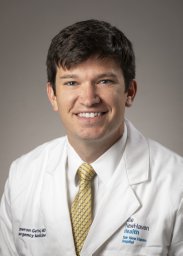 Cameron J Gettel合作论文数Dept Emergency Med, Yale Sch Med5Maureen L Saphire合作论文数5
 Joseph Ross合作论文数Section of General Internal Medicine, Yale School of Medicine, Yale University;Department of Health Policy and Management, Yale School of Public Health, Yale University5
 Caturegli Giorgio合作论文数5Leslie A. Curry合作论文数5
 Timothy Showalter合作论文数Department of Radiation Oncology, Thomas Jefferson University5Sarah Westvold合作论文数4
 Tannaz Sedghi合作论文数4Andrew P Dhanasopon合作论文数4
 Erica Spatz合作论文数Cardiovascular Medicine, Internal Medicine, Yale School of Medicine, Yale University4
 Pathak Ranjan合作论文数Department of Medicine, Reading Health System4
 Helen Jack合作论文数4




