The Southern Ocean and its continental shelves play critical roles in regulating Earth’s climate through their influence on heat and energy transport. Accurate representation of these processes is hindered by large uncertainties in regional bathymetry. We present an animal-borne bathymetric dataset derived from 1,394 southern elephant, Weddell and crabeater seals equipped with satellite relay data loggers across the Southern Ocean. The data set contains 4,492,019 individually georeferenced dives, with a mean location uncertainty of 1.7 km. The dataset acts as a tool for establishing new minimum ocean depths, by identifying where seal dives are deeper than currently mapped, but it cannot update areas where current grids might be too deep. Approximately 8.4% of dives recorded depths at least 20 m deeper than the corresponding values in IBCSO V2 (1.3% were 200 m deeper). These discrepancies were most common on the Antarctic continental shelf and mid-ocean plateaus. The seal-derived depth values reveal numerous areas of uncharted deep water, ocean channels and troughs. These new bathymetry observations will improve oceanographic models and global climate forecasts. The new dataset is complementary to the global SEABED 2030 initiative to map the ocean floor by 2030 and can inform future bathymetric survey campaigns.
Abstract Population genetic theory predicts that a species’ demographic history shapes patterns of genome-wide variation. However, conservation genomic studies have disproportionately focused on small or declining species, where low genetic diversity and inbreeding are major concerns, while highly abundant species have attracted comparatively less attention. Here, we investigate the crabeater seal ( Lobodon carcinophaga ) which, despite being one of the most numerous large mammals on Earth, remains largely uncharacterised in terms of its genomic diversity and demographic history. We assembled a high-quality crabeater seal reference genome from a combination of Illumina and PacBio HiFi reads, generating a 2.44 Gb assembly spanning 138 scaffolds with high completeness. To evaluate genomic diversity in a comparative context, we whole-genome resequenced 20 crabeater seals alongside 20 individuals each of three Antarctic phocids spanning a population size gradient: the Weddell seal ( Leptopnychotes weddellii ), leopard seal ( Hydrurga leptonyx ) and southern elephant seal ( Mirounga leonina ). Crabeater seals carried 61.5 million SNPs compared to 12–16 million in the other species and exhibited markedly higher nucleotide diversity and negligible genomic inbreeding. We observed an excess of rare alleles, with nearly half of all variants segregating at frequencies below 5%. Demographic reconstruction revealed persistently large effective population sizes over the past million years and sustained population expansion, paralleling inferred increases in Antarctic krill associated with sea-ice expansion during the late Pleistocene. This study provides a new genomic resource and sheds new light on the evolutionary dynamics of the world’s most abundant pinniped.
Aim: Environmental heterogeneity shapes species diversity by creating ecological niches (habitat heterogeneity hypothesis). Yet its role in driving behavioural diversity within species remains only partially understood. Behavioural diversity enhances a population's ability to exploit ecological niches and adapt to environmental change, making it critical to understand how behaviour is shaped by environmental factors. Here we test whether spatial and temporal heterogeneity predict behavioural diversity at population and individual levels across species and environments. Location: Global. Methods: We synthesised biologging data from five species of sea lions (15 colonies, 370 individuals, similar to 927,000 dives) to test the relationship between population-level behavioural variation and individual specialisation/flexibility metrics with bathymetric roughness, mean chlorophyll and interannual chlorophyll variability utilising GLMMs. Results: We provide large-scale, multi-species evidence that environmental heterogeneity drives behavioural diversity. We show that populations foraging in structurally complex habitats and with greater resource variability exhibited more diverse dive and foraging behaviour, demonstrating that environmental heterogeneity, both in space and time, is associated with higher behavioural diversity. While habitat complexity fostered population-level variation, environments with low productivity favoured specialisation on the individual level, suggesting a shift from generalist to specialist strategies under resource limitation. Main Conclusions: The consistent pattern between environmental heterogeneity and population-level behavioural diversity across species and environments suggests, in combination with observations from previous studies, a fundamental principle extending beyond species and habitat borders. We therefore suggest broadening the habitat heterogeneity hypothesis from species richness to within-species variation. Our findings underscore two important conservation considerations: (1) conserving habitat complexity to help maintain behavioural diversity; and (2) prioritising protection for populations in low-heterogeneity environments, where reduced behavioural flexibility may increase vulnerability to environmental change.
BACKGROUND:When working with free-ranging phocid seals, methods of chemical immobilisation require ongoing refinement to reduce complications, particularly apnoea, during research procedures. METHODS:Adult Weddell seals (n = 20) at Cape Crozier, Antarctica, were chemically immobilised with intramuscular injection of butorphanol and midazolam in 2024 and 2025. RESULTS:Butorphanol and midazolam were administered intramuscularly at 0.16 ± 0.03 and 0.19 ± 0.03 mg/kg, respectively. No apnoea lasting more than 2 minutes was observed, nor were any other adverse effects. LIMITATIONS:The sample was limited to 20 adults, predominantly mid-lactation females (n = 14). Additional data on other demographic groups, varying the dose combination, more detailed records of seal vital signs, and additional physiological measurements (e.g., blood gases) would provide valuable insight into this drug combination for Weddell seals. CONCLUSION:In this limited study, intramuscular butorphanol and midazolam were a safe and effective combination for field immobilisation of adult Weddell seals.
Abstract Over the past 25 years, the Western Antarctic Peninsula (WAP) has experienced dramatic shifts in sea ice extent. This change has coincided with rapid alterations in ice‐dependent ecosystems, including those supporting crabeater seals—the most abundant Antarctic seal and one of the largest mammalian consumers of krill. Despite their ecological importance, population estimates for ice seals remain scarce due to the difficulty of surveying large‐scale, remote, ice‐covered habitats. In 2023, during an abnormally low sea ice year, we conducted aerial surveys over Crystal Sound and Marguerite Bay during the end of the breeding season, flying over 1000 km of transects. Seals were extremely sparse in the resulting imagery—occupying less than 1% of the surveyed area. This posed a significant challenge for both manual annotation and automated detection. Here, we present a semi‐automated, rule‐based image analysis pipeline to substantially reduce human annotation time. Our method leverages hierarchical clustering with just two tuneable parameters, avoiding the computational burden and opacity of deep learning models. Using this method, we identified 758 seals within an ~350 km2 survey subset, achieving a test recall of 79% ± 9.1%. In the absence of concurrent tagging data to estimate haul‐out corrections, we refrain from extrapolating to a population estimate. However, the low observed densities highlight the urgent need for continued monitoring. Our improved data processing pipeline is a key step in facilitating the large‐scale analysis required to inform conservation strategies for this key species.
Species distribution models using animal tracking data to predict foraging habitat suitability can inform dynamic ocean management techniques that respond to changing environmental conditions. Such models require accurate transferability in time (and sometimes space), often involving extrapolation into new environmental conditions. However, the impacts of modelling configuration on transferability are unclear. Here we built species distribution models using animal tracking studies from the Southern Ocean and projected them in time and space. We tested 24 different model configurations to assess how the choice of pseudo-absence technique and algorithm influences temporal and spatial transferability. Using data from a variety of seabird and marine mammal species with differing ecological traits, we aimed to identify 1) which model configurations produce consistently high transferability scores and 2) whether any tested algorithms or pseudo-absence techniques were better equipped to deal with environmental extrapolation and small sample sizes. Models consistently achieved high temporal transferability scores. Of all tested configurations, background sampling combined with tree-based machine learning algorithms or models accounting for autocorrelation performed best in this context. Conversely, no model configuration consistently attained high spatial transferability scores, with all exhibiting poor predictive capacity in many cases. The impacts of environmental extrapolation and sample size on transferability were also assessed. Most models exhibited greater temporal transferability when built with larger datasets that required lesser environmental extrapolation. We recommend that researchers use data-rich ensembles of the most reliable algorithms built with background sampling when looking to predict near real-time distributions and, where possible, avoid spatial extrapolation when data do not cover every population within the target area.
Although PFAS are widely acknowledged as ubiquitous and persistent organic pollutants, critical gaps remain in mapping environmental distribution and clarifying health-relevant exposure pathways, especially in early life. Marine mammal milk provides a unique window into both environmental occurrence and intergenerational transfer, especially in capital-breeding species in which lactation occurs during prolonged fasting with rapid lipid mobilization. Here, we investigated PFAS burdens and maternal transfer in the northern elephant seal (Mirounga angustirostris). Elephant seals, with highly characterized nursing behavior and foraging patterns, serve as a valuable sentinel for modeling both patterns of lactational transfer and assessing PFAS concentrations in deep-ocean ecosystems. This study assessed plasma from 14 mother-pup pairs and milk from 9 mothers using a non-targeted data acquisition platform coupling liquid chromatography, ion mobility spectrometry, and high-resolution mass spectrometry (LC-IMS-HRMS). Twenty-seven PFAS were identified across all matrices and age groups, and quantitative analyses revealed concentrations in milk and plasma that exceeded relevant human-based exposure and dietary intake thresholds. Across all pairs, pup plasma PFAS concentrations were consistently higher than maternal concentrations. Specifically, the highest PFAS concentrations were observed in weaned pups (average & sum;16 PFAS = 89.08 ng/mL), indicating pronounced early-life accumulation and/or redistribution during the postweaning fast. Concentrations of PFAS in the milk also correlated with maternal and pup plasma levels, demonstrating pair-specific contaminant profiles. Suspect screening further illustrated matrix- and lineage-specific exposure patterns within matched mother-pup pairs, consistent with shared foraging grounds and lactational transfer mechanisms. Together, these findings indicate that neonatal marine mammals in extreme capital-breeding systems experience elevated PFAS body burdens during sensitive developmental windows.
IntroductionQuantitative fatty acid signature analysis (QFASA) can provide species level diet estimates integrated over weeks to months, which are valuable for assessing health, ecological roles, and disturbance vulnerability. However, the approach has seen limited use in cetaceans. Calibration coefficients (CCs) have mainly been derived from non-cetacean mammals, best-fit QFASA model parameters are undefined, and the temporal integration of blubber fatty acids (FAs) remains poorly resolved.MethodWe used bottlenose dolphins (Tursiops truncatus, n = 3, hereafter "dolphin") under professional care with known, varied diets to develop and evaluate species- and blubber layer-specific CCs and explore model performance under different parameter combinations. For each dolphin, we calculated CCs for the inner and outer blubber, compared these to published non-dolphin CCs, and evaluated QFASA-estimated diets across different FA sets, distance measures, CC sources (dolphin and non-dolphin), and FA integration periods. Model performance was assessed using prey distinctiveness, the percentage of predator FAs that fell outside prey ranges [predator-beyond-prey (PBP) values], and weighted error between estimates and the dolphins’ known diets.ResultsDolphin CCs differed between the inner and outer blubber and from non-dolphin CCs for many FAs. Dolphin-specific, layer-matched CCs produced lower-error estimates and identified key prey species more accurately than non-dolphin CCs. Inner and outer blubber estimates were consistent with prey consumption integrated over weeks to months, supporting QFASA’s long-term nature. However, model performance was sensitive to FA set, distance measure, CC source, and dolphin diet complexity. In some parameter combinations, the augmented FA contributed a large portion of the model signal, reducing interpretability. This highlights the need for cautious parameter selection.DiscussionThese results provide the first layer-specific CCs for bottlenose dolphins and illustrate the utility and limitations of QFASA for cetacean diet estimation. We recommend that investigators use species- and layer-specific CCs where possible and consider prey distinctiveness, PBP values, and the augmented FA’s contribution when selecting model parameters. We also caution against over-interpreting best-fit parameter sets and diet estimates derived from small calibration datasets. To yield the most complete understanding of free-ranging cetacean diet, QFASA is best applied as one of several complementary methods rather than as a standalone approach.
The mechanisms by which animals navigate during long ocean migrations to specific targets remain equivocal despite over a century of investigation. To address this question, we developed and deployed a new tag that allowed the compass heading of migrators to be remotely relayed via satellite. On transocean migrations (>1000 kilometers and mean duration 27.5 days) between nesting and foraging sites, green turtles ( Chelonia mydas ) tended to perform sections of travel with a consistent compass heading, even if that led them off course, before reorienting. That migrating turtles did not continuously fine-tune their heading but rather made occasional reorientations is consistent with the suggestion that they use geomagnetic signposts, or other crude maps, to facilitate occasional course corrections.
The northern elephant seal (Mirounga angustirostris) is the largest pinniped species in the northern hemisphere. The species is classified as being of least conservation concern by the IUCN-a triumph of conservation efforts despite hunting pressure that nearly led to its extinction more than a century ago. The historical range of the northern elephant seal extended from Baja California to Alaska, but overexploitation caused a severe demographic collapse and genetic bottleneck, with only an estimated 10 to 30 survivors left on Isla Guadalupe, Mexico. As part of the California Conservation Genomics Project, we generated a de novo reference genome and annotation for M. angustirostris, combining PacBio HiFi long-read sequencing data with Dovetail Omni-C chromatin conformation data. Our assembly has a primary haplotype genome length of 2,430,321,998 base pairs (2.4 Gb), with the longest contig of 144 Mb, contig N50 of 58 Mb, largest scaffold of 215 Mb, and scaffold N50 of 154 Mb. The secondary assembly haplotype consists of 422 scaffolds, spanning 2.45 Gb, with contig N50 of 61.24 Mb, scaffold N50 of 152.94 Mb, the largest contig of 204.14 Mb, and the largest scaffold of 216.16 Mb. We used the primary assembly and annotation for a preliminary investigation of repeat element content, historical demography, genome-wide heterozygosity, and loss-of-function variants. We found that M. angustirostris has one of the lowest estimates of genetic diversity of any marine mammal and a complex demographic history that may have reduced genetic diversity several times. This newly constructed genome will facilitate future in-depth explorations into the mechanisms behind resilience and recovery after a severe population bottleneck.
AbstractSexual dimorphism, the difference in appearance between males and females of the same species, can shape physiology, behaviour and fitness. Yet, few species have age- and sex-specific data to characterize its development. Northern elephant seals (Mirounga angustirostris) are an extremely sexually dimorphic marine vertebrate for which detailed measurements are taken throughout life. To investigate the ontogeny of sexual dimorphism in juvenile elephant seals, we assessed differences in body size, tooth size, craniofacial and flipper morphology directly and photogrammetrically from 60 male and female seals ≤4 years old. Males and females maintained similar age-specific masses, but males grew in length more rapidly than females, with males growing 5.31 cm more per year, according to model predictions. We found evidence of early onset sexual dimorphism in the snouts and flippers of juvenile seals, with males growing larger and more quickly than females. Overall, we found that sexual dimorphism developed even earlier than sexual maturity in northern elephant seals. These results help explain differences in behaviour and fitness between male and female juvenile elephant seals early in life and highlight the importance of understanding the ontogeny of sexual dimorphism in large marine vertebrates.
Abstract Macroscale ocean fronts aggregate significant biomass and provide critical foraging habitat for large marine predators. These frontal systems shift in response to ocean climate variation, including basin‐scale oscillations, and the degree to which marine predators track these movements affects their foraging and reproductive success. Using two decades of adult female northern elephant seal (Mirounga angustirostris) movement data, we assessed their use of the Subarctic Frontal Zone (SAFZ) in the northeast Pacific Ocean, the SAFZ's influence on their diving behavior, and its importance to their foraging success. We found that elephant seals followed the interannual movement of the SAFZ and their diel diving behavior became more extreme as they moved closer to the SAFZ, likely reflecting a different vertical distribution of prey in the region. During their short foraging trip, elephant seals that spent time north of the SAFZ, where day and night diving depths were more similar, had greater foraging success. During the long, gestational foraging trip, their geographic distribution relative to the SAFZ did not influence foraging success, but larger animals were more successful, likely due to more efficient diving. Understanding the relationship between dynamic foraging habitat and the response capacity of predator species is critical for assessing the resilience of species and ecosystems as ocean climates become less predictable.
ABSTRACT Predator–prey relationships are fundamental aspects of ecological systems that determine the behavior and distribution of animals across time and space. Variation in predation risk can be used to explore when and why individuals perform antipredator behaviors. In marine environments, it is difficult to observe predation and antipredator behaviors. Fortunately, biologgers have long been used to study the distribution and dive behaviors of northern elephant seals (Mirounga angustirostris) on their twice‐yearly foraging trips. Here, we analyzed the horizontal and vertical movements of 353 adult female seals across 17 years to investigate how they move through a “predation pinch point”—an area where predators and prey co‐occur due to habitat features. Specifically, we explored the diel timing of departure from and arrival to the colony and spatial concentrations in benthic diving (diving close to/along the seafloor). Benthic diving and temporal concentrations in movement to and from the colony may serve antipredator functions, such as minimizing detection and ambush by predators. We found that only the timing of departure from and not arrival to the colony showed any significant temporal pattern. Seals tended to depart during the late afternoon or at night but arrived throughout the day. Spatially, there were consistent patterns of benthic dives during the first and final parts of their trips as seals crossed the continental shelf. By combining dive, location, bathymetry, and predator data, we were able to identify how seals modified behaviors that likely help them avoid predators. These findings illustrate how animals respond to varying levels of predation risk and can be used to develop more precise dynamic landscapes of fear.
A seal’s heart rate is affected by their physiological adaptation to aquatic and terrestrial environments. At-sea, heart rate during dive bouts cycles between bradycardia during dives and tachycardia for oxygen replenishment on the sea-surface. While onshore, heart rate reflects apnoea and eupnoea. Intriguingly, complete sea-and-onshore heart rate traces and any relationship between sea and subsequent onshore heart rate, including any immediate or delayed physiological adaptation, remain unexamined. In this study, sea-and-onshore heart rate traces from female Cape fur seals (Arctocephalus pusillus pusillus; CFS, N = 4) and Australian fur seals (A. p. doriferus; AUFS, N = 8) revealed expected at-sea cycles of bradycardia (mean minimum beats·min-1, CFS: 14.8 ± 1.3 SE; AUFS: 5.7 ± 1.6) and tachycardia (mean maximum beats·min-1, CFS: 161.1 ± 1.5; AUFS:163.8 ± 2.6), with interspaced periods where heart rate stabilized as the seal swam at the sea surface. Following haul-out, heart rate traces revealed peaks approximately 20 to 40 beats·min-¹ above the apparent minimum, reaching a maximum 6 to 8 hours following the seal’s return to land. Potentially, this onshore heart rate trace reflects a physiological response attributable to delayed compensation for at-sea debt, a scenario explored with multiple linear analyses of area under the heart rate curve, the results of which were all significant (p < 0.05) but varied in strength (R2 range from 0.61 to 0.86). These findings underscore the complex interplay of heart rate across aquatic and terrestrial environments, highlighting the benefits of examining holistic physiological traces, and potentially revealing evidence for delayed metabolic processing.
Chemical immobilization is essential for ensuring the safety and welfare of wildlife and researchers during animal handling. We analyzed observation data from 1,464 immobilization procedures on 625 northern elephant seals (Mirounga angustirostris) conducted between 2004 and 2025 to describe our practices and insights. Inductions used tiletamine-zolazepam (Telazol®), with supplemental doses of ketamine, diazepam, and/or Telazol for augmentation (required to achieve satisfactory induction) and maintenance (required to maintain chemical immobilization for the procedure duration). Procedures spanned a wide range of body masses (57-668 kg) across the annual cycle (i.e., seasons) and life stages, including juveniles of both sexes and adult females up to 18 years old. For adult females, 68% received Telazol induction doses within ± 0.1 mg/kg of the 1.0 mg/kg target, indicating accurate mass estimation and a broad safety margin when paired with vigilant monitoring and respiratory support as needed. Lower induction doses were associated with a higher likelihood of augmentation drug administration, whereas higher doses were more often associated with faster-than-typical inductions and the administration of a respiratory stimulant. In procedures without augmentation or respiratory stimulant administration, smaller juveniles received higher mass-specific induction doses than adults across the observed body size range, regardless of sex. These findings show that age- and season-based mass estimates can refine dosing precision within a safe range. These findings describe recorded field decisions and procedural events (e.g., timing and sequence of drug administration) rather than direct physiological measurements of anesthetic depth or safety. Our long-term dataset provides empirically derived guidance to improve immobilization efficacy, safety, and consistency for elephant seals and related species.
Sleep provides physiological benefits, but sleeping animals are unable to gain energy from foraging to fuel migration, self-maintenance, and reproduction1. Therefore, trade-offs may exist between sleeping and foraging under energetic and ecological constraints2,3. We use cutting-edge animal-borne sensors (bio-loggers) to show that northern elephant seals (Mirounga angustirostris) in poorer body condition have higher locomotory costs and exhibit less efficient foraging, which requires them to forage more and sleep less. Our results demonstrate that wild elephant seals can adjust their time-activity budgets to break out of a negative feedback loop of reduced fat stores and less efficient foraging, which likely promotes population persistence.
Apex predators are typically considered dietary generalists, which often masks individual variability. However, individual specialization-consistent differences among individuals in resource use or ecological role-is common in apex predators. In some species, only a few specialized individuals can significantly impact prey populations. Leopard seals (Hydrurga leptonyx) are apex predators important to the structure and function of the Southern Ocean ecosystem. Though broadly described as generalists, little is known about their trophic ecology at the population or individual level. We analyzed δ13C and δ15N profiles in whiskers (n = 46) from 34 leopard seals in the Western Antarctic Peninsula to assess trophic variation. We also evaluated individual consistency across years using repeat samples from 7 seals over 2-10 years. We compared population and individual isotopic niche space and explored drivers of intraspecific variation in leopard seal trophic ecology. We find that leopard seals have a broad trophic niche (range: 6.96%-15.21‰) and are generalists at the population level. However, most individuals are specialists (59% for δ15N and δ13C), with only a few generalists (13% for δ15N, 6% for δ13C). Individuals also specialize at different trophic levels. Most variation in trophic ecology is driven by individual specialization, but sex and mass also contribute. We also find that some seals specialize over time, consistently foraging at the same trophic level, while others switch within and between years. This suggests some seals may disproportionately impact prey, especially when specialists consistently target specific species. Long-term specialization by a few leopard seals likely contributed to the decline of the local Antarctic fur seal population. Our findings show the importance of examining individual specialization in leopard seals across their range to understand their impact on other prey populations. This approach should be applied to other apex predator populations, as a few specialists can significantly impact ecosystems.
Instruments attached to animals ('biologgers') have facilitated extensive discoveries about the patterns, causes, and consequences of animal behavior. Here, we present examples of how biologging can deepen our fundamental understanding of ecosystems and our applied understanding of global change impacts by enabling tests of ecological theory. Applying the iterative process of science to biologging has enabled a diverse set of insights, including social and experiential learning in long-distance migrants, state-dependent risk aversion in foraging predators, and resource abundance driving movement across taxa. Now, biologging is poised to tackle questions and refine ecological theories at increasing levels of complexity by integrating measurements from numerous individuals, merging datasets from multiple species and their environments, and spanning disciplines, including physiology, behavior and demography.
 Daniel E. Crocker合作论文数Department of Biology, College of Science, Technology, and Business, Sonoma State University103
 Patrick W. Robinson合作论文数Department of Ecology and Evolutionary Biology, University of California Santa Cruz78
 Luis A Huckstadt合作论文数Ocean Sciences Department, University of California Santa Cruz73
 Mark Hindell合作论文数Institute for Marine and Antarctic Studies, University of Tasmania48
 Rachel Rose Holser合作论文数45
 Scott Shaffer合作论文数44
 Birgitte I Mcdonald合作论文数Department of Ecology and Evolutionary Biology Long Marine Lab, University of California40
 Michael E Goebel合作论文数National Marine Mammal Laboratory;Alaska Fisheries Science Center;National Marine Fisheries Service;National Marine Mammal Laboratory, Alaska Fisheries Science Center37
 Yann Tremblay合作论文数Centre d'Etudes Biologiques;Centre National de la Recherche Scientifique;Centre d'Etudes Biologiques, Centre National de la Recherche Scientifique36
 Jennifer M. Burns合作论文数Department of Biological Sciences, University of Alaska Anchorage35
 Samantha Elisabeth Simmons合作论文数35
 Clive R McMahon合作论文数Institute of Advanced Studies, Charles Darwin University33
 Roxanne S. Beltran合作论文数Ecology & Evolutionary Biology Department, University of California, Santa Cruz;Physical & Biological Sciences Division, University of California, Santa Cruz31
 Steven Bograd合作论文数NOAA Southwest Fisheries Science Center31
 Burney Le Boeuf合作论文数Institute of Marine Sciences, University of California, Santa Cruz;Ecology & Evolutionary Biology Department, University of California, Santa Cruz30
 Stella Villegas-Amtmann合作论文数29
 Elizabeth Mchuron合作论文数Moss Landing Marine Laboratories28
 Henri Weimerskirch合作论文数Centre of Biological Studies of Chizé, French National Centre for Scientific Research28
 Peterson Sarah H合作论文数27
 Kimberly Thea Goetz合作论文数26
 Elliott Lee Hazen合作论文数Southwest Fisheries Science Center, National Oceanic & Atmospheric Administration;UC Santa Cruz25
 Christophe Guinet合作论文数Centre d'Etudes Biologiques de Chize25
 Lisa Schwarz合作论文数23
 DE Crocker合作论文数22
 Lars Boehme合作论文数Sea Mammal Research Unit, University of St. Andrews22
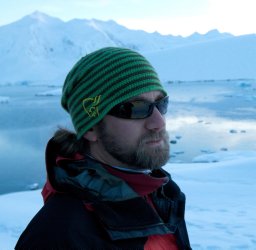 Ari S. Friedlaender合作论文数Marine Laboratory, Duke University21
 Terrie M Williams合作论文数Center for Marine Mammal Research and Conservation, University of California, Santa Cruz20
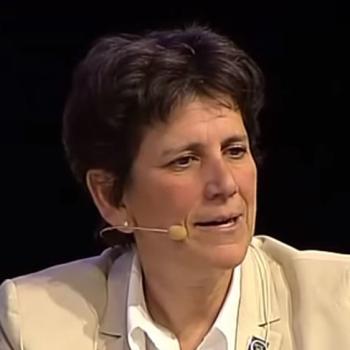 Barbara Block合作论文数Department of Biology, School of Humanities and Sciences, Stanford University;Stanford Woods Institute for the Environment, Stanford University;Department of Oceans, School of Sustainability, Stanford University20
 John Arnould合作论文数Centre for Marine Science, School of Life and Environmental Sciences, Faculty of Science Engineering and Built Environment, Deakin University20
 Sara M. Maxwell合作论文数School of Interdisciplinary Arts & Sciences, University of Washington, Bothel19
 Kienle Sarah S合作论文数19
 Monica Muelbert合作论文数Programa de Pós-Graduação em Oceanografia Biológica Laboratório de Mamíferos Marinhos e Tartarugas Marinhas, Departamento de Oceanografia Cx. Postal, 474 Rio Grande RS 96201-900 Brazil18
 Michael Fedak合作论文数NERC Sea Mammal Research Unit, University of St Andrews18
 Ian D Jonsen合作论文数School of Natural Sciences, Macquarie University;Department of Biological Sciences, Macquarie University;StochasticQC18Yasuhiko Naito合作论文数18
 Akinori Takahashi合作论文数National Institute of Polar Research18Carey E. Kuhn合作论文数17
 Houser Dorian S合作论文数Natl Marine Mammal Fdn16
 Eileen Hofmann合作论文数Center Coastal Physical Oceanography, Old Dominion University16Horst Bornemann合作论文数16
 Michael J. Weise合作论文数16
 Nicholas Gales合作论文数Australian Antarctic Division15
 Jason L. Hassrick合作论文数15SA Shaffer合作论文数14Adachi Taiki合作论文数Department of Polar Science, The Graduate University for Advanced Studies (SOKENDAI),14
 Pirotta Enrico合作论文数Institute of Biological and Environmental Sciences, University of Aberdeen14
 Carlos M. Duarte合作论文数Biological and Environmental Science and Engineering Division, King Abdullah University of Science and Technology14
 New Leslie F合作论文数Centre for Research into Ecological and Environmental Modelling, University of St-Andrews;US Marine Mammal Commission;Centre for Research into Ecological and Environmental Modelling, University of St-Andrews13
 Mary-Anne Lea合作论文数Antarctic Wildlife Research Unit;School of Zoology;University of Tasmania;School of Zoology, University of Tasmania13




