Assessment of gold grains and their characterization in abundance and morphology can be used as a discriminatory tool for mineral deposits. However, the processes that lead to the formation of an ore deposit are multiscale and nonlinear. As a result, the elemental compositions recorded in gold grains during mineralization seem mostly irregular and unpredictable. Here, we took advantage of the capabilities of neural networks, computational models composed of layers of interconnected nodes. After training, it processed data through nonlinear transformations that approximate a complex natural function. It enabled the recognition of complex patterns and relationships in chemical variability observed in gold and relating it to the mineral system that formed the mineral, allowing for predictive modeling. This was achieved by using published trace element data in gold of four types of gold deposits (i.e., Orogenic, VMS, porphyry, and epithermal) from 47 different localities, obtained by laser ablation-inductively coupled plasma-mass spectrometry (LA- ICP-MS). The model was optimized by training five different architectures on the most influential elements, determined by principal component analysis (PCA). As a result, two hidden layers with ten neurons (series of nodes that process and transmit information) each were found to be the best architecture for using trace elements as predictors of the type of deposit that formed a natural gold grain. In order to encourage the use of the findings made in this paper, we introduce OreGenes, an app developed in Matlab2023b based on the best-obtained model. It allows any user who possesses compatible data the ability to import and process it to obtain a prediction with an average accuracy level of 88.9 % confidence to assess the mineral deposit type that an unknown gold grain came from, which grants the user the ability to have a powerful tool for exploration or research.
The Francevillian Group, deposited during the Lomagundi carbon isotope excursion (LE), recently revealed evidence for complex and diverse Paleoproterozoic biota. This biota is preserved as pyritized and non-pyritized macrofossil structures hosted in black shale deposited in an oxygenated, open-marine environment. However, the timing of the LE, and the time when these macroscopic organisms evolved is still poorly constrained. Here, we present U-Pb ages for zircons separated from coeval volcaniclastic sandstone, 207Pb/206Pb model ages for pyrite preserving the macrofossils, and 40Ar/39Ar dates for K-rich clay minerals from the fossiliferous black shales. The youngest group of zircons yields a weighted average 207Pb/206Pb age of 2132 +/- 4 Ma, which is considered as a maximum depositional age for the strata that record the LE and host the earliest known, macroscopic multicellular organisms. By contrast, the 207Pb/206Pb dates of pyritized fossils, scattering between ca. 2085 and 2070 Ma, with a weighted average of 2077 +/- 17 Ma, reflect early diagenesis in the Francevillian basin and thus provide a minimum age for fossiliferous strata. This range of ages overlaps with reproducible 40Ar/39Ar dates and the ages for other open-marine sedimentary successions that record the LE in both shallow- and deep-marine environments. Taken together, the data demonstrate that the synchronicity of the record of the Lomagundi carbon isotope excursion in shallow- and deep-marine carbonates worldwide is consistent with a global biogeochemical signature of the Paleoproterozoic oceans, with its latest stage, between ca. 2.13 and 2.08 Ga, being preserved in the fossiliferous Francevillian Group strata. Further, the results also suggest that 40Ar/39Ar dating of K-rich clay minerals extracted from black shale can be used to constrain the depositional and/or early diagenetic age of more than 2-billion-years old sedimentary strata not affected by high-temperature hydrothermal and metamorphic overprint.
The Lower Cambrian black shale has attracted much attention due to its role in elucidating the chemical evolution and sulfur cycles of the global ocean, as well as its economic significance as a source of phosphate, barite, and high-grade NiMo polymetallic sulfide ores. However, the occurrence of abnormally high metal accumulation within thin ore layers across extensive areas remains contentious. Pyrite, that occurs as framboids or fine- to coarse-grained euhedral-subhedral crystals, is a ubiquitous sulfide found in both host black shale and metalliferous ore horizons. This study delineates a three-stage growth of pyrite within the Chuanyanping and Sancha NiMo sulfide layers in western Hunan Province, South China, based on the micro-textures, chemical compositions, and sulfur isotopes. The earliest pyrite (PyI) appears as framboids (3-7 mu m) or as small euhedral-subhedral grains (<20 mu m). It exhibits a depletion in trace elements and negative delta S-34(V-CDT) values spanning from -34.2 to -17.4 parts per thousand, indicating the formation in a euxinic water column via microbial sulfate reduction (MSR) during syngenesis. The later pyrite (PyII), which is associated with gersdorffite, appears as thin overgrowth rings encircling PyI or euhedral to subhedral crystals displaying complex oscillatory and lacy zoning patterns. It is characterized by elevated Cu (up to 5.84 wt%), Ni (up to 3.56 wt%), and As (up to 1.70 wt%) concentrations and highly variable sulfur isotopic compositions. The overgrowth rings exhibit delta S-34(V-CDT) values spanning from -9.6 to 12.4 parts per thousand, while the euhedral to subhedral crystals have inhomogeneous sulfur isotopic signatures, with the cores enriched in heavy sulfur (31.7 to 33.7 parts per thousand delta S-34(V-CDT)) and the rims marked by comparatively light sulfur (-7.1 to 7.2 parts per thousand delta S-34(V-CDT)). This isotopic variation reflects the joint effect of thermochemical sulfate reduction (TSR) and hydrothermal-derived sulfur. Specifically, the initial influx of high-temperature hydrothermal fluids produced minimal isotopic fractionation between sulfide and seawater sulfate via TSR, facilitating the formation of heavy-sulfur PyII. Subsequently, hydrothermal sulfur became the dominant source for the deposition of light-sulfur PyII, with a minor contribution from dissolution of PyI. Given the close association of organic matter with ores, hydrocarbons may significantly facilitate metal transport via organometallic complexing, with Ni primarily derived from hydrothermal fluids and Mo from seawater as indicated by previous Ni and Mo isotopic analyses. The barren pyrite (PyIII), which presents as overgrowth matrix cementing early PyI and PyII, has positive delta S-34(V-CDT) values (15.5 to 34.6 parts per thousand), suggesting formation via MSR in closed, sulfate-limited environment, most likely following deep burial. Collectively, the chemical and sulfur isotopic evidence, coupled with petrographic observations, highlights the crucial role of hydrothermal impulse in the formation of hyper-enriched black shale.
The Buzhu Au deposit in the Himalaya orogen, experiencing Cenozoic uplift of the Himalaya, provides a window to study the control of crustal deformation on Au mineralization. The Au mineralization is characterized by quartz veins controlled by an extensional fault system, comprising W- to WNW-trending shear zones/faults and superposed NNE- to N-trending normal faults. The vein system experienced three deformation stages, stages I and II occurred in shear zones, and stage III developed in normal faults. The deformation comprises hydraulic brecciation in stage I and crack-sealing processes during stage II shear deformation in the brittle-ductile transition, followed by matrix-supported breccias progressively crosscut by veins in newly-formed normal faults in stage III. Stages I and II contain invisible-Au-dominated sulfides, while native Au and pyrrhotite formed in stage III. Blocky quartz with oscillatory and sector zoning patterns implies fluid pressure build-up processes in stage I. Pyrite displays coupled Au-As variation, high Au contents (<19 ppm), and restricted delta S-34 values (-3.6 to-2.4%o), supporting that fluid-rock reaction was responsible for Au precipitation. Elongated quartz of stage II displays contrasting bright and dark cathodoluminescence bands with corresponding high and low Al-Li concentrations, indicating fluctuating fluid pressure. Pyrite shows a negative correlation between Au (<45 ppm) and delta S-34 values (5.4-1.7%o, from cores to rims), consistent with fluid oxidation associated with a fluid pressure drop. Minor late quartz in open spaces transected earlier quartz, implying the hydrothermal system dropped to near- hydrostatic conditions. The partial replacement textures of pyrite and arsenopyrite from stage III, with varied delta S-34 values (5.9-9.3%o), and the existence of micro-inclusions and visible Au along the contact, suggest a fluid- mediated dissolution-reprecipitation process. Thus, it is demonstrated that mineralization occurred as the hydrothermal system transitioned from the relatively ductile to brittle domain, with varying Au precipitation mechanisms. This study further summarizes the similarities of Au mineralizing systems in young collisional orogens worldwide, particularly with respect to relationships between structural-hydrothermal system and rapid uplift.
We propose a novel approach to identify the origin of pyrite grains and distinguish biologically influenced sedimentary pyrite using combined in situ sulfur isotope (delta 34S) and trace element (TE) analyses. To classify and predict the origin of individual pyrite grains, we applied multiple machine-learning algorithms to coupled delta 34S and TE data from pyrite grains formed from diverse sedimentary, hydrothermal, and metasomatic processes across geologic time. Our unsupervised classification algorithm, K-means++ cluster analysis, yielded six classes based on the formation environment of the pyrite: sedimentary, low temperature hydrothermal, medium temperature, polymetallic hydrothermal, high temperature, and large euhedral. We tested three supervised models (random forest [RF], Na & iuml;ve Bayes, k-nearest neighbors), and RF outperformed the others in predicting pyrite formation type, achieving a precision (area under the ROC curve) of 0.979 +/- 0.005 and an overall average class accuracy of 0.878 +/- 0.005. Moreover, we found that coupling TE and delta 34S data significantly improved the performance of the RF model compared with using either TE or delta 34S data alone. Our data provide a novel framework for exploring sedimentary rocks that have undergone multiple hydrothermal, magmatic, and metamorphic alterations. Most significant, however, is the demonstrated potential for distinguishing between biogenic and abiotic pyrite in samples from early Earth. This approach could also be applied to the search for potential biosignatures in samples returned from Mars.
Sedimentary pyrite has long been used as an archive of marine environments in Earth history. To capture reliable paleoenvironmental signals, however, we need to first evaluate pyrite in sedimentary strata as it can be altered and masked by later diagenetic and/or hydrothermal processes. Here, we trained two supervised machine learning algorithms on a large LA-ICP-MS pyrite trace element database to distinguish pyrite of different origins. The analysis validates that two models built on the co-behavior of 12 trace elements (Co, Ni, Cu, Zn, As, Mo, Ag, Sb, Te, Au, Tl, and Pb) can be used to accurately predict pyrite origins. Further statistical analysis suggests four trace element clusters behaving differently among sedimentary (syngenetic and early diagenetic), synsedimentary hydrothermal (syngenetic hydrothermal), and post-sedimentary hydrothermal (epigenetic hydrother-mal) pyrite, which is probably driven by chemical and physical properties of source fluids, interactions between elements, competition among coprecipitating minerals, and pyrite growth rate. Armed with this initial success and aided by new LA-ICP-MS trace element data from 9 samples, we then demonstrated the efficacy of this approach in identifying the origins of pyrite from two Neoproterozoic sedimentary successions in South China. The first set of samples contain isotopically superheavy pyrite (i.e., whose bulk-sample delta S-34 values greater than those of contemporaneous seawater sulfate and whose origins remain controversial) from the Cryogenian Tie-si'ao and Datangpo formations. The second set of samples contain pyritic rims (associated with fossiliferous chert nodules and thought to be critical in exceptional fossil preservation) from the Ediacaran Doushantuo Formation. For the superheavy pyrite, the models consistently show high confidence levels (mostly > 80 % probability) in identifying its genesis type, and three out of four samples were given sedimentary origins. For the pyritic nodule rims, the models suggest that early diagenetic pyrite was subsequently altered by hydrothermal fluids and therefore shows mixed signals. The study highlights the importance of pyrite trace elements in deciphering and distinguishing the origins of pyrite in sedimentary strata.
Vanadium (V) is becoming an increasingly important critical element. As such, Canada is increasing exploration efforts to stay ahead of its increasing demand. The Van property, located in the Northwest Territories, is a metalliferous V-rich shale deposit featuring several V-rich showings. Whole rock analyses indicate V concentrations of up to 6390ppm in the mineralized horizon with other enriched elements including Zn, Ni, and Mo. Initial mineralogical analysis indicates V is hosted in different minerals including both sulphides and oxides. Raman spectral analysis of carbonaceous material places the Van property in the low-grade metamorphism temperature range. Through a series of geochemical and mineralogical analyses we hope to determine the depositional setting of the deposit, and the controls of the mineralization. Initial results have proven complex, and it may be likely that more than one process is controlling ore formation in the area.
The trace element chemistry of pyrite can be used to determine the origin, timing, and conditions of formation of ore deposits; as a vectoring tool for mineral exploration; and to determine the evolution of the Earth's oceanic and atmospheric chemistry. However, little is known about whether trace elements are held with the pyrite structure or within nano-inclusions of other phases. This distinction is important for two primary reasons. First, trace element incorporation into the pyrite structure can affect the partitioning of other trace elements. Second, if trace elements are held within nano-inclusions, the partition coefficient of the mineral phases that make up the nano-inclusion, rather than pyrite, are the critical consideration in related interpretations. Previous studies addressing this topic have used laser ablation inductively coupled plasma mass spectrometry; however, the resulting data do not provide sufficient spatial resolution to delineate trace element distributions unless the inclusions are large. Further, they use these flat element profiles in time resolved laser ablation output graphs to argue that pyrite trace element content provides a direct relationship between trace element content of seawater and pyrite trace element content. To improve resolution, we have used atom probe tomography to characterize trace element distributions in pyrite framboids from the Cariaco Basin and Demerara Rise in three-dimensions at sub-nanometer resolution. Manganese was found to be concentrated in the pyrite nanocrystal part of the original framboid structure. In contrast, Ni was mostly found along the grain boundary, though it still appeared to be contained within the pyrite structure. Copper was concentrated in later pyrite overgrowths, and As varied in its location. These observations suggest that some important trace elements are incorporated into pyrite during early diagenesis, even in euxinic settings dominated by water-column pyrite formation. Statistical analysis was used to determine whether trace elements were incorporated in the lattice or within nanoscale inclusions (referred to here are nano-inclusions). We found that As, Ni, Cu, and Mn were commonly held within the pyrite structure, but As, Ni, and Cu can also be held as nano-inclusions or within grain interfaces. Incorporation of As is known to enhance the incorporation of other trace elements and in this case appears to correlated to elevated Ni and Cu concentrations in the Cariaco Basin samples. Understanding these relationships strongly impacts our ability to utilize pyrite trace metal concentrations to analyze and quantify early ocean chemistry and its evolution through time.
Pyrite trace element chemistry is important for understanding evolution of ore fluids in mineralizing systems. Much of the understanding of how metals are held in pyrite is based on micro-scale techniques such as LA-ICPMS and electron microprobe. This requires assumptions to be made when interpreting the results regarding whether elements are held as micro-inclusions versus as substitutions into the pyrite lattice. In this contribution, we use micro- to nano-scale analyses including LA-ICPMS, NanoSIMS, and atom probe tomography (APT) to investigate trace element deportment in pyrite from sites characterized by high trace element concentrations (Black Butte SEDEX deposit) and one characterized by medium to low trace element concentrations (Leicester pyrite member, New York). We further use synchrotron based XANES to investigate the redox state of As and how that relates to trace element enrichment. We find that trace elements are highly heterogeneous at all scales investigated and that interpretation of how trace elements are incorporated into pyrite using even micro-scale techniques must be pursued with caution.
This study evaluated the removal of the metals (Me) vanadium and iron associated with the operationally defined HCl-extractable (MeHCl), pyrite (Mepyr), and reactive (Mereac = MeHCl + Mepyr) fractions in the sediments of five contrasting sedimentary environments: (1) the oxygen minimum zone (OMZ; San L & PRIME;azaro and San Blas basins); (2) the anoxic/anoxic-sulfidic sediments of the California Continental Borderland basins and Todos Santos Bay Canyon; (3) the oxic sediments of the Patton Escarpment, Baja California continental shelf, and deep sediments of the Gulf of Mexico (GoM); (4) the Guerrero Negro Hypersaline System (GNHS) in Baja California Sur, Mexico; and (5) the turbiditic deposits of the GoM. The average VHCl concentration ranged from 8 & PLUSMN; 15 nmol g-1 in turbidites to (7.9 & PLUSMN; 4.3) x 102 nmol g-1 in the OMZ, respectively. The Vpyr concentrations were within the narrow range of 6.6 & PLUSMN; 4.2 nmol g-1 (oxic sediments) to 8.6 & PLUSMN; 5.4 nmol g-1 (turbidites), which indicates that the pyrite fraction is not an important reservoir of reactive V. The relative consistency of the Vpyr concentrations (7.2 & PLUSMN; 5.2 nmol g-1; n = 1098), regardless of the sedimentary environment and redox state of the system, allowed us to calculate a global burial value for oceanic sediments of 4.2 & PLUSMN; 3.0 Gg y-1. The VHCl enrichment observed in OMZ and anoxic/anoxic-sulfidic sediments may be due to its incorporation into acid volatile sulfide. The lowest average values of the degree of V pyritization corresponded to the OMZ (0.98 & PLUSMN; 0.68%) while the highest average values corresponded to turbidites (69 & PLUSMN; 32%), with the latter being due to their extremely low VHCl values. The mass accumulation rate (MAR) calculations for reactive Fe and V show that the sediments of all OMZ regions could annually incorporate (12.1 & PLUSMN; 8.6) x 104 Gg and (6.3 & PLUSMN; 3.8) x 102 Gg of reactive Fe and V, respectively. Although the GNHS exhibited the greatest MAR value of reactive Fe and V [(32 & PLUSMN; 28) x 102 g m-2 ky- 1 and 35 & PLUSMN; 35 g m-2 ky- 1, respectively], this environment currently does not contribute an important percentage of the MAR at the global level due to its small geographical area. However, in the geological past when its geographical area was much greater, the MAR values of reactive Fe and V may have been more important. Although deep sediments (>1000 m water depth) cover a substantial area, they contribute a relatively small, yet significant proportion of the total vanadium (V) deposited in ocean sediments, ranging from 9.7% to 24.8%.
The early diagenetic interplay between reactive iron, sulfur, and organic matter in the bathymetrically isolated Santa Monica Basin (SMB) sediments are investigated in this study. We explore solid-phase and porewater profiles from the basin, supplemented with a transect from 71 to 907 m water depth that includes oxygenated (>60 lM O2) bottom waters near the coast and oxygen-deficient waters (-4 lM O2) in the basin. The geochemical data of the basin sediments are further scrutinized by means of reactive transport modeling. The results show that the basin sediments do not follow the traditional geochemical signatures of oxygen-deficient settings. A lack of dissolved sulfide accumulation and sulfurized iron persists despite the sediments being deposited under reducing conditions (without bioturbation/bioirrigation), strong organic carbon input (TOC up to 5.0 wt%), and active dissimilatory sulfate reduction. Not only did we find an exceptional enrichment in highly reactive Fe in the surface sediments (-45 % of total Fe), but the enrichment of reactive Fe, including ferrihydrite, persists downcore and coexists with high levels of dis-solved Fe. The enhanced preservation of Fe oxides and lack of iron-sulfide precipitation is in part explained by detection via Mossbauer spectra of iron oxides bounded to organic matter (Fe[III]-OM coprecipitates). The modeled Fe budget shows that most of the Fe oxides in the surface sediments are internally recy-cled by upward diffusion and subsequent oxidation of Fe2+. Sulfide oxidation coupled to Fe reduction effectively precludes sulfide accumulation while enhancing build-up of dissolved Fe, fueling the Fe cycle within the first 5 cm depth. Continuous reoxidation of Fe2+ enhances the formation of Fe(III)-OM copre-cipitates, limiting the amount of reactive organic matter. In the unavailability of labile organic matter, other than within the uppermost layers, the organic-rich sediment profiles are dominated by Fe cycling that limits the production and preservation of sulfides and enhances the preservation of Fe oxides and organic carbon. This study highlights key local controls on Fe availability in marginal basins and describes an intricate biogeochemical C-Fe-S cycling in modern and possibly ancient marine systems with impor-tant implications for Fe availability in the marine realm. (c) 2022 Elsevier Ltd. All rights reserved.
Chlorite has long been considered a mineral group likely to have different trace element chemistry with proximity to mineralization, and therefore can be used to vector towards ore bodies. However, due to their geochemical complexity, it has proven challenging to develop a simple vectoring method based on the variation in abundance of one or a few chemical elements or isotopes. Machine learning, specifically cluster analysis, provides a potential mathematical tool for characterizing multidimensional geochemical correlations with proximity to mineralization. In this contribution we conducted a cluster analysis on 23 elements from 1,679 distinct chlorite sample analyses. The combination of this clustering technique with classification by proximity to the ore body, 1) explores and characterizes the nature of chlorite composition and proximity to ore bodies and 2) tests the efficacy of clustering-classification methods to predict whether a chlorite sample is near to an ore body. We found that chlorite chemistry is more strongly controlled by deposit type than proximity to mineralization and that cluster analysis of chlorite trace element content is likely not a viable way to develop vectors towards porphyry mineralization.
Abstract Applying machine learning techniques to large datasets of in situ analyses has been proven to be a powerful tool in Earth Sciences. However, problems may arise when dealing with minerals such as chlorite, that exist as a solid solution rather than a single, stoichiometric ideal. It can be difficult to determine whether the variations in major element concentrations are due to compositional difference in the mineral of interest or due to sampling of the surrounding mineral phases in addition to the mineral of interest during the analyses. If the latter, interpretations of the results would be complicated, misled or even spurious. Here we present a method to identify chlorite based on the major and minor element content, from both LA‐ICPMS and EPMA data. Further we present a dataset of 3,317 analyses of chlorite and have shown that 7.4% of these analyses include significant quantities of non‐chlorite material.
When laser ablation-inductively coupled plasma-mass spectrometry (LA-ICP-MS) analyses of pyrite plot below the gold solubility line on a gold vs. arsenic plot and have relatively flat counts on laser ablation time-resolved output graphs, it is often interpreted that the gold is held within the pyrite structure. The study by Ehrig et al. (2023, this issue) shows, using a combination of LA-ICP-MS spot analyses of gold in pyrite, transmission electron microscopy, and electron backscatter diffraction that this is not necessarily the case. Furthermore, they use these same techniques to identify how trace elements, including gold, are remobilized in pyrite during deformation and metamorphism.
Anomalous high grade Au mineralization has been found in float material at the Drogo Prospect, Nunavut, Canada. However, traditional exploration methods have thus far been unable to find the bedrock source of the mineralization. Recent studies have shown that pyrite trace element chemistry, as determined using LA-ICP-MS, varies between Au-forming and barren fluids. To test whether this also occurred at the Drogo Prospect, we analyzed pyrite in rock samples, including Au-rich samples, moderate Au grade samples, and barren samples. However, little variation in pyrite trace element chemistry was observed, suggesting that pyrite trace element chemistry may not be an effective exploration tool at the Drogo Prospect. To confirm these observations, cluster analysis was used to determine if natural clustering of the data could highlight which samples were more likely to be Au rich; again, no statistical differences could be found between the samples. In contrast to our working hypothesis, this suggests that pyrite trace element chemistry is not an effective exploration tool to find the bedrock source of the Drogo boulder trend.
Pyrite framboids (spherical masses of nanoscale pyrite) are among the earliest textures of pyrite to form in sediments. It has been proposed that their trace-element (TE) contents can be used to track the TE composition of the water column in which they formed. However, it is not clear how these TEs are associated with the framboidal pyrite grains. For instance, it is important to know whether they are incorporated uniformly or are enriched in different regions of the framboid. We used high-resolution scanning transmission electron microscopy to identify chemical zoning within pyrite framboids. We found that initial, nanoscale pyrite euhedral crystals, which make up the volumetric majority of the framboids, are covered/infilled by later pyrite that templates on the earlier pyrite. Further, this later pyrite is enriched in TEs, suggesting that many TEs are incorporated in pyrite relatively late (during early diagenesis; not in the water column). This observation suggests that although chemical analyses of pyrite framboids may provide ocean-water chemistry trends through time, the details are complex. Specifically, the TEs found in pyrite may be linked to adsorption onto organic matter, detrital material, and authigenic minerals such as Fe- and Mn-oxide phases followed by desorption in the sediments or release via dissolution and incorporation into pyrite as overgrowths on the initial nanoscale euhedral crystals that make up framboids. While the use of pyrite chemistry to understand past ocean conditions remains promising, and even diagenetic additions may not preclude the utility of pyrite for reconstructing ancient ocean conditions, care must be taken in interpretations because the end concentration may be influenced by diagenesis.
Pyrite trace element (TE) chemistry is now widely employed in studies of past ocean chemistry. Thus far the main proof of concept has been correlation between large data sets of pyrite and bulk analyses emphasizing redox sensitive TE data from ancient samples spanning geologic time. In contrast, pyrite TE data from modern settings are very limited. The sparse available data are averages from samples from the Cariaco Basin without stratigraphic resolution and from estuarine sediments. To fill this gap, we present TE data (Co, Ni, Cu, Zn, Mo, Ag, Pb, Bi) from the two largest euxinic basins on Earth today, locations where the majority of the pyrite formed within the water column, the Black Sea and Cariaco Basin. These locations have different water column TE contents due to their relative degrees of restriction from the open ocean, thus providing an ideal test of the relationship between pyrite precipitated under euxinic conditions from basins with different degrees of basin restriction and dissolved TE concentration. At each site we observed that down-core trends for pyrite increase before reaching relatively steady values for most TE. This observation suggests that instead of all the TE being sourced directly from the water column, some are incorporated from the sediments, presumably desorbing from detrital materials. However, since much of the adsorbed TE is adsorbed from the overlying water, the pyrite chemistry still seems to reflect the water chemistry at or near the surface. Indeed, for Mo, there is less variation in pyrite than in bulk sediment. Additionally, we found that pyrite formed during diagenesis due to sulfide difusion into iron-rich muds revealed low-TE contents, except for siderophile elements likely to have been adsorbed onto Fe (hydr)oxides, highlighting the risk of potential false negatives from pyrite formed under these conditions. This relationship highlights the need for detailed understanding of the full context, including the use of complementary geochemical data such as sulfur isotope trends, in eforts to use pyrite TE to interpret conditions in the global ocean.
Ore deposits found in Proterozoic marine sedimentary basins supply much of the world's zinc. Many of the deposits formed contemporaneously with their host sediments when saline brines circulating from deeper in the basin reached the sea floor. Textural, geochemical and isotopic features of these SEDEX (‘sedimentary-exhalative’) deposits and their host sediments indicate that biologically active seeps, vents and brine pools were a feature of many ore-forming systems. In mineralised pockets of mid-Proterozoic basins, these ‘microbial oases’ were productive areas in an otherwise low productivity, anoxic, deep marine realm. Here we hypothesize that these metal-rich brines which circulated through organic matter-rich substrate also carried high levels of fixed nitrogen and stimulated distinct ecosystems at sites of mineralisation, or enhanced productivity more broadly in the basin. We tested this hypothesis with organic carbon and nitrogen analyses of samples of carbonaceous siltstone and shale from the 1.64 Ga Barney Creek Formation of northern Australia. The Barney Creek Formation hosts several SEDEX Zn systems, including one of the world's largest deposits at McArthur River Mine (the HYC deposit). Samples come from the mineralised edge of HYC and from correlated strata in drill cores at varying distances (1-60 km) from the deposit. The data reveal lower ratios of total organic carbon (TOC) to total nitrogen (TN) closer to the ore body. Strong correlations (r2>0.7) between TOC and TN and the absence of excess N in the samples suggest that most N was buried as bound to organic matter. Bioavailable N was thus probably more abundant closer to HYC, consistent with fixed nitrogen input by hydrothermal fluids. If correct, our data may suggest that such a hydrothermal nitrogen point source enabled microbes to develop lower C:N ratios in their biomass. A hydrothermal nitrogen source is also supported by a gradient in δ15N values from = +4‰ proximal to the vent to +7.5‰ in distal sites, which may point towards recycling of ammonium from the underlying Wollogorang Formation (1.73 Ga). This unit has previously been identified as a source of over-mature hydrocarbons to the ore-forming fluid. We speculate that, during the mid-Proterozoic, fixed nitrogen carried by SEDEX hydrothermal brines may have locally offset the lack of aerobic nutrient remineralization that characterized most of the anoxic Precambrian deep ocean and thus stimulated biological productivity in areas where the brines reached the sea floor, and, possibly, more broadly as spent brines mixed into the water column.
 Timothy Lyons合作论文数Department of Earth and Planetary Sciences, College of Natural & Agricultural Sciences, University of California, Riverside16
 Ross Large合作论文数ARC Centre of Excellence in Ore Deposits, School of Physical Sciences, University of Tasmania15
 Jeffrey A. Steadman合作论文数Ctr Ore Deposit & Earth Sci, Univ Tasmania7
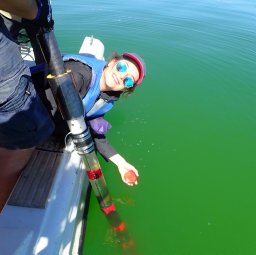 Maria C. Figueroa合作论文数Department of Earth and Planetary Sciences, University of California6
 Anthony Chappaz合作论文数INRS-ETE, Université du Québec6
 Sandra D Taylor合作论文数Pacific Northwest Natl Lab, Phys & Computat Sci Directorate, Richland, WA 99352 USA5
 Lounejeva Elena合作论文数5
 Daniel Perea合作论文数Pacific Northwest National Laboratory5
 Ivan Belousov合作论文数4
 Libor Kovarik合作论文数Physical Sciences Division, Pacific Northwest National Laboratory4
 Sebastien Meffre合作论文数Centre for Ore Deposit Research, University of Tasmania4
 Peter John McGoldrick合作论文数Centre for Ore Deposit Research;University of Tasmania;Centre for Ore Deposit Research, University of Tasmania4
 Patrick Sack合作论文数School or Earth Science, University of Tasmania4Nicole Freij合作论文数3
 Indrani Mukherjee合作论文数Earth Science, University of Tasmania3
 Valeriy Vladimirovich. Maslennikov合作论文数3
 Jacqueline Ann Halpin合作论文数Geoscience, University of Sydney Sydney3
 Leonid Danyushevsky合作论文数Centre of Excellence in Ore Deposits, University of Tasmania;School of Earth Sciences, University of Tasmania3s w bull合作论文数2Nicole Atienza合作论文数2
 Adrian J Fabris合作论文数2
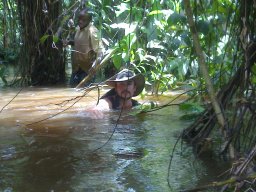 Stephen Kuhn合作论文数Sch Nat Sci Earth Sci, Univ Tasmania2
 Nathan Fox合作论文数W. H. Bryan Mining & Geology Research Centre, Sustainable Minerals Institute, The University of Queensland2
 Trevor Ireland合作论文数School of Earth and Environmental Sciences, Faculty of Science, The University of Queensland2
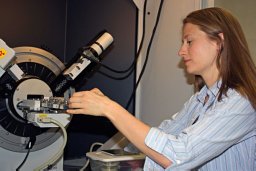 Morrison Shaunna M合作论文数Department of Geosciences, University of Arizona2
 Ariel Anbar合作论文数Department of Chemistry & Biochemistry, Arizona State University;School of Earth and Space Exploration, Arizona State University2Holden Peter合作论文数2
 Jeremy D. Owens合作论文数Department of Earth, Ocean & Atmospheric Science, College of Arts and Sciences, Florida State University2
 Shaoyong Jiang (蒋少涌)合作论文数School of Earth Resources, China University of Geosciences2
 Benjamin C. Gill合作论文数Virginia Polytechnic Institute and State University, State University2Paul Olin合作论文数2
 Aleksandr Stepanov合作论文数Research School of Earth Sciences, The Australian National University2
 John B. Cliff合作论文数Advanced Radioanalytical Chemistry, Pacific Northwest National Laboratory2
 Matthew J. Cracknell合作论文数2
 Michael B. Baker合作论文数Division of Geological and Planetary Sciences, California Institute of Technology2Stuart Bull合作论文数2
 Chris Reinhard合作论文数School of Earth & Atmospheric Sciences, College of Sciences, Georgia Institute of Technology;Cascade Climate2P. H. Olin合作论文数1
 John Long合作论文数College of Science and Engineering, Flinders University1Clara Brennan合作论文数1Yufei Wang合作论文数1Weijun Weng合作论文数1
 Ali Abedini合作论文数1
 Erke Peng合作论文数1
 Shaohao Zou合作论文数1
 Zhuojun Xie (谢卓君)合作论文数University of Chinese Academy of Sciences;Institute of Geochemistry, Chinese Academy of Sciences1Ann-Katrin Meinhardt合作论文数1Megan Swing合作论文数1
 Nathaniel Kemnitz合作论文数Department of Earth Sciences, University of Southern California1




