BACKGROUND:Despite professional guidelines encouraging integration, palliative care (PC) remains underutilized among surgical patients. OBJECTIVES:We sought to characterize contextual factors influencing PC integration in surgical practice from the patient perspective. METHODS:We used a combination of ethnographic observations and semistructured interviews with seriously ill older adults to explore perceptions of and behaviors related to PC among patients undergoing surgery. RESULTS:Across 207 observations and 19 interviews, we identified that patients were either unaware of PC or equated it with end-of-life care, believing that pursuing PC would mean forgoing surgery or efforts at recovery. Patients were nevertheless observed elevating concerns related to PC domains, including social or psychological burdens, during visits with surgeons. When presented with a comprehensive definition of PC, some patients were receptive to increased integration with surgery, whereas others preferred that their surgeons contribute only technical expertise. CONCLUSIONS:Our results offer new perspectives on established findings, including that patients equate PC with hospice and end-of-life treatments. Although patients in our study endorsed these same attitudes, they also exhibited interest in discussing broad domains of PC with their surgeons, highlighting further opportunities for integration.
CONTEXT:After hip fracture, older adults experience burdensome treatments and high mortality; they may therefore benefit from palliative care (PC). Best practices for PC integration during inpatient hip fracture care remain understudied. OBJECTIVES:To determine frequency of inpatient PC process documentation for seriously ill older adults with hip fracture and explore clinicians' perspectives on observed documentation patterns. METHODS:We used an explanatory sequential mixed-methods design. In a cohort of seriously ill adults ≥66 years old admitted for hip fracture from 2016 to 2019 at an academic health system, natural language processing was used to measure documentation of inpatient PC processes: healthcare proxy designations, code status limitations, goals of care conversations (GOCC), hospice discussions, and specialty PC. We then conducted semi-structured interviews (n = 10) with clinicians, exploring perspectives on documentation rates. Transcripts were coded thematically using a mixed deductive-inductive approach. RESULTS:Among 1433 hip fracture admissions, GOCC, hospice discussions, and specialty PC were documented in <25% each. Clinicians viewed these rates as reflective of under-documentation and under-delivery. Workflow barriers included lack of standardized processes and diffusion of responsibility across interdisciplinary teams. Emphasis on efficient perioperative optimization and minimizing prolonged hospitalizations competed with perceived time for delivery of GOCC and specialty PC. Clinicians described a rescue-oriented surgical culture in which the palliative value of surgical repair for hip fracture paradoxically limited surgeons' view on their role in GOCC. CONCLUSION:PC process documentation during hip fracture admissions was low. Limited standardization, role uncertainty, and cultural factors limited PC documentation and delivery, highlighting opportunities to strengthen PC integration in surgical care.
Objective: To explore surgical clinicians’ understanding of and activities related to palliative care (PC) in major elective surgery among seriously ill older adults. Summary Background Data: Despite professional standards and guidelines, PC remains infrequently utilized among seriously ill older adults undergoing major elective surgery. Methods: We conducted observations of clinic encounters and interviews with clinicians at seven clinical sites within a single regional health system. Using deductive analysis, we characterized patterns of PC delivery for seriously ill older surgical patients during clinic visits and identified opportunities to support PC integration in surgery. Results: Across 207 patient encounters and 15 clinician interviews (20% medical oncology and PC, 13% surgical oncology, urology, and orthopedics, and 7% in rehabilitative medicine) we found that clinicians in multiple surgical disciplines provided care aligned with PC, despite many surgeons endorsing a belief that PC and surgery were in conflict. Observations further revealed that surgeons redirected conversation to biomedical problems over psychosocial issues even when patients raised subjects like spiritual or psychosocial distress. Opportunities to help alleviate tension between PC and surgery include reframing of the “fixer” identity to include non-surgical approaches and underscoring the overlap between the aims of surgery and PC. Conclusions: Our findings suggest opportunities to align surgical practice and PC to more comprehensively address needs of seriously ill older surgical patients.
This article examines how time both exacerbates and destabilizes existing inequality by stratifying agency. Drawing on five years of fieldwork in nine cancer clinics and 196 in-depth interviews with 96 patients navigating a terminal cancer diagnosis toward the end of life, we show the centrality of "temporal misalignment"-a mismatch between the temporalities enacted by individual actions and those imposed by institutional contexts structuring when and how action is possible. A combination of ethnographic data and multiple correspondence analysis (MCA) reveals how effective use of resources requires cancer patients to (1) triage conflicting demands of treatment, work, family, and bureaucratic schedules; (2) reconcile mismatched trajectories of disease progression and healthcare institutions; and (3) anchor uncertain decisions at present in an anticipatable future. These efforts to manage temporal misalignment not only reproduce resource disparities, but also create new, imminent, and often embodied constraints on agency that even the most advantaged patients find resource-draining and goal-displacing as the disease progresses. Reconceptualizing time as a ruptured relationship between agency and contexts offers important sociological insights into how resources, institutions, and culture operate and intertwine to shape inequality in healthcare and beyond.
Background: The recent approval of anti-amyloid therapies (AATs) for Alzheimer's disease (AD) has introduced new complexities into clinical care. While offering therapeutic promise, AATs necessitate changes in practice models, infrastructure, and team responsibilities. Understanding clinician and system-level adaptations is critical to guide implementation. Objective: To explore how clinicians adjust clinical workflows and care processes when integrating anti-amyloid treatments into AD management. Methods: We conducted semi-structured interviews with neurology and geriatrics clinicians across seven academic medical centers to explore perspectives on AAT implementation. An interdisciplinary team used hybrid deductive-inductive coding and thematic analysis to identify themes. Results: Twenty-seven clinicians (17 neurology, 10 geriatrics) participated. Three themes emerged: (1) Structural adaptations: Sites developed governance committees, eligibility protocols, and workflows for referrals, administration, and monitoring. Some hired new staff, and protocols evolved with experience. (2) Diagnostic shifts: Clinicians reported heightened pressure for earlier, more precise diagnoses, prompting greater biomarker use and structured disclosure visits incorporating treatment discussions. (3) Cultural change: While clinicians described optimism about disease-modifying therapies, they expressed ethical concerns about resource allocation, over-medicalization of early dementia, and diversion of resources from broader dementia care. Conclusions: The findings reflect evolving institutional protocols, clinical roles and responsibilities, and ethical tensions within the clinical workforce in response to AAT administration and access to early diagnosis and treatment.
Older adults with hip fracture face a sudden decline in health, yet most never receive palliative care. This study used ethnography to examine how palliative care is woven into surgical care, revealing strengths in primary palliative care integration as well as unmet needs such as psychosocial and caregiving challenges.
Computational developments—particularly artificial intelligence—are reshaping social scientific research and raising new questions for in-depth methods such as ethnography and qualitative interviewing. Building on classic debates about computers in qualitative data analysis, we revisit possibilities and dangers in an era of automation, large language model chatbots, and big data. We introduce a typology of contemporary approaches to using computers in qualitative research: streamlining workflows, scaling up projects, hybrid analytical methods, the sociology of computation, and technological rejection. Drawing from scaled team ethnographies and solo research integrating computational social science alongside in-depth observation, we describe methodological choices across study life cycles, from literature reviews through data collection, coding, text retrieval, and representation. We argue that new technologies hold potential to address long-standing methodological challenges when deployed with knowledge, purpose, and ethical commitment. Yet, a pragmatic approach—moving beyond technological optimism and dismissal—is essential given rapidly changing tools that are both generative and dangerous. Computation now saturates research infrastructure, from algorithmic literature searches to scholarly metrics, making computational literacy a core methodological competence in and beyond sociology. We conclude that when used carefully and transparently, contemporary computational tools can meaningfully expand, rather than displace, the irreducible insights of qualitative research.
Introduction In recent years, US hospitals have implemented novel interventions to reduce racism, bias, and their effects in perinatal healthcare (e.g., implicit bias training, anti-racism seminars). Healthcare workers may also encounter informal interventions in support of these goals (e.g., peer feedback on microaggressions). There is little scholarship on how equity-focused interventions affect clinicians and clinical teams.Methods Using qualitative in-depth interview data from 20 California hospital-based perinatal clinicians, we investigated changes in how perinatal clinicians approached their work following equity-focused interventions.Results Sixteen respondents discussed changes they observed in themselves or their colleagues. We categorized these as: (1) cognitive changes (e.g., recognizing one's own biased thinking and behavior; better understanding the role of racism in disparities); (2) individual behavior changes (e.g., speaking up about inequities; assessing and mitigating bias in one's own behavior; acting more intentionally when caring for patients at risk for worse outcomes); and (3) team behavior changes (e.g., greater intra-colleague discussion of equity topics; collective accountability; efforts to reduce the harms of bias in clinical care). Many described interventions that overlapped or even synergized with one another, including combinations of formal and informal efforts.Conclusions Our findings suggest that equity-focused interventions can produce observable changes in perinatal patient-care processes. However, it may be challenging for evaluators and healthcare leaders alike to understand what interventions, in what combinations and perinatal settings, produce desired results. Researchers will need innovative methods and a deep understanding of the intervention context to rigorously study these novel interventions-overlapping, multi-level, synergistic-and their effects.
Prior research shows that caregiving for people living with dementia (PLWD) varies with cultural, institutional, and social structural context, but less is known about the role of context in dementias of different etiologies. We compared experiences of caregiving in frontal-temporal dementia (FTD) versus non-FTD dementias using community-based comparative ethnography. We expected to find differences in caring for people living with FTD (PLWFTD) versus people living with other dementias (PLWOD). Our analytical intent was to show how cultural, institutional, and structural context shaped these experiences and to identify opportunities for intervention. Data were obtained from three years of community-based ethnography in diverse communities in five cities via participant-observation (n = 282 daily fieldnotes) and in-depth semi-structured interviews (n = 80 PLWD and caregivers). For data collection, a diverse research team trained in observation and interview methods and met weekly to review field experiences. For analysis, we used a qualitative computational approach that included large language models to identify data about illness trajectory and caregiving experiences. We read through the resulting data deductively to examine our expected findings about PLWFTD versus PLWOD, and we used inductive analysis to make sense of unexpected and counterfactual findings. Our results highlight linkages among caregiving experiences, disease-etiology, and social context. As expected, we found differences in caregiving experiences of PLWFTD and PLWOD, and we also found many similarities. Among PLWFTD, earlier onset and more difficulty obtaining diagnosis created difficulties and delays in assuming a caregiving role. Following diagnosis, caregivers could find it challenging to recognize and manage their own response to the behavioral and personality changes associated with FTD. These compounded challenges experienced by all caregivers such as feelings of guilt, frustration over behavioral changes, structural barriers to care, and institutional challenges showed much-needed respite. Caregiving for PLWD is taxing on multiple levels with some additional challenges related to dementia diagnosis. These findings contribute an in-depth account of similarities and differences in caregiving experiences and can inform evidence-based recommendations to support caregiving initiatives and PLWD. Among modifiable factors, our results suggest a need for mechanisms to support differential diagnosis and for provision of respite care.
BACKGROUND AND OBJECTIVES:Latinx individuals in the United States experience elevated risk of cognitive impairment, less access to institutional care, and more caregiver strain. Cultural orientations have been emphasized as a factor in caregiving decisions in Latinx families but rarely in the context of community structural position and institutional circumstances. This ethnographic case study illustrates how cultural, institutional, and structural factors shape Latinx families' deliberations and decisions about institutional care for members experiencing cognitive decline. RESEARCH DESIGN AND METHODS:We use comparative ethnography to examine experiences of older adults with cognitive decline and their care partners. Analysis focuses on ten care partners and nine older adults in urban and rural Northern California. Drawing on analytical memos that integrate data from semi-structured interviews and participant observation in community settings, we explore how older adults and care partners make decisions to pursue institutional care. RESULTS:Among our Latinx respondents, decisions to relocate from private to institutional care is complex and context-dependent. These decisions reflect cultural orientations including values of familism and individuality as well as access to resources that reflect structural circumstances and support networks that assist in navigating local institutions. Familism is enacted in diverse ways, with family involvement playing a role before, during, and beyond institutionalization. DISCUSSION AND IMPLICATIONS:This study illustrates how social factors contextualize culturally mediated decisions regarding older adult caregiving in Latinx families. Its results imply that navigational assistance could support decision-making in Latinx communities. It highlights the utility of fine-grained data for accurately capturing this dynamic process.
Background People with Alzheimer's disease (AD) now have access to disease-modifying treatment with anti-amyloid monoclonal antibodies (mAbs). Their perception of risks and benefits and approach to treatment decisions remain unknown. Objective We aimed to understand how people with AD weigh the benefits and costs of anti amyloid mAbs and incorporate these into decisions about treatment. Methods We conducted semi-structured interviews with people with biomarker- or imaging-confirmed AD and mild or moderate cognitive impairment who were seen at memory care clinics and discussed lecanemab with a clinician. Interviews were recorded, transcribed, and deidentified. Thematic analysis identified themes and subthemes. Results Among 22 participants (mean age 70, 8 [36%] women, 22 [100%] White), analysis revealed 3 major themes and associated subthemes: (1) People with AD sought and obtained information from different sources—advocacy organizations, the Internet, and clinicians; (2) Hopes, expected benefits, and the existential threat of dementia drove willingness and readiness to start lecanemab; (3) Individual traits, family factors, and degree of trust in expertise influenced how people balanced risks and benefits. Some would accept treatment at any cost; others carefully weighed risks and burdens, but were motivated by supportive families, insurance coverage, and trust in expertise; for a few, costs decidedly outweighed their personal benefits. People with AD desired more individualized information and to hear more from patients who took the medication. Conclusions Results from this first qualitative study of people with AD considering treatment with anti-amyloid mAbs can inform clinician, health system and policy efforts to individualize decisions.
Anti-amyloid therapies (AATs) have changed the diagnosis and treatment paradigm of Alzheimer’s disease (AD). Our interdisciplinary team completed a qualitative study of clinicians’ experience with AAT implementation. We conducted semi-structured interviews with 27 prescribing clinicians at seven U.S. academic medical centers. We identified three themes using thematic content analysis. First, AATs affect practice norms for AD diagnosis. Clinicians feel added pressure for time-efficiency of the diagnostic process, sense expectations for more accurate diagnoses, and integrate AAT considerations into diagnostic disclosure and choice of tests. Even with increased time pressure, conversations about AATs are unfolding over multiple visits because of the time it takes for eligibility tests to return and to allow for shared decision-making. Second, the availability of AATs creates a paradigm shift with opportunities and challenges for clinicians. Clinicians describe feeling a sense of hope that is an ‘antidote’ to nihilism in dementia care. They also experience burdens from the increased workload and urgency of managing patients on infusion, inadequate institutional support, and reduced clinical time for patients not on AAT. Third, clinicians and institutions vary in lecanemab treatment protocols, including comfort with offering lecanemab to patients on concurrent anticoagulants or homozygous for ApoE4. While institutional protocols initially adhered closely to published appropriate use criteria regarding patient eligibility, clinicians reported modifications of eligibility criteria over time. Clinicians and clinical leaders can use findings from this study to consider structural changes to accommodate new workflows related to AAT and to inform the development of AAT decision-support interventions.
OBJECTIVE:Responsive and human-centered neurotechnology development requires attention to public perceptions, particularly among groups underserved by existing treatments. METHODS:The authors conducted a preregistered nationally representative survey (https://osf.io/ej9h2) using the NORC at the University of Chicago AmeriSpeak panel. One vignette compared an implanted neural device with surgical resection in a scenario involving epilepsy, and another compared an implanted neural device with medications in a scenario involving mood disorders. The survey also contained questions about respondents' confidence that a device would be available if needed and confidence that enough research has been conducted among people like themselves. Responses were entered into nested survey-weighted logistic regression models, including a base demographic model (to test the overall effect of demographic factors) and an adjusted model that also included socioeconomic, religious and political, and health care access predictors. RESULTS:A total of 1,047 adults responded to the survey, which oversampled Black non-Hispanic (N=214), Hispanic (N=210), and rural (N=219) Americans. In the base demographic model, older Americans were more likely to prefer an implanted device in the two scenarios, and non-Hispanic Black Americans were less likely than non-Hispanic White Americans to prefer a device; rural Americans were less confident than urban or suburban Americans in having access, and non-Hispanic Black and rural Americans were less confident that enough research has been conducted among people like themselves. In adjusted models, income was a key mediator, partially explaining the effect of age and the contrast between Black and White non-Hispanic respondents on preferences for a device in the epilepsy scenario and fully explaining the effect of rurality on confidence in access. CONCLUSIONS:Demographic differences in prospective preferences and concerns highlight the importance of including members of underserved communities in neurotechnology development.
Computational developments--particularly artificial intelligence--are reshaping social scientific research and raise new questions for in-depth methods such as ethnography and qualitative interviewing. Building on classic debates about computers in qualitative data analysis (QDA), we revisit possibilities and dangers in an era of automation, Large Language Model (LLM) chatbots, and 'big data.' We introduce a typology of contemporary approaches to using computers in qualitative research: streamlining workflows, scaling up projects, hybrid analytical methods, the sociology of computation, and technological rejection. Drawing from scaled team ethnographies and solo research integrating computational social science (CSS), we describe methodological choices across study lifecycles, from literature reviews through data collection, coding, text retrieval, and representation. We argue that new technologies hold potential to address longstanding methodological challenges when deployed with knowledge, purpose, and ethical commitment. Yet a pragmatic approach--moving beyond technological optimism and dismissal--is essential given rapidly changing tools that are both generative and dangerous. Computation now saturates research infrastructure, from algorithmic literature searches to scholarly metrics, making computational literacy a core methodological competence in and beyond sociology. We conclude that when used carefully and transparently, contemporary computational tools can meaningfully expand--rather than displace--the irreducible insights of qualitative research.
Importance:There exists a default toward high-intensity treatments near the end of life in the United States, including for people living with advanced dementia (PLWD). Clinical momentum, a cascade of increasingly intensive treatments facilitated by systemic factors, contributes to this default. The intensity of treatments provided to PLWD near the end of life is lower in Great Britain. Using Great Britain as a counterexample to the United States, this study examines factors that may contribute to lower-intensity treatment patterns. Objective:To understand factors within the British health care system that shape treatment intensity for PLWD. Design, Setting, and Participants:This qualitative study used semistructured, in-depth interviews with clinicians at 1 National Health Service (NHS) trust in South London and with caregivers of PLWD in England and Wales. Interviews were conducted between February 2021 and February 2023. Perspectives on factors influencing treatment escalation decisions in PLWD were elicited. Data were analyzed using thematic analysis. Main Outcomes and Measures:The primary outcome was the individual-, institutional-, and system-level factors that affect treatment escalation decisions among PLWD in Great Britain. Results:A total of 13 clinicians (11 [84.6%] women; 3 [23.1%] Asian or Asian British, 1 [7.7%] Black, Black British, Caribbean, or African, and 9 [69.2%] White; median [range] years in practice, 26 [8-35]) and 14 caregivers (8 [57.1%] women; 3 [21.4%] Asian or Asian British, 2 [14.3%] Black, Black British, Caribbean, or African, and 8 [57.1%] White; median [IQR] age among 13 who provided data, 32 [28-45] years) participated. Caregiver respondents discussed individual-level factors preventing escalation to high-intensity treatments (transparent communication and knowledge of dementia trajectory). Clinician and caregiver respondents described institutional-level factors (eg, protocols, resources, and practices) and system-level factors (eg, national policies, laws, and cultural norms) shaping treatment escalation decision-making. Conclusions and Relevance:In this qualitative study of clinicians and caregivers in Great Britain, respondents reported individual-, institutional-, and system-level factors that they perceived to both independently and collectively prevent potentially nonbeneficial treatment escalation, including to life-sustaining treatments, and facilitate deescalation in PLWD. These factors created structured opportunities for clinicians and caregivers to deliberate on decisions to escalate treatment intensity. The convergence of these factors generated a clinical practice pattern minimizing escalation toward high-intensity treatments in PLWD, referred to here as clinical deceleration, in contrast to the default clinical momentum observed in the United States.
Lecanemab, an anti‐amyloid monoclonal antibody, modestly slows cognitive decline in early Alzheimer's disease but may cause adverse events, including amyloid‐related imaging abnormalities due to edema (ARIA‐E) or hemorrhage (ARIA‐H). A small percentage of ARIA‐E and ARIA‐H cases may be disabling or fatal. As lecanemab becomes available, understanding clinician communication of its benefits and risks to patients and caregivers is crucial. This qualitative study investigates clinician communication of lecanemab's risks and benefits to support patient and caregiver decision‐making. We conducted semi‐structured interviews with clinicians who prescribe anti‐amyloid therapy at seven academic medical centers. An interdisciplinary research team used hybrid inductive‐deductive thematic analysis. 27 clinicians completed interviews (Women [ n = 17], White [ n = 19], Neurologists [ n = 20]). Three preliminary themes emerged. First, clinicians used varied approaches to describe the therapy's benefits and risks. They used analogies to explain lecanemab's mechanisms and discussed statistical outcomes from the CLARITY‐AD clinical trial, often stating ‘this is not a cure.’ While all clinicians communicated the risks, they differed in how much they emphasized or de‐emphasized their clinical impact, particularly ARIA. Second, patient contextual factors shaped communication. Clinicians personalized conversations based on patients’ comorbidities, caregiver support, treatment hopes and fears, and eligibility criteria fit. Third, For example, while clinicians honor patients’ choices to pursue treatment, many do not routinely ‘recommend’ it (but may recommend against it given particular patient factors). Clinicians at the forefront of lecanemab treatment use a variety of communication approaches to discuss benefits and risks. These insights can guide future interventions to improve communication and decision‐making for lecanemab.
Anti-amyloid therapies (AATs) have changed the diagnosis and treatment paradigm of Alzheimer’s disease (AD). Our interdisciplinary team completed a qualitative study of clinicians’ experience with AAT implementation. Our interdisciplinary team conducted a qualitative study examining clinician experiences with AAT implementation across seven U.S. academic medical centers with representation from all regions across the United States. We conducted semi-structured interviews with 27 prescribing clinicians and analyzed transcripts using thematic content analysis. Our findings highlight three major themes. First, AATs affect practice norms for AD diagnosis. Clinicians feel added pressure for time-efficiency of the diagnostic process, sense expectations for more accurate diagnoses, and integrate AAT considerations into diagnostic disclosure and choice of tests. Even with increased time pressure, conversations about AATs are unfolding over multiple visits because of the time it takes for eligibility tests to return and to allow for shared decision-making. Second, AATs represent a paradigm shift that brings both promise and complexity to dementia care. Clinicians expressed renewed hope in treatment options, which they described as an "antidote to nihilism" in dementia care. However, this optimism is tempered by increased workload, acute management pressures, and the challenge of maintaining quality care for non-AAT patients amidst shifting priorities and limited institutional support. Third, clinicians and institutions vary in lecanemab treatment protocols, including comfort with offering lecanemab to patients on concurrent anticoagulants or homozygous for ApoE4. While institutional protocols initially adhered closely to published appropriate use criteria regarding patient eligibility, clinicians reported modifications of eligibility criteria over time. Clinicians and clinical leaders can use findings from this study to consider structural changes to accommodate new workflows related to AAT and to inform the development of AAT decision-support interventions.
Background Clinician communication at the time of a dementia diagnosis often inadequately addresses patient and caregiver needs. We aimed to characterize the communication experiences of patients and caregivers affected by dementia using an evidence-based serious illness communication framework.Methods We conducted semi-structured interviews of patients with dementia and caregivers. An interdisciplinary research team used thematic content analysis to identify themes.Results Participants included 6 patients and 15 caregivers recruited from the community and health care settings (n = 21; 17/21 female; n = 13 White (61%); n = 4 Black or African American (19%); n = 4 Latino/a (19%); n = 2 Asian; n = 2 other). Five themes were identified. First, perceptions of respectful or disrespectful communication affect the relationship with clinicians and contributes to positive or negative communication experiences. Second, participants described the emotional impact of sudden or unsupported disclosures, in which they felt unprepared to receive the news or emotionally abandoned after diagnosis. Third, the absence of, or ambiguity around, a definitive dementia diagnosis contributes to patient and caregiver distress and to feeling dismissed by clinicians. Fourth, mixed responses to illness education and clinician recommendations after disclosure reveals the need for more personalized and comprehensive care planning. Fifth, careful consideration around the timing of prognostic communication and advance care planning discussions is necessary to meet the needs of patients and caregivers with different emotional readiness, illness beliefs, and information preferences.Conclusion Dementia diagnostic disclosure would benefit from a structured yet tailored communication approach that prioritizes respectful communication, emotional support, and comprehensive care planning to meet the needs of patients and caregivers.
As lecanemab becomes available to people living with dementia, there is a pressing need to understand how they weigh the potential benefits against costs. This study investigates how older adults perceive lecanemab’s risks and benefits and their approach to treatment decisions. Semi-structured interviews of older adults undergoing evaluation in Neurology clinics for lecanemab eligibility at two academic medical centers. An interdisciplinary research team used rapid thematic analysis guided by the Ottawa Decision Support Framework. 22 people completed interviews (mean age 70 years, 36% women, 100% white). Preliminary themes included: 1) Hopes, expected benefits, and the existential threat of dementia driving willingness and readiness to start lecanemab . Hopes included more time with family and more time feeling like themselves by stalling the progression of cognitive decline and amyloid build-up. Some expected benefits included “getting back to where I was” and “getting better, not worse.” Some patients pursued Lecanemab because it would be doing ‘something’ (versus nothing), given the fear and stress of dementia. 2) Patients sought and obtained information from different sources, including advocacy organizations, the Internet, and clinicians. Patients desired more information about their personal risk and wanted to hear more from patients who took the medication. 3) Individual traits and preferences, family factors, and degree of trust in expertise influence how patients balance risks and benefits . Some patients were willing to accept treatment at any cost, either due to the perceived inevitability of decline without intervention or because they tend to “look past the negatives” when making decisions. Others weighed risks (e.g., brain bleeding) and financial and logistical costs carefully, but supportive families, insurance coverage, and trust in the system helped in their decision to start treatment. A small proportion of people would not get the treatment as the costs outweighed their personal benefit. This group of people with mild dementia who are at the forefront of lecanemab treatment showed variation in hopes for treatment, information sought and obtained, and contextual factors in decision-making, supporting the need for an individualized approach. These insights can guide future interventions to improve individualized decision-making for lecanemab treatment.
INTRODUCTION:Anti-amyloid monoclonal antibodies (mAbs) slow cognitive decline in Alzheimer's disease but may cause amyloid-related imaging abnormalities (ARIA), which can rarely be disabling or fatal. This qualitative study investigates how clinicians communicate the benefits and risks of mAbs to patients and caregivers. METHODS:Semi-structured interviews with clinicians who prescribe mAbs at seven academic medical centers. Hybrid inductive-deductive thematic analysis by interdisciplinary researchers. RESULTS:In 27 clinician interviews (women [n = 17], White individuals [n = 19], neurologists [n = 17]), three themes emerged. First, clinicians varied in techniques used and concepts emphasized, including using analogies, discussing statistics, and emphasizing versus de-emphasizing risks. Second, patient contextual factors (e.g., comorbidities), hopes, and fears shaped communication. Third, clinician communication varied by training, personal style, and ambivalence. While clinicians honor patients' choices to pursue treatment, many do not "recommend" it (but may recommend against it). DISCUSSION:Preliminary insights about how clinicians communicate tradeoffs can guide future shared decision-making interventions for mAbs. Highlights:This qualitative study among 27 clinicians across seven academic medical centers examined how clinicians communicate with people with Alzheimer's disease about risks and benefits of anti-amyloid therapy, which can influence treatment decisions.Clinicians varied in what techniques they employed and how they portrayed risks and benefits, and whether they incorporated patients' values.They cited comorbidities, eligibility criteria fit, and degree of social support or family involvement in decisions as factors used in framing discussions, while fewer used patients' goals to guide discussion.The professional training, individual practice style, and personal sense of ambivalence of clinicians shaped conversations.These findings can guide future interventions to improve communication and shared decision-making.
 Garrett Sarah B合作论文数Philip R. Lee Institute for Health Policy Studies, University of California20
 Corey M. Abramson合作论文数The Center for Urban Ethnography, University of California Berkeley14
 Elizabeth Dzeng合作论文数Cicely Saunders Institute of Palliative Care, Policy & Rehabilitation, Florence Nightingale Faculty of Nursing, Midwifery & Palliative Care, King’s College London11
 Christine Seel Ritchie合作论文数Division of Geriatrics, Department of Medicine, University of California San Francisco;Department of Medicine, Massachusetts General Hospital11Alissa Bernstein合作论文数Philip R. Lee Institute for Health Policy Studies;Global Brain Health Institute, University of California;Global Brain Health Institute, University of California9Reich Amanda J合作论文数8Thea Matthews合作论文数7
 Winston Chiong合作论文数7
 Stuart Henderson合作论文数6Alma Hernandez de Jesus合作论文数6Joanna Paladino合作论文数Brigham and Women’s Hospital, Harvard Chan School of Public Health6
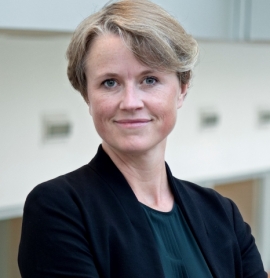 Katharine A. Rendle合作论文数Department of Biostatistics, Epidemiology and Informatics, Perelman School of Medicine, University of Pennsylvania6Parks Anna L合作论文数6
 Batten Jason合作论文数The Bioethics Institute, Loyola Marymount University6
 Katherine L. Possin合作论文数6Marie Murphy合作论文数5
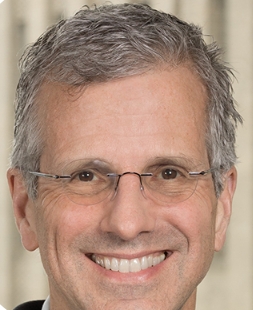 Jared Randall Curtis合作论文数Division of Pulmonary, Critical Care and Sleep Medicine, University of Washington5
 Fay Hlubocky合作论文数Biological Sciences Division, The University of Chicago5
 Shah Sachin J合作论文数School of Medicine, Yale University;Gillings School of Public Health, University of North Carolina;and Department of Medicine, Massachusetts General Hospital;University of North Carolina, Yale University5Katherine P. Rankin合作论文数5Laura Trupin合作论文数5
 Zara Cooper合作论文数Brigham and Women’s Hospital, Harvard Medical School5
 Christopher Daugherty合作论文数Department of Medicine, University of Chicago5
 Laura B Dunn合作论文数School of Medicine, University of California5Kristina Celeste Fong合作论文数4Tuot Delphine S合作论文数4
 Christopher J. Koenig合作论文数4Tiver Greer A合作论文数4
 Yael Schenker合作论文数4
 Robert M. Arnold合作论文数Division of General Internal Medicine, Department of Medicine, University of Pittsburgh School of Medicine;Center for Research on Health Care, Department of Medicine, University of Pittsburgh4Emily V.A. Finlayson合作论文数4
 Galen Joseph合作论文数Department of Anthropology, History, and Social Medicine, University of California4
 Tobias Haeusermann合作论文数Department of Sociology, University of Cambridge4
 Douglas B. White合作论文数Department of Critical Care Medicine, School of Medicine, University of Pittsburgh;Center for Bioethics Health Law, University of Pittsburgh4
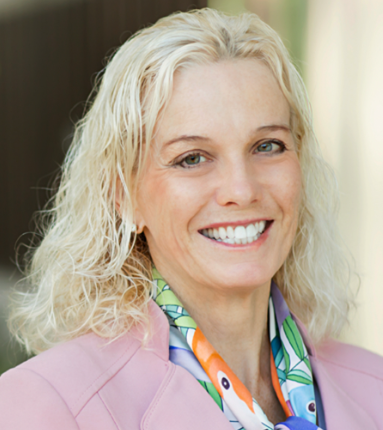 Pamela N. Munster合作论文数University of California San Francisco Health4Hiba Dhanani合作论文数3Melissa Ma合作论文数3Anne Barber合作论文数3Georges Naasan合作论文数3Sarah Rosenwohl-Mack合作论文数3Angelina D Tan合作论文数3
 Amylou C. Dueck合作论文数Division of Health Sciences Research, Mayo Clinic;Division of Clinical Trials and Biostatistics, Department of Quantitative Health Sciences, Mayo Clinic3Cecilia Alagappan合作论文数3Dockter Travis J合作论文数3Stephanie Fisher合作论文数3Jacquelyn K Callander合作论文数3
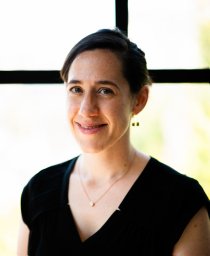 Anna Chodos合作论文数Division of Geriatrics, University of California3
 Sana Batool合作论文数3
 Sarah Dry合作论文数Department of Pathology and Laboratory Medicine, University of California, Los Angeles;Jonsson Comprehensive Cancer Center, University of California, Los Angeles;Ronald Reagan UCLA Medical Center, UCLA Health;UCLA Santa Monica Medical Center, UCLA Health3




