Background: Osteoporosis is associated with compromised bone quality and healing potential. Arthroscopic rotator cuff repair (RCR) restores shoulder function and reduces pain in patients with rotator cuff pathology. The influence of osteoporosis on complications and long-term outcomes following RCR remains underexplored. This study aims to evaluate the relationship between osteoporosis and outcomes after arthroscopic RCR. Methods: The PearlDiver Mariner 170 dataset was retrospectively analyzed. Patients were grouped by whether they had a diagnosis of osteoporosis within the year prior to RCR. The 2 groups were propensity score matched 1:1 on age, gender, and comorbidities. Outcomes were assessed at 1 year and 3 years post-operatively. The outcomes of interest included repeat RCR, Surgical Site Infection, frozen shoulder (FS), proximal humerus fracture, total shoulder arthroplasty (TSA), and lysis of adhesions/manipulation under anesthesia. Results: After propensity score matching, there were no differences in demographics and comorbidities between groups. At 1 year post-operatively, the osteoporosis group had increased rates of FS (3.7% vs. 3.1%; P = .004), proximal humerus fracture (0.6% vs. 0.4%; P = .002), and TSA (1.2% vs. 0.9%; P = .012). This trend persisted at 3 years post-operatively, with the osteoporosis group continuing to have increased rates of FS (4.8% vs. 4.0%; P < .001), proximal humerus fracture (1.0% vs. 0.7%; P = .001), and TSA (2.2% vs. 1.9%; P = .038). Conclusion: Patients with osteoporosis are at increased risk of FS, proximal humerus fractures, and TSA at 1 and 3 years after arthroscopic RCR. Overall rates of complication were low and osteoporosis should not be considered a contraindication to arthroscopic RCR.
Introduction:. Anxiety and depression are known comorbidities of adhesive capsulitis (AC); however, the impact of mental health disorders on treatment strategies and clinical outcomes remains underexplored. The purpose of this study was to examine 2-year outcomes among patients with AC with and without anxiety/depression. A secondary aim was to assess if pharmacotherapy or psychotherapy improved AC outcomes among those with anxiety/depression. Methods:. Retrospective review of the PearlDiver national-claims database was performed (2010-2023). Patients were grouped by whether they had a diagnosis of anxiety or depression within the year before their first AC diagnosis. The anxiety/depression group was propensity score matched (PSM) 1:1 to the no-anxiety/depression group on demographics/comorbidities. Outcomes were compared between the matched cohorts. Multivariate linear and logistic regression were performed to assess anxiety/depression as a predictor of 2-year outcomes after matching. Results:. Of the 1,021,051 patients with idiopathic-AC, 17.1% had a diagnosis of anxiety/depression within the year prior. After PSM, patients with anxiety/depression were 21% more likely to receive a steroid injection (odds ratio [OR] 1.21, p < 0.001), 29% more likely to have prolonged opioid use (OR 1.29, p < 0.001), and 28% more likely to report persistent shoulder pain (OR 1.28, p < 0.001) at 2 years postdiagnosis. Within the anxiety/depression cohort, 62.3% were prescribed antidepressants, while only 14.7% used psychotherapy. Both antidepressant and psychotherapy use were associated with greater risk of adverse outcomes; however, psychotherapy showed decreased rates of prolonged opioid use at 2 years postdiagnosis. Conclusion:. Preexisting anxiety and depression were associated with increased rates of adverse outcomes among patients with AC up to 2 years after diagnosis. Antidepressant medication and psychotherapy did not confer significant improvements in AC outcomes overall, although psychotherapy was associated with reduced prolonged opioid use. These findings may aid in patient expectation setting. Further research is warranted to evaluate whether a multidisciplinary approach to managing AC in patients with concurrent mental health disorders improves outcomes. Level of Evidence:. Level III < prognostic 2. See Instructions for Authors for a complete description of levels of evidence.
Background The effect of exogenous estrogen, as hormone replacement therapy (HRT), on surgical outcomes following rotator cuff repair (RCR) is unclear. This study evaluated the effect of preoperative HRT on postmenopausal women undergoing RCR. We hypothesize that preoperative HRT use is associated with higher rates of 90-day complications and worse two-year outcomes after RCR. Methodology A retrospective review of 22,992 female patients undergoing RCR in the PearlDiver database was performed. Patients on HRT within one year preoperatively were matched 1:3 with those not on HRT. Overall, 5,748 on HRT and 17,244 not on HRT were included. Univariate and multivariate analyses were performed to compare outcomes between groups. Results After propensity score matching, HRT patients had higher rates of alcohol disorders (p = 0.008), rheumatologic disorders (p = 0.001), and osteoporosis (p = 0.008), as well as an overall increased comorbidity burden, as shown by an increased Charlson Comorbidity Index score (p < 0.001). At two years postoperatively, the HRT group had increased rates of prolonged opioid use (3,958 (68.9%) vs. 10,527 (61.0%); p < 0.001) and total shoulder arthroplasty (123 (2.1%) vs. 296 (1.7%); p = 0.043). After controlling for the remaining differences between groups, the HRT group was still 40% more likely to have prolonged opioid use at two years post RCR (odds ratio: 1.40, 95% confidence interval: 1.31 to 1.49; p < 0.001). When comparing the type of HRT use, those who used oral HRT had increased rates of prolonged opioid use (3,090 (70.1%) vs. 868 (64.7%); p < 0.001) and total shoulder arthroplasty (104 (2.4%) vs. 19 (1.4%); p = 0.048) at two years postoperatively compared to those who used transdermal HRT. Conclusions Based on this study, preoperative HRT appears safe regarding repair integrity, although surgeons could consider risk stratifying patients based on administration route and implementing multimodal pain management strategies for patients on oral therapies.
PURPOSE:The purpose of this study was to evaluate the incidence of new-onset anxiety and depression (NOAD) in younger patients undergoing common sports medicine procedures, determine risk factors associated with NOAD, and identify which treatments are used. METHODS:A retrospective review of the PearlDiver national database was done. All patients included had no diagnosis of depression or anxiety before undergoing the following surgical procedures: anterior cruciate ligament reconstruction (ACLR), meniscus repair, hip arthroscopy (HA), shoulder instability repair, rotator cuff repair, or Achilles tendon repair. All patients were 25 years or younger and had ≥1-year follow-up. The primary outcome was development of NOAD within 1 year postoperatively. Multivariate regression was used to assess risk factors for NOAD. RESULTS:A total of 178,759 patients were included in this study. Overall, 8,900 (5.0%) of patients developed NOAD within 1 year postoperatively; HA patients had the highest rate of NOAD (8.43%). Logistic regression identified age (P < 0.001), female sex (P < 0.001), Charlson Comorbidity Index score (P < 0.001), alcohol disorders (P < 0.001), headaches/migraines (P < 0.001), obesity (P < 0.001), and tobacco use (P < 0.001) as predictors of NOAD. Compared with ALCR, HA patients (OR, 1.81; P < 0.001) had the greatest risk of developing NOAD. CONCLUSION:The incidence of NOAD in the first year after common sports medicine procedures was 5% for patients aged 25 years or younger. Increased age, substance use, comorbidities, and HA were identified as risk factors for NOAD. Additional study of both mental health and functional outcomes, prevention, and treatment strategies is required to elucidate the risk of NOAD.
Background:Shoulder instability is a common shoulder pathology, especially in young athletes involved in contact sports, sometimes requiring surgical intervention. In this retrospective database study, we aimed to identify the incidence of new-onset anxiety or depression (NOAD) after arthroscopic shoulder stabilization surgery, identify risk factors for the development of NOAD, evaluate the effect of NOAD on postoperative complications, and examine whether psychiatric interventions have a protective effect against adverse outcomes. Methods:A retrospective analysis of the PearlDiver national database was completed. Included patients had no prior diagnosis of depression/anxiety or prior utilization of antidepressant medication before shoulder stabilization surgery and had at least 1 year of postoperative follow-up. The primary outcome was the development of NOAD within 1 year postoperatively. Multivariate logistic regression was used to assess predictors of NOAD. Postoperative outcomes were compared between patients who did and did not develop NOAD after propensity score matching. A subgroup comparison of outcomes across various NOAD treatments was performed. Results:Of the 38,388 patients, 1,950 (5.1%) were diagnosed with NOAD within 1 year postoperatively. Increased age (odds ratio [OR]: 0.98, 95% confidence interval [CI]: 0.98-0.98; P < .001), increased Charlson Comorbidity Index score (OR: 1.07, 95% CI: 1.01-1.12; P = .012), female sex (OR: 1.72, 95% CI: 1.56-1.89; P < .001), hypermobility (OR: 2.17, 95% CI: 1.33-3.38; P = .001), headaches/migraines (OR: 1.33, 95% CI: 1.20-1.47; P < .001), obesity (OR: 1.49; 95% CI: 1.31-1.70; P < .001), preoperative opioid use (OR: 3.68, 95% CI: 3.34-4.05; P < .001), tobacco use (OR: 2.25, 95% CI: 1.99-2.53; P < .001), and alcohol disorders (OR: 2.13, 95% CI: 1.70-2.64; P < .001) were all associated with a higher risk of developing NOAD. Postoperatively, the NOAD group had a 9.52 times increased risk of 90-day readmission (P < .001), a 1.58-times increased risk of prolonged opioid use (P < .001) at 1 year, increased total cost ($11,107 ± 12,317 vs. $7,695 ± 8,840; P < .001), and a 1.48-times increased risk of revision at 2 years (P < .001). Patients with NOAD undergoing psychotherapy had lower rates of postoperative opioid use. Conclusion:The postoperative development of NOAD is an understudied but relatively common complication of arthroscopic shoulder stabilization surgery, occurring in approximately 5% of patients. The current study highlights a variety of risk factors that may be used to identify at-risk patient populations. Further work is needed to identify interventions that can mitigate the adverse outcomes associated with NOAD.
Purpose: To evaluate disparities in preoperative patient-reported outcome measure (PROM) completion rates, specifically Patient-Reported Outcome Measurement Information System, Physical Function (PROMIS-PF), among patients undergoing common arthroscopic procedures. Methods: A retrospective review of patients undergoing arthroscopic procedures (knee arthroscopy, arthroscopic rotator cuff repair, hip arthroscopy, anterior cruciate ligament reconstruction) at a single institution from 2021 to 2024 was performed. Patients without documented race/ethnicity were excluded. The primary outcome was completion of the PROMIS-PF survey in clinic preoperatively. Univariate and multivariate analyses were performed to assess the relationship between race, ethnicity, social vulnerability (measured using the Centers for Disease Control Social Vulnerability Index [SVI]) and PROMIS-PF completion rates. Results: A total of 2,542 patients were included in the study; 715 (28.1%) patients underwent hip arthroscopy, 418 (16.4%) patients underwent arthroscopic rotator cuff repair, 193 (7.8%) patients underwent anterior cruciate ligament reconstruction, 770 (30.3%) patients underwent arthroscopic meniscectomy, 165 (6.5%) patients underwent arthroscopic meniscal repair, and 281 (11.1%) underwent knee arthroscopy. Overall, 60.8% of patients completed PROMIS-PF preoperatively. There were no significant differences in race, ethnicity, sex, age, body mass index, or overall SVI between patients who completed PROMIS-PF preoperatively and those who did not or within specific procedure categories. After controlling for age, sex and body mass index, non-White race, Hispanic ethnicity and overall SVI were not predictive of PROMIS completion overall or in any procedure category. Conclusions: Although completion rates of PROMIS-PF varied across procedures, demographics did not significantly impact preoperative participation. Clinical Relevance: PROMs are important to track the results of treatment of individual patients and to determine what treatments generally work best. It is important to understand characteristics of patients who do not complete PROMs so surgeons can be aware of who may be at a greater risk for noncompletion.
BACKGROUND:Lateral Extra-Articular Tenodesis (LET) is increasingly performed in conjunction with anterior cruciate ligament reconstruction (ACLR) to provide improved rotational knee stability. This study seeks to assess national utilization trends, revision rates, and complication profiles for primary ACLR vs ACLR with LET in a large national database. METHODS:A retrospective study of patients undergoing primary ACLR with or without LET in the PearlDiver database was performed. Multivariate analysis was performed to identify predictors of LET performance. ACLR-only and ACLR/LET patients were then propensity matched for age, sex, and comorbidity burden. 2-year postoperative outcomes including revision-ACLR, meniscus surgery, lysis of adhesion (LOA), manipulation under anesthesia (MUA), and total knee arthroplasty (TKA) were compared between groups. RESULTS:Of 140,866 primary ACLR analyzed, 1,814 (1.3 %) had LET, with LET utilization increasing five-fold from 0.6 % in 2015 to 3.7 % in 2023. Younger age, male sex, meniscal repair and hypermobility were associated with increased odds of LET performance, while meniscectomy use was associated with decreased odds. There were no significant differences in rates of revision ACLR (ACLR/LET: 4.8 % vs ACLR: 3.6 %; p = 0.207), meniscus surgery, LOA, MUA, or TKA between the ACLR and ACLR with LET groups at 2-year follow-up. CONCLUSIONS:The utilization of concomitant LET with ACLR is increasing nationally; however, in this large cohort, the addition of LET was not associated with lower revision rates or increased complications at 2-year follow-up. Further prospective study with granular clinical data, patient-reported outcomes, and longer follow-up is needed to assess the potential benefits of combined ACLR/LET procedures.
Background:Previous studies have successfully generated models for predicting retears after arthroscopic rotator cuff repair (RCR), but few models for predicting functional improvement have been developed. The purpose of this study was to evaluate factors influencing physical function after RCR and to create a model for predicting minimal clinically important difference (MCID) achievement. Methods:A retrospective review of 221 patients undergoing arthroscopic RCR from May 2021 to February 2023 was performed. The primary outcome was achievement of MCID on the patient-reported outcomes measurement information system physical function (PROMIS-PF) instrument at 6 months postoperatively. A logistic regression model was generated to evaluate the association between demographics, comorbidities, surgical details, and MCID achievement. Results:The following variables were retained as they improved model fit: age, sex, race, American Society of Anesthesiologists score, tear size, number of tendons, concomitant subacromial decompression, and baseline PROMIS-PF score. After controlling all other factors, only full-thickness tears were associated with increased odds of MCID achievement (odds ratio [OR] = 4.45, P = .002). Factors associated with decreased odds of MCID achievement included non-White race (OR = 0.32, P = .017), American Society of Anesthesiologists score ≥3 (OR = 0.39, P = .027), subacromial decompression (OR = 0.30, P = .043), and higher baseline PROMIS-PF (OR = 0.86, P < .001). The area under the curve of the model was 0.788, indicating moderate predictive accuracy. Conclusion:At 6-month follow-up, 59% of patients undergoing arthroscopic RCR achieved MCID on the PROMIS-PF instrument. Using 8 variables, MCID achievement could be predicted with approximately 79% accuracy. These findings may aid surgeons in patient selection and managing patient expectations.
BACKGROUND:Prior studies evaluating the mental-health burden of recovery from anterior cruciate ligament reconstruction (ACLR) have focused primarily on athletes. The purpose of this study is to evaluate rates of new-onset anxiety and depression (NOAD) after ACLR and identify risk factors in the broad population of ACLR patients. METHODS:A retrospective review of the PearlDiver national database was performed. All patients included had no prior diagnosis of depression or anxiety prior to undergoing ACLR and had ≥1-year follow-up. The primary outcome was development of NOAD within 1-year postoperatively. Multivariate regression was used to assess predictors of NOAD; clinical outcomes were compared between patients with and without NOAD. RESULTS:Of the 20,442 ACLR patients included, 1,284 (6.3%) were diagnosed with NOAD within 1-year postoperatively. Men (OR: 0.63, p < 0.001) and patients from the southern US (OR: 0.81, p = 0.007) had lower rates of NOAD. Conversely, older patients (OR: 1.02, p < 0.001), patients with alcohol disorders (OR: 2.19, p < 0.001), anemia (OR: 1.26, p = 0.008), headaches/migraines (OR: 1.60, p < 0.001), obesity (OR: 1.38; p < 0.001), sleep apnea (OR: 1.40, p < 0.001), tobacco use (OR: 2.15, p < 0.001), and preoperative opioid use (OR: 1.23, p = 0.001) had higher rates of NOAD. Postoperatively, patients with NOAD had higher rates of 90-day readmission (1.1% vs. 0.3%; p < 0.001), higher rates of opioid use at 1-year (30.7% vs. 20.4%; p < 0.001), and higher rates of additional knee surgery at 2-years (5.4% vs. 3.2%; p < 0.001). CONCLUSION:The current study highlights risk factors for NOAD after ACLR that may be used to identify at-risk populations. The development of targeted multidisciplinary interventions may improve outcomes for these patients.
Background: Prior studies have shown that testosterone replacement therapy (TRT) may be a risk-factor for complications after rotator cuff repair (RCR). This study evaluated complication rates among male RCR patients with and without a history of TRT preoperatively. Methods: A retrospective review of 33,032 male patients undergoing RCR in the PearlDiver database was performed. Patients receiving TRT within 1-year of surgery were propensity score matched 1:3 to those not receiving TRT, 8,258 TRT, and 24,774 no-TRT patients were included. Univariate and multivariate analyses were performed to compare outcomes between groups. Results: After controlling for decreased libido, benign prostatic hypertrophy, tobacco use, alcohol disorders, liver disease, rheumatologic disease, and preoperative steroid injections, TRT patients were more likely to be readmitted within 90 days (odds ratio [OR]: 1.26, P = .013). Within 2 years postoperatively, TRT patients were more likely to undergo (OR: 1.70, P < .001) or revision RCR (OR: 1.53, P < .001) and to have prolonged opioid use (OR: 1.32, P < .001), frozen shoulder (OR: 1.37, P < .001), and stroke/myocardial infarction (OR: 1.20, P < .001). Patients whose last TRT fill was within 6 months prior to surgery had higher rates of 90-day readmission (2.1% vs. 1.3%; P = .048), prolonged opioid use at 2 years (66.6% vs. 62.1%; P = .002), revision RCR at 2 years (13.1% vs. 8.7%; P < .001), and increased 2-year cost ($18,740 vs. $16,006; P < .001) compared to those whose last fill was 6-12 months preoperatively. Conclusion: TRT within 1 year of RCR appears to be a risk factor for multiple postoperative complications and subsequent shoulder surgery. Cessation of TRT prior to RCR should be considered on a patient-specific basis.
Introduction: Anterior cruciate ligament reconstruction (ACLR) is a widely performed surgical procedure to restore knee stability following an ACL tear. While previous studies have explored the impact of age on ACLR outcomes, the specific influence of age on allograft ACLR remains relatively debatable. This study aims to investigate the relationship between age and allograft failure rates in ACLR. Materials and Methods: This retrospective study included 482 patients who underwent primary ACLR using a bone patella tendon bone allograft. Data on patient demographics, comorbidities, and postoperative outcomes were collected. Univariate analysis was conducted to identify any significant differences between the age groups. All statistical analyses were performed using R Studio. Results: Among the observed age groups, older individuals had a higher prevalence of comorbidities, including anxiety or depression ( P = 0.043), hypertension ( P < 0.001), and sleep apnea ( P = 0.029). There were no significant differences in postoperative outcomes, including 90-day emergency department visits, 90-day postoperative admissions, or ACL retear with or without revision surgery at an average follow-up of 2 years, among the different age groups. The same was found when examining differences between patients <50 and patients 50 or older. Discussion and Conclusions: The results of the current study demonstrate that age does not significantly impact allograft ACLR outcomes. Age alone should not be the sole determining factor when considering ACL surgery, emphasizing the importance of personalized factors in decision-making.
Quadriceps and patellar tendon ruptures are rare but serious injuries that can severely disrupt function and quality of life. The aim of this study was to evaluate the rates and risk factors for failed quadriceps and patellar tendon repairs. A retrospective review of 78 patients undergoing surgical repair for quadriceps or patellar tendon rupture from March 2014 to December 2020 was performed. Univariate statistics were used to evaluate differences between groups. Approximately 10.3% of cases returned to the operating room, and 6.4% required revision repair for rerupture of the quadriceps or patellar tendon. Notable trends toward increased risk for rerupture included a history of prior knee surgery (odds ratio [OR] = 6.286, p = 0.065) and quadriceps tendon rupture (OR = 6.321, p = 0.055), although statistical significance was not achieved. Although not statistically significant, previous knee surgery and quadriceps tendon rupture appear to increase the risk of rerupture after primary tendon repair. (Journal of Surgical Orthopaedic Advances 33(4):212-215, 2024).
Background Inhalation anesthesia (IA) and total intravenous anesthesia (TIVA) are common general anesthesia techniques. During rotator cuff repair (RCR), an interscalene block is beneficial for intraoperative and early postoperative pain control. This study aimed to evaluate postoperative outcomes and opioid usage in patients undergoing arthroscopic RCR with an interscalene block and either IA or TIVA. Methodology A retrospective observational study was performed of 478 patients undergoing RCR at a single institution. Demographics, surgical details, intra and postoperative medications, and 90-day outcomes were collected. Univariate and multivariate analyses were performed to evaluate differences between groups. Results In total, 309 (64.6%) patients received IA and 169 (35.3%) received TIVA. Patients receiving IA were more likely to have comorbidities, such as diabetes (p = 0.002), sleep apnea (p = 0.006), gastroesophageal reflux disease (p < 0.001), and hypertension (p < 0.001). After adjusting for differences between groups in the multivariate analysis, patients who received TIVA had significantly shorter surgical time (β = -14.85, p < 0.001) and perioperative time (β = -21.01, p < 0.001) and significantly lower first post-anesthesia care unit Pasero opioid-induced sedation scores (β = -0.022, p = 0.040). Patients who received TIVA were less likely to receive intraoperative narcotics (odds ratio = 0.38; p = 0.031). Conclusions TIVA appears to be a safe and effective anesthetic for patients undergoing arthroscopic RCR. TIVA is a potentially beneficial alternative to IA for this patient population.
Background Re-tear following rotator cuff repair (RCR) is a concerning complication that can lead to poor patient outcomes and necessitate the need for revision surgery. The purpose of our study was to look at the combined construct of knotted vs. knotless medial row and suture vs. suture tape, focusing primarily on re-tear rates following surgery. Methods A retrospective observational study of 343 consecutive patients undergoing arthroscopic double row, 4-anchor rotator cuff repair from February 2014 to March 2020 was conducted. Univariate and multivariate statistics were used to assess differences in demographics, comorbidities and tear characteristics between patients who experienced a symptomatic re-tear and those who did not. Results The overall symptomatic re-tear rate was 7.6%. Patients who had a knotted medial row repair had a significantly lower rate of re-tear (4.7 vs. 11.3%, p = 0.022). Patients that had a knotted medial row and suture tape repair were significantly less likely to experience a re-tear (OR: 0.180, p = 0.001). Discussion The use of suture tape and a knotted medial row repair decreases the incidence of symptomatic re-tear following rotator cuff repair. The combined construct of suture tape and a knotted medial row in rotator cuff repair decreases the risk for symptomatic re-tear following surgery.
Background Concussion is one of the most frequently reported sports-related injuries in the United States; there is evidence that residual deficits in neurocognition may increase the risk of lower extremity musculoskeletal injury after concussion in high school, college, and professional athletes. The purpose of this study is to identify whether similar trends are identified in community-based populations. Methods The TriNetX Research Network database was queried for patients 10-60 years old who experienced an ambulatory or emergency visit from 2018-2020. Cohorts were defined by patients seen for concussion and patients seen for other reasons. These cohorts were then propensity score matched based on significant differences in demographics; after matching, each cohort included 97,708 patients. The propensity score -matched cohorts were then evaluated to identify patients who experienced subsequent lower extremity ligamentous injury within 12 months. Results Patients with a history of concussion were more likely to experience posterior cruciate ligament (PCL) sprain (0.04% vs. 0.02%, risk ratio (RR)=1.79, p=.039), medial collateral ligament (MCL) sprain (0.18% vs. 0.08%, RR=2.355, p<.001), lateral collateral ligament (LCL) sprain (0.05% vs. 0.02%, RR=2.202, p=.003) and ankle sprain (1.05% vs. 0.47%, RR=2.265, p<.001). Conclusion Patients diagnosed with concussion were more likely to experience a lower extremity ligamentous injury when compared with patients who did not have concussion. Patients should be counseled regarding this increased risk and additional neuromuscular evaluation and injury prevention education may be indicated following concussion diagnosis.
BACKGROUNDCyclops lesions are a known complication of anterior cruciate ligament (ACL) reconstruction, with symptomatic cyclops syndrome occurring in up to 11% of surgeries. Recurrent cyclops lesions have been rarely documented; this case study documents the successful treatment of a recurrent cyclops lesion.CASE SUMMARYA 28-year-old female presented following a non-contact injury to the right knee. Workup and clinical exam revealed an ACL tear, and arthroscopic reconstruction was performed. Two years later a cyclops lesion was discovered and removed via arthroscopic synovectomy. Seven months postoperatively, the patient presented with pain, stiffness, and difficulty achieving terminal extension. A smaller recurrent cyclops lesion was diagnosed, and a repeat synovectomy was performed. The patient recovered fully.CONCLUSIONTo the best of our knowledge, this is the first documented case of recurrent cyclops lesion after bone-patellar tendon-bone allograft ACL reconstruction presenting as cyclops syndrome.
Background Arthroscopic repair of glenohumeral instability is becoming an increasingly common procedure. These repairs can be undertaken using knot-tying and knotless suture anchors; there is currently no clear consensus in the literature about what type of repair is most cost-effective and provides superior outcomes. The purpose of this study is to examine postoperative outcomes of patients undergoing arthroscopic anteroinferior labral repair (AALR) with either knot-tying or knotless anchors. Methods A single institution retrospective observational cohort study of 122 patients undergoing AALR from January 2014 to June 2021 was conducted. Univariate statistics were used to assess differences in demographics, operative characteristics, and postoperative outcomes between repair types; multivariate analysis was used to evaluate risk factors for recurrent instability and reoperation. Results Patients undergoing AALR with knotless anchors had a shorter case duration than those with knot-tying anchors (112.64 vs. 89.86 minutes, p<0.001). There were no significant differences between groups in the size of labral tear, presence of a glenoid bone defect, or Hill-Sachs lesion. After controlling for age, BMI, sex, glenoid bone defect, number of preoperative dislocations, and fixation type, only age (OR=0.896, p=0.010) and female sex (OR=5.341, p=0.008) were independent risk factors for recurrent instability and no factors were independent predictors of reoperation. Conclusion Patients undergoing AALR experienced similar rates of reoperation and recurrent instability regardless of whether a knot-tying or knotless repair was performed. The use of knotless suture anchors may improve cost-effectiveness due to decreased surgical time without diminishing postoperative outcomes.
A common postoperative complication after rotator cuff repair is re-tear requiring a secondary procedure. Double row and trans-osseous equivalent repair techniques have become increasingly popular in recent years, however repair failure remains a relatively common complication after primary rotator cuff repair. A retrospective observational study of 389 consecutive patients undergoing arthroscopic double-row rotator cuff repair from February 1, 2014 to March 31, 2020 was conducted. Univariate and multivariate statistics were used to assess differences in demographics, comorbidities, and tear characteristics between patients who experienced re-tear and those who did not. Repair failures were confirmed by plain MRI or intraoperatively during repeat surgical treatment. A subgroup analysis of patients who experienced re-tear due to medial row failure was conducted. The overall re-tear rate was 8.2% (32 patients). Six patients (1.5%) experienced medial row failure, while 26 patients (6.7%) experienced lateral row failure. The average time to re-tear was 279.3 ± 291.2 days. On multivariate analysis, patients with Goutallier Classification ≥3 (OR: 4.274, p = 0.046) and 3 anchor repair (OR: 5.387, p = 0.027) were at significantly increased risk for any re-tear after controlling for other tear characteristics. No statistically significant independent risk factors for medial row failure were identified after controlling for confounding variables. Goutallier classification greater than 3 and a primary repair with 3 anchors are significant risk factors for re-tear after double row rotator cuff repair, however they are not associated with increased occurrence of medial row failure. Further evaluation of risk factors for medial row failure is required to avoid this rare but serious re-tear pattern.
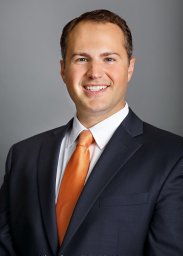 Justin Turcotte合作论文数Luminis Health Orthopedics24
 Benjamin Petre合作论文数14Andrea H Johnson合作论文数13Cyrus J. Lashgari合作论文数5James York合作论文数5Jane C Brennan合作论文数5David R. Diduch合作论文数4Jennifer Hart合作论文数3Michaline West合作论文数3Jeffrey M Gelfand合作论文数3
 Gehron P Treme合作论文数3
 Mark D. Miller合作论文数Department of Orthopaedic Surgery, School of Medicine, University of Virginia3Joseph M. Hart合作论文数3McKayla E Kelly合作论文数2Sohail Zaidi合作论文数2
 Grayson Kelmer合作论文数Luminis Health Orthopedics, Anne Arundel Medical Center;Campbell University School of Osteopathic Medicine;Anne Arundel Medical Center, Campbell University School of Osteopathic Medicine2David Keblish合作论文数1Parimal Rana合作论文数1Christopher Rennie合作论文数1M. Brook Fowler合作论文数1Laura A Stock合作论文数1Megan L Bosmans合作论文数1Paul J King合作论文数Anne Arundel Med Ctr, Ctr Joint Replacement1
 Wendy M Novicoff合作论文数Department of Orthopaedic Surgery, University of Virginia1Sheibani-Rad Shahin合作论文数1Patton Chad M合作论文数Department of Orthopaedics, University of Utah1Lunardini David合作论文数1Turman Kim合作论文数1
 William Mihalko合作论文数Department of Orthopaedic Surgery, The University of Tennessee Health Science Center1
 John Pryor Fulkerson合作论文数Department of Orthopaedics & Rehabilitation, Yale School of Medicine1
 Andrew Palsgrove合作论文数United BioSource Corporation1
 Adam Martin合作论文数1
 Khaled Saleh合作论文数1




