Acquired loss of functional von Willebrand factor (VWF) has been termed the acquired von Willebrand syndrome (AVWS). AVWS is a rare adult‐onset bleeding diathesis that is clinically similar to congenital von Willebrand disease (VWD), and occurs with a variety of autoimmune, lymphoproliferative, or myeloproliferative disorders. We have identified four patients with AVWS in association with immunoglobulin light chain (AL) amyloidosis. These patients, lacking any pre‐existing or family history of abnormal bleeding, developed cutaneous, mucosal, or gastrointestinal bleeding in the course of their disease without deficiency of clotting factor X or other factors; the activated partial thromboplastin time (aPTT) was prolonged in three out of the four cases. Despite normal VWF antigen levels, VWF ristocetin cofactor activity (VWF:RCo) was low. Electrophoresis patterns of high molecular weight (HMW) VWF multimers were abnormal in two of the four cases. Two of the patients were treated with high‐dose intravenous melphalan followed by autologous stem cell transplantation (HDM/SCT) and achieved hematologic remission. In these two patients, the bleeding diathesis improved and the coagulation parameters normalized, confirming a causal relationship between the plasma cell dyscrasia and the AVWS. AVWS should be considered in AL amyloidosis patients with hemorrhagic diatheses and normal clotting factor levels. Am. J. Hematol., 2007. © 2007 Wiley‐Liss, Inc.
word count:184 Text word count:3284 Scientific heading: Transplantation Blood First Edition Paper, prepublished online May 20, 2004; DOI 10.1182/blood-2004-01-0089 Copyright (c) 2004 American Society of Hematology For personal use only. on December 31, 2016. by guest www.bloodjournal.org From
Recently, protocols using high-dose melphalan chemotherapy and autologous peripheral blood stem cell transplantation (HDM/SCT) have been developed for the treatment of patients with immunoglobulin light chain (AL) amyloidosis. Although peritransplantation mortality is greater than for other hematologic diseases, treatment leads to durable hematologic complete responses, improvements in organ function and quality of life, and extended survival in a substantial proportion of patients. To determine whether this treatment can be applied to older patients, we have analyzed HDM/SCT treatment outcomes for 65 patients (aged 65 years or older) with AL amyloidosis compared with outcomes for 280 younger patients. For patients over age 65 years who meet the same eligibility criteria as younger patients, toxicity, hematologic remission rate, and survival were not significantly different from those observed in younger patients, indicating that older patients should not be excluded a priori from consideration for HDM/SCT treatment.
Median survival of patients with AL amyloidosis with clinically significant cardiac involvement is 5 months when treated with cyclic melphalan and prednisone. We investigated a regimen of continuous oral melphalan as a single agent for patients with cardiac amyloidosis who were unable to tolerate prednisone or more aggressive chemotherapy. Thirty patients with amyloid cardiomyopathy were treated with continuous oral melphalan. Seven of 13 patients, evaluable after 3-4 months of treatment, achieved a partial haematological response and three achieved a complete haematological response; six patients have survived for > 1 year. This regimen appeared to be effective in inducing haematological responses in patients who received total doses of melphalan > 300 mg.
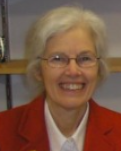 Martha Skinner合作论文数Amyloidosis Center, Department of Medicine, Section of Rheumatology, School of Medicine, Boston University4
 David C. Seldin合作论文数4Vaishali Sanchorawala合作论文数3Jj Anderson合作论文数2
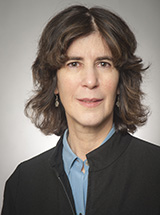 Laura M Dember合作论文数Department of Medicine and Epidemiology, Perelman School of Medicine, University of Pennsylvania;Center for Clinical Epidemiology and Biostatistics, Perelman School of Medicine, University of Pennsylvania;Department of Medicine, Perelman School of Medicine, University of Pennsylvania2Karim Malek合作论文数2Kathleen T. Finn合作论文数2Karen Quillen合作论文数2Carl O'Hara合作论文数1
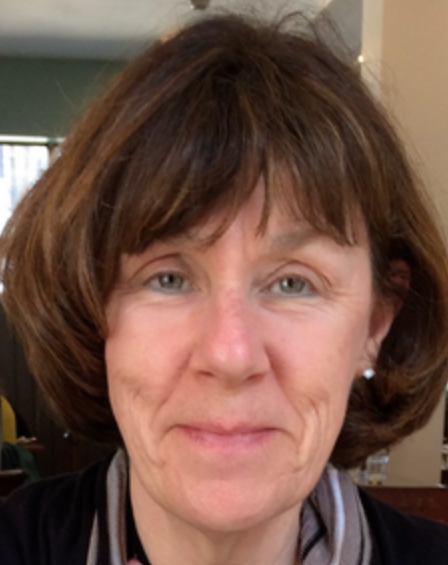 Lawreen Connors合作论文数School of Medicine, Boston University1Ward Jennifer Ellis合作论文数1Kos Cynthia A合作论文数1
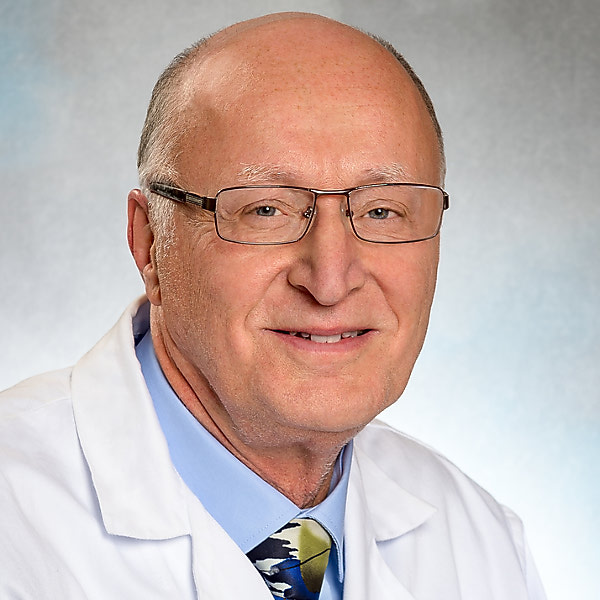 Rodney H. Falk合作论文数Heart and Vascular Center, Brigham and Women's Hospital;Carl J. and Ruth Shapiro Cardiovascular Center, Brigham and Women's Hospital;Department of Medicine, Harvard Medical School1Berk John L合作论文数1




