BACKGROUND:To perform external validation of the 1-year major adverse cardiac event (MACE) model derived from the Best Endovascular versus Best Surgical Therapy in patients with critical limb ischemia (BEST-CLI) cohort on the real-world database from the vascular quality initiative (VQI) and Vascular Implant Surveillance and Interventional Outcomes Network (VISION). METHODS:We applied the BEST-CLI MACE model to compare the observed versus expected rate of 1-year MACE defined as death, myocardial infarction (MI), and cerebrovascular accident (CVA) in patients within the VQI-VISION Peripheral Vascular Intervention and Infrainguinal Registries (2016-2019). Kaplan-Meier analysis was performed to calculate the observed 1-year rate of MACE. Model calibration and discrimination were assessed with Cox calibration slope and intercept with Harrel's C-index. RESULTS:We identified 19,144 eligible patients (endovascular n=14,878, 77.7%; open n=4,266, 22.3%) from the VQI-VISION database. Kaplan-Meier estimated 1-year mortality was 25.3% (95% confidence interval [CI] 24.6%-25.9%), MI 10.3% (95% CI 9.8%-10.8%), and CVA 4.9% (95% CI 4.6%-5.3%), with a composite MACE of 32.6% (95% CI 31.9%-33.3%). BEST-CLI MACE scores ranged between -4 and 23 (median patient score = 9, interquartile range: 5-13). The mean deviation between the observed 1-year MACE from the VQI-VISION compared to BEST-CLI estimated MACE was 8.6% (95% CI 8.5%-8.7%) higher. The model calibration slope was 0.54, intercept was 0.31, and discrimination C-index was 0.62. CONCLUSION:This external validation of the BEST-CLI 1-year MACE scoring system suggests modest predictive ability in real-world vascular practice with the model underestimating 1-year MACE on average by 8.6%.
INTRODUCTION:Medical applications of generative artificial intelligence (GAI) have received much attention, however, it remains unclear whether GAI can be a valuable tool to enhance medical education. This study aimed to evaluate the effectiveness of GAI in vascular surgery journal club and to assess the attitudes of participants at various stages of medical training. DESIGN:We conducted a series of vascular surgery journal clubs augmented by a commercially available large language model (LLM), ChatGPT 4o. Trainees presented preselected manuscripts, followed by summaries from the LLM. We posed structured and unstructured questions to trainees and ChatGPT and gathered real-time survey data to evaluate LLM accuracy and participant attitudes. Survey responses were analyzed using Fisher's exact test for proportions and analysis of variance for means. We also assessed the validity of 5 alternative citations generated by the LLM for each manuscript (N = 9) and checked for potential fabrications and research relevancy to subject matter content. SETTING:rural, academic medical center. PARTICIPANTS:Participants included medical students (N = 10), surgical residents and fellows (N = 14), and vascular surgery attendings (N = 4). RESULTS:Among 90 survey responses from 28 respondents on multiple peer-reviewed articles, 96% agreed that LLM provided a factually correct summary of each article, though 36% believed some information was omitted. 76% thought the LLM provided a thorough and factually correct explanation to questions asked about the article. Overall, 92% found the integration of LLM beneficial in summarizing and answering questions about the article, provided it aims to supplement rather than substitute for trainee presentations. The accuracy of the summary of an article by LLM, its responses to article-related questions, and the usefulness of LLM to foster learning were significantly associated with learner type (p = 0.02, p < 0.001, p = 0.04), respectively. Medical students and vascular surgery attendings specifically indicated additional value in introducing GAI into a traditional vascular surgery journal club format. Among 45 peer-reviewed journal article citations for the 9 tested manuscripts, 87% were scholarly verified citations, of which 97% contained research content relevant to the tested manuscript. The remaining 6 citations (13%) contained errors including nonexistent journal article titles and mismatch between journal article title and associated hyperlink. Technical issues with the LLM were uncommon. CONCLUSIONS:Overall, participants found GAI to be a valuable resource for summarizing key research findings in peer-reviewed journal articles, answering pertinent questions using supplemental resources, and promoting educational growth for all types of learners. We recommend training programs consider adoption of GAI for vascular surgery journal club.
OBJECTIVE:To conduct a noise audit of the Vascular Quality Initiative (VQI) Peripheral Vascular Intervention (PVI) Registry to analyze variation in device selection for similar patients and anatomies. METHODS:We conducted a retrospective cohort study analysis of the VQI PVI Registry. Eight clinical-based and seven lesion-based scenarios were developed, and the VQI was queried for all procedures matching these descriptions from December 2010 to December 2021. All patients undergoing PVI for either claudication or chronic limb-threatening ischemia were included. Device selection was then identified for each procedure, with a treatment hierarchy to designate the primary device class along with a separate accounting of specialty balloons, including drug-coated and lithoplasty devices. Variability was then quantified in each mock patient scenario using the most commonly used device as the reference standard. RESULTS:The number of patients matching the criteria for each mock scenario ranged from 223 to 1379 across 8 clinical and from 6166 to 26,241 in 7 lesion-based scenarios. The most commonly used device in a given patient scenario was used between 32% and 72% of procedures in the clinical based scenarios, and between 34% and 67% of procedures in the lesion-based scenarios. Variation in device selection and use of specialty balloons were found to be significant across all patient scenarios (P < .0001). CONCLUSIONS:Noise in PVI device selection and use of drug-coated balloons in the VQI was significant across 15 mock scenarios. This finding indicates that similar patients with similar vascular pathologies are receiving vastly different devices and confirms that future comparative effectiveness studies are required to combat this systemic source of noise in device selection more effectively.
OBJECTIVE:A summary level meta-analysis showed an increased mortality rate beyond the first year following revascularisation with paclitaxel coated devices (PCDs) in patients with peripheral artery disease. However, these findings remain controversial. This study aimed to provide a real world analysis on the safety of PCDs. METHODS:An exhaustive nationwide retrospective cohort study was conducted using administrative medical data from the National Health Insurance Research Database in Taiwan. A total of 19 612 patients receiving endovascular lower limb revascularisation from May 2016 to December 2019 were analysed. All cause death, limb outcome, and cardiovascular (CV) outcome in the propensity matched cohort were assessed. Limb outcome was the composite of new onset chronic limb threatening ischaemia or amputation. Cardiovascular outcomes included CV death, non-fatal ischaemic stroke, non-fatal myocardial infarction, or heart failure (HF) hospitalisation. RESULTS:Over a median of 14.2 months, all cause death occurred in 535 of 2 205 patients (24.3%) receiving PCDs and 1 398 of 4 410 (31.7%) receiving non-PCDs (subdistribution hazard ratio [sHR] 0.71, 95% confidence interval [CI] 0.64 - 0.78). The composite limb outcome occurred in 622 patients (28.2%) in the PCD group and in 1 174 patients (26.6%) in the non-PCD group (sHR 0.98, 95% CI 0.89 - 1.08). The composite CV outcome was less frequent in patients receiving PCD (20.1%) than control (23.3 %) (sHR 0.79, 95% CI 0.71 - 0.88). CONCLUSION:In patients having endovascular revascularisation, exposure to a PCD was associated with lower risk of all cause death and composite CV outcome. There was no difference in composite limb outcome.
OBJECTIVE:To conduct a multicenter pilot program, My Peripheral Arterial Disease (My PAD), for the collection of patient-reported outcomes (PROs) from patients undergoing peripheral vascular intervention (PVI) within the Vascular Quality Initiative. METHODS:Ten centers within the Society for Vascular Surgery Vascular Quality Initiative PVI Registry collected health-related quality-of-life (HR-QoL) surveys using a modified version of the Vascu-QoL-6 (VQ-6) and the EuroQoL-5D-5L (EQ-5D-5L) at three time periods: preoperative, early follow-up (1-3 months), and late follow-up (9-15 months) from April 1, 2021 to June 30, 2024. A variety of workflows including automated emails to patients were used. Survey completion rates and HR-QoL score changes were analyzed using paired Wilcoxon tests. RESULTS:Among 5845 eligible PVI procedures, 440 (7.5%) had a completed preoperative PRO. Of the patients who filled out a preoperative surveys, 247 (56.1%) had an early survey, and 104 (23.6%) completed all three time points. Successful collection of surveys varied across centers (preoperative 0.2%-29%, early follow-up 27%-89% of preoperative, and late follow-up 5%-60% of preoperative). Mean EQ-5D-5L scores significantly improved from preoperative to early follow-up (-2.7, P < .01) and preoperative to late follow-up (-2.9, P < .01) in the subset of 104 patients. VQ-6 scores increased from preoperative to early follow-up (+5.4, P < .01) and preoperative to late follow-up (+4.9, P < .01). Meaningful improvements in VQ-6 scores were observed for patients with claudication (N = 104) and chronic limb-threatening ischemia (N = 143) at early follow-up. No overall drop-off was observed at late follow-up (mean EQ-5D-5L + 0.5, P = .12 and VQ-6 - 0.6, P = .22). CONCLUSIONS:The My PAD pilot study demonstrates that the collection of PROs in the form of HR-QoL surveys is possible but challenging. Successful collection of PROs requires substantial resources and hands-on effort by motivated and dedicated vascular practices. PRO collection provided clinically meaningful insight with an improvement in HR-QoL scores after endovascular revascularization. Future efforts should focus on supporting multimodal implementation, including data collection directly from patient, integrated data collection within electronic medical records, and aligning financial incentives in an effort to make patient-centered outcomes a routine part of PAD quality assessment.
OBJECTIVE:To compare in-hospital and long-term outcomes between conventional carotid endarterectomy with patch angioplasty (cCEA) and eversion carotid endarterectomy (eCEA). METHODS:Patients undergoing eCEA or cCEA from January 1, 2012, to December 31, 2024, were identified using the Vascular Quality Initiative database and included in the study. Inverse probability weighting was used to yield balanced study groups. Propensity-weighted logistic regression was used to compare binary outcomes and propensity-weighted Cox regression to compare all-cause mortality. RESULTS:Overall, 157,729 patients undergoing cCEA and 22,296 patients undergoing eCEA were included in the study. eCEA was associated with lower odds of cranial nerve injury (adjusted odds ratio [aOR], 0.69; 95% confidence interval [CI], 0.66-0.73). This was consistent for injuries to cranial nerves VII, IX, X, and XII, as well as other cranial nerves. Similarly, eCEA had lower odds of in-hospital myocardial infarction (aOR, 0.71; 95% CI, 0.65-0.78) and long-term myocardial infarction (aOR, 0.92; 95% CI, 0.87-0.98) compared with cCEA. The odds of in-hospital stroke or transient ischemic attack (aOR, 1.06; 95% CI, 0.99-1.12) and long-term stroke or transient ischemic attack (aOR, 1.03; 95% CI, 0.98-1.07) were similar in both groups. However, the odds of in-hospital stroke (aOR, 0.89; 95% CI, 0.81-0.99) and long-term stroke (aOR, 0.92; 95% CI, 0.85-0.98) were lower for eCEA. All-cause mortality was similar in both groups (aOR, 1.05; 95% CI, 0.99-1.11). Patients who were younger, had a higher body mass index, underwent general anesthesia, and underwent surgery later in the study period were found to derive greater benefit from undergoing eCEA. CONCLUSIONS:eCEA was associated with a lower odds of stroke, cranial nerve injury, and myocardial infarction, but similar all-cause mortality rates compared with cCEA. Given its superior effectiveness and safety, eCEA may be a better alternative to cCEA for the treatment of flow-limiting carotid disease.
INTRODUCTION:Our objective was to test the ability of ChatGPT 4.0 to provide accurate information for patients and physicians about abdominal aortic aneurysms (AAA) and to assess its alignment with Society for Vascular Surgery (SVS) clinical practice guidelines (CPG) for AAA care. MATERIAL AND METHODS:Fifteen patient-level questions, 37 questions selected to reflect 28 SVS CPGs and 4 questions regarding AAA rupture risk were posed to ChatGPT 4.0. Single responses were recorded and graded for accuracy and quality by ten board-certified vascular surgeons as well as two fellow trainees using a 5-point Likert scale; 1 = very poor, 2 = poor, 3 = fair, 4 = good, and 5 = excellent. RESULTS:The mean of the means (MoM) accuracy rating across all 15 patient-level questions was 4.4 (SD 0.4, quartile range (QR) 4.2-4.7). ChatGPT 4.0 demonstrated good alignment with SVS practice guidelines (MoM: 4.2, SD: 0.4, QR: 3.9-4.5). The accuracy of responses was consistent across guideline categories; screening or surveillance (4.2), indications for surgery (4.5), preoperative risk assessment (4.5), perioperative coronary revascularization (4.1), and perioperative management (4.2). The generative artificial intelligence bot demonstrated only fair performance in answering the annual AAA rupture risk (MoM: 3.4, SD: 1.2, QR: 2.3-4.3). CONCLUSIONS:ChatGPT 4.0 provided accurate responses to a variety of patient-level questions regarding AAA. Responses were well-aligned with current SVS CPGs except for inaccuracies in the risk of AAA rupture at varying diameters. The emergence of generative artificial intelligence bots presents an opportunity for study of applications in patient education and to determine their ability to augment the vascular specialist's knowledge base.
Intermittent claudication (IC) is the most common symptom of peripheral artery disease, which is a growing public health burden in the United States and globally. Patients with IC present with a broad spectrum of risk factors, comorbid conditions, range of disability, and treatment goals. Informed shared decision-making hinges on a comprehensive evaluation of these factors, patient education, and knowledge of the latest available evidence. In 2015, the Society for Vascular Surgery published a clinical practice guideline on the management of asymptomatic peripheral artery disease and IC. An expert writing group was commissioned to provide a focused update to this guideline on the management of IC. Based on the available evidence from published research conducted since the prior guideline, six specific key questions were formulated spanning the areas of antithrombotic management, exercise therapy, and revascularization for IC. A systematic review and evidence synthesis of each question was conducted by a dedicated methodology team. The GRADE approach was employed to describe the strength of each recommendation and level of certainty of evidence. The review identified major gaps in evidence particularly in the arena of comparative effectiveness for interventions (exercise, revascularization) across defined clinical subgroups and employing meaningful patient-centered outcomes. Twelve recommendations, among which are two best practice statements, are provided in this focused update. They address the use of dual pathway antithrombotic strategies, the role and type of exercise therapy, endovascular interventions for femoropopliteal and infrapopliteal disease, and the identification of specific risk factors that should be incorporated into shared decision-making around revascularization. A comprehensive and individualized approach to the management of patients with IC, relying first on education, risk factor control, optimal medical therapy, and exercise, is emphasized. A rubric for decision-making that includes a thorough assessment of risk, benefits, degree of impairment, and treatment durability, is considered fundamental to a patient-centered approach in IC. Significant unmet research needs in this field are also enumerated.
BACKGROUND:To analyze surgical site infections (SSIs) after infrainguinal bypass for standard dressings versus closed incision negative pressure wound therapy (ciNPWT) in the Society for Vascular Surgery's Vascular Quality Initiative (VQI). METHODS:We retrospectively analyzed SSI after infrainguinal bypass procedures in the VQI from December 2019 to December 2021 comparing ciNPWT and standard dressings. The primary outcome of any superficial or deep wound infection at 30 days was analyzed in a subset of procedures with 30-day follow-up data (cohort A, n = 1,575). Secondary outcomes including in-hospital SSI, return to the operating room (OR) for infection, and length of stay (LOS) were analyzed for all procedures (cohort B, n = 9,288). Outcomes were analyzed in propensity-matched cohorts. RESULTS:Patients who received ciNPWT (n = 1,389) were more likely to be female (34% vs. 32%, P = 0.04) with a higher rate of smoking history (90% vs. 86%, P = 0.003), diabetes (54% vs. 50%, P = 0.007), obesity (34% vs. 26%, P < 0.001), prior peripheral vascular intervention (57% vs. 51%, P < 0.001), and to prosthetic conduit (55% vs. 48%, P < 0.001) compared to patients with standard dressings (n = 7,899). After propensity matching of cohort A (n = 1,256), the 30-day SSI rate was 4% (12/341) in the ciNPWT and 6% (54/896) in the standard dressing group (P = 0.07, 95% CI 0.03-1.06). In the propensity-matched in-hospital cohort B (n = 5,435), SSI was 3% (35/1,371) in the ciNPWT group and 2% (95/4,064) in the standard dressing group (P = 0.66). There was no difference in the rate of return to the OR for infection, 1% (36/4,064) vs. 1% (19/1,371) (P = 0.13) or LOS, 9.0 vs. 9.0 days (P = 0.86) for the standard versus ciNPWT groups. CONCLUSIONS:In this analysis of the VQI registry, the use of ciNPWT after infrainguinal bypass did not result in a statistically significant decrease in 30-day SSI. We recommend that surgeons consider the use of ciNPWT as part of a bundled process of care for high risk rather than all patients, as it may reduce SSI after infrainguinal bypass.
Objective: The aim of this study was to report the impact of race on paclitaxel drug-coated balloon (DCB) angioplasty for the treatment of femoral-popliteal artery in-stent restenosis (ISR). Methods: A prospective, non-randomized, post-market study of a paclitaxel DCB for the treatment of ISR of the femoralpopliteal artery was conducted at 43 sites within the Vascular Quality Initiative (December 2016-January 2020). The primary endpoint was freedom from target lesion revascularization (F-TLR) through 12 months. Secondary endpoints included freedom from target vessel revascularization (F-TVR), freedom from major limb amputation, and survival. In this sub-analysis, the results were stratified by self-identified Black vs White race. Results: Black patients (n = 63) had a lower mean age (64.3 +/- 9.7 vs 68.2 +/- 9.7 years; P = .006) and were more often female (57.1% vs 37.0%; P = .004) compared with White patients (n = 219). Most patients had claudication (80.9%), with Black patients presenting with a higher rate of ischemic rest pain (30.2% vs 16.0%; P = .012). By Kaplan-Meier estimates, F-TLR was 91.3% vs 89.1% (log-rank P = .63) and 66.4% vs 74.0% (log-rank P = .41) at 12 and 24 months for Black vs White race. F-TVR was 87.8% vs 87.6% (log-rank P = .96) and 61.3% vs 70.6% (log-rank P = .29) at 12 and 24 months for Black vs White race. Freedom from major target limb amputation was 100.0% vs 99.5% (log-rank P = .59) and 100.0% vs 99.0% (log-rank P = .45) at 12 and 24 months for Black vs White race. Survival was 93.7% vs 95.9% (log-rank P = .47) and 84.1% vs 91.3% (log-rank P = .11) at 12 and 24 months for Black vs White race. In multivariable analysis, no significant predictors were identified for TLR or TVR through 24 months. Dialysis (hazard ratio [HR], 27.69; 95% confidence interval [CI], 10.35-74.09; P < .001), coronary disease (HR, 2.80; 95% CI, 1.29-6.06; P = .009), and lesion length (HR, 1.04; 95% CI, 1.02-1.07; P = .001) were associated with increased mortality through 24 months. Race was not significantly associated with TLR, TVR, or mortality. Conclusions: In this sub-analysis of a Vascular Quality Initiative-based study, the treatment of femoral-popliteal ISR with paclitaxel angioplasty was equally safe and effective for Black and White races. The trend in reduced survival for patients of Black race at 2 years requires longer observation in a larger study.
End-stage renal disease is an independent risk factor for the development of peripheral arterial disease, with considerably worse outcomes in patients with concomitant diseases. It is important to realize the widespread, yet frequently asymptomatic, nature of peripheral arterial disease in patients with end-stage renal disease due to the presence of other comorbidities that decrease activity levels and sensation to allow for early recognition and timely medical management to try and mitigate otherwise poor outcomes. Despite their high risk, properly selected patients derive benefit from revascularization; both open and endovascular approaches provide similar outcomes in terms of overall survival, amputation-free survival, and limb salvage, with perhaps a slight preference toward open repair. This narrative review of the literature evaluates the epidemiology, pathophysiology, outcomes, and management strategies that provide the best possible outcomes for patients with peripheral arterial disease and end-stage renal disease.
OBJECTIVE:The aim of this study was to report the results of a prospective, single-arm, registry-based study assessing the safety and performance of a paclitaxel drug-coated balloon (DCB) for the treatment of superficial femoral artery (SFA) or popliteal artery in-stent restenosis (ISR) in a United States population. METHODS:We conducted a prospective, non-randomized, multi-center, single-arm, post-market registry of the IN.PACT Admiral DCB for the treatment of ISR lesions in the SFA or popliteal artery at 43 sites within the Society for Vascular Surgery (SVS) Vascular Quality Initiative (VQI) Registry from December 2016 to January 2020. Clinical outcomes were assessed at 12, 24, and 36 months. The primary endpoint was target lesion revascularization at 12 months. Secondary endpoints included technical success, target vessel revascularization, major limb amputation, and all-cause mortality. Results are presented as survival probabilities based on Kaplan-Meier survival estimates. RESULTS:Patients (N = 300) were 58% male, with a mean age of 68 ± 10 years. Diabetes was present in 56%, 80% presented with claudication, and 20% with rest pain. Lesions included ISR of the SFA in 68%, SFA-popliteal in 26%, and popliteal arteries in 7%. The mean lesion length was 17.8 ± 11.8 cm. Lesions were categorized as occlusions in 43% (mean occluded length, 16 ± 10 cm). TASC type was A (17%), B (29%), C (38%), and D (15%). Technical success was 99%. Re-stenting was performed in 5% and thrombolysis in 0.6% of patients. Kaplan-Meier estimates for freedom from target lesion revascularization were 90%, 72%, and 62% at 12, 24, and 36 months. Freedom from target vessel revascularization was 88%, 68%, and 59% and freedom from major target limb amputation was 99.6%, 98.9%, and 98.9%, respectively, at 12, 24, and 36 months. Survival was 95%, 89%, and 85% at 12, 24, and 36 months. CONCLUSIONS:This post-market registry-based study shows promising results in treating femoral-popliteal ISR with paclitaxel DCB in comparison to the results of plain balloon angioplasty reported in the literature. These results demonstrate the ability of the SVS VQI to conduct post-market evaluation of peripheral devices in partnership with industry and federal regulators.
BACKGROUND:We sought to explore the utility of closed incision negative pressure wound therapy (ciNPWT) in prevention of groin wound complications after suprainguinal bypass using a national quality improvement database reflective of real-world practice. METHODS:The Vascular Quality Initiative was queried for suprainguinal bypass procedures from December 2019 to August 2023. Propensity matching was performed comparing ciNPWT versus standard dressings at (1) the index hospitalization (full cohort) and (2) 30 days (subgroup). The primary outcome was surgical site infection (SSI) at 30 days. Secondary outcomes included in-hospital SSI, return to operating room for infection, discharge disposition, length of stay and 30-day readmission rate, noninfectious wound complications, and mortality. RESULTS:The propensity-matched cohort consisted of 3,467 of a total of 5,082 patients undergoing suprainguinal bypass. Within the propensity-matched full cohort, 2,680 (77%) received standard dressing and 787 (23%) ciNPWT. Of those, 337 (61%) in the standard group and 150 (31%) in the ciNPWT group had 30-day follow-up data. There was a significant decrease in the rates of in-hospital SSI for those with ciNPWT at 2% compared to those with standard dressing at 4% (P = 0.02). There was no difference in 30-day SSI between groups with 3% in the ciNPWT group and 4% in the standard group (P = 0.40). After adjusting, there was no differences in 30-day readmission rates (P = 0.37), 30-day noninfectious wound complications (P = 0.28), 30-day mortality (P = 0.24), discharge disposition (P = 0.82), or length of stay (P = 0.23). CONCLUSIONS:In this Vascular Quality Initiative analysis of suprainguinal bypass, we observed a decrease in the in-hospital SSI rate but no difference in the SSI or noninfectious wound complications at 30 days for patients treated with ciNPWT versus standard dressings. Given these findings, consideration should be given to conducting an adequately powered randomized control trial of ciNPWT targeted for suprainguinal bypass.
Objective: This observational cohort study examined outcomes after peripheral vascular intervention (PVI) with paclitaxel coated devices (PCD) and non-PCD, and evaluated heterogeneity of treatment effect in populations of interest.Methods: The study included patients undergoing percutaneous transluminal angioplasty and or stent placement between 1 October 2015 and 31 December 2018 in the Vascular Quality Initiative Registry linked to Medicare claims. It determined differences in patient mortality and ipsilateral major amputation after PVI with PCD and non-PCD using Kaplan-Meier analyses and Cox regressions with inverse probability weighting in three cohorts: (A) patients treated for femoropopliteal or infrapopliteal occlusive disease with or without any other concurrent treatment (n = 11 452); (B) those treated for isolated superficial femoral or popliteal artery disease (n = 5 519); and (C) patients with inclusion criteria designed to approximate RCT populations (n = 2 278).Results: The mean age of patients was 72.3 (SD = 10.9) years, and 40.6% were female. In cohort A, patients receiving PCD had a lower mortality rate (HR 0.88, 95% CI 0.79 -0.98) than those receiving non-PCD. There was no significant difference in mortality between groups in cohort B (HR 0.91, 95% CI 0.80 -1.04) and cohort C (HR 1.10, 95% CI 0.84 -1.43). Patients receiving PCD did not have a significantly elevated risk of major amputation compared with those receiving non-PCD (cohort A: HR 0.84, 95% CI 0.70 -1.00; cohort B: HR 0.84, 95% CI 0.67 -1.06; and cohort C: HR 1.05, 95% CI 0.51 -2.14).Conclusion: No increased patient mortality or major amputation was found at three years after PVI with PCD vs. non-PCD in this large, linked registry claims study, after accounting for heterogeneity of treatment effect by population. The analysis and results from three cohorts intended to mirror the cohorts of previous studies provide robust and niche real world evidence on PCD safety and help to understand and reconcile previously discrepant findings.
Objective: We assessed the feasibility of integrating palliative care consultation into the routine management of patients with chronic limb-threatening ischemia (CLTI). Additionally, we sought to describe patient-reported outcomes from the palliative care and vascular literature in patients with CLTI receiving a palliative care consultation at our institution. Methods: This was a single-institution, prospective, observational study that aimed to assess feasibility of incorporating palliative care consultation into the management of patients admitted to our tertiary academic medical center with CLTI by looking at utilization of palliative care before and after implementation of a protocol-based palliative care referral system. A survey comprised of patient-reported outcomes from the palliative care literature was administered to patients before and after palliative consultation. Length of stay and mortality were compared between our study cohort and a historic cohort of patients admitted with CLTI. Results: Over a 14-month enrollment period, 44% of patients (n = 39) with CLTI (rest pain, 36%; tissue loss, 64%) admitted to the vascular service received palliative care consultation, compared with 5% of patients (n = 4) who would have met criteria over the preceding 14 months before our protocol was instituted. The mean age was 69 years, 23% were female, 92% were white, and 49% were able to ambulate independently. Revascularization included bypass (46%), peripheral vascular intervention (23%), and femoral endarterectomy (21%). Additional procedures included minor amputation or wound debridement (26%) and major amputation (15%). No patients received medical management alone. After receiving palliative care consultation, patients reported experiencing less emotional distress than before consultation ( P =.03). They also reported being less bothered by uncertainty regarding what to expect from the course of their illness ( P =.002). Fewer patients reported being unsure of the purpose of their medical care after palliative care consultation (8%) vs before (18%), although this was not statistically significant ( P =.10). Median length of stay was longer in the study group compared with the historic cohort (8 vs 7 days; P =.02). There was no difference in 30-day mortality (3% vs 8%; P =.42) between the study group and the historic cohort (n = 77). Conclusions: Integrating inpatient palliative care consultation into the routine management of patients with CLTI is feasible and may improve emotional domains of health-related quality of life. This study laid the foundation for future studies on longer term outcomes of patients with CLTI undergoing palliative care consultation as well as the benefit of outpatient palliative care consultation in patients with CLTI.
 Jack L. Cronenwett合作论文数Fivos;Vascular Surgery, Geisel School of Medicine, Dartmouth Hitchcock Medical Center and Clinics;The Dartmouth Institute, Geisel School of Medicine, Dartmouth Hitchcock Medical Center and Clinics35
 Jens Jorgensen合作论文数Tufts University School of Medicine35
 Philip Ades合作论文数Department of Neurological Sciences, Larner College of Medicine, The University of Vermont34
 Peter Callas合作论文数19
 Andres Schanzer合作论文数19Brian W. Nolan合作论文数14Andrew C. Stanley合作论文数13David H. Stone合作论文数12Steinthorsson Georg合作论文数11
 Art Sedrakyan合作论文数Population Health Sciences, Weill Cornell Medicine, Cornell University10Misti Malone合作论文数9
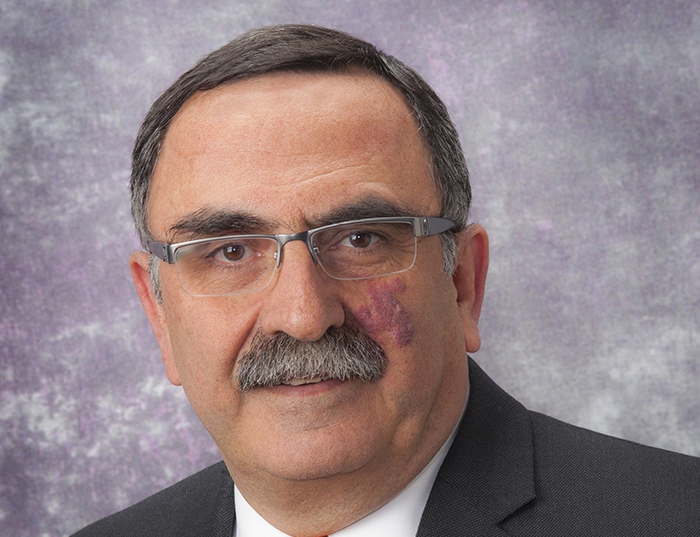 Michel S. Makaroun合作论文数Department of Surgery, University of Pittsburgh9
 Marc L. Schermerhorn合作论文数Beth Israel Deaconess Medical Center;Department of Surgery, Harvard Medical School9
 Adam Wayne Beck合作论文数8Jessica P. Simons合作论文数8Julie E. Adams合作论文数8
 Salvatore T Scali合作论文数Department of Surgery, University of Florida Health;Non-invasive Vascular Ultrasound Laboratory, Univeristy of Florida;University of Florida Division of Vascular Surgery and Endovascular Therapy7
 Danica Marinac-Dabic合作论文数Food and Drug Administration7
 Christian-Alexander Behrendt合作论文数6Andrea M. Steely合作论文数6
 Randall R. Demartino合作论文数Dartmouth Hitchcock Medical Center6
 Matthew A. Corriere合作论文数Emory University School of Medicine6Virendra I. Patel合作论文数6Joshua A Smale合作论文数5Rebecca W. Wilgus合作论文数5
 Michael A Ricci合作论文数5
 Donald S. Likosky合作论文数Department of Cardiac Surgery, Medical School, University of Michigan-Ann Arbor5
 Alik Farber合作论文数Boston University Medical Center5
 Mahmoud B. Malas合作论文数Department of Vascular Surgery, School of Medicine, University of California, San Diego4Pablo Morales合作论文数4Indes Jeffrey E合作论文数4Suckow Bjoern D合作论文数4Patel Reshma B合作论文数4
 James Enlou Tcheng合作论文数Department of Medicine, School of Medicine, Duke University4
 Mitchell Wolfe Krucoff合作论文数Duke Clinical Research Institute, Duke University School of Medicine;Department of Medicine, Duke University School of Medicine4
 Richard Powell合作论文数University of Birmingham4Robert T. Lancaster合作论文数4Mohammad H Eslami合作论文数3katelynn m ferranti合作论文数3Mead Ferris合作论文数3
 Asma Mathlouthi合作论文数Division of Vascular and Endovascular Surgery, University of California San Diego3Dasha Savage合作论文数Stanford University3Mrinal Shukla合作论文数3Vy T. Ho合作论文数3
 William Schuyler Jones合作论文数Department of Population Health Sciences, Duke University School of Medicine3
 Glenn R. Jacobowitz合作论文数Division of Vascular and Endovascular Surgery, Department of Surgery, Grossman School of Medicine, New York University3Neal Daniel W合作论文数3
 Robert Wayne Thatcher合作论文数NeuroImaging Applied Neuroscience Laboratories, Applied Neuroscience Research Institute3DeRubertis Brian G合作论文数3




