To improve the tolerability of post-transplant maintenance and outcomes despite poor risk disease genetics, we conducted a phase 1 study of venetoclax/FluBu2 RIC transplantation with tacrolimus/methotrexate GVHD prophylaxis followed by all-oral venetoclax/decitabine-cedazuridine (ven/dec-c) maintenance in poor-risk MDS/AML patients (N=30). 58% had prior venetoclax exposure and 63% were TP53-mutated; 15/19 had TP53 multi-hit state. At a median of +55 days, pre-emptive maintenance therapy with venetoclax (400 mg on days 1-14) and dec-c (decitabine 35 mg/cedazuridine 100 mg on days 1,3,5 or 1,2,3) was initiated for eight 42-day cycles in 26/30 (87%) patients (remaining 3 relapsed early, 1 withdrew). On maintenance, grade 3-4 neutropenia (96%) occurred though infections were rare (N=2). No DLTs occurred. 6-month acute GVHD grade II-IV rate was 13%. 1-year moderate/severe chronic GVHD rate was 31%. At a median follow up of 25.1-months (range,15-33), median OS and PFS were not reached. On maintenance, 2-year OS was 77% (95%CI,55-89), PFS 62% (95%CI,38-79), NRM 0%, and cumulative incidence of relapse 38% (95%CI,18-59). Exploratory studies identified 96% had pre-transplant NGS-MRD+, favorable survival in those with non-TP53 MRD+, and delayed conversion on maintenance in 11/18 (61%) in those with TP53 MRD+. PROs assessed in first 6-months of maintenance were stable except for emotional function, which improved (P=0.008). Trial is registered at clinicaltrials.gov/NCT03613532.
6517 Background: Pts with R/R B-ALL and EMD have limited treatment options and are a population with an unmet need. Obe-cel is an autologous chimeric antigen receptor (CAR) T-cell therapy with a fast off-rate CAT19 binding domain and a 4-1BB-ζ co-stimulatory domain designed to improve persistence and reduce severe immunotoxicity. Here, we report a post-hoc analysis of the Phase Ib/II FELIX study (NCT04404660), evaluating efficacy and safety of obe-cel in pts with R/R B-ALL, by EMD status at lymphodepletion (LD). Methods: Following LD, adults with R/R B-ALL received obe-cel using a tumor burden-guided dosing strategy to minimize toxicity. Overall remission rate (ORR; complete remission [CR]/CR with incomplete hematologic recovery [CRi]), event-free survival (EFS), overall survival (OS), and safety are reported for pts with or without (w/o) EMD. Results: Of 127 obe-cel infused pts, 27 (21%) had EMD at LD and 100 (79%) did not. At screening, the median age (range) was 36.0 years (20–73) in pts with EMD, and 50.5 years (20–81) in pts w/o EMD. Of the pts with EMD, 13 (48%) were male and 11 (41%) were Hispanic or Latino; of those w/o EMD, 53 (53%) were male and 27 (27%) were Hispanic or Latino. The median number of prior lines of therapy (range) was 3.0 (1–6) and 2.0 (1–6) for pts with and w/o EMD at LD, respectively; prior SCT was received by 12 (44%) and 44 (44%) pts, respectively. At LD, the median bone marrow (BM) blast percentage (range) was 54% (0–100) in pts with EMD and 39% (0–100) in pts w/o EMD; Philadelphia chromosome-positive disease was observed in 6 (22%) and 30 (30%) pts, respectively. At 32.8 months’ (mos) median follow-up (range 20–53), the ORR (95% confidence interval [CI]) was 59% (39–78) in pts with EMD and 83% (74–90) in pts w/o EMD. Median DoR (95% CI) among responders was 42.5 mos (3.4–not evaluable [NE]) and NE, in those with (n=16) and w/o (n=83) EMD at LD, respectively. Overall, median EFS (95% CI) was 4.5 mos (0.0–NE) and 14.3 mos (9.0–NE) in pts with and w/o EMD at LD, respectively; however, median EFS appeared to be comparable in responders with (44.6 mos [6.0–NE]) and w/o EMD (NE). Overall, median OS (95% CI) was 15.3 mos (7.9–NE) and 21.0 mos (13.2–NE) in pts with and w/o EMD at LD, respectively. The incidence of Grade ≥3 cytokine release syndrome in pts with and those w/o EMD was 3.7% and 2.0%; the incidence of Grade ≥3 immune effector cell-associated neurotoxicity syndrome was 19% and 4.0%, respectively. Cerebrospinal fluid pharmacokinetic analyses are underway; data will be presented. Conclusions: Obe-cel treatment demonstrated favorable efficacy and safety outcomes in pts with and w/o EMD in the FELIX trial. Among responders, DoR in pts with EMD was comparable with that observed in pts w/o EMD. Overall, these findings support a positive benefit–risk profile for obe-cel, irrespective of EMD status at LD. Clinical trial information: NCT04404660 .
ABSTRACT:Acute myeloid leukemia (AML) relapse after allogeneic hematopoietic stem cell transplant (HSCT) portends a dismal prognosis. One approach for reinvigorating a graft-versus-leukemia response is consolidation with donor lymphocyte infusions (DLI) or second HSCT (HSCT2). However, the role of DLI/HSCT2 in patients who achieve complete remission (CR) after salvage therapy is unclear. In this retrospective study, we evaluated the outcomes of 464 patients with post-HSCT AML relapse, focusing on those who achieved CR before consolidation with cellular therapy. In multivariable analysis (MVA), achieving CR after post-HSCT1 relapse was associated with improved overall survival (OS; hazard ratio [HR], 0.42; P< .0001). Of 133 patients (29%) who achieved CR after posttransplant AML relapse and before cellular therapy, 64 received DLI, 28 underwent HSCT2, and 41 received neither. Four-year outcomes from CR for the entire cohort (n = 133) were: OS 29%, relapse-free survival (RFS) 22%, cumulative incidence of relapse 58%, and nonrelapse mortality (NRM) 20%. In MVA, there was no association between receipt of DLI (HR, 0.87; P = .59) or HSCT2 (HR, 1.08; P = .83) and OS. Furthermore, we did not identify a benefit with DLI or HSCT2 with respect to RFS, relapse, or NRM. Patients with donor chimerism <90% at the time of CR had reduced 4-year OS (20% vs 32%; P = .03), as did measurable residual disease-positive patients (17% vs 62%; P = .024). Our results question the benefit of consolidation with DLI or HSCT2 in patients with AML who achieve CR, and we identify high-risk subgroups that should be the focus of future studies with larger cohorts.
In chronic myeloid leukemia in chronic phase (CML-CP), BCR::ABL1T315I commonly leads to treatment resistance, worse patient outcomes, and limited subsequent treatment options. By targeting the ABL1 myristoyl pocket, asciminib maintains activity against BCR::ABL1T315I. We report final long-term safety, tolerability, and efficacy results with asciminib in 48 patients with T315I-mutated CML-CP who received asciminib 200 mg twice daily in the phase 1, nonrandomized trial (NCT02081378). After a median exposure of 3.5 years, 52.1% of patients continued to receive asciminib via posttrial access. Of 45 evaluable patients, 24 (53.3%) achieved major molecular response (MMR); 20 of 24 maintained or deepened their response by the cutoff. The Kaplan-Meier estimated proportion of patients maintaining their first MMR for at least 144 weeks (2.8 years) was 86% (95% CI: 71.9-100.0%). The safety profile showed no new or worsening safety signals. With 1.4 years' additional exposure since the previous analysis, the incidence of grade ≥3 adverse events (AEs) (60.4%) did not increase. Four patients (8.3%) discontinued due to AEs. The exposure-adjusted incidence rate of first all-grade AOEs was 4.4 cases per 100 patient-years. With up to approximately 6 years of exposure, this final analysis confirms asciminib as a treatment option for patients with T315I-mutated CML-CP.
Outcomes following treatment with obe-cel in responding patients, with disease assessment by independent response review committee.
ABSTRACT:Clinical trial eligibility criteria select a target population and reduce anticipated risks for participants but may unnecessarily limit participation both overall and differently across demographic groups. We previously abstracted eligibility criteria for 190 phase 2/3 acute myeloid leukemia (AML) trials and used US Food and Drug Administration and professional society guidance on modernizing criteria to develop alternative, safety-based eligibility criteria for each trial. In this analysis, these trial- and safety-based eligibility criteria sets were applied to a retrospective cohort of 2226 newly diagnosed patients across 8 hospitals to assess the impact on eligibility. Eligibility proportions increased from a median of 47.9% with trial-based criteria to 84.2% with safety-based criteria (median difference, 30.0%; P< .001); excluding age criteria, the increase was 11.5% (P< .001). Non-Hispanic (NH) Asian, NH Black, NH White, and Hispanic patients were eligible for median proportions of 41.1%, 44.0%, 47.9%, and 50.0%, respectively, with trial-based criteria, increasing by 27.9% to 31.6% when using safety-based criteria (within-group changes, all P< .001; between-group changes, all P> .05). Excluding age criteria, increases were between 10.0% and 11.9%. Moving from trial- to safety-based criteria decreased the proportion of trials with significant eligibility differences between NH White and NH Asian (-11.1%), NH Black (-4.2%), and Hispanic (-12.1%) patients. Criteria significantly associated with increased eligibility and decreased between-group differences in eligibility were coronary artery disease, congestive heart failure, aspartate transaminase level, upper age limits, and previous malignancy. These data suggest that modernization of eligibility for AML trials to focus on safety-based criteria can improve both overall enrollment and population representation.
6529 Background: Asparaginase is an important component of many regimens for acute lymphoblastic leukemia (ALL). In patients (pts) <21 years, calaspargase pegol (Cal-PEG) provides more sustained asparagine depletion than pegaspargase. SPARK-ALL is a multicenter phase 2/3 study (NCT04817761) assessing the safety and anti-leukemic activity of Cal-PEG in pts aged ≥22 years with newly diagnosed Philadelphia chromosome-negative (Ph−) ALL. Methods: Part 1 was a dose-finding study in pts with a body mass index (BMI) ≤35 kg/m 2 aged 22–39 and 40–54 years (Cal-PEG 2000 and 1500 U/m 2 , respectively) and pts with BMI >35 kg/m 2 or aged ≥55 years (Cal-PEG 1000 U/m 2 ). Part 2 was a dose-expansion study in pts with BMI ≤35 kg/m 2 aged 22–39 years (Cal-PEG 1750 U/m 2 ) or 40–54 years (Cal-PEG 1500 U/m 2 ). Six Cal-PEG IV infusions were given as part of a multiagent chemotherapy regimen based on CALGB 10403 (Stock W, et al. Blood 2019;133(14):1548–1559). The primary objectives are assessment of safety in all pts, and anti-leukemic activity using the surrogate marker of nadir plasma asparaginase activity (NPAA) ≥0.1 U/mL 21 days after the D43 consolidation dose in all evaluable pts who were treated at the recommended dose (primary NPAA [PNPAA]) analysis set). Results: A total of 42 pts received Cal-PEG treatment: 26 and 16 in parts 1 and 2, respectively. Overall, 31 (73.8%) and 16 (38.1%) pts experienced grade 3/4 treatment-related adverse events (TRAEs) and serious TRAEs, respectively. Overall, 15 pts (35.7%) had TRAEs leading to study drug discontinuation, including hypersensitivity-type events in 6 pts (14.3%); 4 (9.5%) had nervous system events, including cerebral venous sinus thrombosis in 2 pts (4.8%). Three pts (7.1%) had a grade 3 pulmonary embolism, which, per protocol, required study drug discontinuation. The most common grade 3/4 TRAEs included hypertriglyceridemia (9 pts; 21.4%), alanine aminotransferase increase (7 pts; 16.7%), and blood fibrinogen decrease (5 pts; 11.9%). In part 1, intolerable toxicities considered related to Cal-PEG were experienced by 2/8 pts who were older and 2/8 pts with a BMI >35 kg/m 2 ; 1 (11.1%) pt aged between 22–39 years experienced an event of hypersensitivity. One Cal-PEG-related death was reported as likely related to complications from embolic stroke in a pt aged 71 years with comorbidities. Dose expansion was pursued in the first two cohorts. At 21 days after the D43 post-consolidation dose, all pts in the PNPAA set had NPAA values above the 0.1 U/mL efficacy threshold. Conclusions: Cal-PEG has a safety profile consistent with asparaginase class toxicity and, as part of multidrug chemotherapy regimen, provides sustained asparagine depletion in newly diagnosed Ph− ALL pts aged ≥22 years. In light of the observed high-grade TRAEs, future studies will evaluate different Cal-PEG doses for this pt population. Clinical trial information: NCT04817761 .
Following the approval of inotuzumab ozogamicin (InO) monotherapy for the treatment of adults with relapsed/refractory CD22-positive acute lymphoblastic leukemia, the US Food and Drug Administration issued a post-marketing requirement study due to their concerns that the proposed dose of 1.8 mg/m2/cycle may not be optimal in balancing the safety and efficacy of InO. Here, we provide an overview of single-agent InO dose-optimization strategies, including the rationale for studying a fractionated InO dosing schedule and justification for the approved dosing regimen based on clinical safety and efficacy data, as well as comprehensive exposure-response analyses from InO clinical studies.
Kaplan–Meier landmark analysis of EFS among patients with ongoing remission without new anticancer therapies by (A) CAR T-cell persistence status, by ddPCR, at month 3 (B) CAR T-cell persistence status, by ddPCR, at month 6, and (C) BCA status at month 6 after obe-cel infusion.
Rapid progress in leukemia management has increased treatment complexity, resulting in clinical scenarios not fully addressed by standard guidelines. To provide expert guidance, the Bridging the Gaps in Hematology Consensus Conference reunited U.S.-based experts in acute myeloid leukemia (AML), myelodysplastic syndromes (MDS), and acute lymphoblastic leukemia (ALL) on February 25-26, 2025. Key consensus recommendations were established across AML, MDS, and ALL. For AML, consensus favored CPX-351 for fit patients with secondary or therapy-related AML, without access to clinical trials, and prioritized clinical trial enrollment for other specific molecular subtypes, including those eligible for menin inhibitors. In MDS, consensus supported moving to a harmonized World Health Organization/International Consensus Classification, diagnosing AML based on genetic markers in conjunction with blast counts, and prioritizing stem cell transplant (HSCT) for high-risk patients regardless of response to hypomethylating therapy, particularly for multi-hit TP53-mutated MDS. For ALL, recommendations highlighted avoiding transplant in most Philadelphia chromosome-positive patients achieving minimal residual disease (MRD)-negativity by noting the high relapse risk with certain IKZF1, CDKN2A/B, and PAX5 aberrations, and administering blinatumomab regardless of MRD status in Philadelphia chromosome-positive and -negative ALL. Areas lacking consensus were also identified, highlighting the need for further research. Future directions include refining treatment sequencing, improving outcomes for high-risk subtypes, evaluating the role of HSCT in the era of novel therapies, and standardizing MRD assessment. This consensus report provides valuable expert insights to inform clinical practice and guide future research in leukemia.
PURPOSE:Blastic plasmacytoid dendritic cell neoplasm (BPDCN) is a unique myeloid malignancy with CD123 interleukin-3 receptor-α overexpression and poor prognosis. METHODS:This phase I/II, open-label, multicenter study evaluated pivekimab sunirine (PVEK), a novel CD123 antibody-drug conjugate, 0.045 mg/kg once every 3 weeks, in adults with frontline (no previous systemic therapy and de novo BPDCN or coexisting hematologic malignancy) or relapsed/refractory BPDCN (ClinicalTrials.gov identifier: NCT03386513) The primary end point in the primary analysis population (PAP; frontline de novo) was composite complete response (CCR; CR+ clinical CR) rate. RESULTS:Of 84 patients, 33 had frontline BPDCN (22 de novo [20 in PAP]; 11 with previous or concomitant malignancy) and 51 had relapsed/refractory disease. The median (range) age was 72 (63-76) years. In the PAP (n = 20), the CCR rate was 75% (95% CI, 51 to 91; n = 15; median duration: 10.6 [95% CI, 3.8 to not reached] months) and the median overall survival (OS) was 16.6 (95% CI, 7.2 to not reached) months. Eight of these 15 (53%) patients proceeded to stem-cell transplant (SCT). The corresponding rate for relapsed/refractory disease was 14% (95% CI, 6 to 26; n = 7; median duration: 9.2 [95% CI, 2.4 to not reached] months), and the median OS was 5.8 (95% CI, 3.9 to 8.4) months. Adverse events (AEs) included peripheral edema (54%), fatigue (26%), and infusion-related reactions (26%). Grade ≥3 events included neutropenia (16%), thrombocytopenia (14%), and peripheral edema (12%). Serious AEs included pneumonia (6%) and febrile neutropenia (5%). Two on-treatment cases of reversible veno-occlusive disease (VOD) occurred. Of the total 19 patients who proceeded to SCT, VOD was reported in five patients (four with relapsed/refractory BPDCN). CONCLUSION:PVEK, with convenient dosing, led to high, durable responses, especially in frontline BPDCN, and a manageable safety profile.
Previous studies have demonstrated that social determinants of health (SDOH) are associated with overall survival (OS) in patients with acute myeloid leukemia (AML). Their interaction with the European LeukemiaNet (ELN) 2022 genetic risk criteria remains unclear. We evaluated the impact of SDOH, measured by the national Area Deprivation Index (nADI) and categorized as low (<=50; more advantaged) vs. high (>50; less advantaged), in 365 patients with newly diagnosed AML treated with intensive chemotherapy. Among ELN favorable (n=115) and adverse (n=166) risk groups, overall survival was similar for high and low nADI groups. Conversely, in intermediate risk patients (n=84), overall survival was higher for more advantaged patients (median 33 vs. 17 months, p=0.04), which persisted in multivariable analysis adjusted for age, race, sex, and hematopoietic cell transplantation as a time-varying covariate (HR 3.09, 95% confidence interval [CI] 1.3-7.34, p=0.01). In this intermediate risk group, response and transplantation rates did not differ by nADI group. Among patients consolidated with transplantation (59/84, 70%), survival was prolonged for more advantaged patients, although not significantly (2-year OS: 69% and 58%; p=0.069), which appeared to be mediated by a higher relapse rate (3-year cumulative incidence of 35% and 69%, p=0.06) rather than non-relapse mortality (20% and 19%, p=0.8). In conclusion, for patients with AML treated with intensive chemotherapy, more advantaged SDOH was associated with improved overall survival solely in the ELN intermediate risk group. This improvement appeared to be mediated by lower post-transplant relapse.
ABSTRACT:Risk stratification in myelodysplastic syndromes (MDS) is essential for clinical decision-making, yet the optimal approach to estimate risk for patients undergoing allogeneic stem cell transplantation (alloHSCT) remains uncertain. Whether dynamic changes in risk between diagnosis and post-hypomethylating agent (HMA) therapy improve prognostic accuracy beyond baseline evaluation has not been established. We retrospectively studied 176 HMA-treated patients who underwent alloHSCT, applying the Molecular International Prognostic Scoring System (IPSS-M) at both diagnosis and before transplant. The primary end point was 4-year progression-free survival (PFS). Overall, dynamic assessment did not improve prognostic performance compared with baseline evaluation. For 4-year PFS, C-indices at diagnosis vs at alloHSCT were 0.6406 vs 0.6377 (P = .82). Patients with worsening risk after HMA experienced notably inferior outcomes, whereas those with apparent improvement fared no better than patients with unchanged risk (4-year PFS: 50%, 50%, and 31% for improved, unchanged, and worsening risk, respectively). Apparent IPSS-M improvement before alloHSCT yielded no gains in survival and no reduction in relapse relative to unchanged risk, a pattern consistent among TP53 wild-type patients. Moreover, clearance of TP53 mutations after HMA therapy did not translate into improved posttransplant outcomes. In summary, dynamic reassessment with IPSS-M before alloHSCT offers no prognostic advantage over baseline evaluation at diagnosis in HMA-treated patients with MDS. Accordingly, risk reduction should not be regarded as a therapeutic goal or trial end point, whereas risk progression constitutes an adverse marker that may inform incorporation of posttransplant maintenance strategies or intensified conditioning regimens to improve survival.
Abstract Assessments of chimeric antigen receptor (CAR) T-cell pharmacokinetics by flow cytometry (FC) and a droplet digital PCR (ddPCR) assay were compared in adult patients with relapsed/refractory (R/R) B-cell acute lymphoblastic leukemia (B-ALL) following treatment with obecabtagene autoleucel (obe-cel) in the phase Ib/II FELIX study (NCT04404660). CAR T-cell persistence and B-cell aplasia (BCA) were then correlated with event-free survival (EFS). Peripheral blood (PB) samples collected from 127 obe-cel–infused patients were tested by FC and ddPCR. The Spearman correlation coefficient was used to measure the correlation between the number of CAR T–positive cells by FC and ddPCR. The impact of CAR T-cell persistence and BCA (B cells <20 cells/μL by FC in PB) on EFS was assessed using Cox proportional hazards regression. ddPCR was observed to statistically correlate with both the surface (0.60, P < 0.0001) and intracellular FC assays (0.74, P < 0.0001). A higher sensitivity for detecting CAR T–cell positive samples was observed with ddPCR, with 58.8% and 41.3% of samples negative by surface and intracellular FC, respectively, being positive by ddPCR. Loss of CAR T-cell persistence (HR, 2.7; 95% CI, 1.4–5.4) and, to a lesser degree, B-cell recovery (HR, 1.7; 95% CI, 0.7–3.8) as time-dependent variables and at month 3 were associated with poorer EFS. ddPCR demonstrated enhanced sensitivity over FC methods for detection of obe-cel persistence. Additionally, ongoing persistence and BCA were associated with longer EFS and may be taken into consideration, together with clinical parameters, in informing decision making. Significance: In patients with R/R B-ALL treated with obe-cel, ddPCR assessment of CAR transgene levels produced results consistent with FC while providing superior sensitivity. ddPCR-detected CAR T-cell persistence at month 3 and at any time after infusion correlated with longer EFS versus loss of persistence, therefore potentially informing clinical decision making.
 Richard M. Stone合作论文数Dana-Farber Cancer Institute;Harvard Medical School265
 Martha Wadleigh合作论文数124Marlise R. Luskin合作论文数113
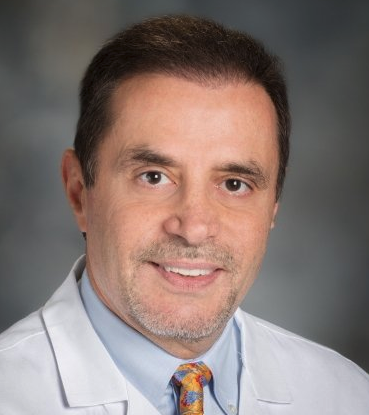 Hagop M. Kantarjian合作论文数Department of Leukemia, Division of Cancer Medicine, The University of Texas MD Anderson Cancer Center110
 Ilene Ann Galinsky合作论文数Dana Farber Cancer Institute108
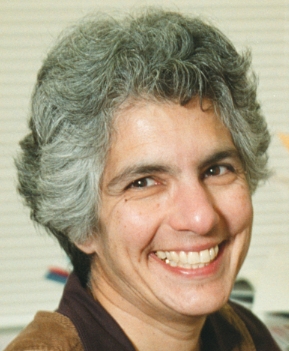 Donna Neuberg合作论文数Department of Biostatistics, Harvard T.H. Chan School of Public Health;Dana-Farber Cancer Institute93
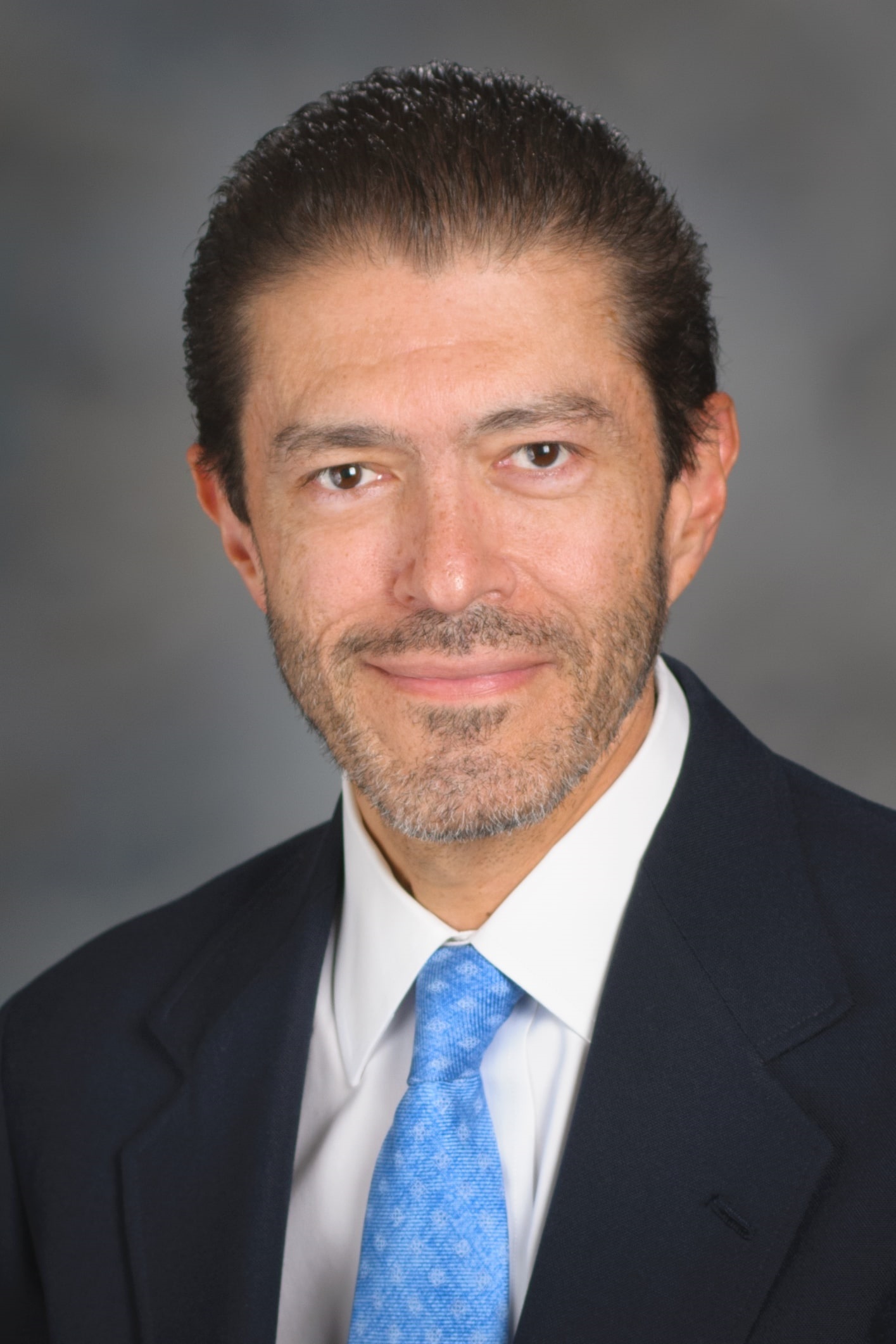 Jorge Cortes合作论文数Georgia Cancer Center, Augusta University;Department of Medicine, Medical College of Georgia, Augusta University;The Graduate School, Augusta University;Latin America Leukemia Net Lalnet81
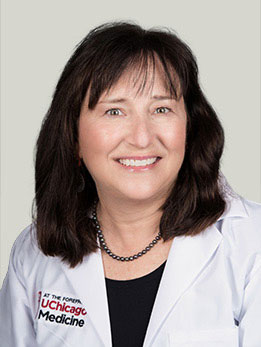 Wendy Stock合作论文数Department of Medicine, University of Chicago;Comer Children's Hospital;Duchossois Center for Advanced Medicine, The University of Chicago Medical Center80
 Michael W. N. Deininger合作论文数Huntsman Cancer Institute, University of Utah;Department of Internal Medicine, School of Medicine, University of Utah80Garcia Jacqueline S合作论文数Department of Medicine, The University of Chicago79
 Jason Gotlib合作论文数Department of Medicine, Stanford University79
 Anjali S. Advani合作论文数Case Comprehensive Cancer Center, Case Western Reserve University;Department of Medicine, School of Medicine, Case Western Reserve University;Department of Hematologic Oncology and Blood Disorders, Case Western Reserve University;Cleveland Clinic Lerner College of Medicine, Case Western Reserve University75
 Elias Jabbour合作论文数Department of Leukemia, Division of Cancer Medicine, MD Anderson Cancer Center, University of Texas72
 David P. Steensma合作论文数Novartis Institutes for Biomedical Research70
 Stahl Maximilian合作论文数School of Medicine, Yale University56
 Moshe Talpaz合作论文数Division of Hematology Oncology, Department of Internal Medicine, University of Michigan52R Coleman Lindsley合作论文数Dana-Farber Cancer Institute51
 Robert J. Soiffer合作论文数Department of Medical Oncology, Dana-Farber Cancer Institute;Division of Hematologic Malignancies, Dana-Farber Cancer Institute;Harvard Medical School51
 Tracy I. George合作论文数School of Medicine, University of Utah50Shah Bijal D合作论文数48
 Deepti Radia合作论文数St. Thomas's48Abel Gregory A合作论文数46
 Amir Fathi合作论文数Cancer Center, Mass General Research Institute, Massachusetts General Hospital;Harvard Medical School46Park Jae H合作论文数45
 Eric Winer合作论文数School of Medicine, Yale University;Smilow Cancer Hospital45
 Anthony G. Letai合作论文数Dana-Farber Cancer Institute, Harvard Medical School44Delphine Rea合作论文数43
 Shai Shimony合作论文数Rabin Med Ctr, Tel Aviv Univ42
 Matthias Stelljes合作论文数Knochenmark-Transplantations-Zentrum, Universitätsklinikum Münster42
 Andreas Hochhaus合作论文数Department of Internal Medicine II, University Hospital Jena;Department of Hematology and Internal Oncology, University Hospital Jena;University Tumor Center Jena41
 Harry Paul Erba合作论文数Division of Hematologic Malignancies and Cellular Therapy, Department of Medicine, Duke University School of Medicine;Duke Cancer Institute, Duke University39
 Timothy Hughes合作论文数Adelaide Medical School, Faculty of Health and Medical Sciences, The University of Adelaide;South Australian Health and Medical Research Institute39Vandendries Erik合作论文数37
 Ryan Jeremy A合作论文数37Dong-Wook Kim合作论文数36
 Michaela Liedtke合作论文数Medicine Department, Stanford University36
 Lewis B. Silverman合作论文数Irving Medical Center, Columbia University;Department of Pediatrics, Columbia University;Dana-Farber / Harvard Cancer Center35
 Eytan M. Stein合作论文数David H. Koch Center for Cancer Care, Memorial Sloan Kettering Cancer Center34
 Javier Pinilla合作论文数Lymphoma Section, Department of Malignant Hematology, Moffitt Cancer Center34
 Ryan D Cassaday合作论文数Fred Hutchinson Cancer Research Center, University of Washington33
 Claire Roddie合作论文数33Sandhu Karamjeet合作论文数33
 Andreas Reiter合作论文数33
 Joseph H. Antin合作论文数Dana-Farber Cancer Institute, Harvard Medical School;Brigham and Women's Hospital33
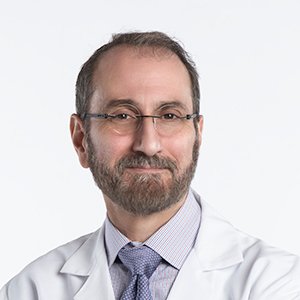 Guido Marcucci合作论文数Department of Hematologic Malignancies Translational Science, City of Hope;Division of Leukemia, City of Hope;Gehr Family Center for Leukemia Research, City of Hope33
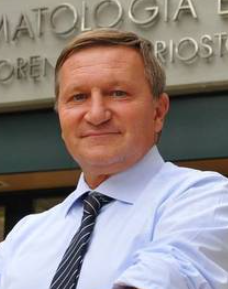 Giovanni Martinelli合作论文数Department of Medical and Surgical Sciences, University of Bologna;Department of Hematology and Sciences Oncology, Institute of Haematology "L. and A. Seràgnoli" S. Orsola, University Hospital in Bologna;Istituto Romagnolo per la Cura dei Tumori32
 Susan M. O Brien合作论文数Division of Oncology, School of Medicine, University of California;Division of Hematology, School of Medicine, University of California;Sue & Ralph Stern Center for Clinical Trials & Research, University of California, Irvine;Chao Family Comprehensive Cancer Center, University of California, Irvine32
 Michael J. Mauro合作论文数Memorial Sloan Kettering Cancer Center32
 Andrew M Brunner合作论文数Massachusetts General Hospital, Harvard Medical School31




