Congestion charging systems have emerged as a promising policy tool for mitigating traffic congestion and reducing emissions in urban areas. This study applies a dynamic activity scheduling model to assess the effects of congestion pricing in the Greater Helsinki region. By simulating daily activity patterns and travel behaviour, we analyse the impacts of congestion charges on mode choice, destination selection, and departure time adjustments. Our findings reveal a 10% reduction in car use and a 27% decrease in total car kilometres travelled, demonstrating the effectiveness of congestion pricing in alleviating traffic congestion. However, the analysis also highlights the potential equity concerns, with impacts varying across locations and commuting patterns. These insights contribute to the growing body of evidence on the behavioural and distributional consequences of congestion pricing, offering valuable guidance for policymakers.
This paper presents a population synthesis model that utilizes the Wasserstein Generative-Adversarial Network (WGAN) for training on incomplete microsamples. By using a mask matrix to represent missing values, the study proposes a WGAN training algorithm that lets the model learn from a training dataset that has some missing information. The proposed method aims to address the challenge of missing information in microsamples on one or more attributes due to privacy concerns or data collection constraints. The paper contrasts WGAN models trained on incomplete microsamples with those trained on complete microsamples, creating a synthetic population. We conducted a series of evaluations of the proposed method using a Swedish national travel survey. We validate the efficacy of the proposed method by generating synthetic populations from all the models and comparing them to the actual population dataset. The results from the experiments showed that the proposed methodology successfully generates synthetic data that closely resembles a model trained with complete data as well as the actual population. The paper contributes to the field by providing a robust solution for population synthesis with incomplete data, opening avenues for future research, and highlighting the potential of deep generative models in advancing population synthesis capabilities.
In travel behaviour modelling, latent class models are used to represent underlying discrete groupings of behavioural preferences. The paper presents a latent class extension of a dynamic discrete choice model (DDCM) and applies the model to the problem of activity demand generation and scheduling. The DDCM is a recursive multinomial logit model where agents make sequential decisions in time, maximizing the expected future utility of their decisions in a random utility maximization framework. It generates activities and their associated travel within a full day schedule, endogenously respecting agents’ inherent time-space constraints. The latent class DDCM builds on the base model by representing heterogeneous lifestyle preferences. A specification of the model is estimated on a Stockholm travel survey and uses age, income level, gender, car ownership and presence of children in the household as classifying variables. The models result in classes which primarily represent modality styles, finding car-, transit- and bike-primary behavioural groups as well as a multimodal group, each linked with different socio-demographic characteristics. The models improve over non-latent class reference models and provide insight into the structure of heterogeneity in travel behaviour preferences in Stockholm.
The City of Stockholm is conducting a scenario planning exercise to explore where potential future office development should be planned: closer to the city centre as in the status quo, in peripheral hubs on the outskirts of the city, or dispersed throughout multiple neighbourhoods. To support this exercise, this paper models these three scenarios using a nested work location and dynamic activity-based scheduling model. Our model predicts that high-income individuals have the highest consumer welfare benefits and are over-represented as workers in all scenarios. Developing more central office space will likely reinforce existing geographical patterns of income inequality in Stockholm; developing peripheral or dispersed office space, especially in the south of the city, will challenge these patterns. However, the model also illustrates a tension between the goals of equity and the environment. By taking advantage of existing transit infrastructure and congestion patterns, more central office development will result in lower vehicle kilometers travelled and lower car mode share for commuting than more peripheral or dispersed development.
This paper presents a dynamic discrete choice model (DDCM) for daily activity–travel planning. A daily activity–travel pattern is constructed from a sequence of decisions of when, where, why, and how to travel. Individuals’ preferences for activity–travel patterns are described by the sum of the utility of all travel and activity episodes in that pattern, but components of the utility functions, such as travel times, may be stochastic. In each decision stage, individuals act as if they maximized the expected utility of the remainder of the day. The DDCM-model presented allows for a detailed treatment of timing decision consistent with other choice dimensions, respects time–space constraints, and enables the inclusion of explicitly modeled uncertainties in, for example, travel time. In a case study, a model for daily planning of activity and travel on workdays is estimated whereby individuals can perform any number of trips that each is a combination of one of 1,240 locations, four modes, and six activities. Simulation results indicate that the model within sample accurately replicates timing decisions, trip lengths, and the distributions of the number of trips, tours, and trips per tour.
Den aterupptagna totalforsvarsplaneringen med syfte att oka beredskapen infor kriser och krig innebar okade anstrangningar for manga samhallsaktorer med olika roller, ansvar och uppgifter. Detta har aktualiserat behovet av ett fortydligat sektorsansvar.I denna rapport diskuteras vilka bestandsdelar ett sektorsansvar kan ha, med energisektorn som exempel, inklusive de styrningskedjor som kan anvandas for att bygga beredskap i nuvarande och framtida energisystem. En sektorsneutral arbetsmodell med fokus pa sektorsansvarets ramar och innehall snarare an pa ansvariga aktorer foreslas.Arbetsmodellen ar uppdelad i fem olika steg: 1) etablera sektorsforstaelse; 2) tydliggora kravbild; 3) ta fram formagesystem; 4) foresla sektorsansvarets innehall; 5) dialogisera med regeringsnivan kring sektorsansvarets innehall.En slutsats ar att presumtiva sektorsmyndigheter behover vara proaktiva i utformningen av sektorsansvarets innehall, inte minst vad galler att omsatta abstrakta malsattningar i konkreta formagefomuleringar. (Less)
Okad andel resor med hallbara fardmedel ar en forutsattning for att kombinera fortsatt tillvaxt med minskad resursforbrukning och miljopaverkan. I manga europeiska stader har cykel blivit ett alltm ...
I denna studie analyseras forutsattningarna for att bygga energiberedskap i framtida energisystem. Utgangspunkt tas i Energimyndighetens scenarier Fyra framtider och de framtidsutvecklingar av energisystemet och samhallet i stort som presenteras i dessa. De omraden som studeras sarskilt i denna rapport ar digitalisering, okad elektrifiering, decentralisering av elproduktionen, okat beroende av variabel elproduktion, det svenska elsystemets okade integrering med omvarlden, batterier och andra energilager, okad anvandning av biodrivmedel, agandeforhallanden, energieffektivisering samt nya livsstils- och samhallstrender. Beredskapsplaneringen for ett energisystem i forandring behover balansera mellan en proaktiv och en reaktiv ansats, dar den forra innebar att systemet designas med beaktande av olika mojliga hotbilder medan den senare i hogre grad utgar fran att anpassa systemen nar hot val realiseras. Beredskapsstrategier kan innefatta robusta delar for att kunna mojliggora nodvandiga investeringar men samtidigt behover de undvika lasningar som gor att de forhindrar en anpassning sig till omvarldsforandringar. Energisystemen bor i sin tur, for att kunna hantera allvarliga storningar, vara robusta men ocksa forknippas med en flexibilitet som minskar beroendet av enskilda energibarare, energileverantorer och leveransvagar. En avvagning mellan effektivitet och kostnadsminimering respektive forsorjningstrygghet blir oftast nodvandig. Det kan finnas skal att i beredskapsplanering for energiforsorjningen, utover energisystemets formaga att uppratthalla acceptabel funktion, aven beakta det omgivande samhallets funktionsformaga vid kraftigt stord energiforsorjning. For att kunna bedoma energiberedskapen hos ett system (idag och i framtiden) kravs detaljerad information som sallan gar att lasa ut ur overgripande energibalanser. For detta kravs kunskap om bland annat grad av redundans i systemen, fysiskt skydd, organisering av IT-sakerhet och acceptans for leveransstorningar hos befolkningen. Ett tydligare fokus pa energiforsorjningen av samhallsviktig verksamhet kan ocksa vara nodvandig. I studien ges exempel pa mojliga indikatorer att anvandas for bedomning av energiberedskapen i dagens och framtida system. (Less)
In this study we conceptualise how a capability approach could be used for analysing the conditions for preserving security of energy supply. We derive a concept, ‘energy system capability’, to describe how well the system is designed for this purpose. Based on a socio-technical systems perspective, we suggest that this capability is composed of five categories of ‘building blocks’: technical structures, natural resources, economic resources, institutions and actors. The configurations of these building blocks and the interactions between them provide the system with a certain level of reliability, robustness, flexibility, adaptivity and capacity for swift recovery and handling. These building blocks and system characteristics form various capabilities along the event chain (prevent, withstand, recover, handle, prepare, detect etc.) that together build the energy system capability.
In the report we analyse the concept of capability and compare it to relatedconcepts such as resilience. With starting point in a sociotechnical systemperspective as well as existing research on capability and vulnerability wedevelop an analytical framework that could be used to study the capability indifferent energy systems. We suggest that capability could be seen as composedof five “building blocks”: technical structures, natural resources, economicresources, institutions and actors. The building stones, in different combinations,contribute to various primary capabilities (to prevent, withstand, handle andrecover), which altogether sums up to the system capability. Attention is alsogiven to the characteristics of threats and to what degree the driver behind thesethreats is seen to be internal or external and if the threat manifests itself as a oneoff event or more enduring stress. By using the framework when conducting anempirical study of the Swedish transportation fuel system we discuss weaknessesand strengths in the capability of this system. (Less)
Activity based travel demand models are based on the idea that travel is derived from the demand to participate in different activities. Predicting travel demand should therefore include the prediction of demand for activity participation. Time-space constraints, such as working hours, restricts when and where different activities can be conducted, and plays an important role in determining how people choose to travel. Travelling is seen as a possibly costly link between different activities, that also implicitly leads to missed opportunities for activity participation. With a microeconomic foundation, activity based models can further be used for appraisal and for accessibility measures. However, most models up to date lack some dynamic consistency that, e.g., might make it hard to capture the trade-off between activity decisions at different times of the day. In this paper, we show how dynamic discrete choice theory can be used to formulate a travel demand model which includes choice of departure time for all trips, as well as number of trips, location, purpose and mode of transport. We estimate the model on travel diaries and show that the it is able to reproduce the distribution of, e.g., number of trips per day, departure times and travel time distributions.
Energy security has gained increasing prominence on the EU political agenda, but is often framed narrowly, in terms of import dependency or security of supply. In this paper we screen and scope out a more comprehensive suite of energy security aspects to be considered when assessing low-carbon energy scenarios and apply it using the EU Energy Roadmap as an example. Availability and affordability issues as well as security of demand matters and geopolitical security aspects are identified and discussed. External factors, e.g., future international climate treaties and international relations, are important for some energy security outcomes. A broader framing of energy security together with structured assessments on the security implications of energy transitions would benefit future EU energy policy.
The number of horses in society is increasing and today, according to Swedish Board of Agriculture, there are approximately 360,000 horses in Sweden, where three-quarters are found in urban or near-urban environments. All these horses will, according to calculations, give rise to a total amount of manure of up to 1.4 million tons per year. If this manure is digested efficiently, this corresponds to an annual biogas production of 641 GWh, which is almost half of all biogas produced in Sweden in 2010. Although there are some practical limitations on how much of the potential that can be exploited, there is nevertheless a significant potential for increased use of renewable energy. By collecting manure and digesting it, three environmental benefits can be achieved:Emissions from conventional management where the manure is piled and stored, or spontaneously composted, are avoidedAnaerobic digestion of manure produces biogas that can be used to generate electricity and heat and, after upgrading (purification and pressure increase), as vehicle fuel; thereby fossil fuel emissions are reducedThe resulting digestate can be used in agriculture, thereby replacing chemical fertilizer which provides additional environmental benefitsDespite all these possibilities there are some obstacles and gaps in knowledge. This report is a systematic review of the state of knowledge about horse manure management, pretreatment methods, digestion methods of horse manure, as well as aspects of the proliferation of bio-fertilizer from horse manure. This part is mainly qualitative descriptions while subsequent reports present indicative calculations of the environmental benefits of different ways to design the management.The conclusions are that there are many factors that point to extract energy from horse manure, e.g. there are significant amounts of manure relatively close to urban areas, the straw bedding materials provide a supplement in biogas production, there is plenty of land for spreading digestate, and an improved horse manure management is also a good water protection measure. Drawbacks are that the digestion of horse manure is relatively untested and it is difficult to assess how increased waste management costs affect the horse industry. Another conclusion is the general lack of knowledge of horse manure from an environmental perspective at a level required for reliable environmental assessments. Nevertheless we hope to be able to propose system solutions which to a greater extent than previously should prove to work technically and be economically feasible. If these systems are translated into practical reality, environmental gains can be made through reduced environmental impact, reduced eutrophication, increased biodiversity and reduced use of finite resources.
Energifragan beror manga politikomraden, inte minst sakerhetspolitiken. Forestallningar om framtida energisakerhet, eller energi och sakerhet, baseras oundvikligen pa underliggande antaganden och subjektiva perspektiv som garna fargas av dagsaktuella problem. Detta kan innebara problem for dem som agnar sig at beslutsfattande i ett langsiktigt perspektiv. Denna rapport har ett sakerhetspolitiskt fokus dar kopplingen mellan energi och internationella relationer respektive energi och konflikter studeras med syftet att oka forstaelsen om hur energi och sakerhet kan interagera i en framtida internationell kontext. Energisakerhetsbegreppet omfattar manga betydelser och tolkningar, t.ex. kan det forstas genom att se energisystemet som ett objekt som kan utsattas hot och risker, eller att energi ar ett subjekt som kan generera nya sakerhetsproblem eller forstarka befintliga sadana. Sakerhetspolitik och formandet av internationella maktstrukturer och relationer kan ses som ett spel dar olika aktorer positionerar sig gentemot varandra och forsoker tolka varandras intentioner. En viss aktors framtida position baseras inte bara pa uppfattningen om omvarlden och framtiden utan ocksa pa uppfattningen av andra aktorers positioner. Nar detta gors i en framtidskontext kan ett handlingsutrymme skonjas som fungerar som vagledande for vad en viss aktor kan eller bor gora idag for att forbattra sin framtida situation. Detta ger en bild av det framtida handlingsutrymmet som paverkar de framtida internationella relationerna. Det finns olika principiella satt att uppfatta framtiden. En fragestallning som inte stracker sig sa langt in i framtiden, eller faktiskt ar forutsagbar langt in i framtiden, kan hanteras med hjalp av prognoser. Policyutveckling forknippad med specifika mal kan utga fran normativa framtidsansatser medan analyser som forknippas med stor osakerhet bor hantera omvarldsfaktorer med hjalp av explorativ scenariometodik. Utvecklingen av framtidens energisystem paverkas av ekonomiska, tekniska, resursmassiga och politiska faktorer. Det bor noteras att den syn pa energiframtiden som presenteras av olika aktorer paverkas av aktorens varldsbild och intentioner vilket paverkar val av grundlaggande satt att betrakta framtiden i termer av prediktiva, explorativa och normativa synsatt. Energi- och sakerhetskomplexet kan forstas via olika skolbildningar inom internationella relationer (IR) praglade av olika syn pa om relationerna domineras av samverkan eller rivalitet och konflikt mellan olika aktorer. Exempel pa sadana skolor ar strukturell neorealism, institutionell neoliberalism och den socialkonstruktivistiska Kopenhamnsskolan. IR ar en forklaringsmodell till de sakerhetsstrukturer som har praglat vissa tidsepoker men kan, genom att ett antal sardrag kan ses som generaliserbara, ocksa fungera som verktyg for beslutsfattaren och pa sa satt bidra till framtidsanalyser. IR speglar ocksa de olika perspektiv olika aktorer (samtidigt) kan ha pa omvarlden – som darigenom paverkar deras strategival och ageranden. Nar konfliktdimensionen i energi- och sakerhetskomplexet fordjupas kan energi ses som ett mal (eller objekt) i en konflikt, ett konfliktmedel eller en orsak till konflikt (eller instabilitet). I detta sammanhang ar aven energisystemegenskaper som mojliggor konflikt, konfliktdomaner (global, regional, nationell och lokal), samt de kontextuella faktorerna som bidrar till konflikt relevanta vid analyser. I rapportens avslutande del diskuteras olika synvinklar pa framtida energi och sakerhet utifran dels beslutsfattarens perspektiv, dels analytikerns perspektiv – bl.a. med utgangspunkt fran ett exempel pa en scenariostudie dar olika tankbara framtida energi- och geopolitiska forhallanden ger olika sakerhetsimplikationer for ett framtida EU och darmed olika handlingsutrymmen. Inspirerad av Kopenhamnsskolan foreslas aven en multidimensionell modell for att forsta energisakerhet baserat pa nivaer, sektorer och aktorer. Modellen kan anvandas for korsvis analys beroende pa den fragestallning som ska belysas men ocksa som sorteringsverktyg for att gora valavvagda avgransningar infor en viss analys.
Integration of dynamic traffic assignment with a travel demand model for the Stockholm region
This paper performs an ex-post cost-benefit analysis (CBA) of the Metro system in Stockholm built in the 1950s. We find that the Metro was socially beneficial and that the largest benefit of the Metro is its capacity, making it possible for many people to travel to and from the city center. We also assess the significance of the wider economic impacts due to labor market distortions and the land-use effects in the case of the Stockholm Metro. The wider economic impacts increase the consumer surplus with 48%, and the yearly income in the county with 1.5%. A land-use model is used to simulate how the land-use has been influenced by the Metro over the years 1956-2006. This simulation indicates that the historical centralized planning of housing along transit corridors has developed the region into a more dispersed region than if the market forces had ruled. The simulation also suggests that the land-use impact from the investment itself is small, but that the land-use impact from the planning accompanying the decision to build the Metro has been substantial. (C) 2014 Elsevier Ltd. All rights reserved.
Emissions of greenhouse gases must be significantly reduced in order to limit the risk of severe climatic change. Such reductions will require a long-term transition of the energy system to one in which energy efficiency improvements, electrification, renewable energy, carbon capture and storage and nuclear energy can play important roles. Energy security will be affected by such a transition. This paper summarises the main findings from a research project that investigated the synergies and conflicts between a low carbon energy transition and energy security. Energy security can be interpreted in several different ways. Our approach involves studying energy both as an object exposed to security threats, using concepts such as security of supply or security of demand, and the energy system as the subject generating or enhancing insecurity and conflict. Our results indicate that a low carbon energy system can have at least as high level of energy security as the current system, but there will be some new challenges. One is the potential strains and conflicts that can emerge around bioenergy and land use issues. Another is the large scale expansion of variable electricity production, which will require significant investments in new infrastructure. An overlook of institutions and regulations will probably be required to meet the new challenges. The transition period requires special attention; however, since while economic resources and competencies need to be redirected to new, expanding, energy systems, there is a risk that contracting technologies may receive insufficient allocation of resources for maintaining a high level of energy security. (Less)
Climate change mitigation and energy security are partly interacting areas that both present future challenges. The extensive research underway within these areas is mainly conducted in separate research communities, although there are some integrative efforts. This paper examines the breadth and heterogeneity involved in treating energy security and climate change mitigation as a combined research area. The outcome is a comprehensive analytical framework which considers energy security aspects, climate change mitigation strategies, temporal scope and future perspective, analytical focus, approaches and methodologies, geographical scope, and scientific traditions and perspectives.
For att begransa risken for allvarliga klimatforandringar maste utslappen av vaxthusgaser minskas kraftigt. Detta kommer att krava en omstallning av energisystemet dar energieffektivisering och en okad elektrifiering, fornybar energi, avskiljning och lagring av koldioxid samt karnkraft kan fa stor betydelse. I denna rapport analyseras hur en sadan omstallning kan paverka olika aspekter av energisakerhet. Det ror sig bland annat om forsorjningstryggheten och risken for energibrist och volatila priser, risken for negativa konsekvenser for energiexportorers ekonomi, risken for att energi bidrar till konflikter och anvands som politiskt patryckningsmedel samt risken for att olyckor och andra oonskade handelser kan leda till hot mot manniskors halsa och miljon, en risk som aven kan uppkomma vid normal drift. Enligt vara analyser finns det inget som motsager att framtida energisystem med laga utslapp av vaxthusgaser kan vara minst lika sakra som dagens huvudsakligen fossilbaserade system. Vad galler manga aspekter ser vi i stallet betydande fordelar. Energieffektivisering och fornybar energi ar huvudsakligen bra for saval klimat som energisakerhet men loser inte alla problem. Omstallningen kommer att krava okad integrering av elmarknader. Under omstallningsperioden ar det ocksa viktigt att ekonomiska resurser och kompetens tillfors expanderande energislag, samtidigt som tillrackliga resurser och kompetens bibehalls for energislag pa tillbakagang. Detta behovs for att inte energisakerheten ska sjunka for dessa. Vidare maste de nya affarsmodeller, som kravs for att dra full nytta av effektiviserings- och fornybarhetspotentialen, kunna utvecklas i samspel med, eller ersatta, de gamla. Investeringar och nya regelverk kommer ocksa att kravas for att de nya systemen ska kunna leverera en hog energisakerhetsniva i bred bemarkelse. Det finns ocksa en rad mer generella slutsatser kring energisakerhet som kan sammanfattas i foljande punkter: Det finns manga satt att mata energisakerhet pa - men inga heltackande. Vad man lagger in i begreppet energisakerhet beror pa vems sakerhet det galler. Importberoende ar ett ofta anvant men trubbigt matt pa energisakerhet. Hur olika energisakerhetsaspekter ska prioriteras ar huvudsakligen en politisk snarare an en vetenskaplig fraga. Energisakerhet handlar inte bara om olja och gas aven om detta dominerar i den internationella diskussionen och litteraturen. Energisakerhet for el och fornybara energisystem ar ocksa viktigt att studera. Den overordnade prioriteringen bor vara att sakra nyttan av energitjanster snarare an tillforseln av en viss mangd kWh. Man kan inte enkelt ranka energisakerheten hos framtida system eftersom olika omvarldsfaktorer ar avgorande for hur energisakerheten paverkas av exempelvis klimatatgarder. Manga energisakerhetsaspekter kommer dessutom att forandras oberoende av klimatomstallningen. Det finns brister i hur energisakerhet integreras med andra energipolitiska mal inom EU. Svensk energipolitik utgar fran en global liberal marknadsstrategi men det ar viktigt att ta hansyn till att andra lander och aktorer pa energimarknaden har andra utgangspunkter, t.ex. geopolitiska. Mot bakgrund av kommande forandringar i energisystemen finns det anledning for Sverige att se over hanteringen av energisakerhetsfragorna, bland annat for en battre framforhallning och en starkare samordning mellan olika departement, myndigheter och andra aktorer.
 Maria Börjesson合作论文数Department of Management and Engineering, Linköping University;Swedish National Road and Transport Research Institute11
 Anders Karlström合作论文数Division of Transport and Systems Analysis, Department of Urban Planning and Environment, School of Architecture and the Built Environment, KTH Royal Institute of Technology11
 Göran Finnveden合作论文数Division of Sustainability Assessment and Management, Department of Sustainable Development, Environmental Science and Engineering, School of Architecture and the Built Environment, KTH Royal Institute of Technology9
 Måns Nilsson合作论文数Stockholm Environment Institute/The Royal Institute of Technology9Svante Berglund合作论文数8andre mansson合作论文数8
 Mattias Lundberg合作论文数Development Research Group, World Bank6Hannes Sonnsjö合作论文数5
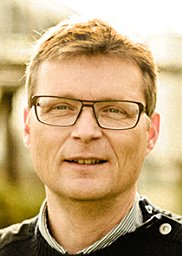 Lars J. Nilsson合作论文数Faculty of Engineering, Lund University5
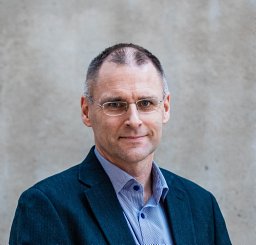 Peter Almström合作论文数5roger magnusson合作论文数4Leonid Engelson合作论文数Centre for Traffic Simulation Research;Royal Institute of Technology;Centre for Traffic Simulation Research, Royal Institute of Technology4
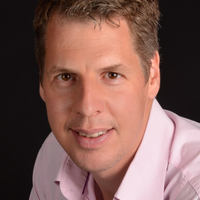 Wilco Burghout合作论文数Division of Transport Planning, Department of Civil and Architectural Engineering, School of Architecture and the Built Environment, KTH Royal Institute of Technology4Karl H Dreborg合作论文数4
 Ida Kristoffersson合作论文数Department of Transport and Economics, Royal Institute of Technology Centre for Traffic Research4m ostensson合作论文数3leonid engelsson合作论文数3olivier canella合作论文数3
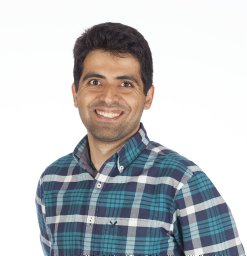 masoud fadaei oshyani合作论文数Department of Transport Science, Royal Institute of Technology (KTH),3Jens West合作论文数3Marcus Sundberg合作论文数3Oskar Blom Vastberg合作论文数The Royal Institute of Technology (KTH, Royal Institute of Technology,Royal Inst of Technology3Jessica Johansson合作论文数3
 Markus Robért合作论文数Division of Strategic Sustainability Studies, Department of Sustainable Development, Environmental Science and Engineering, School of Architecture and the Built Environment, KTH Royal Institute of Technology3
 Bengt Johansson合作论文数King Abdullah University of Science and Tehnology3
 Annika Carlsson-Kanyama合作论文数Environmental Strategies Research Group3hans wiklund合作论文数2b t johansson合作论文数2
 Qian Wang (王谦)合作论文数Division of Constructional Engineering and Design, Department of Civil and Architectural Engineering, School of Architecture and the Built Environment, KTH Royal Institute of Technology2Stina Gustafsson合作论文数2Oskar Wallgren合作论文数Stockholm Environment Institute2
 Per Lundqvist合作论文数Division of Applied Thermodynamics and Refrigeration, Department of Energy Technology, School of Industrial Engineering and Management, KTH Royal Institute of Technology2Örjan Svane合作论文数2
 Josefin Wangel合作论文数Environmental Strategies Research, Royal Institute of Technology2Karl Henrik Dreborg合作论文数2
 Mattias Höjer合作论文数Division of Strategic Sustainability Studies, Department of Sustainable Development, Environmental Science and Engineering, School of Architecture and the Built Environment, KTH Royal Institute of Technology2Johan Lindgren合作论文数1Fatemeh Naqavi合作论文数1Åsa Hadin合作论文数1
 Kristina Lundberg合作论文数1
 Lars Lundqvist合作论文数1
 Andreas Tapani合作论文数Swedish National Road and Transport Research Institute;Linköping Institute of Technology;Department of Science and Technology;Swedish National Road and Transport Research Institute, Linköping Institute of Technology1
 Asa Persson合作论文数Center for Brain Repair and Rehabilitation, University of Gothenburg1
 Jenny Palm合作论文数The International Institute for Industrial Environmental Economics - Lund University1Jan Johansson合作论文数1
 Carina Weingaertner合作论文数1Sara Tyskeng合作论文数1
 Clas Rydergren合作论文数Department of Science and Technology, Linköping University1




