The critical need for awareness and genetic testing of the SAMHD1 deletion in Ashkenazi Jewish patients is highlighted owing to its relatively high carrier frequency. Early detection can prevent severe disease complications through targeted therapy.
Background: Adenosine deaminase 2 deficiency (DADA2) is a genetic disorder caused by biallelic hypomorphic or loss-of-function mutations in the ADA2 gene, which encodes a protein deaminase regulating extracellular adenosine metabolism. Clinical features encompass inflammatory vasculopathy, early-onset strokes, and a complex presentation involving both immunodeficiency and autoinflammation/autoimmunity. Objective: Our aim was to determine a DADA2-specific adaptive immune architecture. Methods: We profiled immunoglobulin levels and peripheral Band T-cell phenotypes in 47 previously reported and 5 unreported patients with DADA2. Levels of 21 cytokines and chemokines were quantified in patients with or without anti-TNF treatment. To characterize the DADA2 immune architecture, we performed T-and B-cell receptor immunosequencing. We trained a binary LightGBM classifier to distinguish DADA2 T-and B-cell immune repertoires from healthy individuals. Results: We detected hypogammaglobulinemia in 65% of patients with DADA2 (34 of 52) and cytopenias in 48% (25 of 52). Flow cytometric profiling revealed contraction of Band T-cell memory compartments. In addition, we observed elevated levels of TNF, IL-8, several interferons, a proliferation-inducing ligand (APRIL), B-cell activating factor (BAFF), and soluble CD40 ligand (sCD40L). High serum levels of TNF, BAFF, and sCD40L persisted under anti-TNF therapy. Next-generation immunosequencing of peripheral lymphocytes showed restricted T-cell receptor repertoires and B cells, which were particularly skewed toward immunoglobulin heavy chain V4-34 rearrangements. With high accuracy, our machine learning algorithm separated individuals with DADA2 from healthy individuals on the basis of immunogenetic parameters regarding B-cell clone fraction, CDR3 length, and selected Kidera factors. Conclusions: Our findings underscore the significant influence of ADA2 on the adaptive immune system, which results in a highly specific immunogenetic signature in patients with DADA2. (J Allergy Clin Immunol 2025;155:1664-74.)
Alpha kinase 1 (ALPK1) is a cytosolic sensor of microbial sugar metabolites that activates NF-κB signaling through phosphorylation of the adaptor protein TIFA. Although canonically linked to NF-κB, individuals with gain-of-function ALPK1 mutations also show features of interferon-driven inflammation. Here, we show that ALPK1 activation enhances multiple outputs of the stimulator of interferon genes (STING) pathway, including both canonical and noncanonical responses such as STING proton channel-dependent LC3B lipidation and NLRP3 inflammasome activation. Furthermore, ALPK1 signaling activates eIF2α, an effector of the integrated stress response. Conversely, STING activation increases ALPK1 protein expression and triggers TIFA-Threonine 9 phosphorylation. Clinically, individuals with ALPK1-mediated disease exhibit premature intracranial mineralization and elevated cerebrospinal fluid neopterin, both associated with dysregulated interferon signaling. These findings support a model of bidirectional signaling between ALPK1 and STING, in which microbial and nucleic acid sensing pathways can amplify one another. This crosstalk provides a mechanistic framework for understanding innate immune signaling relevant to both homeostasis and disease.
OBJECTIVE:To identify clinical features associated with response to tonsillectomy among children with periodic fever, aphthous stomatitis, pharyngitis, and cervical adenitis (PFAPA) syndrome and to determine optimal management of children with continued episodes after tonsillectomy. STUDY DESIGN:Patients with PFAPA seen at Vanderbilt University Children's Hospital and the National Institutes of Health (NIH) who underwent tonsillectomy were enrolled and queried regarding symptoms before and after surgery. RESULTS:Ninety-seven subjects with PFAPA (43 Vanderbilt, 54 NIH) were followed for a median of 49 months following tonsillectomy. Nearly half of participants reported complete resolution of PFAPA episodes (65% at Vanderbilt and 35% at NIH), while 25% had less severe or frequent episodes, 23% had a period of remission with recurrence, and 4% had no change in episodes. By logistic regression, factors associated with a full response to tonsillectomy were episode resolution with glucocorticoid treatment, presence of exudative pharyngitis, absence of rash, and absence of arthralgia/myalgia during pre-tonsillectomy PFAPA flares. Among those requiring treatment for persistent flares post-tonsillectomy, 15/19 (79%) reported improvement with cimetidine or famotidine prophylaxis. CONCLUSION:Tonsillectomy remains effective in improving PFAPA flares in most patients. However, unique episode features prior to tonsillectomy appear to be clinical predictors of response to tonsillectomy. Histamine receptor 2 antagonists like cimetidine were effective prophylactic agents for refractory cases post-tonsillectomy. Patients with incomplete response to tonsillectomy may represent a subset of PFAPA with unique factors affecting their pathogenesis.
Recent in vitro studies of human sex chromosome aneuploidy showed that the Xi (“inactive” X) and Y chromosomes broadly modulate autosomal and Xa (“active” X) gene expression. We tested these findings in vivo. Linear modeling of CD4+ T cells and monocytes from individuals with one to three X chromosomes and zero to two Y chromosomes revealed 82 sex-chromosomal and 344 autosomal genes whose expression changed significantly with Xi and/or Y dosage in vivo. Changes in sex-chromosomal expression were remarkably constant in vivo and in vitro; autosomal responses to Xi and/or Y dosage were largely cell-type specific (∼2.6-fold more variation than sex-chromosomal responses). Targets of the sex-chromosomal transcription factors ZFX and ZFY accounted for a significant fraction of these autosomal responses both in vivo and in vitro. We conclude that the human Xi and Y transcriptomes are surprisingly robust and stable, yet they modulate autosomal and Xa genes in a cell-type-specific fashion.
Immunological health has been challenging to characterize but could be defined as the absence of immune pathology. While shared features of some immune diseases and the concept of immunologic resilience based on age-independent adaptation to antigenic stimulation have been developed, general metrics of immune health and its utility for assessing clinically healthy individuals remain ill defined. Here we integrated transcriptomics, serum protein, peripheral immune cell frequency and clinical data from 228 patients with 22 monogenic conditions impacting key immunological pathways together with 42 age- and sex-matched healthy controls. Despite the high penetrance of monogenic lesions, differences between individuals in diverse immune parameters tended to dominate over those attributable to disease conditions or medication use. Unsupervised or supervised machine learning independently identified a score that distinguished healthy participants from patients with monogenic diseases, thus suggesting a quantitative immune health metric (IHM). In ten independent datasets, the IHM discriminated healthy from polygenic autoimmune and inflammatory disease states, marked aging in clinically healthy individuals, tracked disease activities and treatment responses in both immunological and nonimmunological diseases, and predicted age-dependent antibody responses to immunizations with different vaccines. This discriminatory power goes beyond that of the classical inflammatory biomarkers C-reactive protein and interleukin-6. Thus, deviations from health in diverse conditions, including aging, have shared systemic immune consequences, and we provide a web platform for calculating the IHM for other datasets, which could empower precision medicine. A multimodal analysis of patients with 22 different immune-mediated monogenic diseases versus matched healthy controls leads to the development of the immune health metric, which could be implemented broadly to predict responses to aging, vaccination and other immune perturbations.
We report two patients with biallelic SHARPIN deficiency, which manifests with autoinflammation and B cell immunodeficiency and is phenotypically distinct from Sharpin deficiency in mice. In one patient, there was a significant shift from pro-survival signaling to cell-death signaling in fibroblasts and lymphoblasts induced by members of the TNF cytokine superfamily, accounting for the autoinflammation and immunodeficiency. Targeted therapy with TNF inhibitors had a dramatic beneficial effect.
OBJECTIVES:To study the molecular pathogenesis of PAPA (pyogenic arthritis, pyoderma gangrenosum and acne) syndrome, a debilitating hereditary autoinflammatory disease caused by dominant mutation in PSTPIP1.METHODS:Gene knock-out and knock-in mice were generated to develop an animal model. THP1 and retrovirally transduced U937 human myeloid leukaemia cell lines, peripheral blood mononuclear cells, small interfering RNA (siRNA) knock-down, site-directed mutagenesis, cytokine immunoassays, coimmunoprecipitation and immunoblotting were used to study inflammasome activation. Cytokine levels in the skin were evaluated by immunohistochemistry. Responsiveness to Janus kinase (JAK) inhibitors was evaluated ex vivo with peripheral blood mononuclear cells and in vivo in five treatment-refractory PAPA patients.RESULTS:The knock-in mouse model of PAPA did not recapitulate the human disease. In a human myeloid cell line model, PAPA-associated PSTPIP1 mutations activated the pyrin inflammasome, but not the NLRP3, NLRC4 or AIM2 inflammasomes. Pyrin inflammasome activation was independent of the canonical pathway of pyrin serine dephosphorylation and was blocked by the p.W232A PSTPIP1 mutation, which disrupts pyrin-PSTPIP1 interaction. IFN-γ priming of monocytes from PAPA patients led to IL-18 release in a pyrin-dependent manner. IFN-γ was abundant in the inflamed dermis of PAPA patients, but not patients with idiopathic pyoderma gangrenosum. Ex vivo JAK inhibitor treatment attenuated IFN-γ-mediated pyrin induction and IL-18 release. In 5/5 PAPA patients, the addition of JAK inhibitor therapy to IL-1 inhibition was associated with clinical improvement.CONCLUSION:PAPA-associated PSTPIP1 mutations trigger a pyrin-IL-18-IFN-γ positive feedback loop that drives PAPA disease activity and is a target for JAK inhibition.
Summary Recent in vitro studies of human sex chromosome aneuploidy showed that the Xi (“inactive” X) and Y chromosomes broadly modulate autosomal and Xa (“active” X) gene expression in two cell types. We tested these findings in vivo in two additional cell types. Using linear modeling in CD4+ T cells and monocytes from individuals with one to three X chromosomes and zero to two Y chromosomes, we identified 82 sex-chromosomal and 344 autosomal genes whose expression changed significantly with Xi and/or Y dosage in vivo . Changes in sex-chromosomal expression were remarkably constant in vivo and in vitro across all four cell types examined. In contrast, autosomal responses to Xi and/or Y dosage were largely cell-type-specific, with up to 2.6-fold more variation than sex-chromosomal responses. Targets of the X- and Y-encoded transcription factors ZFX and ZFY accounted for a significant fraction of these autosomal responses both in vivo and in vitro . We conclude that the human Xi and Y transcriptomes are surprisingly robust and stable across the four cell types examined, yet they modulate autosomal and Xa genes – and cell function – in a cell-type-specific fashion. These emerging principles offer a foundation for exploring the wide-ranging regulatory roles of the sex chromosomes across the human body.
VEXAS (vacuoles, E1 enzyme, X-linked, autoinflammatory, somatic) syndrome, caused by somatic mutations in UBA1, is an autoinflammatory disorder with diverse systemic manifestations. Thrombosis is a prominent clinical feature of VEXAS syndrome. The risk factors and frequency of thrombosis in VEXAS syndrome are not well described, due to the disease’s recent discovery and the paucity of large databases. We evaluated 119 patients with VEXAS syndrome for venous and arterial thrombosis and correlated their presence with clinical outcomes and survival. Thrombosis occurred in 49% of patients, mostly venous thromboembolism (VTE; 41%). Almost two-thirds of VTEs were unprovoked, 41% were recurrent, and 20% occurred despite anticoagulation. The cumulative incidence of VTE was 17% at 1 year from symptom onset and 40% by 5 years. Cardiac and pulmonary inflammatory manifestations were associated with time to VTE. M41L was positively associated specifically with pulmonary embolism by univariate (odds ratio [OR]: 4.58, confidence interval [CI] 1.28-16.21, P = .02) and multivariate (OR: 16.94, CI 1.99-144.3, P = .01) logistic regression. The cumulative incidence of arterial thrombosis was 6% at 1 year and 11% at 5 years. The overall survival of the entire patient cohort at median follow-up time of 4.8 years was 88%, and there was no difference in survival between patients with or without thrombosis (P = .8). Patients with VEXAS syndrome are at high risk of VTE; thromboprophylaxis should administered be in high-risk settings unless strongly contraindicated.
Objective To understand if autoantibodies account for racial variation in disease severity, we compared autoantibody distribution and associated phenotype between self-identified black and white systemic sclerosis (SSc) patients. Methods 803 black and 2178 white SSc patients had systematic testing for autoantibodies using Euroimmun (centromere (ACA), RNA-polymerase III (POLR3), Scl70, PM/Scl, NOR90, Th/To, Ku, U3RNP and Ro52) and commercial ELISA (U1RNP). In this observational study, logistic regression was performed to assess the association between self-identified race and outcomes, adjusting for autoantibodies. To estimate whether the effect of race was mediated by autoantibody status, race coefficients from multivariate models including and excluding autoantibodies were compared. Results Anti-Scl70, anti-U1RNP, anti-U3RNP, anti-Th/To, anti-Ku and anti-NOR90 were more common in the black cohort than in the white cohort, which was enriched for ACA, anti-POLR3 and anti-PM/Scl. Black individuals had a higher prevalence of severe Raynaud's, skin, lung, gastrointestinal and renal disease whereas white individuals had a higher prevalence of severe heart and muscle disease. Adjusting for autoantibodies decreased the effect of race on outcome for telangiectasias, forced vital capacity <70%, pulmonary hypertension and severe lung, heart, muscle and gastrointestinal disease by 11%-44% and increased the association between race and renal crisis and severe kidney disease by 37%-52%. Conclusions This study is the largest systematic analysis of autoantibody responses in a geographically diverse population of black SSc patients. Black and white individuals with SSc have distinct autoantibody profiles. Autoantibodies explain only a fraction of the effect of race on clinical outcomes, suggesting other factors contribute to disparate outcomes between these groups.
 Ivona Aksentijevich合作论文数Medical Genetics Branch, National Human Genome Research Institute, National Institutes of Health171
 Elaine F. Remmers合作论文数Inflammatory Disease Genomics Branch, National Human Genome Research Institute, National Institutes of Health108Ombrello Amanda K合作论文数92
 Jae Jin Chae合作论文数NHGRI, NIH68Deborah L. Stone合作论文数60Karyl S. Barron合作论文数60Hoffmann Patrycja合作论文数51
 Lindsey A. Criswell合作论文数National Institute of Arthritis and Musculoskeletal and Skin Diseases, National Institutes of Health;National Human Genome Research Institute, National Institutes of Health43
 Ahmet Gul合作论文数Department of Obstetrics and Gynecology, Istanbul SSK Bakirkoy Women's and Children's Hospital41
 Michael J Ombrello合作论文数national institutes of health39
 Raphaela T. Goldbach-Mansky合作论文数Translational Autoinflammatory Diseases Section, Laboratory of Clinical Immunology & Microbiology, National Institute of Allergy and Infectious Diseases, National Institutes of Health36Anne Jones合作论文数35
 Qing Zhou (周青)合作论文数Life Sciences Institute, Zhejiang University35
 Peter K. Gregersen合作论文数Center for Genomics & Human Genetics, The Feinstein Institute for Medical Research33
 Seza Özen合作论文数Department of Pediatric Rheumatology, Faculty of Medicine, Hacettepe University32
 Massimo Gadina合作论文数Arthritis and Rheumatism Branch, National Institute of Arthritis and, Musculoskeletal and Skin Diseases32Geryl Wood合作论文数30
 Peter Grayson合作论文数28
 Elon Pras合作论文数26
 Michael F. Seldin合作论文数Department of Biochemistry and Molecular Medicine, School of Medicine, University of California, Davis26Tina Romeo合作论文数25
 Katherine R. Calvo合作论文数Department of Laboratory Medicine, Clinical Center, National Institutes of Health22
 David B Beck合作论文数Columbia Univ, Dept Med, New York, NY 10032 USA21
 Fredrick M Wigley合作论文数Johns Hopkins Scleroderma Center, Johns Hopkins Medicine;Department of Medicine, Johns Hopkins Medicine;Division of Rheumatology, Johns Hopkins Medicine21
 Michael Centola合作论文数Department of Arthritis and Immunology, Oklahoma Medical Research Foundation21Pravitt Gourh合作论文数21
 Lorinda Chung合作论文数Medicine Department, School of Medicine, Stanford University;Dermatology Department, School of Medicine, Stanford University;Women's Rheumatology Clinic, Women's Health Center of Excellence, Palo Alto Veteran Affairs Health Care System21Mordechai Pras合作论文数21
 Yong Hwan Park合作论文数20
 Natalie Deuitch合作论文数Oncogenesis and Development Section20
 Seth Masters合作论文数Centre for Innate Immunity and Infectious Diseases, Hudson Institute of Medical Research20Robyn T Domsic合作论文数19
 Paula Ramos合作论文数Dept Publ Hlth Sci, Med Univ South Carolina19
 Jessica Gordon合作论文数19
 Lesley Ann Saketkoo合作论文数19
 Marcela Ferrada合作论文数19
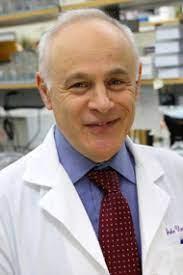 John Varga合作论文数Division of Rheumatology, Medical School, University of Michigan19
 Maureen D. Mayes合作论文数Division of Rheumatology, Department of Internal Medicine, McGovern Medical School, University of Texas Health Science Center at Houston19
 Francesco Boin合作论文数IRCCS, Istituto19
 Yohei Kirino合作论文数Graduate School of Medicine, Yokohama City University;Department of Hematology and Clinical Immunology, Faculty of Medicine, Yokohama City University19Marcin Trojanowski合作论文数18Heather Gladue合作论文数18Zuoming Deng合作论文数NIAMS, NIH, Bethesda, MD USA18
 Avram Z. Goldberg合作论文数Division of Rheumatology, Department of Medicine, New York University18
 Elena Schiopu合作论文数Department of Rheumatology, Medical College of Georgia, Augusta University;Department of Medicine, Medical College of Georgia, Augusta University;Charlie Norwood VA Medical System18
 Reem Jan合作论文数Department of Medicine, The University of Chicago18
 Dinesh Khanna合作论文数Institute for Healthcare Policy and Innovation, University of Michigan18
 Virginia Steen合作论文数Center for the Study of Sex Differences in Health, Aging & Disease, Georgetown University;Division of Rheumatology, Department of Medicine, Georgetown University Medical Center18
 Annette T. Lee合作论文数Institute of Molecular Medicine, Feinstein Institutes for Medical Research;Donald and Barbara Zucker School of Medicine, Hofstra University;Elmezzi Graduate School of Molecular Medicine, Northwell Health18




