We disclose a method for the dibenzylation of alkenylarenes with benzyl bromides using iron powder. This reaction generates branched alkyl scaffolds adorned with functionalized aryl rings through the formation of two new C(sp(3))-C(sp(3)) bonds at the vicinal carbons of alkenes. This protocol tolerates electron-rich, electron-neutral, and electron-poor benzyl bromides and alkenylarenes. Mechanistic studies suggest the formation of benzylic radical intermediates as a result of single-electron transfer from the iron, which is intercepted by alkenylarenes.
We demonstrate that 2-alkenylarylaldimines and ketimines undergo thermal 6π-azaelectrocyclization to generate a wide range of azabicyclic o-quinodimethanes (o-QDMs). These o-QDMs exist as a hybrid of a diene and a benzylic diradical. The diradical nature was confirmed by their ability to undergo dimerization and react with H-atom donor, 2,2,6,6-tetramethylpiperidin-1-yl)oxyl (TEMPO) and O2. In addition, the interception of the diradicaloid o-QDMs by H-atom transfer was used to synthesize five tetrahydroisoquinoline alkaloids and related bioactive molecules. The diene form can undergo [4+2] cycloaddition reactions with different dienophiles to generate bridged azabicycles in high endo:exo selectivity. The azabicyclic o-QDMs can be generated for [4+2] cycloaddition from a wide range of electronically and sterically varied 2-alkenylarylimines, including mono, di, tri and tetrasubstituted alkenes, and imines derived from arylamine, alkylamine (1°, 2°, 3°), benzylamine, benzylsulfonamide and Boc-amine.
Herein, we disclose a facile synthetic strategy to access an important class of drug molecules that contain chiral 1,2-amino alcohol functionality utilizing highly effective ruthenium-catalyzed asymmetric transfer hydrogenation of unprotected α-ketoamines. Recently, the COVID-19 pandemic has caused a crisis of shortage of many important drugs, especially norepinephrine and epinephrine, for the treatment of anaphylaxis and hypotension because of the increased demand. Unfortunately, the existing technologies are not fulfilling the worldwide requirement due to the existing lengthy synthetic protocols that require additional protection and deprotection steps. We identified a facile synthetic protocol via a highly enantioselective one-step process for epinephrine and a two-step process for norepinephrine starting from unprotected α-ketoamines 1b and 1a, respectively. This newly developed enantioselective ruthenium-catalyzed asymmetric transfer hydrogenation was extended to the synthesis of many 1,2-amino alcohol-containing drug molecules such as phenylephrine, denopamine, norbudrine, and levisoprenaline, with enantioselectivities of >99% ee and high isolated yields.
The ability of the HIV-1 accessory proteins Nef and Vpu to decrease CD4 protects infected cells from antibody-dependent cellular cytotoxicity (ADCC) by limiting the exposure of vulnerable epitopes to envelope glycoprotein (Env). Small-molecule CD4 mimetics (CD4mcs) based on piperidine scaffolds represent a new family of agents capable of sensitizing HIV-1-infected cells to ADCC by exposing CD4-induced (CD4i) epitopes on Env that are recognized by non-neutralizing antibodies which are abundant in plasma of people living with HIV. Here, we employed the combined methods of parallel synthesis, structure-based design, and optimization to generate a new line of piperidine-based CD4mcs, which sensitize HIV-1 infected cells to ADCC activity. The X-ray crystallographic study of the CD4mcs within the gp120 residues suggests that the positioning of the CD4mc inside the Phe43 cavity and synergistic contact of the CD4mc with the β20-21 loop and the α1-helix lead to improved antiviral activity.
We report a new class of highly effective, benzooxaphosphole-based, water-soluble ligands in the application of Suzuki-Miyaura cross-coupling reactions for sterically hindered substrates in aqueous media. The catalytic activities of the coupling reactions were greatly enhanced by the addition of catalytic amounts of organic phase transfer reagents, such as tetraglyme and tetrabutylammonium bromide. The optimized general protocol can be conducted with a low catalyst load, thereby providing a practical solution for these reactions. The viability of this new Suzuki-Miyaura protocol was demonstrated with various substrates to generate important building blocks, including heterocycles, for the synthesis of biologically active compounds.
Polycyclic, highly fused, and, perforce, highly conjugated aromatic organic compounds have been of interest to chemists since the discovery of naphthalene in 1821. In modern decades these have attracted ever-growing attention because of their architectures, properties, and wide-ranging practical applications. Given the unabated interest in such molecules, the development of new methods and strategies for the practical synthesis of PACs having new structural motifs is important. Here, we describe one-pot, purely thermal cyclizations of substrates containing sets of independent triynes, each arrayed upon a common core structure. This produces topologically unique products through sequential generation/trapping of a series of benzyne intermediates. More specifically, these all conform to processes that can be considered as radial-hexadehydro-Diels-Alder (HDDA) reactions. The late-stage and de novo creation of multiple arenes in these multibenzyne processes constitutes a fundamentally new synthetic strategy for constructing novel molecular topologies.
Although the parent 2-pyrone is known to react with simple o-benzynes to produce naphthalene derivatives, there appear to be no examples of the successful reaction of coumarin, a benzo-annulated 2-pyrone analogue, with an aryne. We report such a process here using benzynes generated by the hexadehydro-Diels-Alder reaction to produce phenanthrene derivatives (i.e., benzo-annulated naphthalenes). Density functional theory computations were used to help understand the difference in reactivity between 2-pyrone and the slower trapping agent, coumarin. Finally, the reaction of o-benzyne itself [from o-(trimethylsilyl)phenyl triflate and CsF] with coumarin was shown to be viable, although slow.
A cascade benzyne Fries rearrangement is reported that offers facile access to 2,3-disubstituted phenols, allowing for two points of diversity on the benzyne adduct. The methodology utilizes an o-(trimethylsilyl)triflate phenol as a common intermediate, from which substitution of the phenolic oxygen readily yields benzyne precursors that undergo the requisite rearrangement in the presence of an amine nucleophile, base, and a fluoride source.
A tandem olefin metathesis/oxidative cyclization has been developed to synthesize 2,5-disubstituted tetrahydrofuran (THF) diols in a stereocontrolled fashion from simple olefin precursors. The ruthenium metathesis catalyst is converted into an oxidation catalyst in the second step and is thus responsible for both catalytic steps. The stereochemistry of the 1,5-diene intermediate can be controlled through the choice of catalyst and the type of metathesis conducted. This olefin stereochemistry then controls the THF diol stereochemistry through a highly stereospecific oxidative cyclization.
Tandem catalysis provides an opportunity to assemble significant mol. complexity via mechanistically distinct reactions with a single catalyst. We have developed a tandem Z- selective cross metathesis - dihydroxylation, and have explored the substrate specificity of the catalytic system. We have also developed a tandem metathesis - oxidative cyclization to assemble THF diol motifs. Due to the stereospecificity of the oxidn. step, the product stereochem. is detd. in part by the olefin geometry. The stereochem. of the olefin in turn is detd. by the type of metathesis performed and choice of catalyst. The reaction scope and applications of the oxidative cyclization will be explored. Mechanistic comparisons between dihydroxylation and oxidative cyclization will also be discussed, specifically with regards to the nature of the ruthenate ester hydrolysis step.
A one-pot tandem process consisting of an olefin metathesis step and an oxidative cyclization is developed to construct 2,5-disubstituted tetrahydrofurans in a highly stereocontrolled manner.
 Peter K. Dornan合作论文数Department of Chemistry, University of Toronto3Vasudevan Natarajan合作论文数2
 N. S. Reddy合作论文数2Jinya Yin合作论文数2Samankumara Lalith P合作论文数Department of Chemistry, University of Connecticut2Hari Prasad Reddy Mangunuru合作论文数Department of Chemistry and Biochemistry, Old Dominion University2
 Chen Anji合作论文数2
 Janganati Venumadhav合作论文数College of Pharmacy, University of Arkansas for Medical Sciences2
 Bo Qu (曲波)合作论文数Peking University2
 Chris H. Senanayake合作论文数TCG GreenChem, Inc.;TCG Lifesciences Pvt Ltd.2
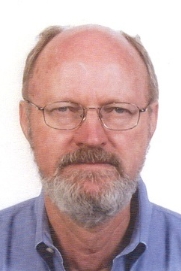 Robert H. Grubbs (罗伯特·格拉布斯)合作论文数Division of Chemistry and Chemical Engineering, California Institute of Technology2
 Thomas R. Hoye合作论文数Department of Chemistry, College of Science and Engineering, University of Minnesota2Chaitanya S. Wannere合作论文数Department of Chemistry;University of Georgia;Department of Chemistry, University of Georgia2Gopal Sirasani合作论文数Department of Chemistry, Temple University2
 Ramesh Giri合作论文数Department of Chemistry, The Scripps Research Institute2Cameron Abrams合作论文数1Majji Shankar合作论文数1Daniel M Lux合作论文数1Bimbisar K. Desai合作论文数1
 Bhavani Shankar合作论文数1Sean P Ross合作论文数1Joseph D. Armstrong合作论文数1
 Joseph D Armstrong, III合作论文数1Patrick Cyr合作论文数1Aravind S. Gangu合作论文数1Emily B Crull合作论文数1Sarah M. Bronner合作论文数1
 Rishi Sapkota合作论文数Penn State Univ, University Pk1Guillaume Beaudoin-Bussières合作论文数1
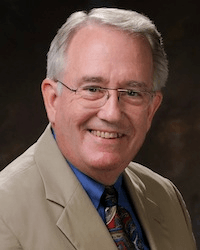 Amos B. Smith III合作论文数Smith Research Group, Department of Chemistry, School of Arts & Sciences, University of Pennsylvania;Monell Chemical Senses Center, University of Pennsylvania;Laboratory for Research on the Structure of Matter, University of Pennsylvania1
 Shilei Ding合作论文数1
 Zachary K. Wickens合作论文数Arnold and Mabel Beckman Laboratories for Chemical Synthesis, California Institute of Technology1
 Rohit Mahar合作论文数1Tolbert William D合作论文数1
 Vlad Bacauanu合作论文数1
 B. Frank Gupton合作论文数Department of Chemical and Life Science Engineering, College of Engineering, Virginia Commonwealth University;Medicines for All Institute1Medjahed Halima合作论文数1
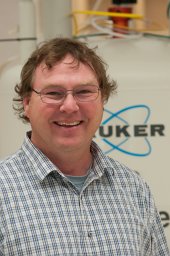 R. Thomas Williamson合作论文数Roche Carolina Inc. Florence1
 Carl M. Blumenfeld合作论文数1
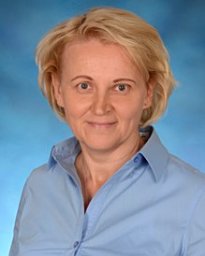 Marzena Pazgier合作论文数Inst Human Virol, Univ Maryland1Andrés Finzi合作论文数1
 Hemant Yennawar合作论文数Department of Biochemistry and Molecular Biology, The Pennsylvania State University1
 Kai Donsbach合作论文数1




