Although the goal of extracorporeal cardiopulmonary resuscitation (ECPR) remains survival with meaningful neurologic recovery, secondary contribution to organ donation is increasingly recognized. We identified standardized outcome metrics for quality improvement and reporting and explored the feasibility of developing an ECPR Cumulative Impact Index. Fourteen international ECPR experts completed a modified Delphi process to achieve these aims. Qualitative analysis of free-text responses further informed framework development. Consensus was not reached on a unified scoring index. However, participants endorsed several reporting domains with greater than 75% agreement, including cerebral performance categorization and modified Rankin score with organ donation as outcomes, and specific metric tracking pertaining to organ donation. Similarly, there was greater than 75% agreement not to stratify organ donation into neurological versus circulatory determination of death. Qualitative analysis explored five themes: death without donation, non-neurologically intact survival, organ donation benefit, score implementation, and ethical principles. Particular emphasis was placed on avoiding incentivization of cannulation solely for organ donation and understanding that the lived patient and family experience cannot be so simply summarized through numeric quantification. Ultimately, the panel agreed that while a unified ECPR beneficence score remains elusive, consensus-based outcome metrics offer a practical and ethically grounded framework for program evaluation.
Background:Stage I lung cancer is increasingly being treated with sublobar resection. However, it is unknown whether patients with airspace invasion derive similar benefits. We therefore analyzed the association between tumor spread through air spaces (STAS) and survival. Methods:A retrospective cohort analysis was conducted on 421 patients who underwent a lung cancer resection between 2018 and 2022 at an academic institution. Baseline characteristics were compared between patients who did and did not have STAS. Overall survival and disease recurrence were analyzed using Kaplan-Meier and Cox models. Results:Of 421 patients who underwent lung cancer resection, 97 (23%) had STAS. There was no difference in STAS based on comorbidities or pulmonary function, however, patients with STAS were more likely to have higher pack-year smoking histories (47 vs 40 years, P = .041). Patients with STAS were more likely to have adenocarcinoma (91% vs 78%, P = .049), larger tumor size (2.6 vs 2.2 cm, P = .016), and lymphovascular invasion (46% vs 32%, P = .012). In patients with stage I disease, those with STAS who underwent sublobar resection had decreased overall survival compared with those without STAS (P = .042) or those who underwent lobectomy, regardless of the presence or absence of STAS. Five-year overall survival was 73% for stage I patients with STAS who underwent sublobar resection compared with 87% in patients without STAS, and 90% in patients without STAS who underwent lobectomy. Conclusions:In patients with stage I disease, STAS is associated with decreased overall survival in patients who undergo sublobar resection; however, STAS does not affect overall survival after lobectomy.
BACKGROUND:Anastomotic leak after esophagectomy is a major cause of morbidity and mortality. We sought to identify the prevalence of anastomotic leak, stratified by operative approach and disease etiology, as well as risk factors for leak. METHODS:A retrospective cohort analysis using The Society of Thoracic Surgeons General Thoracic Surgery Database was conducted on patients who underwent esophagectomy with gastric reconstruction between 2009 and 2021. Baseline characteristics and postoperative outcomes were compared between patients who did and did not develop an anastomotic leak. Multivariable mixed effects logistic regression models identified risk factors for leak. RESULTS:Of 18,419 patients, 3416 (19%) developed an anastomotic leak. Patients who leaked had more comorbidities, including obesity and diabetes. There was no difference in leak based on disease etiology (P = .435.) Patients with anastomotic leak had increased 30-day mortality (7% vs 4%, P < .001), reoperation (58% vs 10%, P < .001), and longer lengths of stay (18 vs 10 days, P < .001). On multivariable analysis, obesity (odds ratio [OR], 1.27; 95% CI, 1.16-1.38; P < .001), diabetes (OR, 1.14; 95% CI, 1.04-1.25; P = .006), and smoking (OR, 1.26; 95% CI, 1.15-1.37; P < .001) were independently predictive of anastomotic leak. Compared with an open 2-field, a transhiatal (OR, 1.35; 95% CI, 1.17-1.55; P < .001) or 3-field esophagectomy (OR, 1.46; 95% CI, 1.25-1.70; P < .001) was more likely to leak. A robotic approach was associated with an increased risk of leak (OR, 1.28; 95% CI, 1.03-1.08; P < .001), however lost significance in a modern subgroup from 2018-2021. CONCLUSIONS:Obesity, diabetes, smoking, pulmonary hypertension, and a cervical anastomosis are risk factors for anastomotic leak regardless of disease etiology. These important clinical risk factors identify an opportunity for modifiable risk reduction with aggressive medical optimization perioperatively.
BACKGROUND:The Veterans Health Administration (VA) provides lung transplant care in collaboration with select academic centers, requiring travel and a shared-care model. This could potentially affect clinical care and survival of patients with end-stage lung disease. Hence, we compared survival after waitlisting and transplant for veterans vs non-veterans and for veterans treated through VA vs non-VA programs. METHODS:From January 2006 to March 2020, 31,302 adults were waitlisted and 25,790 received transplants in the Organ Procurement and Transplantation Network lung transplant database. Veterans represented 416 of those (1.3%) waitlisted and 363 (1.4%) of those receiving transplants, with 303 (73%) and 268 (74%) waitlisted and receiving transplants through the VA program, respectively. Survival was assessed after weighted matching. RESULTS:One-year waitlist survival of veterans vs non-veterans was 83% vs 80% (P = .27), with survival of veterans waitlisted at VA vs non-VA programs of 80% vs 85% at 0.75 year (P = .65). From transplant, 5-year survival of veterans vs non-veterans was 62% vs 58% (P = .065); 5-year survival of veterans receiving transplants at VA vs non-VA programs was 66% vs 61% (P = .39). CONCLUSIONS:Survival from both the time of listing and transplant for all veterans and veterans treated through the VA lung transplant program is at least comparable to outcomes through non-VA programs, suggesting that the VA program facilitates quality care for its patients.
Lung transplantation (LTx) is an important treatment option for many end-stage lung diseases. The goal of LTx is to restore pulmonary physiology (gas exchange and respiratory system mechanics) towards normal, so that LTx recipients can experience an improved quality of life and live significantly longer. An optimized approach to donor-to-recipient size matching is a strategy to increase opportunities for successful transplants and optimize outcomes. In this review we discuss relevant pulmonary gas exchange and respiratory systems mechanics principles as a framework to optimize donor-to-recipient size matching and LTX-recipient management. The predicted total lung capacity (pTLC) is a refined estimate of organ size utilizing regression equations to calculate lung size based on height, sex and age. In general, irrespective of the underlying lung disease the chest cavity is "reverse remolding" back towards normal size in most recipients. The parameter that can reflect the sizing goal to restore physiology towards normal is the recipient pTLC. A pragmatic size matching metric is the donor-to-recipient pTLC-ratio. Significant undersizing based on the pTLC-ratio is a risk factor for complications and lower LTx survival. If significant changes to the LTx candidate's chest cavity size occur (as can occur in severe restrictive lung disease or severe emphysema), or if the chest cavity cannot "reverse remodel" towards normal, it is important to consider additional donor-to-recipient sizing metrics. In addition to the recipient's measured actual total lung capacity imaging-based metrics can be considered. Chest X-ray and computer tomography based volumetric analyses can provide information facilitating a successful LTx.
PURPOSE:Tumor spread through air spaces (STAS) and visceral pleural invasion (VPI) are negative prognostic factors in lung cancer. However, it is unknown whether they have a compounding prognostic effect. Therefore, we analyzed the association between STAS and VPI with overall survival and recurrence. METHODS:A retrospective cohort analysis was conducted on 421 adult patients who underwent pulmonary resection for non-small cell lung cancer at an academic institution between 2018 and 2022. Baseline characteristics were compared between patients who had STAS only, VPI only, or both STAS and VPI. Overall survival and cumulative recurrence were compared using the Kaplan-Meier method. RESULTS:Of the 421 patients who underwent a pulmonary resection, 34 (8%) had both STAS and VPI. Their combined presence was associated with increased smoking pack-years, increased tumor size, and an increased presence of lymphovascular invasion. There was no overall survival difference (p = 0.190) between patients with both STAS and VPI and those with only one feature or neither. However, cumulative incidence of recurrence was increased (p = 0.001) for patients with both. CONCLUSION:The presence of STAS and VPI was not associated with decreased overall survival; however, their combined presence may have a compounding effect on recurrence risk.
BACKGROUND: The development of modern antiviral therapy for hepatitis C virus (HCV) has allowed for the transplantation of HCV nucleic acid amplification testing-positive (NAT+) donor lungs with acceptable short-term outcomes. We sought to evaluate trends and midterm outcomes of lung transplant recipients of HCV NAT+ donor allografts. METHODS: All adults undergoing isolated lung transplantation in the United Network for Organ Sharing database from January 2016 to December 2022 were included in the study. Lung transplant recipients were stratified based on donor HCV status (HCV NAT+ vs NAT-). Propensity score matching was used to adjust for differences between groups. Several outcomes, including acute rejection by 1 year, early (30-day and in-hospital) mortality, and both 1- and 3-year survival, were compared between matched groups. RESULTS: A total of 16,725 patients underwent lung transplantation during the study period, with 489 (3%) receiving HCV NAT+ donor lungs. Regions 1 (18%) and 6/8 (both 0%) had the highest and lowest proportions, respectively, of HCV NAT+ donor transplants. Utilization of HCV NAT+ donors increased throughout the study period from 2 (0.1%) in 2016 to a peak of 117 (5%) in 2019. Donors who were HCV NAT+ were younger (34 vs 36 years, p < 0.001), more often female (44% vs 39%, p < 0.01), and more commonly died due to drug intoxication (56% vs 15%, p < 0.001). Recipients of HCV NAT+ donor lungs were similar in age (62 vs 62 years, p = 0.69) and female gender (43% vs 39%, p = 0.15) but had lower lung allocation scores (38 vs 41, p < 0.001) compared to others. Rates of acute rejection (13% vs 17%, p = 0.09), early mortality (30-day: 2% vs 1%, p = 0.59, in-hospital: 3% vs 4%, p = 0.38), as well as 1-year (90% vs 92%, p = 0.29) and 3-year survival (69% vs 75%, p = 0.13) were not significantly different between matched groups. CONCLUSIONS: Lung transplant recipients of HCV NAT+ donor allografts experience similar rates of acute rejection, early mortality, and 3-year survival compared to all other lung recipients. Increased use of HCV NAT+ donor allografts may help to expand the donor pool and alleviate donor shortages. (c) Published by Elsevier Inc. on behalf of International Society for Heart and Lung Transplantation.
Bilateral lung transplantation (BLTx) offers diverse educational opportunities for all cardiothoracic trainees. The conduct of this operation involves principles of exposure, dissection, mechanical support, reconstruction, and procedural sequencing valuable for both cardiac and thoracic subspecialties. Unfortunately, the educational value of BLTx is threatened by an increasingly complex recipient population and the pressures of regulatory oversight with publicly reported outcomes. With proper forethought and attention to educational principles, a productive learning experience may be created even with a challenging transplant requiring multiple attending surgeons.
Carey, Grace; Dollerschell, John; Rubel, Nicolas; Koch, Jill; McCarthy, Daniel; Glazer, Joshua Author Information
Technological development of microwave treatment and detection techniques for lung cancer requires accurate and comprehensive knowledge of the microwave dielectric properties of human lung tissue. We characterize the dielectric properties of room temperature human lung tissue from 0.5 to 10 GHz for three lung tissue groups: normal, fibroelastotic, and malignant. We fit a two-pole Debye model to the measured frequency-dependent complex permittivity and calculate the median Debye parameters for the three groups. We find that malignant lung tissue is approximately 10% higher in relative permittivity and conductivity compared to normal lung tissue; this trend matches previously reported normal versus malignant data for other biological tissues. There is little contrast between benign lung tissue with fibroelastosis and malignant lung tissue. We extrapolate our data from room temperature to 37 °C using a temperature-dependence model for animal lung tissue and use the Maxwell-Garnett dielectric mixing model to predict the dielectric properties of inflation-dynamic human lung tissue; both approximations correspond with previously reported dielectric data of bovine and porcine lung tissue.
Abstract Background Both Red Blood Cell (RBC) transfusion and anemia are thought to negatively impact cancer survival. These effects have been reported with mixed findings in cancer of the esophagus. The potential impact of the application of restrictive transfusion strategies on this patient population has not been defined. Materials and Methods We conducted a retrospective study of esophagectomies and studied cases based on whether they were anemic or were transfused peri-operatively. Clinical characteristics and known clinicopathologic prognosticators were compared between these groups. Survival was compared by Cox proportional hazard modeling. Post-operative transfusions were assessed for compliance with restrictive transfusion thresholds. Results Three-hundred ninety-nine esophagectomy cases were reviewed and after exclusions 348 cases were analyzed. The median length of follow-up was 33 months (range 1–152 months). Sixty-four percent of patients were anemic pre-operatively and 22% were transfused. Transfusion and anemia were closely related to each other. Microcytic anemia was uncommon but was evaluated and treated in only 50% of cases. Most anemic patients had normocytic RBC parameters. Transfusion but not anemia was associated with a protracted/prolonged post-operative stay. Transfusion and anemia were both associated with reduced survival however only anemia was associated with decreased survival in multi-variable modeling. Sixty-eight percent of patients were transfused post-operatively and 11% were compliant with the restrictive threshold of 7 g/dL. Conclusions Pre-operative anemia and transfusion are closely associated, however only anemia was found to compromise survival in our esophageal cancer cohort, supporting the need for more aggressive evaluation and treatment of anemia. Adherence to restrictive transfusion guidelines offers an opportunity to reduce transfusion rates which may also improve short-term outcomes.
Background:Myxofibrosarcoma (MFS) is a rare and locally infiltrative tumor that commonly occurs in extremities in older adults; however, truncal and head and neck cases have been reported. They are characterized by multinodular growth, incomplete fibrous septa, and myxoid stroma. Surgical resection is the mainstay of treatment.Case Description:The authors report a case of a combined, supraclavicular, infraclavicular, transaxillary, and posterior subscapular approaches for resection of giant MFS.Conclusion:The anatomical complexity and rarity of tumors involving the brachial plexus impose many challenges onto surgeons performing surgical resections. Treatment choices and surgical outcomes rely heavily on meticulous multidisciplinary planning, anatomical knowledge, careful dissection, and extent of resection. This case is unique in utilizing four different approaches to the brachial plexus to resect one tumor.
Background:Primary spontaneous pneumomediastinum (PSPM) is a benign condition, but it can be difficult to discriminate from Boerhaave syndrome. The diagnostic difficulty is attributable to a shared constellation of history, signs, and symptoms combined with a poor understanding of the basic vital signs, labs, and diagnostic findings characterizing PSPM. These challenges likely contribute to high resource utilization for diagnosis and management of a benign process.Methods:Patients aged 18 years or older with PSPM were identified from our radiology department's database. A retrospective chart review was performed.Results:Exactly 100 patients with PSPM were identified between March 2001 and November 2019. Demographics and histories correlated well with prior studies: mean age (25 years); male predominance (70%); association with cough (34%), asthma (27%), retching or emesis (24%), tobacco abuse (11%), and physical activity (11%); acute chest pain (75%), and dyspnea (57%) as the first and second most frequent symptoms and subcutaneous emphysema (33%) as the most common sign. We provide the first robust data on presenting vital signs and laboratory values of PSPM, showing that tachycardia (31%) and leukocytosis (30%) were common. No pleural effusion was found in the 66 patients who underwent computed tomography (CT) of the chest. We provide the first data on inter-hospital transfer rates (27%). 79% of transfers were due to concern for esophageal perforation. Most patients were admitted (57%), with an average length of stay (LOS) of 2.3 days, and 25% received antibiotics.Conclusions:PSPM patients frequently present in their twenties with chest pain, subcutaneous emphysema, tachycardia, and leukocytosis. Approximately 25% have a history of retching or emesis and it is this population that must be discriminated from those with Boerhaave syndrome. An esophagram is rarely indicated and observation alone is appropriate in patients under age 40 with a known precipitating event or risk factors for PSPM (e.g., asthma, smoking) if they have no history of retching or emesis. Fever, pleural effusion, and age over 40 are rare in PSPM and should raise concern for esophageal perforation in a patient with a history of retching, emesis, or both.
SESSION TITLE: ECMO and ARDS in COVID-19 InfectionsSESSION TYPE: Rapid Fire Original InvPRESENTED ON: 10/17/2022 12:15 pm - 1:15 pmPURPOSE: Veno-venous extracorporeal membrane oxygenation (VV-ECMO) is an important salvage therapy for patients with severe COVID-19 associated acute respiratory distress syndrome (ARDS). Whether gas exchange after initiation of ECMO predicts survival remains unknown. The present study aims to investigate if gas exchange parameters are associated with survival during ECMO support of COVID-19 associated ARDS.METHODS: We retrospectively evaluated all ARDS patients initiated on VV-ECMO according to ELSO guidelines between 2018 and 2021 at a tertiary academic medical center. ECMO sweep and ventilator fraction of inspire oxygen (FiO2) were catalogued every eight hours for all patients and compared between COVID-19 survivors and non-survivors at Days 0, 7, 14, 21, and 28 of ECMO using the Mann-Whitney U test. Cohort characteristics were compared between patients with and without COVID-19 using the chi-squared test for categorical comparisons and the Mann-Whitney U test for comparison of non-parametric continuous variables. Statistical significance was considered as p<0.05 for all tests.RESULTS: Forty-two ARDS patients were initiated on VV-ECMO during the study period, including 30 patients with COVID-19. Mortality was similar between patients with and without COVID-19 (43.3% vs 41.7%, p=0.92). ECMO duration (31 [33.5] vs 9.5 [7.0] days, p=0.002), median sweep (7.0 [4.5] vs 4.3 [4.0], p< 0.001), and median ventilator FiO2 (0.55 [0.50] vs 0.45 [25], p < 0.001) were significantly increased in patients with COVID-19 compared to those without. Among COVID-19 patients, median sweep did not differ between survivors and non-survivors at Day 0 (3.5 [1.0] vs 4.0 [1.0], p=0.20), Day 7 (6.0 [3.0] vs 7.5 [2.3], p=0.38), Day 14 (6.0 [2.5] vs 8.0 [3.3], p=0.14), Day 21 (8.0 [3.5] vs 9.0 [3.0], p= 0.97), or Day 28 (7.5 [3.5] vs 8.0 [3.0], p=0.74). Median ventilator FiO2 was significantly lower in COVID-19 survivors compared to non-survivors at Day 28 (0.50 [0.16] vs 0.81 [0.40], p=0.03), but not at Day 0 (0.75 [0.52] vs 0.60 [0.25], p= 0.98), Day 7 (0.90 [0.50] vs 1 [0.45], p = 0.54), Day 14 (0.90 [0.50] vs 1 [0.08], p=0.08), or Day 21 (0.80 [0.10] vs 0.90 [0.40], p=0.62).CONCLUSIONS: Survival was similar between ARDS patients with and without COVID-19 despite significantly increased ECMO duration and gas exchange support in patients with COVID-19. Early gas exchange parameters after initiation of ECMO were not associated with survival in patients with COVID-19. At Day 28 of ECMO, COVID-19 survivors had significantly lower ventilator FiO2 requirements compared to non-survivors.CLINICAL IMPLICATIONS: Gas exchange parameters did not discriminate survivors from non-survivors until day 28 of ECMO in patients with COVID-19 associated ARDS. Given the need for increased gas exchange support and duration of ECMO therapy in this population, gas exchange parameters prior day 28 of ECMO may not be suitable markers for prognostication.DISCLOSURES: No relevant relationships by Andrew DavisNo relevant relationships by Malcolm DeCampNo relevant relationships by Hilary FaustNo relevant relationships by James MaloneyNo relevant relationships by Daniel McCarthyNo relevant relationships by Michael Peliska SESSION TITLE: ECMO and ARDS in COVID-19 Infections SESSION TYPE: Rapid Fire Original Inv PRESENTED ON: 10/17/2022 12:15 pm - 1:15 pm PURPOSE: Veno-venous extracorporeal membrane oxygenation (VV-ECMO) is an important salvage therapy for patients with severe COVID-19 associated acute respiratory distress syndrome (ARDS). Whether gas exchange after initiation of ECMO predicts survival remains unknown. The present study aims to investigate if gas exchange parameters are associated with survival during ECMO support of COVID-19 associated ARDS. METHODS: We retrospectively evaluated all ARDS patients initiated on VV-ECMO according to ELSO guidelines between 2018 and 2021 at a tertiary academic medical center. ECMO sweep and ventilator fraction of inspire oxygen (FiO2) were catalogued every eight hours for all patients and compared between COVID-19 survivors and non-survivors at Days 0, 7, 14, 21, and 28 of ECMO using the Mann-Whitney U test. Cohort characteristics were compared between patients with and without COVID-19 using the chi-squared test for categorical comparisons and the Mann-Whitney U test for comparison of non-parametric continuous variables. Statistical significance was considered as p<0.05 for all tests. RESULTS: Forty-two ARDS patients were initiated on VV-ECMO during the study period, including 30 patients with COVID-19. Mortality was similar between patients with and without COVID-19 (43.3% vs 41.7%, p=0.92). ECMO duration (31 [33.5] vs 9.5 [7.0] days, p=0.002), median sweep (7.0 [4.5] vs 4.3 [4.0], p< 0.001), and median ventilator FiO2 (0.55 [0.50] vs 0.45 [25], p < 0.001) were significantly increased in patients with COVID-19 compared to those without. Among COVID-19 patients, median sweep did not differ between survivors and non-survivors at Day 0 (3.5 [1.0] vs 4.0 [1.0], p=0.20), Day 7 (6.0 [3.0] vs 7.5 [2.3], p=0.38), Day 14 (6.0 [2.5] vs 8.0 [3.3], p=0.14), Day 21 (8.0 [3.5] vs 9.0 [3.0], p= 0.97), or Day 28 (7.5 [3.5] vs 8.0 [3.0], p=0.74). Median ventilator FiO2 was significantly lower in COVID-19 survivors compared to non-survivors at Day 28 (0.50 [0.16] vs 0.81 [0.40], p=0.03), but not at Day 0 (0.75 [0.52] vs 0.60 [0.25], p= 0.98), Day 7 (0.90 [0.50] vs 1 [0.45], p = 0.54), Day 14 (0.90 [0.50] vs 1 [0.08], p=0.08), or Day 21 (0.80 [0.10] vs 0.90 [0.40], p=0.62). CONCLUSIONS: Survival was similar between ARDS patients with and without COVID-19 despite significantly increased ECMO duration and gas exchange support in patients with COVID-19. Early gas exchange parameters after initiation of ECMO were not associated with survival in patients with COVID-19. At Day 28 of ECMO, COVID-19 survivors had significantly lower ventilator FiO2 requirements compared to non-survivors. CLINICAL IMPLICATIONS: Gas exchange parameters did not discriminate survivors from non-survivors until day 28 of ECMO in patients with COVID-19 associated ARDS. Given the need for increased gas exchange support and duration of ECMO therapy in this population, gas exchange parameters prior day 28 of ECMO may not be suitable markers for prognostication. DISCLOSURES: No relevant relationships by Andrew Davis No relevant relationships by Malcolm DeCamp No relevant relationships by Hilary Faust No relevant relationships by James Maloney No relevant relationships by Daniel McCarthy No relevant relationships by Michael Peliska
Stampfl, Matthew1; McCarthy, Daniel1; Koch, Jillian1; Long, Micah2; Glazer, Joshua3 Author Information
Stampfl, Matthew; McCarthy, Daniel; Koch, Jillian; Lohmeier, Michael; Anderson, Eric; Glazer, Joshua Author Information
The rates of survival with functional recovery for out of hospital cardiac arrest remain unacceptably low. Extracorporeal cardiopulmonary resuscitation (ECPR) quickly resolves the low-flow state of conventional cardiopulmonary resuscitation (CCPR) providing valuable perfusion to end organs. Observational studies have shown an association with the use of ECPR and improved survivability. Two recent randomized controlled studies have demonstrated improved survival with functional neurologic recovery when compared to CCPR. Substantial resources and coordination amongst different specialties and departments are crucial for the successful implementation of ECPR. Standardized protocols, simulation based training, and constant communication are invaluable to the sustainability of a program. Currently there is no standardized protocol for the post-cannulation management of these ECPR patients and, ideally, upcoming studies should aim to evaluate these protocols.
 James D Maloney合作论文数Division of Cardiothoracic Surgery, Department of Surgery, University of Wisconsin-Madison11
 Malcolm DeCamp合作论文数Division of Cardiothoracic Surgery, Department of Surgery, University of Wisconsin-Madison10
 Joshua Glazer合作论文数BerbeeWalsh Department of Emergency Medicine, School of Medicine and Public Health, University of Wisconsin-Madison7
 Malcolm M DeCamp合作论文数4
 David Jeffrey Hall合作论文数4
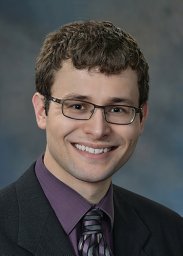 Matthew Stampfl合作论文数Department of Emergency Medicine, University of Wisconsin Hospitals & Clinics4
 Erik Lewis合作论文数Children's Hospital Boston and Department of Pediatrics, Harvard Medical School4Jillian Koch合作论文数3Clinton T Morgan合作论文数3Joshua Hermsen合作论文数3Micah T Long合作论文数3
 Fiedler Amy合作论文数Division of Cardiac Surgery, Brigham and Women's Hospital, Boston, Massachusetts.3John T. Dollerschell合作论文数2Grace Carey合作论文数2Yu Xia合作论文数2
 Mara B Antonoff合作论文数2
 Michael Lohmeier合作论文数Sch Med & Publ Hlth, Univ Wisconsin2Kelsey A. Musgrove合作论文数2Aaron S. Hess合作论文数Dept Pathol & Lab Med, Univ Wisconsin2Eric Anderson合作论文数2
 James Yun合作论文数2Lowery Erin M合作论文数2
 Lauren J Taylor合作论文数Children's Memorial Hospital, Northwestern University's Feinberg School of Medicine2
 Jefree Schulte合作论文数2Scott Niles合作论文数1James R. Barrett合作论文数1Joseph J. Platz合作论文数1Jacob A Bethel合作论文数1Eric Destrampe合作论文数1Aundrea L Oliver合作论文数1Hitesh Sandhu合作论文数1Kimberly A Shemanski合作论文数1Samir Sultan合作论文数1Paul Weisman合作论文数1Mark Davidson合作论文数1Smita Sihag, MD合作论文数1Chris M Cassara合作论文数1Charles Rohrer合作论文数1Stephen Clark合作论文数1Grigor S. Simitian合作论文数1Tiffany A. Glazer合作论文数1Andreas de Biasi合作论文数1Petros V. Anagnostopoulos合作论文数1Jeffrey P Kanne合作论文数1
 Hilary Faust合作论文数Department of Medicine, School of Medicine and Public Health, University of Wisconsin-Madison1Maria Crespo合作论文数1
 Stephanie G Worrell合作论文数1
 Marta Velia Antonini合作论文数1
 Audrey L. Evans合作论文数University of Wisconsin-Madison1




