Energy management requires reliable tools to support decisions aimed at optimising consumption. Advances in data-driven models provide techniques like Non-Intrusive Load Monitoring (NILM), which estimates the energy demand of appliances from total consumption. Common single-target NILM approaches perform energy disaggregation by using separate learned models for each device. However, the use of single-target systems in real scenarios is computationally expensive and can obscure the interpretation of the resulting feedback. This study assesses a conditioned deep neural network built upon a Fully Convolutional Denoising AutoEncoder (FCNdAE) as multi-target NILM model. The network performs multiple disaggregations using a conditioning input that allows the specification of the target appliance. Experiments compare this approach with several single-target and multi-target models using public residential data from households and non-residential data from a hospital facility. Results show that the multi-target FCNdAE model enhances the disaggregation accuracy compared to previous models, particularly in non-residential data, and improves computational efficiency by reducing the number of trainable weights below 2 million and inference time below 0.25 s for several sequence lengths. Furthermore, the conditioning input helps the user to interpret the model and gain insight into its internal behaviour when predicting the energy demand of different appliances.
Technological advances in industry have made it possible to install many connected sensors, generating a great amount of observations at high rate. The advent of Industry 4.0 requires analysis capabilities of heterogeneous data in form of related multivariate time series. However, missing data can degrade processing and lead to bias and misunderstandings or even wrong decision-making. In this paper, a recurrent neural network-based denoising autoencoder is proposed for gap imputation in related multivariate time series, i.e., series that exhibit spatio-temporal correlations. The denoising autoencoder (DAE) is able to reproduce input missing data by learning to remove intentionally added gaps, while the recurrent neural network (RNN) captures temporal patterns and relationships among variables. For that reason, different unidirectional (simple RNN, GRU, LSTM) and bidirectional (BiSRNN, BiGRU, BiLSTM) architectures are compared with each other and to state-of-the-art methods using three different datasets in the experiments. The implementation with BiGRU layers outperforms the others, effectively filling gaps with a low reconstruction error. The use of this approach is appropriate for complex scenarios where several variables contain long gaps. However, extreme scenarios with very short gaps in one variable or no available data should be avoided.
In the field of industrial engineering, it is extremely interesting and useful to develop models that faithfully represent the behaviour of real physical systems, which allow to understand their dynamics, to optimise them or to detect anomalous or faulty situations. This paper proposes the modelling of the dynamics of water tanks within an industrial plant with real instrumentation, using Echo State Networks. The developed models have been used to explore the detection of anomalies in the system by analysing the differences between the estimated system state and the actual state after the introduction of faults.
Energy market liberalization brings new opportunities, since large consumers have direct access to energy trading to buy energy for the next day. However, that requires a good estimation of the expected amount of energy and its hourly distribution in advance. On the other hand, smart energy meters are being installed in many facilities with the aim of achieving holistic submetering systems. These systems consist of a set of meters structured in several levels, so that there are hierarchical relations among upstream and downstream meters. This information could be exploited for achieving accurate one-day-ahead energy predictions. However, submetering systems might be incomplete due to unavailable meters or lost energy. In this paper, we propose a hierarchical prediction method for incomplete submetering systems that is based on 2D convolutional neural network (2D CNN) and is able to perform day ahead prediction of power consumption. This method exploits the hierarchical relations among meters and considers periodicity in order to forecast the power consumption for the next day. The proposed hierarchical method has proved to be more accurate and fast to forecast power consumption in incomplete submetering systems than using an individual predictions.
Energy management increasingly requires tools to support decisions for improving consumption. This is achieved not only obtaining feedback from current systems but also using prior knowledge about human behaviour. The advances of data-driven models provide techniques like Non-Intrusive Load Monitoring (NILM) which are capable of estimating energy demand of appliances from total consumption. In addition, deep learning models have improved accuracy in energy disaggregation using separated networks for each device. However, the complexity can increase in large facilities and feedback may be impaired for a proper interpretation. In this work, a deep neural network based on a Fully Convolutional denoising AutoEncoder is proposed for energy disaggregation that uses a conditioning input to modulate the estimation aimed to one specific appliance. The model performs a complete disaggregation using a network whose modulation to target the estimation can be steered by the user. Experiments are done using data from a hospital facility and evaluating reconstruction errors and computational efficiency. The results show acceptable errors compared to methods that require various networks and a reduction of the complexity and computational costs, which can allow the user to be integrated into the analysis loop.
, , , , , ,
Data are key for providing added value in the Industry 4.0 paradigm, benefiting differentiation and innovation. However, high quality data, i.e., reliable and accurate data from sensors, are required. Nowadays, energy meters are being installed in many industries to achieve holistic submetering systems. In these systems, data can be lost due to meter faults, maintenance, power failure or communication drops, affecting negatively the data quality crucial for monitoring and decision making. Therefore, missing data should be filled. In this paper, we propose a method (GRU-AE) based on a denoising autoencoder (AE) with gated recurrent unit (GRU) layers in order to reconstruct electricity profiles that contain missing samples in submetering systems. GRU-AE is able to capture temporal and meter relations, filling gaps in the electricity profiles. Two implementations are presented: multi-head GRU-AE and multi-feature GRU-AE. The proposed method has proved to be more effective reconstructing electricity profiles in submetering systems than a similar approach that models each meter independently. GRU-AE could be useful even when more than one meter provide incomplete or no data at the same time. Both GRU-AE implementations provide similar reconstruction errors. However, a multi-feature GRU-AE could be more efficient in large submetering systems.
Cybersecurity is a key subject for digital transformation where institutional, industrial and educational sectors should be involved in a coordinated way. Currently, there is a lack of workforce with essential competences to apply secure solutions in an industrial environment. For that reason, in order to address this increasing demand, universities promote industrial cybersecurity courses and related programs. But training of future cybersecurity professionals in the industrial sector requires appropriate frameworks that facilitate teaching students a range of evolving technologies. In this work, a platform for remote training in cybersecurity is proposed using cabinets that include specific elements for automation and control as well as additional resources for administration and communication tasks. The platform allowed the development of two cybersecurity courses whose students were asked for feedback about the structure of the laboratory, its operation and also the learning process. The results show a wide acceptance of the platform used in the course and an improvement of students' motivation in the subject.
Anomaly detection is a crucial task in the engineering systems field. However, there is usually little or no information about all possible abnormal modes in systems. Hence, a common approach is to build a model of healthy behaviour, based on normal operation data, so that anomaly detection would depend on how well new data fit this model. According to this idea, we propose a residual-error based approach consisting of: a variational autoencoder, used to model the probability density function of the system’s healthy behaviour; and a two-step classification algorithm, which classifies the incoming samples based on their residuals, and reports not only their normal/anomalous nature but also that of their components. We have tested this proposal in three different engineering contexts and we have compared its performance with that of state-of-the-art approaches, demonstrating its capability to successfully detect and characterize anomalies.
The connectivity advances in industrial control systems have also increased the possibility of cyberattacks in industry. Thus, security becomes crucial in critical infrastructures, whose services are considered essential in fields such as manufacturing, energy or public health. Although theoretical and formal approaches are often proposed to advance in the field of industrial cybersecurity, more experimental efforts in realistic scenarios are needed to understand the impact of incidents, assess security technologies or provide training. In this paper, an approach for cybersecurity experimentation is proposed for several industrial areas. Aiming at a high degree of flexibility, the Critical Infrastructure Cybersecurity Laboratory (CICLab) is designed to integrate both real physical equipment with computing and networking infrastructure. It provides a platform for performing security experiments in control systems of diverse sectors such as industry, energy and building management. They allow researchers to perform security experimentation in realistic environments using a wide variety of technologies that are common in these control systems, as well as in the protection or security analysis of industrial networks. Furthermore, educational developments can be made to meet the growing demand of security-related professionals.
Global natural resources are affected by several causes such as climate change effects or unsustainable management strategies. Indeed, the use of water has been intensified in urban buildings because of the proliferation of HVAC (Heating, Ventilating and Air Conditioning) systems, for instance cooling towers, where an abundant amount of water is lost during the evaporation process. The measurement of the evaporation is challenging, so a virtual sensor could be used to tackle it, allowing to monitor and manage the water consumption in different scenarios and helping to plan efficient operation strategies which reduce the use of fresh water. In this paper, a deep generative approach is proposed for developing a virtual sensor for probabilistic estimation of the evaporation in cooling towers, given the surrounding conditions. It is based on a conditioned generative adversarial network (cGAN), whose generator includes a recurrent layer (GRU) that models the temporal information by learning from previous states and a densely connected layer that models the fluctuations of the conditions. The proposed deep generative approach is not only able to yield the estimated evaporation value but it also produces a whole probability distribution, considering any operating scenario, so it is possible to know the confidence interval in which the estimation is likely found. This deep generative approach is assessed and compared with other probabilistic state-of-the-art methods according to several metrics (CRPS, MAPE and RMSE) and using real data from a cooling tower located at a hospital building. The results obtained show that, to the best of our knowledge, our proposal is a noteworthy method to develop a virtual sensor, taking as input the current and last samples, since it provides an accurate estimation of the evaporation with wide enough confidence intervals, contemplating potential fluctuations of the conditions.
A new industrial production model based on digitalization, system interconnection, virtualization and data exploitation, has emerged. Upgrade of production processes towards this Industry 4.0 model is one of the critical challenges for the industrial sector and, consequently, the training of students and professionals has to address these new demands. To carry out this task, it is essential to develop educational tools that allow students to interact with real equipment that implements, in an integrated way, new enabling technologies, such as connectivity with standard protocols, storage and data processing in the cloud, machine learning, digital twins and industrial cybersecurity measures. For that reason, in this work, we present an educational environment on Industry 4.0 that incorporates these technologies reproducing realistic industrial conditions. This environment includes cutting-edge industrial control system technologies, such as an industrial firewall and a virtual private network (VPN) to strengthen cybersecurity, an Industrial Internet of Things (IIoT) gateway to transfer process information to the cloud, where it can be stored and analyzed, and a digital twin that virtually reproduces the system. A set of hands-on tasks for an introductory automation course have been proposed, so that students acquire a practical understanding of the enabling technologies of Industry 4.0 and of its function in a real automation. This course has been taught in a master’s degree and students have assessed its usefulness by means of an anonymous survey. The results of the educational experience have been useful both from the students’ and faculty’s viewpoint.
The understanding of the nature and structure of energy use in large buildings is vital for defining novel energy and climate change strategies. The advances on metering technology and low-cost devices make it possible to form a submetering network, which measures the main supply and other intermediate points providing information of the behavior of different areas. However, an analysis by means of classical techniques can lead to wrong conclusions if the load is not balanced. This paper proposes the use of a deep convolutional autoencoder to reconstruct the whole consumption measured by the submeters using the learnt features in order to analyze the behavior of different building areas. The display of weights and information of the latent space provided by the autoencoder allows us to obtain precise details of the influence of each area in the whole building consumption and its dependence on external factors such as temperature. A submetering network is deployed in the León University Hospital building in order to test the proposed methodology. The results show different correlations between environmental variables and building areas and indicate that areas can be grouped depending on their function in the building performance. Furthermore, this approach is able to provide discernible results in the presence of large differences with respect to the consumption ranges of the different areas, unlike conventional approaches where the influence of smaller areas is usually hidden.
Todas las estructuras estan sometidas a diversos factores que afectan a su funcionamiento optimo, incluso pueden provocar fallos en las mismas. La monitorizacion de la salud estructural consta de metodos que estudian el estado de una estructura, de manera que se identifique o localice un posible defecto mediante tecnicas de analisis de vibraciones. Para explorar este campo de estudio es preciso tener una fuente de datos procedentes de un sistema real. Para ello, se propone disenar un banco de ensayos en un laboratorio, el cual permita flexibilidad en su configuracion, repetibilidad en los ensayos y facil acceso a los datos medidos. En este trabajo se presenta el diseno de un sistema de banco de ensayos para la monitorizacion de salud estructural, formado por: una estructura metalica sencilla, un sistema de excitacion de la estructura y herramientas de adquisicion de las senales de vibracion. Por ultimo, se presenta un primer trabajo de analisis modal de las vibraciones basado en un analisis de componentes principales (principal component analysis, PCA).
COVID-19 has brought about a significant challenge to the whole of humanity, but mainly to the medical community. Clinicians must keep updated continuously about symptoms, diagnoses, and effectiveness of emergent treatments under a never-ending flood of scientific literature. In this context, the role of evidence based medicine (EBM) for curating the most substantial evidence to support public health and clinical practice turns especially essential but is being challenged as never before. Artificial Intelligence can have a crucial role in this situation. In this article, we report the results of an applied research project to classify scientific articles to support Epistemonikos, one of the essential foundations worldwide conducting EBM. We test several methods, and the best one, based on XLNet, improves the current approach by 93% on average F1-score, saving valuable time from physicians who volunteer to curate COVID-19 research articles manually.
Water is a critical resource for life on the earth but it is becoming increasingly scarce. Therefore, water use should be sustainable and properly managed. The problem of water scarcity is still more stressed in cities, where buildings consume more and more water, especially commercial and institutional ones. In those buildings, HVAC (Heating, Ventilating and Air Conditioning) systems make an intensive use of water, especially the water-based cooling systems such as cooling towers, where a large amount of water is evaporated. In this paper, a method is proposed in order to estimate the evaporated water in cooling towers, considering the variations of environmental and operating conditions. We propose the use of a generative model which is able to generalize the estimation of the evaporated water, even in situations not included in the training data. A generative adversarial network (GAN) is used for training a deep learning-based generative model. The proposed method is tested using real data from a cooling tower located at the Hospital of León. Results show the probability distribution within which the estimation of evaporated water can be found, given the environmental and operating conditions.
The application of anomaly detection approaches to network intrusion detection in real scenarios is difficult. The ability of techniques such as deep learning to estimate new data representations with higher levels of abstraction can be useful to address data analysis of network traffic data. For that reason, the performance of different anomaly detection techniques on feature representations obtained by an autoencoder and a variational autoencoder is compared. We have employed a variety of well-known anomaly detection algorithms, which addresses intrusion detection as a semi-supervised problem where patterns that deviate from a baseline model, estimated only from normal traffic, are labelled as anomalous. Furthermore, this assessment is performed on four publicly available benchmarks. The results show that the effect of feature representation on performance is highly dependent on the anomaly detection technique.
Intensive use of heating, ventilation and air conditioning systems in buildings entails monitoring their efficiency. Moreover, cooling systems are key facilities in large buildings and can account up to 44% of the energy consumption. Therefore, monitoring efficiency in chillers is crucial and, for that reason, a sensor to measure the cooling production is required. However, manufacturers rarely install it in the chiller due to its cost. In this paper, we propose a methodology to build a soft sensor that provides an estimation of cooling production and enables monitoring the chiller efficiency. The proposed soft sensor uses independent variables (internal states of the chiller and electric power) and can take advantage of current or past observations of those independent variables. Six methods (from linear approaches to deep learning ones) are proposed to develop the model for the soft sensor, capturing relevant features on the structure of data (involving time, thermodynamic and electric variables and the number of refrigeration circuits). Our approach has been tested on two different chillers (large water-cooled and smaller air-cooled chillers) installed at the Hospital of León. The methods to implement the soft sensor are assessed according to three metrics (MAE, MAPE and $$R^2$$ ). In addition to the comparison of methods, the results also include the estimation of cooling production (and the comparison of the true and estimated values) and monitoring the COP indicator for a period of several days and for both chillers.
La laminacion de productos de acero es un proceso dentro del campo de la metalurgia donde dos o mas pares de rodillos reducen el espesor de una banda de acero para producir un material de espesor uniforme. A pesar de que se ha estudiado ampliamente durante muchos anos, hay problemas impredecibles que pueden aparecer y afectar a la calidad del producto final. Uno de ellos es el denominado chatter, una potente vibracion autoexcitada que aparece subitamente y limita la productividad. En este articulo se considera un enfoque de analitica visual para el analisis del chatter que ayude a descubrir y entender los factores y condiciones en las cuales aparece el chatter. Se presenta una interfaz web interactiva que permite explorar una proyeccion de las condiciones dinamicas y visualizar detalles correspondientes a cada episodio de chatter. Se expone finalmente un caso de validacion para probar la herramienta con datos reales, donde estados normales y de chatter se identificaron automaticamente.
 Manuel Domínguez合作论文数28
 Ignacio Diaz Blanco合作论文数22
 Serafín Alonso合作论文数Grupo de Investigación SUPPRESS, Universidad de León18
 Miguel A. Prada合作论文数Instituto de Automática y Fabricación, Universidad de León16
 Abel A. Cuadrado Vega合作论文数15
 Juan J. Fuertes合作论文数Escuela de Ingenierías - Campus Universitario de Vegazana, Universidad de León14
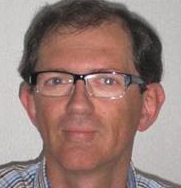 Antonio Morán合作论文数Instituto de Investigación e Innovación en Ingenieria, University of León8
 Diego Garcia-Perez合作论文数Electrical Engineering Department, University of Oviedo7Jesús Saurina合作论文数5
 Vicente Salas Fumas合作论文数Autonomous University of Barcelona5Jorge Perez合作论文数4Francisco J. García-Fernández合作论文数4João Costa合作论文数3
 Alberto B. Diez González合作论文数3
 Leishi Zhang合作论文数School of Engineering, Technology and Design, Faculty of Science, Engineering, and Social Sciences, Canterbury Christ Church University3Valls-Sole Josep合作论文数3
 Gil del Valle Lizette合作论文数Laboratorio de Farmacología Clínica, Instituto de Medicina Tropical Pedro Kouri3
 Montserrat Robles合作论文数Instituto de Aplicaciones de las Tecnologías de la Información y de las Comunicaciones Avanzadas, Universitat Politécnica de València3Carlos Angulo合作论文数3
 Daniel G. Ordonez合作论文数3
 Jose A Maldonado合作论文数IBIME Group;ITACA Institute;Universidad Poltécnica de Valencia;ITACA Institute, Universidad Poltécnica de Valencia3
 David Moner合作论文数Instituto de Aplicaciones de las Tecnologías de la Información y de las Comunicaciones Avanzadas (ITACA),, Universidad Politécnica de Valencia3
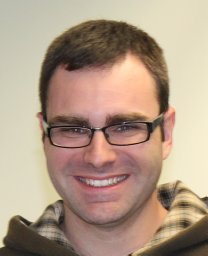 Diego Boscá合作论文数IBIME Group;ITACA Institute;Universidad Poltécnica de Valencia;ITACA Institute, Universidad Poltécnica de Valencia3Rolando Tápanes合作论文数3Felipe Bannura合作论文数2
 Gabriel Rada合作论文数2Camilo Vergara合作论文数2
 Juan Carlos Rodriguez合作论文数2
 José Ramón Rodríguez Ossorio合作论文数Escuela Ingn, Univ Leon2Juan Vásquez合作论文数2
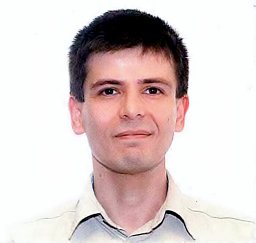 Patricio Rodriguez-Valdes合作论文数Center for Advanced Studies in Education, University of Chile2
 Jürg Hulliger合作论文数Department of Chemistry & Biochemistry, University of Bern2
 Jose M. Munita合作论文数Div Infect Dis, Univ Texas Med Sch Houston2
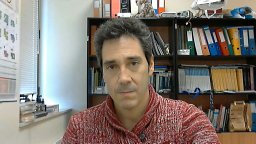 Enguita José María合作论文数2Aragonés Carlos合作论文数2
 Tobias Schreck合作论文数Institute of Visual Computing, Graz University of Technology2Macarena Rodríguez合作论文数2
 Tilman Grune合作论文数Department of Molecular Toxicology, German Institute of Human Nutrition Potsdam-Rehbrucke;University of Potsdam;Faculty of Chemistry, University of Vienna2Pedro Schestatsky合作论文数2
 Panagiotis Papapetrou合作论文数Data Science Research Group, Department of Computer and Systems Sciences, Faculty of Social Sciences, Stockholm University2Ernesto Reig合作论文数2Irene Abad合作论文数2M Pupo合作论文数1H Artsob合作论文数1Vitor Félix-Torres合作论文数1Ana González合作论文数1Carles Puig合作论文数1Juan Ayuso合作论文数1d alvarez合作论文数1




