BACKGROUND:Electrical storm (ES) is a clinical syndrome characterized by densely clustered ventricular arrhythmias and associated with substantial morbidity and mortality. Autonomic dysfunction is thought to play key role in the pathophysiology of ES, with sympathetic blockade considered a therapeutic target. However, robust data supporting this treatment strategy remain limited. The objective of the SEDATE trial is to evaluate the effectiveness and safety of dexmedetomidine in the acute management of ES. METHODS AND DESIGN:SEDATE is a multicenter, double-blinded, randomized trial comparing dexmedetomidine to placebo in the acute treatment of patients with ES. A total of 192 participants admitted to an intensive care unit with ES will be randomized in a 1:1 fashion to receive either dexmedetomidine or placebo. Participants will undergo a study drug titration phase, followed by a 48-hour maintenance period and a subsequent study drug weaning phase. The primary outcome is a composite of all-cause in-hospital mortality and/or recurrent ventricular arrhythmia prompting intervention. All participants will be followed for the duration of their hospitalization. IMPLICATION:The SEDATE clinical trial aims to determine whether early use of dexmedetomidine improves in-hospital outcomes in patients with ES. TRIAL REGISTRATION:clinicaltrials.gov NCT06281977.
AIMS:Cardiac implantable electronic device (CIED) infection carries a substantial burden of morbidity, mortality, and cost. The Prevention of Arrhythmia Device Infection Trial (PADIT) risk score improves identification of high-risk patients and may guide targeted strategies to reduce infection. Recent work has categorized CIED infection into localized pocket vs. systemic infection, with early reports suggesting different risk factors for each. However, no current risk score has been validated for infection subtypes.ObjectivesIndependently validate the PADIT infection risk score.Compare risk factors for infection subtypes.Assess PADIT performance in predicting subtype-specific infection. METHODS AND RESULTS:A prospective registry was initiated at the University of Ottawa Heart Institute in 2007 to capture all CIED procedures and prospectively identify infections in collaboration with the infection prevention team. PADIT risk score components were documented for each procedure. All suspected infections were adjudicated independently by two physicians (with a third if required), blinded to PADIT score and baseline variables, and subclassified as pocket or systemic infection. Logistic regression models were generated to validate PADIT performance for each subtype, with evaluation using Akaike and Bayesian information criteria (AIC/BIC), C-statistics, and calibration slope. Between 2007 and 2020, 14,225 procedures were performed (mean age 72 ± 14 years, 35% female, 70% new implants, 18% generator changes, 11% upgrades). A total of 103 infections (0.73%) were adjudicated, of which 71 (69%) were pocket and 32 (31%) systemic. The PADIT score showed good predictive performance with a C-statistic of 0.687 (95% CI 0.655-0.743), similar to the derivation cohort (0.702, 95% CI 0.661-0.741). Notably, the number of prior procedures was strongly associated with pocket infection but not systemic infection. PADIT discrimination was consistent across subtypes: pocket infection C-statistic 0.691 (95% CI 0.649-0.761) and systemic infection 0.746 (95% CI 0.707-0.848). Calibration slopes demonstrated good agreement between predicted and observed events, with the best fit for systemic infection. CONCLUSION:The PADIT score was independently validated with discrimination and calibration similar to the original derivation cohort. Importantly, prior procedures predicted pocket but not systemic infection. Overall, PADIT performed well in predicting both subtypes, with the strongest model fit observed for systemic infection.
Background Medically underserved areas (MUAs) are associated with higher rates of hospitalizations and mortality. Although structured remote management (RM) programs demonstrated clinical benefits, their effectiveness in MUAs in Europe remains scarcely investigated. Objectives The objective of the study was to assess whether heart failure (HF) patients derive similar outcomes from a structured, multiparametric, RM program irrespective of MUA designation. Methods Consecutive patients enrolled in a standardized, multiparametric, HF RM program between April 2020 and December 2022 in 2 French regions (Auvergne Rhône-Alpes and Nouvelle-Aquitaine) at 2 French university hospitals were included in the study. Inclusion criteria were chronic HF with ≥1 episode of HF hospitalization within the last year or NYHA functional class ≥II associated with an elevated B-type natriuretic peptide. Patient assessments were performed remotely with body weight, blood pressure, heart rate, symptoms, biology, and data from cardiac implantable electronic devices. The primary outcome was the composite of unplanned HF hospitalization or all-cause mortality. Results Among 1,040 patients (mean age 72 ± 12 years, 70% male), 32% lived in MUAs. The median follow-up was 20 (IQR: 10-24) months. The annualized rate of the primary outcome was 13.7% (95% CI: 11.9-15.9) in the overall population, with no significant difference between MUAs and no MUAs patients (13.5% [95% CI: 10.3-17.4] vs 13.9% [95% CI: 11.6-16.5]; P = 0.876). MUAs were not associated with the primary outcome (adjusted HR: 0.93; 95% CI: 0.68-1.27; P = 0.84). Using Kaplan-Meier analysis, survival curves showed no difference between MUA and non-MUA patients (P = 0.83). Conclusions Our study showed no difference in primary outcome among HF patients enrolled in a structured, multiparametric RM program, irrespective of MUAs.
Focused cardiac ultrasound (FoCUS) has become the standard of care for bedside assessments of cardiac function. With the integration of artificial intelligence (AI), there is limited evidence comparing it to bedside visual assessments by experienced users. In our prospective study conducted at Tufts Medical Center in Boston, Massachusetts from December 2020 to March 2022, patients ≥ 18 years requiring a TTE were recruited by convenience sampling. They each underwent FoCUS LVEF classification by AI and bedside visual assessment, with TTE as reference. LVEF was calculated by Simpson’s biplane method of disks in AI-FoCUS and TTE, and visual global assessment by the bedside sonographer. Data analysis was completed in October 2025. Our 215 participants had a median age of 63 (IQR 49–73) years with 83 (38.6
Atrial fibrillation (AF) frequently requires rhythm control with electrical cardioversion, with approximately 10%-20% of patients undergoing electrical cardioversion annually. Despite its widespread use, cardioversion failure remains common, and clinical practice varies considerably with respect to shock energy, pad positioning, and defibrillator technology. Commonly used biphasic defibrillators differ in not only maximum energy output but also proprietary waveform characteristics and impedance-compensation algorithms, factors that may independently influence cardioversion success. To date, these devices have not been compared directly in a randomized clinical trial.The maximum energy shocks trial is a single-centre, prospective, randomized, single-blinded controlled study comparing 2 widely used external defibrillators: the Physio-Control LIFEPAK 20 (Physio Control, location), capable of delivering up to 360 J, and the ZOLL Medical R-Series (ZOLL Medical, Chelmsford, MA), with a maximum programmable energy of 200 J. Rather than isolating shock energy alone, the trial evaluates real-world device performance, recognizing that waveform design and adaptive algorithms differ among manufacturers. We hypothesize that the 360-J-capable defibrillator will be associated with a higher rate of successful cardioversion when used within a standardized stepwise protocol.Adults (aged ≥ 18 years) with persistent AF scheduled for elective cardioversion are randomized in a single-blinded fashion. The primary outcome is successful cardioversion, defined as restoration of sinus rhythm with at least 2 consecutive sinus or atrial-paced beats. A total of 356 patients will be enrolled to assess superiority.This trial represents the first randomized comparison of real-world defibrillator system performance in AF cardioversion and will help inform future cardioversion protocols and defibrillator selection. Clinical Trial Registration:NCT06556667.
BACKGROUND:The optimal approach to repeat catheter ablation for recurrent paroxysmal atrial fibrillation (PAF) is unknown. METHODS:Consecutive patients undergoing repeat PAF ablation were studied. The following 6-step approach was used in all cases: re-isolation of reconnected pulmonary veins (PVs); ablation of left atrial low-voltage areas (LVAs); targeted ablation of clinical or inducible atrial flutter/tachycardia; non-PV trigger ablation; ablation of inducible supraventricular tachycardia; and additional empirical ablation based on operator judgement. The primary study outcome was atrial arrhythmia-free survival at 1 year. RESULTS:One hundred thirteen patients were included in the study (mean age 63.7 ± 8.6 years, 28.3% women). In this cohort, 73.5% had PV reconnection(s), 31.9% had LVAs, 10.6% had identifiable non-PV triggers, 5.3% had inducible atrioventricular nodal re-entrant tachycardia, 31.9% underwent atrial flutter/tachycardia ablation, and 12.4% had additional empirical ablation performed. Arrhythmia-free survival at 1 year was 53.1%. Patients with arrhythmia recurrence were more likely to be older, female, have hypertension, have durably isolated PVs, and to have undergone LVA ablation. In multivariable analysis, female sex and LVA ablation remained predictive of arrhythmia recurrence. Among patients with durably isolated PVs, only female sex was (negatively) associated with procedural success. CONCLUSIONS:A comprehensive protocol for repeat PAF ablation resulted in arrhythmia-free survival at 1 year in 53% of patients. Durably isolated PVs were observed in 26.5% of cases. None of the ablation protocol's steps was suggested to independently improve procedural success. Further research to determine the optimal ablation strategy in patients undergoing repeat ablation for PAF is needed, a growing proportion of whom are expected to have durably isolated PVs.
Objective: To examine the role of noninvasive testing (NIT) before invasive coronary angiography (ICA) by evaluating the association between a positive myocardial perfusion imaging (MPI) or computed tomography angiography (CTA) result and the decision to perform coronary revascularization. Patients and Methods: We screened all patients who received ICA between August 1, 2015, and July 31, 2019, and identified those who received MPI or CTA within the preceding 12 months. We considered MPI to be a positive result if it found moderate or severe ischemia in a specific coronary territory and CTA to be a positive result if it identified a stenosis greater than 50% in any major coronary artery. Results: Of the 17,181 individual procedures, 2183 were included. Positive CTA had an odds ratio (OR) of 2.68 (95% CI, 1.82-3.94) for revascularization and positive MPI an OR of 1.29 (95% CI, 1.07-1.56). Overall sensitivity for CTA in the prediction of revascularization was 80.4% (95% CI, 75.7%-84.6%), with vessel-level sensitivity ranging from 57.3% (95% CI, 47.5%-66.7%) to 71.8% (95% CI, 65.8%-77.4%). Overall sensitivity of MPI was 48.2% (95% CI, 44.7%-51.7%), with territory-specific sensitivity ranging from 33.7% (95% CI, 29.9%-37.7%) to 36.5% (95% CI, 32.6%-40.6%). Overall specificity for CTA was low, at 39.5% (32.9%-46.3%), but higher when evaluating at the vessel level, ranging from 60.3% (95% CI, 54.5%-66.0%) to 83.5% (95% CI, 79.6%-86.9%). Overall specificity for MPI was 58.1% (95% CI, 54.9%-61.3%), with territory-specific specificity ranging from 78.6% (95% CI, 76.1%-80.9%) to 78.9% (95% CI, 76.5%-81.3%). Conclusion: In this population of patients referred for ICA, positive CTA was more closely associated with revascularization than MPI. Further studies are necessary to determine the role of NIT before ICA.
BACKGROUND:Localized-re-entrant atrial tachycardias (ATs) involving the coronary sinus (CS) as a critical part of the circuit (CS-ATs) remain poorly characterized. OBJECTIVES:The goal of this study was to determine the prevalence, clinical characteristics, and electrophysiological properties of CS-ATs. METHODS:CS-ATs were identified in a cohort of 545 consecutive patients with 775 ATs mapped by using a high-density mapping system. RESULTS:Eight CS-ATs (1.0% of all ATs; 95% CI: 0.5%-2.0%) were identified in 8 patients (1.5% of all patients; 95% CI: 0.7%-2.9%). All had prior ablation in the inferior septum, bottom wall of the left atrium (LA), or CS, resulting in scar formation in either the inferior septum or bottom wall in 6 patients (75%). The mean tachycardia cycle length was 299 ± 70 milliseconds. The CS segment involved in the tachycardia circuit measured 28 ± 11 mm in length, with a conduction time of 58 ± 31 milliseconds (21% ± 13% of tachycardia cycle length). All CS-ATs exhibited a centrifugal activation pattern originating from the inferior part of the LA. CS-ATs were correctly diagnosed in only 2 patients. Ablation targeting the LA-CS connection successfully terminated CS-AT in 4 patients, and ethanol infusion into the vein of Marshall was required in 3 patients. CS-AT could not be terminated in 1 patient because of an inappropriate ablation strategy. CONCLUSIONS:CS-ATs are a rare cause of AT, typically occurring after ablation in the inferior part of the LA or CS. Diagnosing CS-ATs can be challenging. Ablation targeting the LA-CS connection is effective, and ethanol infusion into the vein of Marshall is a viable therapeutic option.
INTRODUCTION:The mechanisms underlying recurrent atrial fibrillation (AF) despite durable pulmonary vein isolation (PVI) in patients with paroxysmal AF (PAF) remain unclear. This study investigates whether left atrial (LA) slow-conduction channels act as a substrate for recurrence following durable PVI. METHODS:High-density LA mapping was performed in 120 PAF patients. LA conduction velocities were calculated using the Local Velocity Vector algorithm. Channels were defined as narrow regions with slow conduction (< 0.5 m/s) and fragmented electrograms. All patients underwent PVI using radiofrequency energy. One-year freedom from recurrent AF was compared based on baseline LA channel presence. A control group of five patients with atrioventricular reentrant tachycardia was included. RESULTS:Among 120 patients, 42 (35%) had 54 LA channels identified. Channels represented ~1% of total LA surface area, exhibited slow conduction (~0.23 m/s), were bordered by lines of block, displayed abnormal electrograms, and demonstrated decremental conduction, suggesting a potential role in reentry. Half were in low-voltage areas while the remainder were in regions with preserved voltage. At 1 year, 3 of 78 patients without channels (4%) had PAF recurrence, all due to PV reconnections, compared to 7 of 42 patients with channels (17%) who experienced recurrence (p = 0.02), 6 of whom had durably isolated PVs on repeat study. No channels were identified in controls. CONCLUSION:The absence of LA channels may indicate a PAF phenotype with high PVI success. Conversely, patients with channels are less likely to respond to PVI. It remains unclear whether channels serve as risk indicators or targets for ablation.
Importance:One potential pathophysiological mechanism for cardiac implantable electronic device (CIED) infections is pocket contamination during the implantation procedure. Preventing contamination at this stage may significantly reduce the risk of infections. Objective:To determine whether the application of an intraoperative adhesive iodine-impregnated drape would reduce the rate of end-of-procedure pocket-swab positivity and subsequent CIED infections. Design, Setting, and Participants:This was a prospective, double-armed, single-blinded, randomized clinical trial, conducted from November 2020 to May 2024. Patients, the staff performing the swabs, and the microbiologists were blinded to group assignments. This was a single-center study that included patients undergoing repeat procedures on the same device pocket. These patients were randomized in a 1:1 ratio to either the iodine-impregnated drape group or the control group. Intervention:Application of an iodine-impregnated drape at the beginning of the procedure. Main Outcomes and Measures:The primary end point was end-of-procedure pocket-swab culture positivity. Results:A total of 418 patients were randomized (210 to the drape group and 208 to the no-drape group). The final analysis included 189 patients in the drape group and 195 patients in the no-drape group, with both groups well balanced in demographics. In the drape group, 143 participants were male (75.7%), and mean (SD) age was 73.9 (12.1) years; in the no-drape group, 140 were male (71.8%), and mean (SD) age was 73.2 (12.6) years. Pocket-swab culture positivity was found in 19 of 189 patients (10.1%) in the drape group compared with 40 of 195 patients (20.5%) in the no-drape group (relative risk reduction [RRR], 0.50; 95% CI, 0.24-0.75; P = .005). Adjudicated CIED infections occurred in 4 of 195 patients (1.9%) in the no-drape group vs 0 of 189 in the drape group (P = .02). CIED infections were observed in 2 of 59 patients (3.4%) with positive swabs and in 2 of 325 patients (0.6%) with negative swabs (odds ratio, 5.67; 95% CI, 0.78-41.04; P = .08). Conclusions and Relevance:In this randomized clinical trial, the use of iodine-impregnated drapes during repeat CIED implantation resulted in reduction in swab culture positivity and 1-year CIED infection rates. This is a simple and cost-effective intervention to reduce CIED pocket contamination and subsequent infections. Trial Registration:ClinicalTrials.gov Identifier: NCT04591366.
Background: Type I myocardial infarction (T1MI) or type II myocardial infarction (T2MI) have different underlying mechanisms; however, in the setting of cardiogenic shock (CS), it is not understood if patients experience resultantly different outcomes. The objective of this study was to determine clinical features, biomarker patterns, and outcomes in these subgroups. Methods: Patients from the CAPITAL-DOREMI trial presenting with acute myocardial infarction-associated CS (n = 103) were classified as T1MI (n = 61) or T2MI (n = 42). The primary endpoint was a composite of all-cause in-hospital mortality, cardiac arrest, the need for mechanical circulatory support, or initiation of renal replacement therapy at 30 days. Secondary endpoints were evaluated as individual components of the primary endpoint. Results: Patients with T1MI CS did not have a higher incidence of the primary composite endpoint compared with T2MI CS (adjusted hazard ratio [HR], 1.63; 95% confidence interval [CI], 0.96-2.77; P = 0.07). Cardiac biomarkers including troponin I (P < 0.001), and creatine kinase levels (P = 0.001) were elevated in patients with T1MI CS compared with T2MI. Furthermore, patients with T1MI CS presented with decreased urine output (P = 0.01) compared with T2MI. Predictors of T2MI CS included nonischemic ventricular dysfunction (P = 0.002), atrial fibrillation (P = 0.02), and chronic obstructive pulmonary disease (P = 0.002). Conclusions: There were no differences in adverse clinical outcomes between patients with T1MI and T2MI CS, although the events were numerically increased, and the sample size was small. Overall, this study provides a hypothesis -generating analysis regarding the clinical and biochemical outcomes in T1MI vs T2MI CS.
Acute myeloid leukemia (AML) is characterized by uncontrolled proliferation of poorly differentiated myeloid cells, with a heterogenous mutational landscape. Mutations in IDH1 and IDH2 are found in 20% of the AML cases. Although much effort has been made to identify genes associated with leukemogenesis, the regulatory mechanism of AML state transition is still not fully understood. To alleviate this issue, here we develop a new computational approach that integrates genomic data from diverse sources, including gene expression and ATAC-seq datasets, curated gene regulatory interaction databases, and mathematical modeling to establish models of context-specific core gene regulatory networks (GRNs) for a mechanistic understanding of tumorigenesis of AML with IDH mutations. The approach adopts a new optimization procedure to identify the top network according to its accuracy in capturing gene expression states and its flexibility to allow sufficient control of state transitions. From GRN modeling, we identify key regulators associated with the function of IDH mutations, such as DNA methyltransferase DNMT1, and network destabilizers, such as E2F1. The constructed core regulatory network and outcomes of in-silico network perturbations are supported by survival data from AML patients. We expect that the combined bioinformatics and systems-biology modeling approach will be generally applicable to elucidate the gene regulation of disease progression.
The adoption of wearables in medicine has expanded worldwide with a rapidly growing number of consumers and new features capable of real-time monitoring of health parameters such as the ability to record and transmit a single-lead electrocardiogram (ECG). Smartwatch ECGs are increasingly used but current smartwatches only screen for atrial fibrillation (AF). Most of the literature has focused on analyzing the smartwatch ECG accuracy for the detection of AF or other tachycardias. As with the conventional ECG, this tool may be used for many more purposes than only detection of AF. The objectives of this review are to describe the published literature regarding the accuracy and clinical value of recording a smartwatch ECG in other situations than diagnosis of tachycardia and discuss possible techniques to optimize the diagnostic yield.
Electrical storm (ES) is a life-threatening condition of recurrent ventricular arrhythmias (VA) in a short period of time. Percutaneous stellate ganglion blockade (SGB) is frequently used - however the efficacy is undefined. The objective of our systematic review was to determine the efficacy of SGB in reducing VA events and mortality among patients with ES. A search of Medline, EMBASE, Scopus, CINAHL and CENTRAL was performed on February 29, 2024 to include studies with adult patients (>= 18 years) with ES treated with SGB. Our outcomes of interest were VA burden pre- and post-SGB, and in-hospital/30-day mortality. A total of 553 ES episodes in 542 patients from 15 observational studies were included. Treated VAs pre- and post-SGB were pooled from eight studies including 383 patients and demonstrated a decrease from 3.5 (IQR 2.25-7.25) to 0 (IQR 0-0) events (p = 0.008). Complete resolution after SGB occurred in 190 of 294 patients (64.6%). Despite this, in-hospital or 30-day mortality remained high occurring in 140 of 527 patients (random effects prevalence 22%). Repeat SGB for recurrent VAs was performed in 132 of 490 patients (random effects prevalence 21%). In conclusion, observational data suggests SGB may be effective in reducing VAs in ES. Definitive studies for SGB in VA management are needed. Study protocol: PROSPERO - registration number CRD42023430031.
BackgroundPulmonary vein isolation (PVI) is successful in approximately 50% of patients with persistent atrial fibrillation (PsAF) at one year. Identifying pre-procedurally the patients who respond favorably to a PVI alone strategy could improve their management. The present study aims to assess the predictive value of clinical response to pre-ablation electrical cardioversion (ECV) to identify the responders to PVI.MethodsConsecutive patients undergoing catheter ablation for PsAF were retrospectively classified, as “ECV successful” vs. “ECV failure”, according to the rhythm of presentation after an ECV performed ≥4 weeks. Clinical and procedural data were analyzed in both groups according to the ablation strategy applied (PVI vs. PVI + substrate modification).ResultsIn total, 58 patients (39.4%) had successful ECVs and 89 (60.6%) had failed ECV. Preprocedural characteristics were similar in both groups. Compared to the ECV failure group, patients with successful ECV presented less frequently (34% vs. 60%; P = 0.004) and less extended (21.3 ± 22.2% vs. 38.9 ± 27.4% of LA surface, P = 0.008) low-voltage areas. Over 55 ± 19 weeks of follow-up, AF-free survival was similar in both groups (72.7% vs. 67.8%, p = 0.39). PVI alone resulted in 83% AF-free survival among patients in the ECV successful group at 13 months.ConclusionIn approximately 40% of patients with PsAF, sinus rhythm can be restored by ECV and maintained for at least 1 month prior to catheter ablation. This clinical response is associated with less abnormal substrate as identified by left atrial voltage mapping and a procedural success rate of >80% with PVI alone.
 Benjamin Hibbert合作论文数Centre for Advanced Research in Environmental Genomics (CAREG),, University of Ottawa78
 Trevor Simard合作论文数72
 Pietro Di Santo合作论文数Univ Ottawa Heart Inst, Ottawa, ON, Canada53
 Jean-michel Haissaguerre合作论文数Centre Hospitalier Universitaire Bordeaux53
 Pierre Jaïs合作论文数Rhythmology & Cardiac Stimulation Department, University of Bordeaux;LIRYC Institute;CHU de Bordeaux;inHEART44
 Richard G. Jung合作论文数Univ Ottawa Heart Inst, Ottawa, ON, Canada42
 David Birnie合作论文数University of Ottawa Heart Institute;School of Epidemiology and Public Health, Faculty of Medicine, University of Ottawa;Division of Cardiology, Department of Medicine, University of Ottawa39
 Frederic Sacher合作论文数38
 Mélèze Hocini合作论文数Department of Cardiac Arrhythmias Center, Bordeaux University Hospital;College of Health Sciences, University of Bordeaux;IHU Liryc37
 Duchateau Josselin合作论文数Unité des cardiopathies valvulaires et laboratoire d'échocardiographie, Hôpital Cardiologique du Haut Lévèque37Pambrun Thomas合作论文数37
 Pouya Motazedian合作论文数CAPITAL Research Group, University of Ottawa Heart Institute;Division of Cardiology, University of Ottawa Heart Institute;University of Ottawa Heart Institute, University of Ottawa Heart Institute36Cheniti Ghassen合作论文数35
 Mouhannad Sadek合作论文数Department of Cardiology, St. Michael's Hospital34
 Nicolas Derval合作论文数Centre Hospitalier Universitaire - Hôpital Cardiologique du Haut-Lévêque34Nakatani Yosuke合作论文数Graduate School of Medicine, University of Toyama33Nery Pablo B合作论文数32Girish M. Nair合作论文数31Takashi Nakashima合作论文数30
 Romain Tixier合作论文数29
 Clementine Andre合作论文数28Remi Chauvel合作论文数28
 Golian Mehrdad合作论文数St. Boniface General Hospital, University of Manitoba27Redpath Calum J合作论文数27Kamakura Tsukasa合作论文数27
 Philipp Krisai合作论文数27Takagi Takamitsu合作论文数27Labinaz Marino合作论文数25
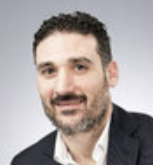 Konstantinos Vlachos合作论文数Hôpital Cardiologique du Haut Lévêque25
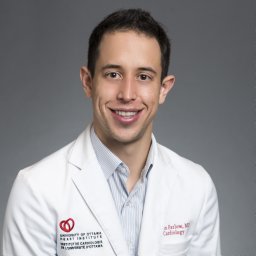 Simon Parlow合作论文数CAPITAL Research Group, University of Ottawa Heart Institute;Division of Cardiology, University of Ottawa Heart Institute;University of Ottawa Heart Institute, University of Ottawa Heart Institute24Andres Klein合作论文数24Russo Juan J合作论文数Terrence Donnelly Heart Centre, St Michael's Hospital;Department of medicine, University of Toronto;Division of Cardiology, University of Ottawa Heart Institute;University of Toronto, University of Ottawa Heart Institute22
 George A. Wells合作论文数School of Epidemiology and Public Health, Faculty of Medicine, University of Ottawa;Department of Medicine, University of Ottawa;Ottawa Hospital Research Institute, The Ottawa Hospital;Cardiovascular Research Methods Centre, Heart Institute, University of Ottawa22
 Martin Green合作论文数University of Ottawa Heart Institute;Department of Medicine, University of Ottawa22Sylvain Ploux合作论文数21Pierre Bordachar合作论文数20
 Michel Le May合作论文数Division of Cardiology, University of Ottawa Heart Institute;University of Ottawa20
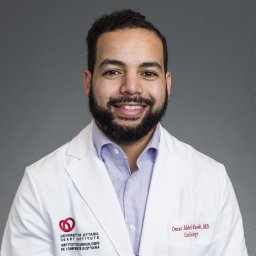 Omar Abdel-Razek合作论文数CAPITAL Research Group, University of Ottawa Heart Institute;Division of Cardiology, University of Ottawa Heart Institute;University of Ottawa Heart Institute, University of Ottawa Heart Institute19
 Strik Marc合作论文数Cardiovascular Research Institute Maastricht, Maastricht University Medical Center19
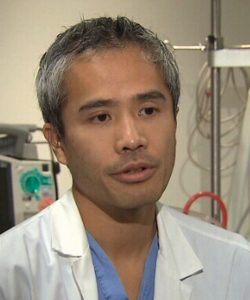 Derek So合作论文数Department of Medicine, University of Ottawa;Cardiac Catheterization Laboratory, University of Ottawa Heart Institute19Alisha Labinaz合作论文数18Simon P Hansom合作论文数17
 Marbach Jeffrey A合作论文数Department of Medicine, Thomas Jefferson University Hospital17
 Ali Pourdjabbar合作论文数17
 Michael Froeschl合作论文数Department of Medicine, University of Ottawa;University of Ottawa Heart Institute17Rebecca Mathew合作论文数16Nicolas Welte合作论文数16
 Hubert Cochet合作论文数15
 Edward R. O'Brien合作论文数Libin Cardiovasc Inst, Univ Calgary15




