This paper addresses the challenge of optimizing end-to-end neural diarization systems for conversational telephone speech, focusing on diverse acoustic features beyond traditional Mel-filterbanks. We present a methodological framework for integrating and analyzing different feature types as input to the well-known End-to-End Neural Diarization with Encoder Decoder Attractors (EEND-EDA) model, focusing on Emphasized Channel Attention, Propagation and Aggregation in Time Delay Neural Network (ECAPA-TDNN) embeddings and Geneva Minimalistic Acoustic Parameter Sets (GeMAPS). Our approach combines systematic feature analysis with adaptation strategies, including speaker-count restriction and regularization techniques. Moreover, through comprehensive ablation studies of GeMAPS features, we identify optimal acoustic parameters and temporal contexts for diarization tasks, achieving a reduced feature set that maintains performance while decreasing computational complexity. Experiments on the CallHome corpus demonstrate that our optimized ECAPA-TDNN with Mel-filterbank combination reduces Diarization Error Rate by 29% relative to baseline systems. Our evaluation framework extends beyond traditional metrics, revealing that different feature combinations exhibit distinct strengths in specific diarization aspects.
In this study, we expand upon the FLIP benchmark-designed for evaluating protein fitness prediction models in small, specialized prediction tasks-by assessing the performance of state-of-the-art large protein language models, including ESM-2 and SaProt on the FLIP dataset. Unlike larger, more diverse benchmarks such as ProteinGym, which cover a broad spectrum of tasks, FLIP focuses on constrained settings where data availability is limited. This makes it an ideal framework to evaluate model performance in scenarios with scarce task-specific data. We investigate whether recent advances in protein language models lead to significant improvements in such settings. Our findings provide valuable insights into the performance of large-scale models in specialized protein prediction tasks.
Large Language Models (LLMs) have become integral to various software engineering tasks, including code generation, bug detection, and repair. To evaluate model performance in these domains, numerous bug benchmarks containing real-world bugs from software projects have been developed. However, a growing concern within the software engineering community is that these benchmarks may not reliably reflect true LLM performance due to the risk of data leakage. Despite this concern, limited research has been conducted to quantify the impact of potential leakage. In this paper, we systematically evaluate popular LLMs to assess their susceptibility to data leakage from widely used bug benchmarks. To identify potential leakage, we use multiple metrics, including a study of benchmark membership within commonly used training datasets, as well as analyses of negative loglikelihood and 5-gram accuracy. Our findings show that certain models, in particular codegen-multi, exhibit significant evidence of memorization in widely used benchmarks like Defects4J, while newer models trained on larger datasets like LLaMa 3.1 exhibit limited signs of leakage. These results highlight the need for careful benchmark selection and the adoption of robust metrics to adequately assess models capabilities.
To keep up with changes in requirements, frameworks, and coding practices, software organizations might need to migrate code from one language to another. Source-to-source migration, or transpilation, is often a complex, manual process. Transpilation requires expertise both in the source and target language, making it highly laborious and costly. Languages models for code generation and transpilation are becoming increasingly popular. However, despite capturing code-structure well, code generated by language models is often spurious and contains subtle problems. We propose BatFix , a novel approach that augments language models for transpilation by leveraging program repair and synthesis to fix the code generated by these models. BatFix takes as input both the original program, the target program generated by the machine translation model, and a set of test cases and outputs a repaired program that passes all test cases. Experimental results show that our approach is agnostic to language models and programming languages. BatFix can locate bugs spawning multiple lines and synthesize patches for syntax and semantic bugs for programs migrated from Java to C++ and Python to C++ from multiple language models, including, OpenAI’s Codex .
In today's software industry, large-scale, multi-language codebases are the norm. This brings substantial challenges in developing automated tools for code maintenance tasks such as API migration or dead code cleanup. Tool builders often find themselves caught between two less-than-ideal tooling options: (1) language-specific code rewriting tools or (2) generic, lightweight match-replace transformation tools with limited expressiveness. The former leads to tool fragmentation and a steep learning curve for each language, while the latter forces developers to create ad-hoc, throwaway scripts to handle realistic tasks. To fill this gap, we introduce a new declarative domain-specific language (DSL) for expressing interdependent multi-language code transformations. Our key insight is that we can increase the expressiveness and applicability of lightweight match-replace tools by extending them to support for composition, ordering, and flow. We implemented an open-source tool for our language, called PolyglotPiranha, and deployed it in an industrial setting. We demonstrate its effectiveness through three case studies, where it deleted 210K lines of dead code and migrated 20K lines, across 1611 pull requests. We compare our DSL against state-of-the-art alternatives, and show that the tools we developed are faster, more concise, and easier to maintain.
In this paper, we study the post-hoc calibration of modern neural networks, a problem that has drawn a lot of attention in recent years. Despite the plethora of calibration methods proposed, there is no consensus yet on the inherent complexity of the task and, while some authors claim that simple functions solve the problem, others suggest that more expressive models are needed to capture misscalibration. As a first approach, we focus on the task of confidence scaling, specifically on post-hoc methods that generalize Temperature Scaling, which we refer to as the Adaptive Temperature Scaling family. We begin by demonstrating that while complex models like neural networks provide an advantage when there is ample data, they fail in scenarios where it is limited, notably common in fields like medical diagnosis. We then show how under this ideal data conditions the more expressive methods learn a relationship between the entropy of a prediction and its level of overconfidence, and based on this observation, we propose Entropy-based Temperature Scaling, a simple method that scales the confidence of a prediction according to this relationship. Results show that our method obtains state-of-the-art performance and is robust against data scarcity. Moreover, our proposed model enables a deeper understanding of the calibration process by the interpretation of the entropy as a measure of uncertainty in the network outputs.
This paper presents VoxCeleb-ESP, a collection of pointers and timestamps to YouTube videos facilitating the creation of a novel speaker recognition dataset. VoxCeleb-ESP captures real-world scenarios, incorporating diverse speaking styles, noises, and channel distortions. It includes 160 Spanish celebrities spanning various categories, ensuring a representative distribution across age groups and geographic regions in Spain. We provide two speaker trial lists for speaker identification tasks, each of them with same-video or different-video target trials respectively, accompanied by a cross-lingual evaluation of ResNet pretrained models. Preliminary speaker identification results suggest that the complexity of the detection task in VoxCeleb-ESP is equivalent to that of the original and much larger VoxCeleb in English. VoxCeleb-ESP contributes to the expansion of speaker recognition benchmarks with a comprehensive and diverse dataset for the Spanish language.
Over the last few years, most of the tasks employing Deep Learning techniques for audio processing have achieved state-of-the-art results employing Conformer-based systems. However, when it comes to sound event detection (SED), it was scarcely used after it won the DCASE Challenge 2020 Task 4. In previous research, we found that Conformer-based systems achieved a higher performance in terms of sound events classification compared to other architectures frequently employed, such as Convolutional Recurrent Neural Networks (CRNNs). Given that the second scenario proposed for the Polyphonic Sound Detection Score (PSDS2) is focused on avoiding confusion between classes, in this paper we propose to optimize a Conformer-based system to maximize the performance on this scenario. For this purpose, we performed a hyperparameter tuning and incorporated recently proposed Frequency Dynamic Convolutions (FDY) to enhance its classification properties. Additionally, we employed our previously proposed multi-resolution approach not only to enhance the performance but also to gain a deeper understanding of the Conformer architecture for SED, analyzing its advantages and disadvantages, and finding possible solutions to them. Additionally, we explored the integration of embeddings from the pre-trained model BEATs, an iterative framework to learn Bidirectional Encoder representation from Audio Transformers. By concatenating these embeddings into the input of the Conformer blocks, results were further improved, achieving a PSDS2 value of 0.813 and considerably outperforming SED systems based on CRNNs.
There is increasing support for reporting evidential strength as a likelihood ratio (LR) and increasing interest in (semi-)automated LR systems. The log-likelihood ratio cost (Cllr) is a popular metric for such systems, penalizing misleading LRs further from 1 more. Cllr = 0 indicates perfection while Cllr = 1 indicates an uninformative system. However, beyond this, what constitutes a "good" Cllr is unclear. Aiming to provide handles on when a Cllr is "good", we studied 136 publications on (semi-)automated LR systems. Results show Cllr use heavily depends on the field, e.g., being absent in DNA analysis. Despite more publications on automated LR systems over time, the proportion reporting Cllr remains stable. Noticeably, Cllr values lack clear patterns and depend on the area, analysis and dataset. As LR systems become more prevalent, comparing them becomes crucial. This is hampered by different studies using different datasets. We advocate using public benchmark datasets to advance the field.
Software developers often struggle to update APIs, leading to manual, time-consuming, and error-prone processes. We introduce Melt, a new approach that generates lightweight API migration rules directly from pull requests in popular library repositories. Our key insight is that pull requests merged into open-source libraries are a rich source of information sufficient to mine API migration rules. By leveraging code examples mined from the library source and automatically generated code examples based on the pull requests, we infer transformation rules in Comby, a language for structural code search and replace. Since inferred rules from single code examples may be too specific, we propose a generalization procedure to make the rules more applicable to client projects. Melt rules are syntax-driven, interpretable, and easily adaptable. Moreover, unlike previous work, our approach enables rule inference to seamlessly integrate into the library workflow, removing the need to wait for client code migrations. We evaluated Melt on pull requests from four popular libraries, successfully mining 461 migration rules from code examples in pull requests and 114 rules from auto-generated code examples. Our generalization procedure increases the number of matches for mined rules by 9×. We applied these rules to client projects and ran their tests, which led to an overall decrease in the number of warnings and fixing some test cases demonstrating MELT's effectiveness in real-world scenarios.
Radioactive corrosion products released into the primary coolant loop dominate the final shutdown radiation fields of pressurized water reactors. Thus, reducing the concentration of these corrosion products is a paramount duty in the optimization process of the reactor performance. However, the complexity and uncertainty present in this process make it difficult to predict their evolution in a theoretical way. We propose the application of structural learning of Bayesian networks to discover the complex relations between the corrosion products and the most relevant variables in the primary loop, giving rise to probabilistic models that obtain accurate and reliable predictions of the corrosion products. Our analysis of 5 power plants demonstrates that our approach results in simpler and more reliable models. Additionally, we conclude that the learned structures may represent an interpretable tool for power plant technicians since they reveal useful information that can be directly employed to improve the reactor operation.
The forensic comparison of glass aims to compare a glass sample of an unknown source with a control glass sample of a known source. In this work, we use multi-elemental features from Laser Ablation Inductively Coupled Plasma with Mass Spectrometry (LA-ICP-MS) to compute a likelihood ratio. This calculation is a complex procedure that generally requires a probabilistic model including the within-source and between-source variabilities of the features. Assuming the within-source variability to be normally distributed is a practical premise with the available data. However, the between-source variability is generally assumed to follow a much more complex distribution, typically described with a kernel density function. In this work, instead of modeling distributions with complex densities, we propose the use of simpler models and the introduction of a data pre-processing step consisting on the Gaussianization of the glass features. In this context, to obtain a better fit of the features with the Gaussian model assumptions, we explore the use of different normalization techniques of the LA-ICP-MS glass features, namely marginal Gaussianization based on histogram matching, marginal Gaussianization based on Yeo-Johnson transformation and a more complex joint Gaussianization using normalizing flows. We report an improvement in the performance of the Likelihood Ratios computed with the previously Gaussianized feature vectors, particularly relevant in their calibration, which implies a more reliable forensic glass comparison.
In nuclear power plants, there are high-exposure jobs, like refuelling and maintenance, that require getting close to the reactor between operation cycles. Therefore, reducing radiation dose during these periods is of paramount importance regarding safety regulations. While there are some manipulable variables, like levels of certain corrosion products, that can influence the final level of radiation dose, there is no way to determine it in a principled way. In this work, we propose to use Machine Learning to predict the radiation dose in the reactor at the cycle end based on information available during the cycle operation. In particular, we use a Gaussian Process to model the relation between cobalt radioisotopes (a certain kind of corrosion product) and radiation dose levels. Gaussian Processes acknowledge the uncertainty on their predictions, a desirable property considering the high-risk nature of the present application. We report experiments on real data gathered from five different power plants in Spain. Results show that these models can be used to estimate the future values of radiation dose in a data-driven way. Moreover, there are tools based on these models currently in development for their application in power plants.
This paper reports on validations of an alpha version of the E3 Forensic Speech Science System (E3FS3) core software tools. This is an open-code human-supervised-automatic forensic-voice-comparison system based on x-vectors extracted using a type of Deep Neural Network (DNN) known as a Residual Network (ResNet). A benchmark validation was conducted using training and test data (forensic_eval_01) that have previously been used to assess the performance of multiple other forensic-voice-comparison systems. Performance equalled that of the best-performing system with previously published results for the forensic_eval_01 test set. The system was then validated using two different populations (male speakers of Australian English and female speakers of Australian English) under conditions reflecting those of a particular case to which it was to be applied. The conditions included three different sets of codecs applied to the questioned-speaker recordings (two mismatched with the set of codecs applied to the known-speaker recordings), and multiple different durations of questioned-speaker recordings. Validations were conducted and reported in accordance with the "Consensus on validation of forensic voice comparison".
Deep Neural Networks (DNN) represent the state of the art in many tasks. However, due to their overparameterization, their generalization capabilities are in doubt and still a field under study. Consequently, DNN can overfit and assign overconfident predictions – effects that have been shown to affect the calibration of the confidences assigned to unseen data. Data Augmentation (DA) strategies have been proposed to regularize these models, being Mixup one of the most popular due to its ability to improve the accuracy, the uncertainty quantification and the calibration of DNN. In this work however we argue and provide empirical evidence that, due to its fundamentals, Mixup does not necessarily improve calibration. Based on our observations we propose a new loss function that improves the calibration, and also sometimes the accuracy, of DNN trained with this DA technique. Our loss is inspired by Bayes decision theory and introduces a new training framework for designing losses for probabilistic modelling. We provide state-of-the-art accuracy with consistent improvements in calibration performance. (Appendix and code are provided here: GitHub link )
Convolutional neural networks (CNNs) have been broadly employed in dermoscopic image analysis, mainly as a result of the large amount of data gathered by the International Skin Imaging Collaboration (ISIC). As in many other medical imaging domains, state‐of‐the‐art methods take advantage of architectures developed for other tasks, frequently assuming full transferability between enormous sets of natural images (e.g. ImageNet) and dermoscopic images, which is not always the case. A comprehensive analysis on the effectiveness of state‐of‐the‐art deep learning techniques when applied to dermoscopic image analysis is provided. To achieve this goal, the authors consider several CNNs architectures and analyse how their performance is affected by the size of the network, image resolution, data augmentation process, amount of available data, and model calibration. Moreover, taking advantage of the analysis performed, a novel ensemble method to further increase the classification accuracy is designed. The proposed solution achieved the third best result in the 2019 official ISIC challenge, with an accuracy of 0.593.
Chapter Contents: 2.1 Introduction to speaker recognition systems 2.2 Metrics for system performance evaluation 2.2.1 ROC, DET and EER 2.2.2 Detection cost function 2.3 Text-independent speaker recognition 2.3.1 Classical acoustic approaches: GMM-UBM, i-vector and PLDA 2.3.2 DNN approaches 2.3.2.1 Basic concepts of neural networks 2.3.2.2 Some applications of DNNs to speech processing 2.3.3 DNNs for speaker recognition 2.4 Text-dependent speaker recognition 2.4.1 Classification of systems and techniques 2.4.2 Databases and benchmarks 2.5 Calibration of speaker recognition scores 2.5.1 Motivation: why to calibrate? 2.5.2 What is calibration? 2.5.3 Score-to-LR computation methods 2.5.3.1 Generative calibration models: fitting distributions to scores 2.5.3.2 Discriminative calibration models: transforming scores into LR values to optimize a cost function 2.5.4 Performance measurement of score-to-LR methods References
The Sound Event Detection task aims to determine the temporal locations of acoustic events in audio clips. In recent years, the relevance of this field is rising due to the introduction of datasets such as Google AudioSet or DESED (Domestic Environment Sound Event Detection) and competitive evaluations like the DCASE Challenge (Detection and Classification of Acoustic Scenes and Events). In this paper, we analyze the performance of Sound Event Detection systems under diverse artificial acoustic conditions such as high- or low-pass filtering and clipping or dynamic range compression, as well as under an scenario of high overlap between events. For this purpose, the audio was obtained from the Evaluation subset of the DESED dataset, whereas the systems were trained in the context of the DCASE Challenge 2020 Task 4. Our systems are based upon the challenge baseline, which consists of a Convolutional-Recurrent Neural Network trained using the Mean Teacher method, and they employ a multiresolution approach which is able to improve the Sound Event Detection performance through the use of several resolutions during the extraction of Mel-spectrogram features. We provide insights on the benefits of this multiresolution approach in different acoustic settings, and compare the performance of the single-resolution systems in the aforementioned scenarios when using different resolutions. Furthermore, we complement the analysis of the performance in the high-overlap scenario by assessing the degree of overlap of each event category in sound event detection datasets.
With the growth of the open-source data science community, both the number of data science libraries and the number of versions for the same library are increasing rapidly. To match the evolving APIs from those libraries, open-source organizations often have to exert manual effort to refactor the APIs used in the code base. Moreover, due to the abundance of similar open-source libraries, data scientists working on a certain application may have an abundance of libraries to choose, maintain and migrate between. The manual refactoring between APIs is a tedious and error-prone task. Although recent research efforts were made on performing automatic API refactoring between different languages, previous work relies on statistical learning with collected pairwise training data for the API matching and migration. Using large statistical data for refactoring is not ideal because such training data will not be available for a new library or a new version of the same library. We introduce Synthesis for Open-Source API Refactoring (SOAR), a novel technique that requires no training data to achieve API migration and refactoring. SOAR relies only on the documentation that is readily available at the release of the library to learn API representations and mapping between libraries. Using program synthesis, SOAR automatically computes the correct configuration of arguments to the APIs and any glue code required to invoke those APIs. SOAR also uses the interpreter's error messages when running refactored code to generate logical constraints that can be used to prune the search space. Our empirical evaluation shows that SOAR can successfully refactor 80% of our benchmarks corresponding to deep learning models with up to 44 layers with an average run time of 97.23 seconds, and 90% of the data wrangling benchmarks with an average run time of 17.31 seconds.
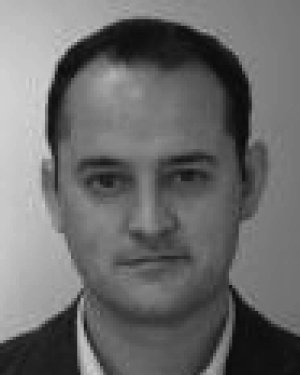 Joaquin Gonzalez-Rodriguez合作论文数57
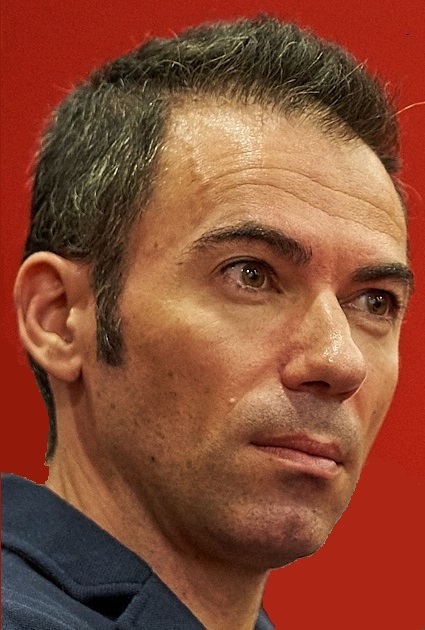 Julian Fierrez合作论文数School of Engineering, Universidad Autonoma de Madrid40
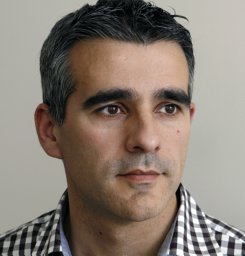 Torre Toledano合作论文数Universidad Autónoma de Madrid26
 Javier Gonzalez-Dominguez合作论文数EVO Banco;IE Business School19
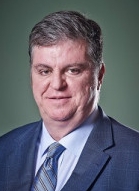 Javier Ortega Garcia合作论文数Biometrics and Data Pattern Analytics Lab, Universidad Autonoma de Madrid17
 Ignacio Lopez Moreno合作论文数Google DeepMind14
 Laura Docío Fernández合作论文数11Dunxu Hu合作论文数10Crystal Muang合作论文数10Liang Wan合作论文数10Weilong Yang合作论文数10
 Stan Z. Li (李子青)合作论文数School of Engineering, Westlake University10
 Karthik Nandakumar合作论文数Computer Vision Department, Mohamed Bin Zayed University of Artificial Intelligence;Security, Privacy and Trustworthiness in Artificial Intelligence Laboratory, Mohamed Bin Zayed University of Artificial Intelligence10
 Ram P. Krish合作论文数10Rama Chellappa合作论文数9Zhouchen Lin合作论文数9Mingquan Zhou合作论文数9
 John Daugman合作论文数Faculty of Computer Science and Technology, University of Cambridge9
 Alicia Lozano-Diez合作论文数9
 Carmen García-Mateo合作论文数GTS - University of Vigo9
 Ryan N. Rakvic合作论文数9
 Yasunari Tosa合作论文数9
 Daigo Muramatsu合作论文数Department of Electrical Engineering and Bioscience;Waseda University;Department of Electrical Engineering and Bioscience, Waseda University9Xiangxin Zhu合作论文数9
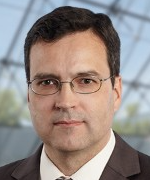 Olaf Henniger合作论文数Fraunhofer Institute for Computer Graphics Research IGD9
 Aswin C. Sankaranarayanan合作论文数Department of Electrical & Computer Engineering, College of Engineering, Carnegie Mellon University9
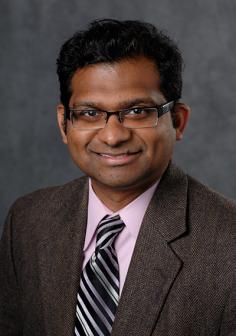 Arun Ross合作论文数Integrated Pattern Recognition and Biometrics Lab, Department of Computer Science and Engineering, College of Engineering, Michigan State University9
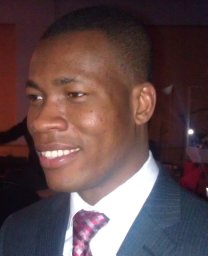 Mathias M. Adankon合作论文数École Polytechnique de Montréal9
 Randy P. Broussard合作论文数9Ruifang Wang合作论文数8Seungjin Choi合作论文数8Takashi Matsumoto合作论文数8
 Juan Maroñas合作论文数Machine Learning Group, Universidad Autónoma de Madrid;Cognizant8
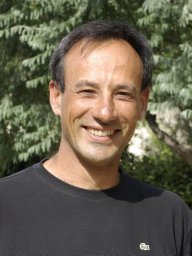 Jean-Francois Bonastre合作论文数Univ Avignon, LIA, Avignon, France8
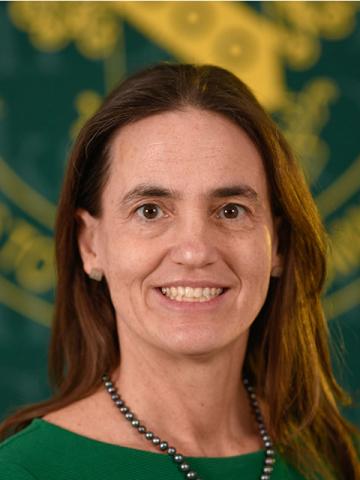 Stephanie Schuckers合作论文数Department of Electrical and Computer Engineering, Center for Air and Aquatic Resources Engineering and Sciences, Coulter School of Engineering, Clarkson University8
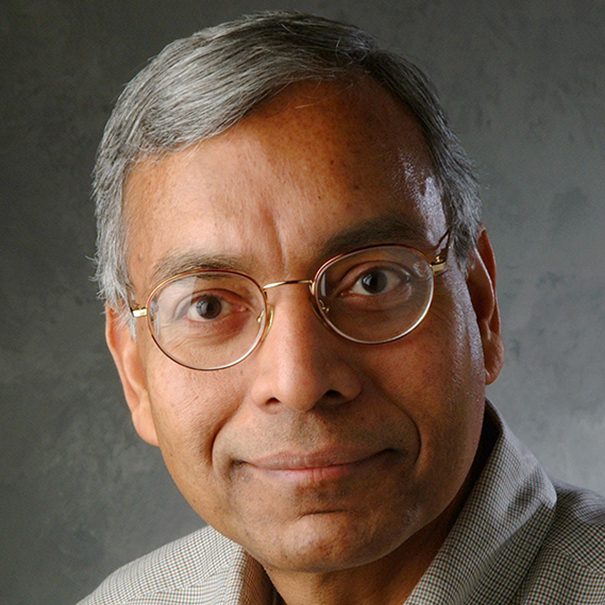 Anil K. Jain (阿尼尔·库马尔·贾恩)合作论文数Department of Computer Science & Engineering, College of Engineering, Michigan State University8
 Marcos Martinez-Diaz合作论文数Biometric Recognition Group - ATVS, Universidad Autonoma de Madrid8David Usher合作论文数Department of Chemistry, Cornell University8Kye-Hyeon Kim合作论文数Pohang University of Science and Technology8Mitsu Yoshimura合作论文数8Doroteo T. Toledano合作论文数7Judith Markowitz合作论文数7Jean Hennebert合作论文数7Zhen Lei合作论文数7Andy Adler合作论文数7
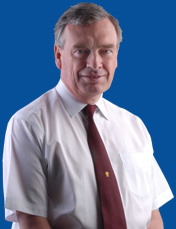 Colin Aitken合作论文数School of Mathematics, The University of Edinburgh7
 Agnieszka Martyna合作论文数Faculty of Chemistry, Jagiellonian University7
 Matrouf Driss合作论文数Computer Science Teaching and Research Centre, University of Avignon;Laboratoire Informatique d'Avignon, University of Avignon7
 Javier Franco-Pedroso合作论文数7




