Purpose: We hypothesized that heart period (HP) variability in the low frequency (LF) band is due to transient fluctuations of about 10 s in HP sequences, associated with fluctuations in blood pressure. Methods: 10 healthy subjects, mean age 36 y, had HP and blood pressure acquired for 10 min each. Nonrandom HP fluctuations (ripples) lasting 6.7-20 s were detected using time-scrambled surrogate sequences as controls. Results: Ripples were 99 +/- 40 ms in amplitude, in concatenates 23.4 +/- 7.4 s long. They co-occurred with similar blood pressure ripples with amplitudes 5 +/- 5 mm Hg, correlating with them with r(2) = 0.68 +/- 0.10, slope 23.9 +/- 10.8 ms/mm Hg, at an optimum lag of 2.16 +/- 0.63 beats. A second HP structure consisting of transient tachycardias of 140 +/- 53 ms lasting 15.1 +/- 6.1 occurred singly. Together the two structures contributed 84% +/- 8% of the total power in the LF band. Conclusion: The LF band is caused by two types of HP structures that occur at discrete times. (C) 2018 Elsevier Inc. All rights reserved.
Activators of hERG1 such as NS1643 are being developed for congenital/acquired long QT syndrome. Previous studies identify the neighborhood of L529 around the voltage-sensor as a putative interacting site for NS1643. With NS1643, the V-1/2 of activation of L529I (-34 +/- 4 mV) is similar to wild-type (WT) (-37 +/- 3 mV; P > 0.05). WT and L529I showed no difference in the slope factor in the absence of NS1643 (8 +/- 0 vs. 9 +/- 0) but showed a difference in the presence of NS1643 (9 +/- 0.3 vs. 22 +/- 1; P < 0.01). Voltage-clamp-fluorimetry studies also indicated that in L529I, NS1643 reduces the voltage-sensitivity of S4 movement. To further assess mechanism of NS1643 action, mutations were made in this neighborhood. NS1643 shifts the V-1/2 of activation of both K525C and K525C/L529I to hyperpolarized potentials (-131 +/- 4 mV for K525C and -120 +/- 21 mV for K525C/L529I). Both K525C and K525C/K529I had similar slope factors in the absence of NS1643 (18 +/- 2 vs. 34 +/- 5, respectively) but with NS1643, the slope factor of K525C/L529I increased from 34 +/- 5 to 71 +/- 10 (P < 0.01) whereas for K525C the slope factor did not change (18 +/- 2 at baseline and 16 +/- 2 for NS1643). At baseline, K525R had a slope factor similar to WT (9 vs. 8) but in the presence of NS1643, the slope factor of K525R was increased to 24 +/- 4 vs. 9 +/- 0 mV for WT (P < 0.01). Molecular modeling indicates that L529I induces a kink in the S4 voltage-sensor helix, altering a salt-bridge involving K525. Moreover, docking studies indicate that NS1643 binds to the kinked structure induced by the mutation with a higher affinity. Combining biophysical, computational, and electrophysiological evidence, a mechanistic principle governing the action of some activators of hERG1 channels is proposed.
New findings What is the central question of this study?Heart failure is associated with persistent sterile inflammation that worsens disease severity; however, the molecular mechanisms behind cytokine recruitment and their relevance in the diseased myocardium remain unknown. What is the main finding and its importance?We show that interleukin‐1β is activated downstream of the Nlrp3 inflammasome in calcineurin‐transgene‐induced structural heart disease. Genetic deletion of Nlrp3 abrogated inflammasome signalling and interleukin‐1β release, improving function. The role of Nlrp3 in non‐ischaemic cardiomyopathy and the utility of inflammasome antagonism have not yet been explored, revealing potential for translational application. Heart failure is associated with a low‐grade and chronic cardiac inflammation that impairs function; however, the mechanisms by which this sterile inflammation occurs in structural heart disease remain poorly defined. Cardiac‐specific heterozygous overexpression of the calcineurin transgene (CNTg) in mice results in cardiac hypertrophy, inflammation, apoptosis and ventricular dilatation. We hypothesized that activation of the Nlrp3 inflammasome, an intracellular danger‐sensing pathway required for processing the pro‐inflammatory cytokine interleukin‐1β (IL‐1β), may contribute to myocardial dysfunction and disease progression. Here we report that Nlrp3 mRNA was increased in CNTg mice compared with wild‐type. Consistent with inflammasome activation, CNTg animals had increased conversion of pro‐caspase‐1 to cleaved and activated forms, as well as markedly increased serum IL‐1β. Blockade of IL‐1β signalling via chronic IL‐1 receptor antagonist therapy reduced cardiac inflammation and myocyte pathology in CNTg mice, resulting in improved systolic performance. Furthermore, genetic ablation of Nlrp3 in CNTg mice reduced pro‐inflammatory cytokine maturation and cardiac inflammation, as well as improving systolic performance. These findings indicate that activation of the Nlrp3 inflammasome in CNTg mice promotes myocardial inflammation and systolic dysfunction through the production of pro‐inflammatory IL‐1β. Blockade of IL‐1β signalling with the IL‐1 receptor antagonist reverses these phenotypes and offers a possible therapeutic approach in the management of heart failure.
Background— Risk assessment studies use a suite of nominally independent noninvasive heart rate metrics, often brought together in a statistical model to compute a risk score. The ongoing need to noninvasively identify the higher risk patients requiring more invasive investigations/interventions drives the search for better noninvasive predictive metrics, with increased sensitivity. Many varieties of autoregulatory malfunction occur within the cardiovascular system; thus, it seems a daunting challenge to build predictive models that account for all potential modes of failure. Auto-entrainment (AE) methodology was developed to help address this challenge. Methods and Results— AE methodology tests intrinsic capacity to maintain a stable and coherent oscillatory dynamic of autoregulatory control via respiratory entrainment of the blood pressure and heart period. Using cardiovascular death (n=18) at follow-up (1.5 years) as the end point, analysis of AE measurements from 148 patients with heart failure revealed 2 parameters significantly predictive of death. Using logistic regression, the magnitude of systolic pulsus alternans measured during AE had predictive sensitivity of 90% (confidence interval, 62%–100% and specificity of 62% (confidence interval, 49%–74%). The capacity to maintain a stable oscillatory dynamic was measured by the fraction of the total RR-interval spectral power contained within the AE-band. This capacity had predictive sensitivity of 73% (confidence interval, 47%–99%) and specificity of 55% (confidence interval, 43%–66%). Conclusions— AE methodology provides a noninvasive platform to assess the integrity of cardiovascular autoregulatory control systems for risk assessment in heart failure patients.
Catecholaminergic polymorphic ventricular tachycardia (CPVT) is a potentially lethal inherited arrhythmia syndrome in which drug therapy is often ineffective. We discovered that flecainide prevents arrhythmias in a mouse model of CPVT by inhibiting cardiac ryanodine receptor-mediated Ca2+ release and thereby directly targeting the underlying molecular defect. Flecainide completely prevented CPVT in two human subjects who had remained highly symptomatic on conventional drug therapy, indicating that this currently available drug is a promising mechanism-based therapy for CPVT.
We investigated the effect of ovarian hormones and aging on breathing pattern [pulmonary minute ventilation \( {\left( {\dot {V}_{{{\rm E}}}} \right)} \)], tidal volume (V T), breathing frequency (F b), and respiratory sinus arrhythmia (RSA) in women. Recordings of \( \dot {V}_{{{\rm E}}}\) and electrocardiogram (ECG) were obtained from 23 healthy women (10 premenopausal, 13 postmenopausal) under resting, isocapnic hypoxia (IH), and euoxic hypercapnia (EH) conditions. Premenopausal women were tested on three different days, each day corresponding to a specific phase of the menstrual cycle (follicular, mid-cycle, and luteal); postmenopausal women (PMW) were tested on 1 day only. On each test day, subjects were challenged with IH and EH. The order of the two tests was randomized and separated by at least 1 hour. Due to the low F b of several PMW, the band limits for RSA analysis had to be adjusted. The spectral coherence between respiratory flow and ECG RR-interval was used to determine the spectral band. Within the spectral band, there was a consistent phase relationship between the two variables where high values of spectral coherence indicate a well-defined phase relationship between respiratory flow and RR-interval variability. The main findings in this study for RSA are fourfold. First, RSA did not change with different levels of ovarian hormones (progesterone, serum 17β-estradiol) during the menstrual cycle. Second, RSA was not influenced by hormone replacement therapy. Third, RSA did not change with age. Fourth, RSA did not change with IH and EH-induced changes in breathing patterns. Finally, high individual variability of average RR-interval change per breath was found.
Transgenic overexpression of calcineurin (CN/Tg) in mouse cardiac myocytes results in hypertrophy followed by dilation, dysfunction, and sudden death. Nitric oxide (NO) produced via inducible NO synthase (iNOS) has been implicated in cardiac injury. Since calcineurin regulates iNOS expression, and since phenotypes of mice overexpressing iNOS are similar to CN/Tg, we hypothesized that iNOS is pathogenically involved in cardiac phenotypes of CN/Tg mice. CN/Tg mice had increased serum and cardiac iNOS levels. When CN/Tg-iNOS(-/-) and CN/Tg mice were compared, some phenotypes were similar: extent of hypertrophy and fibrosis. However, CN/Tg-iNOS(-/-) mice had improved systolic performance (P < 0.001) and less heart block (P < 0.0001); larger sodium current density and lower serum TNF-alpha levels (P < 0.03); and less apoptosis (P < 0.01) resulting in improved survival (P < 0.0003). To define tissue origins of iNOS production, chimeric lines were generated. Bone marrow (BM) from wild-type or iNOS(-/-) mice was transplanted into CN/Tg mice. iNOS deficiency restricted to BM-derived cells was not protective. Calcineurin activates the local production of NO by iNOS in cardiac myocytes, which significantly contributes to sudden death, heart block, left ventricular dilation, and impaired systolic performance in this murine model of cardiac hypertrophy induced by the overexpression of calcineurin.
BACKGROUND: Transient bradycardic hypotensive events occur in resting rabbits. If the hypotension is due to vasodepression, these events may be a model for vasovagal syncope.OBJECTIVES: To determine whether these events are responses to brief Stimuli and whether the hypotensive episodes are solely due to rapid-onset bradycardia.METHODS: Rabbits were instrumented with subcutaneous electrocardiogram leads, and cannulae were acutely inserted into an ear artery to obtain continuous arterial pressure measurements. Exposure to brief, low-level auditory Stimuli at 5 kHz transiently increased the RR interval by approximately 70 ms and decreased mean arterial pressure by approximately 5 mmHg.RESULTS: These evoked bradycardic hypotensive events were almost identical to previously reported spontaneous bradycardic hypotensive events. Intra-aortic telemetric blood pressure monitoring was used to demonstrate that the evoked hypotension reflected prolonged diastole, rather than local ear arterial vasoconstriction. Furthermore, administration of the muscarinic blocker glycopyrrolate abolished not only bradycardia (RR interval 64 +/- 14 ins to 1 +/- 1 ms; P < 0.0001), but also hypotension (-4.1 +/- 0.8 mmHg to -0.4 +/- 0.3 mmHg; P=0.0055). Finally, cardiac pacing abolished the inducible bradycardia (RR interval 51 +/- 10 ins to 2 +/- 1 ins; P=0.0006) and its associated hypotension (-4.1 +/- 0.7 mmHg to -1.2 +/- 0.3 mmHg; P=0.003).CONCLUSIONS: Brief auditory stimuli evoked a transient bradycardia mediated by cardiac muscarinic receptors and consequent hypotension. This is not a model for vasovagal syncope.
The recent study by Fantoni et al. ([1][1]) provides strong data that standard deviation of sequential 5-minute R-R interval means (SDANN, a long-term measure of heart rate variability [HRV]) is an important clinical tool. The researchers have convincingly shown that 1) successful cardiac
Objectives: We tested the hypothesis that revascularization would decrease QT interval dispersion and that QT interval dispersion would predict the outcome of the electrophysiologic study following revascularization.
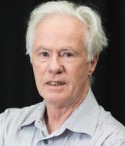 Henry Duff合作论文数Libin Cardiovascular Institute, The University of Calgary11
 Robert Sheldon合作论文数Alberta Health Services ;Libin Cardiovascular Institute, University of Calgary;Arrhythmia Clinic;CIED Clinic8
 James P. Lees-Miller合作论文数Department of Medicine, University of Calgary3Jiqing Guo合作论文数3Lisa Semeniuk合作论文数2Anne M. Gillis合作论文数2
 Satish R Raj合作论文数Libin Cardiovascular Institute, University of Calgary2
 Arthur Wilde合作论文数Academic Cardiovascular Science Institute, Amsterdam UMC;Department of Clinical and Experimental Cardiology, University of Amsterdam;Academic Medical Centre, University of Amsterdam;Irving Medical Centre, Columbia University2
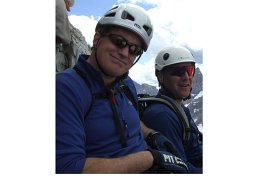 Paul L. Beck合作论文数Center for Study of Inflammatory Bowel Disease, Massachusetts General Hospital2
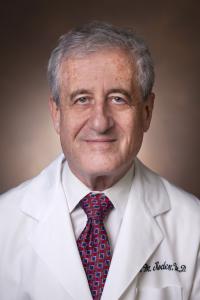 Dan Mark Rode合作论文数Division of Clinical Pharmacology, Department of Medicin, Vanderbilt University Medical Center2Nagesh Chopra合作论文数2
 Bjorn Knollmann合作论文数Department of Pharmacology, School of Medicine, Vanderbilt University;Department of Medicine, Vanderbilt University Medical Center;Oates Institute for Experimental Therapeutics, Vanderbilt University2Sean S. Davies合作论文数2
 Hyun Seok Hwang合作论文数2
 Derek R. Laver合作论文数Hunter Medical Research Institute;University Of Newcastle2Margaret Morck合作论文数1Christina M. Hull合作论文数1Hiroshi Watanabe合作论文数1
 Habib Jabagi合作论文数Address correspondence to Dr Jabagi, University of Ottawa Heart Institute1C I Wright合作论文数1Claydon Tom W合作论文数1
 Daniel Muruve合作论文数Department of Medicine, Cumming School of Medicine, University of Calgary1Zhan Shan合作论文数1Loken Steven合作论文数1
 Andrew E Beaudin合作论文数1James R. Wright合作论文数Department of Pathology & Laboratory Medicine, University of Calgary1Thakore Ela合作论文数1Bracey Nathan A合作论文数1
 Thouta Samrat合作论文数Department of Biomedical Physiology and Kinesiology, Simon Fraser University1D. George Wyse合作论文数1Yan Li合作论文数1Laura L. Perissinotti合作论文数1
 Marc Poulin合作论文数Department of Physiology and Pharmacology, Cumming School of Medicine, University of Calgary;Hotchkiss Brain Institute;Libin Cardiovascular Institute;Laboratory of Human Cerebrovascular Physiology, Cumming School of Medicine, University of Calgary;Clinical & Translational Exercise Physiology Laboratory, Cumming School of Medicine, University of Calgary1L.Brent Mitchell合作论文数1
 Justin A Macdonald合作论文数Department of Biochemistry;Molecular Biology;University of Calgary;Hospital Drive NW;Department of Biochemistry, University of Calgary1
 Yen May Cheng合作论文数University of British Columbia1
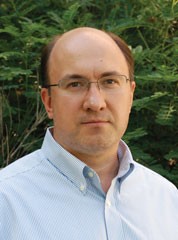 Sergei Noskov合作论文数University of Calgary1Julie R. Somers合作论文数1
 Simon Andrew Hirota合作论文数Department of Biochemistry and Molecular Biology, University of Calgary1
 Chantel T. Debert合作论文数Faculty of Medicine, University of Calgary1
 Serdar Durdagi合作论文数Institute for Biocomplexity and Informatics, University of Calgary1Marlen Lüthi合作论文数Faculty of Medicine, University of Calgary1




