Considerable scientific, regulatory, and popular press attention has been devoted to the endocrine disrupting chemicals (EDCs). A larger number of potential estrogenic EDCs are associated with products regulated by the Food and Drug Administration (FDA), including plastics used in food packaging, phytoestrogens, food additives, pharmaceuticals, and cosmetics. Given the huge number of chemicals, many commercially important, and the expense of testing, Structure-Activity Relationship/Quantitative Structure-Activity Relationship (SAR/QSAR) has been considered to be an important priority setting strategy for subsequent experimentation. At the U.S. FDA's National Center for Toxicological Research (NCTR), we conducted the Endocrine Disruptor Knowledge Base (EDKB) project, of which SAR/QSARs is a major component. We developed predictive models for estrogen and androgen receptor binding. The strengths and weaknesses of various QSAR methods were assessed to select those most appropriate for regulatory priority setting. This chapter, rather than presenting the work and results of the EDKB program in an exhaustive manner, selectively discusses salient concepts, issues, and challenges, endeavoring to achieve a tutorial outcome. In particular, concepts such as designing training sets, living models, use of QSARs in a regulatory context, predictive model validation, QSAR applicability domain, and prediction confidence estimates are among topics the authors have chosen to highlight. The concepts are presented and discussed using EDKB program results to provide qualitative and quantitative illustrations and examples. We believe the experience and lessons learned in the EDKB program will prove valuable to practitioners of QSAR should they endeavor to extend predictive systems to real-world regulatory implementations.
Some seven years have passed since the U.S. legislature mandated the EPA to develop and implement a screening and testing program for chemicals that may disrupt the delicate endocrine system. The envisioned EPA program has evolved to incorporate a tiered scheme of in vitro and in vivo assays, and considered QSAR as a viable method to set testing priorities. At the U.S. FDA's National Center for Toxicological Research (NCTR), the Endocrine Disruptor Knowledge Base Project has developed models to predict estrogen and androgen receptor binding. Our approach rationally integrates various QSAR models into a sequential "Four-Phase" scheme according to the strength of each type of model. In four hierarchical phases, models predict the inactive chemicals that are then eliminated from the pool of chemicals to which increasingly precise but more time-consuming models are subsequently applied. Each phase employs different models selected to work complementarily in representing key activity-determining structure features in order to absolutely minimize the rate of false negatives, an outcome we view as paramount for regulatory use. In this paper, the QSAR models developed at NCTR, and particularly how we integrated these models into the "Four-Phase" system will be discussed for a number of datasets, including 58 000 chemicals identified by the U.S. EPA.
A number of environmental and industrial chemicals are reported to possess androgenic or antiandrogenic activities. These androgenic endocrine disrupting chemicals may disrupt the endocrine system of humans and wildlife by mimicking or antagonizing the functions of natural hormones. The present study developed a low cost recombinant androgen receptor (AR) competitive binding assay that uses no animals. We validated the assay by comparing the protocols and results from other similar assays, such as the binding assay using prostate cytosol. We tested 202 natural, synthetic, and environmental chemicals that encompass a broad range of structural classes, including steroids, diethylstilbestrol and related chemicals, antiestrogens, flutamide derivatives, bisphenol A derivatives, alkylphenols, parabens, alkyloxyphenols, phthalates, siloxanes, phytoestrogens, DDTs, PCBs, pesticides, organophosphate insecticides, and other chemicals. Some of these chemicals are environmentally persistent and/or commercially important, but their AR binding affinities have not been previously reported. To the best of our knowledge, these results represent the largest and most diverse data set publicly available for chemical binding to the AR. Through a careful structure-activity relationship (SAR) examination of the data set in conjunction with knowledge of the recently reported ligand-AR crystal structures, we are able to define the general structural requirements for chemical binding to AR. Hydrophobic interactions are important for AR binding. The interaction between ligand and AR at the 3- and 17-positions of testosterone and R1881 found in other chemical classes are discussed in depth. The SAR studies of ligand binding characteristics for AR are compared to our previously reported results for estrogen receptor binding.
The nuclear receptor (NR) superfamily is ligand-dependent transcriptional factors that mediate gene expression in humans and wildlife. These receptor-mediated effects are stimulated and/or inhibited by endogenous cognate ligands for each NR but also by exogenous substances including natural products and synthetic chemicals. The NRs and their ligands have thus attracted broad scientific interest, particularly in the pharmaceutical industry for drug discovery and in toxicology and environmental science for risk assessment as, for example, pertaining to endocrine disrupting chemicals. Besides advancing our fundamental knowledge of NR biology, these scientific efforts are generating relevant biological data on NR ligands particularly with respect to their binding affinities, receptor specificities, and agonist versus antagonist activities. These data from diverse sources serve as input for construction of quantitative structure–activity relationship (QSAR) models and related approaches that employ statistical regression techniques to correlate variations between the biological activities of NR ligands and their calculated structural and physicochemical properties. In this review, we attempt to summarize the substantial body of work in the published literature related to QSAR models for NR ligands, with special emphasis on different computational approaches and specific applications. Special attention is placed on the estrogen receptor, for which the greatest amount of relevant information is known at present. We also describe efforts to create ‘benchmark’ sets of high-quality biological data on NR ligands that may serve as resources for building statistically robust and predictive QSAR models.
A number of environmental chemicals, by mimicking natural hormones, can disrupt endocrine function in experimental animals, wildlife, and humans. These chemicals, called "endocrine-disrupting chemicals" (EDCs), are such a scientific and public concern that screening and testing 58,000 chemicals for EDC activities is now statutorily mandated. Computational chemistry tools are important to biologists because they identify chemicals most important for in vitro and in vivo studies. Here we used a computational approach with integration of two rejection filters, a tree-based model, and three structural alerts to predict and prioritize estrogen receptor (ER) ligands. The models were developed using data for 232 structurally diverse chemicals (training set) with a 10(6) range of relative binding affinities (RBAs); we then validated the models by predicting ER RBAs for 463 chemicals that had ER activity data (testing set). The integrated model gave a lower false negative rate than any single component for both training and testing sets. When the integrated model was applied to approximately 58,000 potential EDCs, 80% (approximately 46,000 chemicals) were predicted to have negligible potential (log RBA < -4.5, with log RBA = 2.0 for estradiol) to bind ER. The ability to process large numbers of chemicals to predict inactivity for ER binding and to categorically prioritize the remainder provides one biologic measure to prioritize chemicals for entry into more expensive assays (most chemicals have no biologic data of any kind). The general approach for predicting ER binding reported here may be applied to other receptors and/or reversible binding mechanisms involved in endocrine disruption.
Soy is known to produce estrogenic isoflavones. Here, we briefly review the evidence for binding of isoflavones to the estrogen receptor, in vivo estrogenicity and developmental toxicity, and estrogen developmental carcinogenesis in rats. Genistein, the major soy isoflavone, also has a frank estrogenic effect in women. We then focus on evidence from animal and human studies suggesting a link between soy consumption and goiter, an activity independent of estrogenicity. Iodine deficiency greatly increases soy antithyroid effects, whereas iodine supplementation is protective. Thus, soy effects on the thyroid involve the critical relationship between iodine status and thyroid function. In rats consuming genistein-fortified diets, genistein was measured in the thyroid at levels that produced dose-dependent and significant inactivation of rat and human thyroid peroxidase (TPO) in vitro. Furthermore, rat TPO activity was dose-dependently reduced by up to 80%. Although these effects are clear and reproducible, other measures of thyroid function in vivo (serum levels of triiodothyronine, thyroxine, and thyroid-stimulating hormone; thyroid weight; and thyroid histopathology) were all normal. Additional factors appear necessary for soy to cause overt thyroid toxicity. These clearly include iodine deficiency but may also include additional soy components, other defects of hormone synthesis, or additional goitrogenic dietary factors. Although safety testing of natural products, including soy products, is not required, the possibility that widely consumed soy products may cause harm in the human population via either or both estrogenic and goitrogenic activities is of concern. Rigorous, high-quality experimental and human research into soy toxicity is the best way to address these concerns. Similar studies in wildlife populations are also appropriate.
Considerable scientific, regulatory and popular press attention has been devoted to the Endo- crine Disrupting Chemicals (EDCs), of which estrogenic chemicals figure prominently. A large number of potential estrogenic EDCs are associated with products regulated by the Food and Drug Administration (FDA), including plastics used in food packaging, phytoestrogens, food additives, pharmaceuticals, cos- metics, etc. Recent legislation mandates the U.S. Environmental Protection Agency (EPA), a sister regu- latory agency, to develop a screening and testing program for potential EDCs in drinking water and food additives. Under the legislation, a large number of chemicals will undergo various in vitro and in vivo assays for their potential estrogenicity, as well as other hormonal activities. There is a crucial need to set priority for these chemicals to reduce the cost and speed the screening and testing process. At the FDA National Center for Toxicological Research (NCTR), quantitative structure-activity relationships (QSARs) is a major component of the Endocrine Disruptor Knowledge Base (EDKB) project - a prototype Toxicological Knowl- edge Base. By integrating experimentation and modeling, a series of QSAR models have been developed and validated in the project. These models are integrated into a "Four-Phase" scheme, with each succes- sive phase eliminating unlikely estrogen receptor (ER) binders, resulting in a priority listing of chemicals for regulatory application. The system performance has been validated using several data sets with known e s- trogenic activity and, subsequently, applied to three environmental data sets, identified by the EPA. It has also been used to assess estrogenic activity of chemicals of concern at other Centers within the FDA, namely the Center for Food Safety and Applied Nutrition (CFSAN) and the Center for Drug Evaluation and Research (CDER). The rigorous validation of the integrated system is ongoing via the interagency agree- ment (IAG) between EPA and NCTR. The approach presented here for estrogen is anticipated to be equally applicable for other receptor-mediated, endocrine disrupting mechanisms, e.g., androgen receptor binding, and other toxicity endpoints.
Consumption of phytoestrogens and mycoestrogens in food products or as dietary supplements is of interest because of both the potential beneficial and adverse effects of these compounds in estrogen-responsive target tissues. Although the hazards of exposure to potent estrogens such as diethylstilbestrol in developing male and female reproductive tracts are well characterized, less is known about the effects of weaker estrogens including phytoestrogens. With some exceptions, ligand binding to the estrogen receptor (ER) predicts uterotrophic activity. Using a well-established and rigorously validated ER-ligand binding assay, we assessed the relative binding affinity (RBA) for 46 chemicals from several chemical structure classes of potential phytoestrogens and mycoestrogens. Although none of the test compounds bound to ER with the affinity of the standard, 17beta-estradiol (E(2)), ER binding was found among all classes of chemical structures (flavones, isoflavones, flavanones, coumarins, chalcones and mycoestrogens). Estrogen receptor relative binding affinities were distributed across a wide range (from approximately 43 to 0.00008; E(2) = 100). These data can be utilized before animal testing to rank order estimates of the potential for in vivo estrogenic activity of a wide range of untested plant chemicals (as well as other chemicals) based on ER binding.
AbstractChemInform is a weekly Abstracting Service, delivering concise information at a glance that was extracted from about 100 leading journals. To access a ChemInform Abstract of an article which was published elsewhere, please select a “Full Text” option. The original article is trackable via the “References” option.
We have utilized a validated (standardized) estrogen receptor (ER) competitive-binding assay to determine the ER affinity for a large, structurally diverse group of chemicals. Uteri from ovariectomized Sprague-Dawley rats were the ER source for the competitive-binding assay. Initially, test chemicals were screened at high concentrations to determine whether a chemical competed with [3H]-estradiol for the ER. Test chemicals that exhibited affinity for the ER in the first tier were subsequently assayed using a wide range of concentrations to characterize the binding curve and to determine each chemical's IC50 and relative binding affinity (RBA) values. Overall, we assayed 188 chemicals, covering a 1 x 10(6)-fold range of RBAs from several different chemical or use categories, including steroidal estrogens, synthetic estrogens, antiestrogens, other miscellaneous steroids, alkylphenols, diphenyl derivatives, organochlorines, pesticides, alkylhydroxybenzoate preservatives (parabens), phthalates, benzophenone compounds, and a number of other miscellaneous chemicals. Of the 188 chemicals tested, 100 bound to the ER while 88 were non-binders. Included in the 100 chemicals that bound to the ER were 4-benzyloxyphenol, 2,4-dihydroxybenzophenone, and 2,2'-methylenebis(4-chlorophenol), compounds that have not been shown previously to bind the ER. It was also evident that certain structural features, such as an overall ring structure, were important for ER binding. The current study provides the most structurally diverse ER RBA data set with the widest range of RBA values published to date.
Current methods of risk assessment for some manufactured chemicals may not accurately predict the risks of exposure to humans and animals. In fact, we are beginning to realize that very low levels of exposure to some chemicals present in the environment disrupt the endocrine system, particularly during fetal development, at doses to which humans and animals are routinely exposed. Recent research on environmentally relevant exposures raises great concern since endocrine signals regulate the differentiation and growth of cells in fetuses. The endocrine system consists of cells that produce chemical signals or hormones that regulate the development and subsequent adult functioning of other cells in the body. As the fetus grows, hormones control the development of cells and thus determine the formation of all the body's organs. Adult organs may never function properly if hormonal signals are disrupted at this crucial developmental stage. Even very small changes in levels of endogenous hormones, whether natural or experimentally induced, produce significant changes in organ function throughout the remainder of life. In short, organs, especially the reproductive organs and brain, are highly sensitivity to endocrine disruption during fetal development.(1) For this reason, the major concern regarding endocrine disruptors is with exposure during critical times in fetal development when organs are forming.(2) Exposure to endocrine disruptors at this stage may reduce or destroy reproductive capability and result in the loss of entire populations.(3) Not only has the issue of the unique vulnerability of the fetus been ignored in some recent reviews,(4) but the term endocrine disruptor has been replaced by some authors with the term endocrine modulator. This change in terminology is intended to convey an entirely different meaning, namely, that these chemicals are causing a small adjustment in function. In fact, endocrine modulation typically occurs in adults, where alterations of the adult endocrine system, such as result from taking oral contraceptives, typically lead to transient - reversible - effects that disappear when exposure to the chemical ceases and the chemical is cleared from the body. On the other hand, a chemical that interferes with the normal functioning of the fetal endocrine system and irreversibly alters the development of reproductive organs and the brain is appropriately described as an endocrine disruptor. We consider permanent effects of endocrine disruptors on physiological processes to be adverse. Even more disturbing, current toxicological testing for potentially harmful substances that are being released into the environment is designed to assess very high doses of chemicals, while recent findings show that many of the most harmful effects occur at doses so low they are rarely tested. Dilution Not the Solution Decades ago, the Great Lakes region was home to many predatory birds that fed on fish in the lakes. In the late 1960s, wildlife biologists observed that entire populations of birds, salmon, and trout were not successfully reproducing, and their reproductive organs were abnormal. Moreover, the children of women who ate these contaminated fish from the Great Lakes displayed developmental abnormalities and a decrease in I.Q.(5) Scientists now know that these effects are related to exposure to endocrine-disrupting chemicals, chemicals that are ubiquitous in the environment. These chemicals are found in plastics, pesticides, detergents, cosmetics, fabrics, and building materials such as insulation and carpets, to mention just a few examples. In addition, endocrine-disrupting chemicals are now found in lakes, rivers, oceans, and the air, where they contaminate fish and other animals. Currently, there are about 60 known endocrine-disrupting chemicals, but only a very small number of the approximately 80,000 manufactured chemicals in use today have been tested for endocrine-disrupting effects. …
Prenatal exposure to the synthetic estrogen diethylstilbestrol (DES) causes morphogenetic alterations and neoplasia in the human reproduc live tract. In the hamster, neonatal DES exposure alters early uterine morphogenesis and induces endometrial adenocarcinomas in adults. We now demonstratethat the preneoplasticstages of this phenomenonin the hamster reflect an abnormal uterotropic response to estrogen that is characterized by hyperplastic lesions in the endometrial epithelium and includes an immune and/or inflammatory component Interestingly, bio chemical and in situ analysis revealed that the hyperplastic epithelium is also an active site of cell death by apoptosis. To further probe the mechanism of this phenomenon, uteri from 7-thy-old control or DES exposed donors were transplanted into the cheek pouches of control or neonatally DES-exposedadult hosts, and both host groups were treated to provide high circulating levels of estradioi Among the four ectopic see narios, histopathological lesions (epithelial hyperplasia, dysplasia, and apoptosls), segregated almost exclusively to the two that consisted of neonatally DES-exposed uteri. The Virtual absence of lesions in control
Prenatal maternal stress in rats and mice can demasculinize and feminize the sexual behavior of adult male offspring. Causal mechanisms are unknown, but one attractive hypothesis is that stress activation of maternal adrenal glucocorticoid secretion is the responsible agent. To test this hypothesis, pregnant rats were exposed to a variety of substances which enhance glucocorticoid actions. These included ACTH (20 IU of a gel preparation, SC once daily), corticosterone (CORT; 7 mg/kg SC in oil, three times daily), or dexamethasone (DEX; 0.1 mg/kg, SC once daily). Controls included noninjected dams and a positive stress control group (restraint under bright lights three times daily). All treatments reduced maternal weight gain, DEX most potently. No treatment altered litter size, stillbirths, or sex ratio, but DEX reduced weight at birth, an effect still seen at postnatal day 85. DEX, CORT, and stress reduced male adrenal weight at birth, while DEX and CORT altered sexual differentiation as measured by anogenital distance. Stress impaired adult male sexual performance but not the lordosis quotient following exposure of animals to stud males. DEX affected both measures. No other treatment had any significant effect on sexual behavior. No treatment altered plasma LH levels, either basal or in response to an estrogen challenge in adult gonadectomized males. In adulthood there was no treatment effect on stress reactivity, measured behaviorally or by plasma glucocorticoids. Correlational analysis revealed that weight gain during pregnancy was the single best predictor of subsequent sexual performance. It is concluded that prenatal dexamethasone exposure demasculinizes and feminizes male offspring. Whether the similar effect of stress is mediated solely by adrenal glucocorticoids is less certain; the ACTH and CORT treatments produced maternal plasma corticosterone levels higher than in stressed dams, yet did not affect adult sexual behavior. Because at high doses many drugs elicit a maternal stress response, including glucocorticoid secretion, these findings suggest that there may be a common effect of prenatal drug exposure upon sexual differentiation in the rat.
We have developed a system for serum-free culture of separated uterine epithelium and stroma from 11-day-old rats recombined on extracellular matrix extracted from Englebreth-Holm-Swarm tumors. Epithelium grew and, after 2 days in culture, developed into luminal epithelial spheres (LES) surrounding a fluid-filled lumen. Individual LES cells maintained epithelial cell characteristics such as basally located nuclei, apical microvilli (oriented toward the lumen), lateral membranes with interdigitations and desmosomes, secretory Golgi complexes, and abundant mitochondria and rough endoplasmic reticulum. Secretory vesicles were ubiquitous throughout the luminal fluid. Addition of 17 beta-estradiol to the growth medium increased the number and longevity of the LES. Prior exposure of uteri to tamoxifen via s.c. injection in vivo on postnatal Days 1 to 5 reduced or completely inhibited formation of LES in vitro. These effects occurred regardless of whether the stromal or epithelial component of the recombinant tissue was exposed to tamoxifen. These data suggest a directive property of neonatal stroma in culture resulting in the formation of highly secretory spherical epithelial structures completely enclosing a lumen. LES formation is responsive to both estrogen (positive response) and antiestrogen (negative response).
 Weida Tong合作论文数Division of Bioinformatics and Biostatistics, National Center for Toxicological Research, U.S. Food and Drug Administration11
 William S. Branham合作论文数10Ws Branham合作论文数9
 Hong Fang合作论文数Z-Tech Corporation8
 Leming Shi (石乐明)合作论文数Department of Anthropology and Human Genetics, School of Life Sciences, Fudan University5
 Huixiao Hong合作论文数Division of Bioinformatics and Biostatistics, National Center for Toxicological Research5Jf Young合作论文数4Jb Laborde合作论文数4
 Joseph F. Holson合作论文数WIL Research Laboratories, LLC4
 Roger Perkins合作论文数Warehouse Art School4Annette Andrews合作论文数3Kl Medlock合作论文数3Dr Zehr合作论文数3
 Stacey Dial合作论文数3
 Qing Xie (谢青)合作论文数Ruijin Hospital, School of Medicine, Shanghai Jiao Tong University3C. L. Moland合作论文数2Bruce S. Hass合作论文数2xinglong zheng合作论文数2Wendell W. Leavitt合作论文数2Cj Nelson合作论文数2Qian Xie合作论文数2
 James J. Chen合作论文数National Center for Toxicological Research, U.S. Food and Drug Administration2T.B. Gaines合作论文数2Robert M. Blair合作论文数2
 William J Hendry合作论文数2Carrie L. Moland合作论文数2Dk Hansen合作论文数1J L Pipkin合作论文数1Jr Harmon合作论文数1PG SATYASWAROOP合作论文数1Rm Blair合作论文数1T Badger合作论文数1B Gough合作论文数1Lyn-Cook Beverly D合作论文数1
 Daniel R. Doerge合作论文数National Center for Toxicological Research, U.S. Food & Drug Administration1Wolff G L合作论文数1McCallum W F合作论文数1Cernosek S F合作论文数1
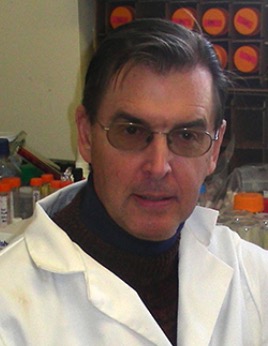 Frederick vom Saal合作论文数Division of Biological Sciences, College of Arts and Science, University of Missouri1James M Mason合作论文数Laboratory of Molecular Genetics, National Institute of Environmental Health Sciences, National Institutes of Health1P. Sullivan合作论文数1Ellis M. Craig合作论文数1William Owens合作论文数1Thomas F. Grafton合作论文数1Mary L. Leamons合作论文数1Christian J Nelson合作论文数1Jeanne Anson合作论文数1




