INTRODUCTION:Observational studies provide a signal that phosphodiesterase-5 inhibitors such as sildenafil are associated with lower mortality and ischaemic stroke during durable left ventricular assist device (LVAD) support. This study aims to determine the causal effects of sildenafil on platelet activation and circulating mediators of vascular remodelling during LVAD support. METHODS:We conducted a double-blind, randomized, placebo-controlled study to determine the effect of sildenafil on platelet activation and circulating mediators of vascular remodelling. Stable participants on LVAD support were assigned to sildenafil or placebo every 8 h for a 15-day period. Three primary endpoints were percent change in platelet activation by collagen, thromboxane (Tx) A2, and adenosine diphosphate (ADP). Secondary endpoints included changes in circulating mediators of vascular remodelling. RESULTS:Twenty participants were randomized. On day 15, those on sildenafil had lower collagen (-41%, -60 to -24, vs. -7%, -18 to 79, P = .038), but not TxA2 (-24%, -45 to -14 vs. 3%, -15 to 87, P = .112), and ADP (-5%, -70 to 25 vs. 31%, -29 to 242, P = .122) induced platelet activation compared to placebo. Endothelin-1 changed by -30% (-53 to 4) in the sildenafil group vs. -3% (-18 to 22) with placebo (P = .041). Angiopoietin (ang)-2 changed by -5% (-11 to -4) with sildenafil compared to 3% (-5 to 15) with placebo (P = .039), while ang-1 increased by 24% (17-54) with sildenafil and was -4% (-19 to -2) with placebo (P = .001), leading to a change in the ang-2/ang-1 ratio by -23% (-45 to -15) with sildenafil compared to 8% (-3 to 24) with placebo (P = .001). Hs-CRP and fibrinogen were unchanged between the groups. CONCLUSION:Fifteen days of sildenafil exposure modifies platelet activation and lowers mediators of vascular remodelling on LVAD support.
A 38-year-old woman with a history of migraine headaches presented with episodic headaches, palpitations, chest pain, and worsening dyspnea. On arrival, she was hypertensive and tachycardic. Electrocardiography demonstrated inferolateral ST-segment depressions, QT interval prolongation, and elevated troponin levels, raising concern for acute myocardial infarction. Emergent coronary angiography revealed normal coronary arteries, while left ventriculography demonstrated basal hypokinesis with apical hyperkinesis, consistent with reverse takotsubo cardiomyopathy. Abdominal computed tomography identified a 3 cm right adrenal nodule, and 24-hour urine metanephrine levels were elevated to >8× the upper limit of normal, suggestive of pheochromocytoma. The patient was managed conservatively with alpha-adrenergic blockade. Follow-up abdominal magnetic resonance imaging demonstrated a decrease in nodule size to 2.3 cm with evidence of intralesional hemorrhage, and catecholamine levels subsequently normalized, leading to deferral of adrenalectomy. At 6-month follow-up, transthoracic echocardiography showed normalization of left ventricular function, and repeat abdominal computed tomography revealed marked reduction in the adrenal mass. At 1 year, she remains asymptomatic with normal biochemical testing.
BACKGROUND:Cardiac allograft vasculopathy (CAV) is a leading cause of graft-failure and mortality beyond the first year after heart-transplantation (HT). As use of donation after circulatory-death (DCD) donors increases, it remains unclear whether 1-year CAV risk differs from donation after brain-death (DBD) donors or varies by DCD procurement technique (direct procurement and perfusion [DPP] vs normothermic-regional-perfusion [NRP]). METHODS:Using the UNOS registry, adult heart transplants performed between January 2020 and June 2024 with follow-up through June 2025 were analyzed. One-year CAV was compared between DBD and DCD recipients using unadjusted and adjusted logistic regression analyses. Propensity-scores were used to create matched DBD and DCD-HT cohorts within the same HT centers to account for center-level variability in CAV diagnostic modalities and immunosuppression practices. Additional matched cohorts compared DPP and NRP procurement techniques for DCD-HTs against DBD-HTs. RESULTS:Among 12,630 eligible transplants with 1-year survival (11,393 DBD; 1,237 DCD), 1-year CAV rates were similar (6.22% vs 5.90%; adjusted OR 0.99 [95% CI: 0.77-1.28], P = .94), a finding consistent across multiple adjusted models. Secondary outcomes (chronic dialysis, hospitalization for infection or rejection, impaired functional status) were also comparable. In 1,106 propensity-matched pairs of DBD and DCD-HTs from the same centers, CAV remained similar (6.51% vs 5.61%; OR 0.85 [95% CI: 0.60-1.21], P = .37). Analyses stratified by DCD procurement method (DPP and NRP) likewise showed no significant differences in CAV risk. CONCLUSION:One-year CAV and other key secondary clinical outcomes were similar DBD and DCD-HT recipients, irrespective of DPP or NRP procurement method. Intermediate and long-term CAV risk in DCD-HT needs to be further clarified.
Right ventricular failure (RVF) is a common complication following left ventricular assist device (LVAD) implantation and increases patient morbidity and mortality. Due to the complex and limited understanding of RVF pathophysiology, efforts to prognosticate RVF after LVAD have been challenging. To fill the gaps, current efforts have been focused on identifying molecular drivers and physiological mechanisms of right ventricular dysfunction in this population. Recent work suggests that pro-inflammatory and oxidative stress pathways contribute to the development and progression of RVF post-LVAD, and elevation of inflammatory indices have been correlated with poor prognosis. Current prediction models are limited and performed only modestly in validation studies and do not include immunologic and molecular parameters, which could enhance pre-operative risk stratification towards reducing post-operative burden of RVF post-LVAD. In this review, we identified and summarized clinically relevant molecular and inflammatory markers of RVF and RVF following LVAD placement. Correlating these markers with current haemodynamic and echocardiographic parameters provides an avenue to reduce RVF after LVAD.
The use of organs between donors and recipients with Human Immunodeficiency Virus (HIV) in solid organ transplantation is an area of growing interest. We conducted a single center observational study to compare early outcomes after heart transplantation (HTx) in HIV-positive recipients using HIV-positive or HIV-negative donors. Overall, 10 HIV-positive recipients underwent HTx, with 4 receiving HIV-positive and 6 receiving HIV-negative organs. At 6 months, both groups had similar survival (100% vs 100%, p = 1.00), episodes of rejection (0, 0-0.5 vs 0, 0-1, p = 0.69) and infection (0, 0.5-3 vs 1, 1-2, p = 0.25) per patient, HIV suppression with antiretroviral therapy (VL <25 copies/ml or undetectable: 100% vs 100%, p = 1.00) and donor derived cell free DNA (0.07, 0.05-0.10% vs 0.13, 0.12-0.15%, p = 0.11). These data provide early evidence supporting the feasibility of utilizing organs from donors with HIV for HTx in recipients with HIV.
Giant cell myocarditis (GCM) and cardiac sarcoidosis (CS) are rare, inflammatory cardiomyopathies with overlapping presentations but differing treatments and prognoses. We present a case of a middle-aged woman diagnosed initially with GCM based on clinical presentation and endomyocardial biopsy. After unexpected clinical improvement and persistent mediastinal lymphadenopathy, lymph node biopsy revealed non-necrotizing granulomas, leading to a revised diagnosis of CS. This case highlights the diagnostic challenges presented by inflammatory cardiomyopathies and the importance of reassessing initial diagnoses in the context of evolving clinical and imaging findings. Herein we detail her clinical course, and the investigations and therapeutic interventions undertaken.
BACKGROUND:Heart transplantation (HT) following donation after circulatory death (DCD) has grown substantially in recent years. However, the effects of functional ischemic injury during procurement on exercise capacity remain unknown. We compared exercise performance parameters between DCD and donation after brain death (DBD) recipients. METHODS:We conducted a single-center, retrospective, case-control study of adults with isolated HT between January 2022 and April 2024 and completed a treadmill cardiopulmonary exercise test (CPET) post-transplant. DCD-HT recipients (cases) were matched to DBD-HT recipients (controls) based on major demographics and CPET timing. The primary outcome was peak oxygen consumption (pVO2). Secondary outcomes included additional exercise capacity parameters and echocardiographic indices at peak exercise. RESULTS:Cases (DCD-HT: n = 10, 20% female) and controls (DBD-HT: n = 10, 20% female) had similar baseline characteristics. Total ischemic time was longer in the DCD group (6.9 [interquartile range (IQR): 6.4-7.1] vs. 4.6 [IQR: 3.94.8] h; p = 0.002). Time from HT to CPET did not differ. DCD and DBD-HT recipients had similar pVO2 (17.1 [IQR: 15.2-19.7] vs. 19.7 [IQR: 13.3-21.2] mL/kg/min; p = 0.545). Respiratory exchange ratio (RER) was slightly lower in the DCD group (1.1 [IQR: 1.0-1.2] vs. 1.2 [IQR: 1.21.3]; p = 0.031). Ventilatory efficiency (VE/VCO2) at anaerobic threshold, left ventricular ejection fraction, and E/e' at peak exercise were comparable between groups. CONCLUSION:DCD and DBD heart transplant recipients demonstrate similar exercise performance. Overall, exercise capacity remains limited after HT, highlighting the need for further studies to identify underlying mechanisms and potential therapeutic interventions.
Statins reduce coronary vasculopathy and mortality after heart transplantation (HT). However, it remains uncertain if intensified statins are tolerated and related to the preservation of cardiac function. We conducted a single-center, retrospective cohort study of all single-organ adult HT recipients between 2012 and 2021. Standard intensity statin was defined as pravastatin ≤20 mg or equivalent doses, while higher doses were defined as intensified statin. Overall, 277 patients met eligibility criteria. The incidence of intolerability was similar between patients on standard and intensified statin (7% vs . 3%; p = 0.56). Similarly, no differences were detected for intolerability with conventional classifications as low- (5%), moderate- (4%), or high-intensity (3%) statin users ( p = 0.58). At 1 year after HT, low-density lipoprotein (LDL) increased from 70 (49-88) mg/dl to 82 (66-99) mg/dl ( p = 0.01) in standard statin users but remained similar for those on intensified statin from 75 (56-97) mg/dl to 80 (59-97) mg/dl ( p = 0.67). Left ventricular global longitudinal strain (n = 53) from 1 to 3 years after HT was lower by -10% in those on standard compared with -2% on intensified statin ( p = 0.03). In conclusion, intensified statin is well tolerated after HT, leads to better LDL control, and is associated with greater preservation of myocardial function.
Introduction Gastrointestinal angiodysplasia (GIAD) is a common cause of gastrointestinal bleeding (GIB) in continuous-flow LVAD patients. Non-pulsatile blood flow in LVAD can cause splanchnic submucosal hypoxia, thereby triggering angiogenic dysregulation through the activation of the HIF (hypoxia-inducible factor)-1α/Ang (angiopoietin)-2/VEGF signaling pathway. Consequently, this dysregulation can lead to the development of GIAD. On the other hand, it was shown that the loss of pulsatility due to closed aortic valve (AV) in patients with LVAD correlates with an increased risk of GIB. Hypothesis We hypothesize that the angiogenic dysregulation, characterized by an increase in VEGF and Ang-2, may be influenced by AV opening (AVO), as a marker of pulsatility in patients with LVAD. Methods Blood samples were collected from 18 patients both before and one month after HeartMate 3 (HM3) (N=15) or HeartMate II (HM2) (N=3) implantation. Using the ELISA method, we measured VEGF, Ang-1, and Ang-2 serum levels. The difference in levels between paired samples before and after implantation was compared using the Wilcoxon signed-rank test. Additionally, in a single-center retrospective analysis, we reviewed the clinical characteristics of the enrolled patients, with a specific focus on the AVO observed on transthoracic echocardiogram (TTE) in temporal proximity to blood draw. We then compared the change in Ang-1/-2 and VEGF levels before and after implantation stratified by AVO. We categorized patients into two groups: those with a consistently closed AV and those with an open or intermittently open AV post-LVAD. Statistical significance was determined using the Mann-Whitney U Test. Results The serum levels of Ang-2 (6.1 to 10.5 ng/ml, p = 0.002), and VEGF (137.1 to 416.5 pg/ml, p = 0.01) increased significantly post-LVAD, whereas Ang-1 levels did not exhibit significant changes (27.03 to 18.0 ng/ml, p= 0.07). Patients with a closed valve (N=11) showed a significantly higher change in Ang-2 levels before and after LVAD implantation compared to the open-valve group (N=7) (6.4 to 1.4 ng/ml, p = 0.04), with a similar trend observed for VEGF (407.3 to 78.0 pg/ml, p = 0.65) (Figure 1). However, the difference in VEGF change was not statistically significant. Conclusion The implantation of a continuous flow LVAD pump promotes angiogenic dysregulation. Additionally, there may be a correlation between closed AV and the intensity of the increase of proangiogenic factors, such as Ang-2 and VEGF. This correlation between AVO, pulsatility and angiogenic dysregulation and their contribution to GIAD development and GIB needs prospective evaluation.
Purpose: Iron Deficiency (Fe-def) in heart failure (HF) correlates with disease severity and progression, regardless of anemia. Current definition is based on thresholds for iron therapy rather than clinical outcomes and optimal treatment effectiveness. In the present study we sought to better characterize Fe-def in advanced HF.
Purpose: DCD-donors have become an important source of organs for HT, but there is limited data regarding their use for multi-organ HT. We evaluated the trend and early outcomes of DCD-donor use in multi-organ HT.
Purpose: Donor-specific HLA antibodies (DSAs) are a known risk factor for heart transplant rejection. Several case series have demonstrated improved outcomes in patients with antibody-mediated rejection (AMR) treated with plasmapheresis (PP)/IVIG and other immunosuppression agents. We analyzed the relationship between different therapies and DSA mean fluorescent intensity (MFI) reduction, and their impact on clinical outcomes.
Primary graft dysfunction (PGD) after cardiac transplantation is a devastating complication with increasing frequency lately in the setting of donation after circulatory death (DCD). Severe PGD is commonly treated with extracorporeal membrane oxygenation (ECMO) using central or peripheral cannulation. We retrospectively reviewed the outcomes of PGD after cardiac transplantation requiring ECMO support at our center from 2015 to 2020, focused on our now preferential approach using peripheral cannulation without a priori venting. During the study period, 255 patients underwent heart transplantation at our center and 26 (10.2%) of them required ECMO for PGD. Of 24 patients cannulated peripherally 19 (79%) were alive at 30 days and 17 (71%) 1 year after transplant; two additional patients underwent central ECMO cannulation due to unfavorable size of femoral vessels and concern for limb ischemia. Successful decannulation with full graft function recovery occurred in 22 of 24 (92%) patients cannulated peripherally. Six of them had an indwelling intra-aortic balloon pump placed before the transplantation. None of the other 18 patients received a ventricular vent. In conclusion, the use of an a priori peripheral and ventless ECMO approach in patients with PGD after heart transplant is an effective strategy associated with high rates of graft recovery and survival.
 Ulrich P. Jorde合作论文数Department of Medicine, Albert Einstein College of Medicine, Montefiore Einstein182
 Omar Saeed合作论文数156
 Daniel J. Goldstein合作论文数122
 Sandhya Murthy合作论文数87
 Sasa Vukelic合作论文数Div Cardiol, Heart Failure Cardiac Transplantat Mech Circulato68Patel Snehal R合作论文数68
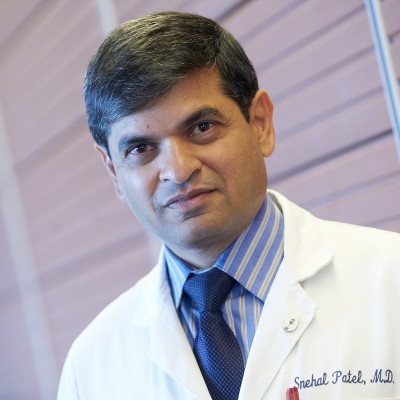 Snehal G. Patel合作论文数David H. Koch Center for Cancer Care, Memorial Sloan Kettering Cancer Center44S. Forest合作论文数43
 Rochlani Yogita M合作论文数Department of Internal Medicine, University of Arkansas for Medical Sciences43S. Madan合作论文数40
 Shivank Madan合作论文数Albert Einstein College of Medicine, Saint Peters University Hospital Program35Shin Jooyoung J合作论文数28Stephen J Forest合作论文数26J. Julia Shin合作论文数26Shin Julia合作论文数25
 Nir Y. Uriel合作论文数Vagelos College of Physicians and Surgeons, Columbia University;Weill Cornell Medicine Center;Columbia University Irving Medical Center;NewYork-Presbyterian25
 Paolo Carlo C Colombo合作论文数Vivian & Seymour Milstein Family Heart Center, Columbia University Irving Medical Center20Peter Vlismas合作论文数19
 Hiroo Takayama合作论文数Department of Surgery, Columbia University Irving Medical Center17Sasha Vukelic合作论文数16T. Chinnadurai合作论文数15
 Anne Luke合作论文数14Mercedes Rivas-Lasarte合作论文数14
 Yoshifumi Naka合作论文数Department of Cardiothoracic Surgery, Weill Cornell Medical College, Cornell University14
 Francesco Castagna合作论文数Department of Medicine, Columbia University Medical Center14
 Salil Kumar合作论文数13P. Chavez合作论文数12
 Sathish Rangasamy合作论文数11
 Smith Sakima合作论文数11
 Andrea Mignatti合作论文数New York Univeristy Medical Center11Joshua S. Josephs合作论文数Montefiore Med Ctr, New York, NY USA10Donna M Mancini合作论文数Icahn School of Medicine at Mount Sinai10
 Jae Il Shin合作论文数Meta Research Innovation Center, Stanford University;College of Medicine, Yonsei University10
 Mohamed H. Derbala合作论文数Dept Cardiovasc Med, Ohio State Univ9
 Patricia Chavez合作论文数9José González-Costello合作论文数Unidad Funcional de Insuficiencia Cardíaca, Hospital Universitario de Bellvitge9C. Gjelaj合作论文数8Fathima Jahufar合作论文数8Jakobleff William合作论文数8C. Diez-Lopez合作论文数7D. Nnani合作论文数7Elliot Wiesenfeld合作论文数7
 Miguel Alvarez Villela合作论文数Montefiore Medical Center, Albert Einstein College of Medicine7
 Borgi Jamil合作论文数7P. Vlismas合作论文数6Y. Naka合作论文数6E. Borukhov合作论文数6Mayuko Uehara合作论文数6




