Patients with advanced Parkinson's disease (PD) often need to continue with device-aided therapies (DAT), such as intestinal and subcutaneous infusion therapies. Recently, continuous subcutaneous administration of foslevodopa/foscarbidopa (LDp/CDp) has emerged as a new therapeutic method. Two years after its approval in Germany, a large amount of real-world experience has been collected. Based on this, we present important practical recommendations to help clinicians optimise treatment. Key topics include identifying suitable patients, approaches to initiation and dose determination as well as strategies for balancing LDp/CDp with concomitant oral dopaminergic therapies. Practical challenges, particularly infusion site reactions and neuropsychiatric vulnerability in older or cognitively impaired patients, are discussed, and recommendations are presented on how to prevent and manage these adverse effects during routine management. The review also addresses reasons for discontinuation, organisational factors relevant to real-world implementation and future directions in pump technology. Overall, LDp/CDp is effective in managing motor fluctuations and provides sustained benefits with an overall favourable tolerability profile. Dermatological reactions are common but manageable, and careful adjustment of oral medication rather than rapid pursuit of monotherapy is advisable. The rate of early discontinuation has decreased with growing clinical experience.
Converging evidence supports that co-stimulation of the subthalamic nucleus and the substantia nigra pars reticulata can be efficacious for the management of the resistant gait impairment in Parkinson's disease. In this Correspondence, we comment on a recent publication in Parkinsonism & Related Disorders regarding this novel intervention.
OBJECTIVE:Freezing behavior is an unmet symptom in Parkinson's disease (PD), which reflects its complex pathophysiology. Freezing behavior can emerge when attentional capacity is reduced, i.e. under dual task interference. In this study, we characterized the cortical network signatures underlying the susceptibility to freezing during continuous finger tapping.METHODS:Fourteen PD patients with STN-DBS and thirteen age- and gender-matched healthy controls performed continuous tapping with the index finger as single motor task and during dual tasking. Synchronized EEG and mechanogram of the finger tapping were recorded. Subsequently, we analyzed cortical activity and cortico-cortical phase synchronization. We correlated these spectral measures with the biomechanically confirmed numbers of freezing episodes during finger tapping.RESULTS:During dual tasking compared to the single motor task, PD patients showed an increase of cortico-cortical phase synchronization over the left prefrontal area from 13 to 30Hz. This correlated with increased occurrence of freezing episodes. Interestingly, PD patients lacked the increase of prefrontal cortico-cortical synchronization from 4 to 7Hz during dual tasking as observed in healthy controls.CONCLUSION:Dual task interference led to an increase of left prefrontal beta band synchronization (13-30Hz) in PD and this increment predicted the number of freezing episodes. This increment may underscore the relevance of prefrontal executive dysfunction in freezing susceptibility.SIGNIFICANCE:These findings enhance our understanding of the pathological network mechanisms behind increased susceptibility to freezing behavior.
 Alireza Gharabaghi合作论文数Department of Neurosurgery, University of Tübingen2
 Luka Milosevic合作论文数Institute for Biomedical Engineering, University of Toronto1
 Govindan Rathinaswamy B合作论文数1Kruger Rejko合作论文数1
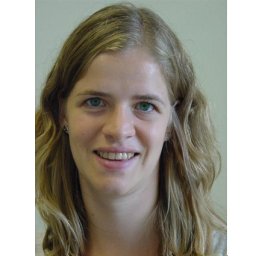 Scholten Marlieke合作论文数German Centre of Neurodegenerative Diseases (DZNE), Tübingen, Germany;Department for Neurodegenerative Diseases and Hertie Institute for Clinical Brain Research, University of Tübingen;Werner Reichardt Centre for Integrative Neuroscience;Department for Neurodegenerative Diseases and Hertie Institute for Clinical Brain Research, University of Tübingen1
 Christoph Braun合作论文数MEG Ctr, Univ Tubingen1
 Bastiaan R. Bloem合作论文数Department of Neurology, Radboud University Nijmegen Medical Centre1
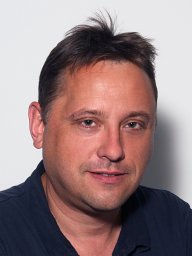 Christian Plewnia合作论文数Department of Psychiatry and Psychotherapy, Eberhard-Karls University Tuebingen1




