Background: We examined four potential challenges for the implementation of the European Union (EU) Regulation 2021/2282 on Health Technology Assessment (EU HTAR): interaction with the European Medicines Agency (EMA), expert input, the interface of European health technology assessment (EU HTA) joint procedures with those within Member States, and the management of conflict of interest. This research aims to explore how to address these challenges in a balanced manner and prioritise key actions for effective collaboration in the context of the EU HTA. Methods: The methodology included a pre-convention survey among relevant stakeholders as well as working groups and the plenary ranking of discussion outcomes at the European Access Academy (EAA) Spring Convention 2024. Results: In the survey, 65.5% of respondents indicated that experts are currently not sufficiently included in the upcoming joint scientific consultations and clinical assessments; only 37.9% suggested that the EU HTA joint procedures would accelerate national appraisal decision-making, and 58.6% believed that the principles of ‘transparency’ and ‘competency’ are balanced in the EU HTA position on conflict of interest. The top priority action points identified in the working groups were the involvement of the best available expertise, the early and inclusive involvement of experts, strengthened early scientific dialogue, and the fostering of the political willingness/financial support of EU Member States to increase capacities. Conclusions: The key topics identified were an approach to conflict of interest that balances transparency obligations and the need for expertise, strengthens the involvement of clinical and patient experts, intensifies early interaction between the EMA and EU HTA, and increases the involvement of the EU Member States.
This paper draws on qualitative research using focus groups involving 38 general practitioners (GPs). It explores their attitudes and feelings about (over-)medicalisation. Our main findings were that GPs had a complex representation of (over-)medicalisation, composed of many professional, social, technological, economic and relational issues. This representation led GPs to feel uncomfortable. They felt pressure from all sides, which led them to question their social roles and responsibilities. We identified four main GP-driven proposals to deal with (over-)medicalisation: (1) focusing on the communication in doctor-patient relationships; (2) grounding practices in evidence-based medicine; (3) relying on clinical skills, experience and intuition; and (4) promoting training, leadership bodies and social movements. Drawing on these proposals, we identify and discuss five paradigms that underpin GPs' attitudes toward (over-)medicalisation: underlying social factors, preventing medicalisation, managing uncertainties, sharing medical decision-making and thinking about care as a rationale. We suggest that these paradigms constitute a defensive posture against GPs' uncomfortable feelings. All five defensive paradigms were identified in our focus groups, echoing contemporary political debates on public health. This non-exhaustive framework forms the outline of what we call ordinary defensive medicine. GPs' uncomfortable feelings are the origin of their defensive solutions and the manifestation of their vulnerability. This professional vulnerability can be shared with the patient's vulnerability. In our view, this creates an opportunity to rediscover patient-doctor relationships and examine patients' and doctors' vulnerabilities together."There are many cases in which-though the signs of a confusion of tongues between the patient and his doctor are painfully present-there is apparently no open controversy. Some of these cases demonstrate the working of two other, often interlinked, factors. One is the patient's increasing anxiety and despair, resulting in more and more fervently clamouring demands for help. Often the doctor's response is guilt feelings and despair that his most conscientious, most carefully devised examinations do not seem to throw real light on the patient's "illness", that his most erudite, most modern, most circumspect therapy does not bring real relief." (Balint M. The Doctor, His Patient and the Illness. New York: International Universities; 2005. [1957].)"Theories about care put an unprecedented emphasis on vulnerability-taking up that challenge to transform what really counts in today's hospitals implies letting colleagues inside previously closely guarded professional boundaries" (2, our translation).
BackgroundGPs are on the front line for the identification and management of chronic depression but not much is known of their representations and management of chronic depression.ObjectivesTo analyze GPs' representations of chronic depression and to explore how they manage it.MethodsThree focus groups were conducted with 22 French-speaking general practitioners in Switzerland. The focus groups were transcribed and coded with MaxQDA. A detailed content analysis was carried out and the results were synthesized into a conceptual map.ResultsGPs form representations of chronic depression at the intersection of expert and lay knowledge. When talking about patients suffering from chronic depression, GPs mention middle-aged women with complex psychosocial situations and somatic complaints. GPs' management of chronic depression relies on the relationship with their patients, but also on taking care of them as a whole: psyche, body and social context. GPs often feel helpless and lonely when confronted with a patient with chronic depression. They insist on the importance of collaboration and supervision. As regards chronic depression management, GPs remain alone with patients suffering from complex biopsychosocial situations. In other situations, GPs seek the help of a psychiatrist, sometimes quickly, sometimes after a long approach. In each situation, GPs have to develop skills for translating patients' complaints.ConclusionGPs endorse a role of interpreter, making the physical presentation of their patient complaints move towards a psychological appreciation. Our results call for a renewed interest in GPs' role as interpreters and the means to achieve it.
qui accorde aux utilisateurs le droit illimité de reproduire, distribuer et communiquer l' oeuvre au public sous les conditions suivantes: (1) le nom de l'auteur doit être mentionné, (2) l' oeuvre ne doit pas être utilisée à des fins commerciales et (3) l' oeuvre ne doit en aucun cas être adaptée ou modifiée.L'utilisation commerciale n' est permise qu'avec l'autorisation explicite et préalable des EMH et sur la base d'un accord écrit.
The concept of personalised medicine, also known as «individualised healthcare», «stratified medicine» or «precision medicine» in literature, promises to change the face of traditional evidence-based medicine from the standardised «one-size-fits-all» model to tailored care. It aspires to provide individualised and optimised diagnostic, therapeutic as well as preventive strategies by exploiting the advances in the «omics» platform such as genomics (DNA) and transcriptomics (RNA).
BACKGROUND: Formerly, a substantial number of the 120 multiple-choice questions of the Swiss Society of General Internal Medicine (SSGIM) board examination were derived from publicly available MKSAP questions (Medical Knowledge Self-Assessment Program®). The possibility to memorise publicly available questions may unduly influence the candidates’ examination performance. Therefore, the examination board raised concerns that the examination did not meet the objective of evaluating the application of knowledge. The society decided to develop new, “Helvetic” questions to improve the examination. The aim of the present study was to quantitatively assess the degree of difficulty of the Helvetic questions (HQ) compared with publicly available and unavailable MKSAP questions and to investigate whether the degree of difficulty of MKSAP questions changed over time as their status changed from publicly available to unavailable. METHODS: The November 2019 examination consisted of 40 Helvetic questions, 40 publicly available questions from MKSAP edition 17 (MKSAP-17) and 40 questions from MKSAP-15/16, which were no longer publicly available at the time of the examination. An one factorial univariate analysis of variance (ANOVA) examined question difficulty (lower values mean higher difficulty) between these three question sets. A repeated ANOVA compared the difficulty of MKSAP-15/16 questions in the November 2019 examination with the difficulty of the exact same questions from former examinations, when these questions belonged to the publicly available MKSAP edition. The publicly available MKSAP-17 and the publicly unavailable Helvetic questions served as control. RESULTS: The analysis of the November 2019 exam showed a significant difference in average item difficulty between Helvetic and MKSAP-17 questions (71% vs 86%, p <0.001) and between MKSAP-15/16 and MKSAP-17 questions (70% vs 86%, p <0.001). There was no significant difference in item difficulty between Helvetic and MKSAP-15/16 questions (71% vs 70%, p = 0.993). The repeated measures ANOVA on question use and the three question categories showed a significant interaction (p <0.001, partial eta-squared = 0.422). The change in the availability of MKSAP-15/16 questions had a strong effect on difficulty. Questions became on average 21.9% more difficult when they were no longer publicly available. In contrast, the difficulty of the MKSAP-17 and Helvetic questions did not change significantly across administrations. DISCUSSION: This study provides the quantitative evidence that the public availability of questions has a decisive influence on question difficulty and thus on SSGIM board examination performance. Reducing the number of publicly available questions in the examination by introducing confidential, high-quality Helvetic questions contributes to the validity of the board examination by addressing higher order cognitive skills and making rote-learning strategies less effective.
Background The promise of personalised medicine (PM) to transform healthcare has sparked great enthusiasm in the last years. Yet, its lack of consensus around the nature and scope of the concept has ended in terminological confusion amongst the users in primary care. We aimed to investigate the perceptions of doctors and their patients in response to this evolving concept. This present article focuses on the general understanding of personalised medicine, underlining the confusion over the concept. Methods Semi-structured comprehensive interviews were conducted with 10 general practitioners (GPs) and 10 of their patients. The purposive sampling took into account the doctor’s age, sex, and place of practice (rural/urban); each doctor recruited one patient of the same age and sex. Each interview began with the same open-ended question about the participant’s knowledge of the topic, after which a working definition was provided to continue the discussion. Using the grounded theory method, the analysis consisted of open coding, axial coding and selective coding. Results From our present analysis focusing on the general understanding of PM, three main themes representing the concept emerged. The first two representations being “centred on the person as a whole” and “focused on alternative and complementary methods”, in which the therapeutic relationship was stated as key. The third theme “medicine open to innovation” involved the few participants who had a good understanding of the concept and could associate personalised medicine with genomics. For those who value therapeutic relationship, the risks of accepting innovation could result in “fast-food” medicine and interpersonal barriers. Discussion PM is predominantly unfamiliar in family medicine. It is misinterpreted as a holistic or integrative type of medicine. This semantic confusion probably lies in the choice of the label “personalised” or from the lack of a uniform definition for the term.
Dans la première partie de notre ouvrage (T1.1 & T2.1), nous citions La flute enchantée de Mozart, dans le livret de laquelle nous voyons dans un scénario maçonnique “germano-écossais”, une reprise de beaucoup de nos mythes, une sorte de “Fête* de l’Arbre de Mai” contenant une partie de la symbolique présentée en cette étude, mais où notre Arbre sacré a lui même disparu du fait de l’incompréhension post-chrétienne dans laquelle était tombé les Maçons quand à ses origines sacrées. La volonté, assez intellectualisante du “tout symbolique” est aussi une cause permanente de ce genre de chose... mais, le peuple ne s’y était pas trompé et l’opéra –œuvre donnée pour la première fois en allemand, la langue nationale– fut le premier à avoir un grand succès “populaire” !
Wenn die Hausarztinnen und -arzte ihre Tatigkeit beschreiben, spielt der Begriff «Werkzeug» eine grosse Rolle.
Background The Government’s aspiration to make Kenya a middle-income country and achieve the United Nations' sustainable development goal 3, ‘good health and well-being’, are threatened by poor quality of mental health services. Environment and lack of a conceptual model of nursing to guide care were some of the reasons that were attributed to poor quality of mental health services. The purpose of the study was to discover and describe an appropriate conceptual model of mental health nursing practice. This paper describes the environment which is one of the metaparadigms of a conceptual model grounded on data collected from Kenyan mental health nurses. Methods A grounded theory study was conducted with 33 mental health nurses selected by purposive, open and theoretical sampling procedures. The study sites were level 5 and 6 mental health facilities across the country. Data were collected over a period of 11 months through audio-recorded in-depth interviews and field notes. Analysis was performed using Straussian Grounded Theory steps of open, axial and selective coding processes aided by NVivo version 10. Dimensions and properties of environment metaparadigm grounded on nurses’ views were discovered. The study was conducted within the dictates of the institutional and national ethics and research review boards. Results Environment evolved as an intervening condition and a supra-system for mental health nursing. A homely environment emerged as a space with properties that nurture optimum mental health contrary to a hostile environment that precipitates mental disorders and prolongs recovery. Conclusion Grounded theory methodology was useful in discovering an environment metaparadigm as the context that influences mental health while nursing practice is the central phenomenon for optimum mental health. Nurses can ensure homely environments from diverse cultures and conduct comparative studies on the recovery of patients in the two environments.
Le terme d’outil revet une grande importance dans les descriptions que les medecins generalistes font de leur activite.
Objectifs : Dans un contexte de future généralisation de l’accès aux profils génétiques de risque, les médecins généralistes auront un rôle majeur à jouer. L’objectif de cette étude était de connaître leur attitude par rapport à cette démarche et aux potentielles conséquences sur leur pratique. Méthodes : En 2018, le centre universitaire de médecine générale et de santé publique de Lausanne, le Service de médecine de premier recours des hôpitaux universitaires de Genève et l’Institut des sciences sociales de l’université de Lausanne ont mis en place une étude auprès de patients et de médecins généralistes sur l’accès aux profils génétiques de risque. L’attitude des médecins généralistes, objet de cet article, a été explorée par la méthode de consensus Delphi à deux tours. Cent vingt internes et chefs de clinique se sont prononcés sur 24 affirmations. Résultats : Un consensus a été obtenu pour 80 % des affirmations. Un rôle majeur des médecins généralistes se dessine autour de la démarche d’accès aux profils génétiques de risque, même si leur positionnement semble conditionné par leur place de professionnel de santé de première ligne, et que des doutes subsistent sur l’impact de cette démarche pour orienter leur pratique. Les besoins de formation sont largement soulignés ainsi qu’une possibilité de prise en charge pluridisciplinaire. La nécessité d’un encadrement législatif de ces pratiques fait consensus. Conclusion : Cette étude démontre la nécessité d’anticiper les besoins en développant un programme de formation et d’information pointu et évolutif pour les médecins généralistes dans le domaine de la médecine génomique, en vue d’activités de prévention qui pourraient en découler.
Médecine personnalisée et prévention des maladies chroniquesBesoins, perceptions et attentes des patients et des médecins généralistes L'ambition de la médecine personnalisée (MP) concerne désormais aussi la prévention des maladies chroniques en se basant sur les profils génétiques de risque.L'objectif de ce projet était de connaître la perception et les attentes des patients et des médecins généralistes (MG) sur cette question, pour envisager les conséquences sur le système de santé.L'étude comprenait deux axes, patients (enquête par questionnaire) et MG (étude de consensus par méthode Delphi), précédés d'une phase exploratoire qualitative.Elle a montré que le dépistage génétique des facteurs de risque aux maladies ne constituait pas une priorité, ni pour les patients, ni pour les MG.En revanche, la place du MG autour de l'utilisation de ces tests sera probablement prépondérante.Cela implique la nécessité de formations et la disponibilité d'informations à jour. Personalized medicine and chronic disease prevention: Needs, attitudes and expectations regarding in general practiceThe ambition of personalized medicine now also concerns the prevention of chronic diseases, based on genetic risk profiles.The objective of this project was to describe the perception and attitudes of patients and general practitioners (GP) on this issue, in order to consider the consequences on the health system.The study included two axes, patients (questionnaire survey) and GPs (consensus study using the Delphi method), preceded by a qualitative exploratory phase.The study showed that genetic screening for disease risk factors was not a priority, either for patients or for GPs.On the other hand, the role of the GP in the use of these tests will probably be predominant.This implies the need for training and availability of up-to-date information.
The ambition of personalized medicine now also concerns the prevention of chronic diseases, based on genetic risk profiles. The objective of this project was to describe the perception and attitudes of patients and general practitioners (GP) on this issue, in order to consider the consequences on the health system. The study included two axes, patients (questionnaire survey) and GPs (consensus study using the Delphi method), preceded by a qualitative exploratory phase. The study showed that genetic screening for disease risk factors was not a priority, either for patients or for GPs. On the other hand, the role of the GP in the use of these tests will probably be predominant. This implies the need for training and availability of up-to-date information.
Background Direct-to-consumer genetic testing (DTCGT) offers individuals access to information on their probable risks of suffering from a wide range of chronic diseases. General practitioners (GPs) will probably play a major role in supporting its use, but patients’ perception of DTCGT remain unclear. This study aimed to describe those attitudes and expectations and how they might affect GPs’ daily practices. Methods In 2018–2019, a study related to the use of DTCGT for preventive care in general medicine was conducted among patients in Switzerland’s French-speaking areas. Data were collected in the waiting room using a self-administrated questionnaire about patients’ interest in DTCGT and what their attitudes might be if testing revealed an elevated risk of diabetes, colorectal cancer, or Alzheimer’s disease. Results About 40% of the 929 participating (participation rate about 80%) patients had heard about DTCGT and, once the test had been explained, 43% reported that they would be interested in being tested. If that testing suggested an elevated risk of disease, the majority of patients reported that they would change their lifestyle (65%–81%, depending on the disease), request more examinations (63%–77%), and expect changes in their GP’s follow-up (48%–59%). Personal characteristics such as sex, age, urbanity, marital status, and perceived health were factors predictive of patients’ attitudes. Conclusion Findings indicated that the generalization of DTCGT might affect GPs’ daily practices in terms of workload and knowledge about this approach. However, this result must be qualified by the fact that it is based on hypothetical situations.
The European Network for Health Technology Assessment (EUnetHTA) organizes an annual Forum with stakeholders to receive feedback on its activities, processes, and outputs produced. The fourth edition of the EUnetHTA Forum brought together representatives of HTA bodies, patient organizations, healthcare professionals (HCPs), academia, payers, regulators, and industry. The aim of this paper is to provide an overview of the highlights presented at the 2019 EUnetHTA Forum, reporting the main items and themes discussed in the plenary panel and breakout sessions. The leading topic was the concept of unmet medical need seen from different stakeholders' perspectives. Breakout sessions covered the joint production of assessment reports and engagement with payers, patients, and HCPs. Synergies, pragmatism, and inclusiveness across Member States and stakeholders were emphasized as leading factors to put in place a collaboration that serves the interest of patients and public health in a truly European spirit.
 Lilli Herzig合作论文数15
 Jean-Nicolas Despland合作论文数University Institute of Psychotherapy, Centre Hospitalier Universitaire Vaudois13
 Jean-Bernard Daeppen合作论文数Alcohol Treatment Ctr, Lausanne Univ Hosp CHUV12Patrick Ouvrard合作论文数Société de Formation Thérapeutique du Généraliste (SFTG), 233 bis rue de Tolbiac, 75013 Paris, France12Claire Fitoussi合作论文数11
 Audrey Linder合作论文数Institut universitaire de psychothérapie, DP-CHUV et UNIL11
 Gilles Ambresin合作论文数11
 Bernard Burnand合作论文数Institut universitaire de medecine sociale et preventive, Lausanne University Hospital11
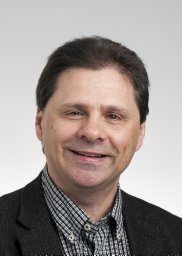 Yves de Roten合作论文数Department of Psychiatry, Division of Psychotherapy Research Lausanne11
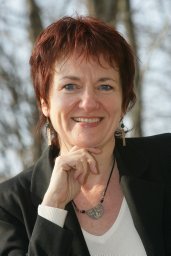 Brenda Spencer合作论文数INSERM U 292, Hôpital de Bicêtre9Patrick Bodenmann合作论文数9
 Christine Cohidon合作论文数7Jacques Cornuz合作论文数7Ilario Rossi合作论文数6Madeleine Baumann合作论文数6Daniela Cerqui合作论文数6Guessous Idris合作论文数6
 Jacques Gaume合作论文数6
 Marc Jamoulle合作论文数5
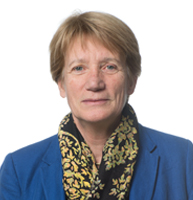 Béatrice Desvergne合作论文数Center for Integrative Genomics, Faculty of Biology and Medicine, Universite De Lausanne5Nicolas Senn合作论文数5
 Sophia Chatelard合作论文数4Anouk Déruaz-Luyet合作论文数4mariechristine bonnamour合作论文数4N'Goran Alexandra A合作论文数4Thomas Bischoff合作论文数4Valentina Strammiello合作论文数3Robin Chenal合作论文数3Blaise Genton合作论文数3Regula Cardinaux合作论文数3Hofner Marie-Claude合作论文数3
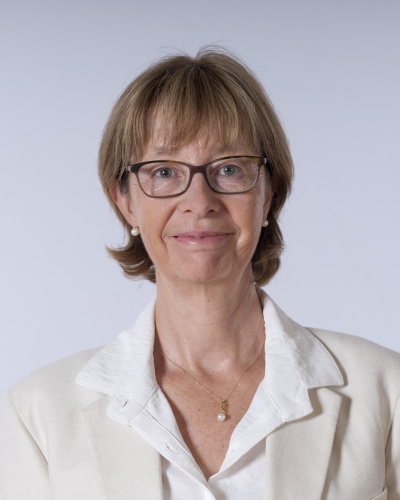 Dagmar M. Haller合作论文数Institut Universitaire de Médecine de Famille et de L'enfance, Faculté de Médecine, Geneva University;Department of General Practice, The University of Melbourne3Bonvin Raphael合作论文数3
 Andreas Zeller合作论文数3Diserens C合作论文数3Alexandre Ronga合作论文数2Sébastien Jotterand合作论文数2jorge bernstein合作论文数2Danièle Lefebvre合作论文数2Mariana Mariño合作论文数2Niklas Hedberg合作论文数2I Saeterdal合作论文数2Jordi Llinares Garcia合作论文数2Ryan Tandjung合作论文数2Anne Willemsen合作论文数2Chantal Belorgey合作论文数2Michel Roland合作论文数2
 Carla Vaucher合作论文数2
 Marc Vanmeerbeek合作论文数2




