BACKGROUND AND AIM:Seasonal changes, particularly increased daylight exposure, are known to influence dopamine transporter (DAT) availability, potentially affecting mood disorders such as major depressive disorder (MDD). This study aimed to evaluate seasonal variations in the striatum using ¹²³I-FP-CIT SPECT in patients with MDD, and examine associations with specific psychopathological symptoms. METHODS:In this retrospective study, DAT SPECT scans from 85 patients with MDD were analyzed according to the season of imaging-fall-winter (FW) or spring-summer (SS). Psychometric assessments included the Hamilton Depression Rating Scale (HAMD), Hamilton Anxiety Rating Scale (HAMA), Snaith-Hamilton Pleasure Scale (SHAPS), and Depression Retardation Rating Scale (DRRS). RESULTS:No overall differences in DAT availability were observed between FW and SS. However, anhedonia levels were higher in FW (p = 0.050). Patients with severe depression (HAMD ≥ 25) showed lower DAT availability in the left putamen, especially during SS (p = 0.014). Patients with marked psychomotor retardation (DRRS ≥ 18) exhibited reduced DAT availability in the left putamen (p = 0.002), with further reductions across all striatal regions during SS. Patients with suicidal ideation showed decreased DAT in the right (p = 0.029) and left putamen (p = 0.015). A negative correlation was found between DRRS scores and left putamen DAT availability (p = 0.034). CONCLUSION:Reduced DAT availability is associated with key depressive symptoms, notably psychomotor retardation and suicidal ideation. Seasonal effects, especially in the SS period, may exacerbate dopaminergic dysregulation. These findings support integrating seasonal and neurobiological factors in the assessment and management of severe MDD.
Purpose This review aims to provide an overview of current knowledge and future perspectives on sentinel node biopsy in gynaecological cancers. Methods Literature research in the PubMed/MEDLINE database was carried out to identify relevant studies on sentinel node biopsy in gynaecological cancers. We selected only original studies, published in the English language and including a minimum of nine patients. Results The most relevant results on sentinel node biopsy in gynaecological cancers were summed up, focusing on clinical indications, technical aspects, preoperative and intraoperative procedures and the latest technological advances. Conclusion Sentinel node biopsy has been widely validated in well-selected patients with early-stage vulvar, cervical and endometrial cancers. It is essential to standardise the acquisition protocol, including SPECT/CT imaging, for an improved surgical planning and a personalised approach. Recent technological advances, such as hybrid tracers and intraoperative tools, may efficiently guide gynaecological cancer surgery.
Treatment with L-3,4-dihydroxyphenylalanine (L-Dopa) compensates for decreased striatal dopamine (DA) levels and reduces Parkinson’s disease (PD) symptoms. However, during disease progression, L-Dopa-induced dyskinesia (LID) develops virtually in all PD patients, making the control of PD symptoms difficult. Thus, understanding the mechanisms underlying LID and the control of these motor abnormalities is a major issue in the care of PD patients. From experimental and clinical studies, a complex cascade of molecular and cellular events emerges, but the primary determinants of LID are still unclear. Here, with a translational approach, including four animal models and a wide cohort of PD patients, we show that striatal DA denervation is the major causal factor for the emergence of LID, while α-synuclein aggregates do not seem to play a significant role. Our data also support the concept that maladaptive basal ganglia plasticity is the main pathophysiological mechanism underlying LID.
BACKGROUND:Behavioral and neuropsychological functions are frequent long-term sequelae of severe traumatic brain injury (TBI). Neuropeptides, such as nerve growth factor (NGF), can enhance neurogenesis and improve cognitive functions after TBI, playing a pivotal role in neuroplasticity. A limited number of studies documented the safety and efficacy of intranasal NGF administration in children with severe TBI. CASE REPORT:A fourteen-year-old boy with a diffuse axonal injury secondary to severe TBI was treated with human-recombinant NGF administration. This patient underwent treatment with intranasal hr-NGF administration at a total dose of 50 gamma/kg, three times a day for seven consecutive days. The treatment schedule was performed for 4 cycles, at one month distance each. NGF administration improved radiologic functional assessment evaluated with positron emission tomography scan (PET) and single photon emission computed tomography (SPECT), with an important improvement in clinical conditions. Significant improvements were also observed, mainly in cognitive processes, memory, the planning of a communication strategy, execution skills, attention, and verbal expression. No side effects were reported. CONCLUSIONS:Additional studies are required to gain a deeper insight into this neurotrophin's neuroprotective function, but our findings reveal a potential efficacy of intranasal hr-NGF administration in enhancing cognitive and clinical outcomes among children with diffuse axonal injury after severe TBI.
Introduction: Dopaminergic transmission impairment has been identified as one of the main neurobiological correlates of both depression and clinical symptoms commonly associated with its spectrum such as anhedonia and psychomotor retardation. Objectives: We examined the relationship between dopaminergic deficit in the striatum, as measured by I-123-FP-CIT SPECT imaging, and specific psychopathological dimensions in patients with major depressive disorder. Methods: To our knowledge this is the first study with a sample of >120 subjects. After check for inclusion and exclusion criteria, 121 (67 females, 54 males) patients were chosen retrospectively from an extensive 1106 patients database of 123I-FP-CIT SPECT scans obtained at the Nuclear Medicine Unit of Fondazione Policlinico Universitario Agostino Gemelli IRCCS in Rome. These individuals had undergone striatal dopamine transporter (DAT) assessments based on the recommendation of their referring clinicians, who were either neurologists or psychiatrists. At the time of SPECT imaging, each participant underwent psychiatric and psychometric evaluations. We used the following psychometric scales: Hamilton Depression Rating Scale, Hamilton Anxiety Rating Scale, Snaith Hamilton Pleasure Scale, and Depression Retardation Rating Scale. Results: We found a negative correlation between levels of depression (p = 0.007), anxiety (p = 0.035), anhedonia (p = 0.028) and psychomotor retardation (p = 0.014) and DAT availability in the left putamen. We further stratified the sample and found that DAT availability in the left putamen was lower in seriously depressed patients (p = 0.027) and in patients with significant psychomotor retardation (p = 0.048). Conclusion: To our knowledge this is the first study to have such a high number of sample. Our study reveals a pivotal role of dopaminergic dysfunction in patients with major depressive disorder. Elevated levels of depression, anxiety, anhedonia, and psychomotor retardation appear to be associated with reduced DAT availability specifically in the left putamen.
The role of dopamine in the pathophysiology of gambling disorder (GD) remains incompletely understood, with disparate research findings concerning presynaptic and postsynaptic structures and dopaminergic synthesis. The aim of this study was to investigate potential correlations between striatal dopamine transporter (DAT) lateralization and asymmetry index, as assessed by 123I-FP-CIT SPECT, and temperamental traits, as measured by Cloninger’s Temperament and Character Inventory (TCI), in GD subjects. Significant associations were found between DAT binding asymmetries in the caudate and putamen and the temperamental dimensions of harm avoidance and novelty seeking. Specifically, high novelty seeking scores correlated with increased DAT binding in the left caudate relative to the right, whereas higher harm avoidance scores corresponded to increased DAT binding in the right putamen relative to the left. These observations potentially imply that the asymmetry in DAT expression in the basal ganglia could be an outcome of hemispheric asymmetry in emotional processing and behavioural guidance. In summary, our study provides evidence supporting the relationship between DAT asymmetries, temperamental dimensions and GD. Future investigations could be directed towards examining postsynaptic receptors to gain a more comprehensive understanding of dopamine's influence within the basal ganglia circuit in disordered gambling. If confirmed in larger cohorts, these findings could have substantial implications for the tailoring of individualized neuromodulation therapies in the treatment of behavioural addictions.
Positron Emission Tomography (PET) and Single Photon Emission Computerized Tomography (SPECT) allow the in-vivo evaluation of brain dopaminergic pathways’ integrity and functionality. A systematic review of published literature was performed to determine the usefulness of PET and SPECT for the assessment of dopaminergic pathways in patients with Huntington’s Disease (HD). PubMed/Medline databases were searched to identify studies responding to our aim. Included articles were appraised using the Quality Assessment of Diagnostic Accuracy Studies criteria. Evaluation and discussion of data was then designed to assist clinicians identifying when (during patients’ course of the disease), how (through PET or SPECT) and why (depending on the findings) it would be useful to perform a functional assessment of dopaminergic pathways in patients with manifest and pre-manifest HD. Of 572 articles found, 33 were included in this systematic review, 6 among which evaluated the application of SPECT, and 27 the application of PET. Overall, there was an agreement in reporting dopaminergic system degeneration at both striatal and extra-striatal levels, often correlated with clinical and neuropsychological parameters. The non-linear progressive reduction of presynaptic dopamine transporter, vesicular monoamine transporter-2, or of post-synaptic dopamine receptors D1 and D2 was constantly described having a high potential of offering sensitive biomarkers of disease progression and response to disease-modifying interventions. Despite limited literature data, this systematic review revealed that SPECT and PET are useful to monitor different aspects of striatal and extra-striatal dopaminergic pathways degeneration during all stages of HD and may serve for response to disease-modifying interventions assessment.
Sentinel node biopsy (SNB) is routinely performed in patients with melanoma, breast cancer, gynaecological malignancies and oral cavity squamous cell carcinoma, but not for eyelid and conjunctival tumours. Several studies have demonstrated the feasibility and safety of the procedure, therefore this mini-review aimed to analyse the current knowledge about radioguided SNB in eyelid and conjunctival tumours. We identified the most relevant clinical studies on SNB performed with radiotracers in eyelid and conjunctival tumours, providing technical and methodological information. We included a total of nine studies, employing 99mTc-sulphur colloid or albumin nanocolloids. In three studies, SPECT/CT was performed, which was helpful in defining the number and sites of the sentinel nodes and their relationship with adjacent anatomical structures. The sentinel node was identified in most studies (imaging detection rate from 82 to 100
Background Severe traumatic brain injury (TBI) is one of the most dramatic events in pediatric age and, despite advanced neuro-intensive care, the survival rate of these patients remains low. Children suffering from severe TBI show long-term sequelae, more pronounced in behavioral, neurological and neuropsychological functions leading to, in the most severe cases, an unresponsive wakefulness syndrome (UWS). Currently, no effective treatments can restore neuronal loss or produce significant improvement in these patients. In experimental animal models, human- recombinant Nerve Growth Factor (hr-NGF) promotes neural recovery supporting neuronal growth, differentiation and survival of brain cells and up-regulating the neurogenesis-associated processes. Only a few studies reported the efficacy of intranasal hr-NGF administration in children with post- traumatic UWS. Methods Children with the diagnosis of post-traumatic UWS were enrolled. These patients underwent a treatment with intranasal hr-NGF administration, at a total dose of 50 gamma/kg, three times a day for 7 consecutive days. The treatment schedule was performed for 4 cycles, at one month distance each. Neuroradiogical evaluation by Positron Emission Tomography scan (PET), Single Photon Emission Computed Tomography (SPECT), Electroencephalography (EEG), and Power Spectral Density (PSD) was determined before the treatment and one month after the end. Neurological assessment was also deepened by using modified Ashworth Scale, Gross Motor Function Measure, and Disability Rating Scale. Results Three children with post-traumatic UWS were treated. hr-NGF administration improved functional (PET and SPECT) and electrophysiological (EEG and PSD) assessment. Also clinical conditions improved, mainly for the reduction of spasticity and with the acquisition of voluntary movements, facial mimicry, attention and verbal comprehension, ability to cry, cough reflex, oral motility, and feeding capacity, with a significant improvement of their neurological scores. No side effects were reported. Conclusion These promising results and the ease of administration of this treatment make it worthwhile to be investigated further, mainly in the early stages from severe TBI and in patients with better baseline neurological conditions, to explore more thoroughly the benefits of this new approach on neuronal function recovery after traumatic brain damage.
There is increasing evidence that chronic endotheliopathy can play a role in patients with Post‐Covid Condition (PCC, or Long Covid) by affecting peripheral vascularization. This pilot study aimed at assessing lung perfusion in children with Long‐COVID with 99mTc‐MAA SPECT/CT.
Purpose This mini-review aims to provide an overview of the current role of molecular imaging to guide surgery in patients with breast cancer, in non-palpable primary tumours as well as in the management of the axilla in early-stage cancers and when patients receive neoadjuvant systemic therapy. Methods Literature research in the PubMed/MEDLINE database was carried out to identify relevant studies evaluating molecular imaging to guide surgery in breast cancers including molecular breast imaging; breast-specific PET systems; radioguided occult lesion localisation; sentinel node and occult lesion localisation; radioactive seed localisation; sentinel lymph node biopsy and marking axillary lymph nodes with radioactive iodine seeds procedure. Results We summarised the most relevant results on molecular imaging to guide surgery in breast cancers focusing on indications, technical aspects, accuracy and future perspectives. Conclusions Several interventional nuclear medicine techniques are currently available for the management of patients affected by breast cancer in different clinical settings. They provide diagnostic advantages in sub-centimetric lesions or low-grade tumours and help to guide biopsy, also identifying the area with the highest degree of perfusion or metabolism. Nevertheless, some of them are too expensive and not widely spread in hospitals or clinicians still lack confidence in their usage. Further studies are needed to optimise their role in everyday clinical practice.
Background Out-of-hospital cardiac arrest (OHCA) is one of the most dramatic events in pediatric age and, despite advanced neurointensive care, the survival rate remains low. Currently, no effective treatments can restore neuronal loss or produce significant improvement in these patients. Nerve Growth Factor (NGF) is a neurotrophin potentially able to counteract many of the deleterious effects triggered by OHCA. Transcranial Direct Current Stimulation (tDCS) has been reported to be neuroprotective in many neurological diseases, such as motor deficit and cognitive impairment. Children with the diagnosis of chronic vegetative state after OHCA were enrolled. These patients underwent a combined treatment of intranasal administration of human recombinant NGF (hr-NGF), at a total dose of 50 gamma/kg, and tDCS, in which current intensity was increased from zero to 2 mA from the first 5 s of stimulation and maintained constant for 20 min. The treatment schedule was performed twice, at one month distance each. Neuroradiogical evaluation with Positron Emission Tomography scan (PET), Single Photon Emission Computed Tomography (SPECT), Electroencephalography (EEG) and Power Spectral Density of the brain (PSD) was determined before the treatment and one month after the end. Neurological assessment was deepened by using modified Ashworth Scale, Gross Motor Function Measure, and Disability Rating Scale. Results Three children with a chronic vegetative state secondary to OHCA were treated. The combined treatment with hr-NGF and tDCS improved functional (PET and SPECT) and electrophysiological (EEG and PSD) assessment. Also clinical conditions improved, mainly for the reduction of spasticity and with the acquisition of voluntary finger movements, improved facial mimicry and reaction to painful stimuli. No side effects were reported. Conclusions These promising preliminary results and the ease of administration of this treatment make it worthwhile to be investigated further, mainly in the early stages from OHCA and in patients with better baseline neurological conditions, in order to explore more thoroughly the benefits of this new approach on neuronal function recovery after OHCA.
We describe 3 children with new-onset neurocognitive problems after coronavirus disease 2019 (COVID-19), that showed, at the brain [18F]-fluorodeoxyglucose positron emission tomography/computed tomography, hypometabolism in the left orbito-frontal region. The voxel-wise analysis confirmed a cluster of hypometabolic voxels in this region with a peak at −18/46/−4mm (179 voxels, T-Score 8.1). These findings may explain neurocognitive symptoms that some children develop after COVID-19 and require further investigations
Purpose The aim of this mini-review is to discuss the possible role of radioguided surgery in brain tumours and, in particular, in gliomas. Methods A research in the PubMed/Medline database was carried out to identify relevant studies evaluating radioguided surgery in brain tumours. Results Radioguided surgery results using gamma (γ)-emitting tracers and γ-detection probes were summarised. Most importantly, the review included preliminary findings with novel approaches, particularly those relying on the use of beta (β) − emitting isotopes and a dedicated β probe. Conclusion Although few data are available in the current literature, the use of β probes could be useful to accurately identify surgical margins in brain tumours. Nevertheless, further in vivo studies are required.
We describe 3 children with new-onset neurocognitive problems after coronavirus disease 2019 (COVID-19), that showed, at the brain [18F]-fluorodeoxyglucose positron emission tomography/computed tomography, hypometabolism in the left orbito-frontal region. The voxel-wise analysis confirmed a cluster of hypometabolic voxels in this region with a peak at -18/46/-4mm (179 voxels, T-Score 8.1). These findings may explain neurocognitive symptoms that some children develop after COVID-19 and require further investigations
Background Hereditary spastic paraplegia (HSP) include various sporadic and hereditary neurodegenerative disorders, characterized by progressive spasticity and weakness of lower limbs, possibly associated to additional features. Case presentation We report a male HPS patient in his 40 s, showing mental retardation associated with language impairment, dysarthria, and increased urinary frequency. Three months after treatment with electric chronic high-frequency cervical spinal cord stimulation (HF-SCS), he showed an amelioration of motor symptoms (lower limbs spasticity and gait), dysarthria, cognitive functioning (language and constructive praxic abilities), and urinary symptoms (decreased urinary frequency). Single-photon emission computed tomography (SPECT) showed a postoperative increase of cerebral perfusion in right frontal cortex and temporal cortex bilaterally. Conclusion In our patient, HF-SCS might have induced an activation of ascending neural pathways, resulting in changes in activity in various cortical areas (including sensory-motor cortical areas), which may give rise to a modulation of activity in spared descending motor pathways and in neural networks involved in cognitive functions, including language. Although further studies in patients with HPS are needed to clarify whether HF-SCS can be a suitable treatment option in HSP, our observation suggests that HF-SCS, a minimally invasive neurosurgical procedure, might induce beneficial effects of on various symptoms of such orphan disease.
 Cocciolillo Fabrizio合作论文数50Giovanni Camardese合作论文数35
 Venanzio Valenza合作论文数Department of Nuclear Medicine (DDG, GDR, VV),, Catholic University32
 Antonio Giordano合作论文数Sbarro Institute for Cancer Research and Molecular Medicine, Temple University;Center for Biotechnology, College of Science & Technology, Temple University;Department of Pathology & Oncology, University of Siena19I. Bruno合作论文数18Bentivoglio Anna Rita合作论文数Ist Neurol, Univ Cattolica Sacro Cuore18Gabriella Colicchio合作论文数17
 Carmen Barba合作论文数16Alessandro Giordano合作论文数16Giovanni Addolorato合作论文数15
 Alfonso Fasano合作论文数Institute of Medical Science, Temerty Faculty of Medicine, University of Toronto;Krembil Research Institute;Department of Medicine, Temerty Faculty of Medicine, University of Toronto14
 Mauro Pettorruso合作论文数12G. Perotti合作论文数11
 Daniela Fortini合作论文数Dept Infect Dis, Ist Super Sanita10Carla Piano合作论文数10Pucci Lorella合作论文数9Fabio Papacci合作论文数9Isabella Bruno合作论文数9Antonio Chiaretti合作论文数8Filomena Fuggetta合作论文数8
 Antonio Mirijello合作论文数8Pietro Bria合作论文数8
 Luigi Janiri合作论文数7M. L. Calcagni合作论文数7
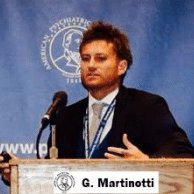 Giovanni Martinotti合作论文数Institute of Psychiatry, Catholic University of the Sacred Heart7Marco Di Nicola合作论文数7Maria Lucia Calcagni合作论文数7
 Giorgio Treglia合作论文数7D. P. Dambra合作论文数6Luca Zagaria合作论文数6di Nardo W合作论文数6Gabriele A Vassallo合作论文数6
 Mario Meglio合作论文数6Lorenzo Mosca合作论文数6Gaetano Paludetti合作论文数6
 Domenico Policicchio合作论文数6Marzia Soligo合作论文数6
 Anna Ferrulli合作论文数6Germano Perotti合作论文数6G. DE ROSSI合作论文数5
 Luigi Manni合作论文数5C Focacci合作论文数5M. Totaro合作论文数5
 Marco Diana合作论文数Univ Sassari, Dept Drug Sci, G Minardi Lab Cognit Neurosci, I-07100 Sassari, Italy5Collarino Angela合作论文数5Pizzuto Daniele Antonio合作论文数5Antonio Gasbarrini合作论文数Department of Internal Medicine, Gemelli Hospital of Rome, School of Medicine of Rome, Cathlolic University of Milan5
 Antonio Daniele合作论文数Istituto di Neurologia Policlinico Universitario “A. Gemelli”,5




