Supplementary Tables S1-3. Supplementary Table S1 Description of the characteristics by study. Supplementary Table S2 Associations between confounders and body mass index and the weighted genetic risk score among controls. Supplementary Table S3 Odds ratios (OR) and 95% confidence intervals (CI) for the association between a 1-unit increase in the weighted genetic risk score (the instrumental variable [IV]) and risk of colorectal cancer.
Supplemental Table 3. Environmental Factors and colorectal cancer: associations by study design
Supplementary Figure 1 from Haplotype and Cell Proliferation Analyses of Candidate Lung Cancer Susceptibility Genes on Chromosome 15q24-25.1
Supplementary Table S1. Descriptive factors for KP study population, broken down by study. Supplementary Table S2. Genome-wide significant SNPs found in our cohort. Supplementary Table S3. Cis-eQTL expression of rs4646284. Supplementary Table S4. Results at the 105 loci previously found to be associated with prostate cancer. Supplementary Table S5. Risk score of and variance explained by the 105 previously reported hits. Supplementary Figure S1. Manhattan and Q-Q plots of each race/ethnicity and meta-analysis. Supplementary Figure S2. Local plots of novel replicated rs4646284 and suggestive rs2659124. Supplementary Figure S3. Cis-eQTL of SLC22A1 and SLC22A3. Supplementary Figure S4. Comparison of ORs of KP to previous reports by race/ethnicity. Supplementary Figure S5. KP AUC estimates.
Translation on this Article from Fine Mapping of Chromosome 6q23-25 Region in Familial Lung Cancer Families Reveals RGS17 as a Likely Candidate Gene
Supplementary Figure 1, Tables 1-4 from A Second Genetic Variant on Chromosome 15q24-25.1 Associates with Lung Cancer
<p>Supplementary Table 1. Number of cohorts with participants from the catchment area. The catchment areas are defined as the geographical location from where participants are recruited. Supplementary Figure 1. Breakdown of NCI-awarded grants to participating cohorts. A) Funding mechanism of awarded grants, shown as percent of total NCI awarded grants (n=407). B) Categorization of investigator initiated grants funded by NCI, shown as percent of R-series awarded grants (n=283). Supplementary Figure 2. Distribution of NCI-funded grants (n=407) categorized by cancer activity code. Data retrieved from Portfolio Management Application (PMA) 16.1 on Wednesday August 19, 2015.</p>
Contains more detailed information on the individual cohorts contributing to the study and their genotyping results; Supplemental Tables 1 and 2
PDF - 121KB, Exclusion Criteria for Scoring by Scientific Area and Translational Stage, Comparison of Translational Stage of CEC versus non-CEC associated cancer genetics papers, Acknowledgement of CEC contributions in associated papers. Table 1: Scientific areas, their definitions, and examples from the literature analysis. Table 2: Acknowledgment CEC contributions in 472 papers, associated with 4 established CEC, by acknowledgement type.
Supplementary Figure 1 from Identification of a Novel Tumor Suppressor Gene p34 on Human Chromosome 6q25.1
Purpose The incidence of colorectal cancer (CRC) is rising in people under age 50 (early-onset). Early-onset survivors face CRC during a critical point in their lives; many are establishing their families and careers. We sought to identify the unmet needs in a sample of early-onset CRC survivors and the resources they desired to address those needs. Methods We conducted a mixed methods study where participants completed the Cancer Survivors Unmet Needs (CaSUN) survey and a subsequent qualitative interview to expand on their unmet needs and desired resources. Results A total of 12 CRC survivors participated and 83% identified at least one unmet need, with an average of 13 unmet needs reported. Unmet needs were identified across every domain of the CaSUN measure, most commonly in the existential survivorship domain. Qualitative results demonstrated that survivors need more resources tailored for people their age and additional support for their families, including young children. Conclusion Early-onset CRC survivors’ needs are framed by the stage of their lives in which they are diagnosed, and the demand for interventions to support these survivors will continue to rise. The results of this study can inform future, tailored interventions for early-onset CRC survivors with substantial needs.
PDF - 27KB, Percentage of CEC papers published each year that are linkage studies or GWAS.
Supplementary Tables 1-7 from Cumulative Effect of Multiple Loci on Genetic Susceptibility to Familial Lung Cancer
PDF file - 135K, Forest plot for the association between time since quit smoking and risk of colorectal cancer
 John Hopper合作论文数Centre for Epidemiology and Biostatistics, School of Population Global Health, The University of Melbourne48
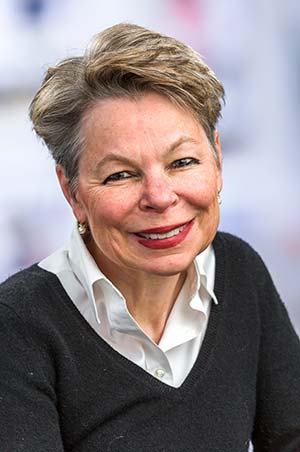 Polly Newcomb合作论文数Public Health Sciences Division, Fred Hutchinson Cancer Center43
 Casey Graham合作论文数43
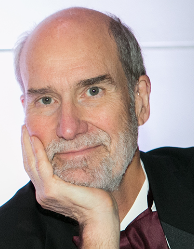 John Potter合作论文数Department of Epidemiology, School of Public Health, University of Washington42
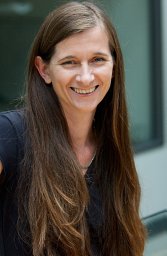 Ulrike Peters合作论文数Department of Epidemiology, School of Public Health, University of Washington41
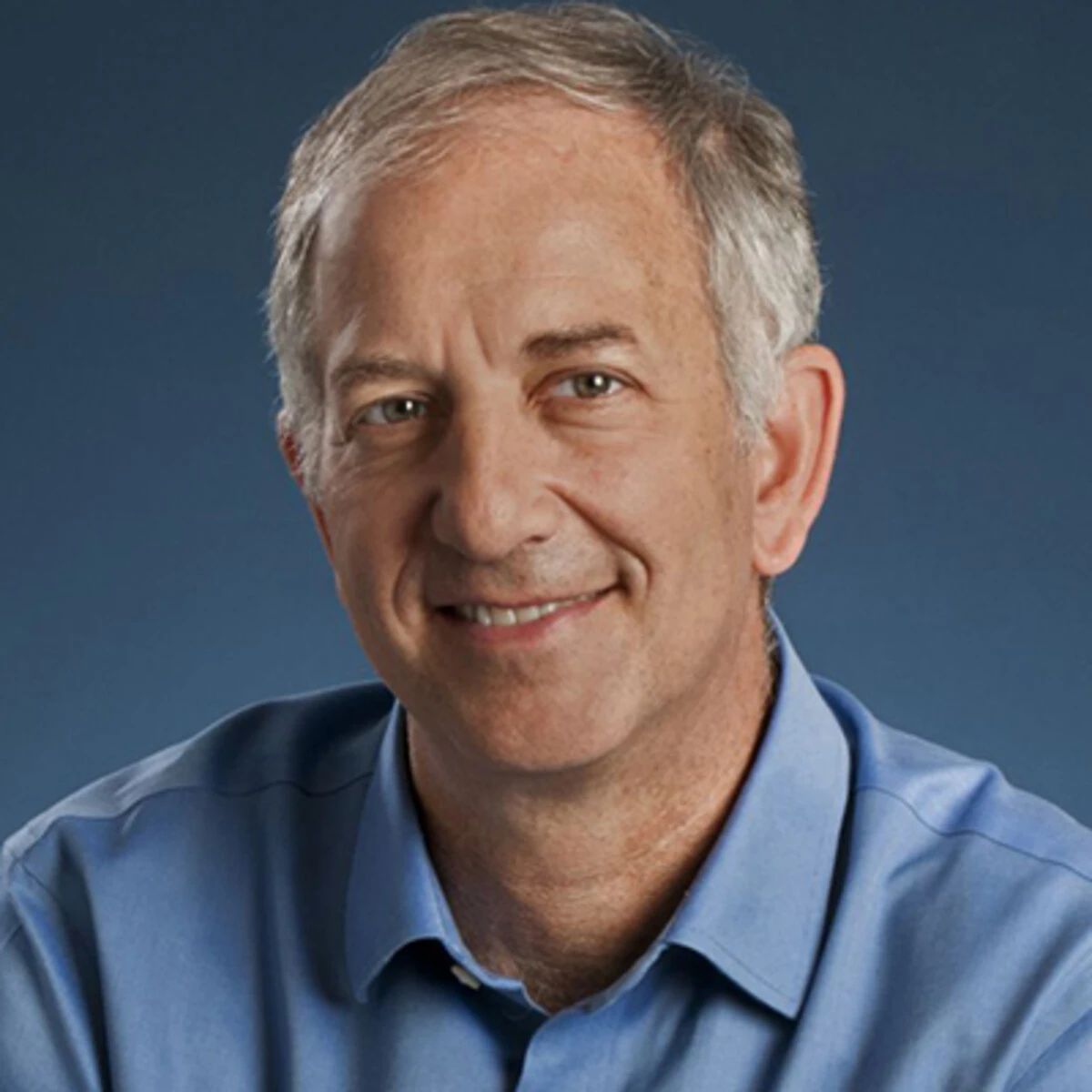 Steven Gallinger合作论文数Department of Surgery, Temerty Faculty of Medicine, University of Toronto39
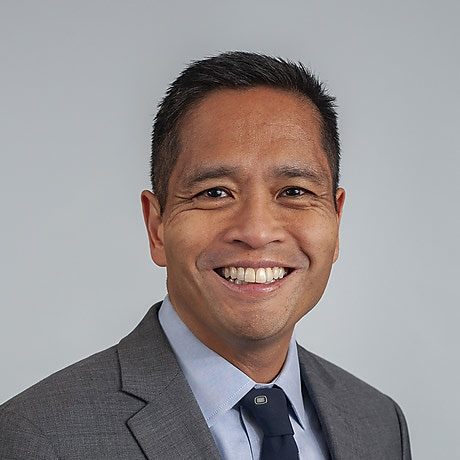 Andrew Chan合作论文数Clinical and Translational Epidemiology Unit, Massachusetts General Hospital;Mass General Cancer Center, Massachusetts General Hospital37
 Hermann Brenner合作论文数Division of Clinical Epidemiology and Aging Research, German Cancer Research Center, Heidelberg University37
 Jenny Chang-Claude合作论文数Division of Cancer Epidemiology, German Cancer Research Center37
 Robert E. Schoen合作论文数Division of Gastroenterology, Hepatology and Nutrition, Department of Medicine, School of Medicine, University of Pittsburgh36Martha L. Slattery合作论文数36
 Li Hsu合作论文数Fred Hutchinson Canc Res Ctr, Div Publ Hlth Sci, 1124 Columbia St, Seattle, WA 98104 USA35
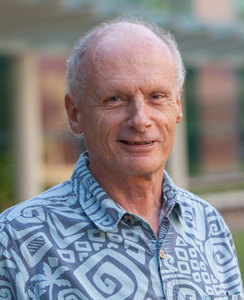 Le Marchand Loïc合作论文数University of Hawaiʻi Cancer Center;John A. Burns School of Medicine, University of Hawaiʻi at Mānoa35
 Emily White合作论文数School of Public Health, University of Washington34
 Tabitha A. Harrison合作论文数Genetic Services Section, Washington State Department of Health34
 Richard B. Hayes合作论文数Department of Population Health, Grossman School of Medicine, New York University33
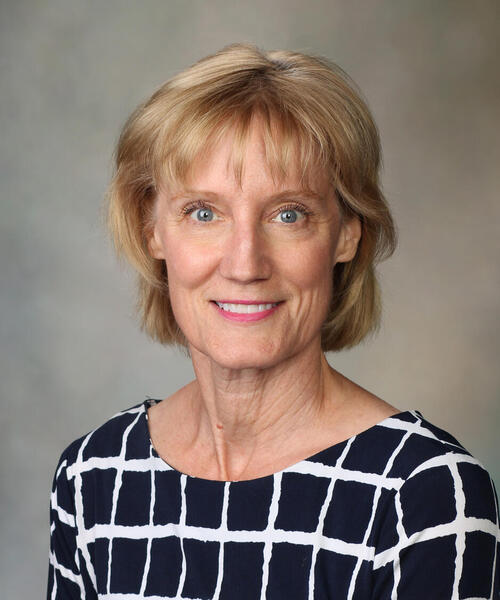 Noralane M. Lindor合作论文数Mayo Clinic33
 David Duggan合作论文数Translat Genom Res Inst32
 Stephen J. Chanock合作论文数Division of Cancer Epidemiology & Genetics, National Cancer Institute, National Institutes of Health32Michael Hoffmeister合作论文数31
 Mark A. Jenkins合作论文数Centre for Epidemiology and Biostatistics, School of Population and Global Health, University of Melbourne31
 Bette J. Caan合作论文数Division of Research, Kaiser Permanente Northern California30
 Sonja Berndt合作论文数Occupational and Environmental Epidemiology Branch, Division of Cancer Epidemiology & Genetics, National Cancer Institute, National Institutes of Health29
 Edward Giovannucci合作论文数Department of Epidemiology, Harvard T.H. Chan School of Public Health, Harvard University;Department of Nutrition, Harvard T.H. Chan School of Public Health, Harvard University27
 Stephen N. Thibodeau合作论文数Laboratory Medicine and Pathology, Mayo Clinic27
 Fredrick R. Schumacher合作论文数Department of Population and Quantitative Health Sciences, School of Medicine, Case Western Reserve University;Population and Cancer Prevention Program, Case Comprehensive Cancer Center, Case Western Reserve University;Cleveland Institute for Computational Biology, Case Western Reserve University25
 Robert Haile合作论文数Division of Population Sciences, Cedars-Sinai;Cancer Research Center for Health Equity, Cancer Institute, Cedars-Sinai25
 Carolyn M. Hutter合作论文数Office of Strategic Coordination, Division of Program Coordination, Planning, and Strategic Initiatives, Office of the Director, National Institutes of Health24
 Cornelia Ulrich合作论文数School of Medicine, University of Utah;Department of Population Health Sciences, University of Utah;Department of Pathology, University of Utah23
 Charles S. Fuchs合作论文数Genentech and Roche;EvolveImmune Therapeutics23
 John A. Baron合作论文数Geisel School of Medicine, Dartmouth College;Department of Epidemiology, Gillings School of Public Health, University of North Carolina;School of Medicine, University of North Carolina23
 Jian Gong (龚健)合作论文数Xiangya Hosp 2, Cent South Univ22
 Peter T. Campbell合作论文数Department of Epidemiology, American Cancer Society22
 Michelle Cotterchio合作论文数Epidemiology Division, Dalla Lana School of Public Health, University of Toronto21
 Brian E. Henderson合作论文数Department of Preventive Medicine, Keck School of Medicine, University of Southern California21Mathieu Lemire合作论文数21Brent Zanke合作论文数20
 Thomas J. Hudson合作论文数AbbVie19
 Gloria M. Petersen合作论文数Comprehensive Cancer Center, Mayo Clinic18
 Chris Carlson合作论文数Department of Epidemiology, School of Public Health, University of Washington18
 Shuo Jiao (焦硕)合作论文数College of Natural Resources and Environment, Northwest A&F University18
 David J. Hunter合作论文数Department of Epidemiology, Harvard T.H. Chan School of Public Health, Harvard University;University of Oxford18
 John P.A. Ioannidis合作论文数School of Medicine, Stanford University;Stanford Prevention Research Center, Stanford University18
 Stéphane Bézieau合作论文数Service de Génétique Médicale, Centre Hospitalier Universitaire de Nantes17
 Peter Kraft合作论文数Department of Epidemiology, Harvard T.H. Chan School of Public Health, Harvard University;Department of Biostatistics, Harvard T.H. Chan School of Public Health, Harvard University17Anja Rudolph合作论文数German Cancer Research Center, German Cancer Research Center17
 Laurence N. Kolonel合作论文数Cancer Center, University of Hawaiʻi;Department of Public Health Sciences, University of Hawaiʻi17
 Muin Khoury合作论文数Office of Public Health Genomics, Centers for Disease Control and Prevention;Department of Epidemiology, Bloomberg School of Public Health, Johns Hopkins University;Department of Epidemiology, Rollins School of Public Health, Emory University17Mengmeng Du合作论文数16




