Heat stress promotes the formation of unreduced (2n) male gametes through meiotic restitution, a driving force of evolutionary polyploidization. Here we report that the molecular mechanism underlying heat tolerance of the meiotic division program in Arabidopsis thaliana relies on sustained protein translation of cell cycle genes. By leveraging natural variation in the Arabidopsis population, we identified heat-sensitive and heat-tolerant alleles of TARDY ASYNCHRONOUS MEIOSIS/CYCLIN A1;2 (TAM). We show that TAM associates with specialized biomolecular condensates in meiotic cells under high temperatures. Through a mechanism that involves THREE DIVISION MUTANT1 (TDM1), TAM is required to maintain the translation of key meiotic cell cycle genes, including its own, thus preventing premature exit from meiosis under heat stress conditions. Boosting TAM translation in heat-sensitive accessions using complementary peptides is sufficient to rescue the heat-induced defects. We propose that this mechanism can play a role in polyploidization events and plant evolution in the context of the ongoing global climate change.
Belgian endive-derived biostimulant (BEE) has been previously shown to enhance root and shoot growth of Arabidopsis thaliana and Plectranthus esculentus in in vitro culturing conditions. In this study, we evaluated the effect of BEE on A. thaliana subjected to abiotic stresses and assessed the translatability of its bioactivity to lettuce (Lactuca sativa) and sweet pepper (Capsicum annuum) grown in substrate and soil. A first set of experiments tested the impact of BEE on protection during and on recovery after osmotic or salt (NaCl) stress. BEE treatment had little to no restorative effect when plants were exposed to osmotic stress. In contrast, BEE strongly promoted shoot development and leaf health under both standard and NaCl stress conditions. Under mild NaCl stress, BEE enhanced photosynthetic efficiency and chlorophyll content in Arabidopsis, whereas it did not significantly alleviate osmotic stress induced by sorbitol. To evaluate its effect under ex vitro conditions, BEE was applied via root drenching to substrate-grown A. thaliana, lettuce, and sweet pepper. BEE improved leaf greenness and photosynthesis, enhancing Arabidopsis rosette development, but did not increase lettuce head weight. In sweet pepper, BEE increased fruit yield and promoted fruit maturation. Under drought stress conditions, however, BEE application did not improve sweet pepper yield. These results indicate that in vitro BEE growth promotion is translatable to ex vitro cultivation system and its effect under stress conditions vary depending on the kind of stress. Additionally, BEE is consistent in improving photosynthesis parameters,fruit maturation and ripening.
Plant protoplast culture is a critical enabling technology for genome editing, functional genomics, and plant regeneration, yet culture medium optimization remains largely empirical due to the large number of interacting variables. Here, we implemented a sequential Design of Experiments (DoE) workflow to systematically optimize early Brassica napus protoplast culture. Fractional factorial screening identified osmolarity, 2,4-dichlorophenoxyacetic acid (2,4-D), and basal salt composition as the principal determinants of early viability among eleven candidate factors. A constrained ion-substitution approach combined with multivariate modelling further resolved basal medium effects and identified calcium availability as the dominant ionic driver of viability, leading to the selection of an MS-based formulation supplemented with calcium chloride. These factors were refined using response surface methodology with simultaneous optimization of viability, viable concentration, and early cell division. Experimental validation confirmed the predicted response trends and demonstrated that the optimized formulation increased viability and significantly improved day-14 cell mass relative to the reference medium. Together, this study demonstrates a DoE workflow for protoplast medium optimization that reduces experimental complexity while identifying biologically meaningful culture parameters, providing a practical framework for systematic protoplast culture medium optimization.
Abstract Auxin impacts on nearly every aspect of plant growth and development. Its exogenous application therefore results in pleiotropic growth responses. Exploiting this activity for plant propagation requires avoiding or minimizing such off-target effects and is generally achieved as a trade-off between toxicity and organogenetic efficacity. We recently identified the compound HYSPARIN (HYS) with potent, and uniquely selective adventitious root inductive activity. Unlike other root-inducing compounds, HYS preferentially activates auxin responses in the shoot via an unknown mechanism. Here, we show that HYS acts as a shoot-specific proauxin. Rather than acting through auxin homeostasis, we found that HYS is hydrolysed i n planta independently of ILR1/ILL amidohydrolases to release the synthetic auxin MCPA. Structure–activity relationship analysis confirmed a strong dependence on its MCPA moiety for activating auxin responses, and identified its promoiety as a determinant of shoot-specificity and activity. Selective application of MCPA also potently induces AR is consistent with a model in which HYS metabolism produces a spatially restricted, AR inductive auxin signal. The activation mechanism of HYS thus provides a conceptual framework for tissue-specific metabolic delivery of auxin and may enable the programmable delivery of other xenobiotics in plants.
In organic farming, different bioproducts such as plant extracts and compost (obtained from recycling organic waste/residues) can promote the mineral fortification of vegetables. This study evaluated the agronomic performance and nutritional effects of an on-farm compost and a liquid extract derived from basil residues on organic tomato crop over two cropping cycles (2022–2023), within a fennel – tomato crop sequence, in Mediterranean environment. The tested treatments were on-farm compost applied alone (OC) or with basil extract spraying to crops (OCex), compared to a commercial organic vegetal fertilizer (ORG-V), an unfertilized control (NF), and NF with the extract (NFex). In 2022, treatments of OCex showed fruit weights higher by 36
BACKGROUND:Protoplasts, which are plant cells devoid of cell walls, are valuable tools in plant biotechnology. However, they are highly sensitive to mechanical and osmotic stress during isolation and early culture, often leading to significant loss of viability. Reliable and efficient methods for monitoring protoplast quality are essential for downstream applications. RESULTS:We applied impedance flow cytometry to assess the viability, cell size, and early division of freshly isolated protoplasts from Arabidopsis thaliana, Brassica napus, and Beta vulgaris. This label-free technique enables fast, objective, and high-throughput assessment of individual protoplasts, allowing reliable monitoring of viability and early division in large populations. Importantly, IFC-derived viability metrics strongly correlated with microcallus formation, demonstrating their predictive value for culture competence. CONCLUSIONS:Impedance flow cytometry provides a robust, efficient and reproducible method for characterizing protoplast cultures. It enables rapid assessment of viability and growth potential, supporting quality control and optimization in plant cell culture workflows.
Sterols are produced via complex, multistep biosynthetic pathways involving similar enzymatic conversions in plants, animals, and fungi, yielding a variety of sterol metabolites with slightly different chemical properties to exert diverse and specific functions. A tremendously diverse landscape of sterols, and sterol-derived compounds can be found across the plant kingdom, determining a wide spectrum of functions. Resolving the underlying biosynthetic pathways is thus instrumental to understanding the function and use of these molecules. In only a few plants, sterol biosynthesis has been studied using mutants. In non-model species, a pharmacological approach is required. However, this relies on only a few inhibitors. Here, we investigated a collection of inhibitors of mammalian cholesterol biosynthesis to identify new inhibitors of plant sterol biosynthesis. We showed that imidazole-type fungicides, bifonazole, clotrimazole, and econazole, inhibited the obtusifoliol 14α-demethylase CYP51 in plants. Moreover, we found that the selective estrogen receptor modulator, clomiphene, inhibited sterol biosynthesis in part by inhibiting the plant-specific cyclopropyl-cycloisomerase CPI1. These results demonstrate that rescreening of inhibitors of animal sterol biosynthesis is an easy approach for identifying novel inhibitors of plant sterol biosynthesis. The molecules used in this study expand the range of inhibitors for studying and manipulating sterol biosynthesis in the plant kingdom.
With regard to circular economy, upcycling organic waste streams to products with a biopesticidal activity represents a promising approach in integrated pest management. The current study demonstrates the induced resistance (IR) activity of seven aqueous extracts from byproducts of the Apiaceae plant family in rice to the root-knot nematode Meloidogyne graminicola. Furthermore, we unveiled that the systemic IR activity of an aqueous extract from fennel (FWE) is conserved among monocot and dicot plants and is effective against a wide range of plant pathogens as it induces resistance in rice against Pyricularia oryzae, in sugar beet against Heterodera schachtiii, in tomato against Meloidogyne incognita and in Arabidopsis against Hyaloperonospora arabidopsidis and Botrytis cinerea. The extract also showed a strong direct nematicidal activity against M. graminicola, fungicidal activity against P. oryzae and bactericidal activity against Pseudomonas syringae pv. tomato DC3000. Transcriptome analysis in combination with complementary biochemical validation in FWE-treated rice plants underlined the importance of an altered reactive oxygen species (ROS) metabolism, lignin accumulation and elevated levels of abscisic acid (ABA),indole-3-acetic acid (IAA) and jasmonic acid (JA) in FWE-treated rice plants. Lastly, bioactivity-guided fractionation and identification revealed several small organic acids such as alanine, malic acid and У-aminobutyric acid (GABA) as potential IR eliciting constituents in the extracts. To summarize, our data demonstrates high potential for valorization of Apiaceae byproduct extracts as preventive or curative plant bioprotectants in near-future eco-friendly agricultural practices.
In view of improving the circularity and sustainability of crop production, sunflower by-products were extracted using twin-screw extrusion (TSE) to produce sunflower extract, a plant biostimulant that alleviates plant shoot development under salt stress conditions. The TSE process is a thermo-mechano-chemical pre-treatment method for the separation of liquid fraction from the biofiber. To improve the cost-efficiency of extraction, we determined the key procedure of TSE extraction within the production chain for biostimulants derived from sunflower bark and heads. This study scrutinizes sample preparation and extraction methods optimizing the sunflower by-product biorefinery, reducing energy input and maximal recovery of biostimulant activity. Optimal extraction conditions were obtained with starting material ground to a coarse size of 6 mm on average in alkaline aqueous solvent (pH 10) at a liquid-to-solid ratio of 5.5 injected at two different points using a 3 D length of reversed screw elements at the rotation speed of 200 rpm. These TSE settings provide a reproducible protocol for the biostimulant extraction from sunflower by-products. The optimized method contributes to improving the profitability of sunflower production and contributes to a more robust biostimulant extraction procedure.
Recycling agricultural residues to obtain production factors directly in the farm could be crucial to improve sustainability. The aim of this study was to use plant residues to produce both organic amendments (on-farm compost) and plant biostimulants (liquid extracts). They were applied on a 2-year organic fennel crop, both alone (compost on-farm - OC) and combined (compost on-farm plus parsley extract - OCex) and compared with two commercial organic fertilizers (of vegetal origin - ORG-V; and of animal origin - ORG-A) and an unfertilized control, alone (NF) and combined with the extract (NFex). On average, the agronomic performance of compost treatments was higher than the unfertilized control and comparable to ORG-V. The use of the plant extract induced a synergistic effect with the on-farm compost, likely due to the P, K, Ca, Fe, and Mg supplementation by the extract to fennel crop. This is a relevant result, particularly in the perspective of widening the number of fertilizers produced inside the farm in organic farming, thus avoiding both synthetic fertilizers and commercial organic fertilizers. Finally, on-farm compost use reduced GWP emissions, since an average value of -12.44%, compared to the commercial fertilized treatments, was found, thus suggesting environmental sustainability.
Indoor vertical farming systems require optimal growth conditions, but these conditions often induce tipburn in lettuce, a physiological disorder caused by a local calcium deficiency. While a higher photosynthetic photon flux density (PPFD) is known to increase tipburn development, the effects of light spectra are understudied. We investigated tipburn development in butterhead lettuce grown under two far-red fractions (0 and ca. 19.5 %) at two PPFDs (200 and 250 mu mol m-2 s-1). After 22 days, plants grown under the high far-red fraction showed 17.1 % and 21.9 % of tipburn-affected leaves under the low and high PPFD, respectively, compared to 0 % and 1.0 % under the low far-red fraction. Tipburn was associated with a high relative growth rate, increased electrolyte leakage and reduced calcium content in the inner leaf edges, indicating impaired calcium transport to young leaf meristems. Since the planting density decreased throughout this experiment, a follow-up trial tested two planting densities (50 and 25 plants m-2) under 200 mu mol m-2 s-1 PPFD and the same far-red fractions. A high planting density decreased the relative growth rate, but did not prevent tipburn, as symptoms were observed in 19.0 % and 27.3 % of the leaves at the low and high far-red fraction, compared to 28.0 % and 27.9 % at the low planting density. Notably, plants grown without far-red light displayed significantly milder symptoms at both densities. In conclusion, our findings indicate that the far-red fraction should be considered a significant factor contributing to tipburn in lettuce.
Plant root exudation is an inherent metabolic process that enhances various functions of the root system like the mobilization of nutrients and interactions with surrounding microbial communities. In soilless crop production, roots are temporally submerged in a nutrient solution affecting the root exudation process. In this study, we asked whether root exudation in soilless cultures is affected by culturing method and substrate composition, important factors determining the root microbial ecosystem. Exploration of different growth conditions revealed that the effect of light quality depended on the substrate used. The impact of light quality and substrate was assessed by growing soilless lettuce in 100 % red light (660 nm), 100 % blue light (450 nm), and white light (full-light spectrum) in deep flow culture, or in 100 % perlite, 100 % potting soil, or mixtures of both growing media. Root exudates were collected at different time points after transplanting. The root exudation rate declined with plant age in all culturing conditions, underscoring its importance during the early stages of development. The total carbon root exudation rate was influenced by light conditions and substrate composition at the earliest timepoint of the culture but not at later growth stages. The total carbohydrate exudation rate was significantly higher under pure blue and red light compared to white light. The impact of light depended on the presence of perlite in the substrate. The total phenolic compound exudation rate was most strongly influenced by the substrate composition and reached the highest level in either pure potting soil or pure perlite. Light and growing media influence the exudation rate at the early stage, suggesting that exudation is an adaptive process of the soilless lettuce culture.
This review discusses the use of agronomic management practices to enhance crop stress resilience to climate stress through the modulation of natural plant growth regulatory pathways. The use of biostimulants or plant hormones to improve crop resilience is subject to strict regulatory oversight if changes in the regulation of plant growth are implied. Climate change is a major threat to crop potential and is characterized by both long-term shifts in temperature and precipitation patterns as well as increased occurrence of extreme weather events, posing an immediate threat to agriculture. Breeding and exogenous inputs have been used to enhance cropping system resilience, although these management practices are either too slow or constrained by cost and availability, to address rapidly emerging climate challenges. Exogenous biostimulants, microbials and plant hormones have shown great promise as novel mechanisms to optimize natural plant resilience, resulting in immediate but non-permanent improvements in plant responses to climate-induced stresses, representing a powerful but underexplored approach to enhance crop productivity under climate stress. The use of these exogenous inputs is, however, constrained by outdated and scientifically unsound regulations that consider any such modification as pesticidal in nature. The failure to modernize regulatory frameworks for the use of biostimulants in agriculture will constrain the development of safe effective tools and deprive growers of means to respond to climate change. Here, we discuss the scientific rationale for eliminating the regulatory barriers governing biostimulants or products that modulate plant regulatory networks and propose a framework for enabling legislation to strengthen cropping system resilience.
Root metabolite secretion plays a critical role in increasing nutrient acquisition, allelopathy, and shaping the root-associated microbiome. While much research has explored the ecological functions of root exudates, their relevance to horticultural practices, particularly soilless cultivation, remains underexplored. Steering root exudation could help growers enhance the effectiveness of plant growth-promoting bacteria. This review summarizes current knowledge on root exudation in soilless systems, examining its process and discussing environmental influences in the context of soilless cultivation. Plants in soilless systems exhibit higher total carbon exudation rates compared to those in natural soils, with exudation profiles varying across systems and species. Root exudation decreases with plant age, with most environmental adaptations occurring during early growth stages. Several environmental factors unique to soilless systems affect root exudation. For instance, nutrient availability has a major impact on root exudation. Light intensity reduces exudation rates, and light quality influences exudation profiles in a species- and environment-dependent manner. Elevated CO2 and temperature increase exudation. Factors related to the hydroponic nutrient solution and growing media composition remain insufficiently understood, necessitating further research.
Reuse of plant growing substrate can contribute to lowering the carbon footprint of horticulture production systems. Here, we assessed the impact of substrate reusing on the root-associated microbiome of strawberries. The cultivars Elsanta and Malling Centenary were grown in a substrate-based hydroponic system using either fresh peat-based substrate or substrate reused up to three times, with comparisons made between not steamed and steam-treated substrate. The root-associated microbiome was analyzed using 16S rRNA gene and ITS1 DNA sequencing to determine bacterial and fungal communities. Substrate reusing without steaming increased the bacterial and fungal community diversity whereas steaming reduced the bacterial diversity and increased fungal diversity in the root-associated microbiome. The root-associated bacterial communities recruited by the two cultivars were diverse, even more so than the diversity recorded for the different times of reused substrate. These observations demonstrate the ability of strawberry to establish a genotype-specific root-associated microbiome when plants are cultured on reused substrate. The bacterial microbiome showed a higher consistency over the times substrate was reused, while the fungal community composition showed stronger adaptation to the substrate reusing. Pathogenic fungi accumulated over the reusing times, underscoring the necessity of substrate sanitation through steaming to minimize the risk of pathogen infections. Not applicable.
Climate change is a major threat to crop potential and is characterized by both long-term shifts in temperature and precipitation patterns as well as increased occurrence of extreme weather events, these extreme weather events are the most immediate and intractable threat to agriculture. Crop resilience in the face of stress depends upon the speed and effectiveness with which plants and cropping systems sense and respond to that stress. A variety of agronomic practices including breeding, exogenous inputs (nutrients, water, biostimulants and others) and shifts in cultivation practice have been used to influence plant stress response to achieve the goal of increased plant and cropping system resilience. Traditional breeding is a powerful tool that has resulted in stable and long-term cultivar improvements but is often too slow and complex to meet the diverse, complex and unpredictable challenges of climate induced stresses. Increased inputs (water, nutrients, pesticides etc.) and management strategies (cropping system choice, soil management etc.) can alleviate stress but are often constrained by cost and availability of inputs. Exogenous biostimulants, microbials and plant hormones have shown great promise as mechanisms to optimize natural plant resilience resulting in immediate but non-permanent improvements in plant responses to climate induced stresses. The failure to modernize regulatory frameworks for the use of biostimulants in agriculture will constrain the development of safe effective tools and deprive growers of means to respond to the vagaries of climate change. Here we discuss the scientific rationale for eliminating the regulatory barriers that constrain the potential for biostimulants or products that modulate plant regulatory networks to address climate change challenges and propose a framework for enabling legislation to strengthen cropping system resilience.
Meiosis is a specialized type of cell division that is crucial for the sexual reproduction of all eukaryotes. This process entails unique cellular events such as meiotic recombination and a double round of chromosome segregation, which are tightly coordinated at the molecular level. Furthermore, in plants, meiocyte development relies on tissue and organismal cues that synchronize the cell cycle between individual cells and orchestrate gamete development between the sexes. In contrast to meiosis in animal species, plant meiosis is remarkably plastic and responds to environmental stimuli, such as temperature. In this review, we provide an overview of the known mechanisms that control meiotic progression in plants. This includes the regulation of gene expression at the transcriptional, post-transcriptional, and post-translational levels and communication between meiocytes and the surrounding somatic tissue. We conclude with examples of biotechnological applications of manipulating meiotic progression and the effects of environmental stress on meiotic events, allowing for the engineering of meiotic events for the benefit of plant breeding.
Interest in the capitalization of waste biomass is steadily increasing in the last years, with many scientists involved in the valorisation of these untapped sources of specialty chemicals and energy, that would otherwise be composted or destined to landfills. In view of developing a circular economy, crop waste is an important resource of specialty chemicals for applications in agriculture. In this study, we extracted celery (Apium graveolens L.) waste biomass following a cascade of supercritical fluid extractions with increasing amounts of ethanol as co-solvent. Fractions obtained with this methodology were compared in terms of composition with an extract obtained via Soxhlet extraction employing ethyl acetate, a generally recommended organic solvent with a low toxicity. GC-MS analysis revealed the presence of many metabolites with interesting bioactivities. The comparison of the extraction methods showed that the use of hot ethyl acetate results in higher yields than SFE for the selected compounds. The addition of ethanol as a co-solvent can be instrumental for exploiting the waste material by employing a green technology such as the SFE, also affording fractions with different chemical profiles and different potential applications. Solid residues were subsequently extracted with water to obtain mannitol, a plant osmolyte with biostimulant activity. q1H NMR allowed for its quantification in different extracts, confirming celery as an excellent source of mannitol and showing that water extraction after Soxhlet or SFE is possible to obtain extracts with different potential use destinations. These techniques allowed the identification of possible valorization routes for celery waste as a biostimulant source and crop protection tool.
 De Storme Nico合作论文数Faculty of Bioscience Engineering, University of Ghent38
 Trinh hoang Khai合作论文数17
 Steffen Vanneste合作论文数Department of Plants and Crops, Faculty of Bioscience Engineering, Ghent University;Center for Plant Systems Biology, Ghent University;Center for Plant Molecular Biology, University of Tübingen17
 Dirk Inzé合作论文数Center for Plant Systems Biology, Vlaams Instituut Voor Biotechnologie16
 Johan Van Huylenbroeck合作论文数15Marcelle Holsters合作论文数13Emmy Dhooghe合作论文数13
 Daniel Van Damme合作论文数Department of Plant Biotechnology and Genetics, Ghent University13M Vanmontagu合作论文数12
 Verstraeten Inge合作论文数Faculty of bioscience engineering, Ghent University12
 Faizal Ahmad合作论文数12
 Tom Beeckman合作论文数Center for Plant Systems Biology, Flanders Institute of Biotechnology, Ghent University12
 Stefaan Werbrouck合作论文数Department of Biosciences and Landscape Architecture, University College Ghent12
 Marie-Christine Van Labeke合作论文数Department for Plant Production Coupure links, Ghent University11
 Peter Mergaert合作论文数Institute for Integrative Biology of the Cell, Centre National De La Recherche Scientifique11
 Thijs Van Gerrewey合作论文数HortiCell, Univ Ghent10
 Jing Li合作论文数9Cédric Schindfessel合作论文数9
 Michael Blatt合作论文数School of Molecular Biosciences, University of Glasgow9B Leyman合作论文数8Siel Desmet合作论文数8
 Alain Goossens合作论文数Ghent University;VIB8
 Lin Xu合作论文数8
 Guy Smagghe合作论文数Department of Plants and Crops, Faculty of Bioscience Engineering, Ghent University8Sandra Apers合作论文数8Ellen De Keyser合作论文数8
 Dirk Van Damme合作论文数Geologische Instituut, Rijksuniversiteit Gent8
 Amanda Rasmussen合作论文数School of Biosciences, Faculty of Science, The University of Nottingham7De Geyter Ellen合作论文数7Bing Liu合作论文数Childrens Canc Inst Australia Med Res7
 Sofie Goormachtig合作论文数Ghent University7
 Marleen Vanstraelen合作论文数7
 Tom Eeckhaut合作论文数7Ren Wang合作论文数6
 Jacob Pollier合作论文数ECCA6Koen Goethals合作论文数6
 Roberto A. Geremia合作论文数Bat. CERMO, Université Joseph Fourier and Centre National de la Recherche Scientifique6
 Tom Van De Wiele合作论文数Faculty of Bioscience Engineering, Ghent University;Center for Microbial Ecology and Technology, Ghent University;CRIG6
 Kenn Foubert合作论文数Department of Pharmaceutical Sciences, University of Antwerp6
 Luc Pieters合作论文数Department of Pharmaceutical Sciences, University of Antwerp6Ellen Lambert合作论文数5Robin Lardon合作论文数5Chunlian Jin合作论文数5Burcu Nur Keçeli合作论文数5
 Geert De Jaeger合作论文数比利时根特大学VIB研究所5
 Hans Motte合作论文数Departments of Applied Biosciences and;Plant Production, Ghent University;Departments of Applied Biosciences and;Plant Production, Ghent University5
 Christian Stevens合作论文数Cancer Research Institute Ghent, Ghent University;Department of Green Chemistry and Technology, Faculty of Bioscience Engineering, Ghent University5
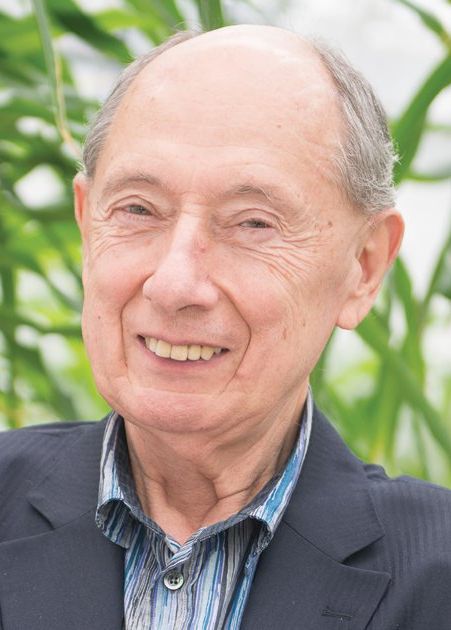 Marc Van Montagu合作论文数Department of Plant Biotechnology and Bioinformatics, Faculty of Sciences, Ghent University5
 Sven Mangelinckx合作论文数5




