Aberrant activation of EGFR in human cancers promotes tumorigenesis through stimulation of AKT signaling. Here, we determined that the discoidina neuropilin-like membrane protein DCBLD2 is upregulated in clinical specimens of glioblastomas and head and neck cancers (HNCs) and is required for EGFR-stimulated tumorigenesis. In multiple cancer cell lines, EGFR activated phosphorylation of tyrosine 750 (Y750) of DCBLD2, which is located within a recently identified binding motif for TNF receptor-associated factor 6 (TRAF6). Consequently, phosphorylation of DCBLD2 Y750 recruited TRAF6, leading to increased TRAF6 E3 ubiquitin ligase activity and subsequent activation of AKT, thereby enhancing EGFR-driven tumorigenesis. Moreover, evaluation of patient samples of gliomas and HNCs revealed an association among EGFR activation, DCBLD2 phosphorylation, and poor prognoses. Together, our findings uncover a pathway in which DCBLD2 functions as a signal relay for oncogenic EGFR signaling to promote tumorigenesis and suggest DCBLD2 and TRAF6 as potential therapeutic targets for human cancers that are associated with EGFR activation.
Pediatric brain tumors (PBTs) represent about 25% of all pediatric cancers and are the most common solid tumors in children and adolescents. Medulloblastoma (MB) is the most frequently occurring malignant PBT, accounting for almost 10% of all pediatric cancer deaths. MB Group 3 (MB G3) accounts for 25-30% of all MB cases and has the worst outcome, particularly when associated with MYC amplification. However, no targeted treatments for this group have been developed so far.Here we describe a unique high throughput screening (HTS) platform specifically designed to identify new therapies for MB G3. The platform incorporates optimized and validated 2D and 3D efficacy and toxicity models, that account for tumor heterogenicity, limited efficacy and unacceptable toxicity from the very early stage of drug discovery. The platform has been validated by conducting a pilot HTS campaign with a 1280 lead-like compound library. Results showed 8 active compounds, targeting MB reported targets and several are currently approved or in clinical trials for pediatric patients with PBTs, including MB. Moreover, hits were combined to avoid tumor resistance, identifying 3 synergistic pairs, one of which is currently under clinical study for recurrent MB and other PBTs.
Abstract BACKGROUND The combination of D2C7-IT, an antibody toxin conjugate, and anti-mouseCD40 via CED generates robust antitumor immunity by killing tumor cells, activating microglia, reversing glioma-associated microglia and macrophage (GAMM)-mediated immune suppression, and empowering polyfunctional tumor antigen-specific CD8 T cells in glioma models. In addition to reprogramming GAMMs, anti-CD40 also activated dendritic cells and induced glioma-specific T cell responses in tumor draining lymph nodes. After establishing the phase 2 dose of the combination of D2C7-IT+2141-V11 when infused via CED, we initiated an assessment of the safety and efficacy of the combination of D2C7-IT+2141-V11 CED followed by repeated subcutaneous CPLIs of 2141-V11 ipsilateral to the tumor in patients with rGBM, IDH wild-type (NCT04547777). METHODS Eligible are adult patients with solitary supratentorial rGBM; ≥4weeks after chemotherapy, bevacizumab, or investigational agent; adequate organ function; and KPS ≥70%. Patients are treated with D2C7-IT (166μg) and 2141-V11 (3mg), both infused via CED, followed by CPLI of 2141-V11 at 2mg at weeks 2 and 4 post D2C7-IT+2141-V11 CED, followed by every 3 weeks for 1 year and then every 4-6 weeks. RESULTS As of May 22, 2024, 18 patients with rGBM (median age of 54) were treated with D2C7-IT+2141-V11 CED followed by CPLIs of 2141-V11. 83% patients remain alive (range 3.3-14.8 months from start of D2C7-IT CED infusion) with a median of 8 CPLIs of 2141-V11 received (range 3-19). No study related grade 4 or 5 adverse events (AEs) were observed. Grade 3 AEs related to D2C7-IT and/or 2141-V11 include one each of hydrocephalus, headache, seizure, and cerebral edema. AEs related exclusively to CPLIs of 2141-V11 consist of grade 1 injection site reaction (n=16). CONCLUSIONS The addition of CPLIs of 2141-V11 post CED of D2C7-IT+2141-V11 is feasible and has shown an acceptable toxicity profile. The safety and efficacy results will be updated.
Abstract BACKGROUND Phase 1 and 2 clinical trials of a single intratumoral injection of LERA (previously PVSRIPO) via CED into enhancing disease of rGBM has been shown safe and prolonged survival was observed in a subgroup of patients. We are now proposing a clinical trial investigating repeated infusions of LERA via CED into the residual infiltrative disease following maximal safe resection of the enhancing component, followed by LERA-CPLI. In animal models, repeated intratumoral LERA infusions enable infection of dendritic cells (DCs) recruited by LERA, maximizes engagement of tumor-associated and CNS-resident myeloid compartments, and thus optimizes the conditions for LERA-induced tumor immune surveillance. Furthermore, preclinical data in two established cancer models support the use of LERA-CPLI to augment intratumoral therapy. MATERIAL AND METHODS Eligibility includes adult patients with a solitary supratentorial rGBM amenable to resection followed by CED infusion of LERA; ≥4 weeks after chemotherapy, bevacizumab or study drug; adequate organ function; and KPS>70%. Patients undergo maximal safe resection of the enhancing component, followed three weeks later by two, 4-day apart, CED infusions of LERA in the residual non-enhancing disease. One week later, patients initiate four weekly injections of LERA-CPLI, followed by LERA-CPLI every 3 weeks for one year. RESULTS As of 5/01/2024, three pilot patients have been treated under expanded access protocols and have completed 6, 11, and 17 LERA-CPLI, respectively, following two intracerebral LERA injections via CED. Study related adverse events include grade 1 fatigue (n=2) and grade 1 headache (n=1). CONCLUSION Repeated CED infusions of LERA followed by LERA-CPLI in three pilot rGBM patients has been shown safe and feasible. Updates on the formal trial proposed to enroll up to 86 patients will be provided.
Figure S1 - Schematic illustrating the timeline of tumor implantation, immune reconstitution, and bi-scFv treatment for the U87-MG-EGFRvIII, U87-MG, and D270 efficacy studies shown in Figure 7.
Intracellular cytokine staining. Effector cells (2 × 10⁵ cells of mock-transduced PBMCs) were incubated with 4 × 10⁵ target cells (LN319) in 200 μL RPMI-1640 along with GolgiStop in a round-bottom, 96-well plate. Following a 4 h incubation at 37{degree sign}C, the cells were incubated with biotin-SP-AffiniPure F(ab')2 fragment-specific goat anti-mouse IgG at 4{degree sign}C for 30 min. The mock-CAR CD8-T and CD4-T cells did not produce IFN-γ, TNF-α, IL-2, and CD107a.
Supplementary Figure Legends 1-7 from Identification of p18INK4c as a Tumor Suppressor Gene in Glioblastoma Multiforme
Supplementary Figures 1-7 from Stem Cell–like Glioma Cells Promote Tumor Angiogenesis through Vascular Endothelial Growth Factor
Background Outcomes of recurrent paediatric high-grade glioma are poor, with a median overall survival of less than 6 months. Viral immunotherapy, such as the polio-rhinovirus chimera lerapolturev, is a novel approach for treatment of recurrent paediatric high-grade glioma and has shown promise in adults with recurrent glioblastoma. The poliovirus receptor CD155 is ubiquitously expressed in malignant paediatric brain tumours and is a treatment target in paediatric high-grade glioma. We aimed to assess the safety of lerapolturev when administered as a single dose intracerebrally by convection enhanced delivery in children and young people with recurrent WHO grade 3 or grade 4 glioma, and to assess overall survival in these patients. Methods This phase 1b trial was done at the Duke University Medical Center (Durham, NC, USA). Patients aged 4-21 years with recurrent high-grade malignant glioma (anaplastic astrocytoma, glioblastoma, anaplastic oligoastrocytoma, anaplastic oligodendroglioma, or anaplastic pleomorphic xanthoastrocytoma) or anaplastic ependymoma, atypical teratoid rhabdoid tumour, or medulloblastoma with infusible disease were eligible for this study. A catheter was tunnelled beneath the scalp for a distance of at least 5 cm to aid in prevention of infection. The next day, lerapolturev at a dose of 5 x 10⁷ median tissue culture infectious dose in 3 mL infusate loaded in a syringe was administered via a pump at a rate of 0 & BULL;5 mL per h as a one-time dose. The infusion time was approximately 6 & BULL;5 h to compensate for volume of the tubing. The primary endpoint was the proportion of patients with unacceptable toxic effects during the 14-day period after lerapolturev treatment. The study is registered with ClinicalTrials.gov, NCT03043391. Findings Between Dec 5, 2017, and May 12, 2021, 12 patients (11 unique patients) were enrolled in the trial. Eight patients were treated with lerapolturev. The median patient age was 16 & BULL;5 years (IQR 11 & BULL;0-18 & BULL;0), five (63%) of eight patients were male and three (38%) were female, and six (75%) of eight patients were White and two (25%) were Black or African American. The median number of previous chemotherapeutic regimens was 3 & BULL;50 (IQR 1 & BULL;25-5 & BULL;00). Six of eight patients had 26 treatment-related adverse events attributable to lerapolturev. There were no irreversible (ie, persisted longer than 2 weeks) treatment-related grade 4 adverse events or deaths. Treatment-related grade 3 adverse events included headaches in two patients and seizure in one patient. Four patients received low-dose bevacizumab on-study for treatment-related peritumoural inflammation or oedema, diagnosed by both clinical symptoms plus fluid-attenuated inversion recovery MRI. The median overall survival was 4 & BULL;1 months (95% CI 1 & BULL;2-10 & BULL;1). One patient remains alive after 22 months.
Supplementary Figures 1-4 from Glioblastoma Proto-oncogene SEC61γ Is Required for Tumor Cell Survival and Response to Endoplasmic Reticulum Stress
Abstract BACKGROUND D2C7-IT is a dual-specific immunotoxin. Recombinant antibody fragments bind the wild-type epidermal growth factor receptor (EGFRwt) and its mutant EGFR variant III (EGFRvIII), triggering internalization and intracellular delivery of the Pseudomonas exotoxin, D2C7-IT cell-killing component. Single intratumoral delivery of D2C7-IT in animals generates an antitumor response by directly killing tumor cells and indirectly activating an adaptive T-cell response. However, tumor-associated macrophages (TAMs)-mediated immunosuppression limits its efficacy. Eliminating MG immunosuppression via CD40 co-stimulation enhances D2C7-IT-induced antitumor responses by activating a TAMs proinflammatory phenotype and promoting long-term tumor-specific CD8+ T-cell immunity. We initiated a phase 1 trial of D2C7-IT+2141-V11 (Fc-engineered anti-CD40 agonist) administered via CED in rMG patients. METHODS Eligibility includes adult patients with solitary supratentorial rMG (WHO grade 3/4); ≥ 4weeks after chemotherapy, bevacizumab, or investigational agent; adequate organ function; and KPS ≥70%. Cohorts of 3 patients were treated with increasing doses of 2141-V11 to determine the recommended phase 2 dose (RP2D) when administered sequentially following D2C7-IT (166,075ng) via CED. Five dose levels (DLs) were evaluated (2141-V11 at: DL1: 0.70mg; DL2: 2.0mg; DL2**: 3.0mg; DL2*: 4.0mg; DL3: 7.0mg). RESULTS As of June 5, 2023, 27 patients had been treated (3 patients on DL1 and DL2; 2 on DL3 and DL2*; 17 on DL2**). No dose-limiting toxicities were observed; however, lower DLs were added due to higher frequency of adverse events (AEs) expected with D2C7-IT+2141-V11 within DL3 and DL2* (fever, neurologic symptoms). 13/27 patients remain alive (range 4-22months after therapy). No grade 4 or 5 AEs related to D2C7-IT+2141-V11 were observed, while grade 3 related AEs include one each of: dysphasia, encephalopathy, headache, hydrocephalus, paresthesia, and pyramidal tract disorder. CONCLUSIONS The RP2D for intratumoral infusion of D2C7-IT+2141-V11 via CED is identified. The protocol was amended to evaluate the addition of cervical perilymphatic injections of 2141-V11 post CED of D2C7-IT+2141-V11.
Genes displaying more than 2-fold change among IDH1LSL:R132H/WT ad-GFP versus ad-Cre NSCs were selected for pathway analysis by DAVID.
Supplementary Methods, Legends for Figures 1-7, Table 1 from Glioblastoma Proto-oncogene SEC61γ Is Required for Tumor Cell Survival and Response to Endoplasmic Reticulum Stress
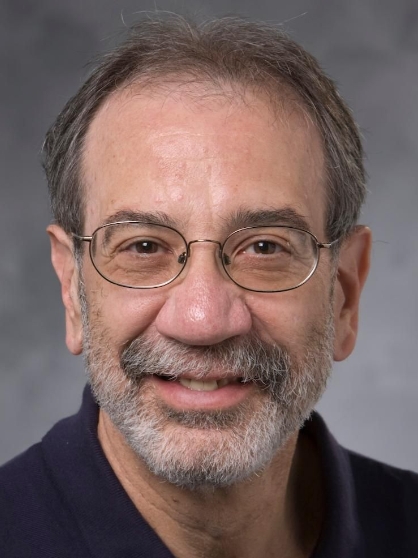 Henry Seth Friedman合作论文数Department of Medicine, School of Medicine, Duke University329
 Roger Edwin McLendon合作论文数Department of Pathology, Duke University School of Medicine;Duke Cancer Institute, Duke University199
 John Howard Sampson合作论文数School of Medicine, Duke University198
 Allan H. Friedman合作论文数Duke University Medical Center138
 James Emmett Herndon合作论文数Department of Biostatistics and Bioinformatics, School of Medicine, Duke University127
 Michael Rod Zalutsky合作论文数Department of Radiology, School of Medicine, Duke University118
 Hai Yan合作论文数School of Medicine, Duke University;Duke Cancer Institute, Duke University116
 Carol J. Wikstrand合作论文数111
 Stephen T. Keir合作论文数Department of Neurosurgery, Duke University School of Medicine100
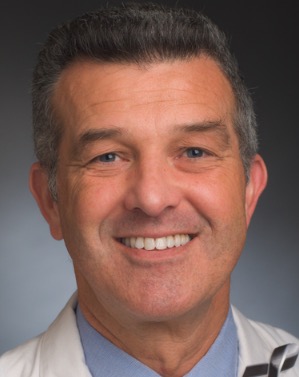 David Reardon合作论文数Center for Neuro-Oncology, Dana-Farber Cancer Institute;Harvard Medical School100
 Annick Desjardins合作论文数Department of Neurosurgery, School of Medicine, Duke University;The Preston Robert Tisch Brain Tumor Center, Duke University;Duke Cancer Institute91
 Jeremy Rich合作论文数School of Medicine, University of North Carolina86Chien-Tsun Kuan合作论文数76SH BIGNER合作论文数75Gary E. Archer合作论文数Medical Center, Duke University70
 Mitchell Duane A合作论文数UF Brain Tumor Immunotherapy Program;Preston A. Wells, Center for Brain Tumor Therapy;Department of Neurosurgery;University of Florida;Gainesville;Preston A. Wells, Jr. Center for Brain Tumor Therapy, University of Florida69
 Vidya Chandramohan合作论文数Department of Neurosurgery, Duke University School of Medicine60Roger E. Mclendon合作论文数60
 David Michael Ashley合作论文数Department of Medicine, School of Medicine, Duke University59
 James J. Vredenburgh合作论文数Department of Internal Medicine, University of Connecticut Health Center/Department of Hematology-Oncology, Smilow Cancer Center Yale-New Haven at Saint Francis53
 Yiping He合作论文数Department of Pathology, Duke University School of Medicine52
 Matthias Gromeier合作论文数Department of Medicine, Duke University School of Medicine52
 Ira Pastan合作论文数Laboratory of Molecular Biology, Center for Cancer Research, National Cancer Institute, National Institutes of Health45
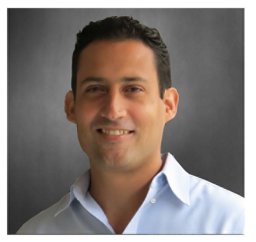 Luis Sanchez-Perez合作论文数Department of Neurosurgery, Duke Brain Tumor Immunotherapy Program, Duke University Medical Center/The Preston Robert Tisch Brain Tumor Center, Duke University Medical Center45
 Smita K Nair合作论文数Division of Surgical Sciences, Department of Surgery, School of Medicine, Duke University;Department of Neurosurgery, School of Medicine, Duke University;Duke Cancer Institute, Duke University44
 Bert Vogelstein合作论文数Department of Molecular Biology and Genetics, Johns Hopkins School of Medicine40Eric S. Lipp合作论文数Tug McGraw Research Center Surgery Department Preston Robert Tisch Brain Tumor Center40B. Ahmed Rasheed合作论文数39
 Gamal Akabani合作论文数Medical Center, Duke University36Charles N. Pegram合作论文数36
 Bryan D. Choi合作论文数Department of Surgery, Duke University Medical Center34Jennifer A. Quinn合作论文数34
 Katherine Barnett Peters合作论文数Department of Neurology, Duke University School of Medicine;Duke Cancer Institute31De Bullard合作论文数30Landon J Hansen合作论文数30
 Stevie Threatt合作论文数30
 Amy Heimberger合作论文数Department of Neurosurgery, The University of Texas M. D. Anderson Cancer Center29
 Christopher Pirozzi合作论文数Department of Pathology, Duke University School of Medicine28Healy Patrick合作论文数26
 Kenneth W. Kinzler合作论文数Department of Oncology, School of Medicine, Johns Hopkins University;The Sidney Kimmel Comprehensive Cancer Center, Johns Hopkins University School of Medicine26C N Pegram合作论文数25
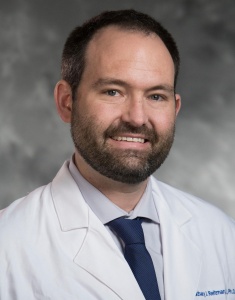 Zachary James Reitman合作论文数Department of Radiation Oncology, School of Medicine, Duke University25Lee H. Chen合作论文数The Preston Robert Tisch Brain Tumor Center at Duke;Pediatric Brain Tumor Foundation Institute;Department of Pathology,;The Preston Robert Tisch Brain Tumor Center at Duke, Pediatric Brain Tumor Foundation Institute25
 Rui Yang (杨睿)合作论文数Institute of Neuroscience, Translational Medicine Institute, School of Basic Medical Sciences, Xi'an Jiaotong University Health Science Center25
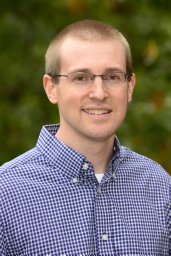 Christopher G. Duncan合作论文数Duke University Medical Center, Duke Univ. Med. Cent.25Chunhui Di合作论文数25
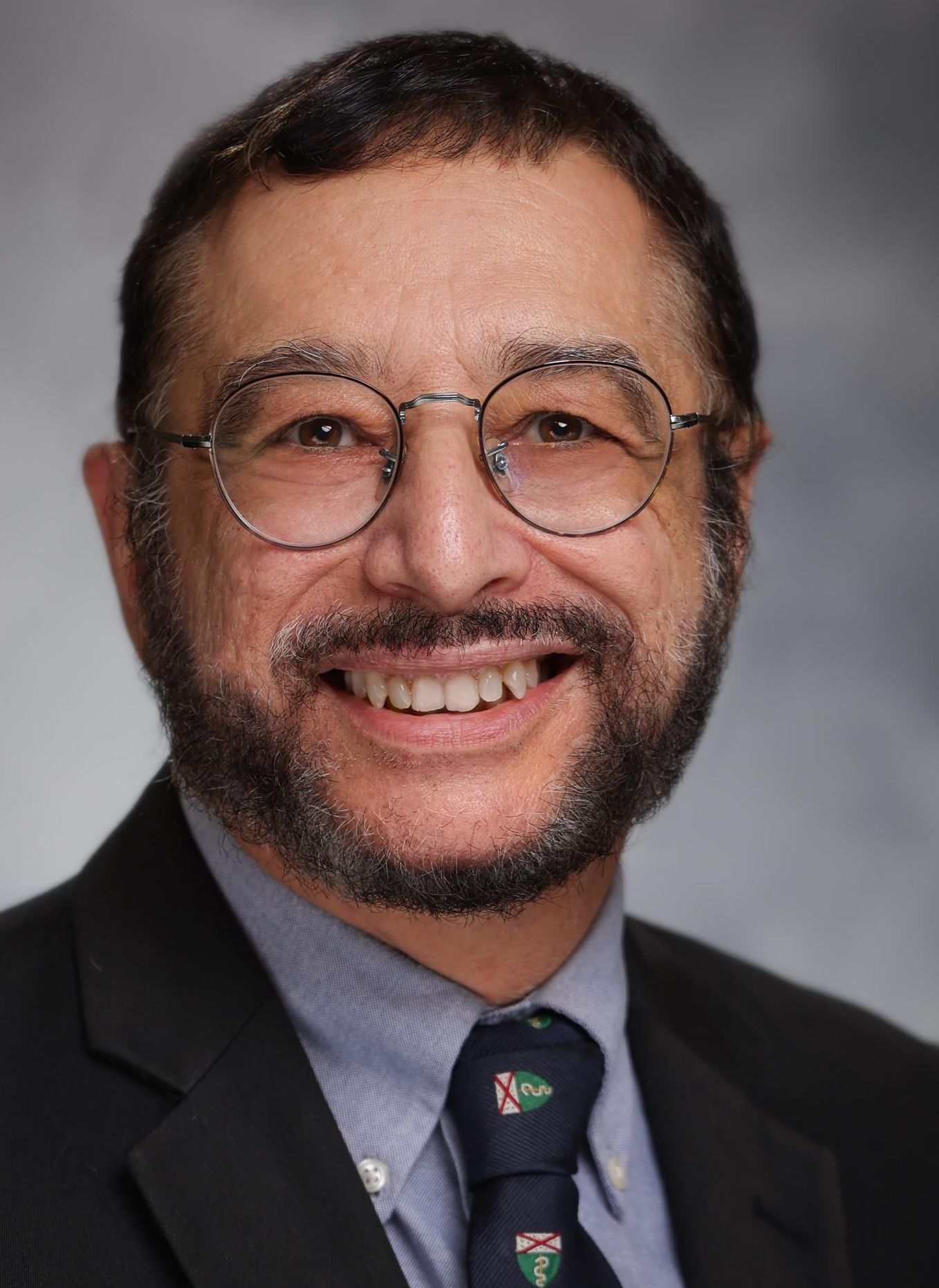 James Michael Provenzale合作论文数Department of Radiology, School of Medicine, Duke University;Duke Institute for Brain Sciences, Duke University24Cui Xiuyu合作论文数24
 Allan Howard Friedman合作论文数Department of Neurosurgery, School of Medicine, Duke University24




