Abstract Background Several cytotoxic chemotherapies have demonstrated efficacy in improving recurrence‐free survival (RFS) following resection of Stage II–IV colorectal cancer (CRC). However, the temporal dynamics of response to such adjuvant therapy have not been systematically quantified. Methods The Cochrane Central Register of Trials, Medline (PubMed) and Web of Science were queried from database inception to February 23, 2023 for Phase III randomized controlled trials (RCTs) where there was a significant difference in RFS between adjuvant chemotherapy and surgery only arms. Summary data were extracted from published Kaplan–Meier curves using DigitizeIT. Absolute differences in RFS event rates were compared at matched intervals using multiple paired t‐tests. Results The initial search yielded 1469 manuscripts. After screening, 18 RCTs were eligible (14 Stage II/III; 4 Stage IV), inclusive of 16,682 patients. In the absence of adjuvant chemotherapy, the greatest rate of recurrence was observed in the first year (mean RFS event rate; 0–0.5 years: 0.22 ± 0.21; 0.5–1 years: 0.20 ± 0.09). Adjuvant chemotherapy was associated with significant decreases in the RFS event rates for the intervals 0–0.5 years (0.09 ± 0.09 vs. 0.22 ± 0.21, p < 0.001) and 0.5–1 years (0.14 ± 0.11 vs. 0.20 ± 0.09, p = 0.001) after randomization, but not at later intervals (1–5 years). In Stage IV trials, RFS event rates significantly differed for the interval 0–0.5 years (p = 0.012), corresponding with adjuvant treatment durations of 6 months. In Stage II/III trials, which included therapies of 6–24 months duration, there were marked differences in the RFS event rates between surgery and chemotherapy arms for the intervals 0–0.5 years (p < 0.001) and 0.5–1 years (p < 0.001) with smaller differences in the RFS event rates for the intervals 1–2 years (p = 0.012) and 2–3 years (p = 0.010). Conclusions In a systematic review of positive RCTs comparing adjuvant chemotherapy to surgery alone for Stage II–IV CRC, observed RFS improvements were driven by early divergences that occurred primarily during active cytotoxic chemotherapy. Late recurrence dynamics were not influenced by adjuvant therapy use. Such observations may have implications for the use of chemotherapy for micrometastatic clones detectable by cell‐free DNA‐based methodologies.
BACKGROUND:Multiple guidelines on the management of intraductal papillary mucinous neoplasm (IPMN) have been published over the past decade. However, practice data are lacking. This study aims to determine whether pancreatectomy procedures, IPMN pathology, or outcomes have changed. METHODS:ACS-NSQIP Procedure Targeted Pancreatectomy database was queried for patients with IPMN from 2014 to 2019. Cases were stratified by pathology, tumor stage/cyst size and procedure. Pancreatectomies for IPMN by year, 30-day morbidity, and clinically relevant postoperative pancreatic fistula (CR-POPF) were quantified. Mann-Kendall trend tests were performed to assess surgical trends and associated outcomes over time. RESULTS:3912 patients underwent pancreatectomy for IPMN. 21% demonstrated malignancy and 79% were benign. Morbidity and mortality occurred in 29.7% and 1.5% of cases, respectively. Over time, no change was observed in use of pancreatectomy for IPMN (10%) or in benign/malignant pathology, or cyst size. Robotic approach increased from 9.1% to 16.5% with decreases in laparoscopic (19.5%-15.0%) and open interventions (71.5%-68.1%, p = 0.016). No change was observed over time in morbidity or mortality; however, rates of CR-POPF decreased (18.8%-13.8%, p < 0.001). CONCLUSIONS:Practice patterns in treatment of IPMN have not changed significantly in North America. More patients are undergoing robotic pancreatectomy, and postoperative pancreatic fistula rates are improving.
BACKGROUND:Post-operative pulmonary complications (POPC) are common in patients undergoing esophagectomy and neoadjuvant radiotherapy may exacerbate POPC. This study assessed whether neoadjuvant radiation increases the incidence of POPC in patients undergoing esophagectomy for malignancy.METHODS:The American College of Surgeons-National Surgical Quality Improvement Program database files from 2016 to 2018 were queried for patients undergoing esophagectomy for malignancy. Inverse probability treatment weighting (IPTW) was used to create balanced cohorts in which the control group received neoadjuvant chemotherapy (nCT) and the treatment cohort received neoadjuvant chemoradiotherapy (nCRT). A subset analysis was performed on patients with pre-existing pulmonary disease (PEPD). Primary outcomes were POPC and 30-day mortality.RESULTS:The all-patient analysis did not demonstrate a consistent association between neoadjuvant radiation and POPC. However, in patients with PEPD, POPC occurred more often in the nCRT cohort. Comparing nCRT to nCT and after IPTW adjustment for confounders, there was higher odds of pneumonia (aOR = 3.0, P = .002), unplanned intubation (aOR = 2.0, P = .03), and extended mechanical ventilation (aOR = 3.6, P = .002).DISCUSSION:In esophageal cancer patients with PEPD that undergo nCRT vs nCT prior to esophagectomy, the greater risk of POPCs must be weighed against the potential for improved oncologic outcomes.
Background COVID-19 disrupted elective operations, cancer screening, and routine medical care while simultaneously overwhelming hospital staff and supplies. Operations for gastrointestinal (GI) malignancies rely on endoscopic screening, staging, and neoadjuvant therapy (NAT), each of which was disrupted by the pandemic. The aim was to evaluate the effect of the COVID-19 pandemic on the US national rates of gastrointestinal oncologic operations. Methods The Vizient Clinical Data Base® was queried for oncologic operations for esophageal, gastric, and colorectal malignancies with and without NAT from March 2019 to March 2022. Control chart analysis examined operative volume over time while Wilcoxon rank sum tests were used to compare mean monthly volume before and during the pandemic. Results A total of 95,912 patients were identified over 36 months; 5.8% esophageal, 6.3% gastric, 77.5% colonic, and 10.4% rectal operations. Esophageal operative volume decreased for 9 months during the pandemic and was significantly lower during than before the pandemic ( p =0.002). Gastric operations decreased for 10 months early in the pandemic, but rebounded so that after 2 years volumes were unchanged ( p =0.49). Colonic operations experienced a sharp decrease for 4 months at the beginning of the pandemic, but volumes quickly increased and overall were unchanged ( p =0.29). Rectal operations decreased for 13 months and were significantly lower during than before the pandemic ( p =0.018). Oncologic operations for patients receiving NAT varied. Conclusion COVID-19 significantly disrupted the volume of gastrointestinal oncologic operations in the USA. Esophageal and rectal oncologic operations experienced prolonged and significant reductions while gastric and colonic oncologic operations transiently decreased but rebounded during the pandemic.
Background: The COVID-19 pandemic caused widespread disruption of the United States (US) healthcare system. Medical resources were rationed, and healthcare organizations worked to prevent hospitalizations in both healthy and high-risk patients. Numerous surgical specialties decreased elective operations during the peak of the pandemic, but surgical oncologists were faced with balancing the risks of oncologic progression with exposing immunosuppressed patients to nosocomial COVID-19. In recent years neoadjuvant therapy (NAT) has been increasingly utilized in pancreatic and colorectal malignancies. However, no analyses have determined whether these practice patterns were disrupted by the pandemic. Thus, the aims of this study were to evaluate the effect of COVID-19 on the volume of operations for pancreatic, primary hepatic, and secondary hepatic malignancies in patients who had undergone NAT. Methods: The Vizient Clinical Database was queried for national data from participating hospitals, including 97% of academic medical centers and over 100 oncologic hospitals. These institutions perform the majority of pancreatic and hepatic surgery in America. Data were obtained for 12 months before (March 2019 – February 2020) and 27 months during (April 2020 – June 2022) the COVID-19 pandemic. Patients who underwent neoadjuvant therapy (chemotherapy or immunotherapy) followed by major operations for pancreatic, primary hepatic (hepatocellular carcinoma and intrahepatic cholangiocarcinoma), and secondary hepatic (colorectal metastases) malignancies were included. Case volume trends were compared before and during the pandemic using QI Macros Control Charts. Mean comparison of case volume before and during the pandemic was performed using Student's t Test and Wilcoxon Rank Sum Test in R (Version 4.2.1). Results: Over the 40-month study period, 6,936 patients received NAT and underwent surgery; 5,594 patients (80.7%) had pancreatic operations, 685 patients (9.9%) underwent surgery for primary hepatic malignancies, and 657 patients (9.5%) had hepatic operations for metastatic colorectal cancer. Pancreatic operations for patients who received NAT steadily increased throughout the study period (Figure A) while hepatic operations for metastatic colorectal cancer after NAT (Figure C) transiently increased 20 months into the pandemic. Operations for primary hepatic malignancies in patients who received NAT were unaffected by the pandemic (Figure B). These findings were confirmed with the average monthly case volume for pancreatic operations increasing during COVID-19 (126 vs 146, p< 0.001). No statistically significant changes were noted in the mean monthly operative volume for primary hepatic malignancies (17 vs 17, p=0.809) or for secondary hepatic malignancies following NAT (15 vs 17, p=0.213). Conclusion: Despite the pandemic, the number of oncologic operations for pancreatic cancer following neoadjuvant therapy (NAT) increased over time, continuing a pre-pandemic trend. A transient increase in oncologic operations for secondary hepatic malignancies following NAT was observed late in the pandemic. The volume of operations following NAT for primary hepatic malignancies was unaffected by the pandemic. The utilization of NAT for operative hepato-pancreato-biliary malignancies was not altered by the COVID-19 pandemic.
Background: Molecular biomarkers may guide systemic treatment for localized pancreatic ductal adenocarcinoma (PDAC). SMAD4 somatic alterations have been associated with inferior clinical outcomes during induction FOLFIRINOX. Additionally, low GATA6 mRNA expression have been associated with inferior clinical outcomes amongst patients receiving 5-FU/LV. In cell-based assays, SMAD4 can directly regulate the expression of GATA6, suggesting that SMAD4 alterations at the genomic level and loss of GATA6 expression may represent a single molecular pathway that confers unique resistance to 5-FU-based therapies. The relationship between SMAD4 mutations and GATA6 expression has not been previously studied in human PDAC tumor samples. Methods: The cBioPortal platform for Cancer Genomics database was queried for PDAC samples with paired SMAD4 mutation and GATA6 mRNA expression data, taken from two datasets: the TCGA (Paired Cancer Atlas) and Clinical Proteomic Tumor Analysis Consortium (CPTAC). mRNA expression z-scores were analyzed by tertiles in each study. Rates of SMAD4 mutations per tertile of GATA6 expression were evaluated by Pearson's χ2 and their association with survival evaluated by Kaplan-Meier estimates. Results: The TCGA (n=180) included 39 patients (21.7%) with SMAD4 mutations. Median patient age was 65 (IQR 56-73) years and 55% were male. Most patients were AJCC pathologic Stage I-II (94.6%). The rate of SMAD4 mutation did not vary per tertile of GATA6 expression (20.0% vs. 21.7% vs. 23.3%, p=0.906). GATA6 expression was not prognostic of survival for wild-type SMAD4 (log rank p=0.806) nor mutant SMAD4 (log rank p=0.809). The CPTAC (n=141) included 26 patients (18.4%) with SMAD4 mutations. Median patient age was 65 (IQR 60-71) years and 53% were male; 93.6% of patients were operable (stage I-III). The rate of SMAD4 mutation did not vary per tertile of GATA6 expression (17.0% vs. 17.0% vs. 21.3%, p=0.828). Conclusion: In two independent molecularly characterized PDAC cohorts, SMAD4 mutations were not associated with GATA6 expression. Individualized studies exploring the mechanistic basis of each biomarker are necessary to fully understand their respective prognostic values.
Background The 5-year overall survival (OS) rate for patients with metastatic gastric cancer (mGC) is 5.3%. Surgery for mGC is controversial. Methods We identified all mGC patients who received chemotherapy using the National Cancer Database (2004-2015). Patients were grouped according to surgery of: (1) the primary site (PS) only, (2) primary and distant sites (PDS), (3) distant site only (DS), or (4) no surgery (NS). A propensity score adjustment and multivariate regression was used to compare OS. Results Overall, 18,772 patients met the inclusion criteria: (1) PS (n = 962, 5.1%), (2) PDS (n = 380, 2.1%), (3) DS (n = 984, 5.2%), and 16,446 NS (87.6%). Surgery was associated with improved OS in the PS and PDS groups (hazard ratios: .489 (95% CI: .376-.636); .583 (95% CI: .420-.811), P < .001) (median OS 15.8 and 15.9 months vs 8.6 for NS patients, respectively). Conclusions Gastrectomy with or without metastasectomy is associated with improved survival in stage IV gastric cancer patients receiving chemotherapy. This warrants further prospective studies.
More complex cases are being performed robotically. This study aims to characterize trends in robotic pancreatoduodenectomy (RPD) over time and assess opportunities for advanced trainees. Using the ACS-NSQIP database from 2014 to 2019, PD cases were characterized by operative approach (open-OPN, laparoscopic-LAP, robotic-ROB). Proficiency and postoperative outcomes were described by approach over time. 24,268 PDs were identified, with the ROB approach increasing from 2.8
PURPOSE:Many cancer centers engage in multidisciplinary tumor board meetings to determine the optimal approach to complex cancer care. With the onset of the COVID-19 pandemic, many institutions changed the format of these meetings from in-person to virtual. The aim of this study was to determine if the change to a virtual meeting format had an impact on attendance and cases presented. METHODS:Tumor board records were analyzed to obtain attendance and case presentation information at a National Cancer Institute-designated Comprehensive Cancer Center. Twelve-month in-person tumor board data were compared with 12-month virtual tumor board data to assess for difference in attendance and case presentation patterns. RESULTS:Seven separate weekly tumor board meetings at the beginning of the study (breast, GI, gynecology, liver, lung, melanoma, and urology) were expanded to nine meetings on the virtual platform (+endocrine and pancreas). Overall attendance increased by 46% on the virtual platform compared with in-person meetings (4,030 virtual attendances v 2,753 in-person, P < .001). Increased attendance was present across all specialties on the virtual platform. In addition, the number of patient cases discussed increased from 2,127 in in-person meeting to 2,656 on the virtual platform (a 20% increase, P < .001). CONCLUSION:A significant increase was observed in overall tumor board attendance and in case presentations per meeting, requiring the expansion of additional weekly meetings. Furthermore, in a major cancer center with multiple community affiliates, virtual tumor boards may encourage increased participation from remote sites with the benefit of obtaining expert specialist advice as compared with geographically challenging in-person meetings.
Esophagectomy, a treatment modality for esophageal cancer, is associated with high rates of morbidity, the most common being anastomotic leaks and pulmonary complications. The current standard of care for nutrition support after esophagectomy includes a period of nothing by mouth with enteral nutrition support via jejunostomy tube owing to the concern of increasing the risk of anastomotic leak as a result of early postoperative oral intake. However, the optimal timing of oral diet initiation remains controversial. This narrative review presents a patient who incurred an anastomotic leak following esophagectomy after initiation of oral intake on postoperative day 5 and evaluates the current literature on the timing of oral diet initiation after esophagectomy. A systematic literature search was performed to assess current evidence evaluating early oral diet (EOD) initiation after esophagectomy. Over the past 5 years, 11 studies have evaluated the impact of EOD initiation after esophagectomy in comparison with a conventional feeding regimen, including a period of nothing by mouth with enteral or parenteral nutrition support. The available evidence suggests that EOD initiation does not increase rates of complications after esophagectomy. However, the evidence is limited by the lack of a standardized definition of what constitutes EOD initiation, patient selection bias, variations in nutrition support provided in the studies, and lack of statistical analyses evaluating the impact of potential confounding variables. Additional research with larger, high-quality randomized controlled trials is needed to determine the optimal timing of diet initiation after esophagectomy.
The use of propensity score methods in the surgical literature is increasing. Randomized, controlled clinical trials are the gold standard of medical research, allowing for accurate measurement and analysis of treatment effects. Use of propensity score methods allows researchers to mimic randomization when true randomization may not be possible. When used properly, these methods are a powerful tool for the medical researcher, allowing more rigorous conclusions to be drawn from retrospective data. With the increasing prevalence of propensity methods, it is important that these methods are used correctly, lest researchers be led to misleading conclusions based on poor statistical study design and analysis. The objective of this review is to analyze and evaluate the use of propensity score methods in the surgical oncology literature. We critique the current state of the use of propensity scores in the surgical oncology literature and offer recommendations to assure appropriate usage of propensity score methods.
BACKGROUND:Prior studies of older cancer patients undergoing large operations have reported similar rates of complications to the general population but higher rates of mortality, suggesting higher rates of failure-to-rescue (FTR) with advanced age. Whether age is a marker for frailty, or an independent predictor of FTR, is not clear.METHODS:The ACS-NSQIP database was queried from 2015-19 for patients undergoing surgery for gastrointestinal (GI) malignancy. Patients were divided into age-stratified cohorts: C1 (18-55), C2 (56-65), C3 (66-75), C4 (76-89). Adjusted odds ratios (aOR) were computed to assess the relationship of the FTR rate and age, while controlling for potential confounders. A second analysis was specified with all covariates converted to Z-scores, which generated scaled adjusted odds ratios (saOR) to determine the strongest predictor of FTR.RESULTS:Multivariable analysis suggests that age is an independent predictor of FTR: C2:C1 aOR = 1.87 (p < 0.001); C3:C1 aOR = 3.33 (p < 0.001); C4:C1 aOR = 5.71 (p < 0.001). The scaled analysis demonstrated that age is the strongest predictor of FTR (saOR = 1.92, p < 0.001); a one standard deviation increase in age was associated with a 92% increased odds of FTR. The saOR for frailty (1.18, p < 0.001) and for number of comorbidities (1.10, p = 0.005) also were statistically significant.CONCLUSIONS:Chronologic age was independently associated with increased FTR after surgery for GI malignancy and was the strongest predictor of FTR. These results suggest that chronologic age must be carefully considered when evaluating the fitness of a patient for GI cancer surgery.
OBJECTIVE:To determine the morbidity, mortality, and costs associated with having concurrent venous thromboembolism (VTE) at the time of surgical resection of a renal mass.PATIENTS AND METHODS:We identified 108,430 patients undergoing elective partial or radical nephrectomy for a renal mass from 2013 to 2017 using the Premier Healthcare database. The association of VTE with 90-day complication rates, mortality, ICU admission, readmission, and direct hospital costs (2019 US dollars) was determined with multivariable logistic regression and quantile regression models, respectively.RESULTS:Of the 108,430 patients who underwent elective partial or radical nephrectomy, 1.2% (n = 1301) of patients were diagnosed with a preoperative VTE. Patients with preoperative VTE have higher rates of minor (odds ratio [OR] 1.47, 95% confidence inteval [CI] 1.34-1.62, P < .0001) and major complications (OR 2.53, 95% CI 2.23-2.86, P < .0001), mortality (OR 2.03, 95% CI 1.6-2.57, P < .0001), and readmissions (OR 1.73, 95% CI 1.57-1.90, P < .0001) compared to patients without preoperative VTE at the time of nephrectomy. Notably, the predicted probability for a major complication was significantly higher among patients with preoperative VTE who underwent either partial or radical nephrectomy, irrespective of the surgical approach utilized. Furthermore, rates of all types of complications except endocrine and soft tissue were significantly increased in patients undergoing nephrectomy with preoperative VTE compared to those without VTE.CONCLUSION:VTE at the time of nephrectomy is associated with significantly higher rates of major complications, increased mortality, and higher overall costs. Taken together, these findings have important implications for the counseling and management of renal masses in presence of VTE.
BACKGROUND: The introduction of more effective chemotherapy a decade ago has led to increased use of neoadjuvant therapy (NAT) in patients with pancreatic ductal adenocarcinoma (PDAC). The aim of this study was to assess the evolving use of NAT in individuals with PDAC undergoing pancreatoduodenectomy (PD) and to compare their outcomes with patients undergoing upfront operation. STUDY DESIGN: The American College of Surgeons NSQIP Procedure Targeted Pancreatectomy database was queried from 2014 to 2019. Patients undergoing pancreatoduodenectomy were evaluated based on the use of NAT versus upfront operation. Multivariable analysis was performed to determine the effect of NAT on postoperative outcomes, including the composite measure optimal pancreatic surgery (OPS). Mann-Kendall trend tests were performed to assess the use of NAT and associated outcomes over time. RESULTS: A total of 13,257 patients were identified who underwent PD for PDAC between 2014 and 2019. Overall, 33.6% of patients received NAT. The use of NAT increased steadily from 24.2% in 2014 to 42.7% in 2019 (p < 0.0001). On multivariable analysis, NAT was associated with reduced serious morbidity (odds ratio [OR] 0.83, p < 0.001), clinically relevant pancreatic fistulas (OR 0.52, p < 0.001), organ space infections (OR 0.74, p < 0.001), percutaneous drainage (OR 0.73, p < 0.001), reoperation (OR 0.76, p = 0.005), and prolonged length of stay (OR 0.63, p < 0.001). OPS was achieved more frequently in patients undergoing NAT (OR 1.433, p < 0.001) and improved over time in patients receiving NAT (50.7% to 56.6%, p < 0.001). CONCLUSION: NAT before pancreatoduodenectomy increased more than 3-fold over the past decade and was associated with improved optimal operative outcomes.
Background: The COVID-19 pandemic began to affect the United States (US) healthcare system in March 2020. By April 2020, multiple government and professional organizations published guidelines to restrict elective operations in an effort to conserve hospital resources. However, the risk of progression made procedures for malignancy more time sensitive than other elective operations. As a result, patients with pancreatic and hepatic malignancies who required surgery were prioritized. However, after two and a half years of the COVID-19 pandemic, only sparse data exist on how the contagion affected the volume of cancer operations in the US. The aim of this study was to evaluate the impact of the COVID-19 pandemic on the national monthly volume of pancreatic and hepatic operations for malignancy. Methods: The Vizient Clinical Database was queried for national data from participating hospitals, which includes 97% of academic medical centers and over 100 oncologic hospitals. These institutions perform the majority of pancreatic and hepatic surgery in America. Data were gathered for 12 months before (March 2019 – February 2020) and 27 months during (April 2020 – June 2022) the COVID-19 pandemic. Patients undergoing major operations for pancreatic, primary hepatic (hepatocellular carcinoma and intrahepatic cholangiocarcinoma), and secondary hepatic (colorectal metastases) malignancies were included. Case volume trends were compared before and during the pandemic using QI Macros Control Charts. Comparison of mean case volume before and during the pandemic was performed using Student’s t Test and Wilcoxon Rank Sum Test in R (Version 4.2.1). Results: A total of 26,662 patients underwent surgery over the 40-month study period for pancreatic (Nf17,724, 66.5%), primary hepatic (Nf7,100, 26.6%), and secondary hepatic (Nf1,838, 6.9%) malignancies. Operations for pancreatic cancer (Figure A) and colorectal liver metastases (Figure C) were unaffected by the pandemic. Operative volumes for primary hepatic malignancies (Figure B) transiently decreased at the beginning of the pandemic, but returned to the pre-pandemic baseline within five months. No statistically significant changes were observed in the mean monthly operative volume before and during the pandemic for pancreatic (433 vs 447, p=0.208), primary hepatic (183 vs 175, p=0.224), or secondary hepatic (44 vs 47, p=0.397) malignancies. Conclusion: The COVID-19 pandemic did not significantly disrupt the volume of operations for pancreatic or secondary hepatic malignancies in the United States. The pandemic transiently decreased the rate of hepatic operations for primary liver tumors, but this rate returned to the pre-pandemic baseline within five months. Surgery for pancreatic and hepatobiliary malignancies was prioritized during the pandemic.
Patients with metabolic syndrome (MS) may have increased perioperative morbidity and mortality. The aim of this analysis was to investigate the association of MS with mortality, serious morbidity, and pancreatectomy-specific outcomes in patients undergoing pancreatoduodenectomy (PD). Patients with MS who underwent PD were selected from the 2014–2018 ACS-NSQIP pancreatectomy-specific database. MS was defined as obesity (BMI ≥ 30 kg/m2), diabetes, and hypertension. Demographics and outcomes were compared by χ2 and Mann–Whitney tests, and adjusted odds ratios from multivariable logistic regression assessed the association between MS and primary outcomes. Of 19,054 patients who underwent PD, 7.3% (n = 1388) had MS. On univariable analysis, patients with MS had significantly worse outcomes (p < 0.05): 30-day mortality (3% vs 1.8%), serious morbidity (26% vs 23%), re-intubation (4.9% vs 3.5%), pulmonary embolism (2.0% vs 1.1%), acute renal failure (1.5% vs 0.9%), cardiac arrest (1.9% vs 1.0%), and delayed gastric emptying (18% vs 16.5%). On multivariable analysis, 30-day mortality was significantly increased in patients with MS (aOR: 1.53, p < 0.01). Metabolic syndrome is associated with increased morbidity and mortality in patients undergoing pancreatoduodenectomy. The association with mortality is a novel observation. Perioperative strategies aimed at reduction and/or mitigation of cardiac, pulmonary, thrombotic, and renal complications should be employed in this population given their increased risk.
 H. Richard Alexander合作论文数Rutgers Cancer Institute of New Jersey;Division of Surgical Oncology, Department of Surgery, Robert Wood Johnson Medical School, Rutgers, The State University of New Jersey30
 Timothy E Kennedy合作论文数Department of Neurology and Neurosurgery, Faculty of Medicine and Health Sciences, McGill University;Division of Neuroscience, McGill University;Montreal Neurological Institute, McGill University23
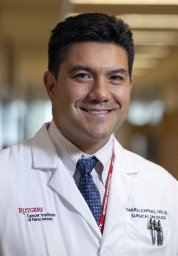 Darren R. Carpizo合作论文数The Cancer Institute of New Jersey, Robert Wood-Johnson University Medical School22
 Miral S. Grandhi合作论文数19
 Salma Jabbour合作论文数Department of Radiation Oncology, Cancer Institute of New Jersey, Rutgers University;Department of Radiation Oncology, Robert Wood Johnson Medical School, Rutgers University18Langan Russell C合作论文数16
 Henry A. Pitt合作论文数Rutgers Cancer Institute of New Jersey;Robert Wood Johnson University Hospital;Rutgers Robert Wood Johnson Medical School, Rutgers University13M. S. Grandhi合作论文数11Moore Dirk合作论文数11Spencer Kristen合作论文数10Aaron Kangas-Dick合作论文数Division of Surgical Oncology, Rutgers Cancer Institute of New Jersey9R C Langan合作论文数8Matthew A Beier合作论文数8T. J. Kennedy合作论文数8Anupama Chundury合作论文数8Greco Stephanie H合作论文数S. Arthur Localio Laboratory, New York University School of Medicine8
 Mihir Shah合作论文数8Catherine H. Davis合作论文数7Elizabeth Poplin合作论文数7Alissa Greenbaum合作论文数7Huhmann Maureen B合作论文数7Chen Chunxia合作论文数7
 Thomas Joseph Kearney合作论文数6
 Howard S. Hochster合作论文数Rutgers Cancer Institute6V. A. Gall合作论文数5
 Lyudmyla Berim合作论文数5Mariam F Eskander合作论文数5M. Sayan合作论文数5
 Haejin In合作论文数5Yong Lin合作论文数Department of Biostatistics and Epidemiology, School of Public Health, Rutgers University;Division of Biometrics, Rutgers Cancer Institute of New Jersey, Rutgers University5Timothy J. Kennedy合作论文数5S Mamidanna合作论文数4Christopher J Gannon合作论文数4
 Shane S. Neibart合作论文数4
 Oliver Eng合作论文数Department of Surgery, School of Medicine, University of California, Irvine4
 Usha Malhotra合作论文数4Narayanan Sumana合作论文数4
 Christine L Mai合作论文数4
 John Langenfeld合作论文数4
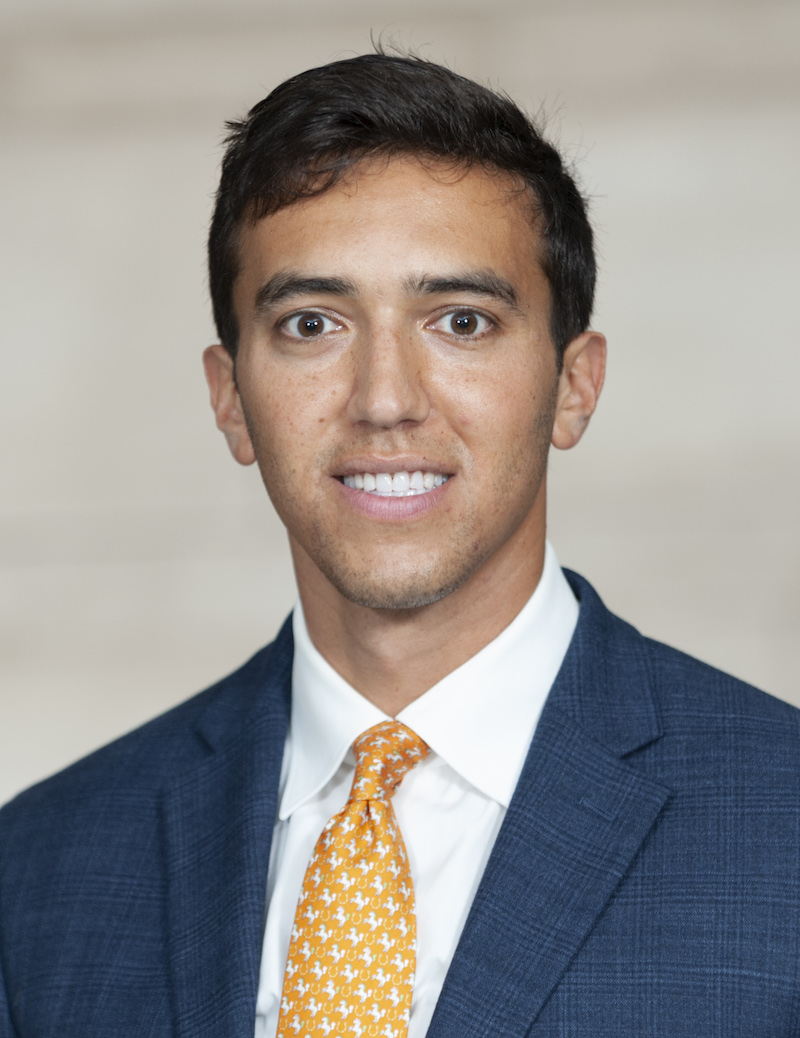 Brett L. Ecker合作论文数Rutgers Cancer Institute of New Jersey;Rutgers Robert Wood Johnson Medical School, Rutgers University4
 Patrick Mckay Boland合作论文数Department of Medicine, Roswell Park Cancer Institute4
 Kitaw Demissie合作论文数School of Public Health, University of Medicine and Dentistry of New Jersey4
 William B. Levy合作论文数School of Medicine, University of Virginia4
 Paul Sugarbaker合作论文数Washington Cancer Institute4Edmund C. Lattime合作论文数4
 Laleh Melstrom合作论文数Division of Surgical Oncology, Department of Surgery, City of Hope4Pat Gulhati合作论文数Markey Cancer Center, University of Kentucky4
 Ronald Chen合作论文数Department of Radiation Oncology, University of Kansas Medical Center4RT OTTOW合作论文数4




