Objective Unrecognized left ventricular thrombi (LVT) can have devastating clinical implications and precludes patients with end-stage heart failure from undergoing left ventricular assist device (LVAD) implantation without cardiopulmonary bypass assistance. We assessed the reliability of an echocardiogram to diagnose LVT in patients with end-stage heart disease who underwent LVAD implantation. Methods A single-center retrospective study evaluated 232 consecutive adult patients requiring implantation of durable LVADs between 2005 and 2019. The validity of preoperative transthoracic echocardiogram (TTE) and intraoperative transesophageal echocardiogram (TEE) for diagnosing LVT was compared to direct inspection at the time of LVAD implantation. Results There were 232 patients that underwent LVAD implantation, with 226 patients (97%) receiving a preoperative TTE. Of those 226 patients, 32 patients (14%) received ultrasound enhancing agents (UEA). Intraoperative TEE images were available in 195 patients (84%). The sensitivity of TTE without UEA was 22% and specificity was 90% for detecting LVT, compared to 50% and 86%, respectively, for TTE with UEA. For intraoperative TEE, the sensitivity and specificity were 46% and 96%, respectively. The false omission rate ranged from 4% to 8% for all modalities of echocardiography. Conclusion Among patients undergoing LVAD implantation, preoperative TTE and intraoperative TEE had poor sensitivity for LVT detection. Up to 8% of echocardiograms were incorrectly concluded to be negative for LVT on surgical validation. The low sensitivity and positive predictive value for diagnosing LVT suggest that echocardiography has limited reliability in this cohort of patients who are at high risk of LVT formation and its subsequent complications.
Coronary embolism (CE) is a rare cause of acute coronary syndrome (ACS) that remains under-diagnosed in clinical practice. A 37 year old man without prior medical history presented with out-of-hospital cardiac arrest. Bystanders applied a defibrillator, and 1 shock was given. He had immediate
A 32-year-old man with a history of relapsing polychondritis presented with acute coronary syndrome due to aortitis with ostial coronary artery involvement from his underlying autoimmune condition. Concomitant aortic insufficiency with ostial coronary lesions is a rare complication of relapsing polychondritis, requiring a multidisciplinary team approach for management. (Level of Difficulty: Advanced.).
Coronavirus disease 2019 (COVID-19) is a viral pandemic precipitated by the severe acute respiratory syndrome coronavirus 2. Since previous reports suggested that viral entry into cells may involve angiotensin converting enzyme 2, there has been growing concern that angiotensin converting enzyme inhibitor (ACEI) and angiotensin II receptor blocker (ARB) use may exacerbate the disease severity. In this retrospective, single-center US study of adult patients diagnosed with COVID-19, we evaluated the association of ACEI/ARB use with hospital admission. Secondary outcomes included: ICU admission, mechanical ventilation, length of hospital stay, use of inotropes, and all-cause mortality. Propensity score matching was performed to account for potential confounders. Among 590 unmatched patients diagnosed with COVID-19, 78 patients were receiving ACEI/ARB (median age 63 years and 59.7% male) and 512 patients were non-users (median age 42 years and 47.1% male). In the propensity matched population, multivariate logistic regression analysis adjusting for age, gender and comorbidities demonstrated that ACEI/ARB use was not associated with hospital admission (OR 1.2, 95% CI 0.5 to 2.7, p = 0.652). CAD and CKD/end stage renal disease [ESRD] remained independently associated with admission to hospital. All-cause mortality, ICU stay, need for ventilation, and inotrope use was not significantly different between the 2 study groups. In conclusion, among patients who were diagnosed with COVID-19, ACEI/ARB use was not associated with increased risk of hospital admission. Published by Elsevier Inc.
Aortic root abscess is rare after left heart catheterization (LHC) and can rapidly progress to complete heart block (CHB). Failure to prompt surgical treatment leads to high morbidity and mortality. A 76 year old man with history of moderate aortic stenosis (AS) presented with 1 week of chest pain
A 53-year-old female underwent dual-chamber pacemaker implantation for tachy-brady syndrome, which was complicated by anterior ST-segment elevation myocardial infarction and ventricular fibrillation due to right ventricular lead impingement on the left anterior descending coronary artery. Coronary artery injury is a rare complication of cardiac device implantation which requires a multidisciplinary team for management. (Level of Difficulty: Beginner.)
 Reza Ardehali合作论文数Ardehali Lab, David Geffen School of Medicine, University of California, Los Angeles;Molecular Bioloav Institute, University of California, Los Angeles3
 Nsair Ali合作论文数2Asim M. Rafique合作论文数Cardiac Non-Invasive Lab, Cedars-Sinai Medical Center2Corey Lum合作论文数1Robin Chand合作论文数1Jeffrey Harrell合作论文数1Ruth Hsiao合作论文数1Marwah Shahid合作论文数1Darko Vucicevic合作论文数1Megan Kamath合作论文数1Robin Wachsner合作论文数1Soniya Rabadia合作论文数1Amir B Rabbani合作论文数1
 Juka S. Kim合作论文数1Pooya Bokhoor合作论文数1Hilary Shapiro合作论文数1Zekun Feng合作论文数1
 Gabriel Vorobiof合作论文数Department of Molecular and Medical Pharmacology, University of California, Los Angeles1
 Soban Umar合作论文数Department of Anesthesiology & Perioperative Medicine, University of California, Los Angeles1
 Gregg C. Fonarow合作论文数Department of Medicine, University of California, Los Angeles1Aksoy Olcay合作论文数1
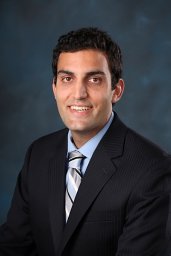 Tehrani David M合作论文数1
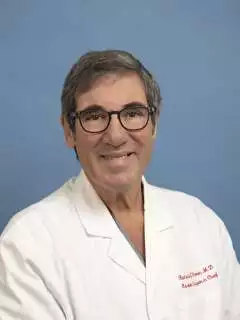 Richard J. Shemin合作论文数David Geffen School of Medicine, University of California, Los Angeles1DiVita Michael合作论文数1Parikh Rushi V合作论文数Department of Medicine, University of California1
 Eugene C DePasquale合作论文数1Baas Arnold S合作论文数1Press Marcella Calfon合作论文数1Hayase Justin合作论文数University of California San Diego1Kwon Murray H合作论文数1R. Dave合作论文数University of Illinois at Chicago1M. Chonde合作论文数1
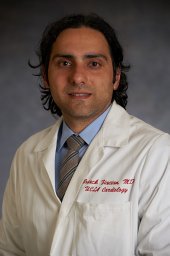 Boback Ziaeian合作论文数Stem Cell Research, Children's Hospital of Orange County Research Institute1Janet Konkamol Han合作论文数1Jesse W. Currier合作论文数1
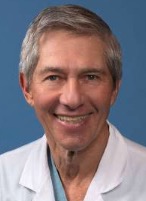 Jonathan M. Tobis合作论文数David Geffen School of Medicine, University of California, Los Angeles;Long Beach Veterans Affairs Medical Center1




