Military service members (SMs) and veterans who have sustained one or more concussions during their service have significantly higher rates of persistent depressive symptoms and suicidality compared to non-injured peers. Despite over 500,000 SMs who have sustained concussions, there are currently no Level I evidence-based treatments for improving depressive symptoms associated with concussion. Accelerated intermittent theta burst stimulation (aiTBS), a specific repetitive transcranial magnetic stimulation (rTMS) protocol, targeted at the dorsolateral prefrontal cortex (DLPFC) has demonstrated efficacy and is cleared for the treatment of Major Depressive Disorder (MDD) by the United States Food and Drug Administration (FDA). The mechanism of action of aiTBS is thought to be via the modulation of functional networks. Herein we outline the design of a multisite, double-blind, randomized, sham-controlled trial of aiTBS for the treatment of depressive symptoms in SMs and veterans with a history of concussion. We present the rationale for this specific design and highlight the potential for personalized neuroimaging-informed parameter determination in this population where brain injuries have resulted in variable structural and functional brain circuitry disruptions. If successful, this project will accelerate solutions to improve the health, well-being, and healthcare of SMs and veterans with depressive symptoms following concussion.Clinical trial registrationClinicaltrials.gov, NCT05426967.
Outpatient follow-up care for traumatic brain injury (TBI) is inconsistent. The Action Collaborative on TBI Care, convened under the auspices of the National Academies of Sciences, Engineering, and Medicine, aimed to standardize management with a clinical practice guideline. The guideline is intended for community-dwelling adults with TBI who are able to care for themselves at hospital discharge or who did not require acute hospital care. Guideline topics were selected and prioritized with input from individuals with lived experience and clinicians. Existing evidence-based clinical practice guidelines (k = 18) were identified from systematic literature reviews. Recommendations for each priority topic were extracted from existing guidelines and synthesized using the ADAPTE process. Strength of evidence ratings were assigned based on the American Academy of Family Physician's adaptation of GRADE (Grading of Recommendations, Assessment, Development, and Evaluations) through consensus voting. A draft guideline underwent external review by 20 health professional and brain injury organizations. The Action Collaborative on TBI Care guideline provides recommendations for 11 priority topics: (1) confirm the diagnosis; (2) determine whether emergency department evaluation is required; (3) request neuroimaging and neuropsychological assessment when indicated; (4) screen for social determinants of health; (5) provide guidance on return to usual activities; (6) educate the patient and family; (7) assess for risk of persistent symptoms; (8) prioritize which symptoms to target first; (9) initiate treatment for posttraumatic headache; (10) screen and initiate treatment for mental health disorders; and (11) decide if and when to refer to specialty care.
Outpatient care following nonhospitalized traumatic brain injury (TBI) is variable, and often sparse. The National Academies of Sciences, Engineering, and Medicine's 2022 report on Traumatic Brain Injury: A Roadmap for Accelerating Progress highlighted the need to improve the consistency and quality of TBI care in the community. In response, the present study aimed to identify existing evidence-based guidance and specific clinical actions over the days to months following nonhospitalized TBI that should be prioritized for implementation in primary care. In systematic literature searches, 17 clinical practice guidelines met our eligibility criteria and an additional expert consensus statement was considered highly relevant. We extracted 73 topics covered by one or more existing clinical practice guidelines. After removing redundant and out-of-scope topics, those deemed essential (not requiring prioritization), 42 topics were subjected to a prioritization exercise. Experts from the author group (n = 14), people with lived experience (n = 112), and clinicians in the community (n = 99) selected and ranked topics they considered most important. There were areas of agreement (e.g., early education was ranked highly by all groups) and discordance (e.g., people with lived experience perceived diagnostic tests/investigations as more important than the other groups). We synthesized the prioritization survey results into a top-10 list of the highest priority clinical actions. This list will inform implementation efforts aimed at improving post-acute care for nonhospitalized TBI.
The location close to the front lines of Mechnikov Hospital in the eastern Ukrainian city of Dnipro creates both opportunities and challenges. The same medical teams have worked closely together for years. They have learned how to provide the best possible care despite personnel shortages and overwhelming patient volumes, including many patients who are critically ill with systemic as well as neurological injuries. Outcomes are better than many might expect. International support and collaboration have been instrumental in achieving these good outcomes. Mechnikov Hospital neurosurgeons have developed new patient care pathways and management techniques that they disseminate internationally through publications and academic conferences. Prospective studies and other research activities are underway despite the obvious challenges caused by the war. The lessons learned by the team at Mechnikov Hospital will benefit other patients both now and in the future, especially as the international medical community prepares for possible large-scale combat operations in austere environments.
The current classification of traumatic brain injury (TBI) primarily uses the Glasgow Coma Scale (GCS) to categorize injuries as mild (GCS 13-15), moderate (GCS 9-12), or severe (GCS ≤8). However, this system is unsatisfactory, as it overlooks variations in injury severity, clinical needs, and prognosis. A recent report by the National Academies of Sciences, Engineering, and Medicine (USA) recommended updating the classification system, leading to a workshop in 2024 by the National Institute of Neurological Disorders and Stroke. This resulted in the development of a new clinical, biomarker, imaging, and modifier (CBI-M) framework, with input from six working groups, including the Clinical/Symptoms Working Group (CSWG). The CSWG included both clinical and non-clinical experts and was informed by individuals with lived experience of TBI and public consultation. The CSWG primarily focused on acute clinical assessment of TBI in hospital settings, with discussion and recommendations based on pragmatic expert reviews of literature. Key areas reviewed included: assessment of neurological status; performance-based assessment tools; age and frailty, pre-existing comorbidities, and prior medication; extracranial injuries; neuroworsening; early physiological insults; and physiological monitoring in critical care. This article reports their discussions and recommendations. The CSWG concluded that the GCS remains central to TBI characterization but must include detailed scoring of eye, verbal, and motor components, with identification of confounding factors and clear documentation of non-assessable components. Pupillary reactivity should be documented in all patients, but recorded separately from the GCS, rather than as an integrated GCS-Pupils score. At ceiling scores on the GCS (14/15), history of loss of consciousness (LoC) and the presence and duration of post-traumatic amnesia should be recorded using validated tools, and acute symptoms documented in patients with a GCS verbal score of 4/5 using standardized rating scales. Additional variables to consider for a more complete characterization of TBI include injury mechanism, acute physiological insults and seizures; and biopsychosocial-environmental factors (comorbidities, age, frailty, socioeconomic status, education, and employment). The CSWG recommended that, for a complete characterization of TBI, disease progression/resolution should be monitored over 14 days. While there was a good basis for the recommendations listed above, evidence for the use of other variables is still emerging. These include: detailed documentation of neurological deficits, vestibulo-oculomotor dysfunction, cognition, mental health symptoms, and (for hospitalized patients) data-driven integrated measures of physiological status and therapy intensity. These recommendations are based on expert consensus due to limited high-quality evidence. Further research is needed to validate and refine these guidelines, ensuring they can be effectively integrated into the CBI-M framework and clinical practice.
Journal of NeurotraumaVol. 41, No. 3-4 EditorialFree AccessNew Findings in Long-Neglected Areas of Traumatic Brain Injury Research: Intimate Partner Violence, Effects of Neighborhood Disadvantage, and Racial Differences in Pain CatastrophizingDavid L. BrodyDavid L. BrodySearch for more papers by this authorPublished Online:30 Jan 2024https://doi.org/10.1089/neu.2024.29142.editorialAboutSectionsPDF/EPUB Permissions & CitationsPermissionsDownload CitationsTrack CitationsAdd to favorites Back To Publication ShareShare onFacebookXLinked InRedditEmail This issue of Journal of Neurotrauma features four important articles on long-neglected aspects of traumatic brain injury research: intimate partner violence and neighborhood disadvantage. First off, in three papers, Dr. Karr and colleagues present detailed information on injury characteristics, symptoms, receipt of care, and the correlates of repetitive injuries in a cohort of women from the US state of Kentucky who reported restraining orders against intimate partners. They found that women who reported intimate partner violence-related head injuries had significantly more cognitive, physical, and emotional symptoms than women in the same cohort without reported head injuries. Furthermore, women reporting intimately partner violence-related head injuries also reported more severe ongoing cognitive, physical and emotional symptoms, but lower rates of hospitalization and rehabilitation than women reporting head injuries that were not related to intimate partner violence. Notably, a substantial number of the women reported multiple intimate partner violence-related head injuries; in fact, the mean number of reported injuries was 17, with the range up to 515. Unsurprisingly, greater numbers of injuries was associated with more severe reported symptoms including headaches, dizziness, and sleep problems. These represent important early papers in the field, but much more work remains to be done. The cohort studied by Karr et al. likely represents just a small portion of the spectrum of intimate partner violence-related TBI. Many more individuals of all genders likely suffer intimate partner violence-related TBI but do not report it to health care providers or legal authorities. Major tasks for the field will be to find new approaches to better understand, prevent, and treat this type of interpersonal aggression.Intimate partner violence is not the only understudied portion of the TBI landscape. Gaudet et al., report striking associations between neighborhood disadvantage and worse outcomes following concussion in adolescents. Neighborhood disadvantage was measured by using the Area Deprivation Index, a combined census data-based measure that includes indices of education, income, poverty, employment, housing status, home ownership, and incomplete plumbing. Return-to-sport were significantly delayed in adolescents living in more disadvantaged neighborhoods in the US state of Maine, with odds ratios of 2.7 and 4.3 for likelihood or return-to-sport at 21 and 28 days respectively compared with those living in less disadvantaged neighborhoods. Again, the findings reported by Gaudet et al. likely represent just the tip of the iceberg in terms of the social determinants of TBI-related health outcomes. Understanding and allocating resources to address these inequities presents a substantial challenge. Also, from a methodological perspective, the use of the Area Deprivation Index, while common is other fields, is relatively novel in the field of neurotrauma. This index may be useful for predicting outcomes and assessing the adequacy of matching between groups in clinical research studies.Finally, in an intriguing and thematically related paper in Journal of Neurotrauma, Naugle et al., previously reported worse pain-related outcomes- mainly headaches- following “mild” TBI in individuals self-identifying as African American compared with Caucasian. Racial differences were not observed in control individuals without TBI. The effects on headache pain intensity in those with TBI were almost completely mediated by self-reported pain catastrophizing, which was higher in the African American individuals. Pain catastrophizing has been defined in this context as “a negative cognition related to the belief that the experienced pain will inevitably result in the worst possible outcome,” and includes aspects of rumination, helplessness, and pessimism. The underlying causes of racial differences in pain catastrophizing in this context are not known, but hypotheses include effects of structural racism, neighborhood disadvantage, inequities in previous experiences with the health care system, and related social determinants of health. Once again, an enormous amount of additional research will be required to understand and mitigate inequities in pain-related outcomes following TBI.FiguresReferencesRelatedDetails Volume 41Issue 3-4Feb 2024 InformationCopyright 2024, Mary Ann Liebert, Inc., publishersTo cite this article:David L. Brody.New Findings in Long-Neglected Areas of Traumatic Brain Injury Research: Intimate Partner Violence, Effects of Neighborhood Disadvantage, and Racial Differences in Pain Catastrophizing.Journal of Neurotrauma.Feb 2024.303-304.http://doi.org/10.1089/neu.2024.29142.editorialPublished in Volume: 41 Issue 3-4: January 30, 2024PDF download
There are currently no noninvasive imaging methods available for astrogliosis mapping in the brain despite its essential role in the response to many disease states. In an ex vivo human brain study we used diffusion-relaxation MRI to derive a signature of astrogliosis and disentangle it from normative brain at the individual level using machine learning. We developed a within-subject anomaly detection procedure that generates MRI-based astrogliosis maps ex vivo, which were significantly and strongly correlated with co-registered histology. Our findings demonstrated spatial sensitivity and specificity in detecting reactive astrocytes, and could significantly impact the studying of injury, disease, and aging.
Importance:Many military service members and veterans report insomnia after sustaining traumatic brain injury (TBI). Limitations of first-line treatment, cognitive-behavioral therapy for insomnia (CBT-I), include availability of qualified clinicians, low completion rates, and cost. Objective:To investigate the feasibility and efficacy of internet-guided CBT-I (eCBT-I) in military service members and veterans with insomnia and a history of TBI. Design, Setting, and Participants:This randomized clinical trial of fully remote internet-based interventions and evaluations was conducted from September 1, 2020, to June 30, 2021, with 3 months of follow-up. Participants included a volunteer sample of military service members and veterans aged 18 to 64 years with a history of mild TBI/concussion and at least moderately severe insomnia defined as an insomnia severity index (ISI) score of greater than 14 and Pittsburgh Sleep Quality Index of greater than 4. Self-reported race, ethnicity, and educational level were generally representative of the US military. Data were analyzed from October 21, 2021, to April 29, 2024. Intervention:Internet-based CBT-I delivered over 6 weekly lesson modules with assigned homework activities. Main Outcomes and Measures:The prespecified primary outcome measure was change in ISI score over time. Prespecified secondary outcome measures included self-reported measures of depression symptoms, posttraumatic stress disorder (PTSD) symptoms, sleep quality, migraine impact, and fatigue. Results:Of 204 people screened, 125 were randomized 3:1 to eCBT-I vs online sleep education, and 106 completed baseline evaluations (83 men [78.3%]; mean [SD] age, 42 [12] years). Of these, 22 participants (20.8%) were Hispanic or Latino and 78 (73.6%) were White. Fifty participants completed postintervention evaluations, and 41 completed the 3-month follow-up. Baseline mean (SD) ISI scores were 19.7 (4.0) in those randomized to eCBT-I and 18.9 (5.0) in those randomized to sleep education. After intervention, mean (SD) ISI scores were 13.7 (5.6) in those randomized to eCBT-I and 16.6 (5.7) in those randomized to sleep education. The difference in the extent of reduction in ISI scores between groups was 3.5 (95% CI,-6.5 to -0.4 [P = .03]; Cohen d, -0.32 [95% CI, -0.70 to -0.04]). In the eCBT-I group, the extent of insomnia improvement correlated with the extent of depressive symptom improvement (Spearman ρ = 0.68 [P < .001]), PTSD symptoms (ρ = 0.36 [P = .04]), sleep quality (ρ = 0.54 [P = .001]), and fatigue impact (ρ = -0.58 [P < .001]) but not migraine-related disability. Conclusions and Relevance:The findings of this randomized clinical trial suggest that fully remote eCBT-I was moderately feasible and effective for self-reported insomnia and depression symptoms in military service members and veterans with a history of TBI. There is great potential benefit for eCBT-I due to low availability and cost of qualified CBT-I clinicians, although optimization of completion rates remains a challenge. Future studies may use home-based objective sleep assessments and should increase study retention. Trial Registration:ClinicalTrials.gov Identifier: NCT04377009.
Alzheimer's disease (AD) is an age-dependent neurodegenerative disease characterized by extracellular Amyloid Aβ peptide (Aβ) deposition and intracellular Tau protein aggregation. Glia, especially microglia and astrocytes are core participants during the progression of AD and these cells are the mediators of Aβ clearance and degradation. The microbiota-gut-brain axis (MGBA) is a complex interactive network between the gut and brain involved in neurodegeneration. MGBA affects the function of glia in the central nervous system (CNS), and microbial metabolites regulate the communication between astrocytes and microglia; however, whether such communication is part of AD pathophysiology remains unknown. One of the potential links in bilateral gut-brain communication is tryptophan (Trp) metabolism. The microbiota-originated Trp and its metabolites enter the CNS to control microglial activation, and the activated microglia subsequently affect astrocyte functions. The present review highlights the role of MGBA in AD pathology, especially the roles of Trp per se and its metabolism as a part of the gut microbiota and brain communications. We (i) discuss the roles of Trp derivatives in microglia-astrocyte crosstalk from a bioinformatics perspective, (ii) describe the role of glia polarization in the microglia-astrocyte crosstalk and AD pathology, and (iii) summarize the potential of Trp metabolism as a therapeutic target. Finally, we review the role of Trp in AD from the perspective of the gut-brain axis and microglia, as well as astrocyte crosstalk, to inspire the discovery of novel AD therapeutics.
In military veterans with traumatic brain injury, treatment with ibogaine plus magnesium led to dramatic clinical improvements and a favorable safety profile; further studies with state-of-the art safety monitoring will be crucial to unlocking the potential benefits of this psychedelic compound.
Background At the group level, antidepressant efficacy of rTMS targets is inversely related to their normative connectivity with subgenual anterior cingulate cortex (sgACC). Individualized connectivity may yield better targets, particularly in patients with neuropsychiatric disorders who may have aberrant connectivity. However, sgACC connectivity shows poor test-retest reliability at the individual level. Individualized resting-state network mapping (RSNM) can reliably map inter-individual variability in brain network organization. Objective To identify individualized RSNM-based rTMS targets that reliably target the sgACC connectivity profile. Methods We used RSNM to identify network-based rTMS targets in 10 healthy controls and 13 individuals with traumatic brain injury-associated depression (TBI-D). These “RSNM targets” were compared with consensus structural targets and targets based on individualized anti-correlation with a group-mean-derived sgACC region (“anti-group-mean sgACC targets”). The TBI-D cohort was randomized to receive active (n=9) or sham (n=4) rTMS to RSNM targets. Results The group-mean sgACC connectivity profile was reliably estimated by individualized correlation with default mode network (DMN) and anti-correlation with dorsal attention network (DAN). Individualized RSNM targets were then identified based on DAN anti-correlation and DMN correlation. Counterintuitively, anti-correlation with the group-mean sgACC connectivity profile was stronger and more reliable for RSNM-derived targets than for “anti-group-mean sgACC targets”. Improvement in depression after RSNM-targeted rTMS was predicted by target anti-correlation with the portions of sgACC. Active treatment led to increased connectivity within and between several relevant regions. Conclusions RSNM may enable reliable individualized rTMS targeting, although further research is needed to determine whether this personalized approach can improve clinical outcomes.
Journal of NeurotraumaVol. 40, No. 11-12 EditorialFree AccessRefined Management of Severe Traumatic Brain Injury in ChildrenEuropean Editor Niklas Marklund and Editor-in-Chief David L. BrodyEuropean Editor Niklas MarklundSearch for more papers by this author and Editor-in-Chief David L. BrodySearch for more papers by this authorPublished Online:1 Jun 2023https://doi.org/10.1089/neu.2021.29122.editorialAboutSectionsPDF/EPUB Permissions & CitationsPermissionsDownload CitationsTrack CitationsAdd to favorites Back To Publication ShareShare onFacebookTwitterLinked InRedditEmail It is a pleasure to introduce a fabulous line up of articles in this issue of Journal of Neurotrauma.The management of severe TBI in children is demanding, and an area in need of refinement. We would like to draw special attention to two recent articles in the Journal of Neurotrauma on this topic. First, the report from Dr. Bruns and colleagues “Functional Short-Term Outcomes and Mortality in Children with Severe Traumatic Brain Injury: Comparing Decompressive Craniectomy and Medical Management” recently published in the Journal of Neurotrauma.1 Dr. Bruns and colleagues provide data on patients < 18 years old from a large trauma registry in Germany, Austria, and Switzerland over a 10-year period. In this retrospective study, 402 out of 2507 severe pediatric TBI patients received decompressive craniectomy (DC). Mortality was 20.6% after DC and 13.7% in those receiving maximal medical therapy for ICP control. Furthermore, death or vegetative state was also increased after DC, even after adjustment for known risk factors. These rather surprising data argue against the conclusions of recent systematic reviews,2,3 that DC may be beneficial and reduce mortality in the setting of refractory ICP elevation. However, these reviews are mainly based on small studies and case series. Prior to this study by Bruns et al.,1 the largest retrospective study included 150 children with DC.4 For most second tier therapies for severe TBI, e.g., barbiturate coma, hyperosmolar fluids, and hyperventilation the evidence level is low. For DC, only one randomized single-site trial including 27 children is available.5 While it found some (non-significant) benefits on mortality, this study is now > 20 years old, and at DC surgery the dura was not opened. Using modern surgical techniques that include dural opening, DC lowers elevated intracranial pressure in most reports although the complication rate is high.6 In view of the lack of solid level 1 evidence, patient selection for DC in the pediatric population is a delicate matter. The ongoing French multi-center study Decompressive Craniectomy for Severe Traumatic Brain Injury in Children with Refractory Intracranial Hypertension (RANDECPED; ClinicalTrials: NCT03766087) aims at recruiting 60 severe pediatric TBI patients comparing DC to best medical therapy for ICP control. The results of this study may aid in decision making. However, until a sufficiently large randomized controlled trial has refined the indications, the important study by Bruns et al.,1 suggests caution and perhaps a tempered enthusiasm for the procedure in view of the potential risk increase for poor outcome including vegetative state after DC in severe pediatric TBI.The second article of interest with regards to outcome following severe TBI in the pediatric population is published in this issue of the Journal of Neurotrauma.The Lund Concept (LC) is, in short, a treatment for severe TBI based on accepting a lower CPP than many other TBI protocols, achieved by blood pressure reduction using beta blockers and anti-stress management using clonidine, maintaining a high colloidosmotic pressure by liberally using transfusions and administration of albumin, and avoidance of inotropic drugs such as norephinephrine. It was highly controversial on its launch ca 30 years ago, but has gradually gained increased acceptance in selected patients. To date, randomized trials of its effectiveness are lacking, not least in pediatric TBI. The largest study on the use of LC in the pediatric population is here presented by Reen and colleagues. It is a single-center, retrospective and population-based study during 19 years evaluating 86 patients admitted to a tertiary neurocritical care (NCC) unit. Mortality during NCC was 10%, and unfavorable outcome was observed in only 15% of patients. In contrast to the Bruns et al., article1 decompressive hemicraniectomy was performed in only 7% of patients. In support of current guidelines a too low CPP of <40 mm Hg, and increased ICP >15 mmHg, was associated with poor outcome. In contrast, high CPP was also associated with increased mortality and morbidity arguably supporting the LC strategy of avoiding also an elevated CPP. While this particular protocol for the management of severe TBI resulted in a good outcome in a majority of pediatric patients, there are no level 1 evidence from randomized controlled trials at present supporting its widespread use. However, advanced neuromonitoring providing information on the autoregulatory status of each patient may help individualizing therapy, and guiding the clinicians on the optimal strategy, and optimal CPP, for each pediatric TBI patient. These two articles thus provide a cautionary note on decompressive craniectomy,1 and argue for avoiding both a too low and too high CPP,7 potentially refining the management of critically brain-injured children.As clinicians who have cared for children with major sequelae of severe brain injury and sometimes seen them die, we can say from personal experience that a child in vegetative state can be more traumatic even than death for families and loved ones. There are no easy answers, but the Bruns et al. and the Reen et al., articles should be read carefully and considered thoughtfully by everyone in our field.References1. Bruns , M., Kamp , O., Lange , K., Lefering , R., Felderhoff-Müser , U., Dudda , M., and Dohna-Schwake , C. (2022). Functional short-term outcomes and mortality in children with severe traumatic brain injury: Comparing decompressive craniectomy and medical management. J Neurotrauma 39, 944–953. Link, Google Scholar2. Ardissino , M., Tang , A., Muttoni , E., and Tsang , K. (2019). Decompressive craniectomy in paediatric traumatic brain injury: A systematic review of current evidence. Childs Nerv. Syst. 35, 209–216. Crossref, Medline, Google Scholar3. Elsawaf , Y., Anetsberger , S., Luzzi , S., and Elbabaa , S.K. (2020). Early decompressive craniectomy as management for severe traumatic brain injury in the pediatric population: A comprehensive literature review. World Neurosurg. 138, 9–18. Crossref, Medline, Google Scholar4. Manfiotto , M., Mottolese , C., Szathmari , A., Beuriat , P.-A., Klein , O., Vinchon , M., Gimbert , E., Roujeau , T., Scavarda , D., Zerah , M., and Di Rocco , F. (2017). Decompressive craniectomy and CSF disorders in children. Childs Nerv. Syst. 33, 1751–1757. Crossref, Medline, Google Scholar5. Taylor , A., Butt , W., Rosenfeld , J., Shann , F., Ditchfield , M., Lewis , E., Klug , G., Wallace , D., Henning , R., and Tibballs , J. (2001). A randomized trial of very early decompressive craniectomy in children with traumatic brain injury and sustained intracranial hypertension. Childs Nerv. Syst. 17, 154–162. Crossref, Medline, Google Scholar6. Kurland , D.B., Khaladj-Ghom , A., Stokum , J.A., Carusillo , B., Karimy , J.K., Gerzanich , V., Sahuquillo , J., and Simard , J.M. (2015). Complications associated with decompressive craniectomy: A systematic review. Neurocrit. Care 23, 292–304. Crossref, Medline, Google Scholar7. Réen , L., Cederberg , D., Radman , A., Marklund , N., Visse , E., Siesjö , P. (2023). Low morbidity and mortality in children with severe traumatic brain injury treated according to the Lund Concept: A population-based study. J Neurotrauma 40, 720–729. Link, Google ScholarFiguresReferencesRelatedDetails Volume 40Issue 11-12Jun 2023 InformationCopyright 2023, Mary Ann Liebert, Inc., publishersTo cite this article:European Editor Niklas Marklund and Editor-in-Chief David L. Brody.Refined Management of Severe Traumatic Brain Injury in Children.Journal of Neurotrauma.Jun 2023.1027-1028.http://doi.org/10.1089/neu.2021.29122.editorialPublished in Volume: 40 Issue 11-12: June 1, 2023PDF download
Airborne transmission via virus-laden aerosols is a dominant route for the transmission of respiratory diseases, including severe acute respiratory syndrome coronavirus 2 (SARS-CoV-2). Direct, non-invasive screening of respiratory virus aerosols in patients has been a long-standing technical challenge. Here, we introduce a point-of-care testing platform that directly detects SARS-CoV-2 aerosols in as little as two exhaled breaths of patients and provides results in under 60 s. It integrates a hand-held breath aerosol collector and a llama-derived, SARS-CoV-2 spike-protein specific nanobody bound to an ultrasensitive micro-immunoelectrode biosensor, which detects the oxidation of tyrosine amino acids present in SARS-CoV-2 viral particles. Laboratory and clinical trial results were within 20% of those obtained using standard testing methods. Importantly, the electrochemical biosensor directly detects the virus itself, as opposed to a surrogate or signature of the virus, and is sensitive to as little as 10 viral particles in a sample. Our platform holds the potential to be adapted for multiplexed detection of different respiratory viruses. It provides a rapid and non-invasive alternative to conventional viral diagnostics.
Abstract Background The blood brain barrier limits entry of macromolecular diagnostic and therapeutic cargos. Blood brain barrier transcytosis via receptor mediated transport systems, such as the transferrin receptor, can be used to carry macromolecular cargos with variable efficiency. Transcytosis involves trafficking through acidified intracellular vesicles, but it is not known whether pH-dependent unbinding of transport shuttles can be used to improve blood brain barrier transport efficiency. Methods A mouse transferrin receptor binding nanobody, NIH-mTfR-M1, was engineered to confer greater unbinding at pH 5.5 vs 7.4 by introducing multiple histidine mutations. The histidine mutant nanobodies were coupled to neurotensin for in vivo functional blood brain barrier transcytosis testing via central neurotensin-mediated hypothermia in wild-type mice. Multi-nanobody constructs including the mutant M1R56H, P96H, Y102H and two copies of the P2X7 receptor-binding 13A7 nanobody were produced to test proof-of-concept macromolecular cargo transport in vivo using quantitatively verified capillary depleted brain lysates and in situ histology. Results The most effective histidine mutant, M1R56H, P96H, Y102H-neurotensin, caused > 8 °C hypothermia after 25 nmol/kg intravenous injection. Levels of the heterotrimeric construct M1R56H, P96H, Y102H-13A7-13A7 in capillary depleted brain lysates peaked at 1 h and were 60% retained at 8 h. A control construct with no brain targets was only 15% retained at 8 h. Addition of the albumin-binding Nb80 nanobody to make M1R56H, P96H, Y102H-13A7-13A7-Nb80 extended blood half-life from 21 min to 2.6 h. At 30–60 min, biotinylated M1R56H, P96H, Y102H-13A7-13A7-Nb80 was visualized in capillaries using in situ histochemistry, whereas at 2–16 h it was detected in diffuse hippocampal and cortical cellular structures. Levels of M1R56H, P96H, Y102H-13A7-13A7-Nb80 reached more than 3.5 percent injected dose/gram of brain tissue after 30 nmol/kg intravenous injection. However, higher injected concentrations did not result in higher brain levels, compatible with saturation and an apparent substrate inhibitory effect. Conclusion The pH-sensitive mouse transferrin receptor binding nanobody M1R56H, P96H, Y102H may be a useful tool for rapid and efficient modular transport of diagnostic and therapeutic macromolecular cargos across the blood brain barrier in mouse models. Additional development will be required to determine whether this nanobody-based shuttle system will be useful for imaging and fast-acting therapeutic applications.
The impact of traumatic brain injury (TBI) severity and loss of consciousness (LOC) on the development of neuropsychiatric symptoms was studied in injured service members (SMs; n = 1278) evacuated from combat settings between 2003 and 2012. TBI diagnoses of mild TBI (mTBI) or moderate-to-severe TBI (MS-TBI) along with LOC status were identified using International Classification of Diseases, Ninth Revision (ICD-9) codes and the Defense and Veterans Brain Injury Center Standard Surveillance Case Definition for TBI. Self-reported psychiatric symptoms were evaluated for post-traumatic stress disorder (PTSD) with the PTSD Checklist, Civilian Version for PTSD, the Patient Health Questionnaire-9 for major depressive disorder (MDD), and the Patient Health Questionnaire-15 for somatic symptom disorder (SSD) in two time periods post-injury: Assessment Period 1 (AP1, 0.0-2.5 months) and Assessment Period 2 (AP2, 3-12 months). mTBI, but not MS-TBI, was associated with increased neuropsychiatric symptoms: PTSD in AP1 and AP2; MDD in AP1; and SSD in AP2. A subgroup analysis of mTBI with and without LOC revealed that mTBI with LOC, but not mTBI without LOC, was associated with increased symptoms as compared to non-TBI: PTSD in AP1 and AP2; MDD in AP1; and SSD in AP1 and AP2. Moreover, mTBI with LOC was associated with increased MDD symptoms in AP2, and SSD symptoms in AP1 and AP2, compared to mTBI without LOC. These findings reinforce the need for the accurate characterization of TBI severity and a multi-disciplinary approach to address the devastating impacts of TBI in injured SMs.
 Thomas J Esparza合作论文数School of Medicine, Washington University39
 Christine L. Mac Donald合作论文数25
 David M. Holtzman合作论文数Department of Neurology, Washington University School of Medicine in St. Louis;Hope Center for Neurological Disorders, Washington University School of Medicine in St. Louis20
 Shan H Siddiqi合作论文数Brigham and Women's Hospital, Harvard Medical School14Joong H. Kim合作论文数13Mihika Gangolli合作论文数12
 Ann C. McKee合作论文数Chobanian & Avedisian School of Medicine, Boston University12
 David Yue合作论文数Department of Biomedical Engineering, School of Medicine, Johns Hopkins University12
 Sandra Magnoni合作论文数Department of Anaesthesia and Intensive Care, Milan University11Hacker Carl D合作论文数Medical Student Training Program, Washington University School of Medicine11
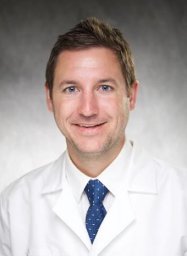 Nicholas T Trapp合作论文数Dept Psychiat, Univ Iowa10
 Pashtun Shahim合作论文数at University of Gothenburg, Sahlgrenska University Hospital10Kandala Sridhar合作论文数10
 Gregory J. Zipfel合作论文数Division of Pediatric Neurosurgery, Department of Neurosurgery, Washington University School of Medicine in St. Louis;Roy and Diana Vagelos Division of Biology & Biomedical Sciences, Washington University School of Medicine in St. Louis;Barnes-Jewish Hospital;St. Louis Children’s Hospital;Missouri Baptist Medical Center10Carter Alexandre R合作论文数9Johnson Ann M合作论文数9
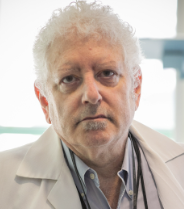 Abraham Z. Snyder合作论文数Neuroimaging Labs Research Center, Mallinckrodt Institute of Radiology, Washington University School of Medicine in St. Louis9
 Terrance T. Kummer合作论文数Department of Molecular and Cellular Biology, Harvard University9
 Joshua S. Shimony合作论文数Mallinckrodt Institute of Radiology, Washington University School of Medicine in St. Louis;Siteman Cancer Center, Washington University School of Medicine in St. Louis9
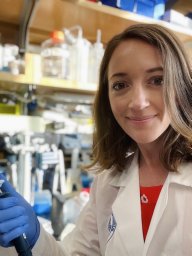 Bennett Rachel E合作论文数Department of Neurology, Washington University School of Medicine8
 Timothy Laumann合作论文数Department of Psychiatry, Washington University in St. Louis8
 Philip Bayly合作论文数Department of Mechanical Engineering and Materials Science, McKelvey School of Engineering, Washington University in St. Louis8
 Henrik Zetterberg合作论文数Leonard Wolfson Biomarkers Lab, Queen Square Institute of Neurology, University College London;Institute of Neuroscience and Physiology, Department of Psychiatry and Neurochemistry, University of Gothenburg;Department of Clinical Chemistry, Sahlgrenska University Hospital8
 Raymond Fang合作论文数Wilford Hall Medical Center, Lackland Air Force Base8Christine MacDonald合作论文数7Stephen Flaherty合作论文数7
 Laurena Holleran合作论文数7
 Nigel Cairns合作论文数NIHR Exeter Biomedical Research Centre, University of Exeter;Living Systems Institute, University of Exeter;College of Medicine and Health, University of Exeter7
 Kaj Blennow合作论文数Neurochemistry Laboratory, Institute of Neuroscience and Physiology, Gothenburg University7
 Elliot C Nelson合作论文数School of Medicine, Washington University7Nicole Werner合作论文数6Hao Jiang合作论文数Department of Radiology, Washington University School of Medicine6
 Thor D. Stein合作论文数Alzheimer's Disease Research Center, Boston University;Chobanian & Avedisian School of Medicine, Boston University6
 Victor Alvarez合作论文数Laboratory Operations, Chronic Traumatic Encephalopathy Center, Boston University;Chobanian & Avedisian School of Medicine, Boston University6John R. Cirrito合作论文数Dept Neurol, Washington Univ6
 Nino Stocchetti合作论文数University of Milano6
 Marcus E. Raichle合作论文数School of Medicine, Washington University, St Louis6
 Eric C. Leuthardt合作论文数Department of Neurological Surgery, Washington University School of Medicine in St. Louis;Division of Neurotechnology, Washington University School of Medicine in St. Louis;Barnes-Jewish Hospital;St. Louis Children’s Hospital6
 Katherine Schwetye合作论文数5Shiran Su合作论文数5
 Stuart H Friess合作论文数5
 Joseph Benetatos合作论文数Massachusetts Inst Technol, MIT5
 dennis j rivet合作论文数5
 Daniel P Perl合作论文数Department of Pathology, School of Medicine, Uniformed Services University of the Health Sciences5
 Patrick M. Kochanek合作论文数Department of Critical Care Medicine, School of Medicine, University of Pittsburgh;Department of Pediatrics, School of Medicine, University of Pittsburgh5
 Norelle C. Wildburger合作论文数Center for Aging, Washington University5
 Randall J. Bateman合作论文数Department of Neurology, School of Medicine, Washington University in St. Louis;Tracy Family Stable Isotope Labeling Quantitation Center for Neurodegenerative Biology, Washington University in St. Louis5Andrew D. Sauerbeck合作论文数4
 Ana Mikolic合作论文数Erasmus MC;a.mikolic@erasmusmc.nl.4




