Clinical interviewing is the basic method to understand how a person feels and what are the presenting complaints, obtain medical history, evaluate personal attitudes and behavior related to health and disease, give the patient information about diagnosis, prognosis, and treatment, and establish a bond between patient and physician that is crucial for shared decision making and self-management. However, the value of this basic skill is threatened by time pressures and emphasis on technology. Current health care trends privilege expensive tests and procedures and tag the time devoted to interaction with the patient as lacking cost-effectiveness. Instead, the time spent to inquire about problems and life setting may actually help to avoid further testing, procedures, and referrals. Moreover, the dialogue between patient and physician is an essential instrument to increase patient's motivation to engage in healthy behavior. The aim of this paper was to provide an overview of clinical interviewing and its optimal use in relation to style, flow and hypothesis testing, clinical domains, modifications according to settings and goals, and teaching. This review points to the primacy of interviewing in the clinical process. The quality of interviewing determines the quality of data that are collected and, eventually, of assessment and treatment. Thus, interviewing deserves more attention in educational training and more space in clinical encounters than it is currently receiving.
Telemedicine has a rich history, and recent advancements in communication technology have expanded its potential. Despite COVID-19 pandemic-related surges, telemedicine has returned to pre-pandemic levels in some settings, highlighting the need to understand the drivers and contextual factors. Previous studies using linear prediction models and single-method approaches fail to capture the complexities and nonlinear relationships among clinicians, patients, technology, and clinical tasks. We employ a concurrent mixed-method approach, combining quantitative analysis of electronic medical record (EMR) data and Activity Theory analysis of clinician interviews to investigate telemedicine drivers in primary care clinics. Findings confirm the significant role of clinicians and challenge assumptions of resistance to technology. Clinicians exhibit Plasticity and Elasticity by balancing roles, adjusting routines, and prioritizing patients' clinical and social needs to accommodate telemedicine. It informs technological design interventions to enhance telemedicine and clinical care, including data transfer, virtual touch, and sociodemographic integration into EMR.
 Leonard Pogach合作论文数27Susan R Kirsh合作论文数19Chin-Lin Tseng合作论文数16Orysya Soroka合作论文数11Kashner T Michael合作论文数9Sheri A. Keitz合作论文数Miller School of Medicine, University of Miami9
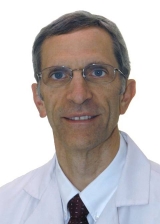 Grant W. Cannon合作论文数Division of Rheumatology, Internal Medicine Department, School of Medicine, University of Utah;Salt Lake City VA Medical Center9John M. Byrne合作论文数Department of Medicine, Loma Linda University School of Medicine9Annie Wicker合作论文数8
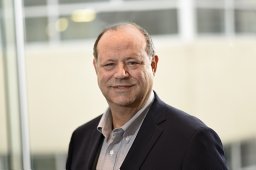 Stuart C Gilman合作论文数Office of Academic Affiliations, Veterans Health Administration8Catherine P. Kaminetzky合作论文数Department of Medicine, Duke University7Gloria J. Holland合作论文数7Miriam Maney合作论文数7Barbara K. Chang合作论文数7Curtis J. Donskey合作论文数School of Medicine, Case Western Reserve University6Watts Sharon合作论文数6
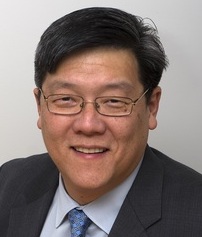 David H. Au合作论文数Division of Pulmonary, Critical Care and Sleep Medicine, Department of Medicine, University of Washington;Center of Innovation for Veteran-Centered and Value-Driven Care, University of Washington;Center for Care and Payment Innovation, United States Department of Veterans Affairs6
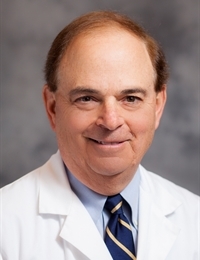 James W. Findling合作论文数Medical College of Wisconsin6Stevenson Lauren合作论文数5
 Pei Jai Michael Ho合作论文数Division of Cardiology, School of Medicine, University of Colorado Anschutz Medical Campus;Denver VA Medical Center;Kaiser Permanente of Colorado, Institute for Health Research5Dima Abdelmannan合作论文数University Hospitals of Cleveland, Case Western Reserve University5Sherry L. Ball合作论文数5
 Gary Elliot Rosenthal合作论文数Department of Internal Medicine, Wake Forest School of Medicine5
 Duncan Neuhauser合作论文数Case Western Reserve University4Nicole J. Pultz合作论文数4J. Blake Tyrrell合作论文数4
 Mangala Rajan合作论文数Department of Veteran Affairs — Center for Health Care Knowledge and Management, VA New Jersey Health Care System4Renee H. Lawrence合作论文数4Elizabeth O. Kern合作论文数4
 Elaine Muchmore合作论文数Department of Medicine, School of Medicine, University of California, San Diego3
 David Edward Edelman合作论文数Department of Medicine, Duke University School of Medicine3
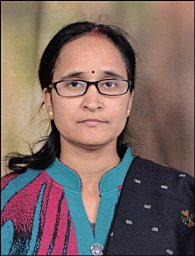 Mamta Singh合作论文数3
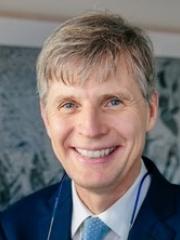 David Leslie Paterson合作论文数Saw Swee Hock School of Public Health, National University of Singapore;Yong Loo Lin School of Public Health, National University of Singapore3
 Leah M Haverhals合作论文数3Sood Ajay合作论文数3
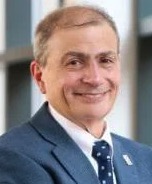 Robert A. Bonomo合作论文数Department of Population and Quantitative Health Sciences, School of Medicine, Case Western Reserve University;Department of Medicine, School of Medicine, Case Western Reserve University;Department of Pharmacology, School of Medicine, Case Western Reserve University3Zeiss Robert合作论文数3
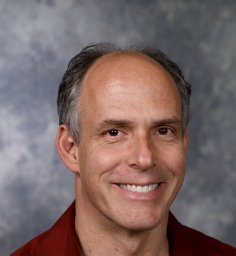 Richard M Golden合作论文数School of Behavioral and Brain Sciences, University of Texas at Dallas3
 Amy Ray合作论文数3Steven S. Henley合作论文数Martingale Research Corporation3Julie C. Lowery合作论文数3
 John N Aucott合作论文数Veterans Affairs Medical Center3Anita Bhalla合作论文数3Donald R Miller合作论文数Department of Anesthesiology and Pain Medicine, Faculty of Medicine, University of Ottawa;Department of TOH Anesthesiology, The Ottawa Hospital3
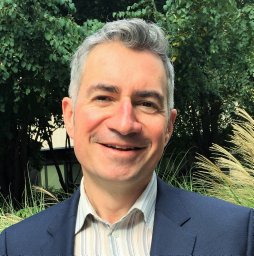 Christian D. Helfrich合作论文数Northwest HSR&D Center of Excellence, VA Puget Sound Healthcare System;Department of Health Services, University of Washington School of Public Health;Northwest HSR&D Center of Excellence, University of Washington School of Public Health3
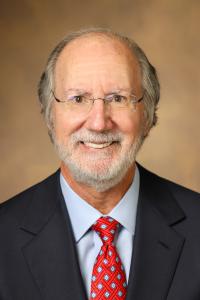 Robert S. Dittus合作论文数Division General Internal Medicine and Public Health, Department of Medicine, Vanderbilt University Medical Center3Andre Theriault合作论文数2Lenora Lorenzo合作论文数2




