PURPOSE:To evaluate the efficacy of CanCommunicate for improving perceived communication disability and quality of life in people with brain tumour, compared to usual care. MATERIALS & METHODS:A randomised trial with a waitlist control was used. Participants were randomised to CanCommunicate (immediate intervention) or a wait list (control). CanCommunicate involved a 7-week communication intervention guided by Goal Attainment Scaling with group and individualised sessions. Participants completed the Comprehensive Aphasia Test Disability Questionnaire (CAT DQ), Functional Assessment of Cancer Therapy - General (FACT-G), La Trobe Communication questionnaire (LCQ) and semi-structured interviews at baseline and post-intervention. RESULTS:39 people participated (Immediate intervention n = 24, waitlist n = 15). There was a significant between-group difference on the CAT DQ over time (p = 0.04) in favour of the intervention group, but not for the LCQ (p = 0.58) or FACT-G (p = 0.80). When data were combined for all participants who completed CanCommunicate (n = 23), ratings were significantly improved on the CAT-DQ (p < 0.001) and LCQ (p = 0.04) at 6-week follow-up. Participants perceived CanCommunicate favourably and made suggestions for further optimisation. CONCLUSION:The current study supports the benefits of communication intervention for people with brain tumour and reinforces the need for tailored, goal-based interventions.
Dopamine is crucial to the function of language, executive, reward, and memory networks putatively underlying word learning. The present study explored how levodopa impacts associative novel word learning in healthy adults. Using a placebo-controlled, between groups study design, we compared the effects of levodopa VS placebo on associative novel word learning in a group of healthy young adults (placebo n=18; levodopa n=17). Novel and familiar objects were paired with auditory novel words during 4 days of learning. Learning outcomes were assessed via recognition and recall tasks on each day, with delayed follow-up at 1 and 4 weeks after the final day of learning. Behavioural and cognitive measures were obtained before throughout to assess their influence on word learning. Participants receiving levodopa demonstrated higher overall recall and recognition accuracy during learning relative to those on placebo, with recognition accuracy also higher for the levodopa group at the delayed follow-up. No correlations were observed with behavioural or cognitive measures. While dopamine facilitates associative novel word learning, such benefits may weaken over time. Indices of sensitivity to reward or baseline executive function did not meaningfully predict novel word learning performance as indexed by our task. An explicit learning paradigm may elicit strong top-down motivation, which could in turn wash out these contributions within our task context. Interestingly, we also noted an increase in accuracy from Day 4 (last training day) to the first delayed follow-up at Week 1, for both recall and recognition across drug arms, despite the lack of any training in between.
The current concept is that the eye is an immune privileged site endowed with innate immune regulatory networks to maintain organ function. We now have evidence that resident T cells occupy intraocular tissues. In immune-mediated inflammatory diseases, such as psoriasis and rheumatoid arthritis, tissue resident T cells trigger disease flares in the skin and joints. This suggests resident T cells in the uvea may have similar functions in non-infectious immune-mediated uveitis, a collective term for autoinflammatory and autoimmune diseases of the uveal tract causing intraocular inflammation. Here, we demonstrate by spectral cytometry and immunofluorescence imaging that non-inflamed uveal tissue contains multiple T cell subtypes including CD8+ CD103+ tissue resident memory T (TRM) cells. Using single cell RNA & T cell receptor (TCR) sequencing to profile aqueous humour cells from donors with acute, active uveitis, we identify clonally expanded T cells which are enriched for TRM-associated genes. We further show that in donors with active uveitis, CD8+ CD103+ T cells persist within tissue in the uveal tract. Using bulk RNA sequencing and weighted gene co-expression network analysis (WGCNA) we show that quiescent iris tissue from donors with a history of uveitis are enriched for genes associated with T cell activation and antigen presentation. Finally, we demonstrate that TRM cells persist in the anterior uvea in mice following resolution of experimental autoimmune uveoretinitis (EAU). Our results show that the human eye contains T cells both in health and during active inflammation. Our findings challenge the dogma that the eye is devoid of lymphocytes and supports the concept of resident T cell involvement in the pathogenesis of non-infectious immune-mediated uveitis and as promising targets for therapy.
Progress for ocular adeno-associated virus (AAV) gene therapy has been hindered by AAV-induced inflammation, limiting dose escalation and long-term efficacy. Broadly, the extent of inflammatory responses alters with age and sex, yet these factors are poorly represented in pre-clinical development of ocular AAV gene therapies. Here, we combined clinical imaging, flow cytometry, and bulk sequencing of sorted microglia to interrogate the longitudinal inflammatory response following intravitreal delivery of AAV2 in young (3-month-old), middle aged (9-month-old), and old (18-month-old) Cx3cr1-creER:R26tdTomato+/- mice of both sexes. Young males and females exhibited a similar dynamic response, with peak inflammation evident at days 10-12 and signs of clinical resolution by day 28. However, the magnitude of the transcriptional response by microglia and adaptive T cell infiltrate differed between sexes. With age, increased and persistent inflammation were observed in both sexes, although old males maintained their microglia transcriptional AAV response signature. Contrarily, females demonstrated greater divergence in their inflammatory response across age, with enriched cellular stress and inflammatory gene expression in older mice and corresponding signs of retinal degeneration. These findings inform crucial sex and age differences for the therapeutic application of ocular gene therapy, highlighting the need to further understand these factors to overcome AAV immunogenicity.
BackgroundFunctional MRI (fMRI) studies conducted on young adults reveal a predominantly left-lateralized cortical language network during semantic and phonological processing (SP and PP, respectively). Both linguistic dimensions have been advanced as potential cognitive markers of pathological aging. However, the neural mechanisms underlying SP and PP among healthy older adults remain poorly understood.AimThis study aimed to investigate the dynamics of language lateralization among native Spanish-speaking older adults in relation to their behavioral performance in specific semantic and phonological tasks.MethodologyTwenty-eight healthy, right-handed older Chilean adults (mean age: 67.7, SD±: 7.44, range: 60–87) took part in an fMRI session during which they performed semantic and phonological tasks. They were also evaluated for overall language performance using the Spanish version of ScreeLing and verbal fluency tasks. A fixed-effect analysis was performed to explore group-level differences. Standard regression analyses were also used to assess the association between brain activation and language performance.ResultsBoth SP and PP elicited bilateral activation in the pars triangularis and opercularis of the inferior frontal gyrus (IFG) and the superior temporal gyrus. Activation was also observed in the left inferior parietal gyrus. Semantic fluency performance was significantly associated with activation in the right angular gyrus and the pars opercularis of the IFG. In contrast, phonological fluency was associated with bilateral activation in the IFG pars orbitalis.ConclusionAmong healthy older adults, SP and PP recruit bilateral language-related brain regions, potentially reflecting compensatory mechanisms associated with normal aging. Notably, the IFG pars orbitalis may play a distinct role in supporting phonological fluency, despite not being a region traditionally linked to PP. Further research is needed to clarify the contribution of this region to phonological performance among aging adults.
ObjectiveTo evaluate the feasibility of delivering 50 h of comprehensive, high-dose aphasia treatment via telerehabilitation (TeleCHAT) to people with aphasia and their support people.DesignA non-randomised one-armed quasi-experimental pre-post feasibility study.SettingTeleCHAT was delivered from dedicated tele-suites in university spaces within a tertiary hospital. Participants received therapy in their homes via telerehabilitation using a configured telerehabilitation system which used videoconferencing software Zoom®.ParticipantsThree cohorts of people with aphasia (n = 12), support people (n = 11), and speech-language pathologists (n = 2) participated.InterventionParticipants completed technology training, goal setting, and clinical treatment planning prior to the intervention. The TeleCHAT intervention included 50 h of goal-directed aphasia therapy, delivered 3-5 days per week over 8 weeks.Main measuresMixed-methods data was collected on participant demographics, aphasia profiles, achievement of dose, comprehensiveness of therapy, and support people participation.ResultsA diverse group of people with aphasia completed TeleCHAT. Nine participants received the intended dose of 50 h, with the remaining three closely approaching dose. A high proportion of sessions were spent actively engaged in therapeutic tasks (94-100%). A comprehensive array of 42 therapy activities was delivered and tailored to goals across the International Classification of Functioning, Disability and Health Framework. All participants had a support person participate actively in at least one session.ConclusionsIt was feasible to deliver the core components of the TeleCHAT programme via telerehabilitation. As intended, a heterogeneous group of people with aphasia received a high-dose of tailored, comprehensive aphasia therapy, with the active participation of support people.
Recurrent acute anterior uveitis is a frequent extra-articular manifestation of the axial spondyloarthropathies (AxSpA): chronic inflammatory diseases affecting the spine, enthesis, peripheral joints, skin, and gastrointestinal tract. Pathology in AxSpA has been associated with local tissue-resident populations of IL-23 responsive lymphoid cells. Here we characterize a population of ocular T cell defined by CD3+CD4-CD8-CD69+γδTCR+IL-23R+ that reside within the anterior uvea as an ocular entheseal analogue of the mouse eye. Localized cytokine expression demonstrates that uveal IL-23R+ IL-17A-producing cells are both necessary and sufficient to drive uveitis in response to IL-23. This T cell population is also present in humans, occupying extravascular tissues of the anterior uveal compartment. Consistent with the concept of IL-23 as a unifying mediator in AxSpA, we present evidence that IL-23 can also act locally on tissue resident T cells in the anterior compartment of the eye at sites analogous to the enthesis to drive ocular inflammation.
BACKGROUND:A range of language impairments have been reported in people with epilepsy both pre- and post-surgically, however language is not routinely comprehensively assessed in epilepsy clinics. When language is assessed, this is typically as part of a broader neuropsychological battery of assessment, often limited to tests of noun naming and/or verbal fluency, despite evidence to suggest these tests are not sufficiently sensitive to detect the often-subtle deficits present in chronic focal epilepsy. Many areas of language function, including the production of connected speech, have also not been adequately explored in this population, and research relating to subjective report of language and communication difficulties is limited. A more comprehensive assessment of language, which includes patient report, is required to determine the presence and extent of language impairment in people with focal epilepsy. AIM:The aim of the present study was to systematically investigate the prevalence and pattern of language impairment in a group of people with chronic focal epilepsy using a comprehensive aphasia battery and a patient reported outcome measure. METHOD:Language skills were assessed in 26 right-handed people with chronic focal epilepsy using the Comprehensive Aphasia test (CAT), in addition to standard clinical assessments of noun naming and verbal fluency. Participants' self-report of their language and communication skills was also collected, using the La Trobe Communication Questionnaire (LCQ). OUTCOMES AND RESULTS:85% of participants with focal epilepsy were impaired on one or more language subtests of the CAT. In contrast, only 15% of participants were impaired on tests of confrontation noun naming, and none were impaired on a test of verbal fluency. The CAT findings were supported by subjective data, with 82% of participants self-reporting a communication difficulty. CONCLUSIONS:Our results show that current approaches to language assessment are inadequate for identifying language impairments in people with focal epilepsy, and likely underestimate the prevalence of language impairment in this population. In particular, verb naming and picture description subtests revealed deficits across the majority of the sample, highlighting the need for more comprehensive assessment of language to be routinely conducted in this population.
Introduction Aphasia is a language impairment that affects one-third of people who experience a stroke. Aphasia can impact all facets of language: speaking, understanding, reading and writing. Around 60% of people with aphasia have persistent language impairments 1 year after their stroke, requiring ongoing healthcare and support. In recent years, the internet has become a key resource for the self-management of chronic health conditions. Navigating web content, however, requires language use, and as such, people living with aphasia are more likely to be excluded from digital health and support services. Web Content Accessibility Guidelines exist; however, they do not fully address the unique and diverse needs of people with aphasia, and a significant proportion of websites (over 90%) do not fully adhere to them. This protocol paper describes the first two stages of the Bridging the Digital Divide project, which aims to codesign and develop (a) a web-browser extension to re-render webpages to an ‘aphasia-friendly’ (accessible) format, (b) training tools to help users and health professionals customise the web-browser extension and (c) guidelines for developing communication-accessible websites.Methods and analysis The research will be conducted using experience-based codesign. In Stage 1a, focus groups will be held with (1) people with aphasia, (2) family members or significant others and (3) health professionals working with people with aphasia. Participants will be asked to share their experiences of accessing (or supporting a person with aphasia to access) healthcare, information and support services on the web. The nominal group technique (NGT) will be used to identify priorities for improving web accessibility for people with aphasia. Focus group data will be analysed using reflexive thematic analysis, and prioritisation data will be analysed using inductive qualitative content analysis. In Stage 1b, eight codesign workshops will be held with representatives of the three key stakeholder groups to iteratively codesign and develop a web-browser extension, training tools and guidelines to support web accessibility.Ethics and dissemination Ethical clearance for Stage 1a and Stage 1b of this project has been approved by the University of Queensland Human Research Ethics Committee (Stage 1a approval number: 2023/HE000528, Stage 1b approval number: 2024/HE000721). The outcomes of this research will be disseminated in peer-reviewed journals and presented at national and international conferences. A dissemination and celebration event will be held at the completion of the project.
BACKGROUND:Communication Partner Training (CPT) is an intervention where multidisciplinary healthcare staff are trained to use supportive strategies to communicate with people with communication disabilities such as aphasia. CPT is an evidence-based recommendation in high-quality international stroke guidelines, but there are large evidence-practice gaps that need to be addressed. OBJECTIVES:This study explored a) current CPT practice, b) barriers and facilitators influencing CPT implementation, and c) preferences on ideal CPT. METHODS:Australian stroke clinicians (speech pathologists: SLPs; the multidisciplinary team: MDT) working with people with aphasia across acute, rehabilitation and community settings completed an online cross-sectional survey based on the Theoretical Domains Framework. Data were analyzed using descriptive statistics, frequency distributions, total barriers scores and qualitative content analysis. RESULTS:Final analyses included 206 surveys (105 SLPs 105; 101 MDT). Both groups (SLP 98%; MDT 71%) agreed CPT is beneficial to patients with aphasia. However, less than 20% of MDT respondents reported receiving CPT. While 87% of SLPs reported providing CPT, only 36% reported alignment with best practice. Key barriers included insufficient systems-level support, training opportunities and staff availability, and the MDT lacked knowledge and confidence in using communication strategies. Training preferences included flexible delivery, interactive approaches, and protected time. CONCLUSIONS:Current Australian CPT practice does not align with best practice guidelines and the stroke MDT have unmet training needs. Despite SLPs valuing interactive training with demonstration and practice, time constraints often reduce CPT to basic education. A targeted implementation strategy addressing key barriers is needed to sustainably improve healthcare experience and communication outcomes.
PURPOSE:Co-design of research and services alongside end users is increasingly required by funding bodies and governments. To enable a meaningful inclusion of people with communication disability, planning and modification are required, as standard co-design procedures involve extensive spoken and written language. Experience-based co-design (EBCD) is one co-design approach that is gaining popularity; however, there are few detailed reports to date on adapting EBCD for communication disability. This article outlines our modifications of EBCD to co-design a technology-enabled self-management platform (Communication Connect) for people living with poststroke aphasia and cognitive-communication disability from traumatic brain injury. METHOD:Participants included individuals with communication disabilities (n = 8), care partners (n = 3), and health professionals (n = 20) across three Australian states. Data collection involved video-recorded interviews, focus groups, and structured prioritization workshops. This study describes the first four stages of EBCD (project setup, two experience-gathering stages, and identifying priorities). RESULTS:This article presents a detailed account of the practical decisions and modifications made throughout the EBCD process. Key adaptations are outlined, including the use of text-based video editing to efficiently create touchpoint films, nonlinear presentation of challenges to facilitate engagement, and visual aids to support prioritization and ranking. These modifications supported the meaningful participation of co-designers, including people with communication disability. CONCLUSION:This method article contributes to the growing knowledge on adapting EBCD for communication disability, which may be of use to future EBCD projects and for improving the meaningful inclusion of people with communication disability in co-design research.
Objective Post-stroke aphasia (language impairment) has a devastating impact on quality of life and people with aphasia experience long-term unmet needs. A shared understanding of the experiences underpinning these unmet needs is required to identify priorities for improvement. Establishing priorities for meaningful service improvement requires involvement of service users and providers. Therefore, this research aimed to: (1) collaboratively identify priorities for aphasia service improvement according to people with aphasia, significant others, speech pathologists, and (2) co-design a plan for service development and improvement. Design Prioritisation phase of an experience-based co-design project. Online surveys were used to prioritise ideas ( n = 773). Three multi-stakeholder consensus groups were held to shortlist top priorities. Design principles were applied during three consecutive co-design workshops, to develop a concept design targeting the top priority. Participants, setting People with aphasia ( n = 41), significant others ( n = 35) and speech pathologists ( n = 75) across 26 health and hospital sites in remote, regional, and metropolitan Queensland, Australia. Results Consensus was established on seven priorities: (1) chart alert system for aphasia, (2) training for healthcare providers in ways to support communication, (3) care that is tailored to the individual, (4) consistent care, (5) equitable access to care, (6) intensive communication therapy options, and (7) mental health service options. A concept design (implementation strategy) was created for the top priority. Conclusions Multi-stakeholder consensus was gained on seven priorities. Development, implementation, and evaluation of the co-designed concept plan for the top priority may decrease miscommunication in hospital settings and enhance experiences of people with aphasia communicating with healthcare providers.
The integrity of the frontal segment of the corpus callosum, forceps minor, is particularly susceptible to age-related degradation and has been associated with cognitive outcomes in both healthy and pathological ageing. The predictive relevance of forceps minor integrity in relation to cognitive outcomes following a stroke remains unexplored. Our goal was to evaluate whether the heterogeneity of forceps minor integrity, assessed early after stroke onset (2-6 weeks), contributes to explaining variance in longitudinal outcomes in post-stroke aphasia. Both word- and sentence-level tasks were employed to assess language comprehension and language production skills in individuals with first-ever left-hemisphere stroke during the early subacute and chronic phases of recovery (n = 25). Structural and diffusion neuroimaging data from the early subacute phase were used to quantify stroke lesion load and bilateral forceps minor radial diffusivity. Multiple linear regression models examined whether early subacute radial diffusivity within the forceps minor, along with other factors (stroke lesion load, age, sex and education), explained variance in early subacute performance and longitudinal recovery (i.e. change in behavioural performance). Increased early subacute radial diffusivity in the forceps minor was associated with poor early subacute comprehension (t = -2.36, P = 0.02) but not production (P = 0.35) when controlling for stroke lesion load, age, sex and education. When considering longitudinal recovery, early subacute radial diffusivity in the forceps minor was not linked to changes in performance in either comprehension (P = 0.11) or production (P = 0.36) under the same control variables. The examination of various language components and processes led to novel insights: (i) language comprehension may be more susceptible to white matter brain health than language production and (ii) the influence of white matter brain health is reflected in early comprehension performance rather than longitudinal changes in comprehension. These results suggest that evaluating baseline callosal integrity is a valuable approach for assessing the risk of impaired language comprehension post-stroke, while also underscoring the importance of nuanced analyses of behavioural outcomes to enhance our understanding of the clinical applicability of baseline brain health measures. Vadinova et al. report that early increased radial diffusivity in forceps minor after stroke explains variance in subacute language comprehension but not production, nor longitudinal recovery. This suggests comprehension is more susceptible to white matter health than production and that baseline white matter health impacts initial performance more than recovery.
PURPOSE:Intensive Comprehensive Aphasia Programs (ICAPs) deliver personalised treatment to improve outcomes for people with aphasia. Structured, collaborative clinical planning may address challenges associated with personalising therapy, facilitating implementation of these programs. This study aimed to (1) understand speech pathologists' perspectives of barriers, facilitators, and strategies to implementing clinical planning for one modified ICAP, Comprehensive, High-dose Aphasia Treatment (CHAT), and its telerehabilitation-delivered counterpart (TeleCHAT); and (2) develop a theory-driven intervention to implement clinical planning. METHODS:Phase one: treating speech pathologists and speech pathology leaders involved in CHAT/TeleCHAT participated in focus groups/interviews. Reported barriers, facilitators, and strategies for implementation were analysed via mixed deductive-inductive content analysis and categorised using implementation frameworks. Phase two: findings from phase one were translated into an implementation intervention using determinant-strategy mapping tools. RESULTS:Three themes were identified: (1) overall experience; (2) learning a new way of practice; and (3) the implementation context. Clinical planning was highly regarded by participants. However, barriers relating to its fit within a clinical setting were reported. Adequate social support may leverage this barrier. An implementation intervention including six evidence-based strategies was developed. CONCLUSIONS:Strategies to support implementation of clinical planning for CHAT/TeleCHAT have been identified, an important preliminary step for implementing ICAPs.
Retinal gene therapy using adeno-associated viral (AAV) vectors has been a groundbreaking step-change in the treatment of inherited retinal diseases (IRDs) and could also be used to treat more common retinal diseases such as age-related macular degeneration and diabetic retinopathy. The delivery and expression of therapeutic transgenes in the eye is limited by innate and adaptive immune responses against components of the vector product, which has been termed gene therapy-associated uveitis (GTAU). This is clinically important as intraocular inflammation could lead to irreversible loss of retinal cells, deterioration of visual function and reduced durability of treatment effect associated with a costly one-off treatment. For retinal gene therapy to achieve an improved efficacy and safety profile for treating additional IRDs and more common diseases, the risk of GTAU must be minimised. We have collated insights from pre-clinical research, clinical trials, and the real-world implementation of AAV-mediated retinal gene therapy to help understand the risk factors for GTAU. We draw attention to an emerging framework, which includes patient demographics, vector construct, vector dose, route of administration, and choice of immunosuppression regime. Importantly, we consider efforts to date and potential future strategies to mitigate the adverse immune response across each of these domains. We advocate for more targeted immunomodulatory approaches to the prevention and treatment of GTAU based on better understanding of the underlying immune response.
ABSTRACT Background People with aphasia (PWA, impaired language/communication) are often excluded from research that concerns them due to a lack of methodological adaptations to support communication. This paper describes adaptations to support their involvement in experience‐based codesign (EBCD). Aims To describe the involvement of PWA in EBCD and critically evaluate adaptations required to support involvement. Methods Mixed methods process evaluation and reflexive critical appraisal with PWA, significant others (SO), and speech pathologists (SP). Using surveys, stakeholders ( n = 127) and a consumer advisory group (CAG; n = 6) provided feedback on involvement in five stages of the research: (1) online interviews and focus groups; (2) online surveys; (3) consensus meetings; (4) codesign workshops; and (5) the CAG. Critical reflections (lead researcher) informed the analysis. Descriptive statistics and inductive content analysis were used. Results Most PWA (79%) liked sharing their experiences online, and contributed as much as desired in group meetings (64%). A modified touchpoint film approach (use of voice actors, still images, and subtitles) supported reflexive discussions and collaborative understanding. All PWA and SO, and most SPs (78%) thought the touchpoint film helped them to understand experiences of care and areas for change. Long‐term engagement in the project was perceived to help build relationships, reduce hierarchical power differentials and support equal sharing of ideas. Conclusions Meaningful involvement of PWA was supported through long‐term engagement, a modified touchpoint film approach, and hybrid methods of data collection. EBCD is a suitable approach for exploring experiences of care, identifying leading priorities, and co‐designing areas for change with PWA. Patient or Public Contribution This evaluation is informed by the reflections of the research team. This team included the consumer advisory group (public involvement team members) comprising PWA ( n = 3), SOs ( n = 2) and a Cultural Capability Officer. Research team members (LNA, DAC, VJP, and SJW) designed the study (including research questions, data analysis processes and assessment measures). Public involvement guided study procedures and recruitment (e.g., methods for engaging with people with lived experience of aphasia), and the interpretation and dissemination of results (e.g., co‐authors on papers). A Cultural Capability Officer advised on culturally safe practices for Aboriginal and Torres Strait Islander participants. Aboriginal and Torres Strait Islander Peoples, are the First Nations people of Australia. Cultural Capability Officer support refers to the support provided to ensure behaviours, systems and processes are conducted in a way that is culturally respectful. Research is reported in line with the GRIPP‐2 guidelines for reporting patient and public involvement.
BACKGROUND:Intensive comprehensive aphasia programmes (ICAPs) deliver intensive aphasia rehabilitation via a cohort approach, aligning with the World Health Organization's (WHO) International Classification for Functioning, Disability and Health (ICF). ICAPs are an effective treatment approach for aphasia rehabilitation, and their implementation within healthcare settings is currently being investigated. However, there are challenges associated with selecting and tailoring evidence-based treatments for delivery within ICAPs and supportive processes for selecting and tailoring therapy are required. To address this challenge, structured and collaborative clinical planning has been incorporated as a key element of one modified ICAP (mICAP), the Comprehensive, High-dose Aphasia Treatment (CHAT) programme. CHAT provides 50 h of personalized, goal-directed therapy for language impairment and function across 8 weeks. Our current understanding of how clinical planning is conducted for this programme is limited. AIMS:(1) To identify and define the individual tasks performed as part of a structured, collaborative clinical planning process for CHAT and its telerehabilitation counterpart TeleCHAT; and (2) to understand speech pathologists' perspectives of the key components, roles and resources for clinical planning. METHODS:A mixed methods hierarchical task analysis (HTA) approach was utilized to analyse observations of 10 goal-setting sessions and planning discussions of 13 patients across two CHAT and TeleCHAT cohorts. Focus groups and interviews with seven speech pathologists and two speech pathology leaders involved in delivering or supporting the delivery of the programmes were also conducted. Clinical planning tasks, personnel involved and resources used were iteratively built into a task analysis framework. Perspectives on the key elements of clinical planning were obtained and analysed using deductive qualitative content analysis. RESULTS:Seven clinical planning tasks, comprising 25 subtasks, were identified across CHAT and TeleCHAT: assessment and analysis, goal-setting, an initial planning meeting, scheduling and coordination, resource preparation, a midway planning meeting, and planning throughout therapy. One additional task was identified for TeleCHAT: identify and prepare technology. Identifying appropriate patients for CHAT and TeleCHAT was considered a precursor to clinical planning. Each clinical planning task was perceived as essential for its success. The involvement of both clinical and research teams and access to resources to structure clinical planning tasks were also described as key elements. CONCLUSION/IMPLICATIONS:Clinical planning is a central component of CHAT and TeleCHAT, involving a number of multifaceted processes. Understanding how clinical planning is executed in practice is the first step towards implementing ICAPs and mICAPs such as CHAT and TeleCHAT in other settings. Understanding the factors that influence the implementation of the clinical planning process is needed to further inform this translation. WHAT THIS PAPER ADDS:What is already known on the subject Speech pathologists experience challenges selecting and tailoring evidence-based aphasia therapy, and support for clinical planning has been reported to facilitate the delivery of ICAPs. What this paper adds to the existing knowledge This study comprehensively describes the process of clinical planning for the CHAT and TeleCHAT programmes, two Australian-modified ICAPs (mICAPS), and is amongst a few descriptions of treatment mapping processes in broader aphasia rehabilitation practice. What are the potential or actual clinical implications of this work? The detailed description of clinical planning processes, in addition to key resources and personnel for CHAT and TeleCHAT, may assist speech pathology teams in improving clinical planning practices. It is a key preliminary step in translating structured, collaborative clinical planning processes into aphasia rehabilitation practice.
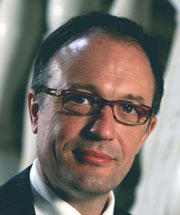 Andrew Dick合作论文数School of Cellular and Molecular Medicine, University of Bristol;Bristol Medical School, University of Bristol;Institute of Ophthalmology, University College London105
 Anthony Angwin合作论文数School of Health and Rehabilitation Sciences, Faculty of Health and Behavioural Sciences, The University of Queensland86
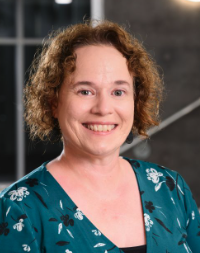 Katie McMahon合作论文数School of Clinical Sciences, Faculty of Health, Queensland University of Technology78
 Helen J. Chenery合作论文数Centre for Research in Language Processing and Linguistics, The University of Queensland74
 Lindsay B. Nicholson合作论文数62
 Nadeeka Dissanayaka合作论文数Dementia & Neuro Mental Health Research Unit, Centre for Clinical Research, Faculty of Medicine, The University of Queensland;School of Psychology, The University of Queensland;Department of Neurology, Royal Brisbane & Women's Hospital47
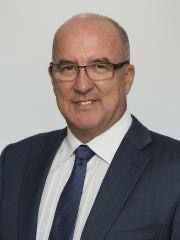 Peter Silburn合作论文数Asia-Pacific Centre for Neuromodulation, Queensland Brain Institute, The University of Queensland;St Andrews War Memorial Hospital47
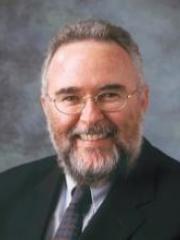 Gerard Byrne合作论文数School of Medicine Program, Faculty of Medicine, The University of Queensland44Liu Jian合作论文数37Bruce E. Murdoch合作论文数university of queensland29
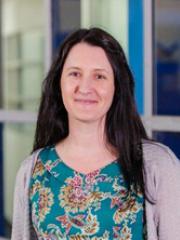 Sarah Wallace合作论文数School of Health and Rehabilitation Sciences, Faculty of Health and Behavioural Sciences, The University of Queensland28
 Erin Godecke合作论文数Faculty of Health, Engineering and Science, Edith Cowan University;Clinical Centre of Research Excellence in Aphasia Rehabilitation;Faculty of Health, Engineering and Science, Edith Cowan University28
 Marcus Meinzer合作论文数Department of Psychology, University of Konstanz;Kliniken Schmieder, Lurija Institute for Rehabilitation Research;Lurija Institute for Rehabilitation Research, University of Konstanz27
 Wendy Arnott合作论文数24
 Rose Miranda合作论文数La Trobe University23
 Lyndsey Nickels合作论文数ARC Centre of Excellence in Cognition and its Disorders, Department of Cognitive Science, Macquarie University23Linda Worrall合作论文数23
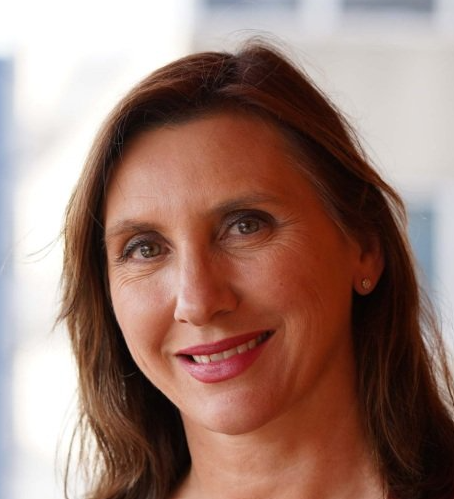 Dominique Cadilhac合作论文数School of Clinical Sciences, Faculty of Medicine, Nursing and Health Sciences, Monash University;Florey Institute of Neuroscience and Mental Health22
 Sophia Van Hees合作论文数21
 Greig de Zubicaray合作论文数School of Psychology & Counselling, Faculty of Health, Queensland University of Technology19
 Sofia Theodoropoulou合作论文数19
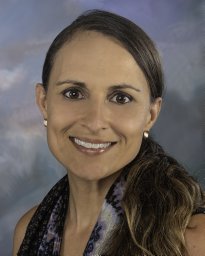 Amy D. Rodriguez合作论文数Department of Neurology, University of Florida19
 Jade K Dignam合作论文数18
 Kirstine Shrubsole合作论文数Queensland Aphasia Res Ctr17Marsh Rodney合作论文数17
 George Mellick合作论文数Griffith Institute for Drug Discovery, Griffith University;Institute for Biomedicine and Glycomics, Griffith University17
 John O'Sullivan合作论文数Centre for Clinical Research, Faculty of Health, Medicine and Behavioural Sciences, University of Queensland17
 Leanne Togher合作论文数Faculty of Health Sciences, The University of Sydney17Brownsett Sonia L E合作论文数Division of Neuroscience and Mental Health and Medical Research Council Clinical Sciences Centre, Imperial College16Philippa J. P. Lait合作论文数15
 Tarnjit K Khera合作论文数14J. O'Sullivan合作论文数13
 Emma Finch合作论文数Queensland Health13
 Colin J Chu合作论文数Department of Genetics, University College London Institute of Ophthalmology;School of Clinical Sciences, University of Bristol;University College London Institute of Ophthalmology, University of Bristol13Kim Joosup合作论文数13Annie J. Hill合作论文数12
 Heath Shiree合作论文数Centre for Clinical Research, University of Queensland12Macdonald Anna合作论文数12
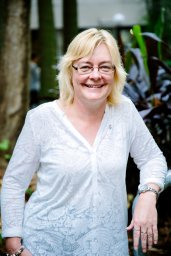 Leander K Mitchell合作论文数University of Queensland12Roxbury Tracy合作论文数12
 Jiahui Wu合作论文数12Richard W J Lee合作论文数11
 Caitlin Brandenburg合作论文数School of Health and Rehabilitation Sciences, The University of Queensland11
 Tapan Rai合作论文数11
 Ben JE Raveney合作论文数Laboratory for Microbiome Sciences, RIKEN Center for Integrative Medical Sciences;Department of Immunology, National Center of Neurology and Psychiatry, National Institute of Neuroscience11A. Angwin合作论文数10Emma Power合作论文数10
 Kartik Iyer合作论文数10Anna D. Holmes合作论文数10




