Adequate nutrition is essential for honey bee colony development and may influence pollination services provided to agricultural crops. In contrast, fungicides commonly used in agriculture have been associated with physiological and behavioral alterations in individual bees, although their consequences at the colony level remain poorly understood. This study evaluated the effects of colony nutritional status and exposure to a commercial fungicide containing bixafen, prothioconazole, and trifloxystrobin on honey bee colony development and soybean pollination efficiency. Twelve honey bee colonies were maintained under nutritional supplementation or restriction (n = 6) for seven weeks. Subsequently, each group was subdivided according to fungicide exposure or no exposure while colonies were confined in soybean pollination cages. Colony weight, food reserves, hygienic behavior, brood area, and Varroa destructor infestation were monitored throughout the experiment, and soybean yield was assessed at harvest. Nutritional supplementation improved colony performance, increasing weight gain, food reserves, hygienic behavior efficiency, and soybean yield, which increased by 31.8% (3076.7 vs. 2334.2 kg ha−1) compared with pollinator-excluded plots. Fungicide exposure did not affect colony development, food reserves, hygienic behavior, or mite infestation, regardless of nutritional status. Confinement reduced colony weight and brood area, but supplemented colonies resumed weight gain after returning to the apiary, whereas food restricted colonies maintained stable weights. These findings demonstrate that nutritional status is a key determinant of honey bee colony performance and pollination efficiency, whereas no measurable adverse effects of fungicide exposure on colony performance were detected.
Bees play an essential role in pollination, sustaining ecosystems and biodiversity. Apis mellifera collects pollen from flowers and transforms it into bee bread through a fermentation process in wax cells. This product contains volatile organic compounds (VOCs) derived from plants, influencing its sensory and bioactive properties. Therefore, this study sought to identify regional and botanical variations in four distinct Brazilian regions in the composition of bee bread through pollen and VOC’s analysis to understand its sensory and bioactive composition. Pollen identification was performed by microscopic analysis, and SPME-GC–MS data were analyzed using chemometric techniques. Fourteen types of pollen were identified in the bee bread, with Eucalyptus type being the most abundant in the samples from Ribeirão Preto, Muzambinho, and Porto Alegre. Ceiba speciosa and Mimosa type pollen were present in Muzambinho and Porto Alegre. The pollen from Mossoró was unique to that region, such as Mimosa tenuiflora, while Muzambinho did not present any pollen unique to that location. The main VOC’s classes in this study were fatty acids, terpenes, and lactones. This study concludes that local botanical diversity significantly influences the composition of volatile organic compounds (VOC’s) in bee bread, reflecting the available pollen species. The predominance of Eucalyptus type in several regions highlights the importance of native plants for the sustenance of bee colonies. These findings are relevant for ecosystem conservation, the development of functional products, the promotion of sustainable agricultural practices, and the improvement of bee bread's nutritional and therapeutic properties.
Enhanced colony nutrition can support brood development, resulting in better physiological conditions and increased resilience in adult honey bees, particularly under stress. This study investigated the effects of colony nutrition and adult dietary supplementation with green propolis on bee health under fungicide exposure. Colonies were managed under food restriction or nutritional supplementation for 22 weeks. Newly emerged bees from each colony were then caged and fed protein diets consisting of honey-pollen patties contaminated or not with fungicide, and sucrose sugar syrup with or without aqueous green propolis extract. Bees from supplemented colonies showed greater body weight, higher hemolymph protein levels, and higher consumption of protein food after seven days in cages. Fungicide exposure reduced hemolymph protein levels, altered the expression of detoxification and immune-related genes, and significantly decreased bee survival. Interestingly, propolis supplementation alone changed gene expression patterns and slightly reduced longevity compared to bees not exposed to propolis or fungicide. However, under fungicide stress, bees that ingested propolis survived longer, indicating a protective effect. While colony nutritional supplementation clearly promotes honey bee resilience against fungicide exposure, feeding propolis also showed promising effects, though further studies are needed to determine an optimal dietary concentration.
Honey bee colonies rapidly decline when confined to greenhouses, increasing pollination rental costs as they need to be replaced frequently. We tested a hive system with entrances that can be manipulated to direct bees inside or outside greenhouses containing a zucchini crop. In one greenhouse, the bees could only forage inside for 15 days; in another, bees were directed to the inside from 5 to 9 a.m., after which they only foraged outside. This procedure was repeated two more times in each greenhouse with new hives. Data were collected on how the number of bee flower visits affected fruit production, the frequency of flower visits, and the amount of bee brood and food in the hives. Flowers visited by bees four times or more set more and larger fruit. The frequency of flower visits by bees from the hives confined to the greenhouse was reduced after eight days; it was not reduced in the greenhouse with bees that could forage outside. The bee brood area was reduced in the colonies that were confined to the greenhouse, while it was maintained in the semi-confined hives. The hives with controllable entrances proved effective for pollination, while causing less damage to the bees.
The aim of this study was to evaluate whether alterations in food availability compromise the metabolic homeostasis of honey bees exposed to three fungicides alone or together. Ten honey bee colonies were used, with half receiving carbohydrate-protein supplementation for 15 weeks while another five colonies had their protein supply reduced with pollen traps. Subsequently, forager bees were collected and exposed by contact to 1 or 7 µg of bixafen, prothioconazole, or trifloxystrobin, either individually or in combination. After 48 h, bee abdomens without the intestine were used for the analysis of expression of antioxidant genes (SOD-1, CAT, and GPX-1), detoxification genes (GST-1 and CYP306A1), the storage protein gene vitellogenin, and immune system antimicrobial peptide genes (defensin-1, abaecin, hymenoptaecin, and apidaecin), through real-time PCR. All fungicide treatments induced changes in gene expression, with bixafen showing the most prominent upregulation. Exposure to 1 µg of each of the three pesticides resulted in upregulation of genes associated with detoxification and nutrition processes, and downregulation of immune system genes. When the three pesticides were combined at a dose of 7 µg each, there was a pronounced downregulation of all genes. Food availability in the colonies affected the impact of fungicides on the expression of the studied genes in forager bees.
Honey bee colonies rapidly decline when confined to greenhouses, increasing pollination rental costs as they need to be replaced frequently. We tested a hive system with entrances that can be manipulated to direct bees to inside or outside greenhouses containing a zucchini crop. In one greenhouse, the bees could only forage inside for 15 days; in another, bees were directed to the inside from 5 to 9 AM, after which they foraged outside. This procedure was repeated two more times in each greenhouse with new hives. Data was collected on how the number of bee flower visits affected fruit production, the frequency of flower visits, and the amount of bee brood and food in the hives. Flowers visited by bees four times or more set more and larger fruit. The frequency of flower visits by bees from the hives confined to the greenhouse was reduced after eight days; it was not reduced in the greenhouse with bees that could forage outside. Bee brood area was reduced in the colonies that were confined to the greenhouse, while it was maintained in the semiconfined hives. The hive system with controllable entrances proved effective for pollination, while causing less damage to the bees.
As in other organisms, the antioxidant cellular defense system of bees helps maintain homeostasis. However, extrinsic factors such as pesticides and nutritional deficiencies can interfere. To determine whether nutritional supplementation can mitigate the oxidative damage caused by fungicides, five colonies were supplemented with sucrose syrup and a pollen-sucrose paste for 14 wk, while five other colonies were subjected to reduced protein intake due to the installation of pollen traps at hive entrances and were not given supplementary food. Following the food management period, forager bees were exposed by contact to 1 or 7 mu g of a modern three component fungicide, or by its fungicide components, bixafen, prothioconazole, and trifloxystrobin, individually. After 24 h, treated and untreated control bees were dissected, and thorax homogenates were evaluated for signs of oxidative stress. Without fungicide treatment, food supplementation induced higher activity of the enzymatic antioxidants such as glutathione peroxidase and catalase, and altered the reduced glutathione to glutathione disulfide ratio. Increased malondialdehyde was detected in bees exposed to the three fungicides alone or in combination, except for trifloxystrobin at the lower dose, independent of nutritional condition. Food supplementation of honey bee colonies did not mitigate the oxidative stress caused by these fungicides in the bees.
Experiments were conducted to determine the effects of a triple-action fungicide on bees and whether improved nutrition can ameliorate eventual negative impacts. In cage tests, newly-emerged bees from well fed and from nutritionally-restricted honey bee colonies were fed for five days with pollen from sunflowers that had been sprayed or not with a commercial fungicide containing bixafen, prothioconazole and trifloxystrobin. Bees from well-fed colonies were significantly larger and consumed more uncontaminated pollen. They also exhibited increased glutathione peroxidase activity and higher concentrations of pyridine nucleotides, both of which are involved in antioxidase defense. However, pollen contaminated with fungicide led to an increase in lipoperoxidation, regardless of nutritional status. Bee longevity was reduced by both fungicide contamination of the pollen diet and poor nutritional condition. The fungicide adversely affected bees fed with contaminated pollen, though nutritional supplementation of the bee colonies that reared the bees partially compensated for these effects.
Bees can be exposed to pesticides when visiting crops or plants in adjacent areas affected by spray drift. Among pesticide categories, fungicides tend to be considered relatively safe, though they also can negatively affect pollinators. Most evidence of damage by fungicides to bees comes from laboratory tests; there is little information concerning contamination levels in the field. We examined exposure of honey bees (Apis mellifera L.) (Hymenoptera: Apidae) and a common Brazilian native species of social stingless bees (Scaptotrigona postica Latreille; Hymenoptera: Apidae), which is about a third the size of a honey bee, to a commercial fungicide (Fox Xpro), with three active ingredients (trifloxystrobin, bixafen, and prothioconazole), applied to crops they often visit according to label directions. A spraying apparatus mounted on tracks in a laboratory spray room was used to simulate field conditions. Soybean and cotton plants grown in pots were transferred to the spray room when the plants were in flower. Anaesthetized bees were attached with insect pins at the top and middle of the plants, on leaves and flowers. The fungicide was applied using fine or coarse droplets. The amounts of the individual active ingredients absorbed by bees were then quantified. Concentrations of trifloxystrobin were highest in both honey bees and stingless bees, followed by bixafen, and then prothioconazole, which was detected in the bees at much lower levels. Overall, bees at the top of the plants and those sprayed with fine droplets absorbed more pesticide. As a function of body mass, the stingless bees were more heavily contaminated than the larger honey bees. Tests using spraying systems that simulate field conditions can better estimate the actual doses that contaminate bees to help determine the impact of fungicides and other pesticides applied to crops.
EDITORIAL article Front. Pharmacol., 25 May 2023Sec. Ethnopharmacology Volume 14 - 2023 | https://doi.org/10.3389/fphar.2023.1192045
Brazilian beekeepers have experienced massive colony losses in recent years. Possible causes include bee pests and diseases, although there have been few relevant studies in the country and no official data are available. The aim of this work was to assess, from a beekeeper's perspective, the incidence of pests and diseases in colonies, and their impact on the decline of bee populations in Brazil. The research used two online questionnaires that included disease symptoms to facilitate participant identification of diseases. A total of 674 valid responses were obtained from beekeepers of Apis mellifera (49% of the total) and stingless bees (51%), distributed among 24 of the 27 Brazilian states. Most beekeepers observed pests (average 78.1%) and disease symptoms (65.5%) in their colonies. Based on beekeepers' responses, pests and diseases affect beehive losses in Brazil. Colony loss percentage for A. mellifera was higher in apiaries with ants (19.8% of colony losses) and wasps (46.7%) than in those without pests (p < 0.001). While for stingless bees, meliponaries with robber bees (15.8% of colony losses), ants (14.7%), and phorid flies (12.5%) had higher colony losses than those without pests (p < 0.001). Apiaries and meliponaries with worker bee deaths had higher losses than those without symptoms. The results also indicate that monitoring can reduce colony losses in apiaries and meliponaries that have some kind of pests and diseases. Using a beekeeper perspective, this study provides information about the impact that pests and pathogens have on bee losses that can be used to guide improved management practices.
The technologies used to produce the different dosage forms of propolis can selectively affect the original propolis compounds and their biological activities. The most common type of propolis extract is hydroethanolic. However, there is considerable demand for ethanol-free propolis presentations, including stable powder forms. Three propolis extract formulations were developed and investigated for chemical composition and antioxidant and antimicrobial activity: polar propolis fraction (PPF), soluble propolis dry extract (PSDE), and microencapsulated propolis extract (MPE). The different technologies used to produce the extracts affected their physical appearance, chemical profile, and biological activity. PPF was found to contain mainly caffeic and p-Coumaric acid, while PSDE and MPE showed a chemical fingerprint closer to the original green propolis hydroalcoholic extract used. MPE, a fine powder (40% propolis in gum Arabic), was readily dispersible in water, and had less intense flavor, taste, and color than PSDE. PSDE, a fine powder (80% propolis) in maltodextrin as a carrier, was perfectly water-soluble and could be used in liquid formulations; it is transparent and has a strong bitter taste. PPF, a purified solid with large amounts of caffeic and p-Coumaric acids, had the highest antioxidant and antimicrobial activity, and therefore merits further study. PSDE and MPE had antioxidant and antimicrobial properties and could be used in products tailored to specific needs.
The objectives of this review article were to examine the dynamics of Varroa destructor infestation levels in Africanized honey bees (AHB) in Brazil, since this parasitic mite was first detected in 1977. Data from published research articles, conference proceedings, congress abstracts, and unpublished data obtained from academic researchers was included. Although mite infestations varied significantly along the years, there were no indications that varroa negatively impacted Brazilian apiculture. The mean infestation levels have remained around 4.5 mites per 100 adult bees, with a median of 3.8, during the last 45 years. Adult bee and worker brood infestation rates were found to be similar, though with some geographical variation, including a tendency for higher infestations in the southern regions of the country. Various researchers have suggested that the low infestation levels could be a consequence of the tropical and subtropical climate, honey bee hybridization, grooming and hygienic behaviors, honey bee and mite genetic factors, low nutritional stress, management practices, low migratory stress, and environmental conditions. The lack of a need for chemical treatment of varroa infestations facilitates apiary management and favors organic beekeeping throughout the country. However, though AHB colonies and beekeeping in Brazil thrive without the need for treatment measures, more research should be conducted to better assess the impact that the low varroa mite infestations have on AHB colony health and productivity.
Propolis is known for its immunomodulatory properties. We investigated the effects of three recently developed propolis extract formulations: polar propolis fraction (PPF), soluble propolis dry extract (PSDE), and microencapsulated propolis extract (MPE), and some of their components, on pro- and anti-inflammatory cytokine production in a macrophage model. Bone marrow cell-derived macrophages (BMDM) in cell culture were E. coli lipopolysaccharide (500 ng/mL) stimulated for two hours and subsequently incubated for 20 hours with one of the three propolis extract formulations (1, 10, 25, 50, 100 and 300 µg/mL) or with isolated propolis components (caffeic acid, p-coumaric acid, artepillin C, or baccharin) (10, 25, 50 and 100 µg/mL) to determine how they affected secretion of the pro-inflammatory cytokines IL-6 and TNF-α, and the anti-inflammatory cytokine, IL-10. PPF increased IL-6 and IL-10 levels. PSDE increased IL-6 and IL-10 at lower concentrations, while at higher concentrations it increased TNF-α and decreased IL-10. MPE increased IL-10. Caffeic acid and PPF increased both IL-6 and IL-10. Artepillin C and PSDE decreased IL-10. Baccharin and MPE increased IL-10. Baccharin also decreased IL-6. p-coumaric acid did not affect secretion of these cytokines. Pro- and anti-inflammatory cytokine production by the different propolis extracts differed; however, all three propolis extract formulations have potential as immunomodulatory agents in food supplement and pharmaceutical products.
SPECIALTY GRAND CHALLENGE article Front. Bee Sci., 06 February 2023Sec. Bee Protection and Health Volume 1 - 2023 | https://doi.org/10.3389/frbee.2023.1118292
The demand for organic and functional food continues to increase yearly. Among the available functional foods, propolis is a bee product that has various beneficial properties, including antimicrobial, antioxidant, and anti-inflammatory activities. However, it generally is only available in ethanol solution, which has poor bioavailability, as it is relatively insoluble in water. The use of such ethanol extracts is often objectionable because of the alcohol content and because they have a strong and striking taste. Development of alternatives that can efficiently and safely increase solubility in water, and that meet organic production specifications, has been a challenge. To address these concerns, microcapsules were developed using spray-dryer technology from an emulsion based on EPP-AF® propolis and gum arabic (i-CAPS). These propolis-loaded microcapsules were characterized using FT-IR, SEM, TGA, HPLC, and spectrophotometric techniques, along with determination of antimicrobial, antioxidant, antitumor, anti-inflammatory, and antihypercholesterolemic activities, as well as permeability in in vitro models. The production system resulted in microcapsules with a spherical shape and an encapsulation efficiency of 93.7 ± 0.7%. They had IC50s of 2.654 ± 0.062 and 7.342 ± 0.058 µg/mL by FRAP and DPPH antioxidant methods, respectively. The EPP-AF® i-CAPS also had superior antimicrobial activity against Gram-positive bacteria. Antitumor activity was calculated based on the concentration that inhibited 50% of growth of AGS, Caco-2, and MCF-7 cell strains, giving results of 154.0 ± 1.0, 117 ± 1.0, and 271.0 ± 25 µg/mL, respectively. The microcapsule presentation reduced the permeation of cholesterol by 53.7%, demonstrating antihypercholesterolemic activity, and it improved the permeability of p-coumaric acid and artepillin C. The IC50 for NO production in RAW 264.7 cells was 59.0 ± 0.1 µg/mL. These findings demonstrate the potential of this new propolis product as a food and pharmaceutical ingredient, though additional studies are recommended to validate the safety of proposed dosages.
For honey production, beekeepers add one or more supers to the hives to allow honeybees to store their products. However, the increase in hive space can affect the social and health organization in the colony, promoting stress. This study assessed the management of honey production, physicochemical honey properties, population development, and forages immune system gene expression patterns to be used as biomarker for monitoring beekeeping welfare. The treatments comprised 40 beehives divided in four treatments. Treatment 1 control, supers added according to storage necessity. Treatments 2, 3, and 4 presented two, three, and four supers at the beginning of the experiment, respectively. T1 presented greater honey production (39.4 % increased). No difference in open brood area in the colonies was observed and honey properties and only T2 showed closed brood area higher than the other treatments. Foragers from T4 showed higher catalase and defensin gene expression at the middle-end experiment. Thus, the increasing internal space at the beginning of honey season can affect honey production and immune system of foragers. Catalase and defensin can be used as biomarkers for monitoring honey production welfare.
Statement of the Problem: Natural products have attracted interest as an alternative to synthetic medi-cations for the treatment of oral diseases due to their efficacy and safety. Propolis and pomegranate extracts have both demonstrated efficacy for the treatment of denture stomatitis. However, use of the two compounds together has not been tested for this purpose. Purpose: A comparison was made of the efficacy of a commercially available propolis-pomegranate buccal spray formulation for the treatment of denture stomatitis, compared with miconazole gel, based on stomatitis lesions and Candida spp. concentrations in mouth rinses. Materials and Method: This was an experimental study, characterized as an open-label, parallel two-armed, non-inferiority randomized clinical trial. Forty elderly adults aged < 60 years with denture stoma-titis were randomly allocated to two groups. The patients applied a buccal spray containing 0.5% propo-lis and 0.9% pomegranate extracts or 2% miconazole gel, a standard treatment recommended in Brazil, to the inner surface of their dentures three times a day for 14 days. They were examined at days 1, 7, 14 and stomatitis lesions were categorized according to Newton’s score. Mouth rinses were made with saline solution at days 1 and 14 and then assessed for Candida spp. Results: Both treatments reduced the Newton’s score, with clinical cure rates of 75 and 40% for the miconazole and propolis-pomegranate groups, respectively. The Candida concentrations in the mouth rinse decreased significantly only in the miconazole group. Conclusion: The propolis-pomegranate spray was less effective than the miconazole treatment. Howev-er, clinical improvement was also observed in patients treated with the propolis-pomegranate buccal spray.
 Daniel Nicodemo合作论文数Faculdade de Zootecnia, Campus de Dracena29
 Lionel Segui Gonçalves合作论文数17Euclides Braga Malheiros合作论文数Via de Acesso Prof16
 Regina Helena Couto合作论文数15
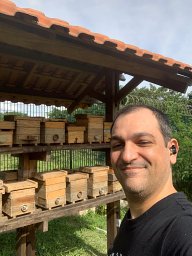 Tiago Mauricio Francoy合作论文数Escola de Artes, Ciências e Humanidades, Universidade de São Paulo14
 Michelle Manfrini Morais合作论文数Faculdade de Filosofia, Ciências e Letras de Ribeirão Preto, Universidade de São Paulo13a dos santos cristino合作论文数11j e b da silva合作论文数11g f de almeida合作论文数11
 Zila LP Simoes合作论文数Faculdade de Filosofia, Ciências e Letras de Ribeirão Preto, Universidade de São Paulo10
 Klaus Hartfelder合作论文数Dept. Cell and Molecular Biology, Faculdade De Medicina De Ribeirao Preto, Universidade De Sao Paulo10
 Andresa Berretta合作论文数9A NASCIMENTO合作论文数8
 Anete P. Lourenço合作论文数Faculdade de Medicina de Ribeirão Preto, Universidade de São Paulo7
 Fabio Erminio Mingatto合作论文数Dept Anim Sci, Sao Paulo State Univ UNESP6
 Espencer Soares合作论文数6
 Dejair Message合作论文数Departamento de Biologia Animal6
 A. R. Pereira合作论文数Departamento de F ´ õsica;Universidade Federal de Vicosa;Departamento de F ´ õsica, Universidade Federal de Vicosa6
 Rodrigo Pereira合作论文数Faculdade de Filosofia;Letras de Ribeirão Preto, USP;Letras de Ribeirão Preto, USP6
 Gilberto Joao Padovan合作论文数5morse roger a macdonald jon e and zmarlicki cyprian合作论文数5Joyce Mayra Volpini de Almeida合作论文数5
 Marcia Regina Cavichio Issa合作论文数5
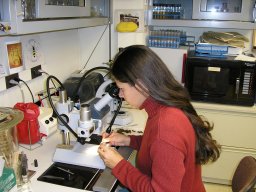 Erica Weinstein Teixeira合作论文数Paulista de Tecnologia dos Agronegocios, Secretaria de Agricultura e Abastecimento;Universidade Federal de Vicosa;Departamento de Biologia Animal;Universidade Federal de Sao Paulo;Departamento de Psicobiologia;Edifõ ´ cio Biomedicas;Universidade de Sao Paulo;Instituto de Biociencias;Departamento de Botanica;Universidade Federal de Sao Paulo, Universidade de Sao Paulo5H. C. Wien合作论文数5e d tanaka合作论文数4A P Turcatto合作论文数4
 Marcelo Augusto Duarte Silveira合作论文数4
 Katia Gramacho合作论文数4van Halteren B W合作论文数4
 Marina Basualdo合作论文数Facultad de Ciencias Veterinarias, Universidad Nacional del Centro de la Provincia de Buenos Aires4
 Julio Sergio Marchini合作论文数Medical Nutrition Division, Departamento de Clínica Médica, Ribeirao Preto School of Medicine, University of São Paulo;Hospital das Clínicas, Ribeirao Preto School of Medicine, University of São Paulo4G.A. Brinkman合作论文数4Jairo Kenupp Bastos合作论文数Faculdade de Ciências Farmacêuticas de Ribeirão Preto, Universidade de São Paulo4Maria Das Graças Vidal合作论文数4
 Igor Medici de Mattos合作论文数3
 Marcos Maioli合作论文数3Rodrigues Luciana P合作论文数3Guelfi Marieli合作论文数3Corrêa-Marques M H合作论文数3
 Judith Principal合作论文数3
 Eduardo F. Vicente合作论文数Instituto de Quimica, UNESP – Univ. Estadual Paulista3Geraldo Moretto合作论文数3Rogério da Hora Passos合作论文数2P Rosenkranz合作论文数2
 Vera Lucia Castelo Figueiredo合作论文数2Julio Cezar Miranda Sampaio合作论文数2
 Suzete Nascimento Farias da Guarda合作论文数2




