Glucose metabolism is a critical regulator of T cell function, largely thought to support their activation and effector differentiation. Here, we investigate how individual glycolytic reactions determine the pathogenicity of T helper 17 (Th17) cells using Compass, an algorithm we previously developed for inferring metabolic states from single-cell RNA sequencing. Surprisingly, Compass predicted that the metabolic shunt between 3-phosphoglycerate (3PG) and 2-phosphoglycerate (2PG) is inversely correlated with pathogenicity in Th17 cells. Indeed, perturbation of phosphoglycerate mutase (PGAM), the enzyme catalyzing 3PG to 2PG conversion, induces a pathogenic gene expression program by suppressing a gene module associated with the least pathogenic state of Th17 cells. Finally, PGAM inhibition in Th17 cells exacerbates neuroinflammation in the adoptive transfer model of experimental autoimmune encephalomyelitis, consistently with PGAM promoting the non-pathogenic phenotype of Th17 cells. Overall, our study identifies PGAM, contrary to other glycolytic enzymes, as a negative regulator of pathogenic Th17 cell differentiation.
Abstract T cell exhaustion resulting from chronic antigen stimulation and an immunosuppressive tumor microenvironment limits the efficacy of T cell therapies in the solid tumor setting. The onset of T cell exhaustion is associated with distinct epigenetic and transcriptional changes. We hypothesized that genetic perturbations which shift T cells away from exhaustion associated states could increase the potency of immunotherapies. To this end, we utilized pooled, in vitro CRISPR/Cas9-based screening paired with deep sequencing readouts to characterize perturbation dependent T cell states in the context of chronic antigen stimulation. In order to achieve this, we developed a lentivirus-based workflow to perform CRISPRko, CRISPRi and CRISPRa pooled screens in human CAR T-cells that allowed for assessment of T cell phenotypes mediated by knockout, knockdown or overexpression of a large pool of target genes with single cell transcriptome readout. Subjecting these engineered CAR T-cells to an antigen-specific, cell-based repetitive stimulation assay (RSA) led to the progressive loss of T cell proliferation and effector function enabling in vitro modeling of T cell exhaustion. Moreover, characterization of the CAR T-cells by single cell sequencing recapitulated key hallmarks of the transcriptional and epigenetic landscape of T cell exhaustion. We also discovered T cell intrinsic gene perturbations that govern T cell states in the context of chronic antigen stimulation. These results demonstrate the power of pooled CRISPR screening with single cell readouts to identify novel target genes to enhance CAR T-cell therapies. Citation Format: Sahil Joshi, Glenn Wozniak, John Gagnon, Kristina Vucci, Allyson Merrell, Mandi Simon, Catherine Oh, Andrew Cardozo, David DeTomaso, Julie Chow, Grace Zheng, Angela Boroughs, Keith Joho, Pratiksha Thakore, Soyoung Oh, Jake Freimer, Ashley Cass, Vibhavari Sail, Carla Tocchini, Marian Sandoval, Andrea Liu, Eric Cui, Matt Drever, Brendan Galvin, Jeff Milush, Levi Gray-Rupp, Emily Wheeler, Bob Chen, Jacob Levine, Celine Eidenschenk, Jill Schartner, Katie Geiger-Schuller, Jan-Christian Huetter, Sascha Rutz, Orit Rozenblatt-Rosen, Ira Mellman, W. Nicholas Haining. Pooled CRISPR screening coupled with single-cell sequencing identifies modifiers of CAR T cell state in the context of chronic antigen stimulation [abstract]. In: Proceedings of the American Association for Cancer Research Annual Meeting 2024; Part 1 (Regular Abstracts); 2024 Apr 5-10; San Diego, CA. Philadelphia (PA): AACR; Cancer Res 2024;84(6_Suppl):Abstract nr 7034.
Abstract Clinically effective adoptive T cell therapy for the treatment of solid tumors will require robust T cell expansion, persistence, and potency. The Janus-kinase signal transducer and activator of transcription (JAK-STAT) pathway governs T cell activation and differentiation, and can thereby serve as a critical regulator of these properties. To take advantage of the benefits of STAT signaling in programming an antitumor T-cell response, we used synthetic biology to create a library of proteins, termed Synthetic Pathway Activators (SPAs) which constitutively drive STAT signaling without the need for external cytokine input. SPAs can be designed to engage activity of multiple STAT family transcription factors at variable levels through rational design. We have developed several classes of SPAs, including but not limited to Class I SPAs, which primarily increase pSTAT3 activity, and Class II SPAs, which increase pSTAT5 activity. When constitutively expressed in ArsenalBio Integrated Circuit T (ICT) cells, SPAs result in significant enhancements in T-cell potency and expansion. Repetitive stimulation assays, wherein T cells are challenged with tumor cells every 2 days, reveal that Class I SPAs result in 6-log or higher improved tumor cell clearance over a 2-week assay period. Across various mouse xenograft models, SPA-expressing ICTs reach at least 6-fold improved tumor growth inhibition. RNAseq and ATACseq analysis indicate dramatic changes to gene expression profiles in T cells expressing Class I SPAs, with maintenance of T cell stem-like phenotypes, and restricted accessibility of various exhaustion marker genes. Importantly, despite significantly increased levels of expansion, ICTs equipped with SPAs are not immortalized, showing no signs of cytokine-independent outgrowth. In addition, SPA-expressing ICT cells rapidly contract following tumor clearance in-vivo. The SPA platform represents a novel, tunable, and T cell intrinsic approach for engineering cell fates that result in potent anti-tumor properties. Citation Format: Thomas J. Gardner, Beatriz Millare, Anzhi Yao, Ashley Cass, Suchismita Mohanty, Jeremy Chen, Alma Gomez, David DeTomaso, Manching Ku, Lionel Berthoin, Meng Lim, Azalea Ong, Vince Thomas, Nicholas Quant, Brian Hsu, Amy-Jo Casbon, Natalie Bezman, Aaron Cooper, Levi Gray-Rupp, Angela C. Boroughs, W. Nicholas Haining. Tunable STAT activation by synthetic pathway activators (SPAs) increases engineered T-cell potency and persistence. [abstract]. In: Proceedings of the American Association for Cancer Research Annual Meeting 2023; Part 1 (Regular and Invited Abstracts); 2023 Apr 14-19; Orlando, FL. Philadelphia (PA): AACR; Cancer Res 2023;83(7_Suppl):Abstract nr 4073.
Cell therapies have shown limited efficacy in solid tumors, in part due to limitations in CAR T cell survival, expansion, and resistance to immunosuppressive pathways operating in the tumor microenvironment (TME). To overcome these hurdles, we screened a library of 171 pair-wise gene knockouts using CRISPR-Cas9 to identify gene pairs that confer greater proliferation and persistence with repetitive stimulation. Combined KO of FAS and PTPN2 led to a significant improvement in T cell effector function and proliferative capacity. FAS, the receptor for FASLG, is highly expressed on patient-derived T cells and has been shown to induce T cell apoptosis and limit T cell persistence in the TME. PTPN2 is a phosphatase, in which deletion increases T cell proliferation and cytotoxicity. To develop this clinically, we generated CAR T cells with a shRNA module capable of multiplexed knockdown of both FAS and PTPN2. The FAS/PTPN2 shRNA module protected T cells from FAS-mediated apoptosis and resulted in a marked increase in T cell expansion over the course of a repetitive stimulation assay. Consistent with these observations, RNAseq analysis revealed enhanced transcriptome-wide signatures of cell cycle and T cell effector function. Finally, in a tumor xenograft model, CAR T cells containing FAS/PTPN2 shRNA module demonstrated significantly improved tumor control in addition to increased cell numbers in circulation compared with CAR T cells expressing an irrelevant shRNA module. The use of a multiplexed shRNA module is a powerful approach to improve T cell intrinsic functionality in cellular therapies, enabling: 1) tailored levels of inhibition of multiple key regulators of T cell biology with constitutive or antigen-gated expression, and 2) a method for genetic perturbations in T cells with reduced risk of toxicity or transformation compared with multiple DNA edits. The FAS/PTPN2 shRNA module described here will be tested as a component of AB-1015, an integrated circuit T cell therapy for solid tumors expressing ALPG and mesothelin. Citation Format: John Gagnon, Adam J. Litterman, Jason A. Hall, Dina Polyak, Stanley Zhou, Sahil Joshi, Oliver Takacsi-Nagy, Hans Pope, luisa silva, brenal K. Singh, jeffrey M. Granja, david DeTomaso, Edgar Aristil-Lepe, Michelle Tan, Brendan Galvin, Grace X. Zheng, Stephen Santoro, Aaron Cooper, Natalie Bezman, W Nicholas Haining. Multiplexed shRNAs targeting FAS and PTPN2 enhance CAR T persistence and anti-tumor efficacy [abstract]. In: Proceedings of the American Association for Cancer Research Annual Meeting 2022; 2022 Apr 8-13. Philadelphia (PA): AACR; Cancer Res 2022;82(12_Suppl):Abstract nr 2830.
Background Chimeric antigen receptor (CAR) T cell therapy has emerged as an important new tool in the treatment of cancers. However, the complexity of the enhancements used is limited by the amount of genetic information that can be integrated into the genome. Our approach utilizes Integrated Circuit T (ICT) cells, which are engineered to include a large DNA cassette that includes: receptor strategies to target multiple tumor antigens; transcriptional modifications that alter cell state; engineered cytokines and chemokines and variations in the CAR binding and signaling domains. Our first ICT clinical program, AB-1015, is an autologous cell product for the treatment of ovarian cancer. The AB-1015 transgene cassette consists of a logic gate directed against ALPG/P and MSLN and an shRNA-miR module targeting FAS and PTPN2 that enhance potency and confer resistance to the tumor microenvironment. This transgene is delivered into primary T cells via non-viral, site-specific editing into a safe-harbor locus via CRISPR integration of transgenes by electroporation (CITE). CITE has many advantages over viral and other non-viral random integration methods, including more predictable transgene expression and function, reduced risk of unsafe insertional mutagenesis, and efficient integration of large cassettes. Methods To identify candidate genomic loci for CITE-directed gene insertion we used epigenetic analysis, transcriptional profiling, and high-throughput gene-editing of primary T cells. Loci were further characterized using T cell functional assays. Knock-in efficiency and transgene expression stability in primary human T cells were evaluated for all loci. Lead candidate loci were tested for compatibility with complex T cell programs embodied by our integrated circuits, containing a priming receptor (PrimeR, ALPG/P) that triggers the expression of a CAR (MSLN) in response to a priming antigen. The top insertion site, GS94, was further characterized using in silico and empirical approaches. Results GS94 was identified as an optimal locus for CITE-directed gene insertion based upon: 1) stable and high PrimeR expression; 2) high and inducible CAR expression; and 3) a superior T cell cytotoxic and cytokine secretion profile. We were unable to identify any off-target events generated by CITE at GS94, including off-target editing, knock-in and translocations, using a suite of molecular assays including iGUIDE, rhAMPseq, deep whole genome sequencing, and anchored-PCR. Conclusions CITE editing at GS94 is specific and generates highly functional ICT cells. This novel approach to engineering tumor-specific T cells enables the generation of exceptional clinical candidates that both target new cancer types and improve efficacy.
Interleukin-23 receptor plays a critical role in inducing inflammation and autoimmunity. Here, we report that Th1-like cells differentiated in vitro with IL-12 + IL-21 showed similar IL-23R expression to that of pathogenic Th17 cells using eGFP reporter mice. Fate mapping established that these cells did not transition through a Th17 cell state prior to becoming Th1-like cells, and we observed their emergence in vivo in the T cell adoptive transfer colitis model. Using IL-23R-deficient Th1-like cells, we demonstrated that IL-23R was required for the development of a highly colitogenic phenotype. Single-cell RNA sequencing analysis of intestinal T cells identified IL-23R-dependent genes in Th1-like cells that differed from those expressed in Th17 cells. The perturbation of one of these regulators (CD160) in Th1-like cells inhibited the induction of colitis. We thus uncouple IL-23R as a purely Th17 cell-specific factor and implicate IL-23R signaling as a pathogenic driver in Th1-like cells inducing tissue inflammation.
BackgroundIn solid tumors, CAR T cell efficacy is limited by off-tumor toxicity and suppression by the tumor microenvironment (TME). AB-X is an integrated circuit T cell (ICT cell) intended for the treatment of ovarian cancer. AB-X includes a transgene cassette with two functional modules: 1) an ”AND” logic gate designed to limit off-tumor toxicity through dual tumor antigen recognition; 2) a dual shRNA-miR to resist TME suppression and improve ICT cell function. The AB-X logic gate consists of a priming receptor that induces expression of an anti-mesothelin (MSLN) CAR upon engagement of a ALPG/P (alkaline phosphatase germ-line/placental). The dual shRNA-miR mediates downregulation of FAS and PTPN2. The AB-X DNA cassette is inserted into the T cell genome at a defined novel genomic site via CRISPR-based gene editing.MethodsDual-antigen specificity of the logic gate was assessed in mice harboring MSLN+ and ALPG/P+MSLN+ K562 tumors established on contralateral flanks. Potency was measured in a subcutaneous MSTO xenograft model. Logic-gated ICT cells were compared with MSLN CAR T cells in both models. In vitro, expansion of ICT cells with the FAS/PTPN2 shRNA-miR was evaluated in a 14 day repetitive stimulation assay (RSA). In vivo, expansion and potency were measured in the MSTO xenograft model. An in vitro FAS cross-linking assay was conducted to assess the impact of FAS knockdown on FAS-mediated apoptosis.ResultsLogic-gated ICT cells demonstrated specific activity against ALPG/P+MSLN+ tumors, but had no effect against MSLN+ tumors in the K562 in vivo specificity model. In addition, logic-gated ICT cells demonstrated greater in vivo potency than MSLN CAR T cells in the MSTO xenograft model. In our RSA, ICT cells containing the FAS/PTPN2 shRNA-miR had 8-fold greater expansion than the MSLN CAR T cells. Enhanced expansion was confirmed in vivo with ICT cells demonstrating >10-fold expansion in tumors and peripheral blood, enabling comparable growth inhibition in MSTO xenografts at less than one quarter the dose of the MSLN CAR T cells. Importantly, PTPN2 knockdown resulted in balanced expansion of all T cell subsets, including CD45RA+, CCR7+ memory cells. Lastly, ICT cells containing the FAS/PTPN2 shRNA-miR were resistant to FAS-mediated apoptosis.ConclusionsAB-X ICT cells specifically recognize ALPG/P+MSLN+ tumors, demonstrate superior potency, expansion, and persistence compared with MSLN CAR T cells, and are resistant to ovarian TME suppression. AB-X will be evaluated in clinical trials for treatment of platinum resistant/refractory ovarian cancer.AcknowledgementsWe would like to acknowledge all of our colleagues at Arsenal Biosciences, without whom this work would not have been possible.
Cellular metabolism, a key regulator of immune responses, is difficult to study with current technologies in individual cells Here, we present Compass, an algorithm to characterize the metabolic state of cells based on single-cell RNA-Seq and flux balance analysis. We applied Compass to associate metabolic states with functional variability (pathogenic potential) amongst Th17 cells and recovered a metabolic switch between glycolysis and fatty acid oxidation, akin to known differences between Th17 and Treg cells, as well as novel targets in amino-acid pathways, which we tested through targeted metabolic assays. Compass further predicted a particular glycolytic reaction (phosphoglycerate mutase — PGAM) that promotes an anti-inflammatory Th17 phenotype, contrary to the common understanding of glycolysis as pro-inflammatory. We demonstrate that PGAM inhibition leads non-pathogenic Th17 cells to adopt a pro-inflammatory transcriptome and induce autoimmunity in vivo. Compass is broadly applicable for characterizing metabolic states of cells and relating metabolic heterogeneity to other cellular phenotypes.
Summary The cytokine receptor IL-23R plays a fundamental role in inflammation and autoimmunity. However, several observations have been difficult to reconcile under the assumption that only Th17 cells critically depend on IL-23 to acquire a pathogenic phenotype. Here, we report that Th1 cells differentiated in vitro with IL-12 + IL-21 show similar levels of IL-23R expression as in pathogenic Th17 cells. We demonstrate that IL-23R is required for Th1 cells to acquire a highly colitogenic phenotype. scRNAseq analysis of intestinal T cells enabled us to identify novel regulators induced by IL-23R-signaling in Th1 cells which differed from those expressed in Th17 cells. The perturbation of one of these regulators (CD160) in Th1 cells inhibited induction of colitis. In this process, we were able to uncouple IL-23R as a purely Th17 cell-specific factor and implicate IL-23R signaling as a pathogenic driver of Th1 cell-mediated tissue inflammation and disease.
Two fundamental aims that emerge when analyzing single-cell RNA-seq data are identifying which genes vary in an informative manner and determining how these genes organize into modules. Here, we propose a general approach to these problems, called "Hotspot," that operates directly on a given metric of cell-cell similarity, allowing for its integration with any method (linear or non-linear) for identifying the primary axes of transcriptional variation between cells. In addition, we show that when using multimodal data, Hotspot can be used to identify genes whose expression reflects alternative notions of similarity between cells, such as physical proximity in a tissue or clonal relatedness in a cell lineage tree. In this manner, we demonstrate that while Hotspot is capable of identifying genes that reflect nuanced transcriptional variability between T helper cells, it can also identify spatially dependent patterns of gene expression in the cerebellum as well as developmentally heritable expression programs during embryogenesis. Hotspot is implemented as an open-source Python package and is available for use at http://www.github.com/yoseflab/hotspot. A record of this paper's transparent peer review process is included in the supplemental information.
Two fundamental aims that emerge when analyzing single-cell RNA-seq data are that of identifying which genes vary in an informative manner and determining how these genes organize into modules. Here we propose a general approach to these problems that operates directly on a given metric of cell-cell similarity, allowing for its integration with any method (linear or non linear) for identifying the primary axes of transcriptional variation between cells. Additionally, we show that when using multimodal data, our procedure can be used to identify genes whose expression reflects alternative notions of similarity between cells, such as physical proximity in a tissue or clonal relatedness in a cell lineage tree. In this manner, we demonstrate that while our method, called Hotspot , is capable of identifying genes that reflect nuanced transcriptional variability between T helper cells, it can also identify spatially-dependent patterns of gene expression in the cerebellum as well as developmentally-heritable expression signatures during embryogenesis.
ABSTRACT Cellular metabolism can orchestrate immune cell function. We previously demonstrated that lipid biosynthesis represents one such gatekeeper to Th17 cell functional state. Utilizing Compass, a transcriptome-based algorithm for prediction of metabolic flux, we constructed a comprehensive metabolic circuitry for Th17 cell function and identified the polyamine pathway as a candidate metabolic node, the flux of which regulates the inflammatory function of T cells. Testing this prediction, we found that expression and activities of enzymes of the polyamine pathway were enhanced in pathogenic Th17 cells and suppressed in regulatory T cells. Perturbation of the polyamine pathway in Th17 cells suppressed canonical Th17 cell cytokines and promoted the expression of Foxp3, accompanied by dramatic shift in transcriptome and epigenome, transitioning Th17 cells into a Treg-like state. Genetic and chemical perturbation of the polyamine pathway resulted in attenuation of tissue inflammation in an autoimmune disease model of central nervous system, with changes in T cell effector phenotype.
We present Vision, a tool for annotating the sources of variation in single cell RNA-seq data in an automated and scalable manner. Vision operates directly on the manifold of cell-cell similarity and employs a flexible annotation approach that can operate either with or without preconceived stratification of the cells into groups or along a continuum. We demonstrate the utility of Vision in several case studies and show that it can derive important sources of cellular variation and link them to experimental meta-data even with relatively homogeneous sets of cells. Vision produces an interactive, low latency and feature rich web-based report that can be easily shared among researchers, thus facilitating data dissemination and collaboration.
Systematic measurement biases make normalization an essential step in single-cell RNA sequencing (scRNA-seq) analysis. There may be multiple competing considerations behind the assessment of normalization performance, of which some may be study specific. We have developed “scone”— a flexible framework for assessing performance based on a comprehensive panel of data-driven metrics. Through graphical summaries and quantitative reports, scone summarizes trade-offs and ranks large numbers of normalization methods by panel performance. The method is implemented in the open-source Bioconductor R software package scone. We show that top-performing normalization methods lead to better agreement with independent validation data for a collection of scRNA-seq datasets. scone can be downloaded at http://bioconductor.org/packages/scone/.
Cellular metabolism is a powerful regulator of immune response. In order to unbiasedly search for novel metabolic regulators of Th17 development and function, we have developed COMPASS, a computational algorithm to characterize the metabolic landscape of single cells based on single-cell RNA-Seq profiles and flux balance analysis. We used COMPASS to characterize the metabolic heterogeneity in Th17 cells, whose pathogenic state triggers auto-immunity, yet whose non-pathogenic form promotes tissue homeostasis and barrier functions. COMPASS recovered known metabolic switches and predicted that the polyamine pathway should be a novel, powerful regulator of Th17 pathogenicity. We validated the pathway’s effect through an array of transcriptome, LC/MS metabolome, and functional assays. Deletion of polyamine enzymes in T cells resulted in altered metabolic space, T cell functions and, most importantly, aggravated symptoms in EAE, a murine model of multiple sclerosis. While our study is concerned with Th17 cells, COMPASS is generally applicable, and can be used to unbiasedly characterize the metabolic states of any cell population based on its single-cell transcriptome profiles. Furthermore, COMPASS predicts metabolic switches between cell states that present testable, mechanistic hypotheses.
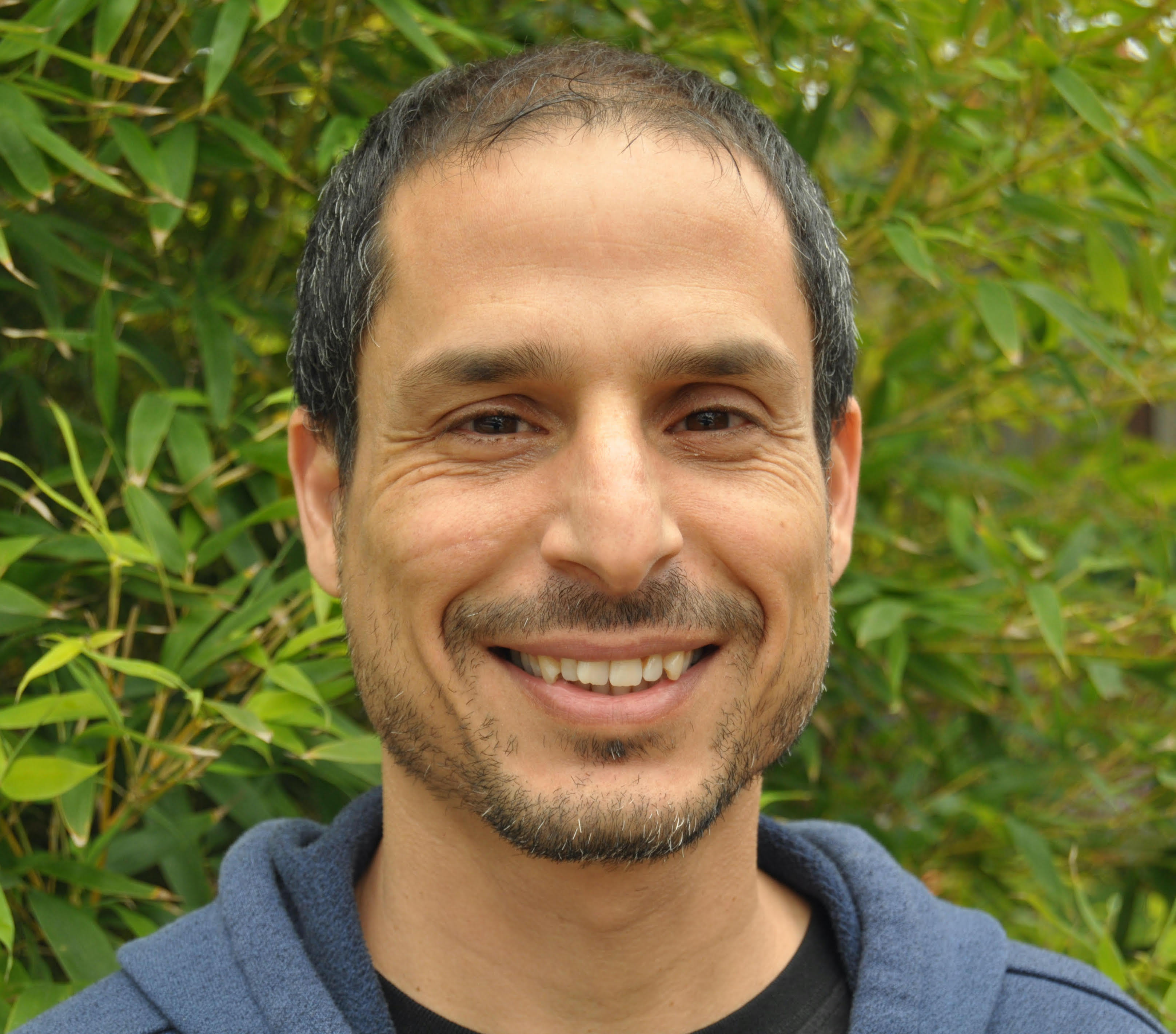 Nir Yosef合作论文数Department of Systems Immunology, Weizmann Institute of Science;Center for Computational Biology, UC Berkeley11
 Nick Haining合作论文数ArsenalBio8
 Levi Gray-Rupp合作论文数6Ashley Cass合作论文数6
 Vijay K. Kuchroo合作论文数Harvard Medical School;Department of Neurology, Brigham and Women’s Hospital6
 Chao Wang合作论文数Department of Immunology, Temerty Faculty of Medicine, University of Toronto;Sunnybrook6
 Zheng Grace X Y合作论文数MIT Koch Institute for Integrative Cancer Research6Brendan Galvin合作论文数5
 Pratiksha I. Thakore合作论文数Genentech5Wagner Allon合作论文数Tel Aviv University, University of California5
 Aviv Regev合作论文数Howard Hughes Medical Institute;Statistics + Data Science Center, Schwarzman College of Computing, Massachusetts Institute of Technology;Broad Institute, Massachusetts Institute of Technology;The Center for Microbiome Informatics & Therapeutics, Massachusetts Institute of Technology5Lionel Berthoin合作论文数4Angela Boroughs合作论文数4Suchismita Mohanty合作论文数4
 Yao Anzhi合作论文数College of Life Sciences, Peking University4Natalie A. Bezman合作论文数Univ Calif San Francisco4Alma Gomez合作论文数3Vince Thomas合作论文数3Nicholas Quant合作论文数3Orit Rozenblatt-Rosen合作论文数3Sahil Joshi合作论文数3Stephen Santoro合作论文数3Angela C. Boroughs合作论文数3Jill Schartner合作论文数3Aaron Cooper合作论文数3
 Alexandra Schnell合作论文数Evergrande Center for Immunologic Diseases, Brigham and Women's Hospital, Harvard Medical School, Boston, MA, USA.3Beatriz Millare合作论文数3Chen Jeremy合作论文数3
 Kerry A Pierce合作论文数3
 Johannes Fessler合作论文数Department of Rheumatology and Immunology, Medical University of Graz3Zaghouani Sarah合作论文数and Brigham and Women's Hospital, Harvard Medical School3
 Thomas J Gardner合作论文数Department of Microbiology, Icahn School of Medicine at Mount Sinai3Gagnon John合作论文数Program in Medical and Population Genetics, Broad Institute;and.3
 Jacob H Levine合作论文数3
 Ira Mellman合作论文数School of Medicine, University of California San Francisco;Parker Institute for Cancer Immunotherapy;Medici Therapeutics3
 Manching Ku合作论文数3
 Sascha Rutz合作论文数Medical Faculty (Charité),, Humboldt University Berlin3
 Dina Polyak合作论文数3
 Clary Clish合作论文数The Broad Institute of MIT and Harvard3Marian Sandoval合作论文数2Michelle Tan合作论文数2Michelle Nguyen合作论文数2Kristina Vucci合作论文数2Matt Drever合作论文数2A. Wallrapp合作论文数2Julian Avila-Pacheco合作论文数2
 Bob Chen合作论文数Epithelial Biology Center, Vanderbilt University Medical Center, Nashville, Tennessee2
 Lloyd Bod合作论文数Brigham & Womens Hosp2




