Social connections are essential for well-being, particularly in middle-aged and older adults, but maintaining them becomes challenging due to shrinking social networks and physical limitations that hinder participation in social events. Social media offers a potential avenue for increasing social interaction and online social support, thereby reducing loneliness and enhancing well-being. Links among social media, loneliness, and well-being remain unclear due in part to age-related differences in how social media is used and perceived. This study utilized data from MIDUS wave 3 and MIDUS refresher 1 (n = 6871) adults in the Midlife in the United States (MIDUS) survey to investigate how social media-based digital contact mediates the relationships between age, loneliness, and emotional and psychological well-being outcomes. Older age was associated with a lower frequency of social media contact with family and friends. Reduced family contact was linked to greater loneliness, lower positive affect, higher negative affect, and poorer psychological well-being. Significant indirect effects of age on emotional and psychological well-being, mediated by family-related social media-based digital contact and loneliness, were observed. These findings highlight the unique emotional importance of family connections in later life. Enhancing family-focused social media engagement could mitigate loneliness and improve psychological health, offering a valuable strategy to reduce social isolation in aging populations.
Smartphone-based digital trace data can offer powerful insights for identifying behavioural patterns and health risks. However, existing tools for comprehensive data collection lack scalability, customizability, transparency and accessibility. To address these gaps, we developed an open-source platform that enables in situ capture of multimodal digital traces from smartphones (for example, moment-by-moment capture of screenshots, application usage logs, interaction histories and phone sensor readings). The Stanford Screenomics Data Collection application allows researchers to tailor data types and quality, data transfer methods and upload cadence. The Dashboard application supports real-time monitoring of participants’ data provision, identification of data issues and automated reactive communications to participants. The platform’s back end uses a NoSQL database for secure, and Health Insurance Portability and Accountability Act-compliant storage. Using illustrative 24-h digital trace data, we demonstrate how the platform expands the range of possible digital phenotyping studies. Following a privacy-preserving framework, an open-source platform allows for continuous monitoring of a wide range of smartphone-based signals, including moment-by-moment capture of screenshots, application usage logs, interaction histories and phone sensor readings.
OBJECTIVES:Generative artificial intelligence (GenAI) could be used to write text message content in physical activity behavior change interventions for middle-aged and older adults. Yet, biases in GenAI systems could lead to culturally insensitive or low-quality messages. Evaluating the acceptability of GenAI-authored messages is crucial before use in interventions. This research examined middle-aged and older adults' perceptions of the cultural sensitivity and quality of GenAI-authored messages for promoting physical activity, and the person- and message-level factors influencing these perceptions. METHODS:In a cross-sectional survey, middle-aged and older adults (≥40 years of age; N = 630; mean age = 56.8 years; SD = 10.1) read 80 text messages written by GenAI and identified those that were culturally insensitive or had other problems. Descriptive statistics identified the proportion of GenAI-authored messages labeled as having issues. Separate negative binomial regressions examined the participant (zero-inflated) and message factors associated with message issues. RESULTS:Of 49,859 cultural sensitivity and 49,894 quality message ratings, only 4.9% and 6.1% of the messages, respectively, were labeled as having issues. Knowledge of AI-authorship and more favorable attitudes toward AI were associated with identifying more messages as culturally insensitive. Messages generated by prompts that targeted sitting less (compared to moving more) or that described preparing for activity (compared to performing physical activity) received more labels as containing quality issues. DISCUSSION:GenAI can be prompted to write high-quality, culturally sensitive text messages for promoting physical activity for middle-aged and older adults. Message content and participants' knowledge of AI use could influence perceptions.
Smartwatches facilitate low-burden rapid-access micro-interactions, making them ideal for Experience Sampling Methods (ESMs). Despite the Apple Watch being the most popular smartwatch in the U.S., it has yet to be utilized in ESM studies due to a lack of accessible frameworks that enable deployment without technical expertise. We developed DOSE, an open-source ESM framework tailored for the Apple Watch. It includes tools and documentation that allow researchers to configure surveys, build custom apps, deploy studies, and stream data to servers without programming skills. We evaluated the framework's feasibility in a 28-day field study with 18 participants (mean age = 55.3 ± 9.2). Results showed reliable prompt delivery and high response rates (>80% overall), with median interaction times under 10 seconds. Participants demonstrated increasing efficiency in responses over time. These findings establish the DOSE framework as a practical, scalable solution for Apple Watch-based ESMs and a foundation for future smartwatch research.
OBJECTIVE:Repeated 24-hour urine (24HU) collections are used to evaluate risk factors for recurrence of kidney stones but are costly and burdensome. This study aimed to develop and validate machine learning models to predict 24HU volume from patients' self-reported beverage intake and classify compliance with guidelines for preventing kidney stone recurrence. DESIGN AND METHODS:Data were extracted from 2 clinical trials: trial 1 (development dataset: n = 380) and trial 2 (validation dataset: n = 142). Regression models (linear regression, regression trees, random forest, and support vector machine) were trained to predict continuous 24HU volume, while classification models (logistic regression, classification trees, random forest, and support vector machine) were trained to predict low urine volume (<2 L). RESULTS:No differences were found between the development and validation datasets on demographic characteristics, 24HU volume, or self-reported beverage intake. Random forest model performed the best in predicting 24HU volume on both training and external validation datasets. Random forest also excelled at predicting high urine output in the development dataset but with overfitting risks. All classification models had high negative predictive values, reliably identifying individuals with low urine volume. CONCLUSIONS:Machine learning models based on self-reported beverage intake and demographic characteristics can predict 24HU volume in kidney stone patients. They reliably identified patients with ≥2 L/day urine output but perform poorly for identifying those with low output volumes. Additional inputs should be considered to improve prediction and help identify patients who would benefit from targeting fluid intake for stone prevention.
Background/Objectives: Kidney stone patients struggle to attain the recommended fluid intake. Prior work has focused on the strength of habits (i.e., context-behavior associations) for fluid intake, but given the variability in the contexts of daily life, the scope of efforts to create opportunities to drink across contexts may also be important. Methods: A cross-sectional study was conducted among adults with a history of kidney stones (N = 265). Participants identified situations in which they made an effort to have a glass of water nearby (opportunity creation), rated the experienced automaticity of water intake (i.e., habit strength, measured via the Self-Report Behavioral Automaticity Index), and reported past-week fluid intake volumes. Latent class analysis was used to identify distinct subgroups based on the contexts in which individuals created opportunities to drink, and multivariable linear regression was used to examine the associations between habit strength, class membership, and daily fluid intake. Results: Three latent classes were identified based on the scope of opportunity creation across contexts: widespread (27.9% of the sample; water intake: 41.2 ± 17.1 fl oz), selective (43.4%; water intake: 32.6 ± 16.33 fl oz), and limited (28.7%; water intake: 19.01 ± 16.08 fl oz). The widespread class reported stronger habits (22.45 ± 6.43) and higher water intake than the selective (19.97 ± 6.20) or limited classes (14.38 ± 6.81) (all Ps < 0.001). Stronger habits significantly predicted higher daily water intake (b = 0.90, SE = 0.16, p < 0.001). No significant association was found between habit strength and total fluid intake volume (b = 1.06, SE = 0.74, p = 0.17). Conclusions: Habit strength positively predicted water intake for all classes. To increase fluid intake, clinical interventions should help patients develop drinking habits tied to specific daily contexts.
Background Self-tracking physical activity can involve receiving behavioral feedback from a device, engaging in manual self-monitoring, or a combination of the two. Objective This scoping review examines the implementation of digital self-tracking interventions aimed at promoting physical activity among adults, emphasizing automation formats, dosage metrics, and age-specific adaptations. Methods A scoping review was conducted of randomized intervention studies published between 2007 and 2025. Eligible studies examined digital self-tracking interventions targeting physical activity in adult populations. Data were charted to summarize intervention characteristics, including self-tracking format, automation level, intervention duration, tracking frequency, and age-related patterns. Results A total of 197 studies involving 38,492 participants were included. Semi-automated approaches were used most frequently (52%), followed by automated (31%) and manual (7%) methods, and multiple-method approaches (10%). Wearable devices were the most common intervention format (37%), often combined with other digital applications (33%). Intervention duration averaged 21 weeks, and daily self-tracking was the most frequently reported tracking schedule (60%). Few age-related differences in self-tracking format and frequency were observed; however, interventions targeting younger adults tended to be shorter in duration, whereas those targeting middle-aged and older adults more often involved extended self-tracking periods. Conclusions Digital self-tracking interventions for physical activity in adults show substantial variability in format and dosage. The findings highlight the need for age-responsive and dosage-specific strategies to improve engagement and support physical activity behavior change.
Fruit and vegetable gardening (herein referred to as gardening) is positively associated with two behavioral risk factors for cardiovascular disease (CVD), diet and physical activity. Since gardeners often report enjoying the activity, an intervention that fosters enjoyment (i.e., intrinsic motivation) in those interested could be a promising health promotion strategy. This study assessed the feasibility of Growing Healthy Hearts, a multicomponent gardening, cooking, and the Dietary Approaches to Stop Hypertension (DASH) intervention for adults with CVD risk. Using a 2-arm, parallel-group, pilot randomized controlled trial design, we conducted a 24-week intervention with 10 videoconference sessions and a private Facebook group. Content targeted gardening and cooking skills, nutrition knowledge, intrinsic motivation, and social support. Participants (aged 20 +) were randomized to the intervention or a no treatment control if they had low fruit and vegetable intake (< 5 servings/day), low physical activity (< 150 min/week), and ≥ 1 CVD risk factor. Feasibility was defined as acceptability (mean score on a 5-point scale), recruitment rates, retention, and treatment adherence (completion of 10 gardening tasks). Linear mixed-effects models evaluated changes from baseline to 24 weeks in fruit and vegetable intake, cooking, intrinsic motivation, and steps/day. Forty participants were randomized within 3 months (20/group). They had a mean age of 48 years (SD 12) and were primarily white (n = 29, 73
Introduction: Although many individuals are aware of the health benefits of regular exercise, few engage in it consistently. Stress, fatigue, and time pressures can deplete self-control resources, making it more difficult to prioritize exercise. When these resources are low, individuals may be more likely to choose activities based on automatic associations with pleasure and reflective evaluations of enjoyment rather than considering the long-term benefits. This tendency may lead individuals, particularly those who have negative perceptions of exercise, to remain sedentary. To address this challenge, we developed PlayFit (PF), a social physical play program designed to maximize exercise enjoyment. PF consists of modified sport-based games that are: (1) easier to play, (2) structured to encourage positive peer interactions, and (3) designed to support self-regulation of physical effort. Methods: Due to the COVID-19 pandemic, several significant modifications were made to the original registered trial design (see Methods section for details). Following these adjustments, the present study compared changes in exercise enjoyment and adherence over a 12-week period between two exercise programs matched for intensity, frequency, and duration: PF and a traditional group exercise program (Small Team Training; STT). Results: A total of 82 participants (38.3 ± 7.9 years of age; 76.8% female; BMI = 31.2 ± 8.1; VO2peak = 24.9 ± 7.9 ml/kg/min) were included in the final analysis. The PF group demonstrated a statistically significant increase in exercise enjoyment from baseline to week 12. There was no difference in the mean number of exercise sessions attended between the two groups, PF (14.0 ± 9.7 days) and STT (10.5 ± 9.6 days, p = 0.10). Conclusions: The observed increase in exercise enjoyment among PF participants suggests that enjoyment may be modifiable over time among adults with overweight or obesity and low cardiorespiratory fitness. These findings support the potential of programs like PlayFit to enhance exercise enjoyment. Future research, with adequate sample sizes and without pandemic-related constraints, is warranted to further explore the impact of intentionally designed enjoyment-focused interventions on long-term exercise adherence.
OBJECTIVES:Mobility disability is associated with functional decline in older adults. Resistance training (RT) improves mobility disability, but adherence to national RT guidelines is poor. We evaluated the effects of a 12-week brief, home-based functional RT program, FAST (Functional Activity Strength Training)-2, on adherence and functional impairment in older, inactive adults ≥ 65 years of age, with pre-existing walking difficulty. METHODS:Eligible older adults were randomized using stratified assignment based on biological sex and age (65-72 and 73+) to either the FAST-2 intervention involving a 4-minute daily workout of four exercises lasting 30 seconds each or the delayed treatment control condition. Video coaching at baseline and at weeks 2, 4 and 8, provided feedback on exercise form, modifications and progression. Daily email reminders were sent for workout completion, and to report exercise performance and rate perceived exertion. Performance and adherence feedback were emailed biweekly. Functional performance was measured by video using the Five-Times Sit-to-Stand (FTSTS) test, One-Legged Stance Test (OLST) and the 30-second chair stand test at baseline and at weeks 6 and 12. RESULTS:Ninety-seven participants were randomized to either the FAST-2 treatment intervention (n = 44) or the delayed treatment control condition (n = 53). The linear mixed-effect model showed the intervention group decreased the FTSTS by 2.3 seconds (95% CI: 0.5-4.1, p = 0.01), increased OLST by 3.6 seconds (95% CI: 0.6-6.5, p = 0.02) and increased the number of chair stands by 4.2 repetitions (95% CI: 2.8-5.7, p < 0.001) more than the control group over 12 weeks. Intervention participants completed the workout 81% of the days. No significant adverse events were reported. CONCLUSION:The 12-week FAST-2 intervention, including only 60-seconds of lower extremity exercises in older individuals with pre-existing walking difficulty, yielded improvement in functional performance. TRIAL REGISTRATION:ClinicalTrials.gov: ID NCT05697497 Study Details | NCT05697497 | Functional Activity Strength Training | ClinicalTrials.gov.
Seasonal phase variation, characterized as a sinusoidal waveform anchored at the annual solstices, can be positively associated with both between- and within-person differences in physical activity in observational, longitudinal, and experimental studies. A continuous measure for adjusting seasonal phase variation will reduce seasonal confounding in physical activity research, increase the precision of effect sizes, and improve the reproducibility of findings.
Background: Most middle-aged and older adults do not engage in sufficient physical activity. Text messages have proven effective for promoting physical activity, but little is known about how message content can engage motivational mechanisms. Purpose: This study aimed to examine how generative artificial intelligence prompts could be engineered to create messages that engage physical activity urges. Methods: Study 1 involved iterative prompt development and expert evaluations of messages, varying by physical activity context (preparation vs. execution), benefit (short-term vs. long-term), experience (past vs. future), and behavioral target (move more vs. sit less). Study 2 involved a web-based factorial experiment to assess how these factors affected urges among middle-aged and older adults. Results: In Study 1, ratings of confidence that text messages (nMessages=16) would evoke urges were moderate yet heterogenous across the experts (nExperts=15). Themes including physical activity cues and affective appeal emerged as key factors. In Study 2, 640 adults (aged 40–85 years, M = 57; 52% female) rated 80 messages. Men reported stronger urges than women, and participants with higher baseline urges reported higher urges after reading the messages. Age moderated two effects: older adults responded more favorably to execution vs. preparation prompts, and the advantage of past over future experiences diminished with age. Two significant three-way interactions showed that execution-based prompts outperformed preparation prompts, except when prompts targeted (1) long-term future benefits and (2) future physical activity experiences. Conclusions: This study identified how specific prompt features can evoke physical activity urges in middle-aged and older adults, supporting development of personalized interventions.
OBJECTIVE:To evaluate the hypotheses that 24-hour urine output volume would be associated with (a) cognitive evaluations of unflavored water and (b) urges to drink. METHODS:Patients (N = 380, 60% female) with a history of kidney stones completed a baseline questionnaire and a 24-hour urine collection. RESULTS:Non-thirst-related urges to drink unflavored water were positively associated with daily urine volume (b = 0.15, P <.01), but non-thirst-related urges to drink flavored drinks were not associated with daily urine volume. Cognitive evaluations of unflavored water were not associated with daily urine volume. CONCLUSION:These findings highlight the importance of affective over cognitive processes for motivating non-thirst-related fluid intake. Non-thirst-related urges to drink unflavored water are a potential target for promoting urine output in patients at risk for kidney stone recurrence and may be potentially used to identify those patients at higher risk in absence of a 24-hour urine volume.
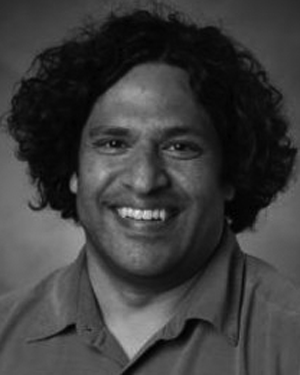 Nilam Ram合作论文数University of Virginia Department of Psychology51
 Aaron L. Pincus合作论文数43
 Jaclyn P Maher合作论文数Department of Kinesiology, The Pennsylvania State University28Necole M. Streeper合作论文数28
 Constantino M. Lagoa合作论文数Penn State Univ, University Pk25Shawna E. Doerksen合作论文数Department of Kinesiology;University of Illinois at Urbana-Champaign;Department of Kinesiology, University of Illinois at Urbana-Champaign23
 Margaret K Danilovich合作论文数Physical Therapy & Human Movement Sciences, Feinberg School of Medicine, Northwestern University21Christopher N. Sciamanna合作论文数21Kathryn H. Schmitz合作论文数21
 Amanda Rebar合作论文数Arnold School of Public Health, University of South Carolina17Amanda L Hyde合作论文数16
 Joshua Morrison Smyth合作论文数Department of Biobehavioral Health, College of Health and Human Development, The Pennsylvania State University16Brunke-Reese Deborah合作论文数16
 David M. Almeida合作论文数Center For Healthy Aging, College of Health and Human Development, Pennsylvania State University15
 Bonnie J Spring合作论文数Feinberg School of Medicine, Northwestern University15
 J. Douglas Coatsworth合作论文数Pennsylvania State University15Steriani Elavsky合作论文数Department of Kinesiology, The Pennsylvania State University15
 Ashley B West合作论文数Penn State Univ, University Pk13
 Jimikaye Courtney合作论文数Department of Exercise and Sport Science, University of North Carolina at Chapel Hill13
 Mama Scherezade K合作论文数University of Houston;The University of Texas M.D. Anderson Cancer Center;University of Houston, The University of Texas M.D. Anderson Cancer Center13
 Yang Chih-Hsiang合作论文数Department of Kinesiology, Pennsylvania State University13
 Edison Thomaz合作论文数Chandra Department of Electrical and Computer Engineering, Cockrell School of Engineering, The University of Texas at Austin12Ian Kim合作论文数11
 Gilchrist Jenna D合作论文数11Silvis Matthew L合作论文数11
 Christine A Pellegrini合作论文数11
 Denis Gerstorf合作论文数Pennsylvania State University11
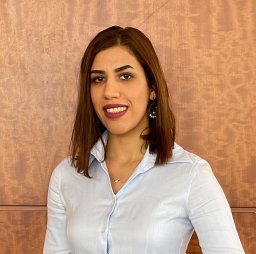 Sahar Hojjatinia合作论文数Penn State Univ10
 Martin J. Sliwinski合作论文数Department of Human Development & Family Studies, College of Health and Human Development, Pennsylvania State University;Center For Healthy Aging, College of Health and Human Development, Pennsylvania State University10
 Andrew Elliot合作论文数Department of Psychology, School of Arts and Sciences, University of Rochester9
 Catherine Sabiston合作论文数Faculty of Kinesiology and Physical Education, University of Toronto9
 Michael A. H. Russell合作论文数Institute of Psychiatry, National Addiction Centre Health Behaviour Unit9Sarah Hojjatinia合作论文数Electrical Engineering, Pennsylvania State University8
 Jenny Olson合作论文数Curtin Sch Populat Hlth, Curtin Univ8
 Matthew A. Ladwig合作论文数Department of Biological Sciences, Purdue University Northwest8
 Sherry Pagoto合作论文数Department of Allied Health Sciences, College of Agriculture, Health and Natural Resources, University of Connecticut8
 Liza Rovniak合作论文数Division of General Internal Medicine, College of Medicine, Penn State College;Department of Public Health Sciences, College of Medicine, Penn State College;Penn State Cancer Institute, College of Medicine, Penn State College;Department of Medicine, College of Medicine, Penn State College8
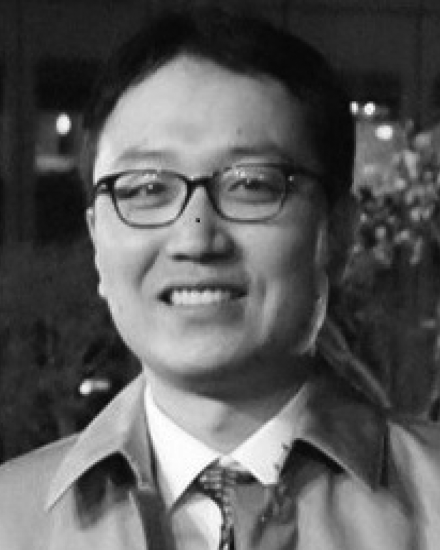 Jinhyuk Kim合作论文数8
 Michael Anthony Roche合作论文数8Alexandra M. Lee合作论文数7Jingchuan Wu合作论文数7
 Lizbeth Benson合作论文数Department of Human Development and Family Studies, The Pennsylvania State University7
 Angela Fidler Pfammatter合作论文数College of Education, Health, and Human Sciences, The University of Tennessee, Knoxville7
 Brandon J. Auer合作论文数6
 Ryan Rhodes合作论文数Behavioural Medicine Laboratory, Cross-listed Faculty Psychology Department, School of Exercise Science, Physical & Health Education, Faculty of Education, University of Victoria6
 Stephanie T Lanza合作论文数State University6James Marks合作论文数5
 Siobhan M Phillips合作论文数Department of Preventive Medicine, Feinberg School of Medicine, Northwestern University5
 Robert Motl合作论文数College of Applied Health Sciences, University of Illinois Chicago5




